
New Zealand is not a small country but a large village.
Peter Jackson
New Zealand is famous for many things. Many think of the country's landscapes, its culture, and its distinctive location in the world. There are plenty of interesting things to explore, but here, we've picked 10 facts we think you'll find interesting.
Key Takeaways
- New Zealand is made up of two main islands, the North Island and the South Island, along with many smaller ones
- Māori culture plays a central role in shaping the country’s identity, language, and traditions
- New Zealand was one of the last places in the world to be settled by humans
- Sheep farming remains a major part of the economy, with millions more sheep than people
- Wellington is the southernmost capital city in the world
- The country has three official languages: English, Māori, and New Zealand Sign Language
- New Zealand’s geography includes volcanoes, mountains, and glaciers across both islands
- Auckland is the largest city, while Wellington serves as the capital
- The Treaty of Waitangi continues to influence governance and legal frameworks
- New Zealand’s wildlife is unique due to millions of years of isolation


1. New Zealand Is Made Up of Two Main Islands and Many Smaller Ones
New Zealand is made up of several islands.⁷ The two main islands are the North Island and the South Island.⁹ The main islands are separated at their narrowest point by the Cook Strait, which is just 20km wide at its narrowest point.¹
The North Island is generally more populated. It's home to cities like Auckland and Wellington. It's known for geothermal activity, including volcanoes, hot springs, and geysers.¹ The South Island is larger, less densely populated, and home to mountain ranges, including the Southern Alps, as well as glaciers and national parks.¹
Key Differences Between the North Island and South Island
North Island
- Approximate area: ~113,700 km²
- Population: ~3.9 million
- Largest city: Auckland
- Landscape: Volcanic and geothermal
- Climate: Warmer, subtropical in parts
- Key feature: Taupō Volcanic Zone
South Island
- Approximate area: ~151,200 km²
- Population: ~1.3 million
- Largest city: Christchurch
- Landscape: Mountains and glaciers
- Climate: Cooler and more temperate
- Key feature: Southern Alps
2. Māori Culture Is Central to New Zealand’s Identity
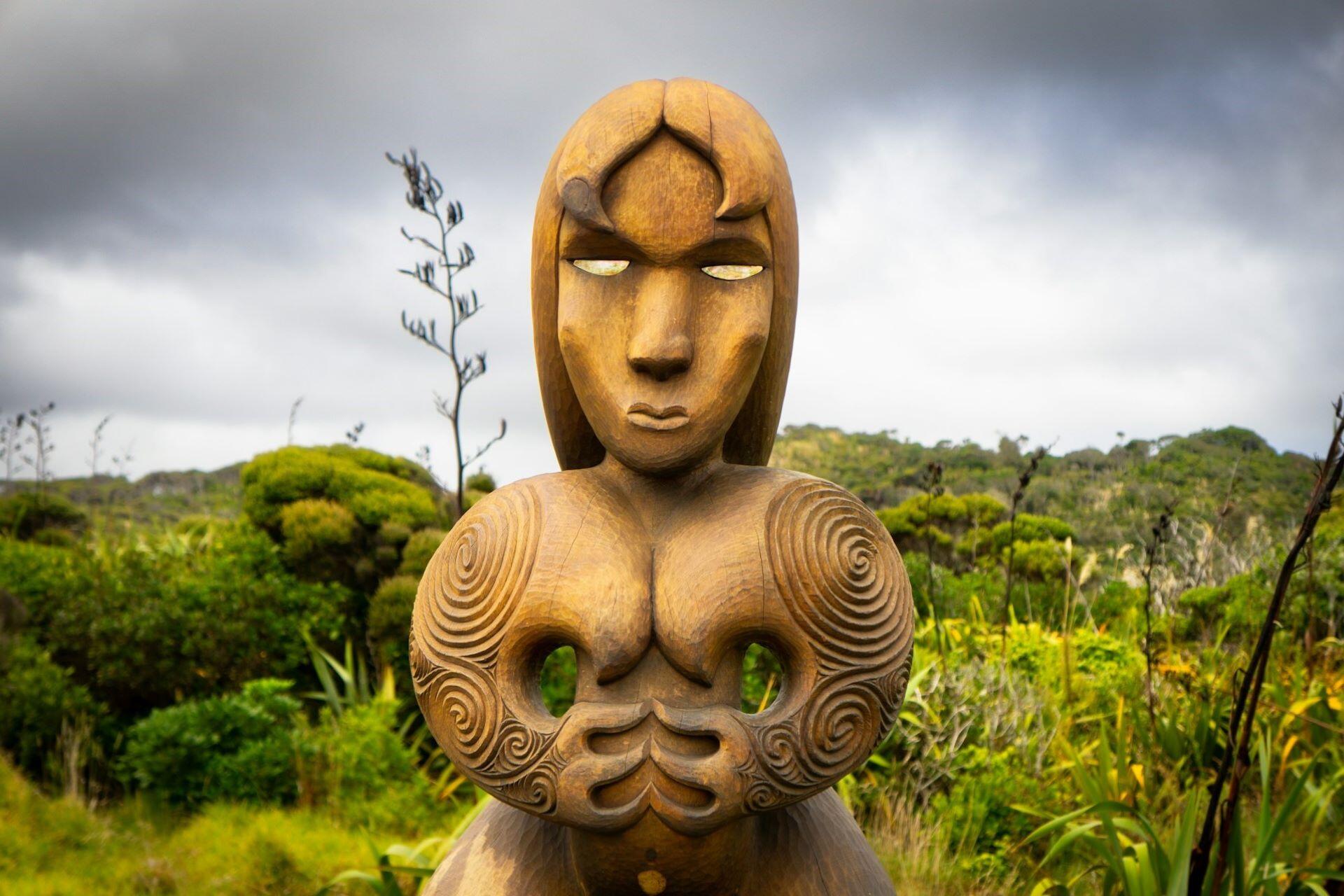
Māori culture shapes everyday life in New Zealand in many ways.⁸ From public ceremonies and place names to government policy, its influence is widespread across the country.⁴ Te reo Māori appears on official signage, in schools, and in government communication, reflecting its recognised status as an official language.³
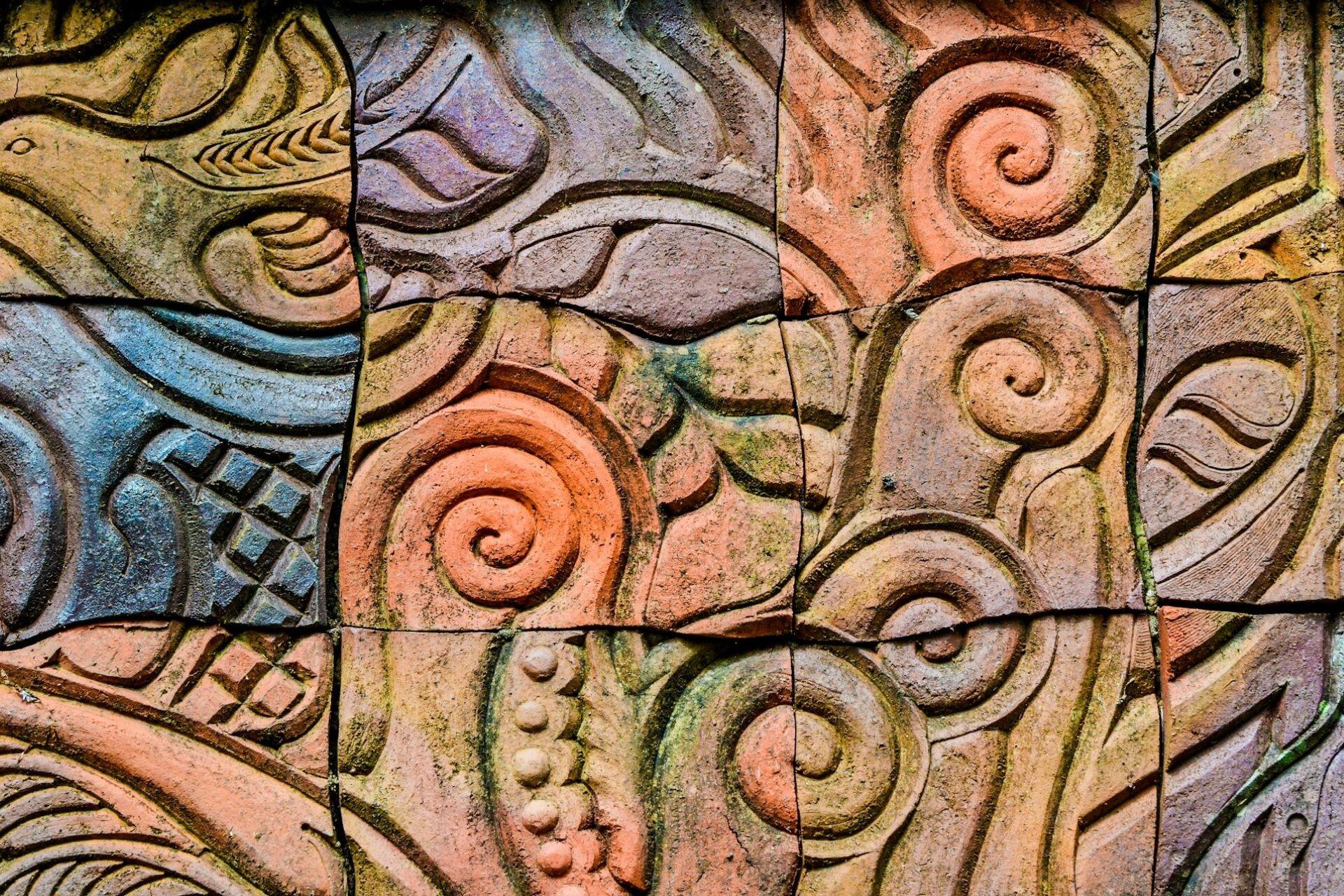
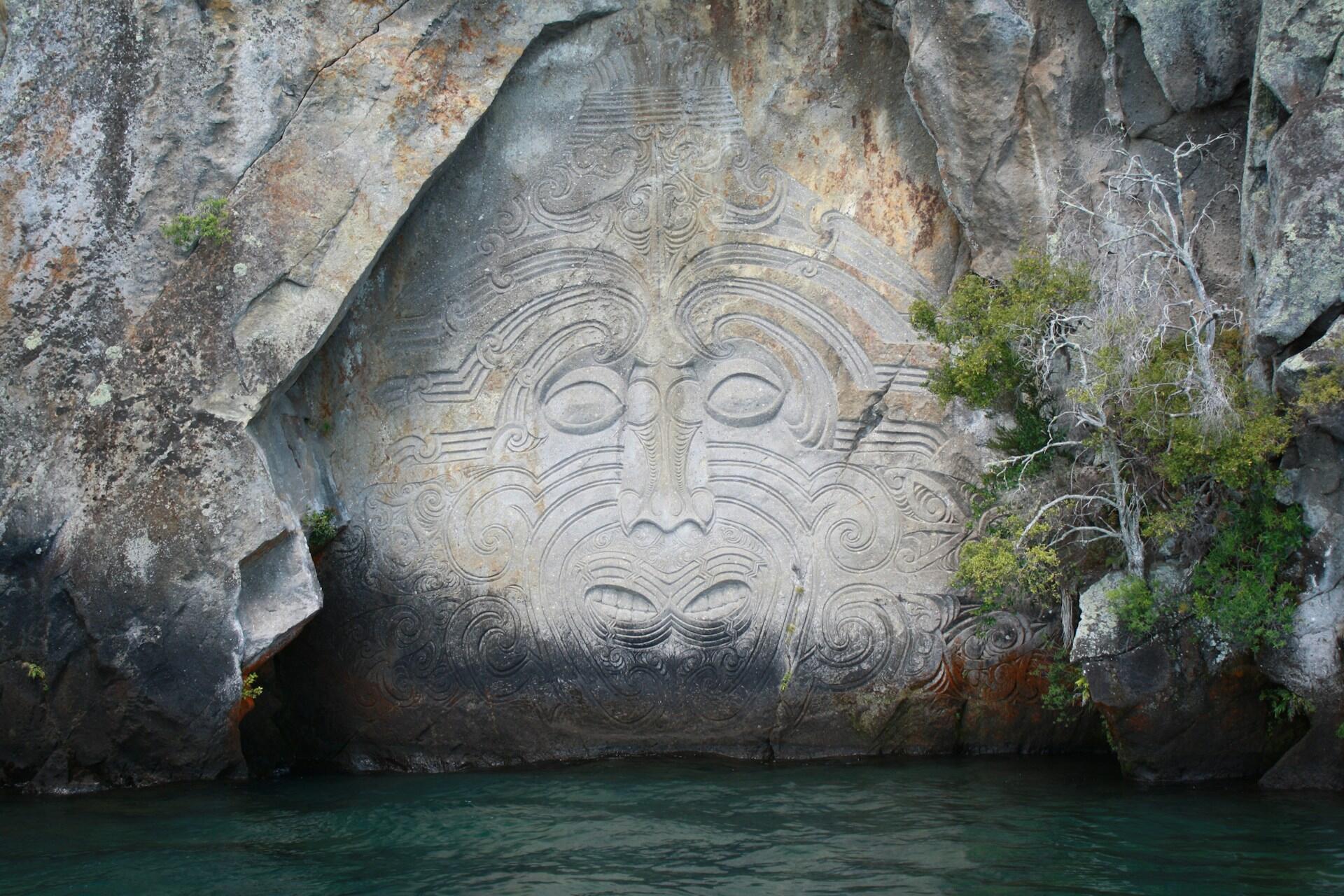
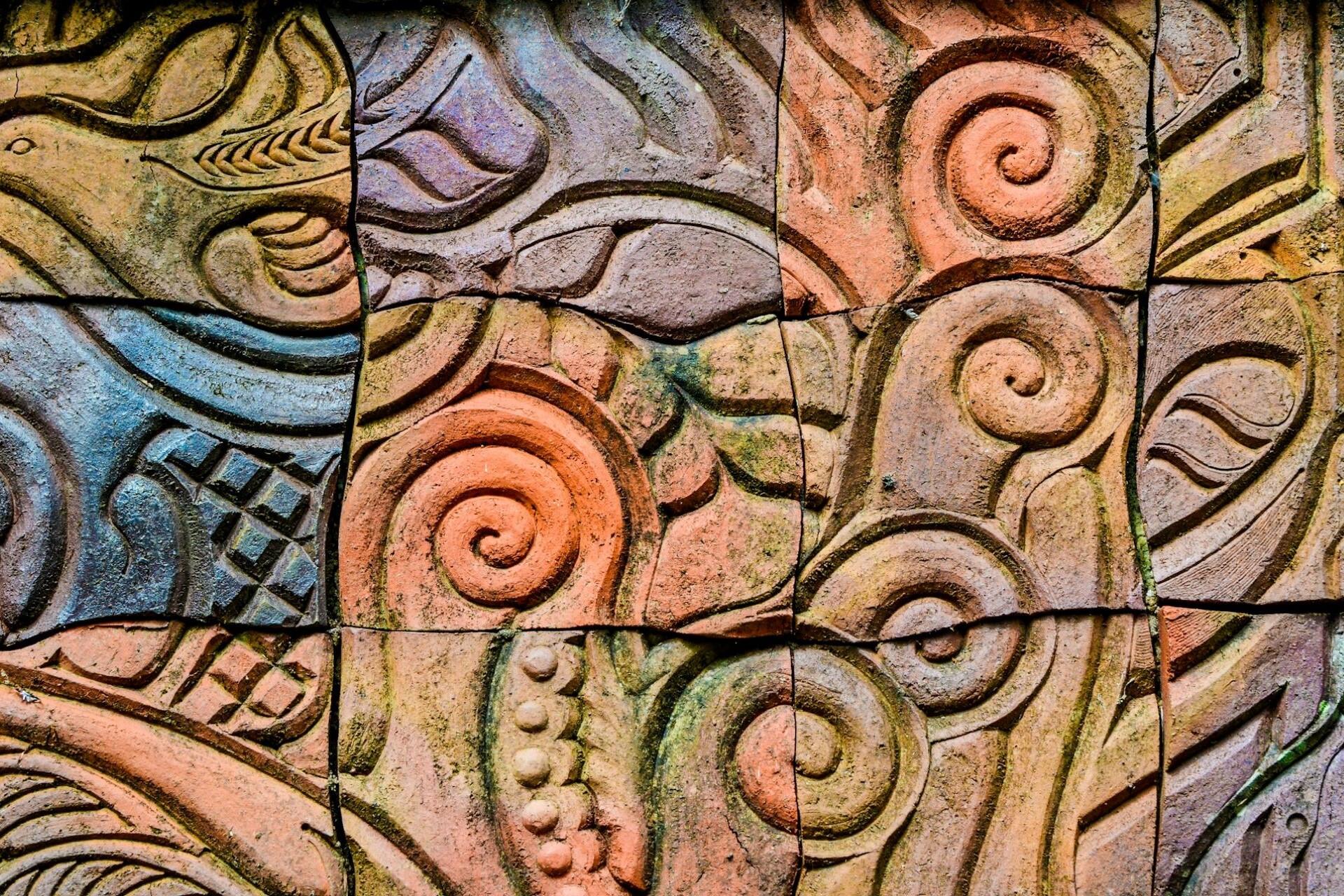
Māori culture is the Indigenous culture of Aotearoa, passed down through generations of Māori people. It includes language, traditions, art, and social structures that connect people to their ancestors and the land. Practices such as haka, carving, and storytelling remain central to identity today, alongside the continued use of te reo Māori.
3. New Zealand Was One of the Last Places Settled by Humans
New Zealand was one of the last places on the planet to have been settled by humans. The Polynesian navigators who'd become the Māori arrived in Aotearoa around the 13th century thanks to advanced seafaring knowledge.³ They are recognised as the ancestors of the Māori people.⁵ Before this time, there was no human population, which had allowed the ecosystems to develop independent of people for millions of years.¹
4. The Country Has More Sheep Than People
This is one of those facts that most people know about New Zealand, but it's still astonishing. Sheep have been central to the country's economy for generations, providing meat and wool. Large areas of the country are used for grazing, thanks to the climate that suits livestock farming. The ratio is actually lower than it once was, but sheep still significantly outnumber people.¹
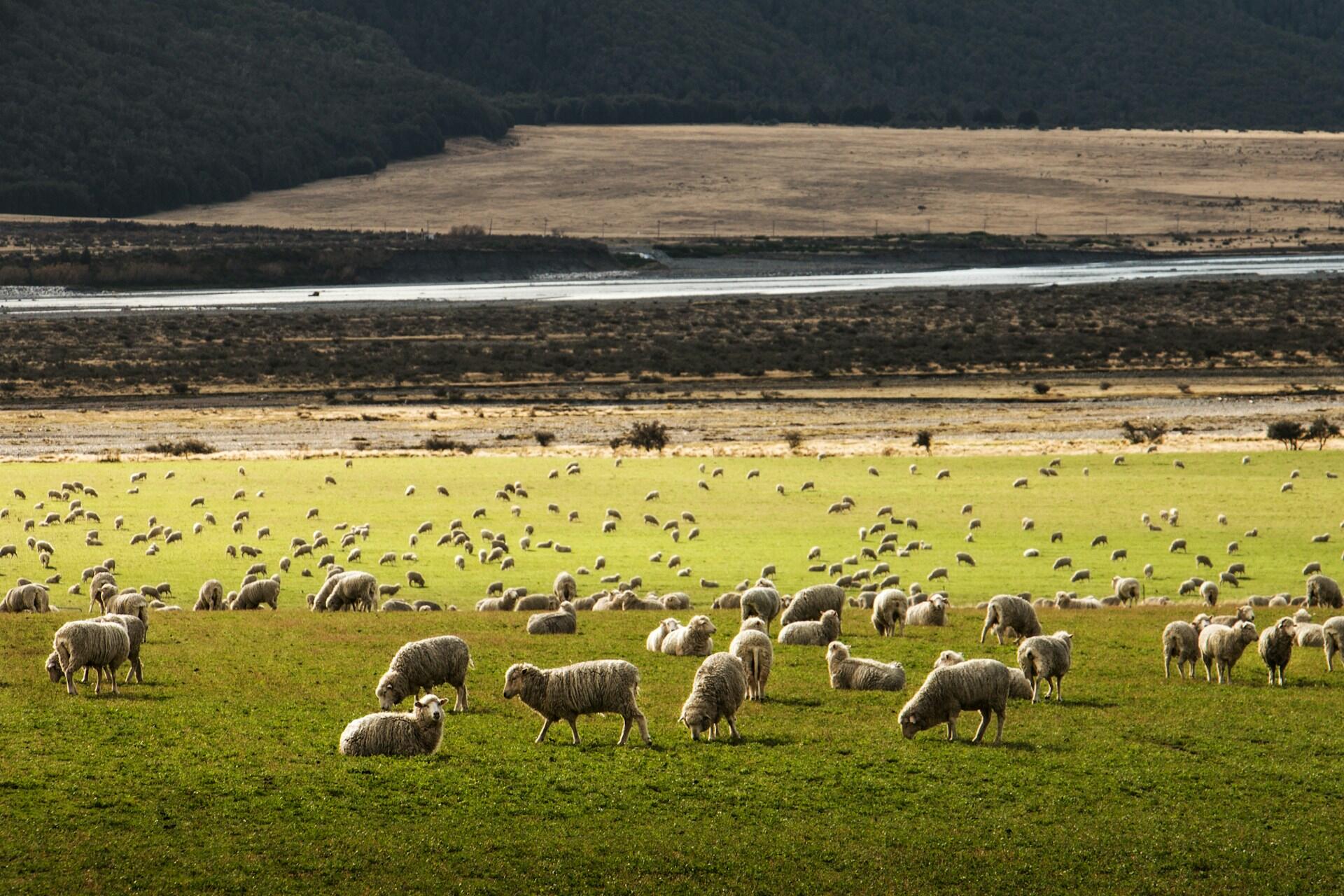
sheep in New Zealand, compared to the population of 5 million people.
5. Wellington Is the Southernmost Capital City in the World
Wellington, New Zealand's capital city, is the furthest south of any capital city in the world. It sits at 41.29° south latitude. The next closest is Canberra, Australia's capital, which lies at around 35.28° south latitude.¹ Wellington has a cool and often windy climate. It's by the aforementioned Cook Strait.
6. New Zealand Has Three Official Languages
New Zealand has three official languages: English, Māori, and New Zealand Sign Language.³ English is the most widely spoken, but te reo Māori is promoted through education, media, and public life.² New Zealand Sign Language was recognised in 2006 in a major step for accessibility and inclusion.³
Official Languages of New Zealand
English
- Status: De facto official language (used in government and daily life)
- Speakers: ~95% of the population
- Usage: Primary language for business, media, and education
Māori (Te Reo Māori)
- Status: Official language since 1987
- Speakers: ~4% fluent speakers, with wider understanding growing
- Usage: Education, cultural events, government, and media
New Zealand Sign Language (NZSL)
- Status: Official language since 2006
- Users: ~20,000 people use NZSL, including ~4,000 native users
- Usage: Communication within the Deaf community and supported in public services
7. The Landscape Includes Mountains, Volcanoes, and Glaciers
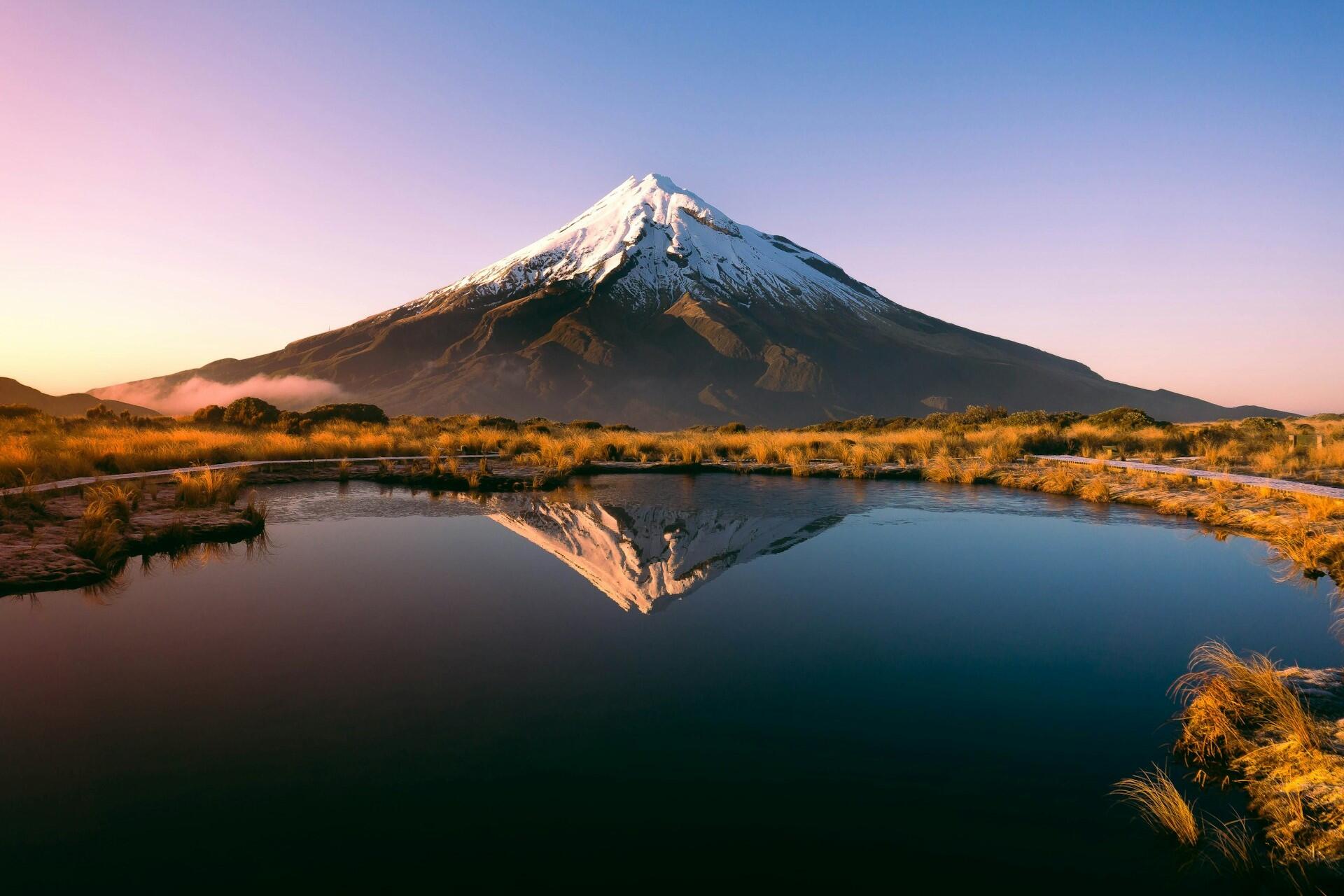
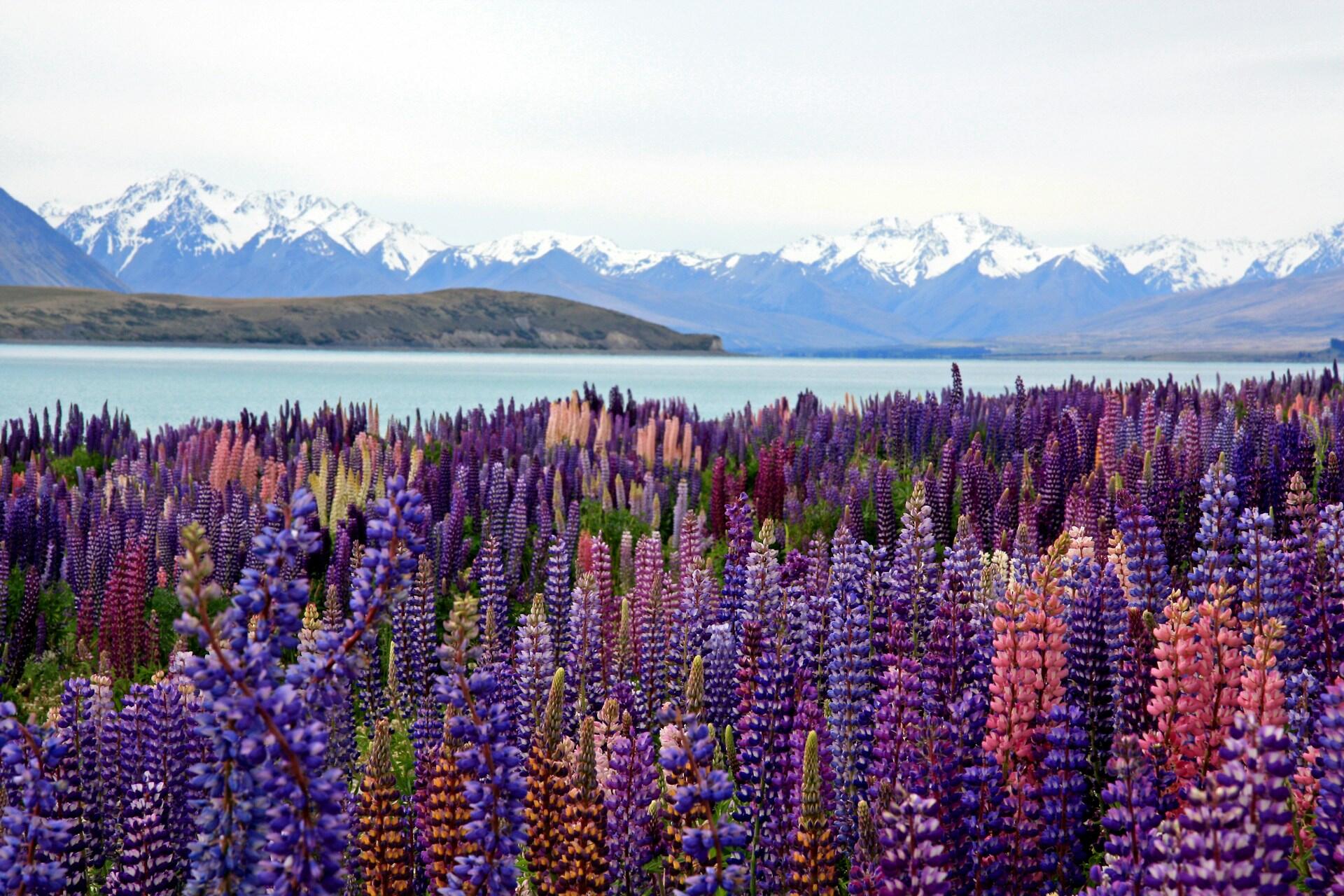
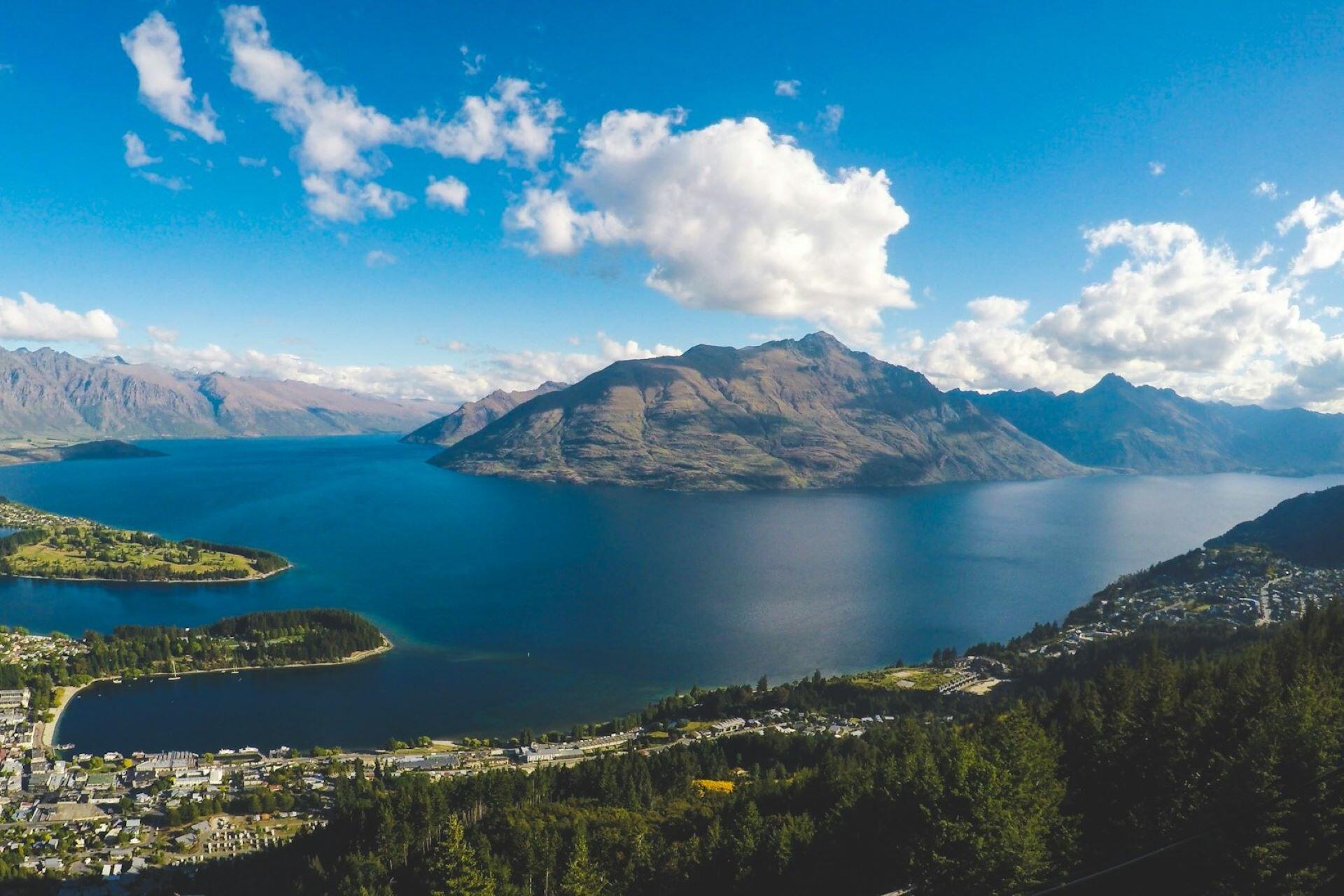
Volcanic activity and tectonic movement over millions of years have shaped New Zealand's fascinating geography. The volcanic zones of the North Island around Lake Taupō, for example, feature hot springs and geysers.¹ The South Island is home to the Southern Alps, a mountain range that runs along much of the island and includes Aoraki Mount Cook, the country's highest peak.¹
8. Auckland Is the Largest City, Not the Capital
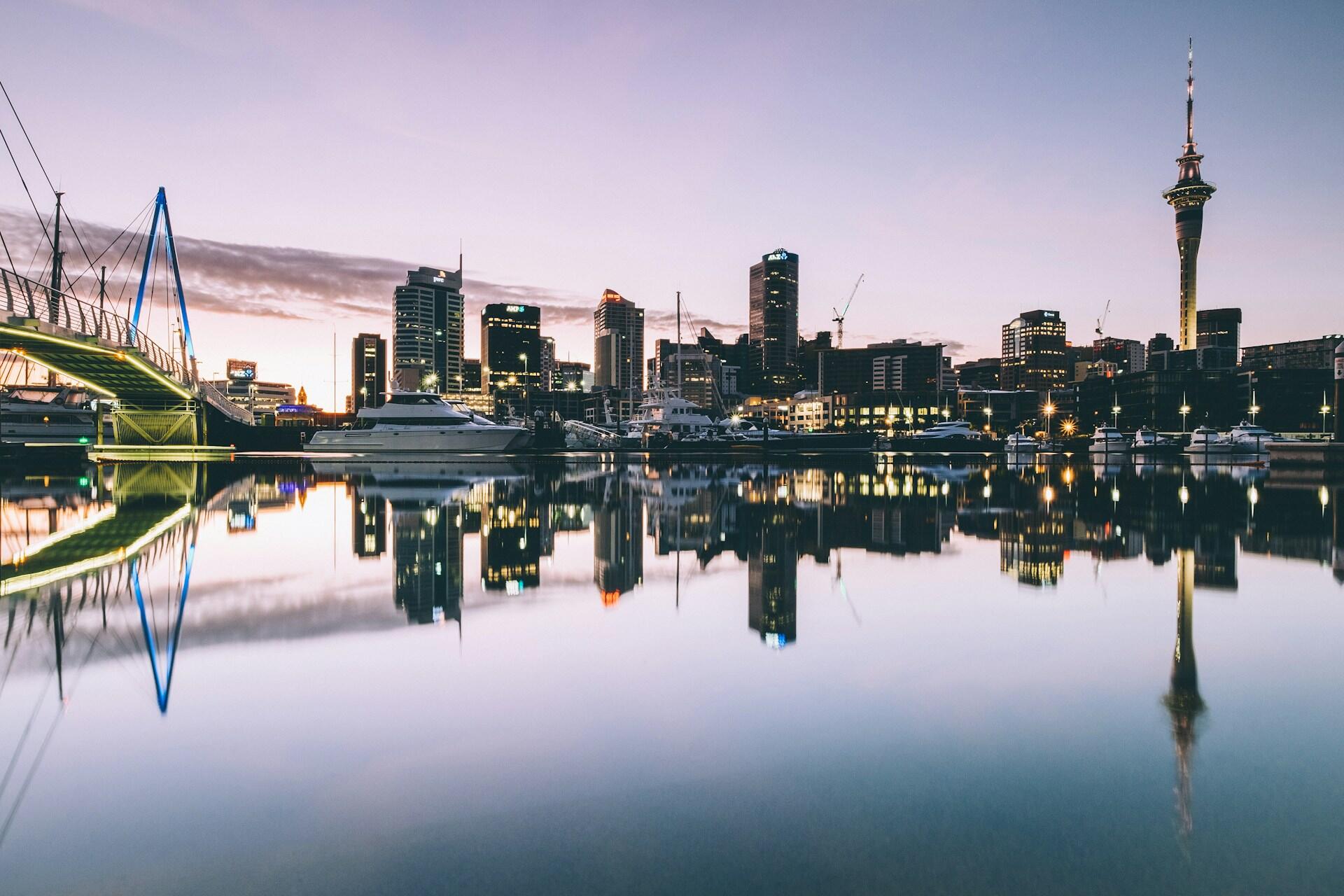
Auckland is New Zealand's largest city. It's home to 1.6 million people and is the country's main economic and urban centre.⁶ Auckland is known for its harbours, diverse populations, and international trade and travel. Conversely, Wellington is smaller and the political centre, with Parliament and government institutions.
9. The Treaty of Waitangi Plays a Key Role in Governance
New Zealand's government was shaped by early historical agreements between Māori communities and the British Crown.¹ These agreements formed the principles upon which the country was founded, but differences between the English and te reo Māori versions have been the source of problems for years. Legal cases and government frameworks have been guided by the Treaty of Waitangi.
The Treaty of Waitangi is an agreement signed in 1840 between representatives of the British Crown and many Māori chiefs. It established British governance while recognising Māori rights to land and resources. Today, it remains a key part of New Zealand’s legal and political framework, often referenced in discussions about rights, partnership, and responsibility.
10. New Zealand Is Known for Its Unique Wildlife
New Zealand's flora and fauna are unique. There are animals closely associated with the country's identity, such as the kiwi bird. Since there were no native land mammals in New Zealand before human arrival, birds play a key role in the ecosystem.¹
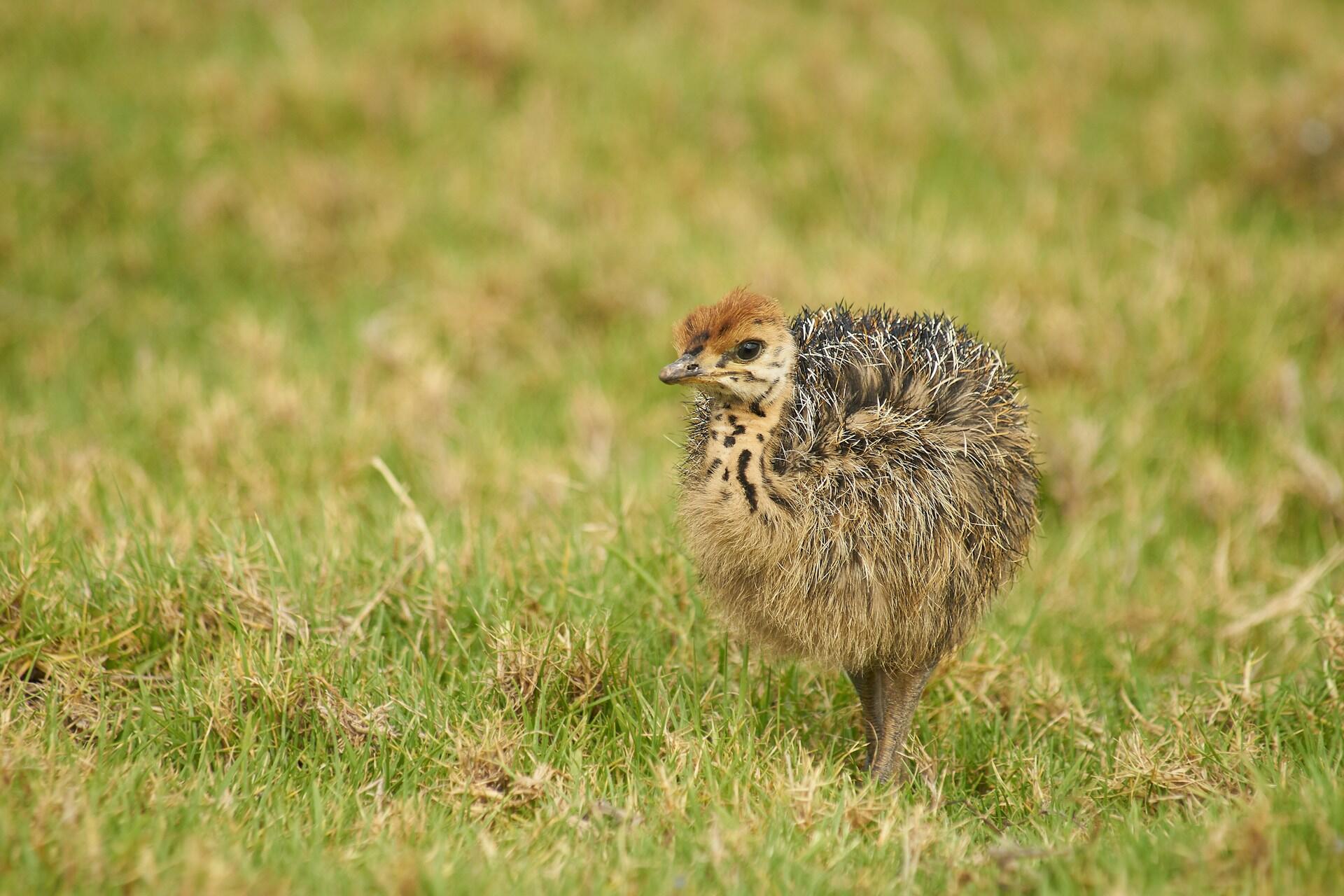
New Zealand's wildlife evolved in isolation for millions of years, allowing many species to evolve without natural predators. This led to the evolution of unusual characteristics, such as flightless birds like the kiwi and kakapo. However, introduced species have threatened native animals, making conservation an ongoing priority across the country.
Today, conservation efforts are a major focus across New Zealand. There are programmes aimed at protecting species and restoring natural habitats.¹ Conservationists use predator control, wildlife sanctuaries, and environmental policies are all playing a part in preserving the country's unique biodiversity.
years since New Zealand separated from Gondwana, the Supercontinent that separated into Africa, South America, Antarctica, Australia, and parts of Asia.
The isolation of New Zealand also affected its inventor culture, with engineers, designers, and inventors needing to be creative. Much like the kiwi bird, New Zealanders learned to do a lot with a little or simply what was available. It affected the country, the culture, and the wildlife!
| Fact Number | Fact Title | Key Detail |
|---|---|---|
| 1 | Two Main Islands | North and South Islands separated by Cook Strait |
| 2 | Māori Culture | Central to identity and public life |
| 3 | Late Human Settlement | Settled around the 13th century |
| 4 | More Sheep Than People | ~25 million sheep vs ~5 million people |
| 5 | Southernmost Capital | Wellington at 41.29° south |
| 6 | Three Official Languages | English, Māori, and NZSL |
| 7 | Varied Landscape | Mountains, volcanoes, and glaciers |
| 8 | Largest City | Auckland is largest, not the capital |
| 9 | Treaty of Waitangi | Key to governance and law |
| 10 | Unique Wildlife | Isolated evolution for millions of years |
References
- “Demographics of New Zealand.” Encyclopaedia Britannica. https://www.britannica.com/place/New-Zealand/People Accessed 17 Apr. 2026.
- “Discover Māori Culture When You Visit New Zealand.” Inspiring Journeys. https://inspiringjourneys.com/journal/discover-maori-culture-when-you-visit-new-zealand/ Accessed 17 Apr. 2026.
- “Māori.” Te Ara: The Encyclopedia of New Zealand. https://teara.govt.nz/en/maori Accessed 17 Apr. 2026.
- “Māori Culture in New Zealand.” NewZealand.com. https://www.newzealand.com/int/maori-culture/ Accessed 17 Apr. 2026.
- “Māori People.” EBSCO Research Starters. https://www.ebsco.com/research-starters/history/maori-people Accessed 17 Apr. 2026.
- “Māori Population Estimates: Mean Year Ended 31 December 2024.” Stats NZ. https://www.stats.govt.nz/information-releases/maori-population-estimates-mean-year-ended-31-december-2024-2023-base/ Accessed 17 Apr. 2026.
- “New Zealand.” National Geographic Kids. https://kids.nationalgeographic.com/geography/countries/article/new-zealand Accessed 17 Apr. 2026.
- “New Zealand Culture.” AFS USA. https://www.afsusa.org/countries/new-zealand/ Accessed 17 Apr. 2026.
- “What Is New Zealand?” Twinkl Teaching Wiki. https://www.twinkl.de/teaching-wiki/new-zealand Accessed 17 Apr. 2026.
Summarise with AI:
Did you like this article? Leave a rating!

 Loading...