
What do you think of when you think of New Zealand? Do you instantly picture Māori cultural elements? Maybe you think of the country's natural icons. Let's explore them.
Key Takeaways
- New Zealand’s flag, Coat of Arms and two national anthems are formal state or national symbols, while many familiar icons have developed their status through public use and recognition.
- The kiwi and silver fern are among the most recognisable NZ icons, with strong connections to wildlife, sport, military history and national identity.
- The koru comes from the form of an unfurling fern frond, while the Southern Cross connects New Zealand with its position in the Southern Hemisphere.
- Kōwhai is widely recognised as the national flower of New Zealand, but its status is unofficial rather than legally designated.
- Māori cultural symbols and taonga, such as hei tiki, pounamu, and the Tino Rangatiratanga flag, need to be understood within their specific cultural and historical contexts.


New Zealand Symbols at a Glance
New Zealand's symbols come from the country's history and culture. This means you'll find native symbols from Māori culture, symbols imported from other cultures through colonisation and immigration, and naturally occurring symbols from wildlife and nature. This is why most symbols have layers.

The New Zealand flag is an official national symbol.⁶ The Coat of Arms is reserved for government use.⁴ New Zealand also has two national anthems of equal status.⁵ Kiwi are a significant national icon.¹ The silver fern is another long-standing national symbol.⁹ Kōwhai is similarly recognised as New Zealand’s unofficial national flower rather than a legally designated emblem.²
| Symbol | Category | Status | What it represents / is associated with |
|---|---|---|---|
| New Zealand flag | State symbol | Official | National identity, the Southern Cross and New Zealand’s historical links with Britain.⁶ |
| New Zealand Coat of Arms | State emblem | Official | The Crown, agriculture, farming, mining and maritime trade.⁴ |
| National anthems | National symbol | Official | God Defend New Zealand and God Save the King have equal status as New Zealand’s national anthems.⁵ |
| English, te reo Māori and NZSL | Languages | Official | Three languages recognised as official in New Zealand. |
| Kiwi | Native bird / national icon | Widely recognised | Distinctive native wildlife and the familiar “Kiwi” identity associated with New Zealanders.¹ |
| Silver fern | Native plant / national icon | Widely recognised | National identity, sport, military history and New Zealand branding.⁹ |
| Koru | Māori cultural motif | Cultural symbol | New life, hope for the future and renewal.⁷ |
| Kōwhai | Native flowering tree | Unofficial national flower | Native flora, spring flowering and a familiar symbol of New Zealand’s natural environment.² |
| Pōhutukawa | Native tree / seasonal icon | Widely recognised | Summer, coastal landscapes and New Zealand’s Christmas season.³ |
| Tino Rangatiratanga flag | Māori flag | Preferred national Māori flag | Māori identity, tino rangatiratanga and a distinct expression of Māori culture and history.⁷ |
Official National Symbols of New Zealand
These are the New Zealand symbols connected to the state. They're used by the government and in national ceremonies. For example, the flag and Coat of Arms are visual representations of the country. National anthems are a way of expressing national identity through music and language.
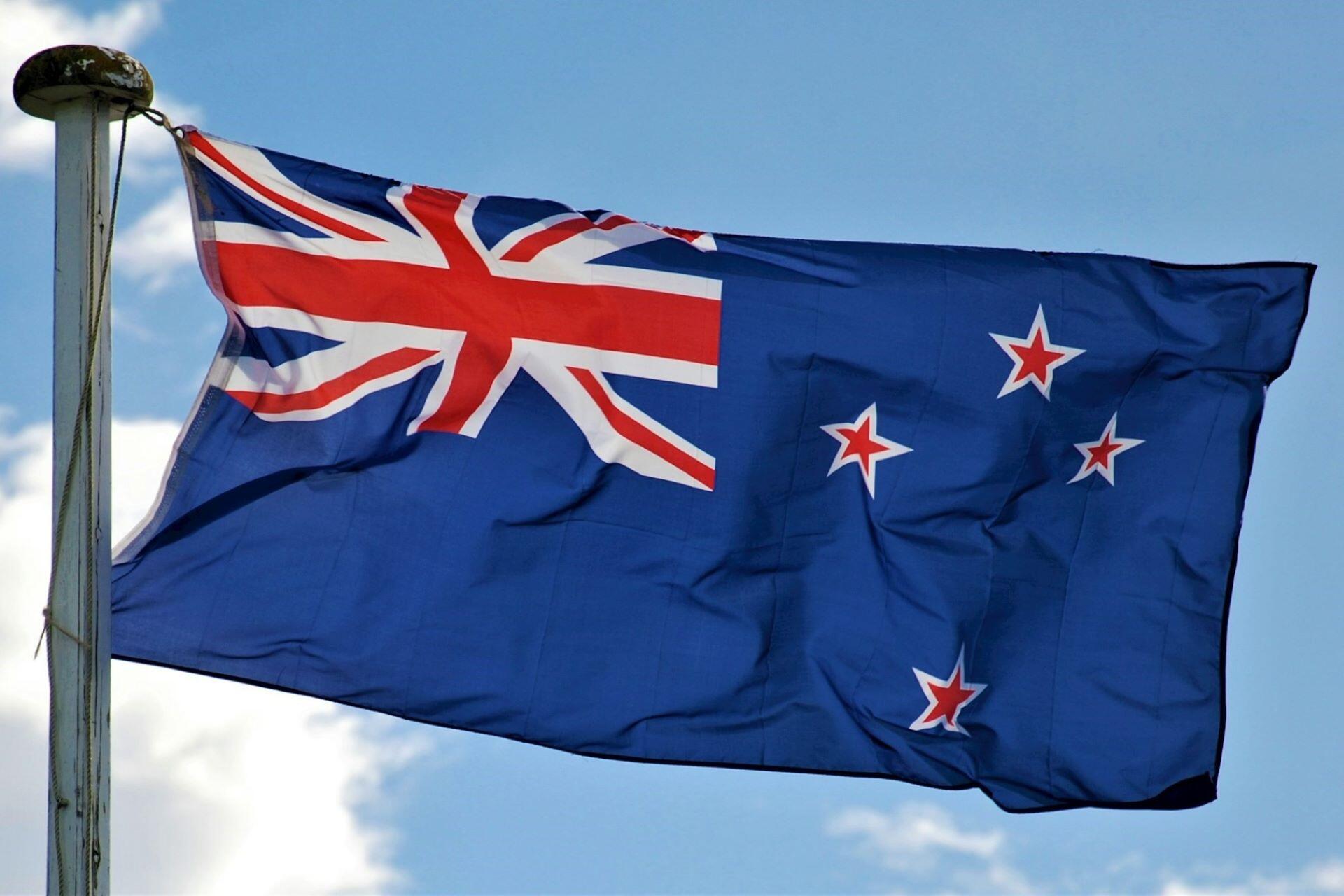
The New Zealand Flag and Coat of Arms
National Anthems and Official Languages
Unlike many other countries, New Zealand officially recognises more than one national anthem and more than one language for the anthem. One is also the British national anthem, God Save the King. God Defend New Zealand is more often heard at public occasions and international sporting events, with the Maori version of the anthem often performed before the English version.⁵
national anthems of equal status: God Defend New Zealand and God Save the King.⁵
New Zealand's languages also share a history similar to the anthems'. There's the English language, inherited via British colonisation of Aotearoa and te reo Māori. Uniquely, New Zealand also recognises its sign language as an official language.
official languages: English, te reo Māori and New Zealand Sign Language.
The Most Recognisable NZ Icons
These are the symbols and icons that people from outside of New Zealand will likely recognise. These tend to represent the country's nature and geographical location. Of course, many of these are so iconic that they make their way into other symbols like flags, logos, and crests.
The Kiwi and Silver Fern
The Koru and Southern Cross
Native Plants and the National Flower of New Zealand
We've already mentioned nature, but there are certain flora that are quintessential of New Zealand. These NZ icons are seen in the real world and in their representative adaptations. You'll find them in contexts such as wildlife conservation, sport, art, military history, tourism, and popular culture.
Kōwhai is commonly regarded as the national flower of New Zealand, but it has not been formally designated as an official state emblem. The Department of Conservation describes kōwhai as New Zealand’s “unofficial national flower”, making it the clearest answer to the question while preserving the distinction between national recognition and legal status.²
Kōwhai: New Zealand’s Unofficial National Flower
Pōhutukawa and Harakeke
Native Plants Associated With New Zealand
Kōwhai
Kōwhai is known for its bright yellow spring flowers and is described by the Department of Conservation as New Zealand’s unofficial national flower. Its flowers are also an important seasonal food source for native birds such as tūī and bellbirds.²
Pōhutukawa
Pōhutukawa is strongly associated with New Zealand summer and Christmas because its vivid red flowers often appear during the festive season. The native coastal tree also holds significance within Māori traditions and landscapes.³
Harakeke
Harakeke is a native plant traditionally used by Māori for weaving, clothing and other practical purposes. Its strong fibres, including muka prepared from the leaves, have long made it important in Māori material culture.¹⁰
Māori Cultural Symbols Associated With New Zealand
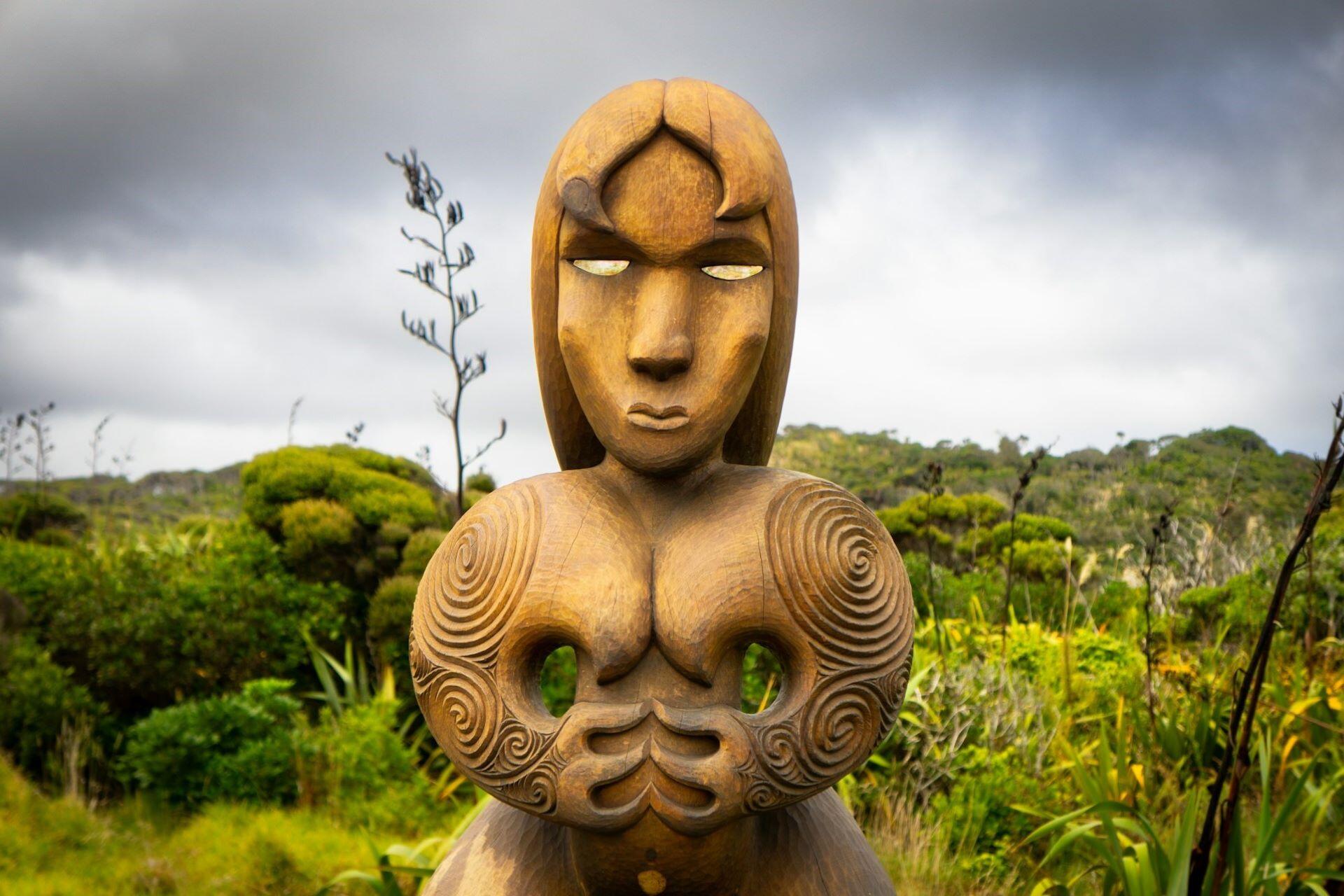
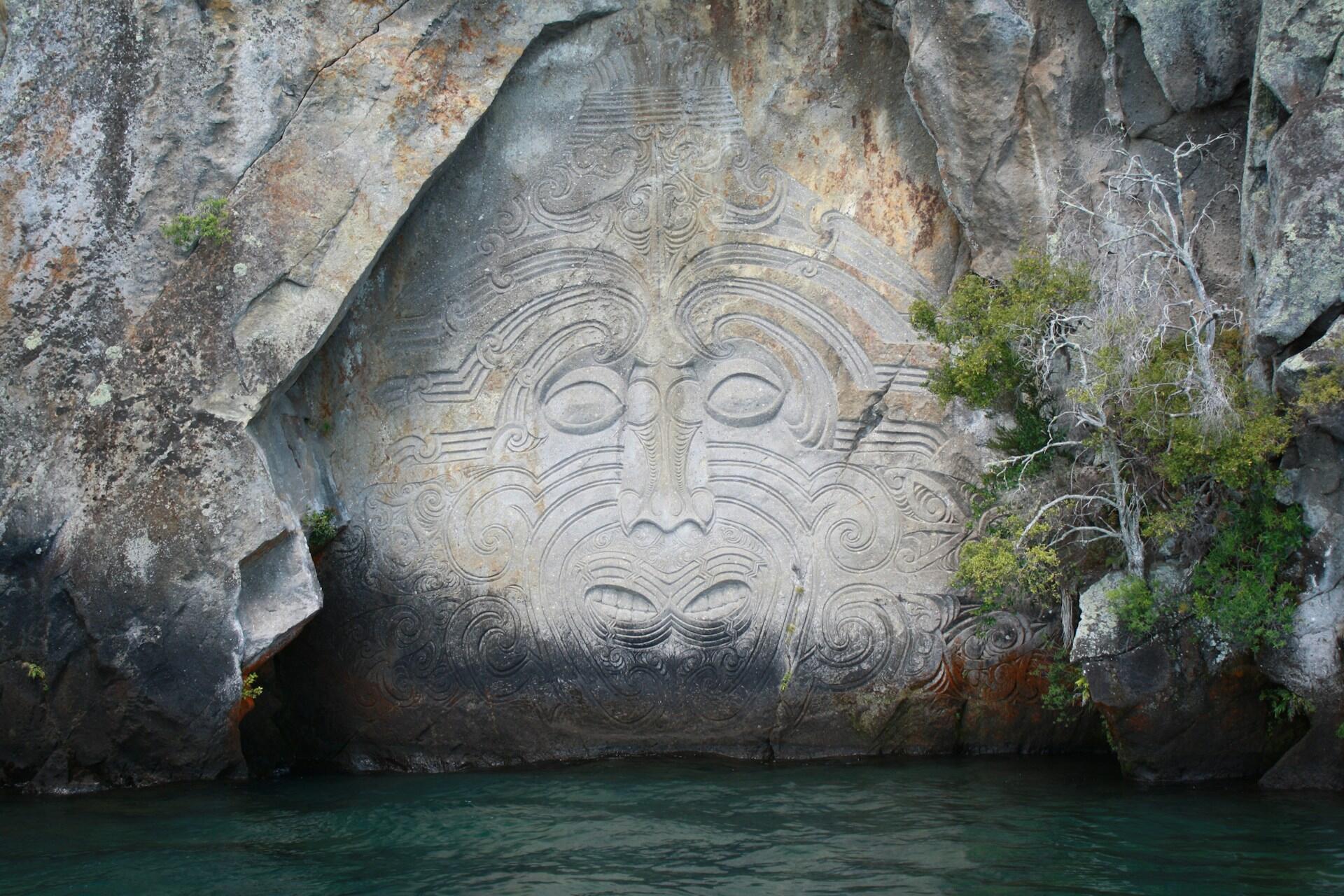
Māori symbols are central to Aotearoa. Te reo Māori, taonga, traditional arts, and the Māori flag aren't relics but Māori culture or important representations of it.⁸ It's also important to explore them separately from broader New Zealand symbols because while everything Māori falls under New Zealand culture, not every aspect of New Zealand culture is Māori.
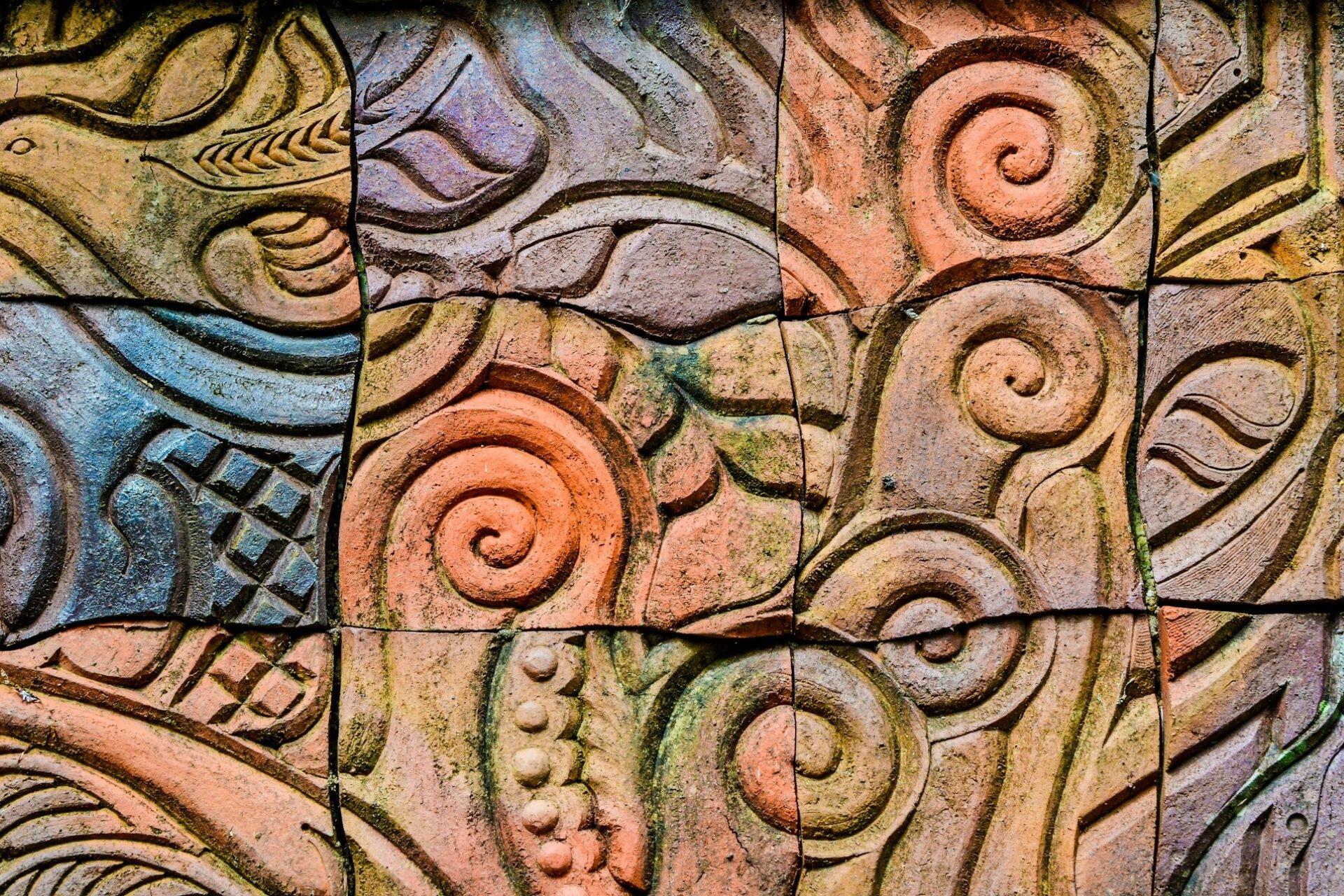
Māori symbols, taonga and artistic forms should be understood in their cultural context rather than treated as interchangeable decorative motifs. Hei tiki, pounamu and other forms of adornment can carry connections to whakapapa, mana, identity and inheritance, while their significance may vary according to the object, maker, wearer and tradition.¹⁰ The Tino Rangatiratanga flag also has its own defined history and symbolism as the preferred national Māori flag, rather than serving as a general substitute for the New Zealand flag.⁷
Hei Tiki and Pounamu
The Tino Rangatiratanga Flag
NZ Symbols in Sport, Travel and Everyday Life
For foreigners, sports are where most New Zealand symbols are experienced. Whether it's the silver fern in New Zealand's national teams' national branding or the fact that the colours black and white are synonymous with the country, it depends on the sport that you follow. You'll also see Māori cultural elements are visible in team identities.

Official vs Unofficial New Zealand Symbols: Why the Difference Matters
Ultimately, how symbolic something is depends on how people experience it. For example, the government making something "official" doesn't automatically make it iconic. Symbols live and evolve, and it's fine to regularly evaluate their use and meaning, too.
What do you consider NZ’s most recognisable icon or symbol?
Do you have another New Zealand symbol or NZ icon in mind? Leave a comment and tell us what you would choose and why.
References
- Department of Conservation Te Papa Atawhai. “Facts about Kiwi: NZ Native Birds.” Department of Conservation. https://www.doc.govt.nz/nature/native-animals/birds/birds-a-z/kiwi/facts/. Accessed 20 Aug. 2026.
- Department of Conservation Te Papa Atawhai. “Kōwhai.” Department of Conservation. https://www.doc.govt.nz/nature/native-plants/kowhai/. Accessed 20 Aug. 2026.
- Department of Conservation Te Papa Atawhai. “Pōhutukawa.” Department of Conservation. https://www.doc.govt.nz/pohutukawa/. Accessed 20 Aug. 2026.
- Manatū Taonga Ministry for Culture & Heritage. “Coat of Arms.” Manatū Taonga Ministry for Culture & Heritage. https://www.mch.govt.nz/our-work/flags-anthems-and-emblems/coat-arms. Accessed 20 Aug. 2026.
- Manatū Taonga Ministry for Culture & Heritage. “National Anthems.” Manatū Taonga Ministry for Culture & Heritage. https://www.mch.govt.nz/our-work/flags-anthems-and-emblems/national-anthems. Accessed 20 Aug. 2026.
- Manatū Taonga Ministry for Culture & Heritage. “New Zealand Flag.” Manatū Taonga Ministry for Culture & Heritage. https://www.mch.govt.nz/our-work/flags-anthems-and-emblems/new-zealand-flag. Accessed 20 Aug. 2026.
- Manatū Taonga Ministry for Culture & Heritage. “Tino Rangatiratanga Flag.” Manatū Taonga Ministry for Culture & Heritage. https://www.mch.govt.nz/our-work/flags-anthems-and-emblems/new-zealand-flag/tino-rangatiratanga-flag. Accessed 20 Aug. 2026.
- NauMai NZ. “Learn About Māori Culture and Language.” Study with New Zealand. https://www.naumainz.studywithnewzealand.govt.nz/studying-in-nz/create-goals/learn-about-maori-culture. Accessed 20 Aug. 2026.
- New Zealand Story. “Leading the Way: Story of the Silver Fern.” FernMark Licence Programme. https://www.fernmark.nzstory.govt.nz/silver-fern. Accessed 20 Aug. 2026.
- Tamarapa, Awhina, and Patricia Wallace. “Māori Clothing and Adornment – Kākahu Māori.” Te Ara: The Encyclopedia of New Zealand. https://teara.govt.nz/en/maori-clothing-and-adornment-kakahu-maori/print. Accessed 20 Aug. 2026.
Summarise with AI:
Did you like this article? Leave a rating!

 Loading...