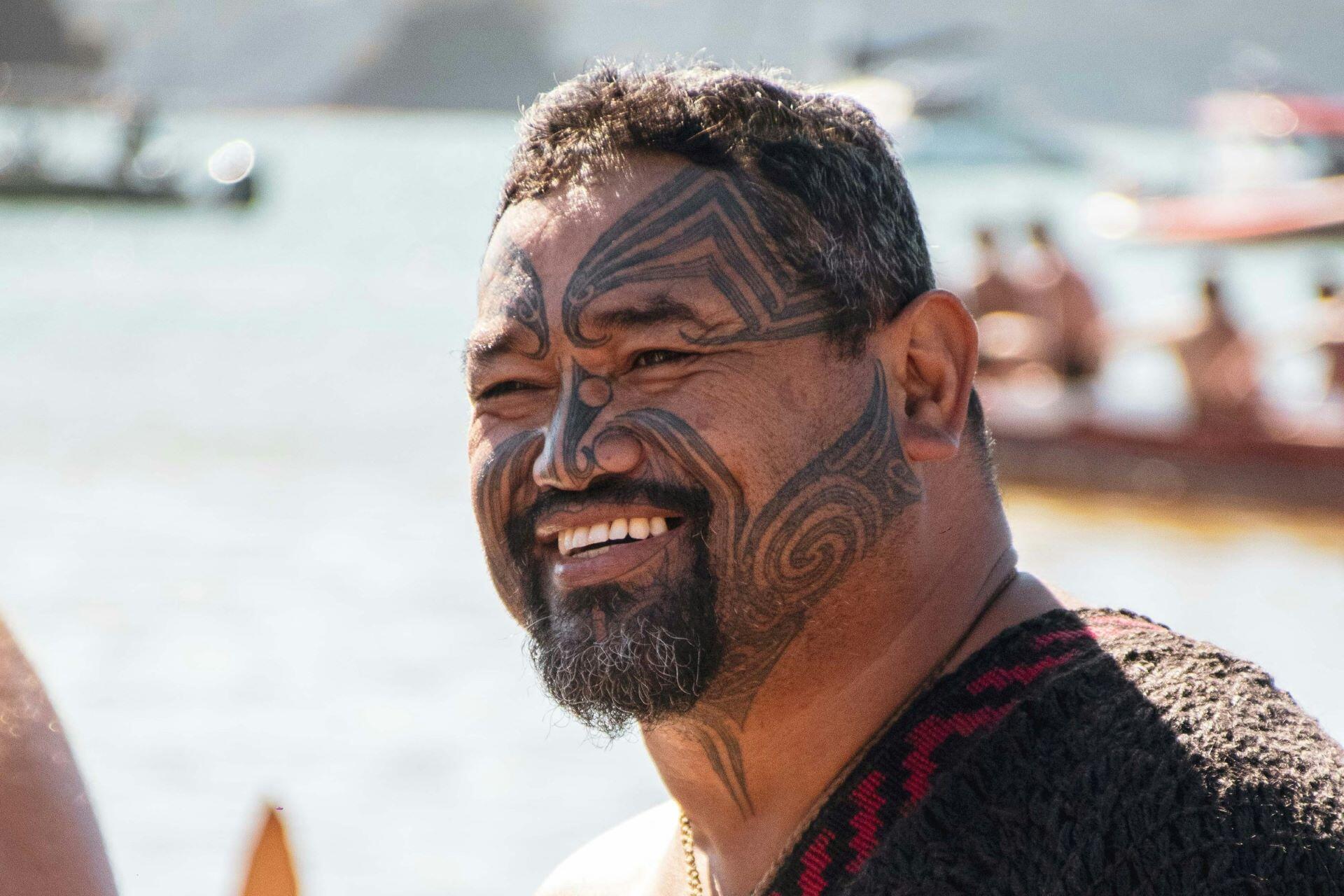

Do you know much about Māori? Māori are the indigenous Polynesian people of New Zealand, and their culture is fascinating. Here are some of our favourite facts about Māori culture, traditions, and influence.
Key Takeaways
- Māori are the Indigenous Polynesian people of New Zealand, with strong ties to land and ancestry
- Aotearoa is the Māori name for New Zealand and reflects the country’s cultural identity
- Māori society is traditionally organised around iwi and hapū
- Te reo Māori is an official language and part of cultural identity
- The haka, marae, and tikanga remain important in daily life
- Māori culture continues to influence modern New Zealand society


Who Are Māori People? Understanding Māori Origins and Identity
The Māori are the Indigenous people of Aotearoa. They share ancestral connections with other Pacific Island cultures through language, navigation, and traditions.¹ Over time, Māori society organised into groups of tribes and sub-tribes, with structured social life, leadership, and resource management. These groups shaped how communities interacted with one another and with the land.⁷
Māori are the Indigenous Polynesian people of Aotearoa, now known as New Zealand. Their ancestors arrived by canoe from East Polynesia around the thirteenth century, developing a distinct culture shaped by the land, environment, and community life. Māori identity is closely tied to whakapapa, which traces ancestry and connections between people, land, and ancestors.
Today, you'll find Māori identity expressed through language, culture, and community. Many Māori live in urban areas, but the ties to ancestral lands and tribal groups remain. In fact, cultural practices, values, and shared history continue to shape how Māori people see themselves and their place in modern New Zealand.⁵
people in New Zealand identify as Māori
10 Māori Facts You Should Know
We'll never be able to cover everything interesting about the Māori or fascinating New Zealand facts here. However, we've picked a few that we think are worth knowing. If you have anything to add, let us know in the comments.
1. Māori Are Polynesian People
Māori people share cultural and linguistic roots with communities across the Pacific. Their ancestors navigated vast ocean distances using stars, currents, and environmental knowledge.¹ Māori culture is part of a broader network of Pacific traditions. However, it also has its own distinct identity in Aotearoa.³ Aotearoa is widely used alongside New Zealand and reflects the country's Māori heritage and identity.²
2. Aotearoa Means “Land of the Long White Cloud”
You might have noticed us mentioning Aotearoa. This is the Māori name for New Zealand and translates as "land of the long white cloud". It was initially used only in reference to the North Island, but is now used for the whole country.⁴

3. Māori Society Is Organised Around Iwi and Hapū
Māori society is made up of iwi (tribes) and hapū (sub-tribes). These are groups with shared ancestry. These structures play key roles in leadership, decision-making, and resource management.⁷ Even in modern society, iwi and hapū are an integral part of cultural identity and community organisation.⁵
4. The Treaty of Waitangi Is Central to New Zealand History
The Treaty of Waitangi was signed in 1840. It's one of New Zealand's founding documents. However, the English and Māori versions differed, resulting in debates and disagreements.⁷ The treaty still influences politics, law, and discussions around rights and partnership in modern New Zealand.²
5. Te Reo Māori Is an Official Language
Te reo Māori, or the Māori language, is an important part of Māori identity. Since 1987, it has been recognised as an official language in New Zealand.⁵ It's taught in schools, used in media, and visible in public life across the country.⁸
Te reo Māori is the traditional language of the Māori people and an official language of New Zealand. It carries cultural knowledge, history, and values through oral storytelling, songs, and formal speech. Although its use declined during colonisation, revitalisation efforts since the late twentieth century have helped restore its place in education, media, and everyday life.
official languages: Te reo Māori, English, and New Zealand Sign Language.
6. The Haka Is a Traditional Māori Performance
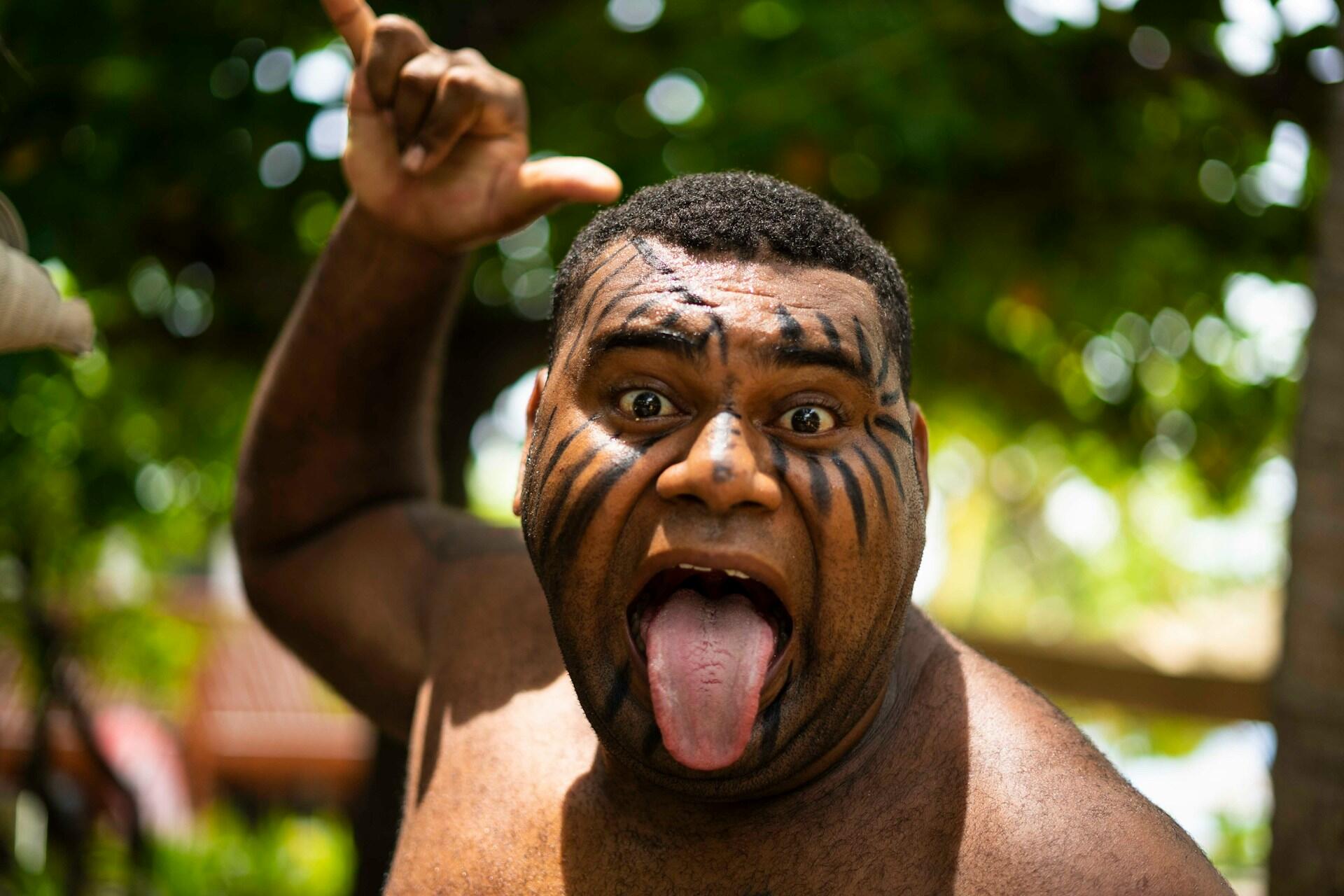
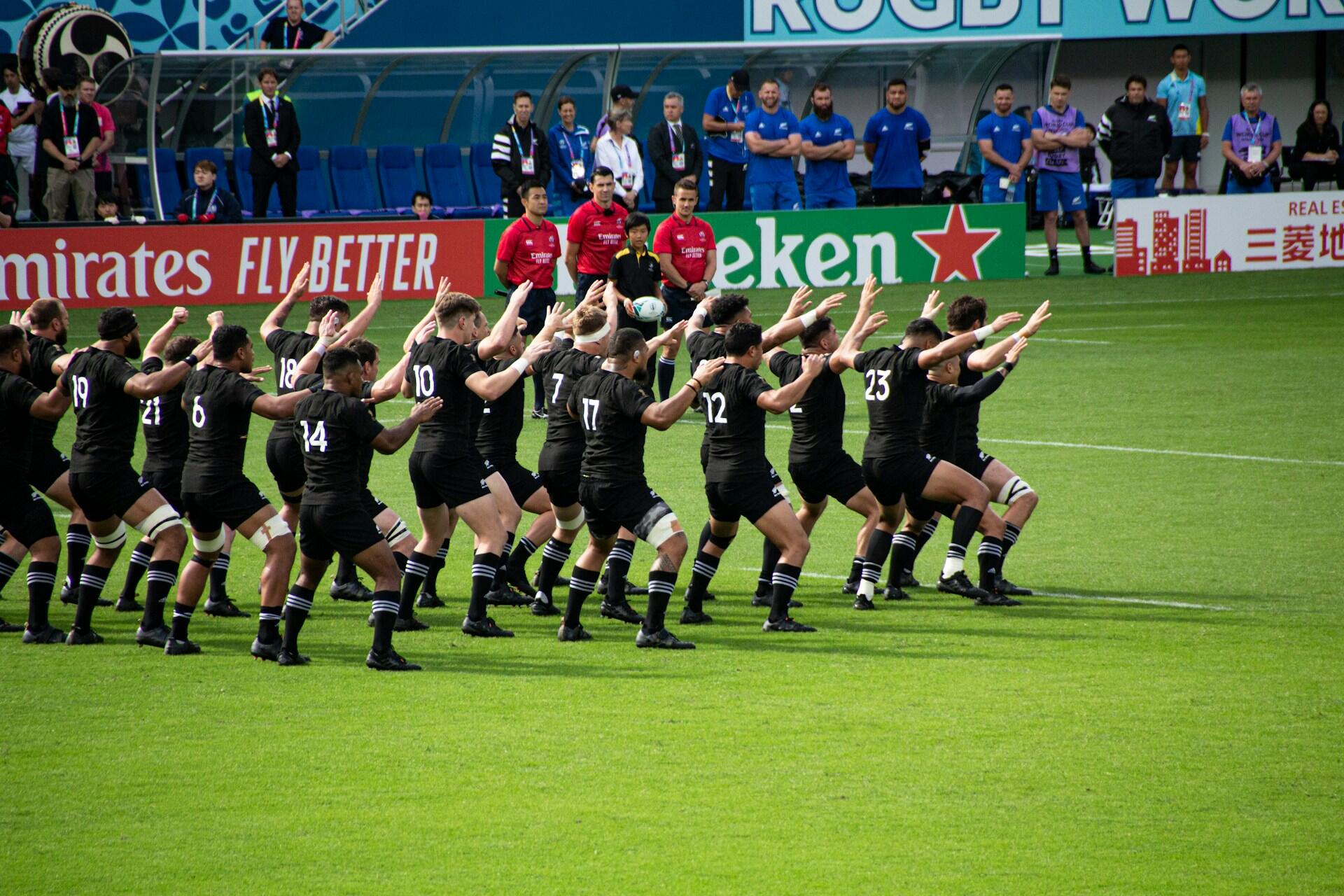
Fans of rugby will know this one. The haka is a Māori performance. We avoid using the word “dance” here because it's more a combination of movement, chanting, and rhythm. It was traditionally used to welcome guests, mark important events, and prepare for conflict.⁶ The haka is recognised internationally and is a strong Māori expression of identity and unity.
7. Marae Are Central to Māori Community Life
The marae is a gathering place. Māori communities have ceremonies and important events here. It's a space for communication, cultural practice, and maintaining social connections.⁵ While this isn't a famous New Zealand invention, we do think they're a great idea!
8. Whakapapa Connects People to Land and Ancestors
In Māori societies, whakapapa is the genealogy and connections between people, ancestors, and the natural world. This links individuals to their heritage and their land.⁶ The concept is central to how Māori understand relationships and their place in the world.³
9. Traditional Māori Food Reflects Land and Sea
Māori food, like many aspects of the culture, is closely tied to the natural environment. It uses both land and sea resources, respectively, and seafood, birds, and native plants were commonly used in early Māori diets.¹ Even cooking methods like hāngī are a fine example of the practical approach to preparing food using available materials.⁵ The general approach to conservation and resourceful is something that other New Zealanders could follow to help with the limited populations of kiwi birds.
10. Māori Culture Continues to Shape Modern New Zealand
While you can talk about Māori culture in terms of its tradition, this is far from a dead society. Māori culture shapes life in New Zealand today.² There are ongoing efforts to preserve and promote Māori traditions, ensuring that they continue to influence the country’s identity.⁸ Māori culture also plays a visible role in tourism, education, and national identity, reflecting its continued relevance in modern life.⁹
Māori Traditions and Daily Life
“Ko au te whenua, te whenua ko au / I am the land, the land is me”
Māori whakataukī (proverb)
Now you have the facts, here's how Māori practices from the past are still part of the living, breathing culture. Traditions and daily life aren't two things; they're part of how people interact with each other, the land, and their communities.⁵
A marae is a communal and sacred meeting place central to Māori social and cultural life. It includes the wharenui, or meeting house, which represents ancestors and tribal identity. The marae is where ceremonies, discussions, and gatherings take place, following tikanga, or customary protocols, that guide behaviour and maintain respect within the community.
Tikanga and Cultural Values
Spiritual restrictions that protect people, places, and objects
The state that removes tapu and restores everyday harmony
Strong connections between family, community, and wider groups
Responsibility to protect the environment and natural resources
The Importance of the Marae and Wharenui
The open space in front of the meeting house used for formal welcomes
The central building representing ancestors and tribal identity
A communal space where food is shared after gatherings
A formal process for receiving visitors onto the marae
Tikanga Protocols
Rules and customs that guide behaviour during events and ceremonies
Māori Arts, Dance, and Storytelling
A powerful group performance combining movement, chanting, and rhythm
Traditional and modern songs used to share stories and emotions
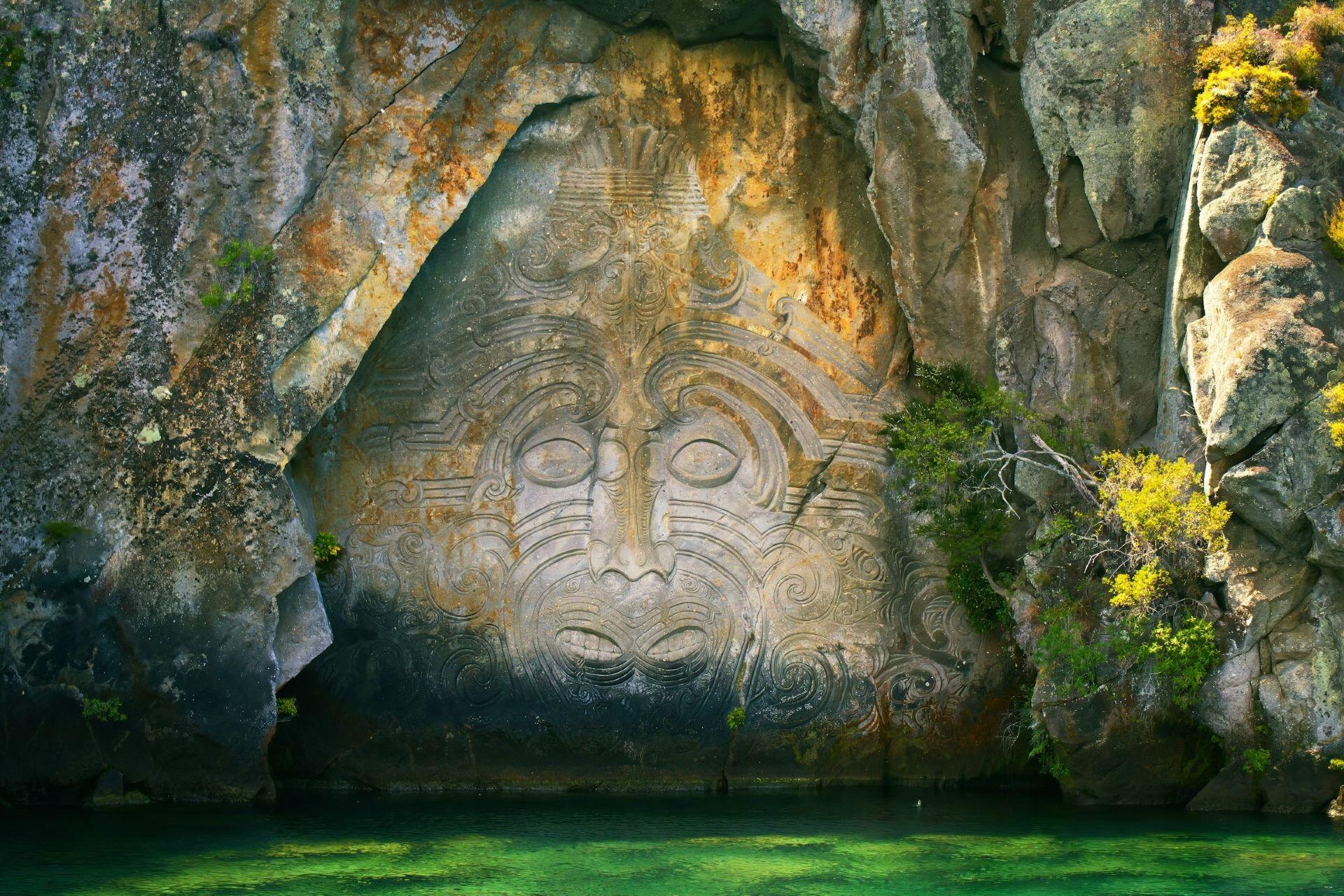
Wood carving that tells stories of ancestors and tribal history
The creation of textiles and objects using natural materials
Passing down history, myths, and knowledge through spoken word
References
- “10 Things to Know About Māori Culture in New Zealand.” Go Overseas, https://www.gooverseas.com/blog/new-zealand-maori-culture Accessed 17 Apr. 2026.
- “Discover Māori Culture.” NewZealand.com, https://www.newzealand.com/int/maori-culture/ Accessed 17 Apr. 2026.
- “Māori.” Encyclopaedia Britannica, https://www.britannica.com/topic/Maori Accessed 17 Apr. 2026.
- “Māori Culture.” Discover New Zealand, https://www.discovernewzealand.com/blog/blog-maori-culture-new-zealand-guide-id-452 Accessed 17 Apr. 2026.
- “Māori Culture.” Study with New Zealand, https://www.naumainz.studywithnewzealand.govt.nz/discover-new-zealand/life-and-culture-in-nz/maori-culture Accessed 17 Apr. 2026.
- “Māori Culture, Language, Traditions & Facts.” Study.com, https://study.com/academy/lesson/maori-culture-language-traditions-facts.html Accessed 17 Apr. 2026.
- “Māori – Māori.” Te Ara: The Encyclopedia of New Zealand, https://teara.govt.nz/en/maori Accessed 17 Apr. 2026.
- “Top Things to Know About Māori Culture in New Zealand.” Study with New Zealand Blog, https://blog.studywithnewzealand.govt.nz/category/study/top-things-to-know-about-maori-culture-in-new-zealand/ Accessed 17 Apr. 2026.
- “Interesting Facts About Māori Culture in New Zealand.” Traverse Journeys, https://traversejourneys.com/blog/interesting-facts-about-maori-culture-in-new-zealand Accessed 17 Apr. 2026.
Summarise with AI:
Did you like this article? Leave a rating!

 Loading...