
The kiwi is a native bird of New Zealand. They're unique in many ways and are fascinating creatures. Here, we'll look at 10 things we think you should know about them.
Key Takeaways
- Kiwi birds are flightless and belong to a group of birds known as ratites
- Their feathers are soft and hair-like rather than structured for flight
- Kiwi use their sense of smell to find food, which is unusual for birds
- They lay some of the largest eggs relative to body size in the animal world
- Kiwi are native to New Zealand and face ongoing threats from introduced predators


1. Kiwi Birds Cannot Fly Despite Having Wings
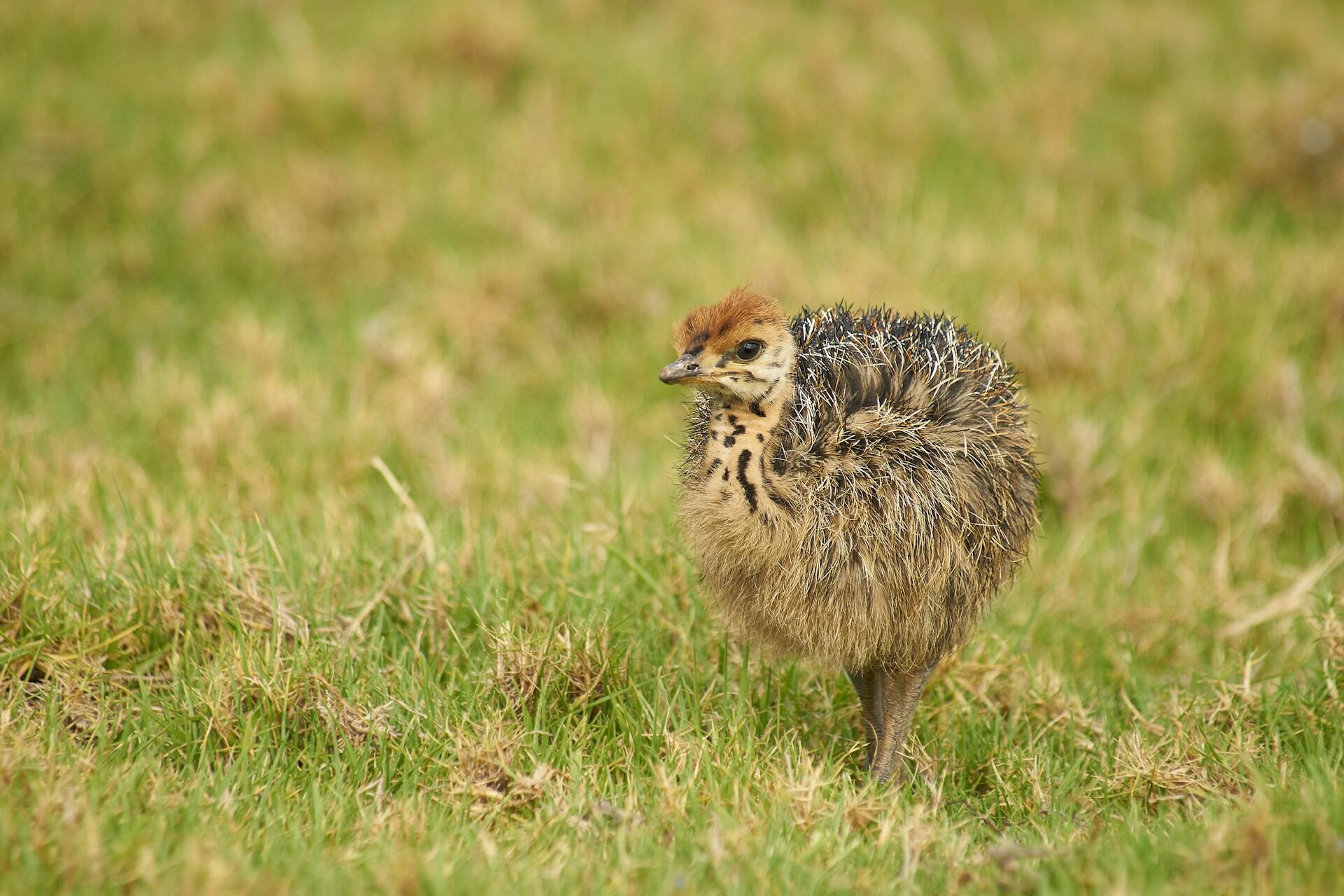
While many know common facts about New Zealand like the kiwi's status in the country, they mightn't know that kiwi birds are part of the group of birds known as ratites. This includes other flightless birds, such as ostriches and emus.² Their wings are mostly hidden beneath their body. Kiwi move across the ground using steady, deliberate steps to get through thick vegetation. Their bones don't have the hollow, lightweight structure needed for flight. This adaptation reflects millions of years of evolution in an environment where flying was not necessary for survival.⁵
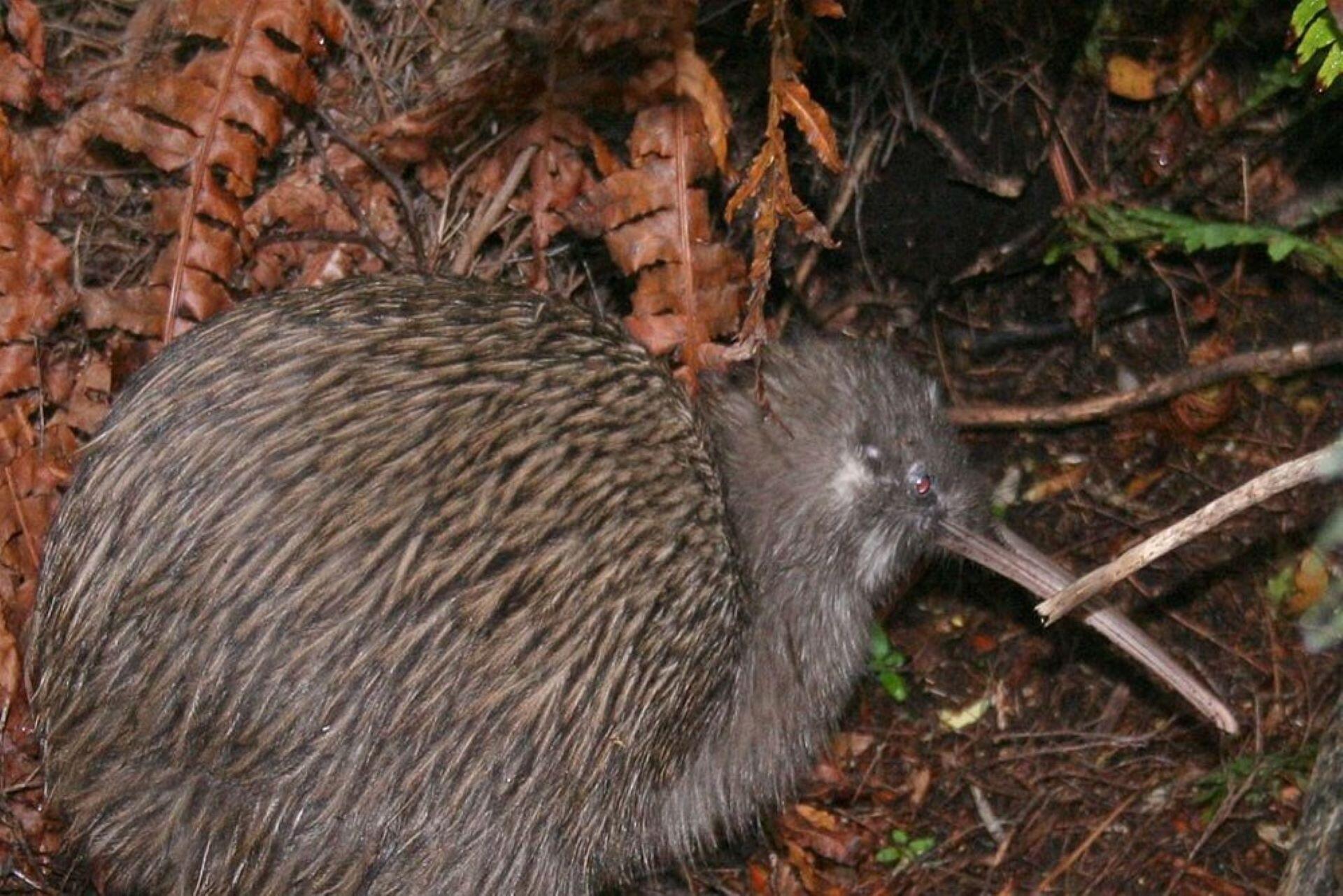
Kiwi birds are unlike most other birds in the world. They cannot fly, have hair-like feathers instead of typical plumage, and rely heavily on their sense of smell rather than sight. Native to New Zealand, these small, brown birds have evolved in isolation, which explains their unusual features. Their long beaks with nostrils at the tip and strong legs also set them apart from other bird species.
2. Kiwi Feathers Are More Like Hair Than Typical Bird Feathers
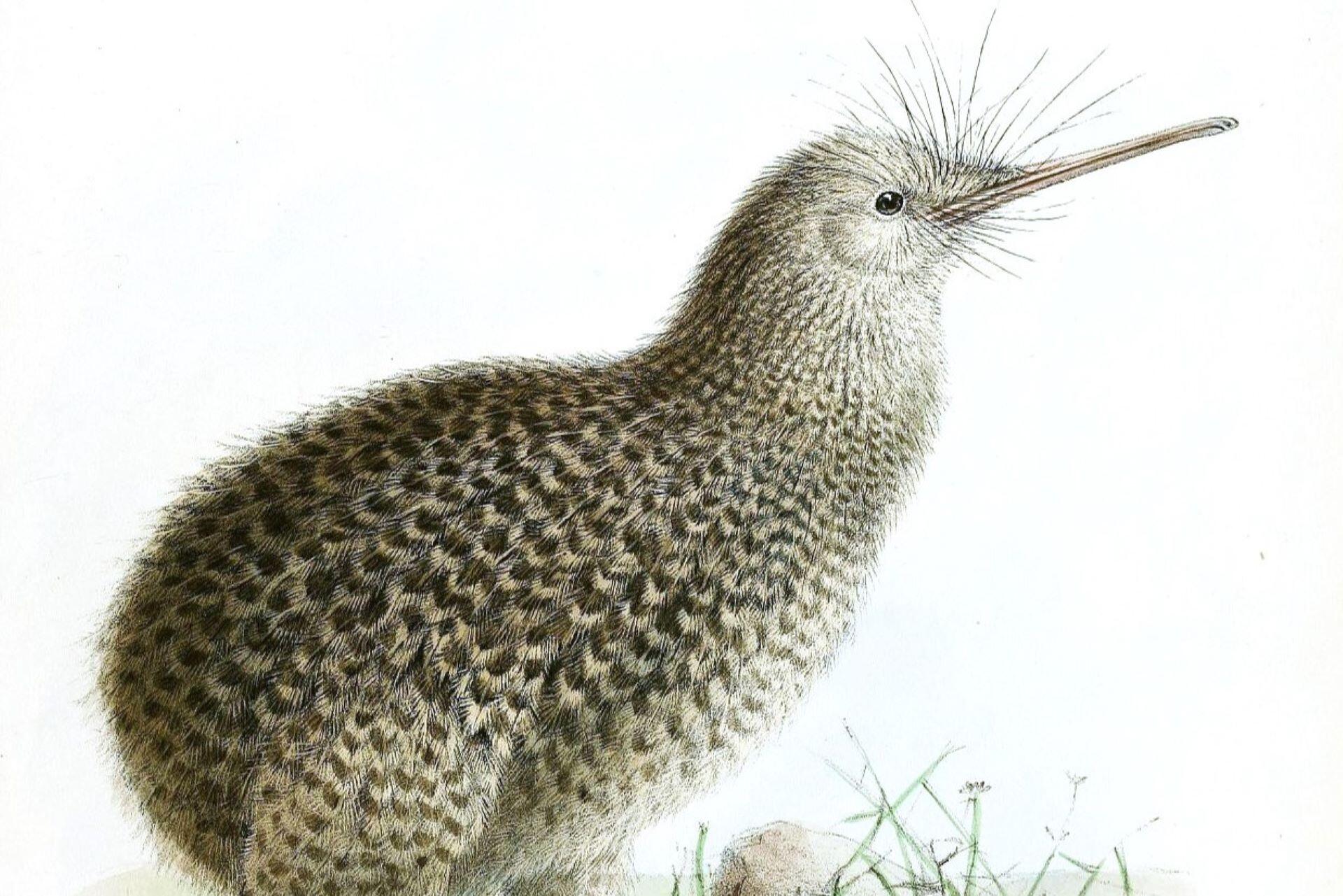
Kiwis have feathers, but since they don't fly, don't be surprised if they don't look like feathers. They don't have the interlocking barbs that create a smooth, aerodynamic surface. Instead, they have hair-like feathers. This helps them move through forests without drawing attention.
Their feathers provide insulation, allowing them to regulate body temperature during cool nights. Similarly, their brown colour blends well with leaf litter and soil, providing natural camouflage. This means they're well-suited to staying hidden, rather than escaping quickly.³
3. Kiwi Birds Have Nostrils at the End of Their Beaks
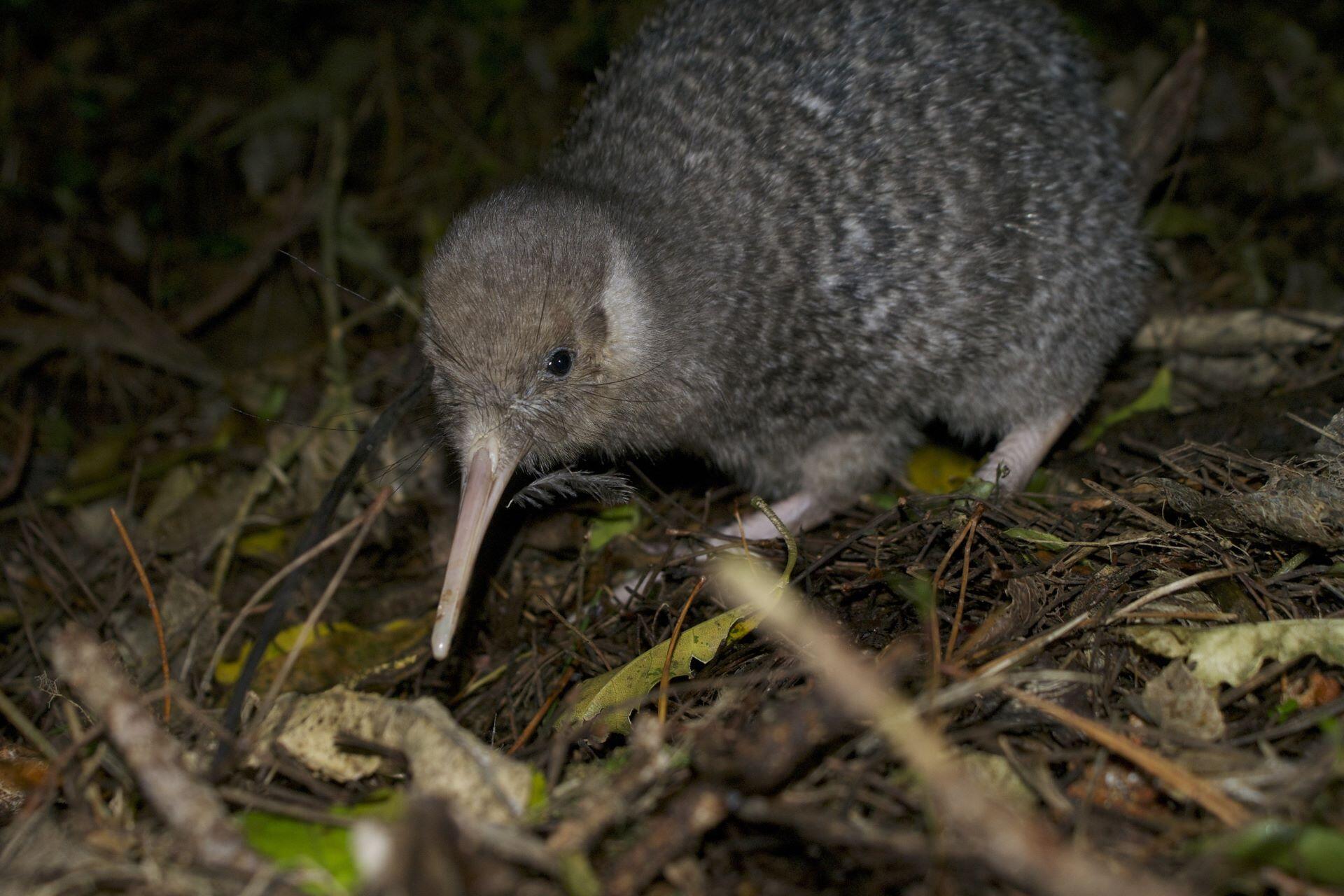
Most birds have nostrils at the base of their beaks. Kiwi birds, however, have their nostrils right at the tip. This helps them detect scents as they probe the ground. This is useful for finding food like insects, worms, and other small invertebrates. As kiwi move, they tap and push their beaks into the earth. They're more guided by smell than sight. This adaptation helps find food in low-light conditions.⁶
4. Kiwi Eggs Are One of the Largest in the Bird World Relative to Body Size
Before a kiwi lays an egg, the egg takes up a huge amount of space in its body. This stage requires a lot of energy and careful timing, since the female can't eat as much because the egg takes up space. In some species, the male incubates the egg, sitting on it for several weeks without leaving for long periods.⁷
Kiwi eggs are exceptionally large compared to the size of the female's body. In some species, the egg can make up around one-fifth of the female's total body weight. This is one of the largest egg-to-body ratios in the bird world. The large egg provides the chick with more nutrients before hatching, which helps it survive in the wild with minimal parental care after birth.
Compared to other bird species, the kiwi is born relatively developed. They can move, feed, and explore their surroundings in a matter of days. Their early independence is down to the resources stored in the egg during development. By hatching with this head start, their chances of coping with their environment in the early stages of life are improved.⁵
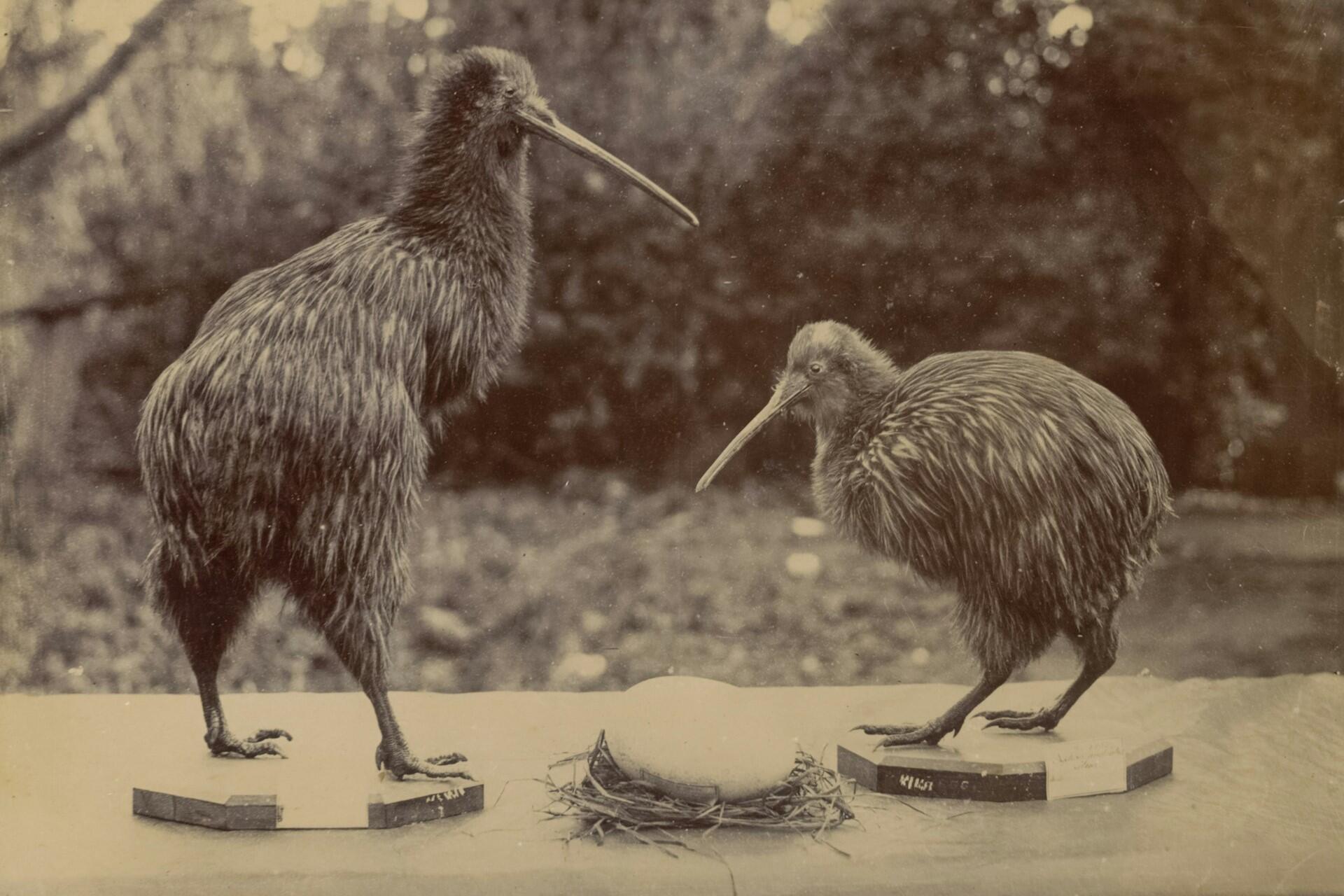
of a female kiwi’s body weight can be made up by a single egg, making it one of the largest egg-to-body ratios in the bird world.
5. Kiwi Birds Are Nocturnal and Active at Night
Kiwi spend their days in burrows, hollow logs, or dense vegetation.⁴ After dark, they emerge. Cooler temperatures and reduced visibility help them move throughout their habitat. They use this time to search for food on forest floors. Their activity is more closely tied to lighting conditions than to time, meaning their active time depends on season and environment, which helps them survive better in the wild.¹⁶
6. Kiwi Birds Have Powerful Legs and Can Move Quickly
As a flightless bird, the kiwi relies on their legs. Like certain boots, their legs are made for walking. They're also good at digging and best for sudden bursts of movement, but not much sustained speed. Kiwi can move quickly across uneven terrain when needed, but they aren't distance runners.
7. Kiwi Birds Rely on Their Sense of Smell More Than Sight
Kiwi have relatively limited eyesight. Since they operate largely in low-light conditions, they use scent to locate food. Sensory receptors in their beaks help them detect prey beneath the surface, allowing them to find insects and other small animals. Their whisker-like feathers around their faces also help them detect movement. They're better adapted to close-range awareness than long-distance vision.⁶
8. Kiwi Birds Are Native Only to New Zealand
While you may see kiwi in zoos in tightly controlled breeding or education programmes, they're only native to New Zealand. Their isolation for millions of years explains their specific adaptations. There are different kiwi species in different regions across both the North and South Islands. Since they're flightless and don't move around too much, they're closely tied to local ecosystems. Changes in these environments can directly affect their survival and long-term population stability.¹ In fact, the relative isolation of New Zealand led to unique wildlife and unique inventions.
9. Kiwi Birds Face Serious Threats from Predators Like Stoats and Dogs
Human activity has changed the environment that kiwi birds depend on. While the kiwi have spent millions of years adapting to their environments, humans have changed them in mere centuries. This has made it difficult for kiwi, which don't have millions of years to adapt again. For example, accidental encounters with dogs have led to kiwi being injured or killed. This has led to long-term declines in kiwi numbers across several regions.⁸ In many areas, conservation groups report ongoing population pressure due to predators and habitat change.⁹
Kiwi birds face serious threats from introduced predators, including stoats, dogs, and cats. These animals were not present in New Zealand before human settlement, and kiwi evolved without natural predators on land. As a result, their eggs and chicks are highly vulnerable. Conservation programmes now work to protect kiwi populations through predator control, breeding programmes, and habitat protection.
There have been efforts to reverse the decline. This includes protecting kiwi at their most vulnerable stages. Conservation groups monitor nests, remove predators from key areas, and sometimes even raise chicks in controlled environments. continued support and long-term planning remain essential to maintaining and rebuilding kiwi populations.⁶
of kiwi chicks survive to adulthood in the wild without conservation support due to predators like stoats.
10. There Are Five Different Kiwi Species Including the Rare Rowi
A bit like in Māori culture, where there are tribes and subtribes, the kiwi isn't just a homogeneous group of birds. While we've been talking about kiwi in general, kiwi birds aren't a single species. They're a group of closely related birds. They can vary in size, habitat, and population status. There are different species in different regions of New Zealand. They've adapted ot their local conditions over time. The main differences among kiwi species are their size, plumage colour, and population distribution. Conservation strategies, for example, have to be tailored to the specific kiwi species rather than applied broadly to kiwi in general.
The most common species, found across parts of the North Island in a range of habitats
The smallest kiwi species, now mostly found on predator-free offshore islands
The largest species, living mainly in mountainous and forested areas of the South Island
One of the rarest kiwi, with a very limited population centred around Okarito
Found in the South Island and Stewart Island, with several regional variations
References
- Department of Conservation. “Facts and Threats to Kiwi.” https://www.doc.govt.nz/nature/native-animals/birds/birds-a-z/kiwi/facts/ Accessed 17 Apr. 2026.
- Department of Conservation. “Kiwi: New Zealand Native Land Birds.” https://www.doc.govt.nz/nature/native-animals/birds/birds-a-z/kiwi/ Accessed 17 Apr. 2026.
- Inspiring Journeys. “New Zealand Kiwi Bird Facts.” https://inspiringjourneys.com/journal/kiwi-bird-facts/ Accessed 17 Apr. 2026.
- New Zealand Government Tourism. “Five Surprising Kiwi Facts.” https://www.newzealand.com/int/feature/five-surprising-kiwi-facts/ Accessed 17 Apr. 2026.
- Science Learning Hub. “Introducing Kiwi.” https://www.sciencelearn.org.nz/resources/introducing-kiwi Accessed 17 Apr. 2026.
- Save the Kiwi. “Kiwi Facts.” https://savethekiwi.nz/about-kiwi/kiwi-facts/ Accessed 17 Apr. 2026.
- Save the Kiwi. “Kiwi Species.” https://savethekiwi.nz/about-kiwi/kiwi-species/ Accessed 17 Apr. 2026.
- Save the Kiwi. “Threats to Kiwi.” https://savethekiwi.nz/about-kiwi/threats-to-kiwi/ Accessed 17 Apr. 2026.
- WWF New Zealand. “10 Facts About Kiwi.” https://wwf.org.nz/news/species/10-facts-about-kiwi Accessed 17 Apr. 2026.
Summarise with AI:
Did you like this article? Leave a rating!

 Loading...