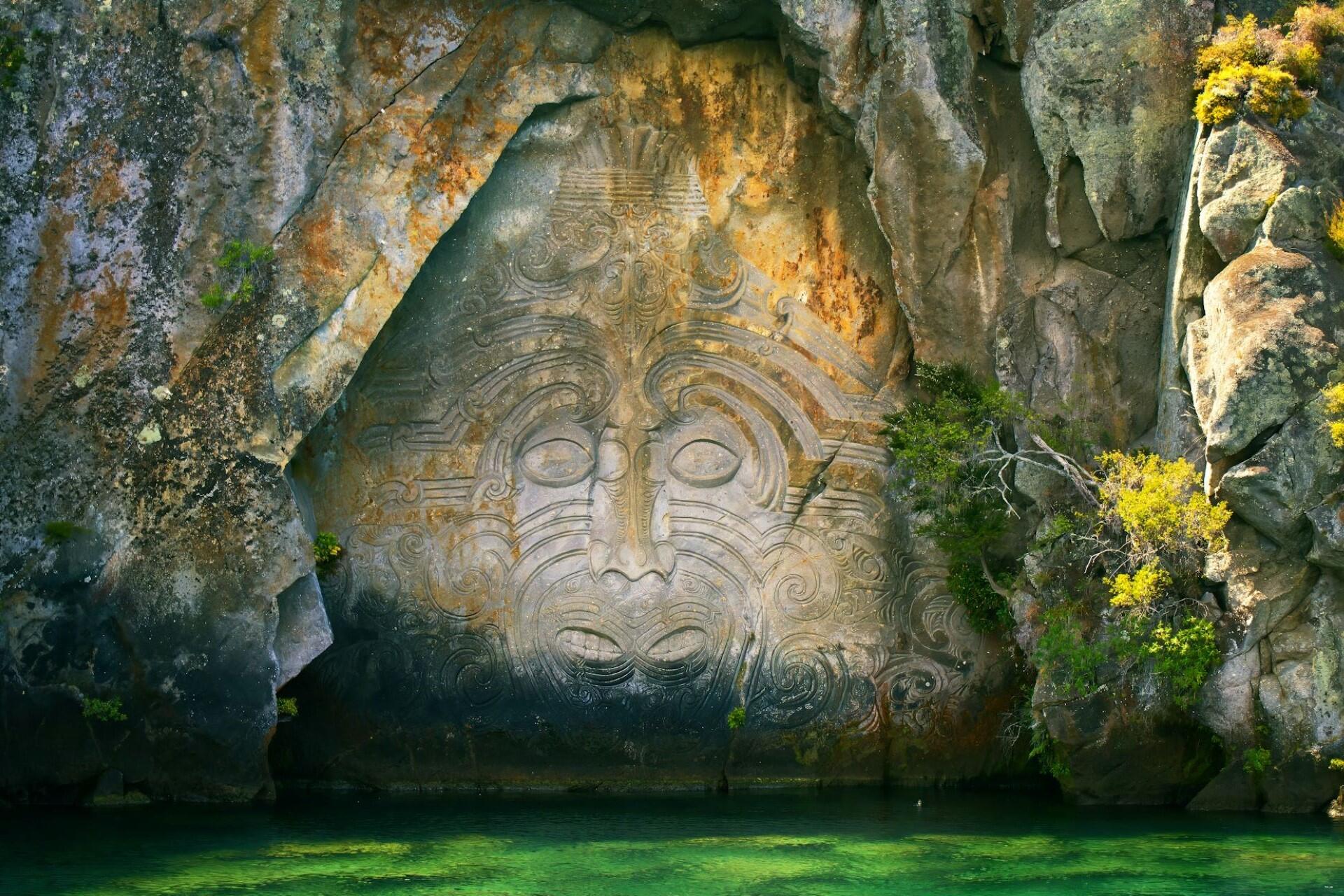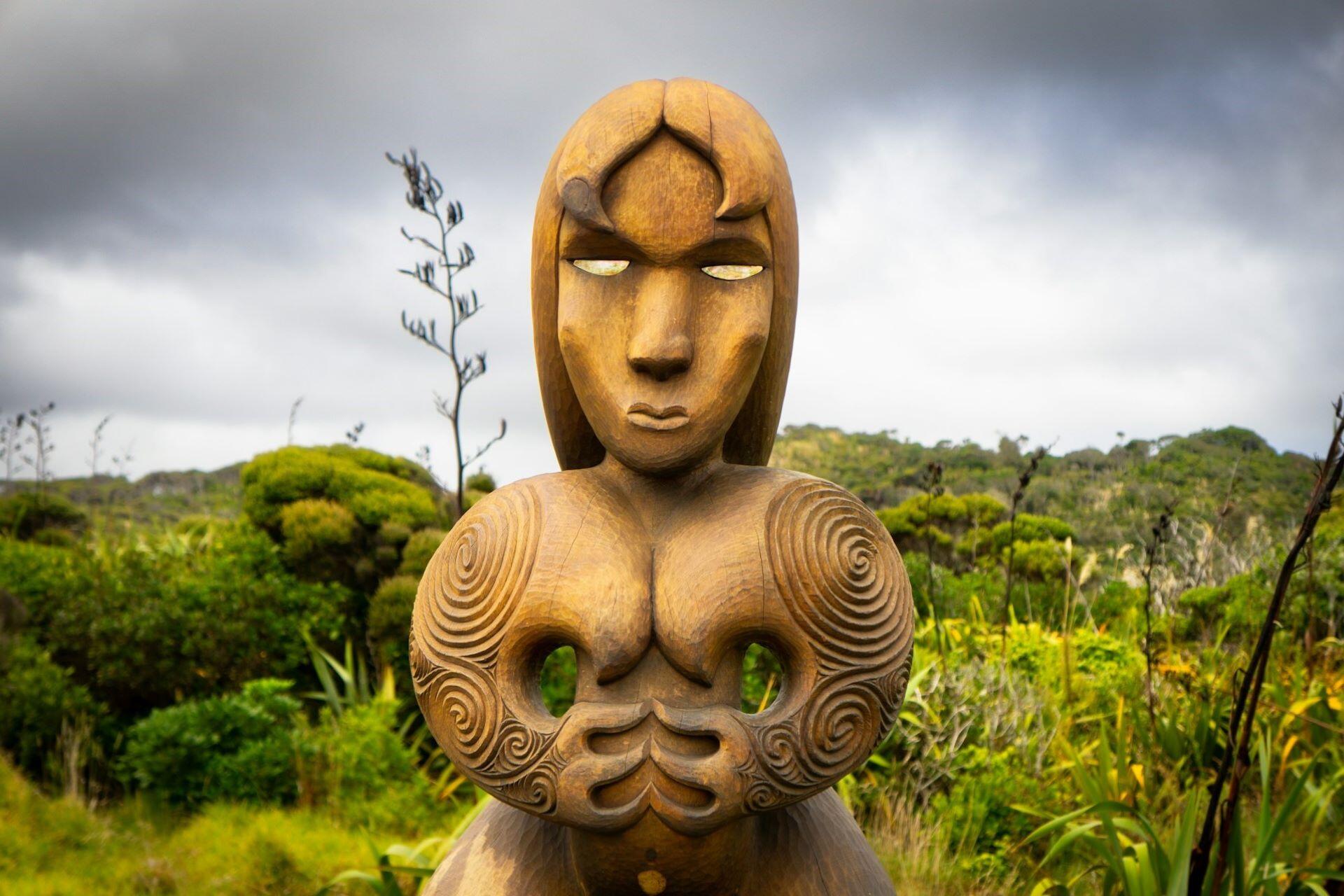

Karakia are an important part of te ao Māori, used to bring focus, intention and respect to many different moments. They may be spoken to open or close a hui, mark a journey, acknowledge atua, support a shared activity, or create a pause before an important transition. For learners, the word “prayer” can be a helpful starting point, but karakia can also mean a ritual chant, incantation, blessing, grace, or a spoken form of words used for cultural purposes.⁶
Key Takeaways
- Karakia can be translated as prayer, chant, incantation, blessing or grace, but its meaning depends on the setting, purpose and cultural context.⁶
- Karakia are used across many parts of Māori life, including hui, ceremonies, journeys, learning spaces, food, protection, healing and moments of transition.⁴
- Some karakia are traditional, some are Christian-influenced, and some contemporary karakia are written for schools, workplaces and everyday settings.³
- Karakia kai is one important type of karakia, but it should be treated as one example within a much broader tradition.
- Focus on meaning, pronunciation, context and respect before using karakia in public, formal or cultural settings.⁷


What Is a Karakia? Meaning and Translation
Before you look at karakia or karakia kai, it helps to understand that karakia are a key part of wider Māori tradition. Karakia are used to open, close, guide, protect and give purpose to many different activities, from formal ceremonies and journeys to everyday moments of transition. They are spoken with intention, connecting people to the occasion, to each other, to te ao Māori and, in many contexts, to atua and the natural world.⁴
Karakia can be translated as prayer, chant or incantation, but none of these English words captures the full meaning on its own. A karakia is spoken with purpose and context, whether it opens a hui, marks a journey, supports reflection or connects people with atua, wairua and the natural world.⁶ Understanding this broader meaning helps learners avoid treating karakia as a direct Māori equivalent of Christian prayer.
Common Types of Karakia and When They Are Used
Karakia can be used in many different settings, so it is helpful to understand the main types learners may come across. Some karakia open a gathering, some close a meeting, some support reflection or protection, and some are connected with kai. Karakia kai is an important example, but it is only one part of a wider tradition of spoken forms used to guide, mark and give meaning to different moments.⁴
sources: the forests, cultivated gardens, the sea, and fresh waters.
Formal and Ceremonial Contexts
Karakia may be used to open or close hui, mark ceremonies, acknowledge atua, support important transitions and give structure to collective moments. In these contexts, the words help connect people to the purpose of the gathering and to the wider cultural setting.⁴
Everyday and Learning Contexts
Karakia may also be used in classrooms, workplaces, homes, online meetings, journeys and shared learning spaces. In these settings, learners should still focus on meaning, pronunciation and context rather than treating karakia as a quick script.³

| Type of karakia | Common setting | Purpose | Learner note |
|---|---|---|---|
| Karakia timatanga | Opening a hui, class, meeting or event | To begin with focus, intention and respect | Learn when the group expects an opening karakia and choose one that suits the setting |
| Karakia whakamutunga | Closing a hui, class, meeting or event | To close the shared space respectfully | Useful for ending a shared activity, but it should still be learned with meaning and care |
| Karakia kai | Before eating or sharing food | To acknowledge kai, nourishment and the people connected with the meal | Keep this brief in the general article and link to the dedicated karakia kai article for more detail |
| Karakia for journeys or protection | Before travel, important tasks or moments of transition | To seek guidance, safety, focus or protection | Use only when the context is suitable and the meaning is understood |
| Christian-influenced karakia | Churches, some whānau, schools or community settings | To pray, give thanks or mark a moment using Christian language | Remember that not all karakia are Christian, and not all settings call for this form |
| Contemporary karakia | Schools, workplaces, online meetings and learning settings | To create focus, gratitude, reflection or a respectful transition | Even simple contemporary karakia require attention to meaning, pronunciation and context |
Karakia Examples for Learners
Karakia timatanga may be used to begin a hui, class, meeting or event. It helps people pause, focus and enter the shared space with intention.
Karakia whakamutunga may be used at the end of a hui, class, meeting or event. It helps close the shared space respectfully and marks the transition back into everyday activity.
Some karakia are used before journeys, important tasks or moments of uncertainty. In these settings, karakia may help people seek guidance, safety, focus or protection.⁴
Karakia may be used before learning, work, discussion or another collective activity. This can help the group recognise the purpose of the moment before beginning.
Karakia kai is one important example of karakia in everyday life. It is used before eating or sharing food, but it should be treated as one part of the wider karakia tradition rather than the whole subject.²
Some contemporary karakia are written for schools, workplaces, online meetings and learning settings. These can be accessible for learners, but they still require attention to meaning, pronunciation and context.³
Traditional and Contemporary Karakia
Traditional karakia can be connected with atua, the natural world, ceremonies, journeys, protection and important transitions. Their meaning depends on context, so learners should avoid treating them as general-purpose phrases.⁴
Some karakia used today are shaped by Christian prayer forms, reflecting Christianity's influence in Aotearoa. These may be common in some churches, whānau, schools and community settings, but they are only one part of the wider karakia tradition.³
Some contemporary karakia are written without a direct religious address, yet still create focus, gratitude, or reflection. These can be useful in classrooms, workplaces and mixed-faith settings where an inclusive form is needed.³
In contemporary Aotearoa, karakia may be used in homes, schools, hui, workplaces, online meetings and community events. The practice creates a pause and helps people begin or end a shared moment with focus and respect.³
Short karakia are often easier for beginners to learn because they can be practised regularly. Repetition helps learners build confidence in te reo Māori pronunciation, rhythm, and meaning, especially when they listen carefully and avoid rushing their words.
A karakia that feels right in one setting may not suit another, so context matters. Learners should consider whether the group is whānau, school, workplace, church, marae, iwi, hapū or community-based, then choose a karakia that respects the people present and the purpose of the moment.⁷
How to Learn and Recite Karakia Respectfully
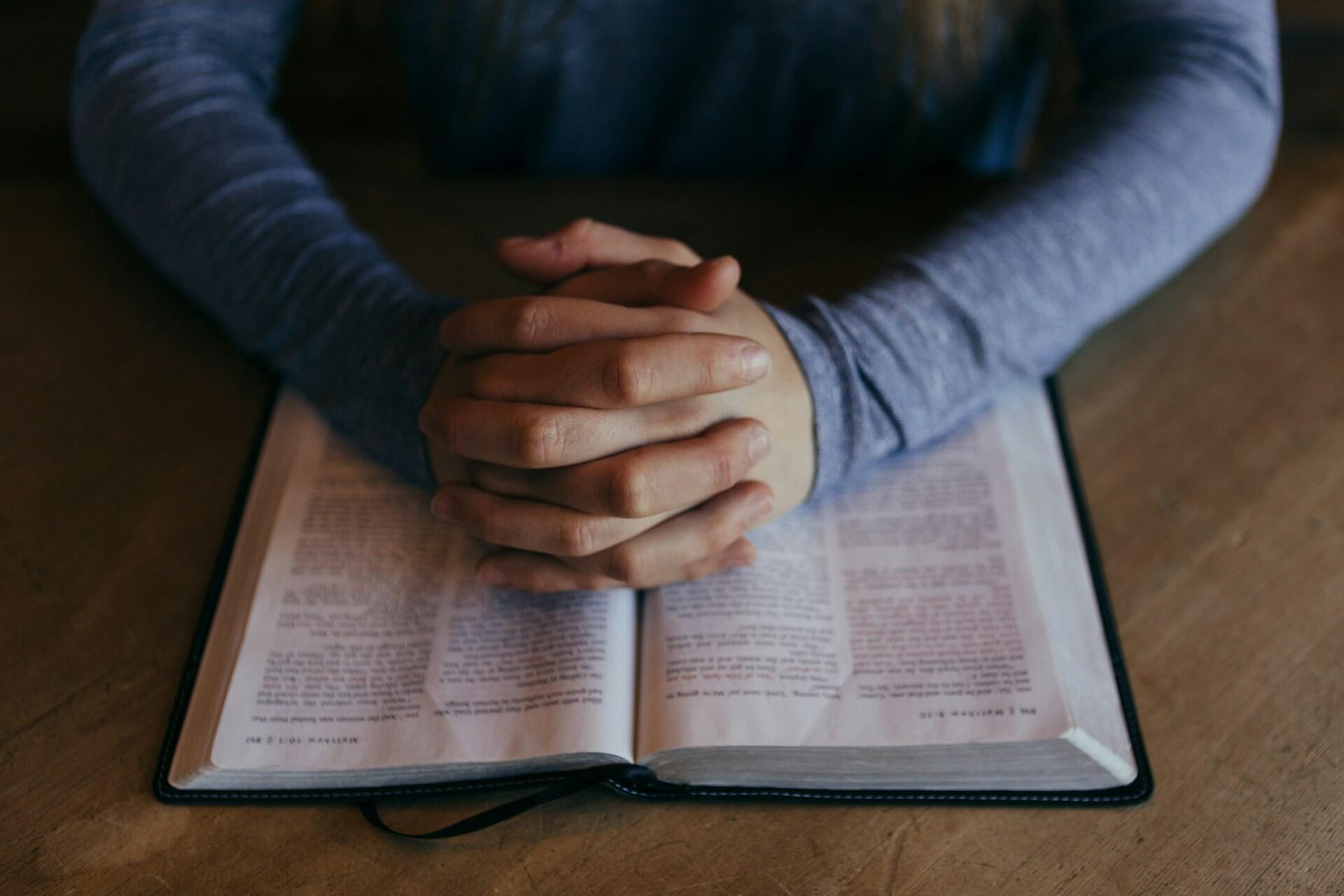
You cannot just memorise a set of words. A karakia carries meaning, so you have to know what it means, why it is being said and whether it suits the people and setting around you. Karakia can appear in traditional, Christian-influenced and contemporary non-religious forms, each carrying a slightly different tone and purpose.³
A short karakia may look easy to learn, but respectful use means understanding the words before speaking them in a group. Learners should check the meaning, practise pronunciation and think about whether the karakia suits the occasion. When possible, learn from a trusted source, kaiako, kaumātua or someone connected to the local setting.

The Role of Karakia in Strengthening Community Bonds
Just as karakia whakamutunga punctuates the end of proceedings, karakia can help a group move into a shared moment with focus and respect. In a hui, class, workplace or community setting, the words can signal that people are entering a purposeful space together. This is why karakia are often connected with tikanga, relationships, learning, manaakitanga and the careful opening or closing of collective activities.¹⁰
Karakia gives everyone a moment to stop, settle and recognise the purpose of the gathering. This can be especially meaningful at hui, school events, workplace gatherings and community settings where people are coming together from different parts of their day.
Karakia timatanga and karakia whakamutunga can help mark the beginning and end of a hui, class, meeting or event. These moments give structure to the shared activity and help people move into or out of the space respectfully.
Manaakitanga is often connected with care, generosity, hospitality and upholding the mana of others. Karakia can support this by helping the group approach a moment with respect for the hosts, guests and wider community.¹⁰
Whanaungatanga is about relationships, connection and a sense of belonging. Saying karakia together can help a group feel more united, especially when part of a hui, class, whānau gathering or shared community event.¹⁰
Some karakia connect people with atua, whenua, wai, wairua or the natural world, depending on the context. This reminds learners that karakia are not only about words, but also about the relationship between people, place and purpose.⁴
When tamariki, rangatahi and adults hear karakia used regularly and respectfully, they can learn the rhythm, meaning and cultural importance of the words over time. This makes the practice part of everyday learning rather than something separated from normal life.³
Respecting and Preserving Karakia in Everyday Life
Remember that karakia have cultural meaning. A karakia may be short on the page, but its connections to tikanga, te reo Māori, atua, people and place can be very real. Approach karakia with care, especially when using one in public, educational, workplace, marae or formal settings.⁷
Karakia should not be treated as decorative phrases to copy without understanding. Respectful use means learning what the words mean, why they are being used and whether they suit the occasion, the people present and the cultural setting. This applies to all forms of karakia, including opening karakia, closing karakia, karakia kai and contemporary examples used in everyday life.⁷
Preserving karakia kai can be part of a wider effort to support te reo Māori in everyday life. By practising simple karakia such as Whakataka te Hau Karakia, pronouncing them correctly, and understanding and respecting them, you can make te reo Māori more visible in everyday settings such as homes, schools, workplaces, and community meals. It's all part of a bigger picture, including the Maihi Karauna strategy.
New Zealanders to have the ability and confidence to talk about basic things in te reo Māori by 2040.
References
- “He Karakia.” Te Puni Kōkiri, 14 Oct. 2020, https://www.tpk.govt.nz/mo-te-puni-kokiri/karakia/he-karakia. Accessed 17 Jun. 2026.
- “Karakia Kai.” Reo Māori Mai, 19 Dec. 2023, https://www.reomaorimai.co.nz/blogs/news/karakia-kai. Accessed 17 Jun. 2026.
- “Karakia: Prayers.” Māori ki Ōtākou Whakaihu Waka, University of Otago, https://www.otago.ac.nz/maori/world/te-reo-maori/karakia-prayers. Accessed 17 Jun. 2026.
- Keane, Basil. “Traditional Māori Religion: Ngā Karakia a Te Māori.” Te Ara: The Encyclopedia of New Zealand, https://teara.govt.nz/en/traditional-maori-religion-nga-karakia-a-te-maori. Accessed 17 Jun. 2026.
- “Maihi Karauna.” Te Puni Kōkiri, https://www.tpk.govt.nz/a-matou-whakaarotau/te-ao-maori/maihi-karauna. Accessed 17 Jun. 2026.
- Moorfield, John C. “Karakia.” Te Aka Māori Dictionary, Te Murumāra Foundation, https://maoridictionary.co.nz/word/2275. Accessed 17 Jun. 2026.
- Taiuru, Karaitiana. “Karakia or Cultural Appropriation?” Taiuru and Associates, https://www.taiuru.co.nz/wp-content/uploads/Karakia-or-cultural-appropriation-TaiuruK.pdf. Accessed 17 Jun. 2026.
- “Traditional Māori Food Gathering.” Museum of New Zealand Te Papa Tongarewa, https://www.tepapa.govt.nz/discover-collections/read-watch-play/maori/traditional-maori-food-gathering. Accessed 17 Jun. 2026.
- “Traditional Patterns of Harvest.” Mātaitai: Shellfish Gathering, Te Ara: The Encyclopedia of New Zealand, https://teara.govt.nz/en/mataitai-shellfish-gathering/page-2. Accessed 17 Jun. 2026.
- “What Do Whanaungatanga me Manaakitanga Refer To?” Kōwhiti Whakapae, Ministry of Education, https://kowhiti-whakapae.education.govt.nz/what-do-whanaungatanga-me-manaakitanga-refer. Accessed 17 Jun. 2026.
Summarise with AI:
Did you like this article? Leave a rating!

 Loading...