
Matariki is the Māori New Year. It's marked by the Matariki star cluster (Pleiades) rising over the winter sky of Aotearoa (New Zealand). This cosmic event is a time of renewal, reflection, and celebration, where Māori people gather to honour past, present, and future generations. Let's explore this key part of Māori culture. For a long time, Matariki has been part of Māori culture, guiding seasonal activities, agricultural cycles, and spiritual observances. It was traditionally a time to remember those who had passed, give thanks for the harvest, and prepare for the upcoming year.
Key Takeaways
- Matariki marks the Māori New Year and is linked to the rising of the Pleiades star cluster
- It is a time of reflection, remembrance, and renewal
- Each of the nine stars represents different aspects of life and the environment
- Matariki plays an important role in Māori culture, values, and traditions
- It became a public holiday in New Zealand in 2022
- Celebrations include both traditional practices and modern community events


The Meaning and Significance of Matariki
Matariki isn't just some stars appearing in the winter sky. It's a time of reflection, renewal, and connection. It's deeply woven into Māori traditions and values. For generations, it has been an important part of the Māori lunar calendar.
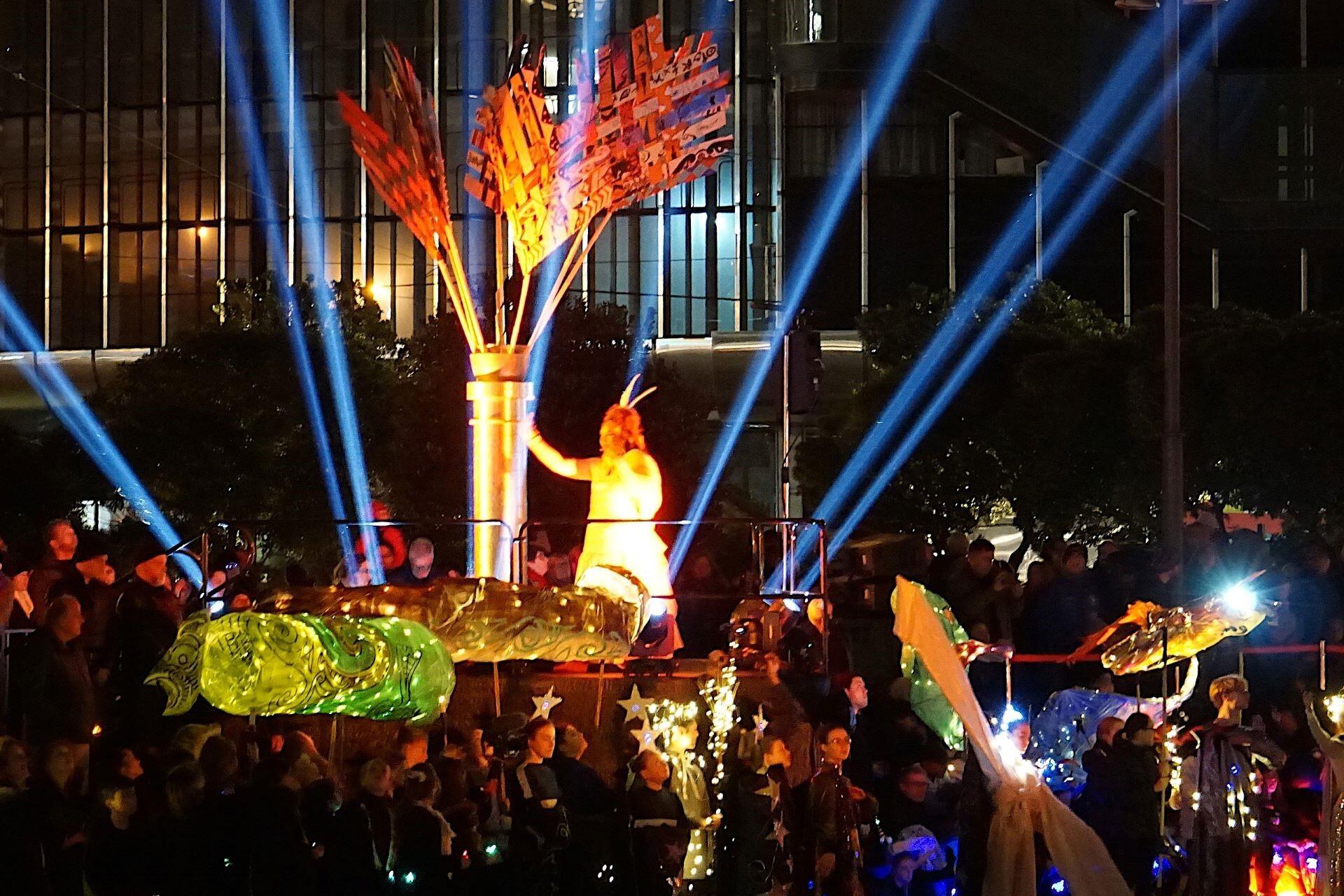
Almost every Māori cultural practice is interconnected through a set of core values. This makes Matariki so much more than a New Year celebration. It embodies the Māori values that shape relationships, traditions, and how Māori people interact with the world around them. The interconnectedness of Matariki extends particularly to Māori concepts like manaakitanga, kaitiakitanga, tikanga, and whanaungatanga.
Etymology and Mythology of Matariki
- “Mata” can mean “eyes” or “face”
In te reo Māori, mata often refers to eyes or a face, suggesting observation, awareness, and connection to the world. - “Ariki” means “chief” or “leader”
The word ariki represents leadership, authority, and importance, often associated with high status in Māori society. - Matariki is often translated as “Eyes of God” or “Eyes of the Chief”
Together, Matariki is commonly interpreted as “Ngā mata o te ariki Tāwhirimātea”, referring to the eyes of the god Tāwhirimātea. - Connected to the story of Tāwhirimātea
According to Māori mythology, Tāwhirimātea, the god of wind and weather, tore out his eyes in grief and cast them into the sky, where they became the Matariki star cluster. - Symbolises reflection, guidance, and renewal
The meaning of Matariki is closely tied to observation of the stars, remembrance of the past, and guidance for the future.
Word Origins
- Mata = eyes or face
- Ariki = chief or leader
- Often translated as “Eyes of God” or “Eyes of the Chief”
Cultural Meaning
- Represents reflection and remembrance
- Connected to Tāwhirimātea in Māori mythology
- Symbolises guidance, renewal, and future planning
Cultural Importance of Matariki
Matariki has been revitalised as a cultural celebration and was made an official public holiday in Aotearoa in 2022. Matariki, like many other Māori celebrations and cultural practices, is interconnected with the core Māori values:
- Manaakitanga (hospitality and generosity) – Sharing food, stories, and celebrations.
- Kaitiakitanga (guardianship of the land and environment) – Honouring the changing seasons and respecting nature.
- Tikanga (customs and traditions) – Observing traditional practices that strengthen cultural identity.
- Whanaungatanga (relationships and community bonds) – Bringing people together to reflect, celebrate, and plan for the future.
Matariki is deeply connected to Tikanga Māori (customs and traditions). Many Matariki celebrations involve tikanga-based practices such as karakia (prayers), waiata (songs), and kaihaukai (shared feasting). These traditions reinforce cultural identity and strengthen connections between whānau and iwi.
Matariki is traditionally a time when Māori people acknowledge those who have passed during the previous year. It's common for Māori communities during Matariki celebrations to:
- Hold karakia (prayers) to honour their ancestors.
- Reflect on the achievements and challenges of the past year.
- Share stories that reinforce whakapapa (ancestry) and cultural identity.
Matariki is also a time of new beginnings. This means that Māori people also:
- Set intentions and goals for the year ahead.
- Give thanks for the harvest and prepare the land for new crops.
- Celebrate community and whānau, strengthening relationships for the future.
Matariki embodies te ao Māori (the Māori worldview) and links people to the environment, the stars, and the spiritual world. This means Matariki is a great time to acknowledge and remember the many Māori traditions and ancestral knowledge. Matariki celebrations can include:
- Understanding the significance of celestial events in determining seasons and planting cycles.
- Recognising how different stars in the Matariki cluster relate to specific aspects of life (e.g., land, ocean, food, weather).
- Practising tikanga (customs) that maintain balance and respect between people, nature, and the spiritual world.
Matariki is about more than celebrating the stars. It's a time to celebrate and embrace Māori values and reinforce the importance of whanaungatanga (relationships), manaakitanga (hospitality), and kaitikitanga (guardianship of the land and resources).
The Matariki Star Cluster
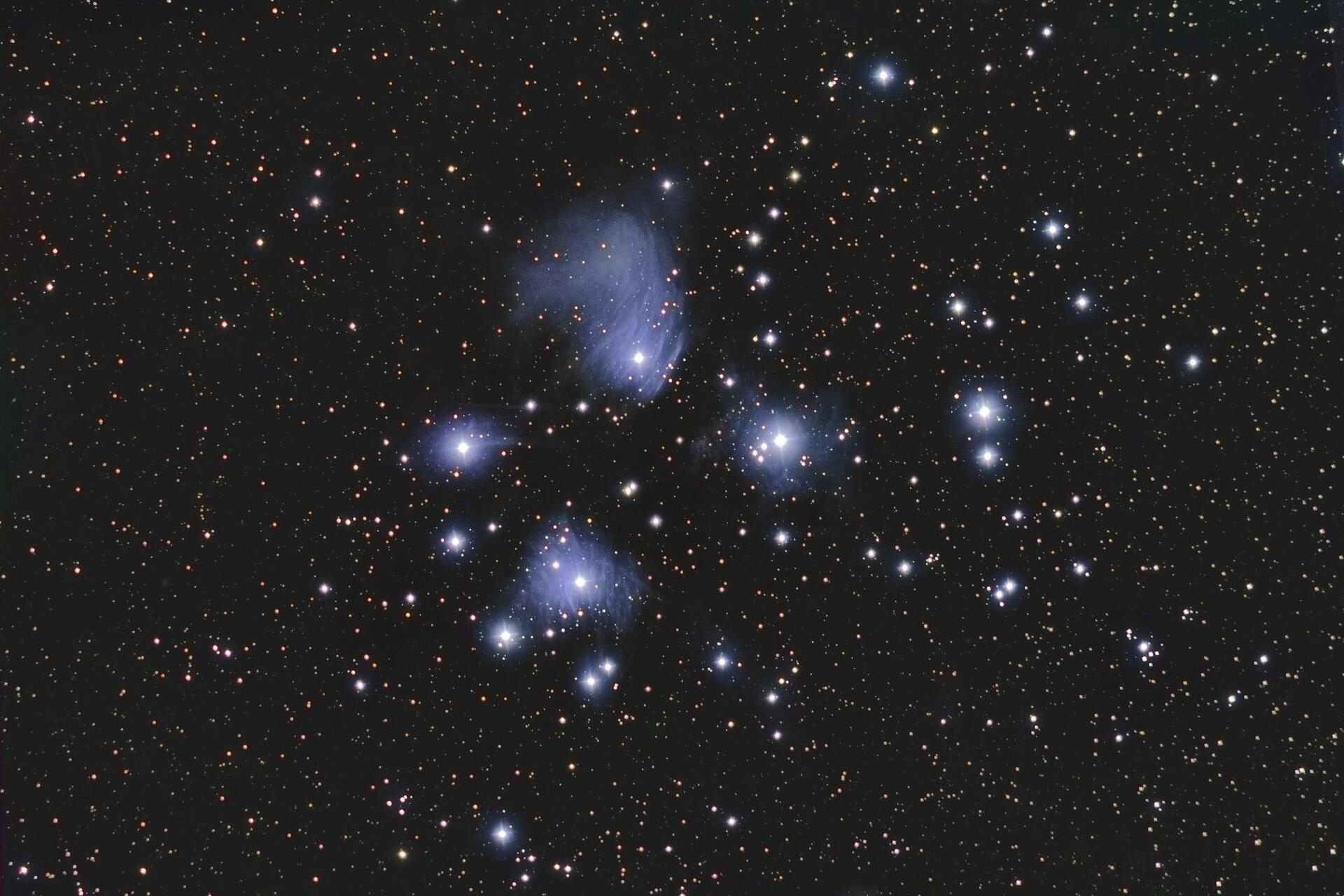
So why are the Matariki stars so special and important? Firstly, Matariki is a cluster of stars that appears in the eastern sky during mid-winter in New Zealand. It's also known globally as the Pleiades, but as Matariki, it has a deep cultural, spiritual, and environmental significance for Māori people. Each of the nine visible stars in this cluster is associated with different aspects of nature, well-being, and the elements.
Astronomical Overview of Matariki
The Māori used a lunar calendar (maramataka), which guided their seasonal activities, planting cycles, and spiritual practices. Unlike the Western solar calendar, which focuses more on the Earth's movement around the sun, the Māori calendar follows the phases of the moon and stars.
As you may have guessed, the rising of the Matariki star cluster occurs in mid-winter for the southern hemisphere, and it will take place around late June and early July, unlike the New Year, which occurs in January. Unlike the Western Solar New Year, it doesn't occur on a fixed date in accordance with the Western calendar. Instead, its timing is based on:
- The first new moon following the rising of Matariki signals the correct time to observe the new year.
- Traditional knowledge of star movements helped Māori track time, predict weather patterns, and plan for seasonal activities.
The 9 Stars of Matariki and Their Meanings
In Māori communities, the brightness and the positioning of the Matariki stars were used to predict the weather, harvest, and natural cycles for the coming year. Each star has some relation to the environment, seasonal cycles, or community wellbeing:
| Star | Meaning | Connection |
|---|---|---|
| Matariki | Reflection, hope | Mother of the cluster |
| Pōhutukawa | Remembrance | Honours the dead |
| Tupuānuku | Food from the earth | Crops and plants |
| Tupuārangi | Food from the sky | Birds and berries |
| Waitī | Freshwater | Rivers and lakes |
| Waitā | Ocean | Seafood and saltwater |
| Waipunarangi | Rain | Water cycles |
| Ururangi | Wind | Weather patterns |
| Hiwa-i-te-rangi | Wishes | Aspirations and goals |
stars Matariki cluster
Traditional Matariki Celebrations and Practices
For a long time, Matariki has been celebrated. Māori would gather to recognise the previous year, honour their ancestors, and prepare for the future. Many traditions have been upheld for generations, while the practice has also adapted and survived into modern times.
Historical Matariki Observances
Matariki was celebrated before the arrival of Europeans in Aotearoa. Typically, customs observed would include:
- Observing the stars – The brightness of Matariki helped determine weather patterns and food abundance for the coming year.
- Remembering ancestors – Special karakia (prayers) and ceremonies were held to honour those who had passed away.
- Sharing feasts – Matariki was a time of kaihaukai (feasting), where people would share stored food and celebrate the bounty of the land and sea.
- Teaching and storytelling – Elders would share mātauranga (knowledge) through stories, songs, and performances, ensuring cultural traditions were passed down.
Agricultural and Environmental Connections
Māori used Matariki to live in harmony with the land and the oceans, which are part of the principles of kaitikitanga and sustainable living, and they still do today. Matariki is more than just an astronomical event for the Māori people. It guided them and helped them to reflect, plan, and connect with the natural world. In terms of a practical calendar, Matariki was the transition between seasons and would determine key events like:
- When to plant new crops for the coming year.
- When to gather and store food in preparation for winter.
- When to celebrate and reflect on the past year, paying respects to those who have passed.
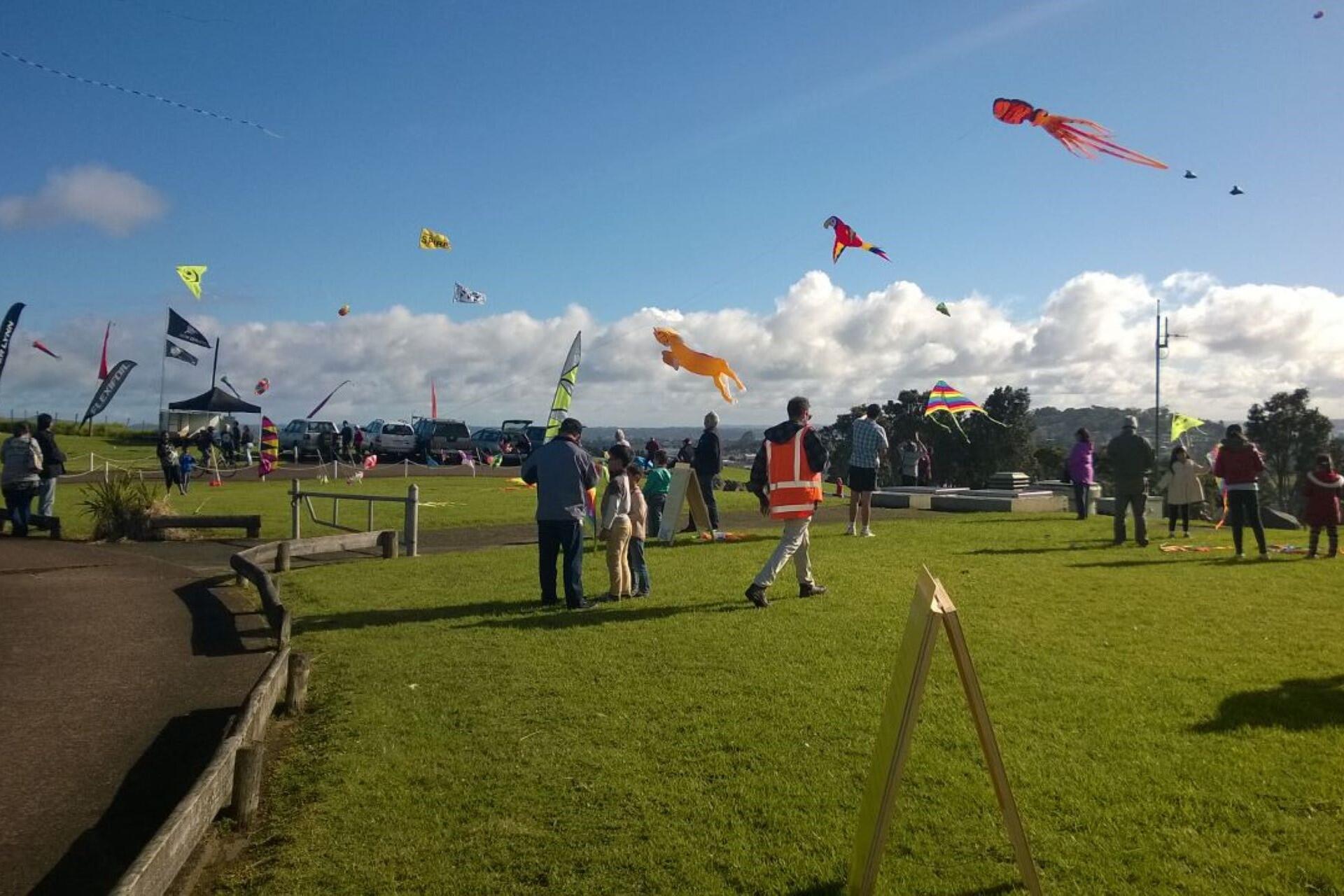
In Māori communities, the brightness and the positioning of the Matariki stars were used to predict the weather, harvest, and natural cycles for the coming year.
- Bright, clear stars signified a prosperous year ahead with abundant food and good weather.
- Faint or scattered stars indicated challenging times, requiring careful planning and resource conservation.
Māori used the brightness of the Matariki stars to predict seasonal conditions. If the stars appeared clear and bright, it was a sign of good weather and an abundant harvest ahead. It warned of a harsh winter if they were faint or scattered, prompting communities to store food and prepare accordingly.
Modern Observance and Public Holiday
Matariki has gone from a traditional Māori celebration to a national event across New Zealand. There's been a strong revival of cultural practices, showing just how important it is. Today, Matariki is a time to honour Māori heritage and bring people together across Aotearoa.
Revival of Matariki Celebrations
In recent decades, Matariki has experienced a strong cultural revival across New Zealand, with growing recognition of its significance.
- Renewed focus on Māori culture and identity
Matariki has become an important way to celebrate and preserve Māori traditions, language, and values. - Increased visibility through education
Schools and educational programmes now actively teach the meaning of Matariki, helping younger generations understand its importance. - Community-led events and initiatives
Local iwi, councils, and organisations host events such as storytelling, performances, and shared meals. - Government recognition and support
National support has helped promote Matariki through official events, funding, and cultural initiatives. - Growth of public festivals and celebrations
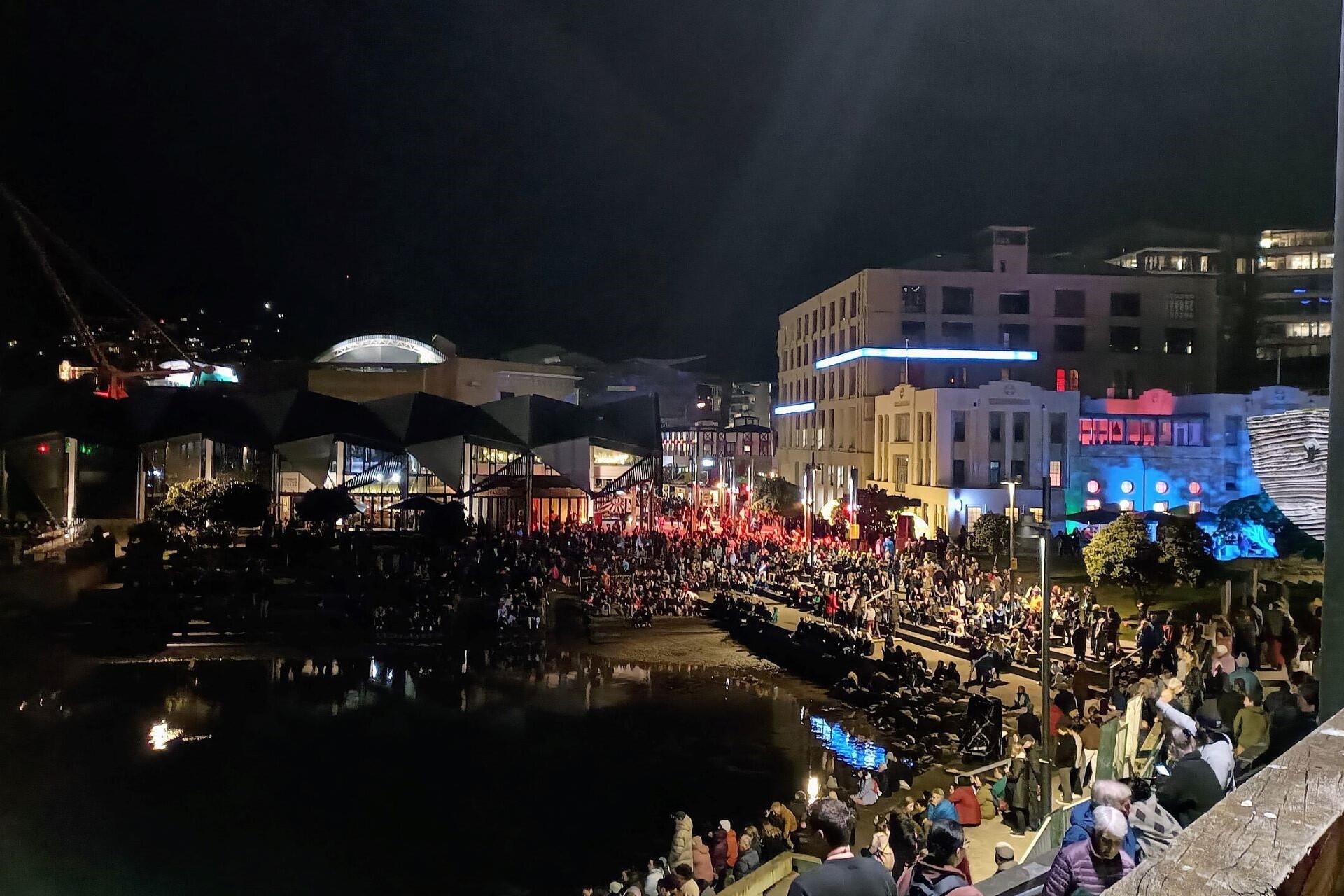
Cities and towns across Aotearoa now organise large-scale festivals, including light shows, exhibitions, and cultural performances.
Matariki as a Public Holiday in New Zealand
In 2022, Matariki became an official public holiday in New Zealand; the first holiday to recognise Māori culture. This decision reflects the importance of Matariki as not only a Māori tradition but a celebration for all New Zealanders, strengthening national identity and cultural appreciation.
How to Celebrate Matariki Today
Matariki can be celebrated in different ways. From large public events to small, meaningful traditions at home, there's a way for everybody to celebrate in a way that works for them. Some people take part in festivals while others focus on relfectiona nd remembrance. Ultimately, it's about connection, renewal, and both culture and community.
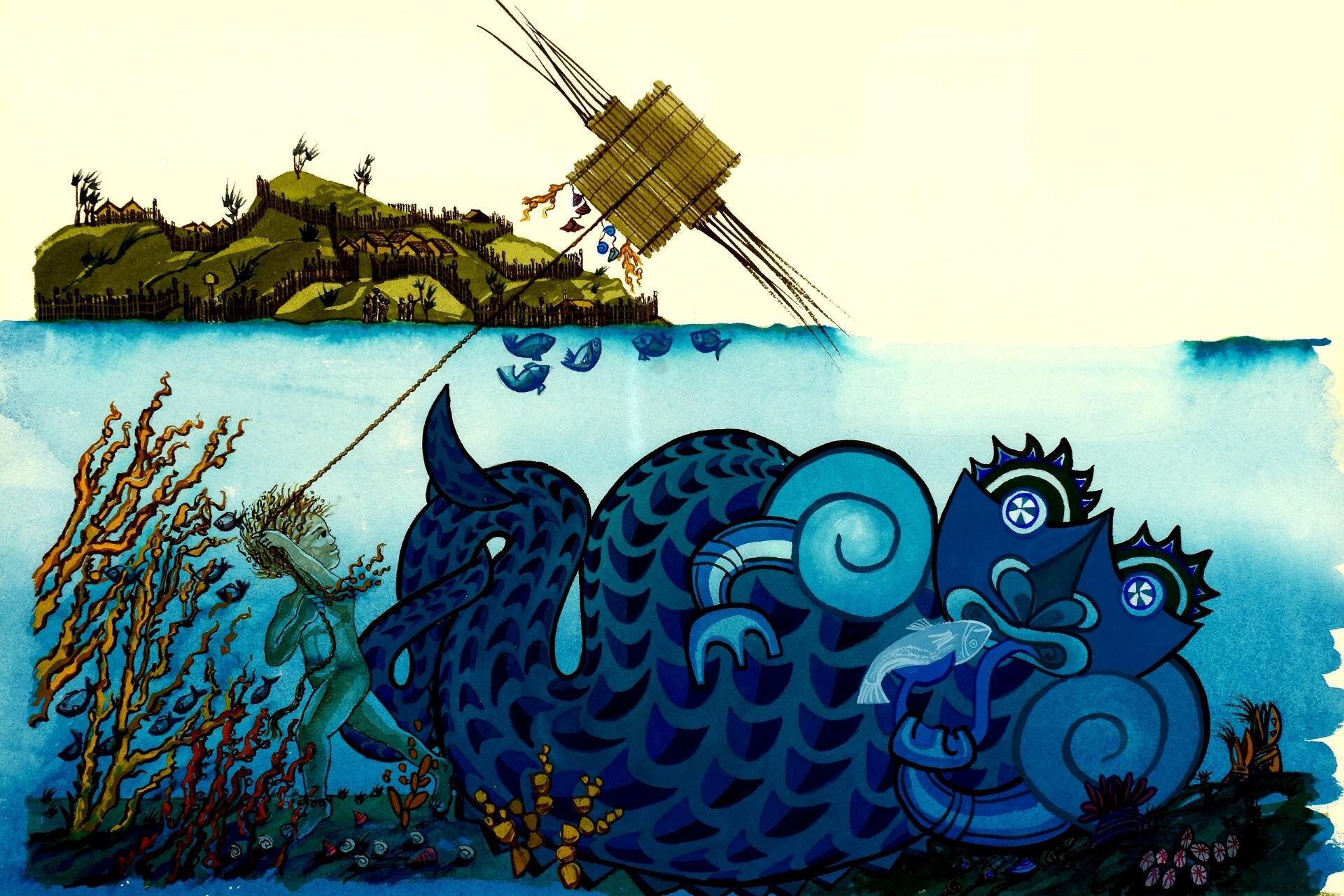
Community Events and Festivals
Matariki has been revived as a modern national celebration across New Zealand.
- Public festivals – Cities and towns host fireworks, cultural performances, and arts events to mark Matariki.
- Community gatherings – Schools, workplaces, and local groups organise haka, waiata (songs), and storytelling sessions to educate and celebrate.
- Environmental initiatives – Many Matariki events include tree planting, beach clean-ups, and conservation efforts, aligning with the value of kaitiakitanga (guardianship of the land and environment).
- Modern feasts – Families and friends continue the tradition of gathering over food, often incorporating traditional Māori and contemporary dishes.
Personal and Family Traditions
The Māori lunar calendar has some key distinctions from the Western one. After all, the Māori lunar calendar recognises the natural cycles of the environment, which allows Matariki to be a time to:
- Slow down and reflect on personal and communal well-being.
- Reconnect with whānau (family) and iwi (tribe) through shared experiences.
- Practice tikanga (customs) that align with the rhythms of nature, reinforcing Māori cultural identity.
Summarise with AI:
Did you like this article? Leave a rating!


 Loading...