
New Zealand has a fairly special philosophy when it comes to inventions. That's probably why inventors have come up with everything from life-saving medical technology to ways to jump off bridges for fun. Here, we'll explore some of New Zealand's most interesting inventions.
Key Takeaways
- New Zealand inventions often solve practical, real-world problems
- The jet boat and electric fence are widely used internationally
- Bungy jumping became a global activity after being commercialised in New Zealand
- Medical inventions like the disposable syringe and auto-injector improved safety and access to treatment
- Many Kiwi inventions are simple ideas adapted into more usable forms


The Jet Boat
Let's start with a pretty cool invention. Since New Zealand's rivers are often shallow, fast-flowing, and difficult to navigate, traditional boats don't fare too well on them. This meant they needed a different kind of boat.
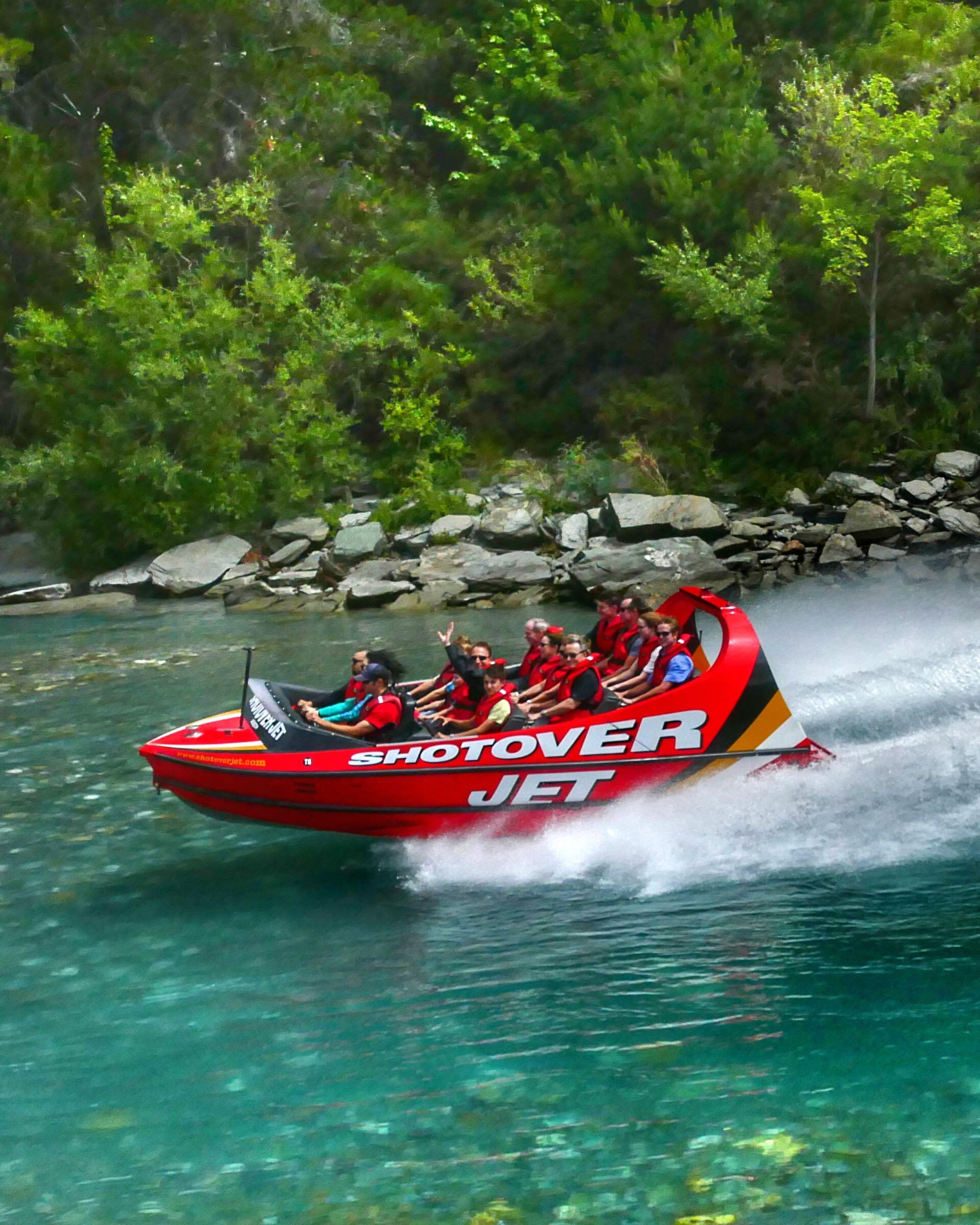
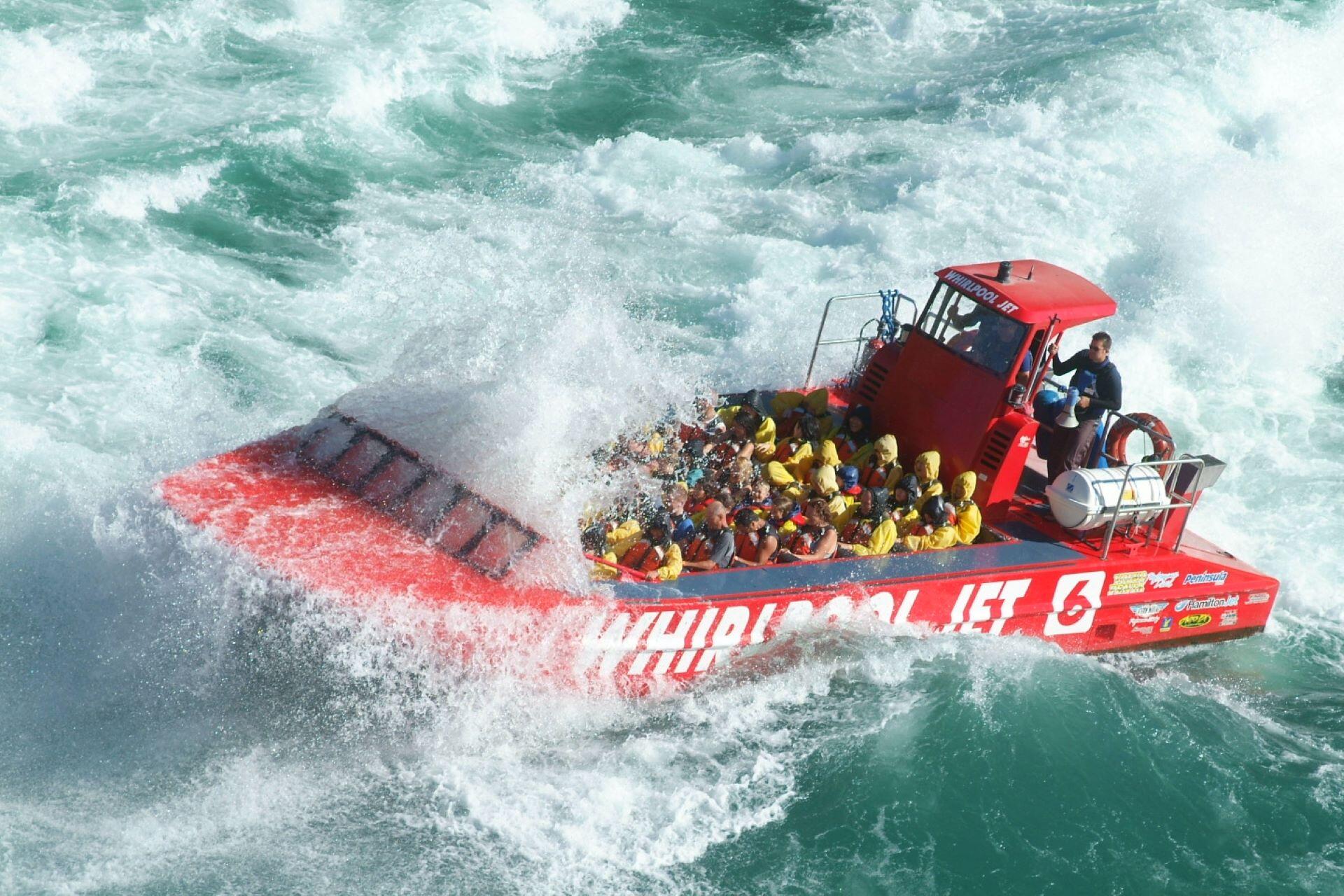
Introducing the jet boat. This works by drawing in water and forcing it out at pressure. Since it doesn't use a propeller, it can travel at speed in shallow water without damaging the engine or blades. Hamilton's design was tested on New Zealand rivers, proving effective where other boats struggled.⁵
The invention quickly became popular in New Zealand. It's now used for tourism, rescue operations, and marine transport. Jet boats are particularly popular with adventure tourism. They operate in narrow river channels, and what once was a local solution is now used worldwide.⁵
The Electric Fence
Electric fencing helped change how farmers manage livestock. It's a great alternative to traditional barriers. It made it easier to divide land, rotate grazing areas, and manage animals with less effort.⁹
New Zealand has a long-standing reputation for practical problem-solving, often called the “No. 8 wire” mentality. This refers to a resourceful approach where people create solutions using whatever materials are available. Many New Zealand inventions come from this mindset, especially in farming, transport, and engineering.
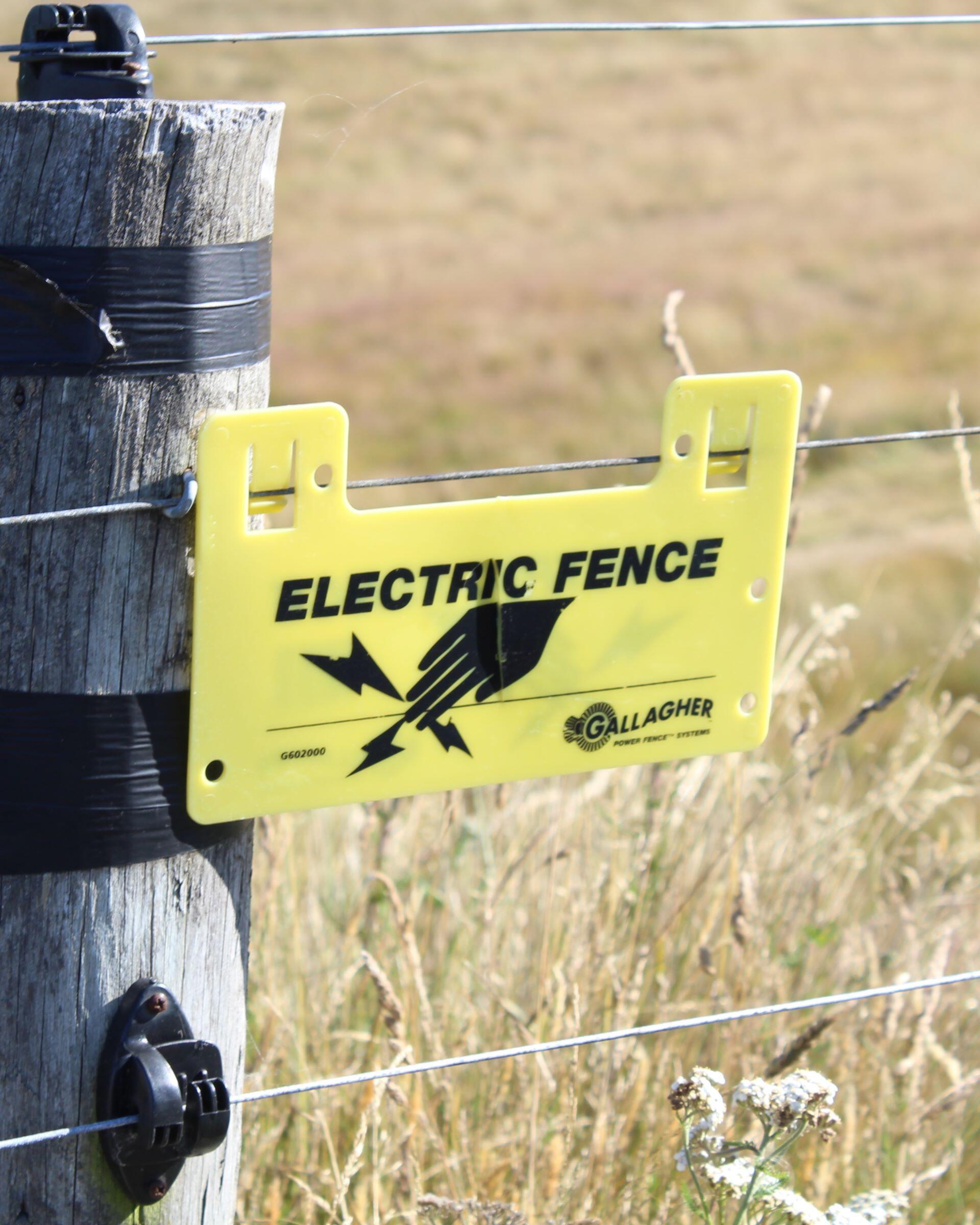
Electric fencing is a simple but effective invention. Farmers can cover large areas without the need for permanent structures. It can be installed quickly, which is why it was especially useful in New Zealand’s varied farming environments.⁹
countries use Gallagher electric fencing
Electric fencing is used worldwide. It's a practical solution that's indicative of New Zealand's approach to inventions and is understandably helpful for one of New Zealand's best-known facts (the one about sheep population). It's still one of the most widely used farming tools that was developed in New Zealand.⁹
Bungy Jumping
Bungy jumping became widely known in New Zealand. It should be noted that it existed in other Polynesian cultures, such as the Māori culture. However, the invention here lies in its organisation and standardisation. AJ Hackett played a key role in making it a structured activity that people could experience safely.¹
Bungy jumping did not originate in New Zealand. It has roots in land-diving traditions in Vanuatu. What AJ Hackett did was develop modern safety systems and turn the activity into a commercial operation. His jumps in the 1980s, including from the Eiffel Tower, helped establish bungy jumping as a global adventure sport.
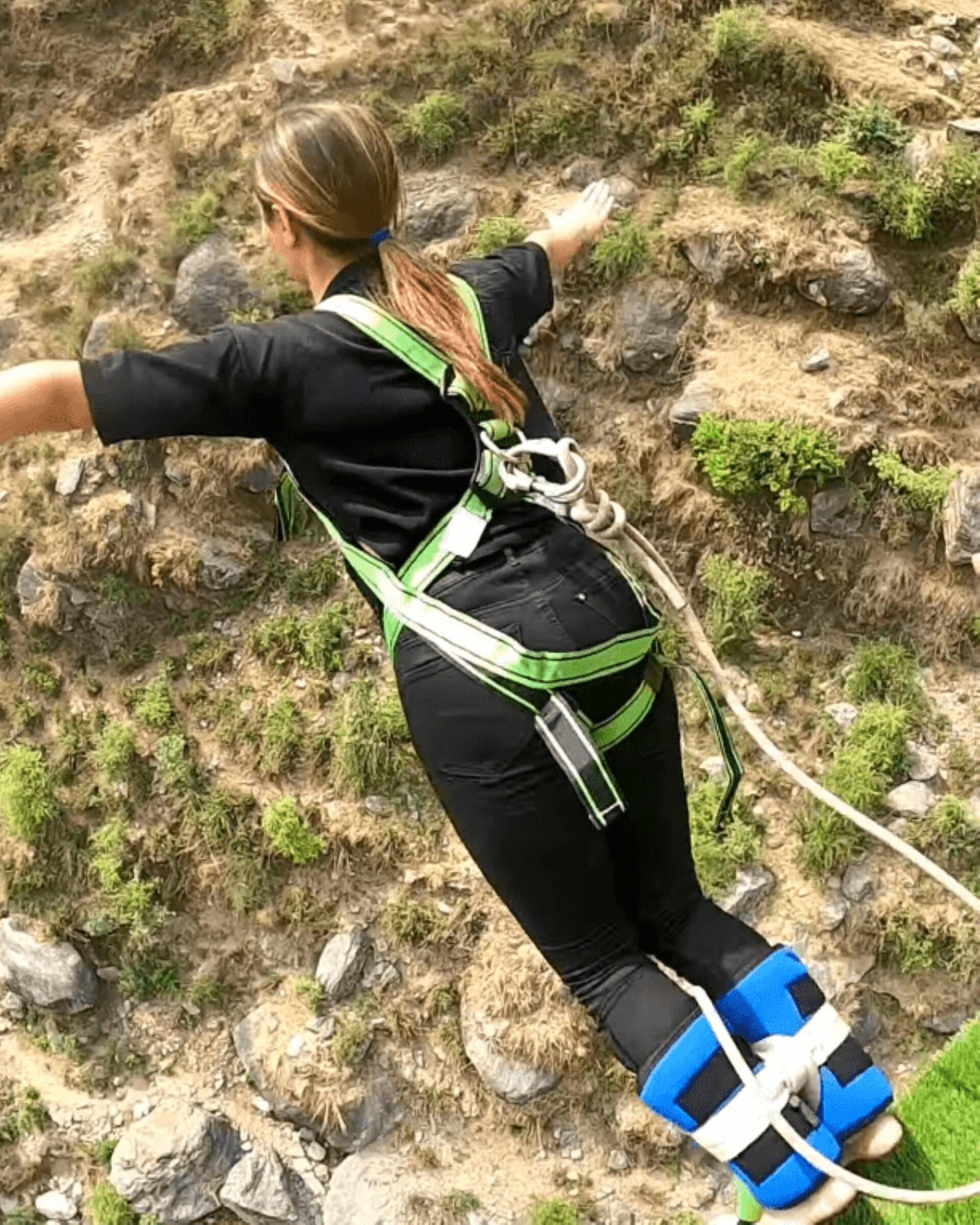
The first commercial bungy site opened at Kawarau Bridge in 1988. This provided a fixed location for people to try the activity. This also helped take bungy jumping from a niche stunt to a recognised tourist activity.²
bungy jumps take place at Kawarau Bridge
Today, bungy jumping is part of New Zealand's adventure tourism identity. Many other countries have replicated it, but the original commercial model was developed in New Zealand. It's now a global industry.²
The Disposable Syringe
Medical equipment isn't always designed with a single use in mind. This can create challenges regarding hygiene. Reusable syringes have to be sterilised between uses, which wasn't always reliable. A disposable alternative offered a more consistent way to reduce risk.¹⁰
Colin Murdoch is often credited with multiple inventions, which can cause confusion. He patented the disposable plastic syringe in 1956, designed to reduce infection from reusable glass syringes. He also developed early versions of a tranquilliser gun and an automatic injection device. While not identical to the modern EpiPen, his work laid the foundation for auto-injector technology used today.
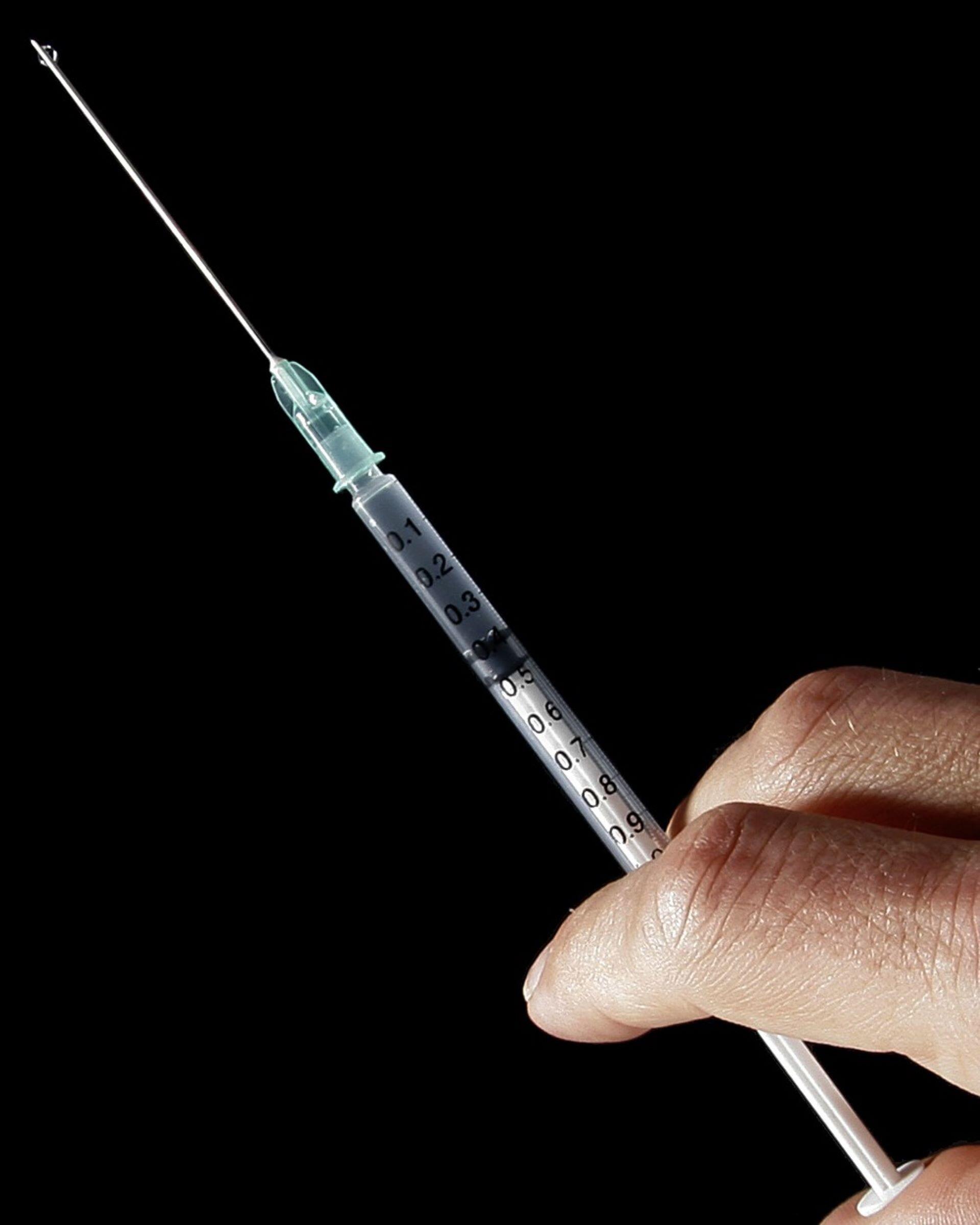
By using plastic materials, syringes could be produced at a lower cost. This meant more hospitals and clinics could afford them. This reduced reliance on sterilisation processes.
Disposable syringes are now fairly standard. It just goes to show how practical design changes can influence everyday practices, even in medicine. A response to a specific problem is now a routine part of modern healthcare.¹⁰
The Auto-Injector
Medication often needs to be delivered quickly and accurately. Outside of controlled medical settings, this can be difficult. In emergencies, patients mightn't have the training or time to prepare a standard injection.
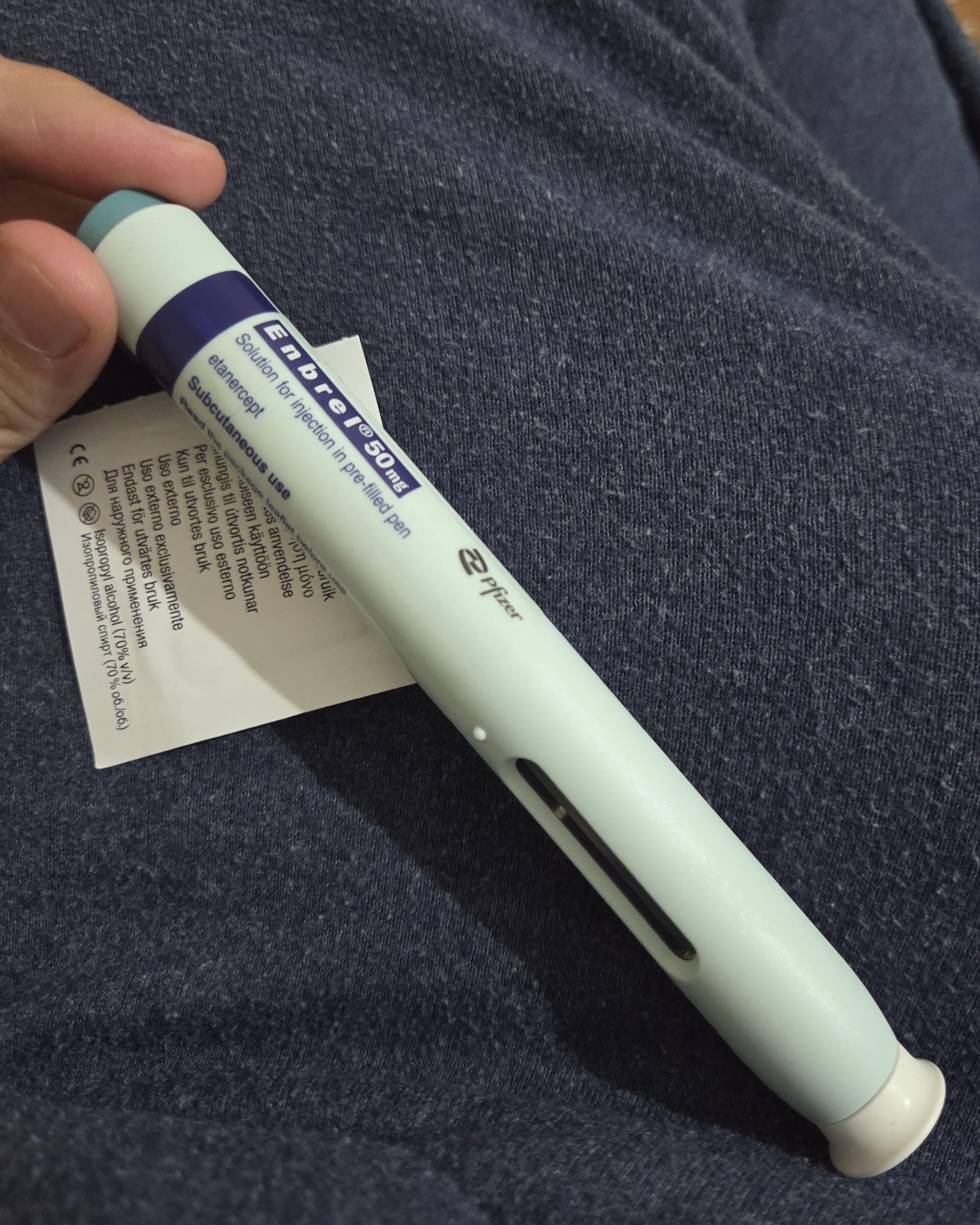
The auto-injector simplifies the injection process. It combines the needle, dose, and mechanism in a single device. By building on previous injection technology, it made a version that was easier to use in high-pressure situations.¹⁰
Auto-injectors are now widely used for allergic reactions and other emergencies. The EpiPen allows patients or bystanders to administer treatment. It's made emergency care far more accessible, improving outcomes in time-critical situations.¹⁰
The Eggbeater
Mixing ingredients by hand was often exhausting and time-consuming. Whipping eggs or batter could take ages and still end up inconsistent. For everyday cooking, we needed something that could mix faster and more reliably.⁸ While the kiwi bird's egg is large compared to its body, we wouldn't recommend using their eggs since they're in limited numbers.
The rotary eggbeater was a simple mechanical solution. With gears and a hand crank, you can spin the beaters quickly. Ernest Godward's designs improved usability and helped standardise the tool in kitchens.⁸
You mightn't think much of it, but the eggbeater is now an everyday tool, even when electric mixers are available. For smaller tasks that require a manual solution, it remains unbeaten. The design hasn't changed much, which goes to show how good the original was.⁸
The Britten Motorcycle
The motorbike touched people for sure, but I believe his real gift, as Sam said, was to inspire others, to show them that with minimal resources and a lot of hard work they can overcome any obstacle to realise their dream.
Britten New Zealand
Normally, you'll need funding and a big team to design a competitive racing motorcycle. Independent engineers who want to develop new designs often face an insurmountable hurdle. John Britten built a high-performance bike with limited resources.³
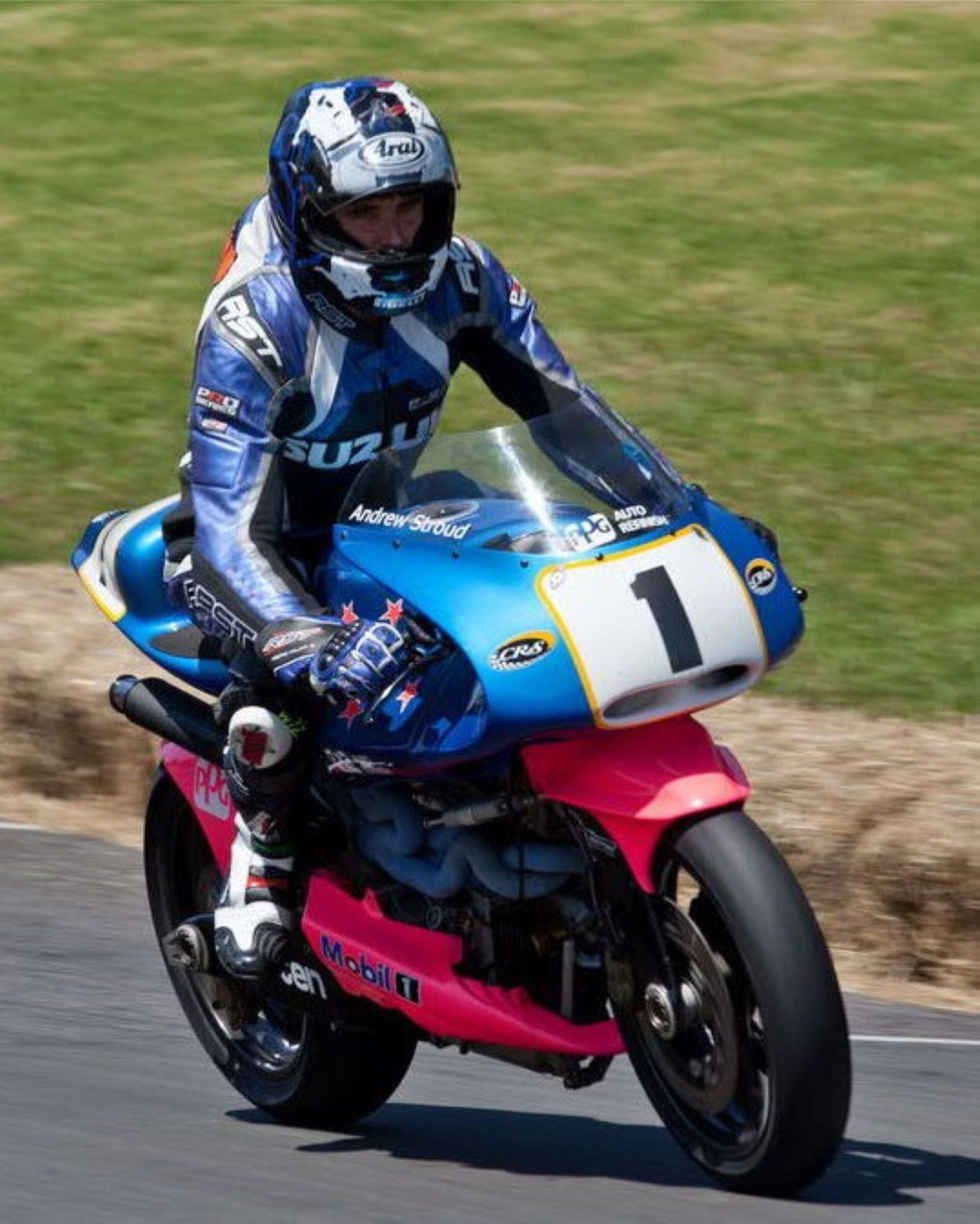
The Britten V1000 used innovative materials and engineering solutions. The lightweight carbon fibre components and unique design helped improve speed and handling. It successfully competed against established manufacturers.³
The motorcycle became famous for its racing performance. It showed how innovative design could trump established teams. The Britten is still considered an important example of New Zealand engineering.³
The Zorb
While adventure tourism loves risk, there's still a need for safe, repeatable experiences. There needs to be something that feels fun while still being controlled and manageable. The Zorb offers a unique activity that's easy to set up and suitable for a wide range of people.⁷
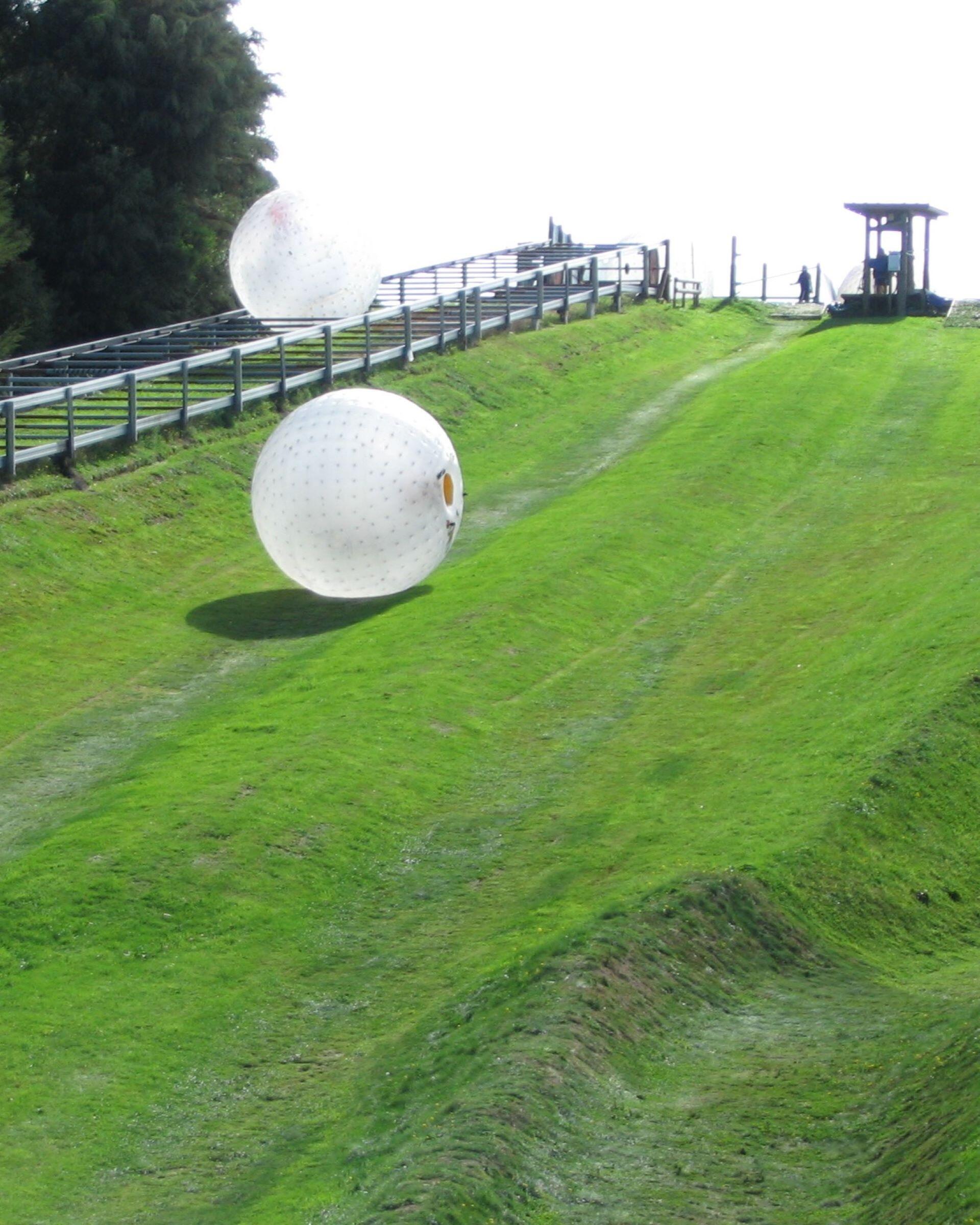
The Zorb is a large inflatable sphere. People can roll downhill in it, with the design cushioning the movement while controlling speed and direction. The experience is safe enough for commercial use and was developed in New Zealand. It became closely associated with Rotorua, where it was introduced to tourists.⁷
Today, zorbing is a fairly unique adventure tourism activity. Other countries now have zorbing, but it's a distinctly New Zealand concept. A fine example of how something simple can become a popular experience.⁷
The Martin Jetpack
The idea of a jetpack has existed for decades. However, most designs could only manage limited flight times. Being airborne for seconds doesn't really showcase the full potential of the jetpack. Devices had to fly longer, carry weight, and operate in real conditions.⁴
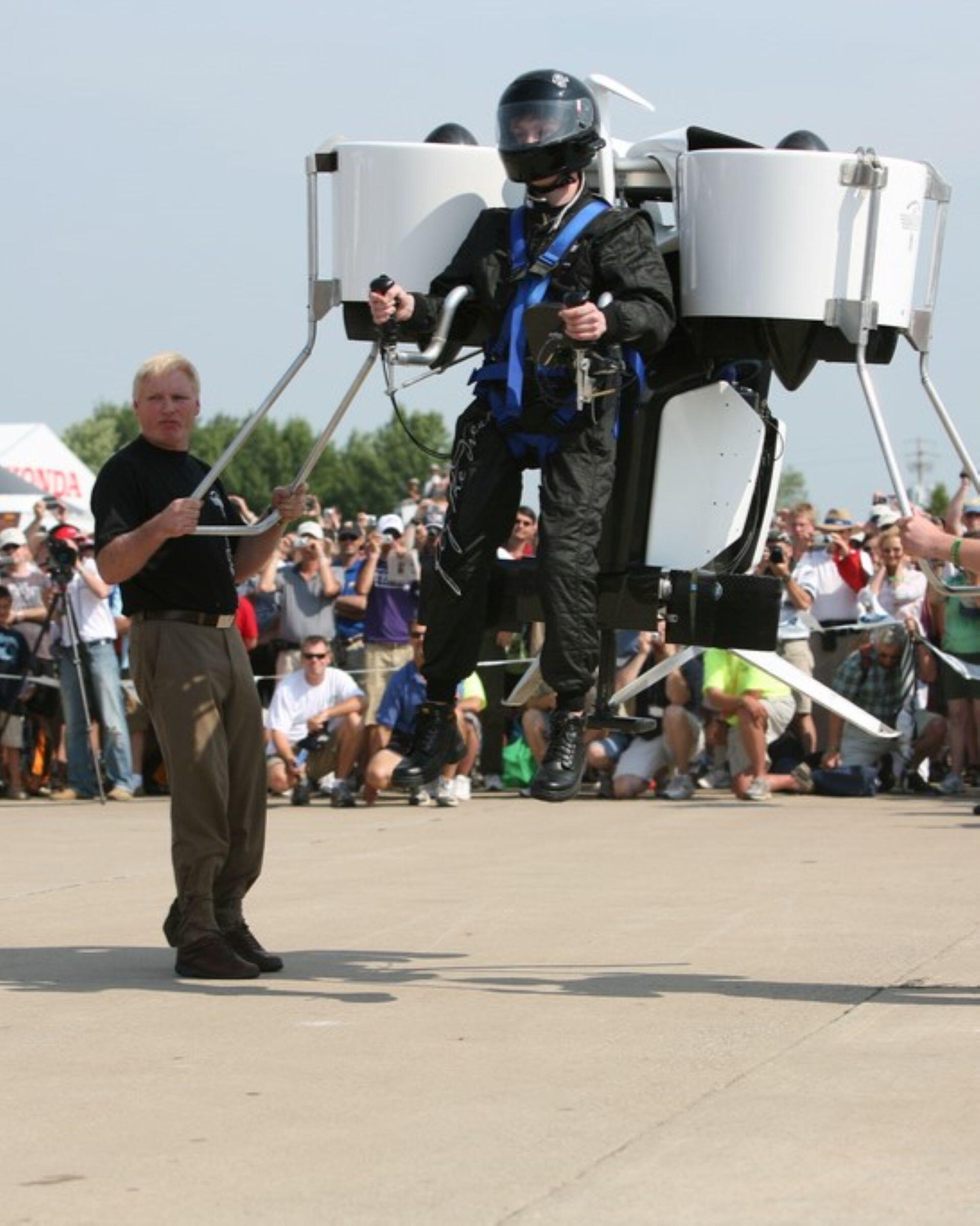
The Martin Jetpack Series 1 uses ducted fans and a petrol engine. This allows for about 30 minutes of flight at about 40km/h. This is a practical aircraft that can be used in real situations.⁴
The Martin Jetpack has changed how engineers think about personal flight. It's aimed at real-world uses, such as emergency response. The idea hasn't been widely adopted yet, but it has shown that extended, controlled personal flight is possible.⁴
The Blokart
While landsailing has existed for years, traditional designs were often large and difficult to transport. This meant that they could only be used in specific locations. A compact version was needed that could be used more easily and across a wider range of environments.⁶

Introducing the Blokart. This small, three-wheeled land yacht uses a sail to move across flat surfaces. It can be assembled quickly and transported without specialist equipment, which makes land sailing more practical for recreational use, introducing it to a broader audience.⁶
Blokarts are now used for both leisure and racing. Their portability has made them more popular than previous land yachts. This is a great example of how inventions can be smart adaptations of inelegant designs.⁶
| Invention | Inventor | Field | Key Impact |
|---|---|---|---|
| Jet Boat | William Hamilton | Engineering | Allows high-speed travel in shallow rivers |
| Electric Fence | Bill Gallagher | Agriculture | Improves livestock management worldwide |
| Bungy Jumping | AJ Hackett | Tourism | Created a global adventure tourism activity |
| Disposable Syringe | Colin Murdoch | Medicine | Improved hygiene and reduced infection risk |
| Auto-Injector | Colin Murdoch | Medicine | Simplified emergency medication delivery |
| Eggbeater | Ernest Godward | Household Tools | Made food preparation faster and more consistent |
| Britten Motorcycle | John Britten | Engineering | Showcased innovative motorcycle design |
| Zorb | Andrew Akers and Dwane van der Sluis | Tourism | Created a new adventure activity |
| Martin Jetpack | Glenn Martin | Aviation | Advanced practical personal flight concepts |
| Blokart | Paul Beckett | Recreation | Made land sailing more accessible |
References
- A.J. Hackett Bungy Jumps from Eiffel Tower. New Zealand History. https://nzhistory.govt.nz/page/aj-hackett-bungy-jumps-eiffel-tower Accessed 17 Apr. 2026.
- “1988 - Key Events.” New Zealand History. https://nzhistory.govt.nz/culture/the-1980s/1988 Accessed 17 Apr. 2026.
- “Britten V1000 Motorcycle.” Museum of New Zealand Te Papa Tongarewa Collections Online. https://collections.tepapa.govt.nz/object/159714 Accessed 17 Apr. 2026.
- “Glenn Martin’s Jetpack.” Te Ara: The Encyclopedia of New Zealand. https://teara.govt.nz/en/video/25405/glenn-martins-jetpack Accessed 17 Apr. 2026.
- “Hamilton Jet Unit.” Engineering New Zealand. https://www.engineeringnz.org/programmes/heritage/engineering-heritage-records/new-zealand-innovations/hamilton-jet-unit/ Accessed 17 Apr. 2026.
- “Our Story.” Blokart. https://www.blokart.com/about/ Accessed 17 Apr. 2026.
- “Our Story.” ZORB Rotorua. https://zorb.com/about-us/by-the-inventors/ Accessed 17 Apr. 2026.
- Strachan, S. R. “Godward, Ernest Robert.” Te Ara: The Encyclopedia of New Zealand. https://teara.govt.nz/en/biographies/3g13/godward-ernest-robert/ Accessed 17 Apr. 2026.
- “The Gallagher Security Story.” Gallagher Security. https://security.gallagher.com/en/About-Us Accessed 17 Apr. 2026.
- “‘Inventions, Patents and Trademarks’.” Te Ara: The Encyclopedia of New Zealand. https://teara.govt.nz/en/inventions-patents-and-trademarks/ Accessed 17 Apr. 2026.
Summarise with AI:
Did you like this article? Leave a rating!

 Loading...