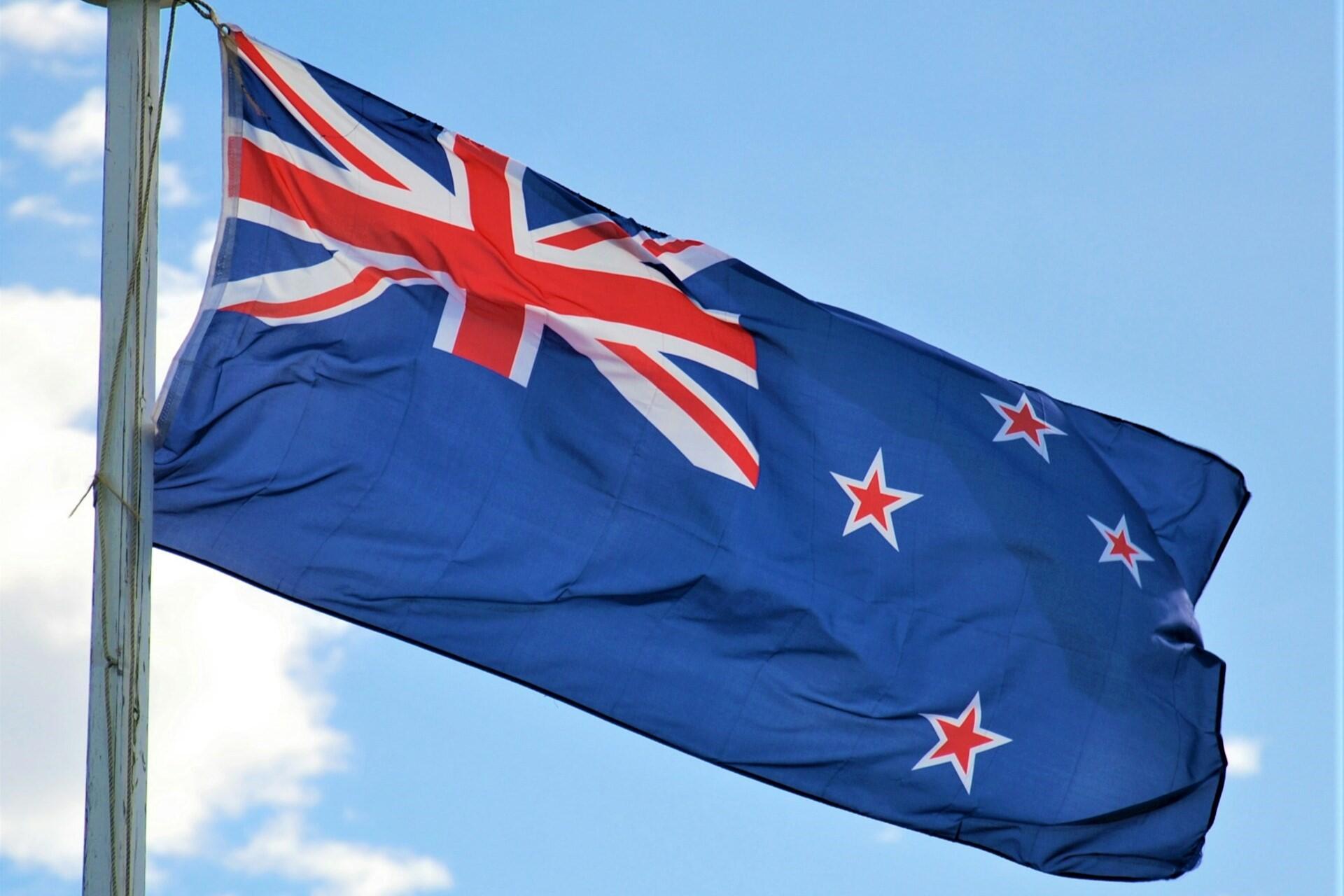

Most people today recognise God Defend New Zealand / Aotearoa as the country's national anthem. You'll hear it at sports, schools, commemorations, and public ceremonies. From a 19th-century poem to the national anthem, let's explore New Zealand's anthems.
Key Takeaways
- New Zealand has two national anthems with equal official status: God Defend New Zealand / Aotearoa, and God Save the King.⁶
- The familiar NZ national anthem lyrics began as a five-stanza poem by Thomas Bracken, with music composed by John Joseph Woods in 1876.²
- God Defend New Zealand became an official national anthem in 1977, alongside the existing royal anthem rather than replacing it.⁶
- The Māori and English versions express related themes of protection, peace and national identity, but they are not exact line-by-line translations.²
- Modern performances commonly feature te reo Māori followed by English. However, there is no official rule requiring either language to come first.⁶


Official NZ National Anthem Lyrics
As a key symbol of New Zealand, the official anthem is in both English and te reo Māori. There are 5 verses in each language.² That said, most performances trim it down to the first verse in both languages.
At many public events, God Defend New Zealand / Aotearoa is performed bilingually, with the first verse in te reo Māori followed by the first English verse. However, there is no official order prescribing that Māori or English be sung first, and the arrangement can vary according to the occasion.⁶
God Defend New Zealand Lyrics in English
God of Nations at Thy feet,
In the bonds of love we meet,
Hear our voices, we entreat,
God defend our free land.
Guard Pacific's triple star
From the shafts of strife and war,
Make her praises heard afar,
God defend New Zealand.²
Why Are Only the First Verses Usually Sung?
Listen to a formal performance of the NZ national anthem in te reo Māori and English to hear the melody, pacing and pronunciation together.
What Does the New Zealand National Anthem Mean?
The title makes the meaning quite obvious, but the lyrics explore the ideas of protection, peace, unity, justice, and freedom, with the country and its people at the centre of these.² It's worth understanding the text in both languages, especially if one or both of them isn't your mother tongue.
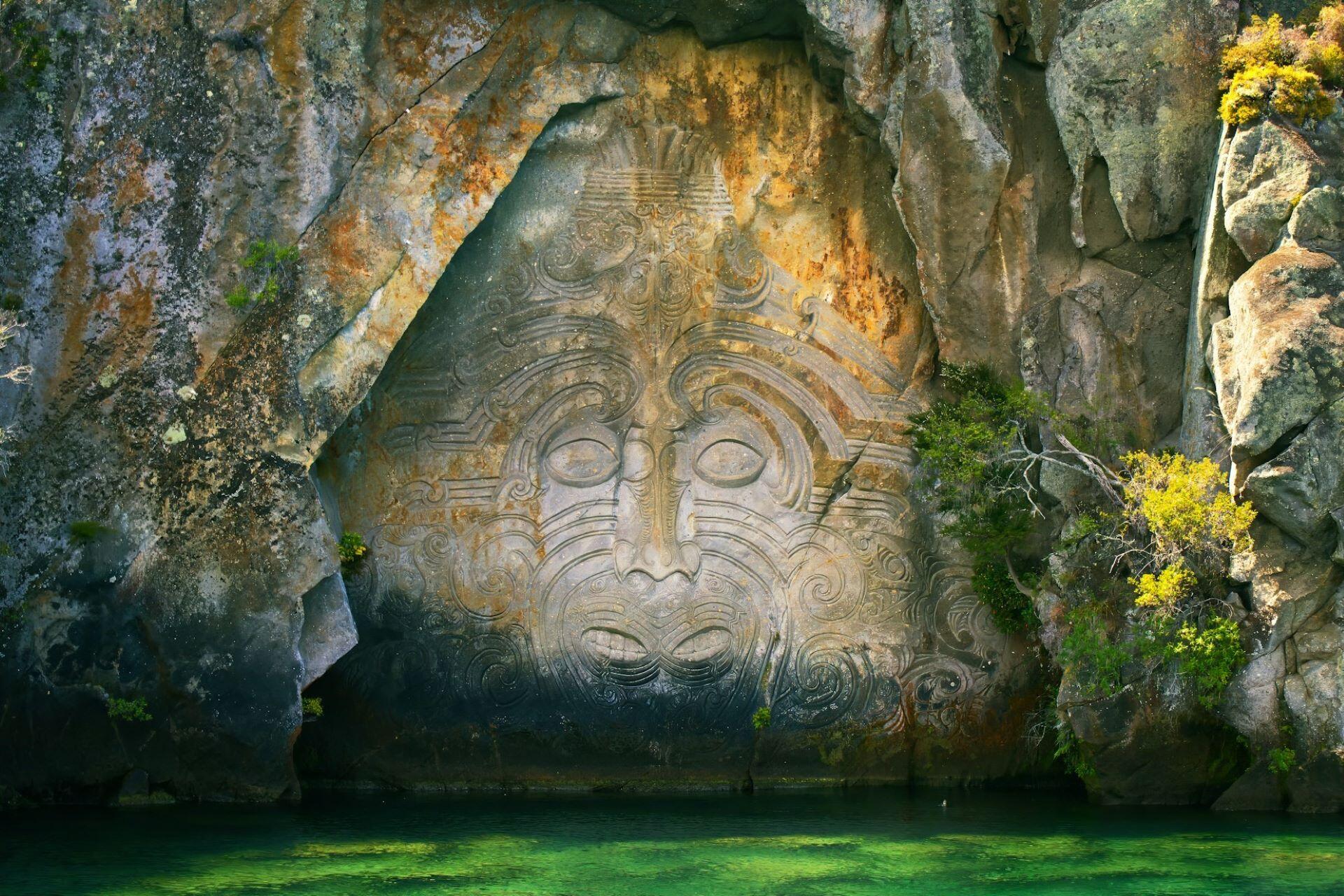
The Māori and English lyrics of the NZ national anthem express related ideas, but they are not exact line-by-line translations. The Māori version has its own wording and poetic emphasis, so it is better understood alongside Thomas Bracken’s English lyrics rather than as a literal equivalent.²
Protection and Peace
The anthem is framed as an appeal for protection, peace and security. Both language versions present New Zealand as a country whose people and future should be safeguarded.²
Unity, Justice and Freedom
Ideas of unity, justice and freedom run through the anthem, linking national identity with collective responsibility and the hope that New Zealand will remain peaceful and free.²
Land, People and Identity
References to Aotearoa, the country and its people connect the anthem with a shared sense of place and national identity. Its use in both te reo Māori and English also reflects two important linguistic traditions in public life.²
Core Themes in the Anthem
Understanding “Aotearoa”
Are the Māori and English Lyrics Direct Translations?
Does New Zealand Have Two National Anthems?
Officially, New Zealand has God Defend New Zealand and God Save the King, which have equal status.⁶ In practice, just like the New Zealand flag and the Māori flag, they're used in different contexts with different meanings. God Save the King is saved for royal and vice-regal occasions.³
New Zealand recognises both God Defend New Zealand and God Save the King as national anthems with equal official status. God Defend New Zealand did not replace the royal anthem when it received national anthem status in 1977.⁶
national anthems with equal official status: God Defend New Zealand and God Save the King.⁶
God Defend New Zealand / Aotearoa
God Save the King
Which Anthem Is Usually Sung at Sports Events?
| Question | God Defend New Zealand / Aotearoa | God Save the King |
|---|---|---|
| Status | National anthem | National anthem |
| Typical use | Sports, schools, public events and national ceremonies | Royal and vice-regal contexts |
| Common language format | Te reo Māori and English | English |
| Most commonly heard nationally | Yes | Less often |
History of God Defend New Zealand
“From this point on the two anthems have had equal status.”⁶
Manatū Taonga, Ministry for Culture and Heritage, “National Anthems”
Let's go back to Dunedin in the 1870s. Decades before it was a national anthem, God Defend New Zealand was a poem. It was written by Thomas Bracken. John Joseph Woods composed the music. It gradually became part of public life.² A century later, it was confirmed as a national anthem with formal recognition.⁶
signatures.²
Written as a Poem in the 19th Century
The Music and Early Popularity
Official Recognition in 1977
The Te Reo Māori Version
How to Sing and Pronounce the NZ National Anthem
With two languages, singing the national anthem isn't just about knowing the melody. With te reo Māori verses, non-native speakers should pay attention to vowel sounds, macrons and the natural rhythm of the language, as these are all important parts of the language's pronunciation.⁴ Anyone looking to perform the anthem should be sure to find official versions and examples of it so they can respectfully perform it.
Common Performance Order
Te Reo Māori Pronunciation Guidance
Tips for Schools and Event Organisers
When Is the New Zealand National Anthem Played?
Just as with the official national flag of New Zealand, there are many contexts where the anthem is appropriate. You may have already heard it somewhere. Anyone who's watched sports will certainly have heard it before one of New Zealand's fine sporting teams takes to the field.
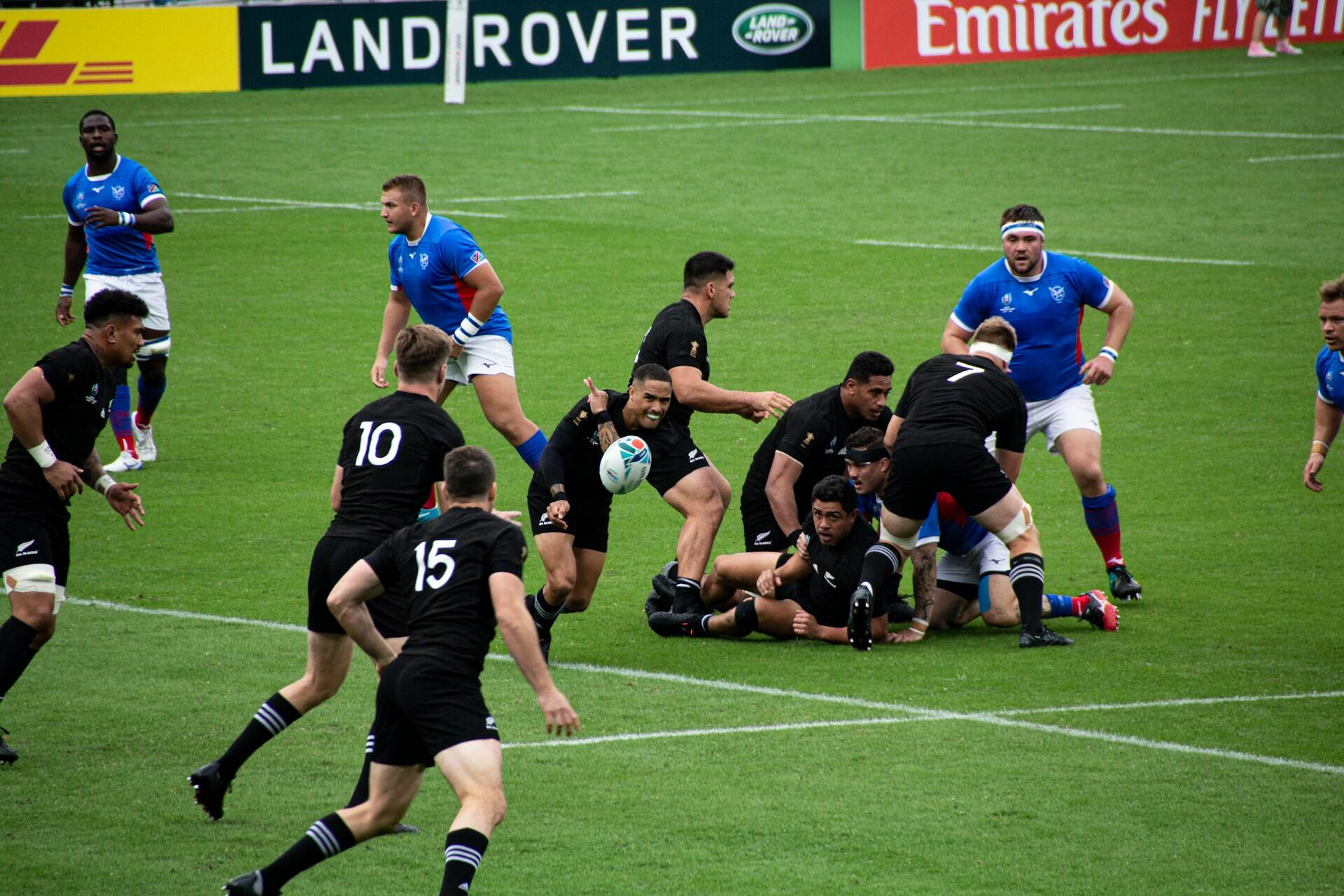
Sporting Events
National and Civic Ceremonies
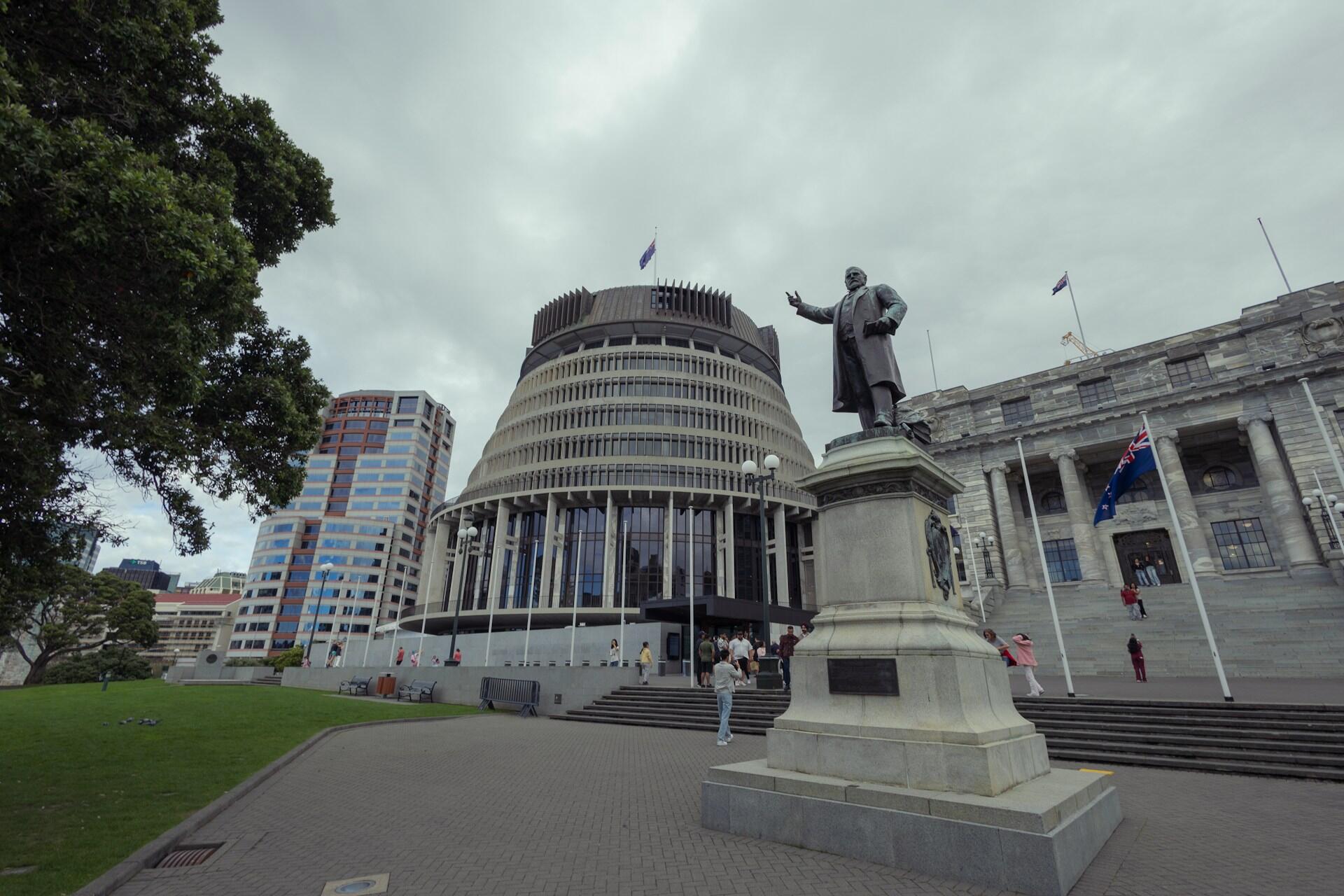
Royal and Vice-Regal Events
NZ National Anthem Facts
Want to learn some more facts about the anthem? You could always work with a private tutor to learn more about New Zealand, its history, and its culture. In the meantime, here are a few more.
References
- “Aotearoa.” Te Aka Māori Dictionary, https://maoridictionary.co.nz/word/270. Accessed 20 Aug. 2026.
- Manatū Taonga — Ministry for Culture and Heritage. “God Defend New Zealand | Aotearoa.” Manatū Taonga, https://www.mch.govt.nz/our-work/flags-anthems-and-emblems/national-anthems/god-defend-new-zealand-aotearoa. Accessed 20 Aug. 2026.
- Manatū Taonga — Ministry for Culture and Heritage. “God Save the King Anthem.” Manatū Taonga, https://www.mch.govt.nz/our-work/flags-anthems-and-emblems/national-anthems/god-save-king-anthem. Accessed 20 Aug. 2026.
- Ministry of Education. “Ka Mau te Wehi! Unit 1 Ata Mārie – Good Morning.” Tāhūrangi New Zealand Curriculum, https://newzealandcurriculum.tahurangi.education.govt.nz/ka-mau-te-wehi-unit-1-ata-m-rie-good-morning/5637168598.p. Accessed 20 Aug. 2026.
- Ministry of Foreign Affairs and Trade. “New Zealand National Anthem.” Guidelines for the Diplomatic and Consular Corps Resident in and Accredited to New Zealand, May 2026, https://www.mfat.govt.nz/assets/Consular/Diplomatic-and-Consular-Corps-Guidelines/Chapter-30-New-Zealand-National-Anthem-2026.pdf. Accessed 20 Aug. 2026.
- Manatū Taonga — Ministry for Culture and Heritage. “National Anthems.” Manatū Taonga, https://www.mch.govt.nz/our-work/flags-anthems-and-emblems/national-anthems. Accessed 20 Aug. 2026.
- “New Zealand’s National Anthems.” NZHistory, Manatū Taonga — Ministry for Culture and Heritage, 26 Sept. 2025, https://nzhistory.govt.nz/media/video/new-zealands-national-anthems. Accessed 20 Aug. 2026.
- “Thomas Bracken.” NZHistory, Manatū Taonga — Ministry for Culture and Heritage, https://nzhistory.govt.nz/people/thomas-bracken. Accessed 20 Aug. 2026.
Summarise with AI:
Did you like this article? Leave a rating!

 Loading...