

Karakia whakamutunga are traditional Māori prayers recited at the conclusion of meetings or gatherings to lift tapu (sacredness) and return participants to their everyday activities with blessings and unity. They are commonly used as a closing karakia for meeting settings, hui, wānanga, classes and community gatherings. A short closing karakia for meeting use should still be learned with attention to meaning, pronunciation and tikanga, rather than treated as a simple script.
Key Takeaways
- Karakia whakamutunga help close a meeting, hui, class or shared kaupapa with respect and intention.
- They can support the transition from tapu to noa, helping people move from a focused or set-apart space back into ordinary activity.³
- “Kia whakairia te tapu” is a short closing karakia for meeting use because it focuses on clearing the pathway forward.⁸
- “Unuhia” offers a more reflective close, asking for lightness and clarity for te ngākau, te tinana and te wairua.¹
- Learners should understand the meaning, practise pronunciation, keep macrons visible and follow the tikanga of the group or setting they are in.⁹


The Significance of Karakia Whakamutunga in Māori Culture
Karakia whakamutunga belong to a wider Māori practice of using karakia to frame important moments, spaces and transitions. The basic translation is "prayers, chants, or incantations," but there's more to it than that. They're often used at the beginning and end of hui, meetings and shared activities.⁵
Karakia whakamutunga are closing karakia used to bring a hui, meeting, class or kaupapa to a respectful end. The word whakamutunga relates to something final, concluding or at the end, so the phrase helps readers understand that this is a closing practice rather than an opening one.⁴
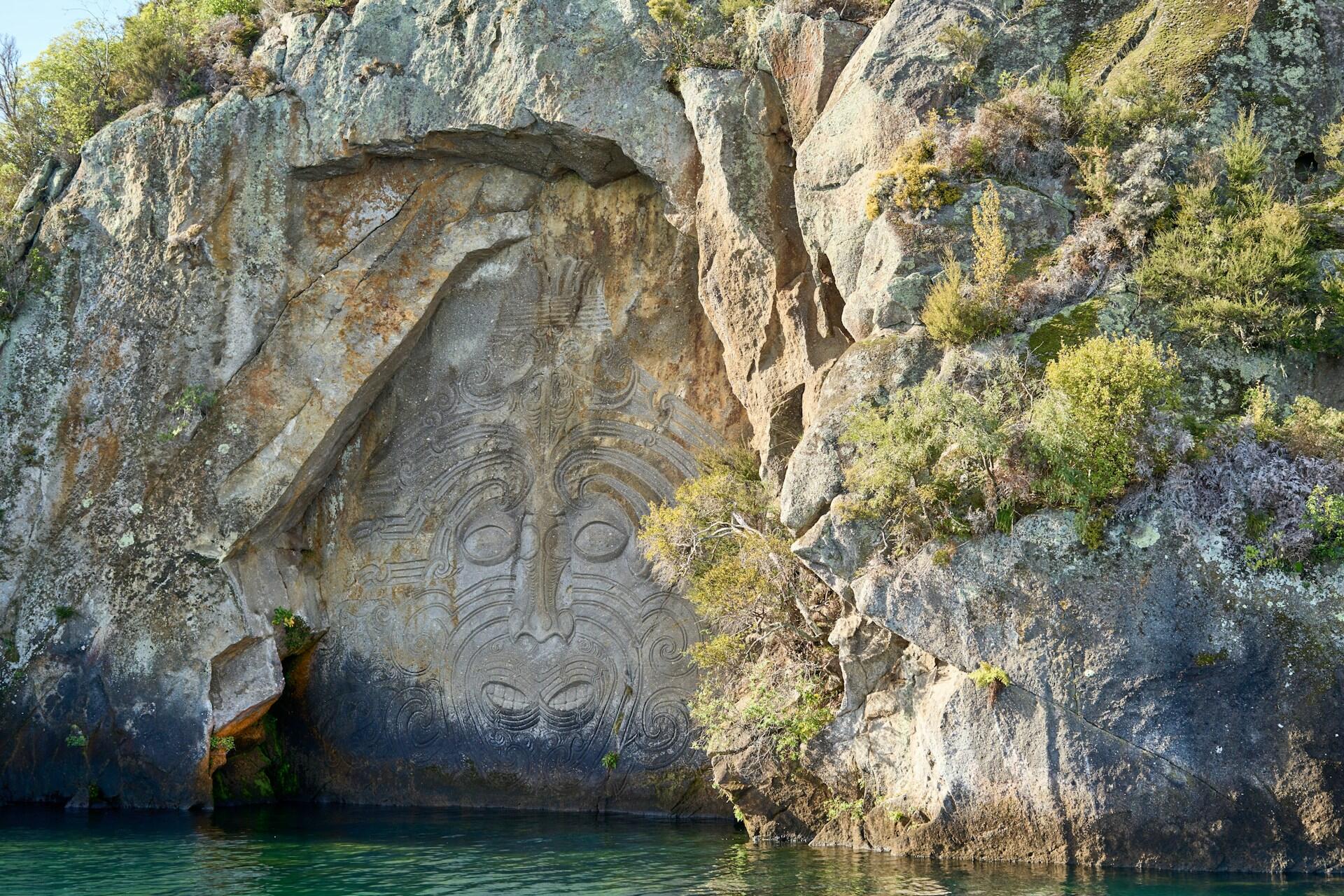
Understanding karakia whakamutunga as part of tikanga rather than simply a meeting routine. Karakia are used to open and close gatherings in modern workplaces, schools and organisations, but they're more than just polite or a habit. While Whakataka te Hau Karakia is more commonly used for openings, karakia whakamutunga are a way for people to leave a shared space with care, respect and a sense that the kaupapa has been properly completed.⁸
Tapu can refer to sacredness, restriction or being set apart, while noa refers to an ordinary or unrestricted state. A closing karakia can help mark the movement from a focused or tapu space back into ordinary activity, which is why meaning and context matter as much as pronunciation.³
The movement from a focused or set-apart space back into everyday life gives karakia meaning. Noa can refer to being ordinary, common or free from tapu restrictions, which may help you understand why a gathering may need a deliberate close.⁶ Karakia whakamutunga can help people leave a hui, class or meeting with the sense that the shared work has been acknowledged and released.
important cultural states: tapu, which can refer to sacredness or restriction, and noa, which refers to an ordinary or unrestricted state.³
You may encounter te reo Māori terms through karakia and may not understand them. Don't treat them as direct translations. You should remember that Māori concepts often carry cultural, spiritual and contextual meanings that English can only partly explain. Simple translations are good places to start, but they're only part of the story.
| Term | Simple meaning for readers | Why it matters for karakia whakamutunga |
|---|---|---|
| Karakia | Prayer, chant or incantation | Karakia are used in many Māori settings to seek guidance, protection, unity or a respectful transition.⁵ |
| Whakamutunga | Final, last, concluding or at the end | This helps readers understand that karakia whakamutunga are used to close a hui, meeting or kaupapa.⁴ |
| Tapu | Sacred, restricted or set apart | Closing karakia can help mark the movement away from a focused or tapu space.³ |
| Noa | Ordinary, common or free from restriction | Noa helps explain the return to everyday activity after a meeting or gathering has ended.⁶ |
| Wairua | Spirit, essence or spiritual dimension | Some closing karakia ask for the heart, body and spirit to be lightened or cleared.¹ |
| Hui | Meeting, gathering or assembly | Many readers will encounter karakia whakamutunga at the end of hui or workplace meetings.⁵ |
| Wānanga | Learning, discussion or educational gathering | Closing karakia can also be used after learning sessions or reflective group spaces.⁷ |
Common Karakia Whakamutunga and Their Meanings
There are different karakia whakamutunga for different types of gatherings, from short workplace meetings to longer hui and wānanga as well as karakia kai for food and meals. You'll find some brief and direct, while others are more complex, with ideas such as clearing, unity, peace, and the return to everyday activity. It's worthwhile to compare karakia by purpose, tone, and setting before choosing one to learn.¹⁰

| Karakia | Best suited to | Main idea | Notes for respectful use |
|---|---|---|---|
| Kia whakairia te tapu | Short meeting close | Lifting restriction and clearing the pathway forward | A useful option for readers looking for a short closing karakia for meeting use.⁸ |
| Unuhia | Hui, wānanga or reflective close | Clearing the heart, body and spirit | Works well when the close of a gathering needs a more reflective tone.¹ |
| Tuia | Group unity and connection | Binding people, ideas and worlds together | Best introduced as an additional example rather than the article’s main closing karakia.² |
| Kia tau te manaakitanga | General blessing or peaceful close | Wellbeing, understanding and safe return | Suitable for modern learning, work or community settings when used with care.¹⁰ |
"Kia Whakairia Te Tapu"
Kia whakairia te tapu
Kia wātea ai te ara
Kia turuki whakataha ai
Kia turuki whakataha ai
Haumi e. Hui e. Tāiki e!
This karakia is brief, making it a practical choice when a meeting, class, hui or online gathering needs a respectful but concise ending.
The karakia focuses on lifting or setting aside tapu so the pathway is clear, helping people move from the focused meeting space back into everyday activity.
Do not treat the words as a script to memorise without context. Understand that the karakia is about clearing the way, closing the kaupapa and returning with unity.
The repeated line "Kia turuki whakataha ai" gives the karakia its closing rhythm, so learners should practise the pauses and flow before leading it aloud.
It can work well as a short closing karakia for meetings, but it should still be spoken calmly, respectfully, and with attention to pronunciation.⁸
"Unuhia"
Unuhia, unuhia
Unuhia ki te uru tapu nui
Kia wātea, kia māmā, te ngākau, te tinana, te wairua
I te ara takatū
Koia rā e Rongo, whakairia ake ki runga
Kia tina, tina!
Haumi e, hui e, tāiki e!
"Unuhia" is longer than "Kia Whakairia Te Tapu", so it may suit hui, wānanga, learning spaces or gatherings where the ending needs more time and depth.
The karakia refers to te ngākau, te tinana and te wairua, helping learners understand that the closing is emotional, physical and spiritual.
The words ask that the heart, body, and spirit be made clear and light, so people can leave the gathering ready for what comes next.
The reference to Rongo gives the karakia a peaceful tone. It helps frame the close as a return to balance, calm and unity.
Because the karakia is longer and more layered, learners should listen to examples, check pronunciation and avoid rushing through the words.¹
important cultural states: tapu, which can refer to sacredness or restriction, and noa, which refers to an ordinary or unrestricted state.³
Incorporating Karakia Whakamutunga into Modern Meetings
Karakia whakamutunga are useful for closing meetings, lessons and community gatherings with a sense of shared respect rather than a rushed ending. You can use them at the beginning and end of hui or meetings, fitting them naturally into contemporary professional and community spaces.⁵ The key is using karakia with understanding, because pronunciation, meaning and local tikanga all shape whether the moment feels respectful and appropriate.⁹

Good Times to Use a Closing Karakia
A closing karakia can be used at the end of a workplace meeting, school lesson, wānanga, community hui, online gathering or shared planning session. It helps bring the kaupapa to a respectful close and gives people a clear transition from the focused meeting space back into the rest of their day.⁵
How to Use Karakia Respectfully
Respectful use begins with understanding the meaning of the words, not simply reading them aloud. Practise pronunciation, keep macrons visible, avoid rushing the rhythm and follow the tikanga of the group, workplace, school, marae, iwi or hapū context you are in.⁹
Learning and Reciting Karakia Whakamutunga
Treat pronunciation, meaning and rhythm as connected parts of the same practice. You can find pronunciation resources to help you listen carefully, practise vowel sounds and keep macrons visible when reading aloud.⁹ This slow, respectful approach is how you understand the words long before you use them to close a meeting, hui or class.

A karakia is more than a script to read at the end of a meeting. Learning the meaning, practising the rhythm, and checking the pronunciation show respect for te reo Māori, tikanga Māori, and the people present in the space.⁹
Additional Resources and Further Reading
Gain more confidence by using trusted Māori language and cultural resources that explain meaning, pronunciation and wider tikanga. Look for resources that provide practical next steps, from checking individual words to exploring karakia examples used in hui, workplaces, and learning settings. Ultimately, the best resources are native speakers.
This is a useful first stop because it includes karakia for different moments, including karakia whakamutunga. It also gives you a reliable example of "Kia whakairia te tapu" in a clear learning context.⁸
Te Aka Māori Dictionary can help you check words such as whakamutunga before using them in a meeting or class. This is useful because understanding even one key word can make a closing karakia feel less like memorisation and more like meaningful learning.⁴
Te Taura Whiri i te Reo Māori provides language-learning resources to help you build confidence in your pronunciation. This is especially helpful for those who want to practise vowel sounds, macrons and rhythm before leading karakia aloud.⁹
The University of Otago resource is useful because it explains that English translations may not fully capture the essence of the Māori words. This helps approach karakia whakamutunga with humility rather than assuming that a translation tells the whole story.¹⁰
Te Ara provides broader background on traditional Māori religion, karakia, and concepts such as tapu and noa. This is helpful for anyone who wants to understand why closing a meeting with karakia can carry cultural meaning beyond a simple "end of session" routine.⁶
Te ORA's He Paparahi resource has more examples of karakia and waiata in a structured format. It is especially useful for readers who want to see how different karakia may be used in community, health or professional contexts.⁷
References
- Auckland Transport. “Karakia Whakamutunga (Closing).” Auckland Transport, https://at.govt.nz/media/k1kovsgz/080-karakia-whakamutunga-closing.pdf. Accessed 16 Jun. 2026.
- He Waka Tapu. “Te Reo Māori Resources.” He Waka Tapu, https://www.hewakatapu.org.nz/community/te-reo-maori-resources. Accessed 16 Jun. 2026.
- Intellectual Property Office of New Zealand. “Concepts to Understand.” IPONZ, https://www.iponz.govt.nz/get-ip/maori-ip/concepts-to-understand/. Accessed 16 Jun. 2026.
- “Whakamutunga.” Te Aka Māori Dictionary, Te Murumāra Foundation, https://maoridictionary.co.nz/search?keywords=whakamutunga. Accessed 16 Jun. 2026.
- “Karakia.” Paramedic Council of New Zealand, https://paramediccouncil.org.nz/PCNZ/PCNZ/4.Resources/Karakia.aspx. Accessed 16 Jun. 2026.
- “Traditional Māori Religion: Ngā Karakia a te Māori.” Te Ara: The Encyclopedia of New Zealand, https://teara.govt.nz/en/traditional-maori-religion-nga-karakia-a-te-maori/print. Accessed 16 Jun. 2026.
- Te ORA. “He Paparahi: Te ORA Karakia and Waiata Resource.” Te ORA, https://teora.maori.nz/wp-content/uploads/He-Paparahi-1.pdf. Accessed 16 Jun. 2026.
- “He Karakia.” Te Puni Kōkiri, 14 Oct. 2020, https://www.tpk.govt.nz/mo-te-puni-kokiri/karakia/he-karakia. Accessed 16 Jun. 2026.
- Te Taura Whiri i te Reo Māori. “Language Planning Resources.” Te Taura Whiri i te Reo Māori, https://en.tetaurawhiri.govt.nz/language-planning-resources. Accessed 16 Jun. 2026.
- “Karakia: Prayers.” Māori ki Ōtākou Whakaihu Waka, University of Otago, https://www.otago.ac.nz/maori/world/te-reo-maori/karakia-prayers. Accessed 16 Jun. 2026.
Summarise with AI:
Did you like this article? Leave a rating!

 Loading...