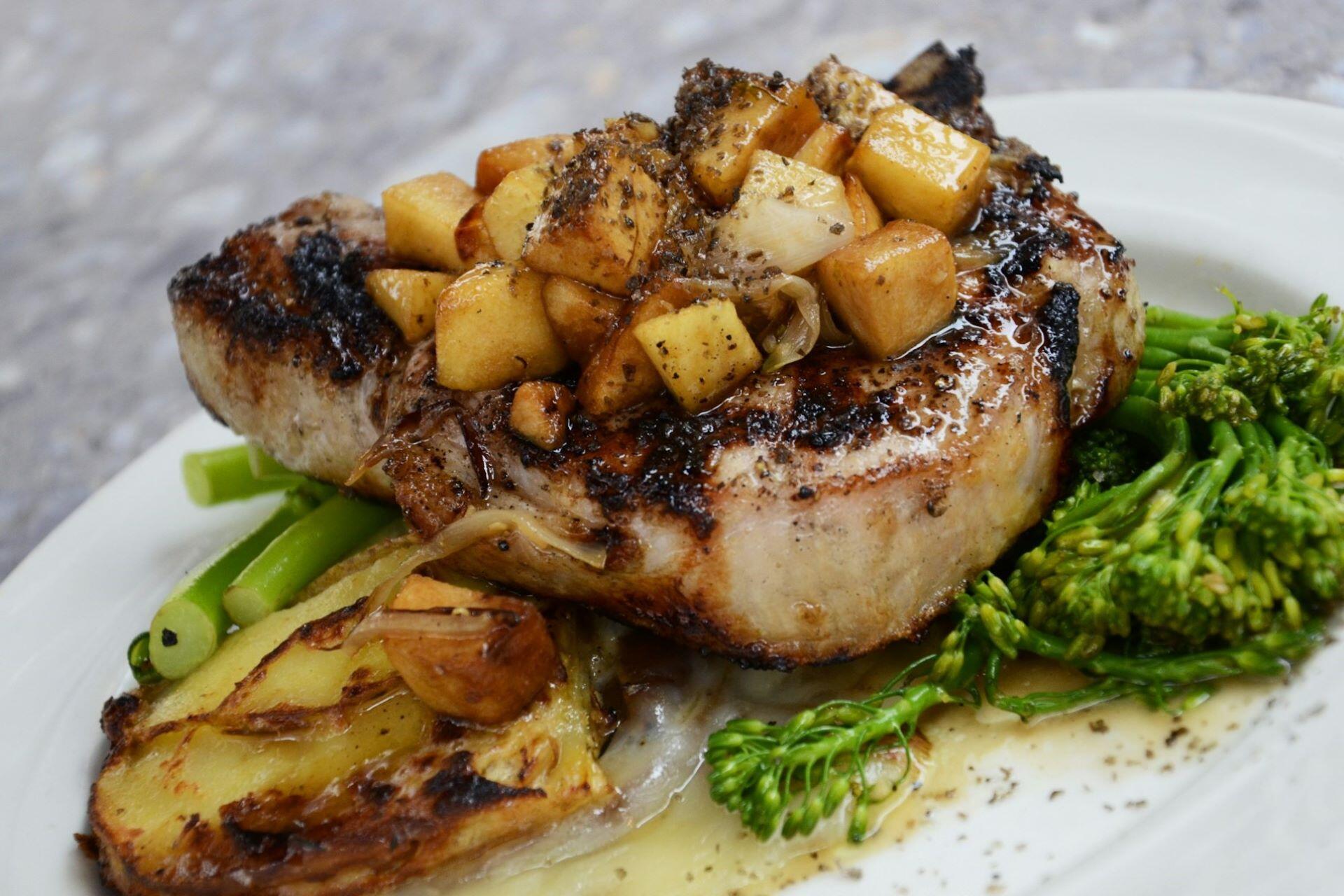

Karakia kai is a karakia said before eating or sharing food. It's a moment of gratitude, acknowledgement and connection before a meal begins in Māori culture. It's also a practical way to experience te reo Māori, but it requires understanding and respect.
Key Takeaways
- Karakia kai is a karakia said before eating or sharing food.
- The phrase karakia mō te kai means a karakia for food, while learners may also search for kai karakia or karakia for kai.
- Traditional karakia kai may acknowledge atua, whenua, water, sky, earth and the wider natural world.
- Contemporary karakia kai may be shorter, Christian-influenced, or adapted for everyday settings such as classrooms, homes and workplaces.
- The best way to learn karakia kai is to understand the meaning, practise pronunciation, and respect local tikanga.


The Significance of Karakia in Māori Tradition
Karakia are important in Māori life, language, and tikanga. They're often used to open or close gatherings, to acknowledge atua, to prepare people for a shared activity, or to mark a transition from one state to another. This is why they're used in relation to food, since karakia kai creates a moment of pause before eating, helping people recognise the kai, the people gathered, and the wider relationships that make the meal possible.¹
Karakia can be translated as prayer, blessing, ritual chant, or incantation, but no single English word captures all its meanings. In the context of kai, karakia may express gratitude, acknowledge nourishment, connect people to the food before them, or mark a shared moment with respect. This is why karakia kai is best understood through both language and tikanga, rather than only as a direct equivalent of a mealtime prayer.⁴
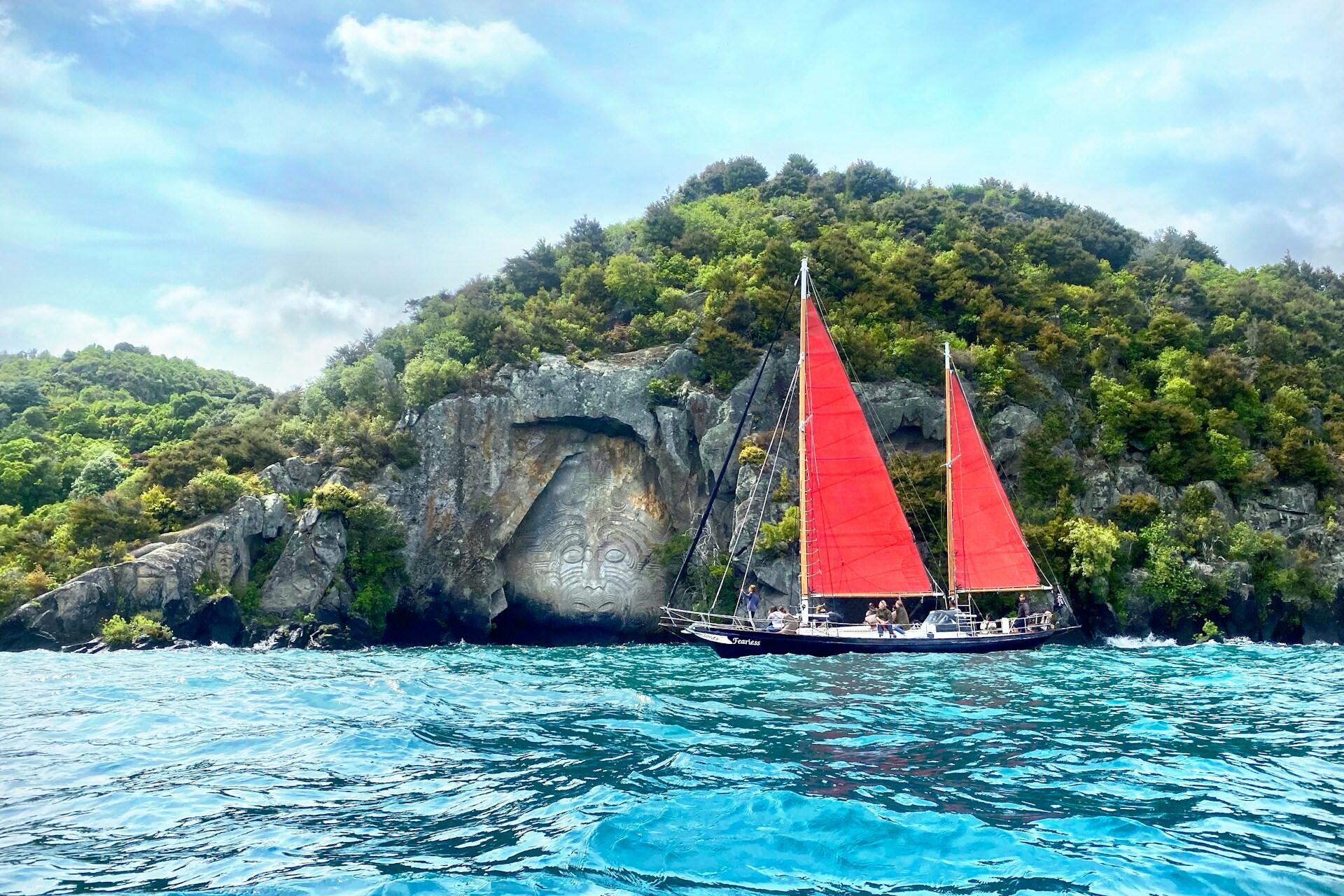
Since karakia can carry cultural, spiritual and communal meaning, karakia for kai is about more than the words being spoken. The setting, people present, and the purpose of the gathering matter. If you're learning about them, make sure you understand the meaning of karakia before memorising even simple versions for everyday meals.²
names connected to Kai and Te Taiao: Tāne, Rongo, Tangaroa, Maru, Ranginui, and Papatūānuku.
Karakia Kai: Blessing the Food
Karakia kai is a karakia said before eating or sharing food. People might call this a karakia mō te kai, kai karakia, or a karakia for kai. The word kai can mean food, a meal, or the act of eating. The practice of karakia kai is therefore closely tied to both nourishment and the shared moment before a meal begins.³
The phrase karakia mō te kai means a karakia for food, while karakia kai is a shorter way many learners describe the same practice. The word kai can refer to food, a meal, or the act of eating, which helps explain why people also search for terms like kai karakia or karakia for kai. Some learners may type “karakai for food,” but the correct spelling is karakia for food.³
Traditional Karakia Kai Examples
- “Nau mai e ngā hua” is a traditional opening for a karakia mō te kai that welcomes the gifts of food.⁸
- “o te wao” connects kai to the forest and the food or resources that come from it.⁸
- “o te ngakina” connects kai to cultivated gardens and food grown from the land.⁸
- “o te wai tai” acknowledges food from the sea.⁸
- “o te wai Māori” acknowledges food from fresh water.⁸
- The same traditional karakia names Tāne, Rongo, Tangaroa, Maru, Ranginui, and Papatūānuku, linking kai to atua, the sky, the earth, forests, gardens, the sea, and freshwater.⁸
Contemporary Karakia Kai Practices
- Saying “E te Atua” before kai in a Christian-influenced karakia for food.
- Asking for the food to be blessed with "Whakapainga ēnei kai."⁹
- Using a short before-eating karakia that blesses kai for the body and spirit.¹⁰
- Saying karakia kai before meals in classrooms, workplaces, homes, hui, and shared community settings.⁹
- Choosing a shorter karakia simple enough for beginners while still practising pronunciation carefully.¹⁰
Contemporary karakia kai is a good option for learners, as they're often shorter, more memorable than traditional ones, and better suited to everyday settings. However, they still carry meaning, so don't think of this as a script to rush through before eating. The difference between traditional and contemporary karakia kai lies in their different histories, settings, and ways of expressing respect before kai.⁹
Traditional Karakia Kai
Traditional karakia kai often acknowledge the sources of food and the wider natural world that sustains people. In some examples, kai is connected to atua such as Tāne, Rongo, Tangaroa, Ranginui, and Papatūānuku, showing that food is part of a wider relationship between people, whenua, water, forests, and the spiritual world.⁸ These karakia help frame eating as an act of respect, not just a daily routine.
Contemporary Karakia Kai
Contemporary karakia kai may be used at home, in schools, at workplaces, at community events, or before shared meals. Some modern examples include Christian language, reflecting the influence of Christianity from the 19th century onwards. In contrast, others use shorter and simpler wording to suit everyday settings.⁹ For learners, the key is to understand the meaning, practise pronunciation, and follow the context of the people or place where the karakia is being used.
| Karakia type | Common context | Main focus | Benefits for learners |
|---|---|---|---|
| Traditional karakia mō te kai | Before shared kai, especially in Māori cultural settings, hui, marae contexts, or learning environments | Acknowledging the sources of food, atua, Ranginui, Papatūānuku, and the wider natural world | It shows that kai is connected to te taiao, whakapapa, tikanga, and spiritual relationships rather than only the meal itself |
| Contemporary karakia kai | Homes, schools, workplaces, community events, and shared meals where a short blessing is appropriate | Gratitude, nourishment, togetherness, and respect before eating | It can be easier to use in everyday settings while still encouraging care with meaning and pronunciation |
| Christian-influenced karakia mō te kai | Whānau meals, schools, workplaces, or Christian settings where karakia includes references to God or Christ | Blessing the food, the body, the spirit, and the people gathered | It helps explain how karakia kai practices have changed over time and can include both Māori and Christian influences |
| Simple karakia kai | Everyday meals, beginner te reo Māori practice, classroom routines, or small group settings | A short pause before kai to show gratitude and respect | It gives beginners a manageable starting point while reminding them to learn the words in context |
| Context-specific karakia kai | Hui, research settings, formal events, local gatherings, or spaces with their own tikanga | Respecting the people, place, purpose, and cultural expectations of the setting | It shows why one karakia does not automatically fit every whānau, marae, school, iwi, hapū, workplace, or event |
How to Perform a Simple Karakia Kai
For any karakia, whether it's Whakataka te Hau Karakia, a karakia whakamutunga, or a karakia kai, start by respecting the words, the kai, and the people gathered. Short karakia can be suitable for everyday meals, classrooms or learner settings, but still speak them with care. Learn what a karakia means, practise pronunciation, and follow the tikanga of the place or group where the kai is being shared.²

- Choose a short karakia kai from a trusted learning source before trying to lead one yourself.¹⁰
- Learn the meaning of the words so the karakia is spoken with understanding, not just memorised sound.²
- Pause before eating so the karakia clearly marks the moment before the kai is shared.⁴
- Speak slowly and practise vowel sounds, macrons and rhythm before using the karakia in a group.¹⁰
- Follow the tikanga of the whānau, school, workplace, marae, iwi or hapū where the meal is taking place.²
The Role of Karakia Kai in Strengthening Community Bonds
Karakia kai turn a meal into a moment of acknowledgement. Before people eat, the karakia is a chance to pause, recognise the kai, and connect with the people around you. Karakia kai supports manaakitanga by linking food with hospitality, care, respect and community.⁵
of people of Māori descent reported being able to hold a conversation in te reo Māori.
- Food is often central to shared moments of reflection, hospitality and community in Aotearoa. Te Papa’s Matariki whakataukī resource shows how kai can be connected with gathering, remembrance, celebration and care for others. This makes karakia kai a natural part of the wider relationship between food, people, language and collective values.⁷
- Supports manaakitanga by connecting food with hospitality, care, generosity and respect.⁵
- Helps keep te reo Māori present in everyday spaces such as homes, schools, workplaces and community gatherings.⁶
- Encourages people to see kai as part of a wider relationship with whenua, water, atua, whānau and te taiao.⁸
- Gives groups a simple shared ritual that can mark togetherness before a meal, hui, or event continues.⁹
Respecting and Preserving the Tradition of Karakia Kai
Karakia kai is a tradition that deserves respect. You have to recognise that karakia belong within tikanga, language and lived community practice. Even simple karakia for closing a meeting can carry deep meaning, especially when connected to kai, whānau, atua, whenua or a particular gathering. We can't stress enough that learners should focus on understanding, pronunciation and context rather than only memorising the shortest possible words.²
A simple karakia kai can be a helpful starting point, especially for learners building confidence with te reo Māori. Respectful use also means understanding the setting, listening to pronunciation, and recognising that different whānau, schools, workplaces, marae, iwi, and hapū may have their own ways of doing things. When possible, learn from trusted sources, kaiako, kaumātua, or people connected to the local context.²
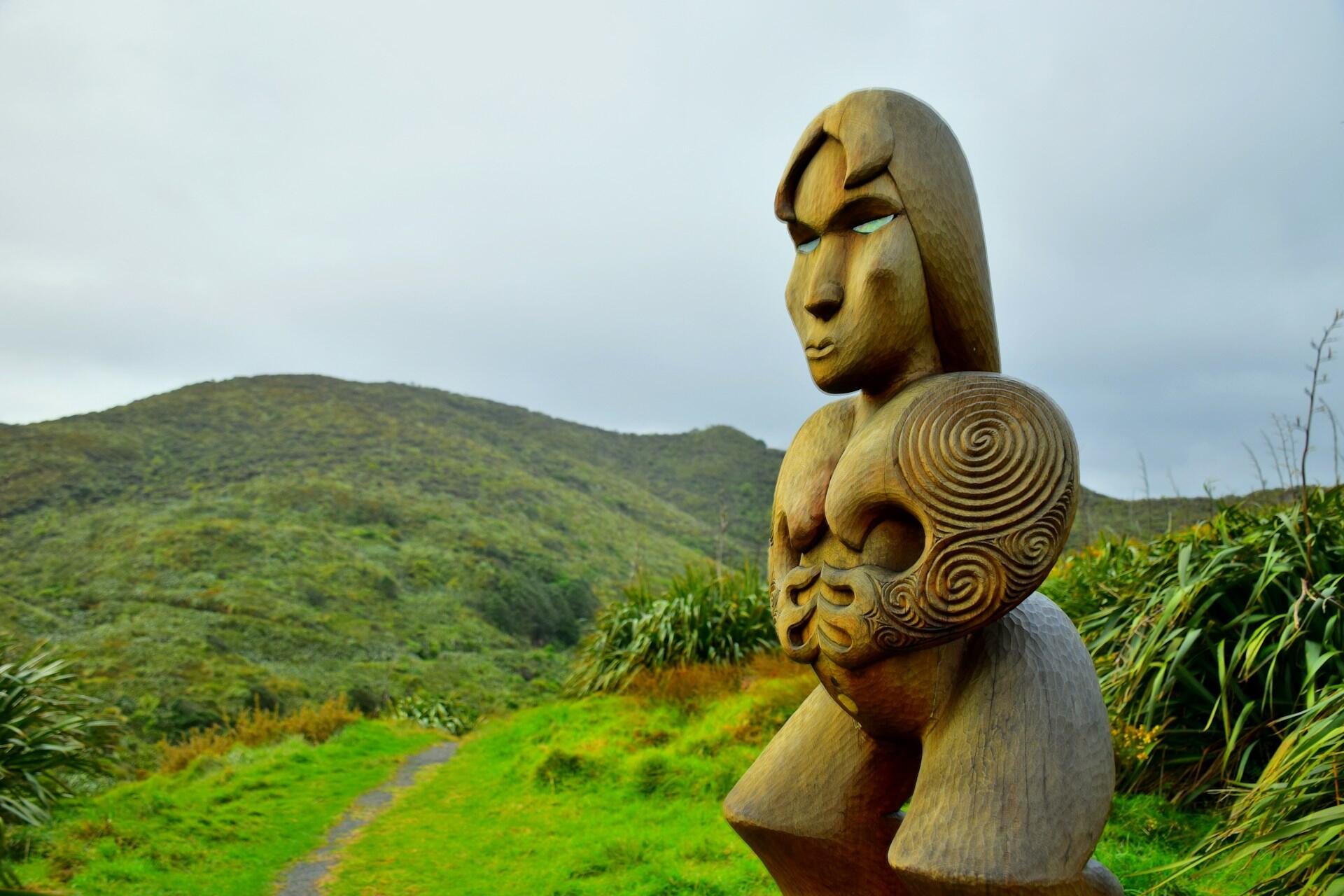
Preserving tradition isn't about freezing karakia kai in a single form. Karakia have been used in different ways across time. From traditional forms to later Christian-influenced examples, there's room for both history and living practice. The most respectful approach is to listen first, use trusted sources and follow the tikanga of the people or place where kai is being shared.⁹
- Learn the meaning of a karakia before using it, so the words are spoken with understanding rather than copied as sounds.²
- Practise pronunciation slowly, paying attention to vowel sounds, macrons and rhythm before leading karakia kai in a group.¹⁰
- Ask whether a whānau, school, workplace, marae, iwi or hapū already has a preferred karakia or local tikanga.²
- Use trusted sources for karakia kai examples, especially when learning Māori text alongside English meanings.⁹
- Recognise that some karakia kai are traditional, some are Christian-influenced, and some are simpler everyday versions for learners.⁹
- Avoid treating karakia kai as a performance, because its purpose is connected to respect, kai, people and place.⁴
References
- Keane, Basil. “Traditional Māori Religion, Ngā Karakia a te Māori.” Te Ara, The Encyclopedia of New Zealand, 5 May 2011, https://teara.govt.nz/en/traditional-maori-religion-nga-karakia-a-te-maori. Accessed 16 June 2026.
- Massey University. “Karakia, Incantation.” Massey University, https://www.massey.ac.nz/student-life/m%C4%81ori-massey/m%C4%81orimassey/ng%C4%81-rauemi-reo-m%C4%81ori-me-te-tikanga-m%C4%81ori/karakia-incantation/. Accessed 16 June 2026.
- Moorfield, John C. “Kai.” Te Aka Māori Dictionary, https://www.maoridictionary.co.nz/search/?keywords=kai. Accessed 16 June 2026.
- Moorfield, John C. “Karakia.” Te Aka Māori Dictionary, https://maoridictionary.co.nz/word/2275. Accessed 16 June 2026.
- Moorfield, John C. “Manaakitanga.” Te Aka Māori Dictionary, https://maoridictionary.co.nz/word/3426. Accessed 16 June 2026.
- Stats NZ. “People of Māori Descent Living in Aotearoa New Zealand.” Stats NZ, 13 Feb. 2025, https://www.stats.govt.nz/infographics/people-of-maori-descent-living-in-aotearoa-new-zealand/. Accessed 16 June 2026.
- Te Papa. “Matariki Whakataukī.” Museum of New Zealand Te Papa Tongarewa, https://www.tepapa.govt.nz/celebrate-matariki-these-whakatauki. Accessed 16 June 2026.
- Te Puni Kōkiri. “He Karakia.” Te Puni Kōkiri, 14 Oct. 2020, https://www.tpk.govt.nz/en/mo-te-puni-kokiri/karakia/he-karakia. Accessed 16 June 2026.
- University of Otago. “Karakia, Prayers.” University of Otago, https://www.otago.ac.nz/maori/world/te-reo-maori/karakia-prayers. Accessed 16 June 2026.
- University of Waikato. “Māori Pronunciation.” University of Waikato, https://www.waikato.ac.nz/students/maori/pronunciation/. Accessed 16 June 2026.
Summarise with AI:
Did you like this article? Leave a rating!

 Loading...