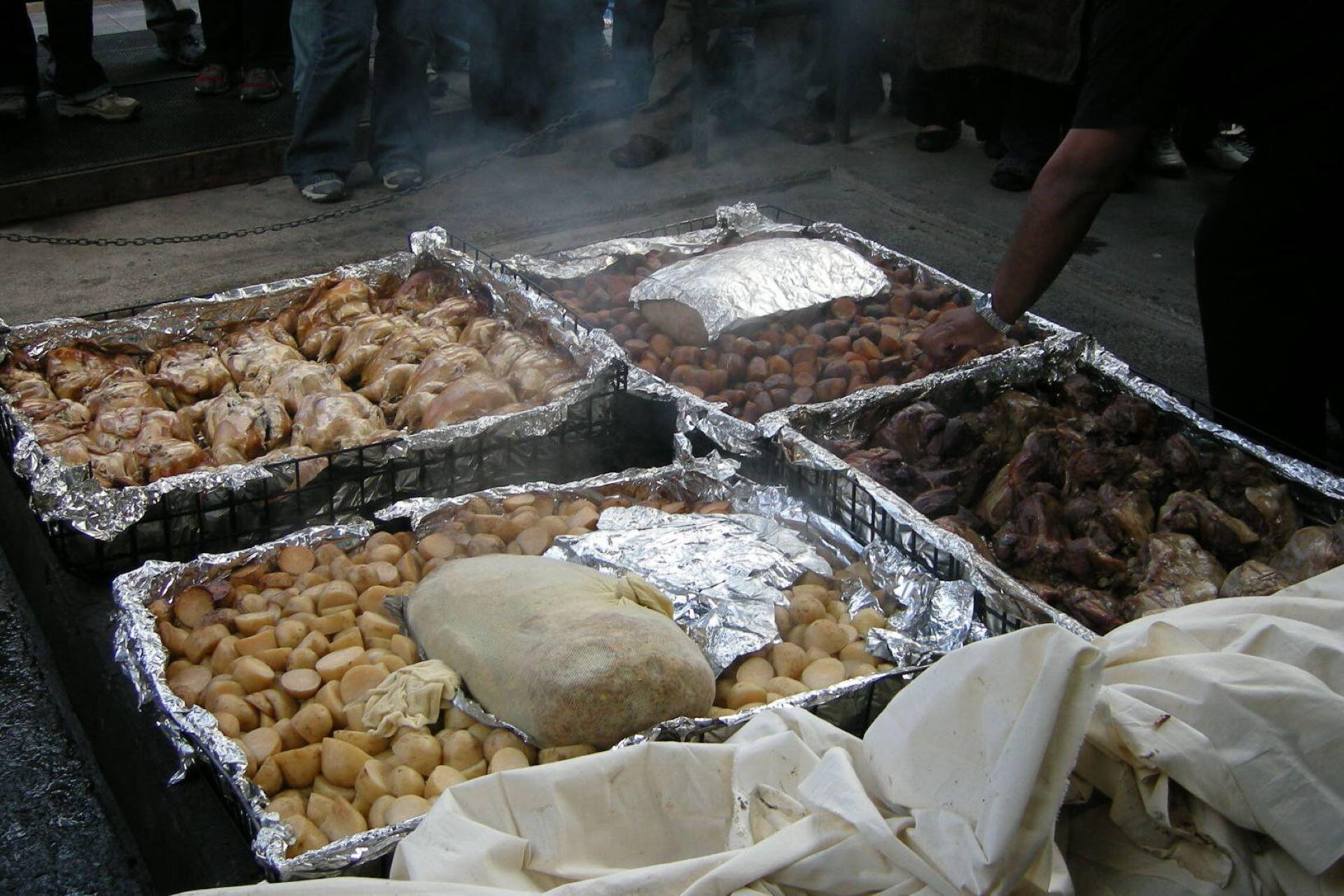

Māori food is more than just what’s on your plate. It connects people, land, and tradition across Aotearoa. From staples like kūmara to cooking methods such as hāngī, there's a lot to know about it. If you're new to kai Māori, here's our quick guide.
Key Takeaways
- Māori food, or kai Māori, is based on ingredients gathered from land and sea, including seafood, native plants, and crops like kūmara
- Traditional Māori food emphasises how food is prepared and shared, not just the ingredients themselves
- The hāngī is one of the most well-known cooking methods, using an underground oven to create tender, smoky dishes
- Popular Māori dishes include hāngī meals, rewena bread, and boil-up
- Māori cuisine continues to evolve while maintaining strong cultural and community connections


What Is Māori Food? Understanding Kai Māori
Māori food or kai Māori has been shaped by generations of knowledge and practice. Traditional Māori food included what could be grown, gathered, or caught locally, such as crops like kūmara, used for traditional desserts, seafood from coastal waters, and native plants.⁵
Māori food doesn't just focus on what's available; how food is sourced, prepared, and shared is central to the cuisine. Seasonal availability, sustainability, and respect for the land and sea are all central to food.⁷ This connection is part of the broader worldview in which people, food, and the environment are interdependent.³
Kai Māori refers to traditional Māori food and the practices surrounding it. It includes ingredients gathered from the land and the sea, as well as cooking methods such as hāngī and steaming. More than just food, kai Māori reflects relationships with nature, community, and cultural identity in Māori life.
Traditional Māori Food Ingredients
The natural resources available across Aotearoa have shaped Māori food. Māori relied on cultivated crops, wild plants, and food gathered from rivers, forests, and the sea before European contact.⁵ The ingredients meant diets were balanced and shaped by availability, seasonality, and local knowledge. Different regions even developed their own variations depending on the environment.⁷ For many, many Māori dishes are strong candidates for the country's national dish.
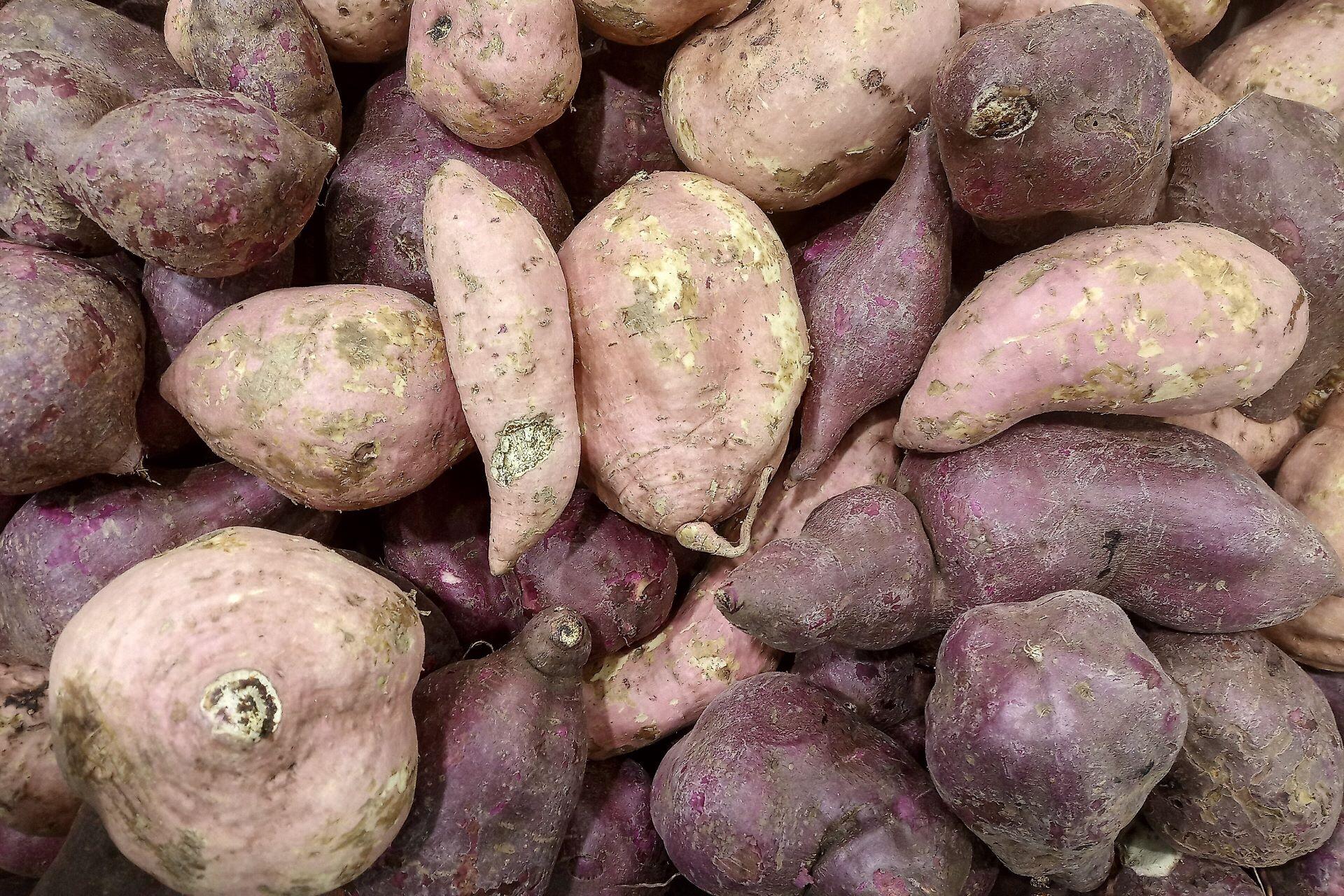
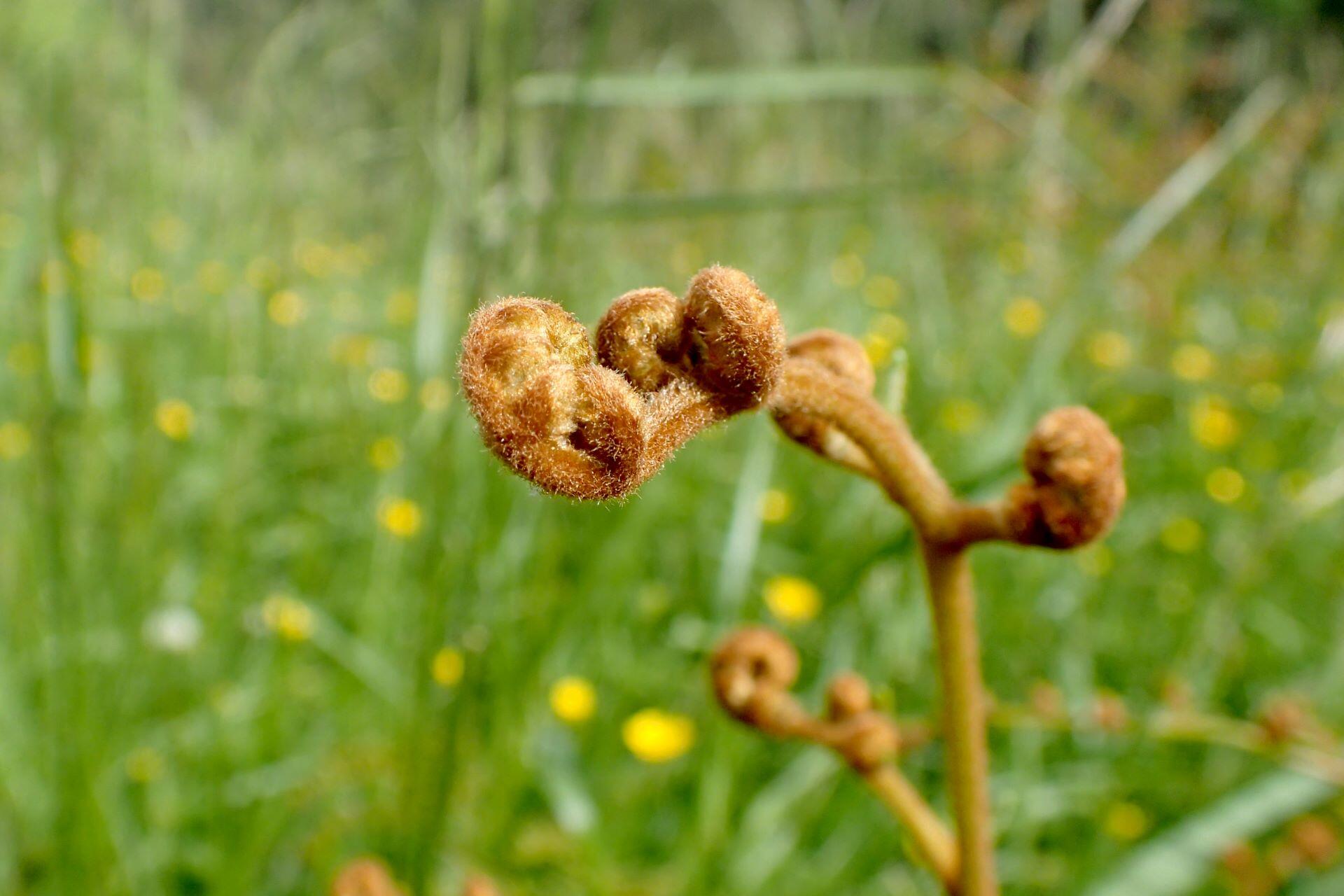
Staple Foods: Kūmara, Fern Root, and Native Plants
A key cultivated crop and one of the most important staple foods in traditional Māori diets¹⁰
A wild food source that required processing and was widely eaten before and alongside cultivated crops⁵
Leaves, shoots, and berries gathered from the environment and used in a variety of dishes⁷
A leafy green later commonly used in meals such as boil-up⁵
Seafood and Coastal Resources
Includes fish, shellfish, and other marine life gathered from coastal areas⁵
Easily collected and an important everyday food source in many communities⁷
Caught using traditional methods such as nets and hooks¹
Coastal living made seafood a consistent and reliable part of Māori cuisine⁵
Meat and Birds in Traditional Diets
Including species that were hunted for food in forested areas⁷
Certain birds were collected at specific times of year to ensure sustainability⁵
Pork and other meats became more common after European contact⁶
Drying and storing food helped extend availability beyond hunting seasons⁷
| Maori Term | English Name | Type | Description |
|---|---|---|---|
| kai | food | General term | The general Māori word for food |
| kūmara | sweet potato | Ingredient | A staple crop and one of the most important traditional foods |
| aruhe | fern root | Ingredient | A traditional wild food that required processing before eating |
| kai moana | seafood | Category | Fish and shellfish gathered from coastal areas |
| pūhā | sow thistle greens | Ingredient | A leafy green often used in boil-up |
| hāngī | earth oven meal | Dish/Cooking method | Food cooked underground using heated stones and steam |
| rewena bread | sourdough potato bread | Dish | A fermented bread made using a potato starter |
| boil-up | meat and vegetable stew | Dish | A hearty meal combining traditional and introduced ingredients |
Popular Māori Dishes You Should Know
Many Māori meals might look simple, but are rich in flavour and shared as a group.⁵ Some dishes date back centuries, while the cuisine isn't simply traditional food; it's continued to evolve over time, blending traditional practices with newer influences.⁶ If we've missed any of your favourites, just let us know about them in the comments.
of New Zealand’s population identifies as Māori.
Hāngī Meals
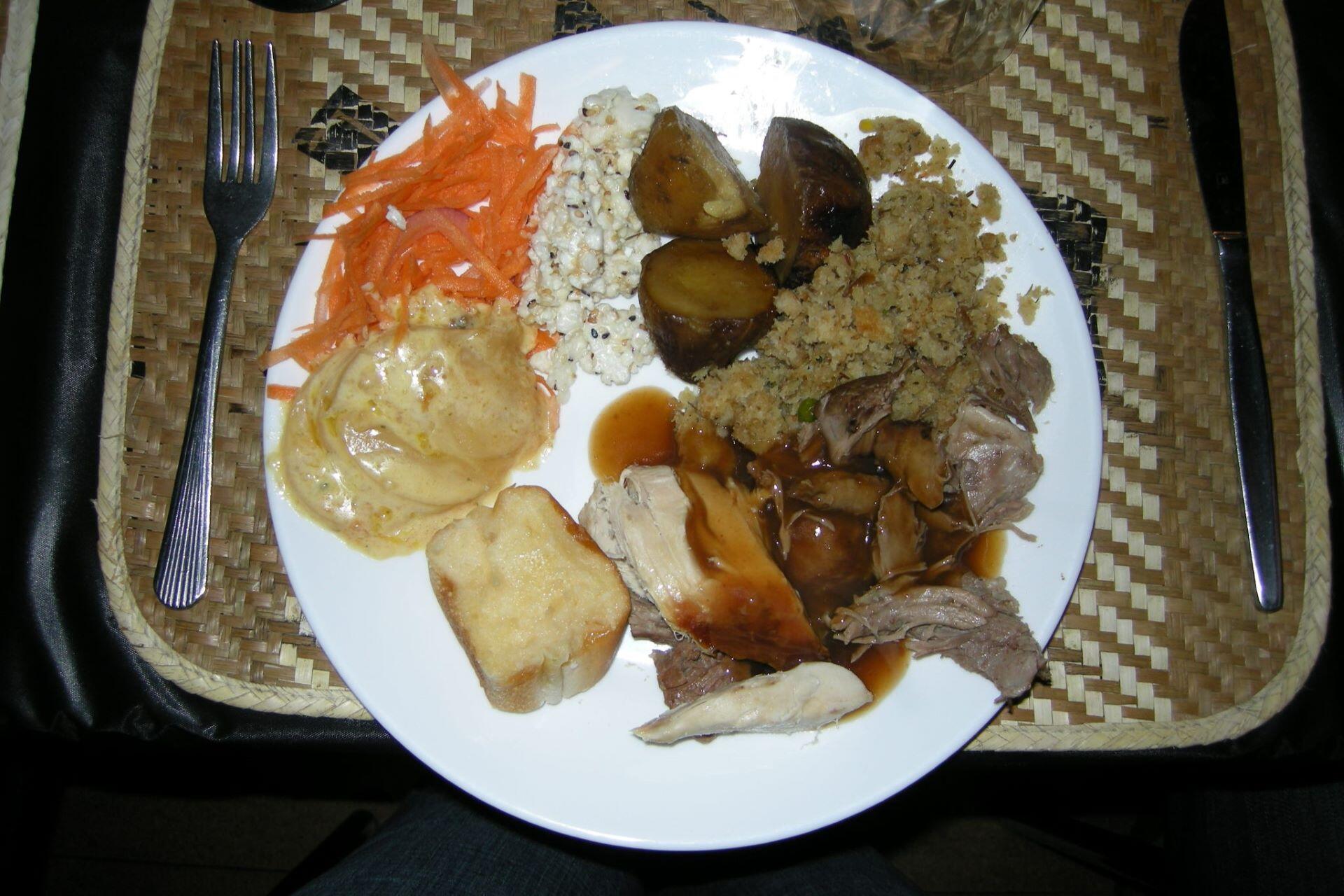
Hāngī is probably the most famous Māori food and remains an important part of cultural practice in modern New Zealand.⁴ This approach to cooking and dining combines meat and vegetables cooked together through slow steaming.⁹ That's not all, though; it's all cooked underground in a pit. Common ingredients include pork, chicken, lamb, kūmara, potatoes, and pumpkin, all arranged carefully before cooking.⁵
A hāngī is a traditional Māori cooking method that uses an underground pit oven. Heated stones are placed in a hole, food is layered on top, and everything is covered to trap heat and steam. The slow cooking process produces tender meat, soft vegetables, and a distinctive smoky flavour that defines many traditional Māori dishes.
Rewena Bread
Rewena bread is another famous Māori dish. It's a bit like sourdough, but it's made with a fermented potato starter. This gives the bread a distinctive texture and flavour.⁸ Much like with a Hāngī, you need patience as rewena develops far more slowly than industrial bread-making processes.
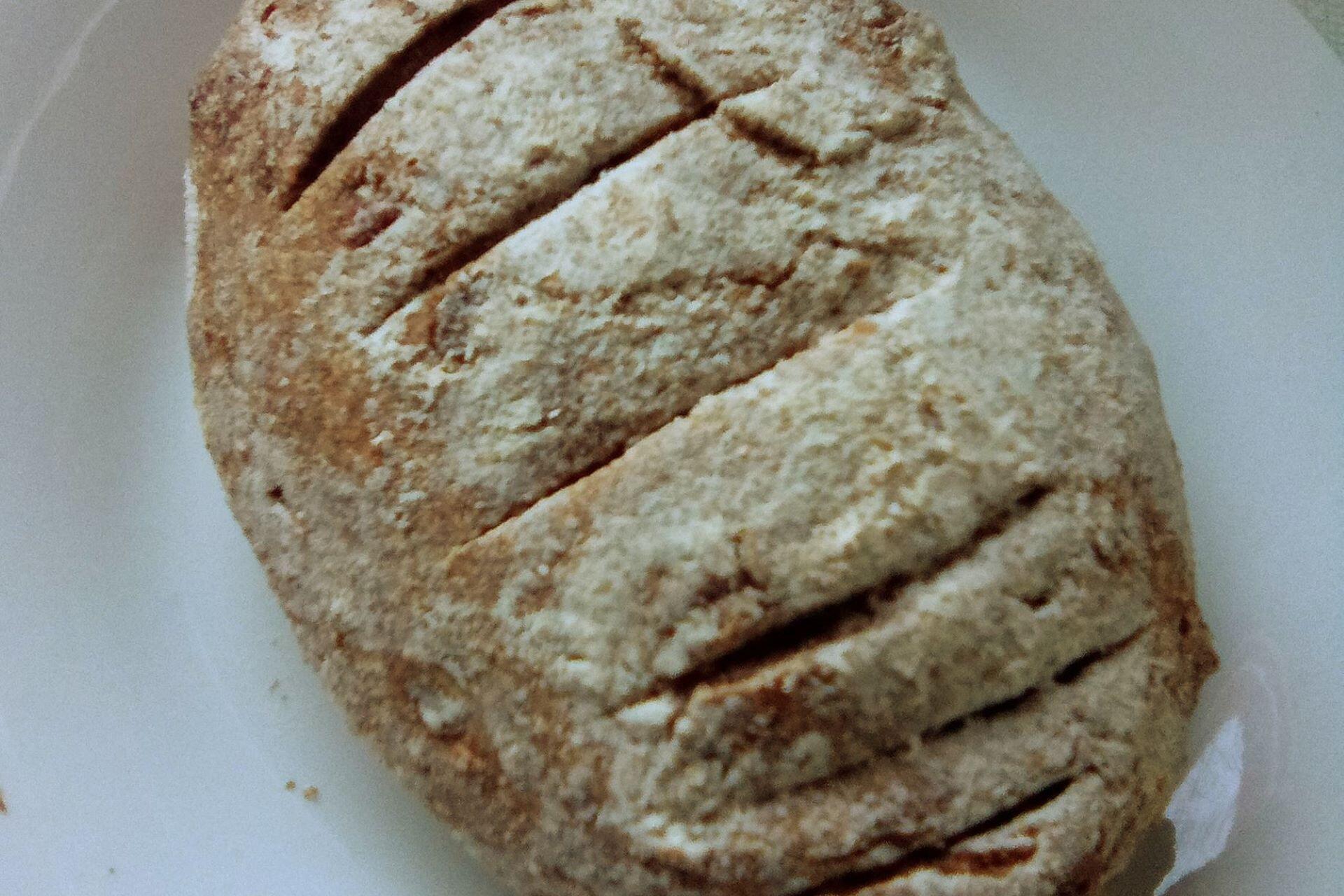
Rewena bread is a traditional Māori sourdough made using a fermented potato starter. This gives the bread a slightly sweet and tangy flavour. It is often served with butter or alongside savoury dishes like boil-up, making it one of the most recognisable Māori dishes still enjoyed today.
Boil-Up and Modern Comfort Foods
Boil-up is a hearty Māori dish. Typically made with pork, potatoes, greens like pūhā, and dumplings, it's a combination of traditional ingredients and foods that came after European contact.⁶ Much like a Hāngī, this dish also relies on slow cooking to create deep flavours.
How Māori Food Has Evolved Over Time
Traditional Māori Food
- Based on native ingredients like kūmara, fern root, and seafood
- Cooking methods include hāngī, steaming, and roasting
- Food gathered from land and sea (kai moana, wild plants)
- Seasonal and dependent on local environment
- Strong connection to community and shared meals
Modern Māori Cuisine
- Combines traditional foods with introduced ingredients like pork, wheat, and dairy
- Includes dishes such as boil-up and rewena bread
- Uses both traditional and modern cooking techniques
- Influenced by global cuisine and contemporary food culture
- Still maintains cultural identity and heritage
The Cultural Importance of Māori Food
Food is central to Māori culture. It can reflect identity, relationships, and tradition. Meals are often shared and reinforce ideas of community and manaakitanga.⁵ Food brings people together.
In ceremonial feasts, known as hākari, food and community are almost one and the same. While these gatherings celebrate milestones, honour guests, and strengthen social connections, shared meals are the vehicle for these celebrations.² Preparing and sharing food is something that brings people together.
people who identify as Māori in New Zealand
Where to Try Māori Food Today
If you want to try Māori food today, there are plenty of places you can do it. Look for cultural experiences at marae or organised events, where meals are prepared and shared as part of a wider introduction to Māori culture.⁵ There's also Māori food in cultural villages, festivals, and restaurants that specialise in traditional or modern Māori cuisine.
One of the most well-known cultural centres in New Zealand, offering traditional hāngī meals cooked using geothermal steam
A highly regarded cultural experience where visitors take part in a full evening programme, including a traditional hāngī feast
Known for combining cultural performances with a shared hāngī meal in a natural forest setting
A well-known provider of traditional hāngī experiences for events and gatherings across New Zealand
A major Māori cultural festival where food plays an important role alongside kapa haka performances
Community gatherings where traditional Māori food is often prepared and shared, offering an authentic and meaningful experience
References
- Adds, Peter. “Kūmara.” Te Ara: The Encyclopedia of New Zealand, 24 Nov. 2008, https://teara.govt.nz/en/kumara. Accessed 17 Apr. 2026.
- Keane, Basil. “Māori Feasts and Ceremonial Eating – Hākari.” Te Ara: The Encyclopedia of New Zealand, 5 Sept. 2013, https://teara.govt.nz/en/maori-feasts-and-ceremonial-eating-hakari. Accessed 17 Apr. 2026.
- Rangiwai, Byron. “Some Brief Notes on Kai Māori.” Te Kaharoa, vol. 14, 2021, https://www.tekaharoa.com/index.php/tekaharoa/article/download/359/324/. Accessed 17 Apr. 2026.
- Richardson, Robert. 3 Feet Under: Is the Traditional Hāngī in Danger of a Cultural Disappearance? Auckland University of Technology, 10 Nov. 2017, https://openrepository.aut.ac.nz/bitstreams/58c57c63-d2d5-4583-91b5-2ff8e2394bf9/. Accessed 17 Apr. 2026.
- Royal, Charles, and Jenny Kaka-Scott. “Māori Foods – Kai Māori.” Te Ara: The Encyclopedia of New Zealand, 5 Sept. 2013, https://teara.govt.nz/en/maori-foods-kai-maori. Accessed 17 Apr. 2026.
- Royal, Charles, and Jenny Kaka-Scott. “Māori Foods – Kai Māori – Traditional Cooking and Preserving.” Te Ara: The Encyclopedia of New Zealand, 11 Nov. 2016, https://teara.govt.nz/en/maori-foods-kai-maori/page-2. Accessed 17 Apr. 2026.
- Royal, Charles, and Jenny Kaka-Scott. “Māori Foods – Kai Māori – Traditional Foods.” Te Ara: The Encyclopedia of New Zealand, 11 Nov. 2016, https://teara.govt.nz/en/maori-foods-kai-maori/page-3. Accessed 17 Apr. 2026.
- Royal, Charles, and Jenny Kaka-Scott. “Making Rewena Bread.” Te Ara: The Encyclopedia of New Zealand, 3 Dec. 2012, https://teara.govt.nz/en/interactive/40265/making-rewena-bread. Accessed 17 Apr. 2026.
- “hāngī.” Te Aka Māori Dictionary, https://maoridictionary.co.nz/word/845. Accessed 17 Apr. 2026.
- “kūmara.” Te Aka Māori Dictionary, https://maoridictionary.co.nz/word/3249. Accessed 17 Apr. 2026.
Summarise with AI:
Did you like this article? Leave a rating!

 Loading...