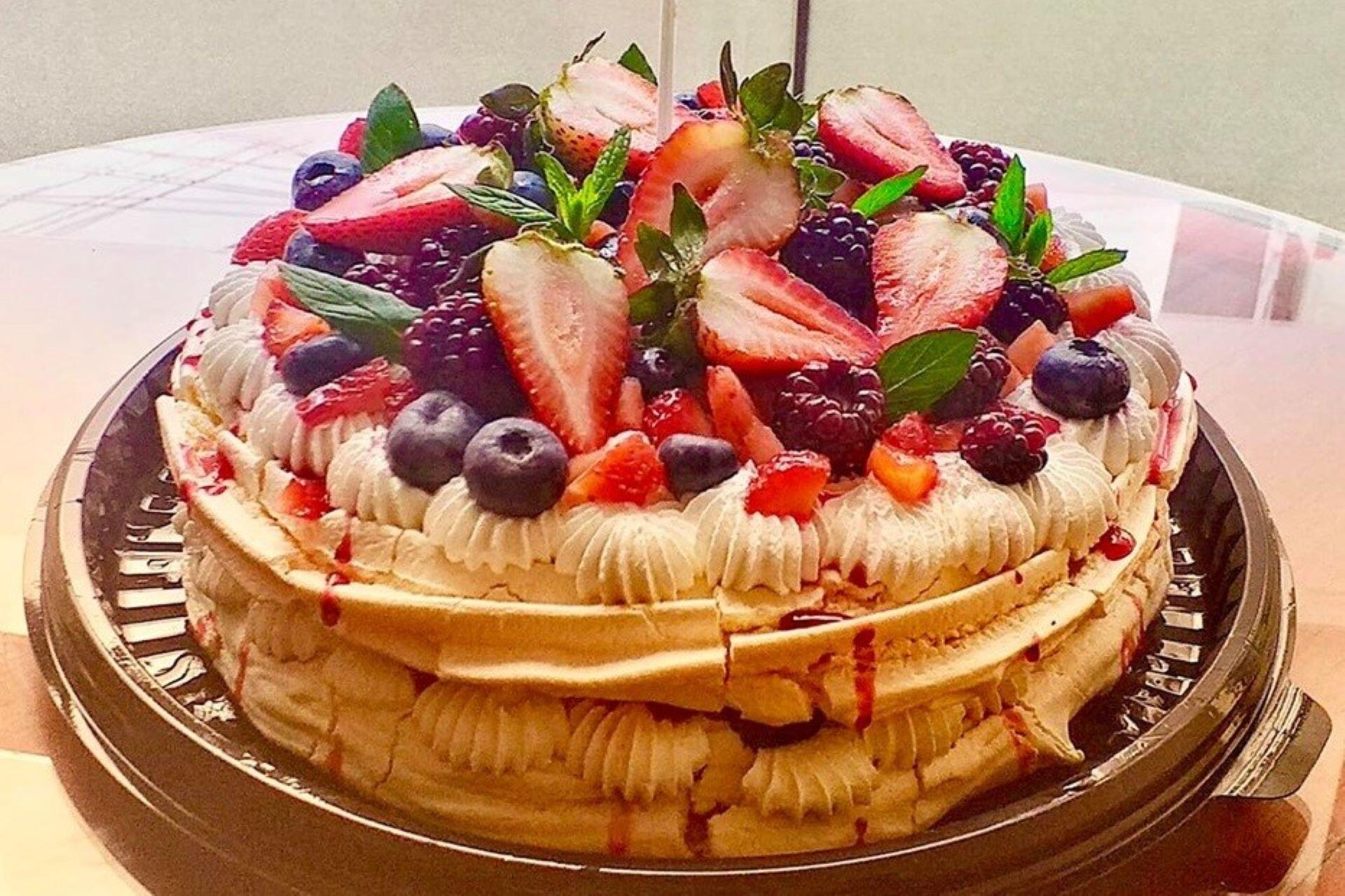

Do you have a sweet tooth? Preparing a meal for several guests? Whatever your reason for wanting a dessert (we won't judge), New Zealand has you covered. Here are some of the country's best desserts, including the famous pavlova, and everything you need to know about them.
Key Takeaways
- New Zealand desserts are influenced by British baking, but have been adapted over time
- Many desserts are simple to prepare and designed for sharing
- Pavlova is the most iconic dessert, especially at summer and Christmas gatherings
- Other popular options include hokey pokey ice cream, lolly cake, and Afghan biscuits
- The origins of pavlova are debated between New Zealand and Australia


What Are New Zealand Desserts?
New Zealand desserts mix history, geography, and everyday life. Many dishes trace their roots to British and European baking traditions, but they've been adapted over time. This means New Zealand now has desserts with a similar structure but distinct preparation.³
Desserts in New Zealand are often made to be shared without being overly formal. You should have them at family meals, barbecues (or hāngī), and celebrations. Presentation can be relaxed as long as the emphasis is on flavour and texture rather than decoration.³
New Zealand desserts are shaped by seasonality, simplicity, and access to high-quality ingredients. Fresh fruit such as berries, kiwifruit, and passionfruit often takes centre stage, typically paired with cream or light meringue. While many recipes reflect British influences, they have evolved locally to emphasise freshness, ease of preparation, and a strong culture of sharing food at gatherings.
Most Popular New Zealand Desserts to Try
New Zealand has a distinctive range of desserts. Most of the dishes we've included here are well-established and have been passed down through generations. Hopefully, the ones we've chosen here give you a good idea of the country's approach to sweet foods.
Fruit is a defining feature of desserts in New Zealand due to the country’s strong agricultural base and favourable growing conditions. Berries, kiwifruit, and stone fruits are widely available and often used fresh rather than heavily processed, which shapes the lighter style of many desserts. This focus on fruit also reflects seasonal eating habits, where dishes are built around what is at its best at different times of the year.
| Dessert | Type | Key Ingredients | Texture | Best Occasion |
|---|---|---|---|---|
| Pavlova | Meringue dessert | Egg whites; sugar; cream; fruit | Crisp outside; soft centre | Christmas and summer gatherings |
| Hokey Pokey Ice Cream | Ice cream | Vanilla ice cream; honeycomb | Smooth with crunch | Everyday dessert |
| Lolly Cake | No-bake slice | Biscuits; condensed milk; lollies | Soft and chewy | Parties and gatherings |
| Afghan Biscuits | Biscuit | Cocoa; cornflakes; butter | Crunchy | Tea-time or café treat |
| Lamingtons | Sponge cake | Sponge; chocolate; coconut | Soft with coating | Afternoon tea and events |
Pavlova
Hokey Pokey Ice Cream
Lolly Cake
Afghan Biscuits
Lamingtons
Pavlova Recipe NZ: How to Make a Classic Pavlova
One of the country's most recognisable desserts and potentially the country's national dish. A crisp shell with a soft centre, this shareable dessert is great for gatherings and celebrations.³ Australian readers needn't get angry yet, because we're going to talk about the origins of this dessert further down the article. In the meantime, enjoy thinking about delicious pavlovas.
people
Ingredients
essential elements: a baked meringue base, whipped cream, and fresh fruit on top, which together create its contrast of textures and flavours
Step-by-Step Method
Step 1
Prepare the oven
Preheat to 120°C and line a baking tray with parchment paper.
Step 2
Whisk the egg whites
Beat until soft peaks form to create the base structure.
Step 3
Add the sugar gradually
Incorporate slowly until the mixture is thick and glossy.
Step 4
Add stabilisers
Fold in vinegar, cornflour, and vanilla to support texture.
Step 5
Shape the pavlova
Spoon onto the tray and form a round with a slight centre dip.
Step 6
Bake and cool
Bake for 1 hour, then leave to cool inside the oven.
Step 7
Add toppings and serve
Top with whipped cream and fresh fruit before serving.
Tips for the Perfect Pavlova
They whip more easily and create a more stable meringue.
Any fat or residue will prevent the egg whites from forming peaks.
This helps dissolve it properly and avoids a grainy texture.
The mixture should hold its shape without collapsing.
A low temperature dries the meringue rather than browning it.
Sudden temperature changes can cause cracking.
Gradual cooling helps prevent collapse and keeps the structure intact.
Adding cream and fruit too early can soften the base.
Easy NZ Dessert Recipe: Hokey Pokey Ice Cream
One of New Zealand's most recognisable desserts. This combines vanilla ice cream with honeycomb toffee. It's easy to make at home and is a great option if you don't feel like baking.
Ingredients
Method
Step 1
Prepare the honeycomb
Line a tray with parchment paper and set aside.
Step 2
Heat sugar and syrup
Gently melt the sugar and golden syrup in a saucepan until it turns golden.
Step 3
Add baking soda
Stir in the baking soda quickly as the mixture foams up.
Step 4
Set the honeycomb
Pour onto the tray and leave to cool and harden.
Step 5
Break into pieces
Once set, break the honeycomb into small chunks.
Step 6
Combine with ice cream
Fold the pieces into softened vanilla ice cream.
Step 7
Freeze and serve
Return to the freezer until firm, then scoop and serve.
Who Invented Pavlova? The New Zealand vs Australia Debate
Both Australia and New Zealand debate who invented the pavlova. In either case, they claim it was named after the Russian ballerina Anna Pavlova, who toured both countries in the 1920s, which serves as the starting point for most origin stories.¹ It mightn't be as old as some traditional Māori dishes, but is has a long heritage.
New Zealand cookbooks featured recipes by the 1920s, giving the Kiwi version a strong claim. The name itself was already being used at that time.² Australia's claim focuses on the modern version, with a dessert made in Perth in the 1930s having the crisp exterior we know today.⁵ However, most agree that the dessert evolved from earlier meringue desserts, and both countries actually made the dessert what it is today.⁴
Why Pavlova Became New Zealand’s National Dessert
The pavlova is a familiar part of everyday life. Consistency has helped the dessert go from a simple recipe to something more widely recognised. Its adaptability also makes it very appealing. Keep the base, but change the toppings. The argument over New Zealand and Australia inventing it has also helped keep it fresh in the minds of people in both countries.
Pavlova became more than a sweet dish because it sits at the centre of food, identity, and national memory in New Zealand. It is closely tied to summer, Christmas tables, and family gatherings, so it carries both emotional weight and culinary appeal. The long-running debate with Australia has only made it more culturally significant, turning a simple meringue dessert into a symbol of pride, tradition, and shared history.
References
- “Anna Pavlova Dances in New Zealand for the First Time.” NZHistory, New Zealand Ministry for Culture and Heritage, https://nzhistory.govt.nz/page/anna-pavlova-dances-new-zealand-first-time Accessed 16 Apr. 2026.
- “Anna Pavlova and Her Baked Namesake.” Te Ara: The Encyclopedia of New Zealand, https://teara.govt.nz/en/photograph/38530/anna-pavlova-and-her-baked-namesake Accessed 16 Apr. 2026.
- Baker, Rosie. “The Story Behind Pavlova and Where to Eat It.” National Geographic, https://www.nationalgeographic.com/travel/article/the-story-behind-pavlova-recipe-where-to-eat Accessed 16 Apr. 2026.
- “The Dessert That Sparked a Trans-Tasman Rivalry.” Atlas Obscura, https://www.atlasobscura.com/articles/pavlova-history Accessed 16 Apr. 2026.
- “Settling the Debate Over Who Invented the Pavlova.” ABC News, 23 June 2024, https://www.abc.net.au/news/2024-06-23/settling-the-debate-over-who-invented-the-pavlova/103541682 Accessed 16 Apr. 2026.
Summarise with AI:
Did you like this article? Leave a rating!

 Loading...