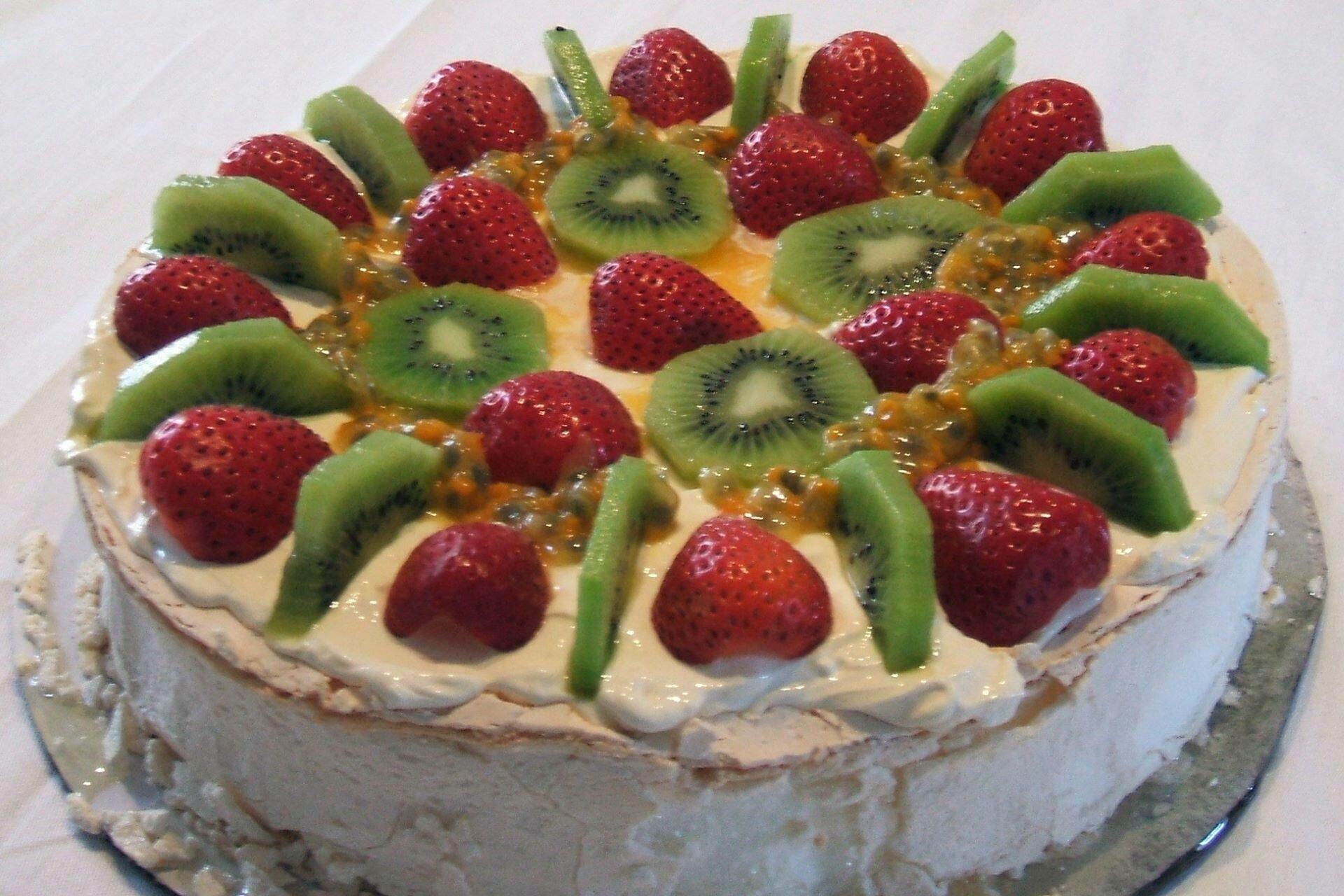

Are you a fan of New Zealand food? Completely new to it? Either way, we're going to try to get to the bottom of what is (or should be) the country's national dish.
Key Takeaways
- New Zealand does not have an officially recognised national dish
- Hāngī is widely considered the closest cultural equivalent
- New Zealand cuisine combines Māori traditions with European influences
- Popular foods include pavlova, lamb, seafood, and meat pies
- Fresh, local ingredients play a central role in how dishes are prepared
- Food is often shared, reflecting its importance in social and cultural life


Understanding New Zealand Cuisine
Before you can even think about a national dish for anywhere, you need to understand the food scene. New Zealand's culinary scene combines the history, geography, and everyday habits of different people and places. Māori food traditions were all there was before European contact, and then things changed. Now, these influences combined to form a food culture that reflects both heritage and adaptation.² This mix of traditional and modern dishes is still visible in how people eat across New Zealand today.³
New Zealand cuisine reflects a blend of Māori traditions and European influences, particularly British cooking. It focuses on fresh, seasonal ingredients such as seafood, lamb, and native crops like kūmara. Food in New Zealand is often simple in preparation but high in quality, with an emphasis on natural flavours rather than heavy seasoning. Sharing meals is an important part of the culture, whether through traditional methods like hāngī or everyday dishes enjoyed at home or in local restaurants.
Hāngī: The Traditional Māori National Dish
Hāngī is a beautiful way of cooking and a beautiful way to connect with whānau.
Kiritapu Allan, Minister of Conservation
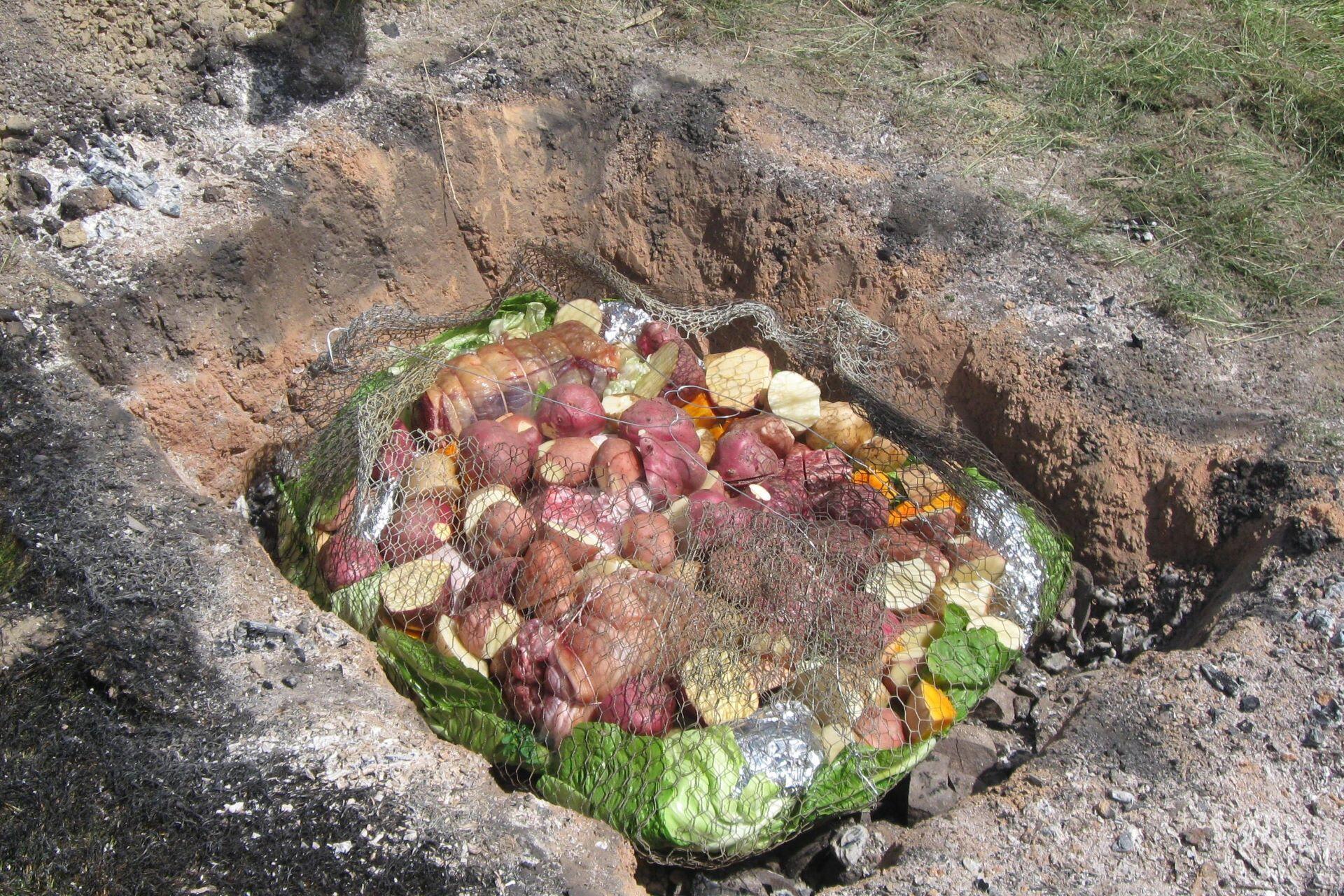
The hāngī traditional cooking method is a strong contender for the country's national dish. Firstly, it's linked to Māori culture and has been central to life in Aotearoa for generations. Hāngī stands out for its origins and its continued role in community gatherings.⁶
A hāngī is a traditional Māori method of cooking food using heated stones buried in a pit oven. Meat, vegetables, and sometimes stuffing are placed in baskets and lowered into the ground, where they cook slowly using steam and retained heat. This process creates tender textures and a distinctive smoky flavour. More than just a cooking technique, the hāngī is a social and cultural practice that brings people together for shared meals and community gatherings.
Other Dishes That Represent New Zealand Food
Hāngī isn't the only food in New Zealand. There are plenty of other dishes and New Zealand desserts you could put forward as candidates. Let's explore a few, since each represents a different side of New Zealand cuisine.⁴ Many of these are widely recognised by visitors and locals alike as part of the country's food identity.¹
Pavlova and the Australia Debate
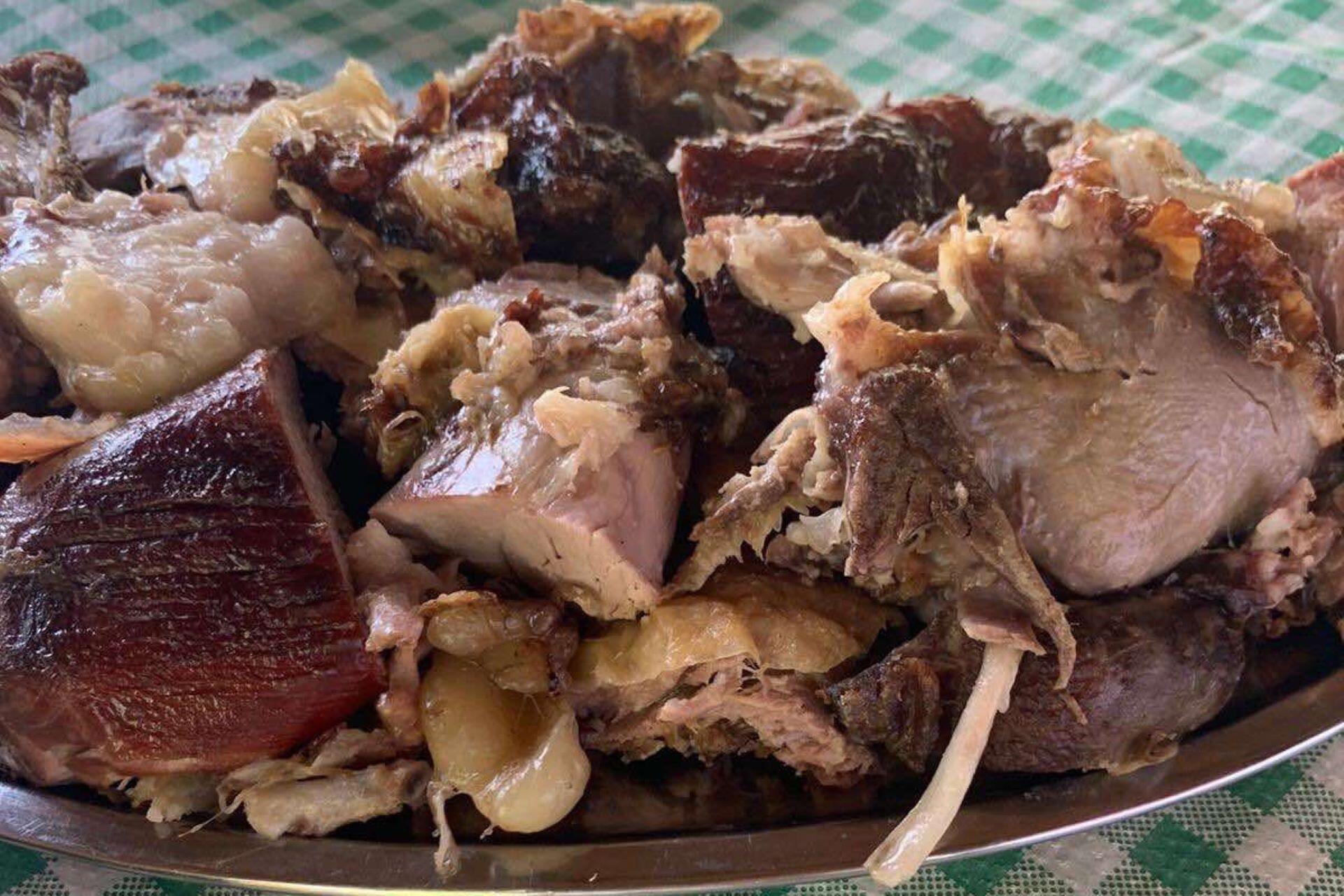
Lamb and Roast Traditions
of New Zealand’s lamb production is exported worldwide
Whitebait Fritters and Seafood
annually
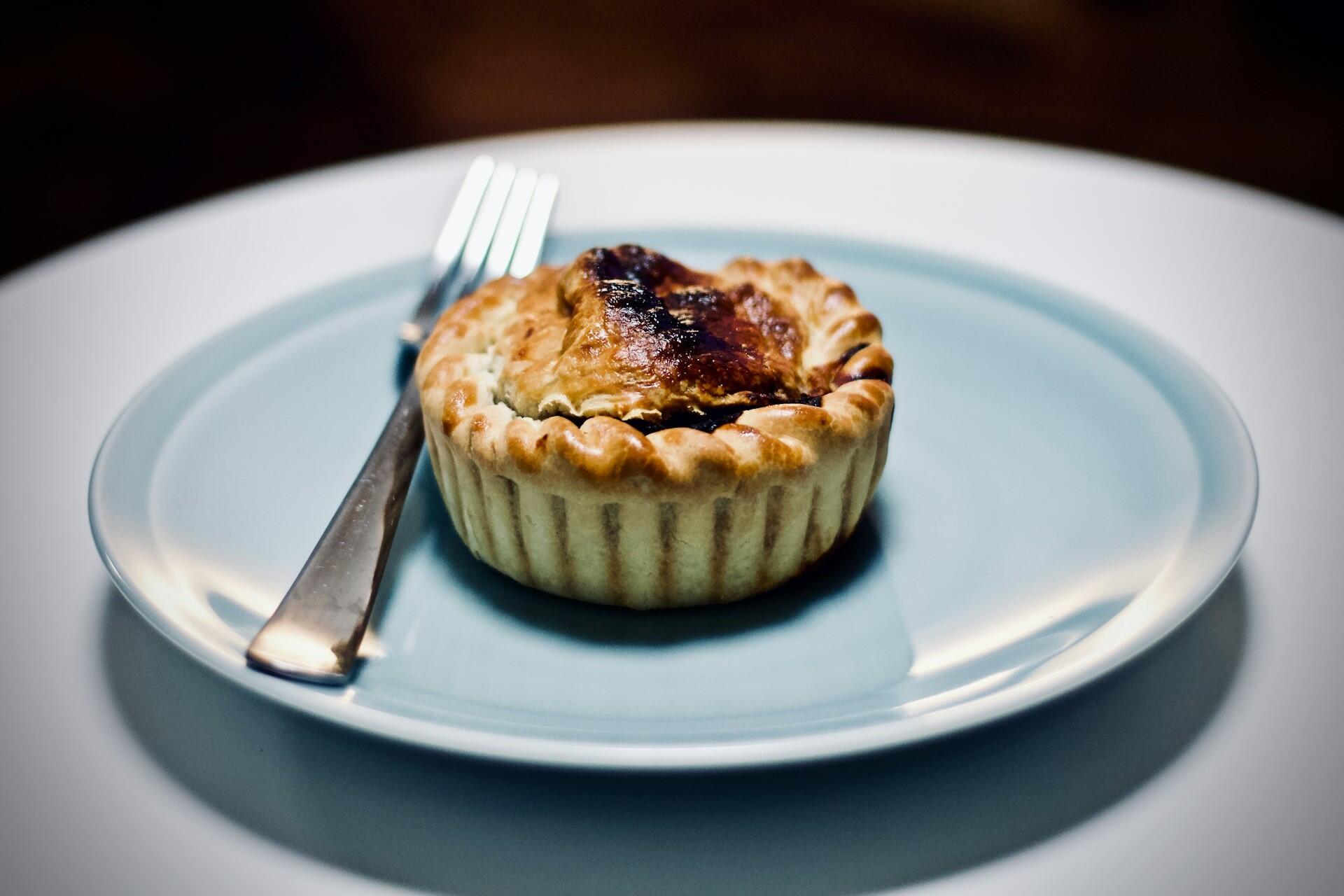
Meat Pies and Everyday Food
| Dish | Type | Origin | Key Ingredients |
|---|---|---|---|
| Hāngī | Traditional meal | Māori | Meat, vegetables, earth oven cooking |
| Pavlova | Dessert | New Zealand/Australia debate | Egg whites, sugar, cream, fruit |
| Lamb Roast | Main dish | British influence | Lamb, potatoes, vegetables |
| Whitebait Fritters | Seafood | Local tradition | Whitebait, eggs |
| Meat Pie | Snack/main | British influence | Pastry, minced meat, gravy |
Recipe 1: Traditional Hāngī-Style Meal at Home
Looking to make hāngī at home? While we'd never consider this a replacement for a real hāngī, which is as much an event as a meal, if you like the food, you can try to make an equivalent at home. This recipe is for you if you want to capture the flavour and texture that make hāngī such a recognisable part of New Zealand food culture.⁹
Ingredients:
- 1 kg lamb or chicken pieces
- 4 potatoes, peeled and chopped
- 2 kūmara (sweet potatoes), peeled and chopped
- 2 carrots, sliced
- 1 onion, chopped
- Cabbage or greens, roughly chopped
- Salt and pepper
- Aluminium foil or baking paper
Method:
- Preheat your oven to 160°C.
- Season the meat with salt and pepper.
- Layer the vegetables and meat together in a deep roasting tray.
- Add a small amount of water to create steam during cooking.
- Cover tightly with foil to trap the steam.
- Cook slowly for 3 to 4 hours until the meat is tender and the vegetables are soft.
- Serve hot, allowing the natural flavours to come through.
Recipe 2: Pavlova Recipe NZ Style
Now for the sweeter side of New Zealand cuisine. This is much easier to make at home than hāngī. Here, we've stuck to a classic approach, combining a crisp outer shell with a soft centre, finished with cream and fresh fruit.⁵
Ingredients:
- 4 egg whites
- 1 cup caster sugar
- 1 teaspoon white vinegar
- 1 teaspoon cornflour
- 1 teaspoon vanilla extract
- 300 ml cream
- Fresh fruit (kiwifruit, strawberries, berries)
Method:
- Preheat your oven to 120°C and line a baking tray with parchment paper.
- Whisk the egg whites until stiff peaks form.
- Gradually add the sugar, whisking until the mixture is glossy.
- Fold in the vinegar, cornflour, and vanilla extract.
- Spoon the mixture onto the tray, shaping it into a round base.
- Bake for 1 hour, then turn off the oven and let it cool inside.
- Whip the cream and spread it over the cooled meringue.
- Top with fresh fruit before serving.
Key Ingredients in New Zealand Food
For most national dishes and cuisines, ingredient availability dictates the cuisine. In New Zealand, access to fresh produce, coastal resources, and established farming industries shapes what appears in many dishes. New Zealand tends to prefer dishes with a few well-prepared ingredients.⁷
New Zealand food is built around high-quality, locally sourced ingredients. Seafood such as fish, mussels, and crayfish reflects the country's coastal geography. At the same time, lamb and beef highlight its strong farming tradition. Native and widely used ingredients like kūmara add a distinct flavour to many dishes, and products such as manuka honey are known for their unique qualities. These ingredients form the basis of both traditional and modern New Zealand cuisine.
So What Is New Zealand’s National Dish?
In the absence of a national dish named by the government or another authority, it's up to you, dear reader, to make the call. We can't give an authoritative answer to the question, but we can celebrate New Zealand's cuisine. What would you pick?
What do you think should be New Zealand's national dish?
References
- “10 Best Foods in Auckland You Must Try - Local Kiwi Dishes.” Hotels.com, https://www.hoteis.com/go/new-zealand/best-foods-auckland. Accessed 16 Apr. 2026.
- “21 Traditional Dishes Of New Zealand.” Food Republic, 3 Feb. 2025, https://www.foodrepublic.com/1328113/traditional-dishes-new-zealand/. Accessed 16 Apr. 2026.
- “A Culinary Journey Around New Zealand in 10 Dishes.” Remitly Blog, 22 Aug. 2024, https://www.remitly.com/blog/lifestyle-culture/new-zealand-dishes/. Accessed 16 Apr. 2026.
- “Kiwi Cuisine: Must-Try Foods and Where to Find Them.” Wise Move, https://www.wisemove.co.nz/post/a-guide-to-kiwi-cuisine-must-try-foods-and-where-to-find-them. Accessed 16 Apr. 2026.
- “New Zealand Food Guide: 15 Tasty Kiwi Foods.” Will Fly for Food, 11 Mar. 2024, https://www.willflyforfood.net/new-zealand-food/. Accessed 16 Apr. 2026.
- “New Zealand’s National Dish (Plus Other Weird and Wonderful Foods).” 1964.co.nz, https://1964.co.nz/new-zealand-national-dish/. Accessed 16 Apr. 2026.
- “The Ultimate New Zealand Food Guide.” Celebrity Cruises, 20 Nov. 2024, https://www.celebritycruises.com/blog/new-zealand-food. Accessed 16 Apr. 2026.
- “Whitebait Fritters and Local Cuisine in New Zealand.” Planet Escape, https://planetescape.pl/en/blog/kuchnia-nowej-zelandii/. Accessed 16 Apr. 2026.
- “Local Cuisine: Must-Try Dishes Around New Zealand.” We Tour New Zealand, https://wetournewzealand.com/local-cuisine-must-try-dishes-around-new-zealand/. Accessed 16 Apr. 2026.
- “From Pavlova to Hāngī: Exploring the Flavours of Aotearoa.” Tohu Travellers, https://tohutravellers.com/flavours-of-aotearoa/. Accessed 16 Apr. 2026.
Summarise with AI:
Did you like this article? Leave a rating!

 Loading...