
Have you heard of a hāngī? Don't worry if you haven't. Here, we're going to explain what it is and how it's more than just a way of cooking food.
Key Takeaways
- A hāngī is a traditional Māori cooking method that uses heated stones and an underground pit oven
- hāngī food is cooked slowly using steam and retained heat, creating tender textures and rich flavours
- The method has been used for hundreds of years and remains an important part of Māori culture
- Preparing a hāngī requires planning, teamwork, and careful control of heat and timing
- You can adapt the process at home, although traditional methods provide the most authentic experience


What is a Hāngī?
The simplest way to understand what a hāngī is is that it's a cooking method using natural elements of earth, heat, and time. It's a distinctive part of Māori food culture in New Zealand, known for both its technique and the unique flavour it produces.¹ You don't have to rely on modern appliances. You just slowly cook something underground, where carefully controlled heat transforms raw ingredients over time. The food is evenly cooked, rich in flavour, and closely tied to the environment in which it is prepared.³
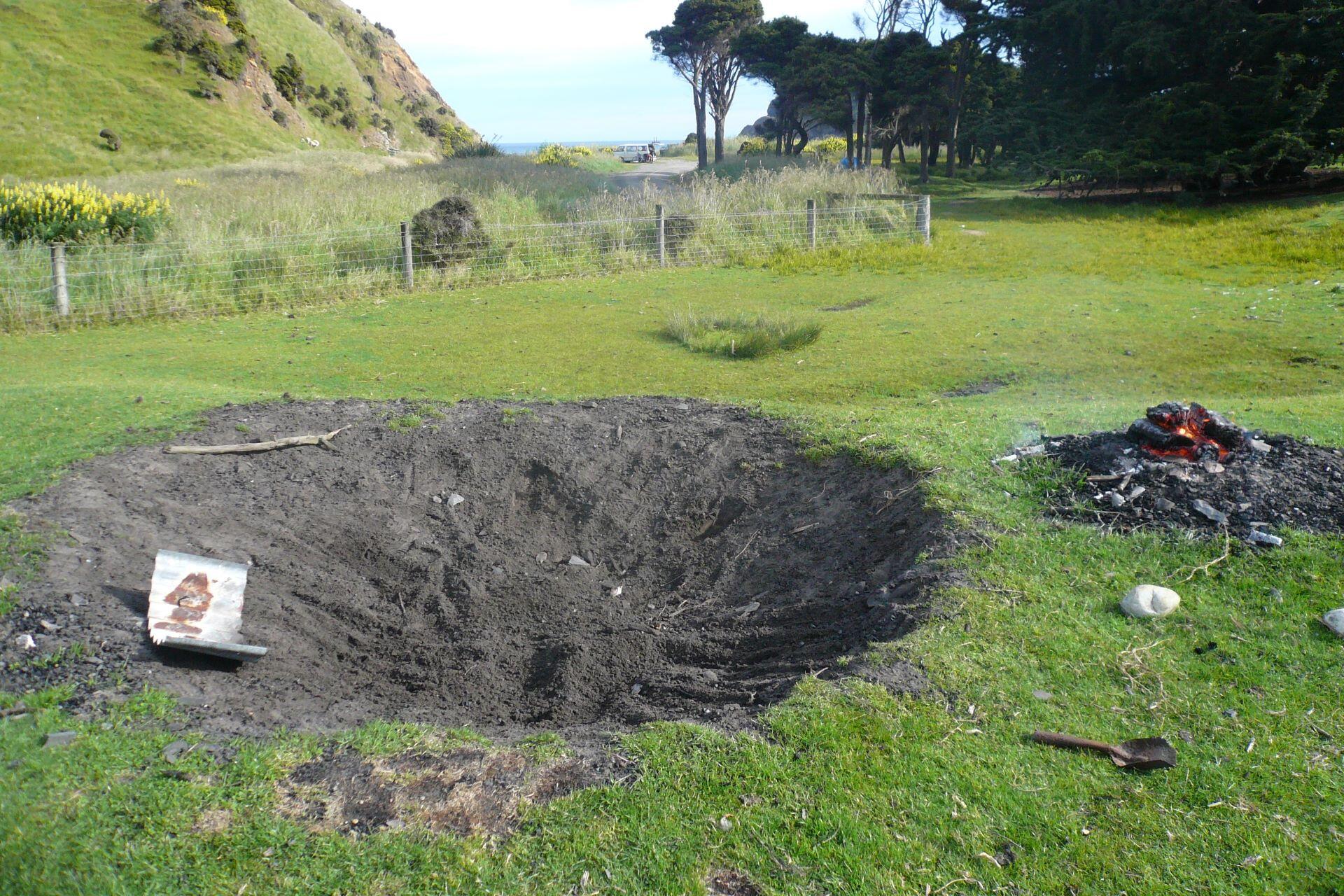
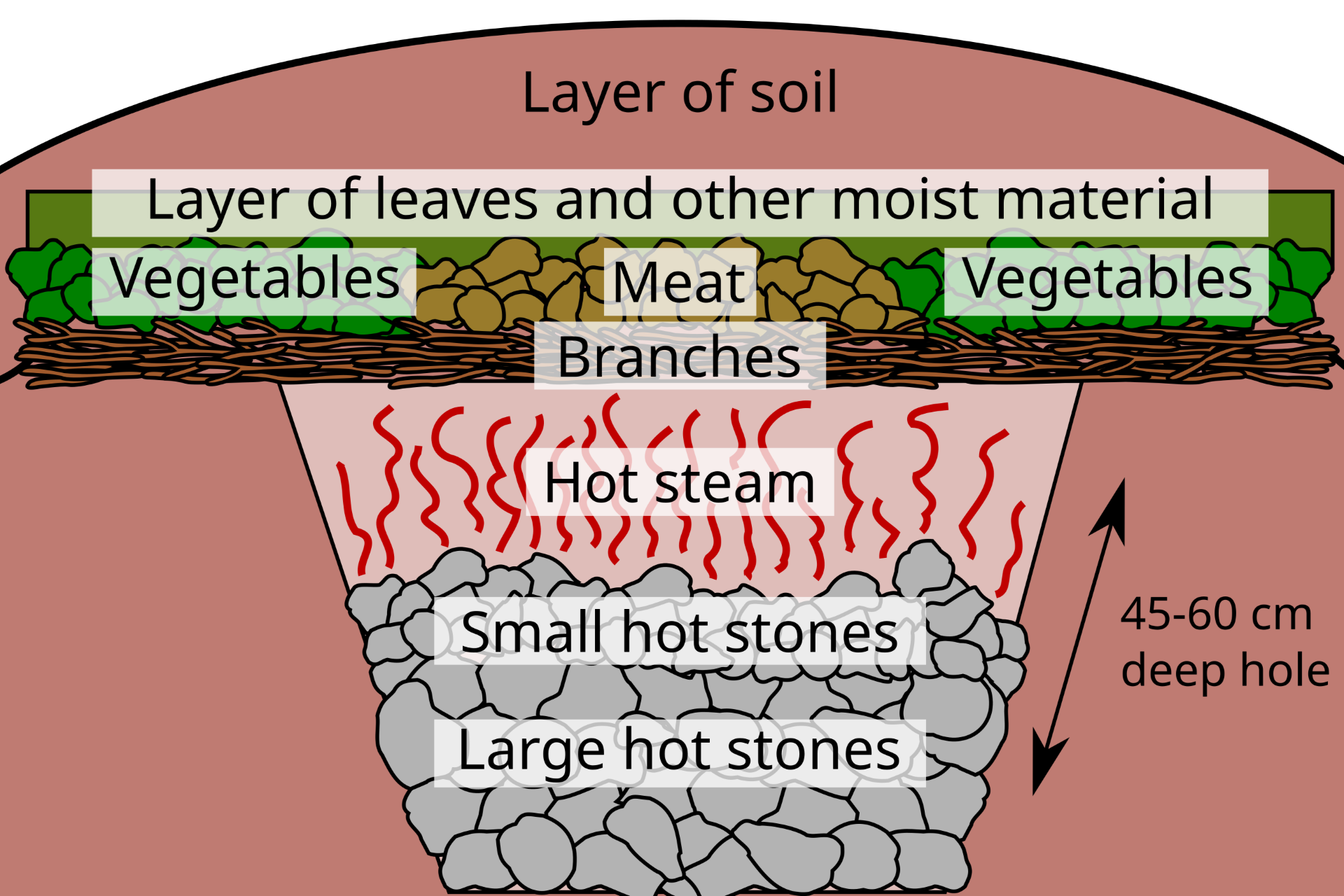
A hāngī is a traditional Māori cooking method that uses heated stones buried in a pit oven to cook food slowly with steam and heat. Food, such as meat and vegetables, is placed in baskets, covered with wet cloths or sacks, and buried in the earth to trap the heat. This process allows the food to cook over several hours, creating tender textures and a distinctive smoky flavour.
The History and Cultural Importance of Māori hāngī
So why is the hāngī so important? Long before modern cooking methods, Māori communities used this practice to cook large quantities of food. It was useful because it only required earth, wood, and stone. Over time, it became one of the defining features of Māori food traditions and daily life.² The hāngī remained central to Māori communities because it's an effective way of cooking food, but it also brings people together. It takes planning, cooperation, and shared effort, making it as much a social activity as it is a method of cooking.³ For many, it's a strong contender for New Zealand's national dish.
hāngī is more than just a way of cooking food. It is an important part of Māori culture and brings people together for shared meals, celebrations, and community events. Traditionally, a hāngī is prepared for large gatherings such as weddings, funerals, and festivals, where the process of preparing the pit, cooking the food, and serving it becomes a collective experience. This reflects values such as hospitality, connection to the land, and the importance of community in Māori life.
How Does a hāngī Work? The Traditional Cooking Process
You have to understand how heat, steam, and time can be carefully controlled with naturally occurring materials. A hāngī may look simple, but every stage has to be done right. From preparing the ground to sealing in the heat, the process relies on experience and careful coordination.⁴
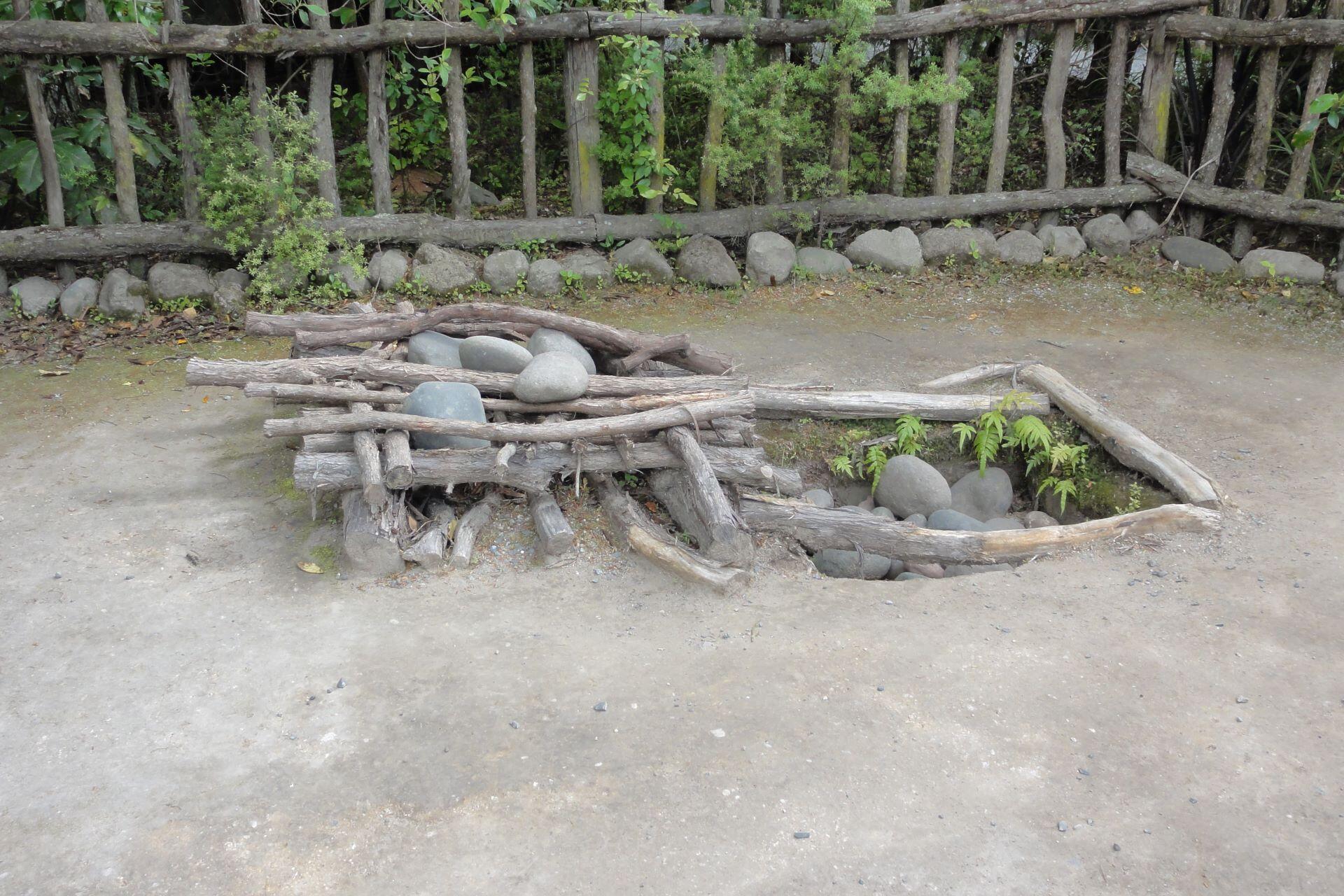
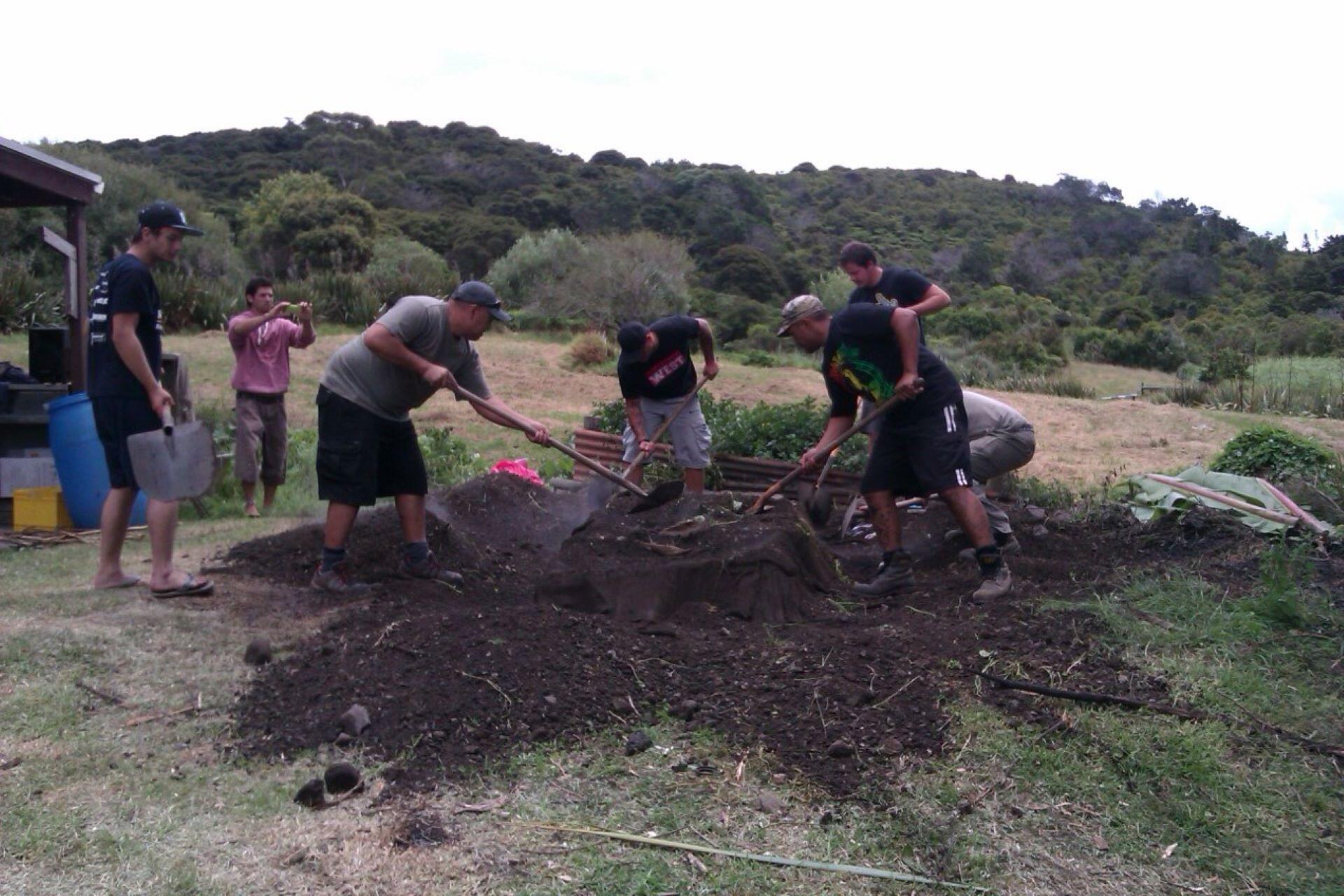
A traditional hāngī follows a clear, step-by-step process that has been passed down through generations. First, a pit is dug, and stones are heated over a wood fire until extremely hot. Once ready, baskets of food are placed on top of the stones, covered with wet cloths or sacks, and sealed with earth to trap the heat and steam. The food is then left to cook slowly for several hours before being carefully uncovered and served.
What Food Goes in a hāngī? Traditional Ingredients
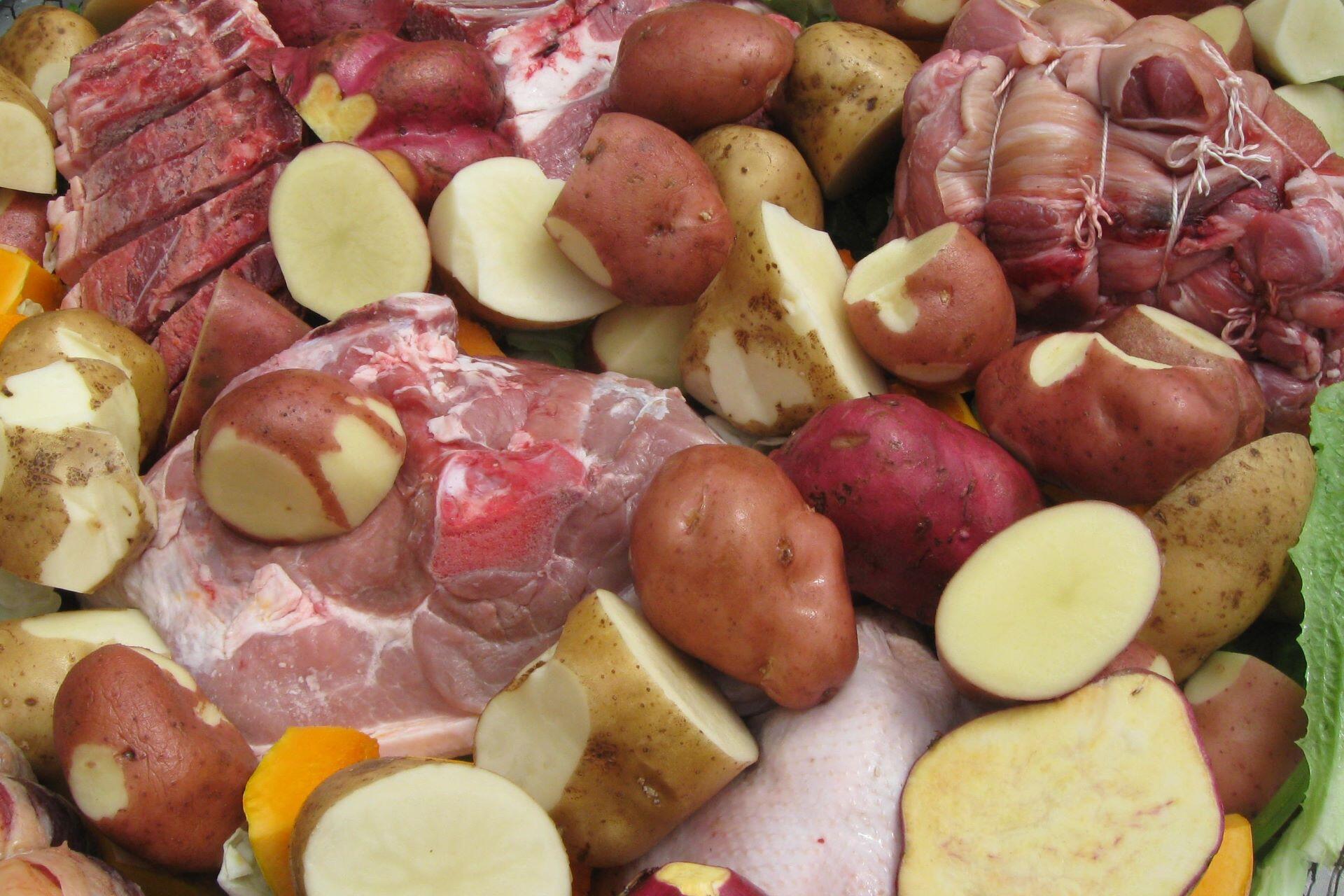
hāngī food is generally a combination of meat and vegetables. The key is ingredients that can withstand long, slow cooking, while absorbing flavours from heat and steam. You also want to balance texture and taste, with ingredients that soften over time and complement one another.¹ Traditionally, root vegetables and locally available meats were used. It's not an excellent option if you're looking for New Zealand desserts, but this is because Māori communities used what they could source from the land and desserts are a far more modern culinary invention. Over time, the range of ingredients has expanded, but the focus remains on simple, hearty foods that cook well in this environment.²
| Food (Māori) | Food (English) | Description |
|---|---|---|
| Kūmara | Sweet potato | A staple vegetable traditionally used in hangi cooking |
| Rīwai | Potatoes | Common modern addition cooked alongside meats |
| Mīti | Meat (general) | Includes lamb, pork, or chicken cooked in baskets |
| Heihei | Chicken | Often used for its tenderness in slow cooking |
| Poaka | Pork | Popular meat that absorbs smoky hangi flavour |
| Rau | Cabbage/greens | Leafy vegetables placed in baskets |
| Kāroti | Carrots | Adds sweetness and texture to the meal |
| Parāoa | Bread | Served alongside or sometimes cooked with the meal |
How to Make a hāngī at Home (Step-by-Step Guide)
Think of a hāngī as a process that needs planning and patience. The traditional method below is designed for larger groups, but you can adapt it as needed. Control the heat, properly prepare your ingredients, and follow each stage in the correct order.³
Preparing the Pit and Stones
Step 1
Choose a suitable spot
Pick a safe area of ground with enough space for the pit, the fire, and the people handling the food.
Step 2
Dig the pit
Dig a hole deep and wide enough to hold the heated stones and stacked food baskets.
Step 3
Gather suitable stones
Use dense, heat-resistant stones that can hold high temperatures without cracking under the fire.
Step 4
Arrange the stones in the pit
Place the stones evenly at the base so the heat spreads more evenly across the cooking area.
Heating the Rocks and Firewood
Step 1
Stack the firewood over the stones
Lay the wood so it burns directly above and around the stones, transferring heat effectively.
Step 2
Light the fire early
Start the fire well in advance because the stones need time to build up and retain intense heat.
Step 3
Maintain a strong burn
Keep feeding the fire until the wood burns down and the stones become extremely hot.
Step 4
Clear away excess ash and wood
Remove remaining debris once the stones are ready so the cooking area is clean and stable for the baskets.
Placing Food in Baskets
Step 1
Prepare the ingredients
Cut and portion the meat and vegetables so they cook evenly during steaming.
Step 2
Organise the food by type
Group ingredients carefully, keeping similar items together to help with cooking times and serving.
Step 3
Load the baskets securely
Arrange the food in baskets so the heat and steam can move around it without everything being packed too tightly.
Step 4
Lower the baskets into position
Carefully place the baskets over the heated stones to keep the layers stable and prevent heat loss.
Covering the Hāngī with Earth and Sacks
Step 1
Add damp coverings
Place wet cloths, sacks, or similar layers over the baskets to help create steam and protect the food.
Step 2
Seal the pit properly
Cover the entire setup with earth to keep the heat trapped inside the pit.
Step 3
Check for escaping steam
Look for places where heat may be leaking and add more covering if needed.
Step 4
Leave the hāngī undisturbed
Once sealed, the pit should remain closed to keep the temperature steady throughout cooking.
Cooking Time and Removing the Food
Step 1
Allow enough cooking time
Leave the hāngī to cook for several hours so the ingredients become tender and fully cooked.
Step 2
Uncover the pit carefully
Remove the earth and outer coverings slowly to avoid letting dirt fall into the food.
Step 3
Lift out the baskets
Take the baskets out once the cooking is complete, using care because the contents will still be very hot.
Step 4
Serve the food promptly
Transfer the food for serving while it is still warm and at its best in texture and flavour.
hours.
Tips for Best Results
Choose dense stones that can withstand high heat, as unsuitable rocks may crack or break during cooking.
Allow enough time for the stones to heat fully, as this determines how evenly the food will cook.
Leave space between ingredients so steam can circulate and cook everything properly.
Make sure the coverings and soil are secure to prevent heat from escaping during cooking.
Start early and allow several hours for cooking to avoid rushing the process at the end.
of heat.
References
- New Zealand Tourism Board. Māori hāngī.https://www.newzealand.com/uk/feature/maori-hāngī/ Accessed 16 Apr. 2026.
- Remitly Editorial Team. hāngī: Interesting Facts About New Zealand’s National Dish.https://www.remitly.com/blog/lifestyle-culture/nationaldishes-hāngī-fascinating-facts-new-zealand/ Accessed 16 Apr. 2026.
- Trafalgar. Introducing hāngī: The Traditional Māori Cooking Technique.https://www.trafalgar.com/real-word/hāngī-traditional-maori-cooking-technique/ Accessed 16 Apr. 2026.
- Woodlands.co.uk. The hāngī: A Traditional Māori Cooking Technique.https://www.woodlands.co.uk/blog/woodland-activities/the-hāngī-a-traditional-maori-cooking-technique/ Accessed 16 Apr. 2026.
Summarise with AI:
Did you like this article? Leave a rating!

 Loading...