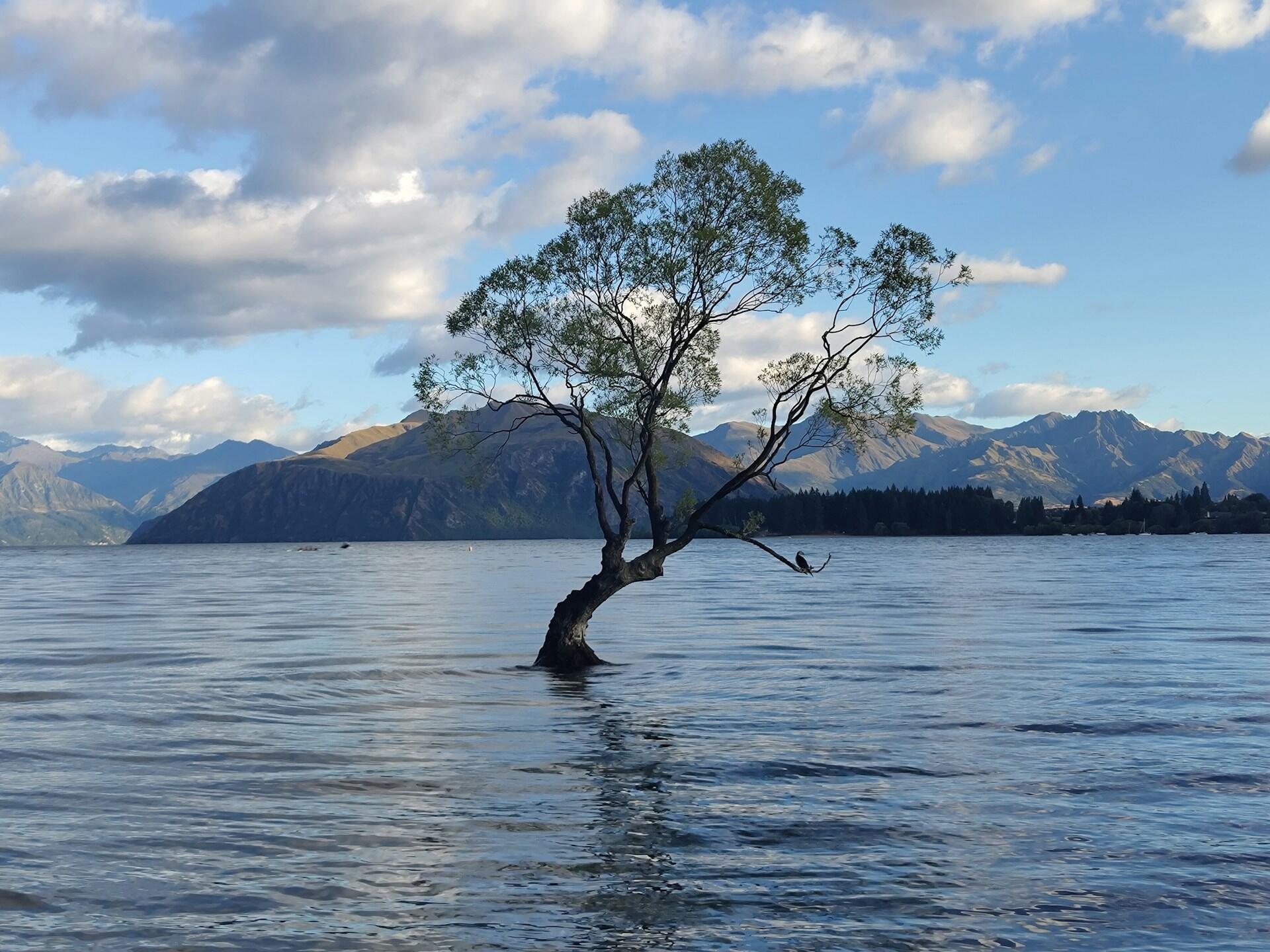

Kaitiakitanga is the concept in Māori culture of being responsible for the land (whenua), natural resources, and taonga (treasures). It's deeply rooted in Māori ancestral knowledge and tikanga (customs) and is more than just conservation. It is the Māori spiritual and cultural duty to protect and sustain the environment, people, and heritage for future generations.
Key Takeaways
- Kaitiakitanga refers to the Māori concept of guardianship over the environment, including land, water, and natural resources
- It is rooted in Māori values such as tikanga (customs), mana (authority), and mauri (life force)
- Kaitiaki can be people, iwi, ancestors, or spiritual guardians responsible for protecting the natural world
- Kaitiakitanga goes beyond conservation by including spiritual, cultural, and intergenerational responsibility
- It is actively practised through sustainable resource use, environmental restoration, and cultural preservation
- Māori communities continue to apply kaitiakitanga in modern conservation, climate action, and legal frameworks
- The concept promotes a holistic connection between people and nature, where human well-being depends on environmental health
- Kaitiakitanga offers a valuable model for sustainability and environmental protection in today’s world


What Is Kaitiakitanga? Definition, Meaning, and Cultural Context
The word kaitiakitanga has its roots in the Māori term kaitiaki, which means guardian or caretaker. In practice, a kaitiaki can be an individual, group, or spiritual entity responsible for preserving the balance of mauri (life force) in the natural world. This responsibility is so much more than simply physically protecting the natural world. It extends to the spiritual well-being of lands, rivers, forests, and oceans. It's year-round, too, not just something to be practised during Matariki.
Kaitiakitanga is as important today as ever and will play a vital role in environmental conservation, cultural heritage, preservation, and sustainable resource management. It can be practised through iwi-led environmental restoration projects, river protection efforts, or local conservation initiatives. It continues to shape how Māori and non-Māori interact with the natural world.
The Origins of Kaitiakitanga in Māori Culture
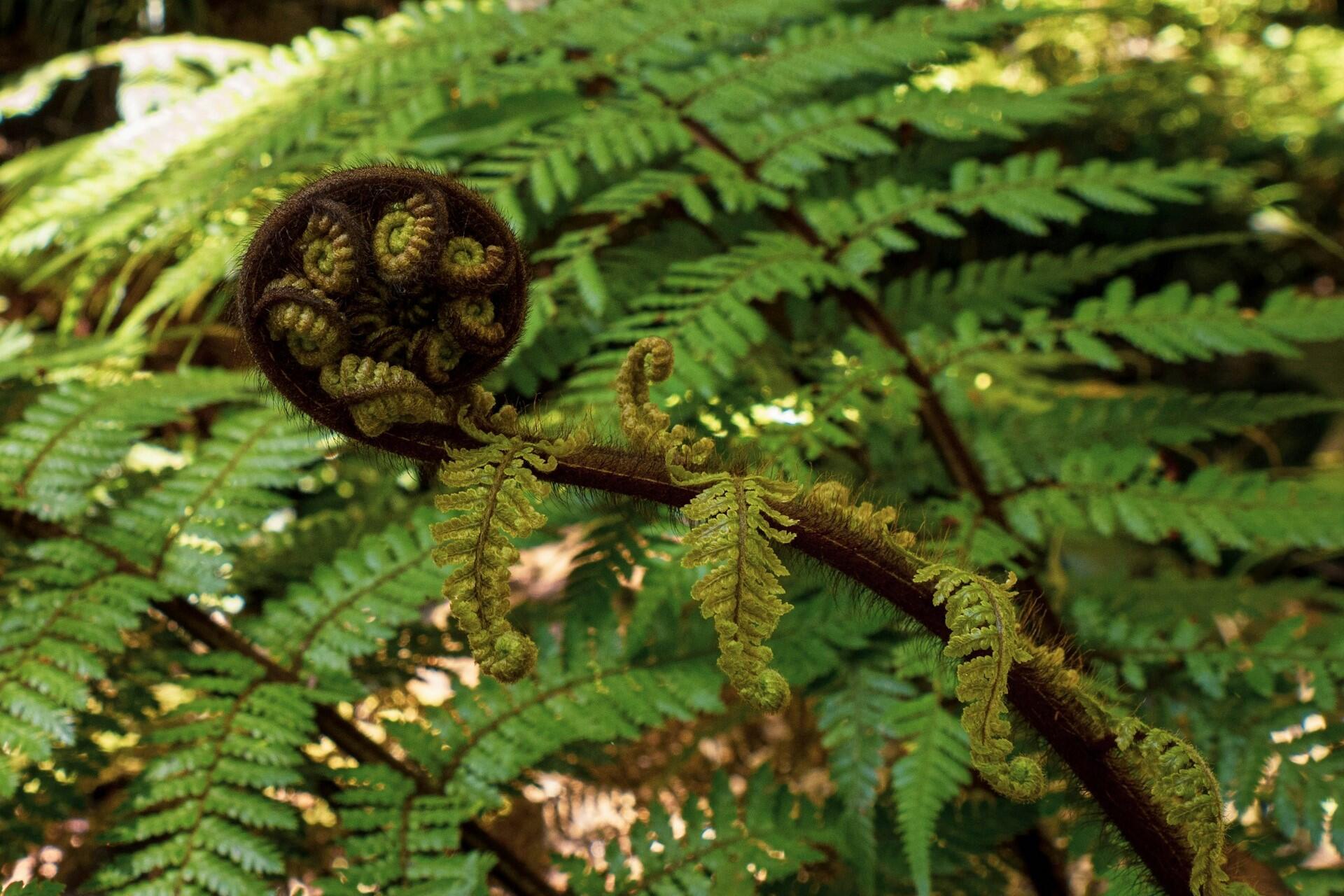
Traditionally, kaitiaki were spiritual beings or ancestors who watched over places to ensure their tapu (sacredness) and health. Today, tangata whenua (local Māori communities) carry out these responsibilities by acting as the modern kaitiaki of the land and environment, an important part of their interpersonal relationships.
The iwi Ngāti Porou has long practised kaitiakitanga over the Waiapu River, working on restoration efforts to reverse the damage caused by deforestation and erosion. Through their knowledge of the whenua and traditional conservation methods, they continue to protect the river for future generations.
Kaitiakitanga in Practice: Real-World Examples
Kaitiakitanga isn't just an idea, though. It's a living practice that influences Māori people's interactions with the world and their decisions regarding nature. You can see examples of this best in:
- Sustainable resource use ensures that only what is needed is taken.
- Reforestation and conservation efforts to restore natural ecosystems.
- Protecting rivers, oceans, and wildlife from pollution and exploitation.
- Cultural preservation, ensuring Māori traditions and knowledge are passed down to future generations.
The Role of Kaitiaki: Guardianship in Māori Culture
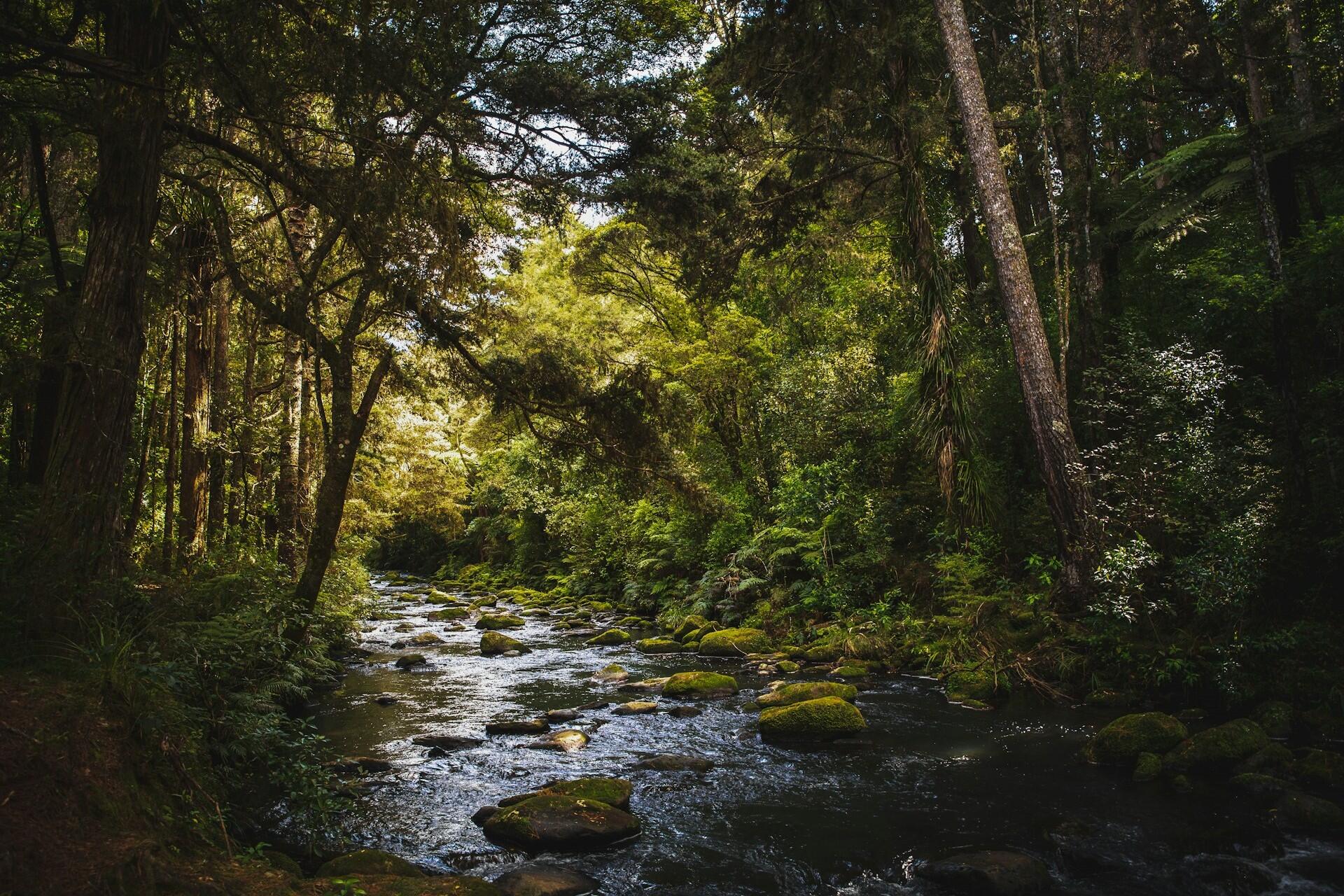
We've seen that kaitaiki can take many forms, such as people, spiritual beings, or even animals. As long as they protect the whenua (land), wai (water), and taonga (treasured resources), they could be considered kaitiaki. So, who are the kaitiaki? They could be:
- Taniwha – Spiritual beings or guardians of rivers, lakes, or the ocean, protecting them from harm.
- Ancestral spirits – Māori believe that their tīpuna (ancestors) continue to watch over the land and guide their descendants in caring for it.
- People (Tangata Whenua) – Local iwi (tribes) and hapū (sub-tribes) act as kaitiaki, ensuring that Māori customs, tikanga (protocols), and environmental responsibilities are upheld.
- Animals – Some species, such as birds or fish, are considered kaitiaki of specific areas, serving as indicators of the environment’s health.
Responsibilities of Kaitiaki in Protecting the Environment
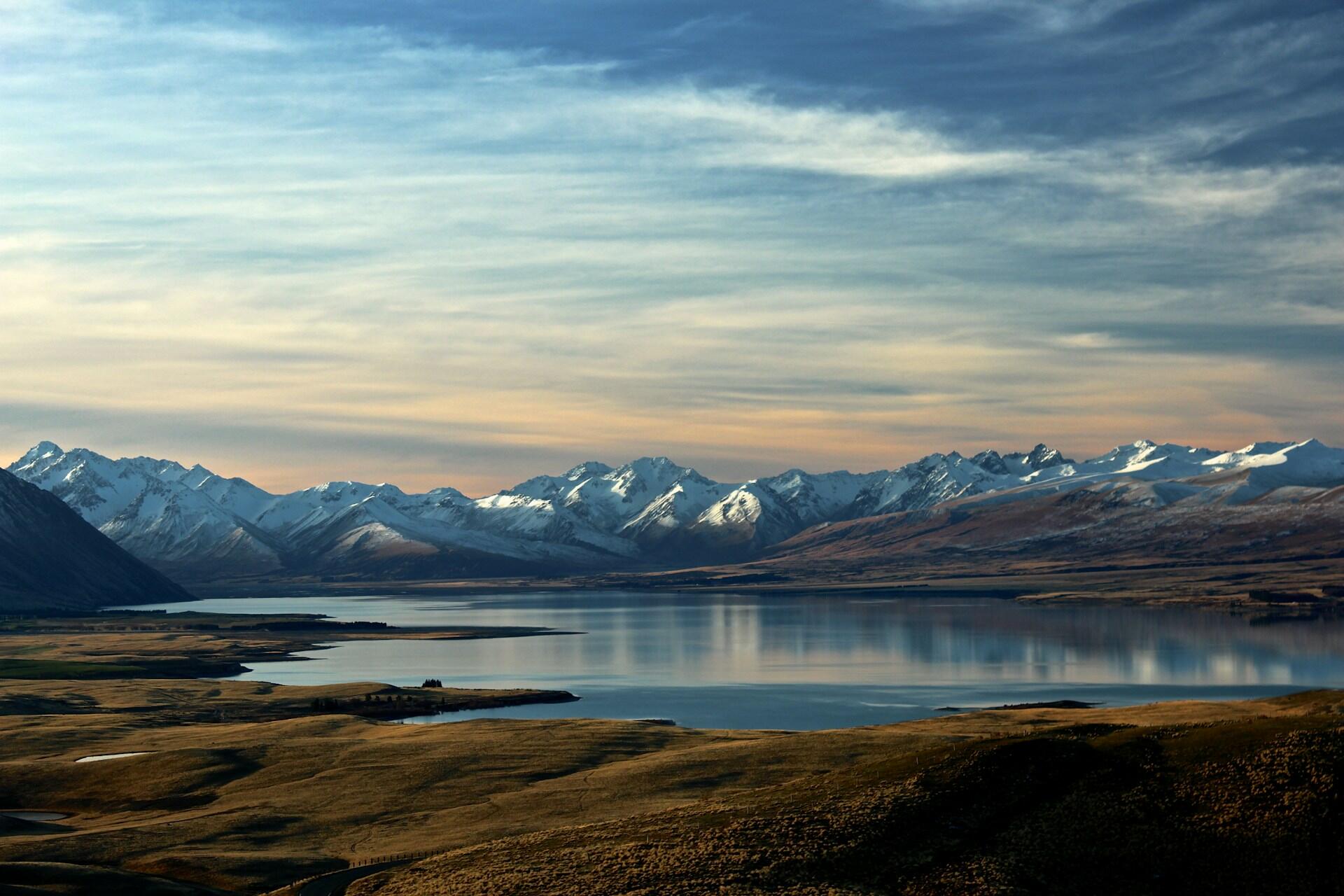
Kaitiaki have more to do than just conservation. They have to maintain the spiritual, cultural, and physical integrity of the land and its resources. This could include:
- Protecting the environment's mauri (life force) to ensure balance and sustainability.
- Managing resources responsibly so they are not depleted for future generations.
- Preserving Māori knowledge and traditions related to land and resource use.
- Acting as advocates for the protection of whenua (land), awa (rivers), moana (ocean), and ngahere (forests).
of Māori authorities have undertaken climate change actions based on kaitiakitanga principles
Modern Examples of Kaitiaki in Action
Māori communities continue to play the role of kaitiaki in several ways. This includes:
- Restoring rivers and wetlands to protect native species and water quality.
- Leading conservation projects to reintroduce native flora and fauna.
- Advocating for legal protections to safeguard sacred sites and traditional lands.
- Educating future generations about the importance of sustainable practices.
In 2014, Te Urewera, a former national park, was granted legal personhood, recognising its intrinsic mana and mauri. The Tūhoe iwi became its official kaitiaki, ensuring that the land is cared for under Māori principles rather than Western conservation models.
Kaitiakitanga, Mana, and Mauri: Understanding the Connection
Kaitikitanga is deeply connected to mana (spiritual authority and prestige) and mauri (life force and vitality). These core elements form a key part of how Māori people see and understand the balance between people, the environment, and the spiritual world and are linked to many different manaakitanga. Kaitikitanga is more than simply practising environmental conservation; it's also about protecting the mana and mauri of the land, water, and all living things.
Mauri Explained: The Life Force of All Things
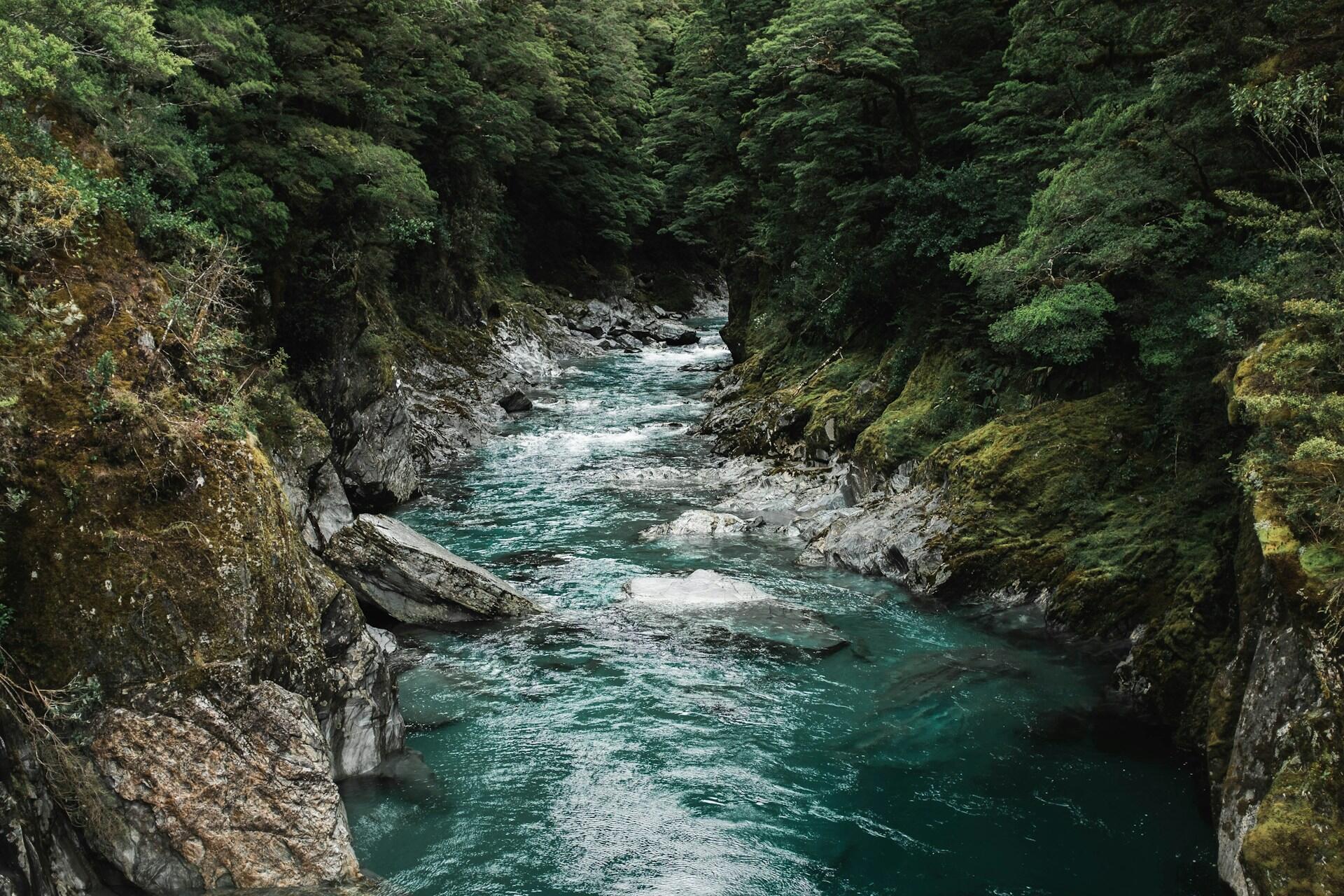
Everything in the natural world, including rivers, forests, oceans, and people, has mauri or a life force. If the land is damaged, polluted, misused, or otherwise harmed, its mauri is weakened, negatively affecting both the environment and the people who depend on it. Kaitiakitanga protects and restores mauri and ensures that natural resources, ecosystems, and communities remain healthy and strong. For example:
- A polluted river loses its mauri, affecting the fish, plants, and people who rely on it. Māori-led restoration projects aim to restore the mauri by cleaning the water, replanting native trees, and respecting traditional knowledge about the river’s health.
- Overfishing in a local area can deplete mauri, so kaitiaki may introduce rahui (temporary bans on resource use) to allow the environment to regenerate.
Mana and the Responsibility of Kaitiakitanga
Mana is spiritual power, authority, and respect. It's also connected to kaitikitanga. Mana can be diminished if iwi, hapū, or individuals don't act as proper guardians. Conversely, protecting and sustaining the environment can enhance mana for both the land and the people. By practising kaitikitanga, mana can be increased in the following ways:
- Upholding tikanga (cultural practices) related to environmental care.
- Ensuring that resources are used sustainably, so future generations can continue to thrive.
- Respecting the tapu (sacred nature) of certain places, such as burial sites, ancient forests, or rivers with deep ancestral significance.
A Holistic Māori Approach to Well-Being
While individual concepts such as kaitikitanga, mana, mauri, etc., exist, they are typically interconnected within the holistic Māori worldview. The connection to the land means that by caring for the land, Māori people care for themselves and their spiritual and physical well-being.
This view of the world has shaped how Māori people approach environmental conservation, cultural heritage, and sustainable development, and they have effectively been doing it for generations. In the modern world, Māori communities have sought to recognise mauri and mana in laws and to engage with issues such as climate change, pollution, and the restoration of natural habitats.
Kaitiakitanga in an Environmental Context: Beyond Conservation
Though it's quite simple to talk about kaitiakitanga and environmental conservation in the same sentence, you also have to understand that they have a much deeper meaning than the Western notions of sustainability and ecology. The Māori approach of kaitiakitanga combines ecological, spiritual, and cultural knowledge to maintain the balance between people and nature. Like tikanga or certain Māori rules, everything's connected.
Whakapapa refers to genealogy or ancestral connections in Māori culture. It links people directly to the land, water, and all living things. Through whakapapa, the environment is not seen as separate from people but as part of an extended family. This relationship reinforces kaitiakitanga, as caring for the natural world is also about honouring ancestors and protecting future generations. Understanding whakapapa helps explain why kaitiakitanga is both a responsibility and a deeply personal duty.
This is because the Māori view of the world as a living entity, with every river, mountain, forest, and ocean having mauri. This means that kaitiakitanga considers the spiritual and ancestral relationships that nature has with indigenous people.
of Māori authorities have reduced waste.
Protecting Natural Resources Through Kaitiakitanga
Land, water, and natural resources are all preserved under kaitikitanga, a form of guardianship over territories. Common practices to do this include:
- Rahūi (temporary bans or restrictions) on activities like fishing, gathering seafood, or cutting trees to allow natural ecosystems to recover.
- Reforestation and habitat restoration efforts to heal damaged land and prevent soil erosion.
- Sustainable fishing and hunting practices, ensuring species are not overharvested.
- Protecting rivers, lakes, and coastal areas from pollution and degradation.
This uniquely Māori approach to conservation also honours whakapapa (ancestral connections). It strengthens the relationship between the people and the environment that they call home.
Tapu Explained: Sacred Places in Kaitiakitanga
Tapu is a concept that holds special cultural and spiritual significance. This is loosely translated to sacredness, which means places have to be treated with the utmost respect, especially the following:
- Rivers and lakes are believed to be the dwelling places of taniwha (spiritual guardians).
- Ancestral burial sites, which are protected from damage or destruction.
- Mountains and forests that are considered the homes of atua (Māori gods).
Kaitiakitanga and Climate Change: A Māori Approach to Sustainability
In the fight against climate change and environmental degradation, kaitikitanga has never been more important.
The New Zealand Climate Change Commission (He Pou a Rangi) incorporates Māori knowledge and kaitiakitanga principles in its approach to climate action. Many Māori leaders advocate for indigenous land practices, reforestation projects, and sustainable resource management as part of Aotearoa’s commitment to reducing carbon emissions.
Fortunately, Māori communities have recently led initiatives to:
- Advocate for indigenous environmental rights in national policies.
- Implement traditional ecological knowledge in land and water management.
- Restore native forests to increase biodiversity and carbon sequestration.
- Educate younger generations about sustainable living and the importance of kaitiakitanga.
Ultimately, by combining kaitikitanga's ancestral wisdom and modern conservation science, Māori groups are demonstrating the strength of this traditional practice as a powerful framework for protecting today's environment.
Why Kaitiakitanga Matters Today
Kaitiakitanga has never been more relevant. The world is facing increasing environmental challenges like climate change, biodiversity loss, and pollution. This means the need for sustainable and responsible ways of living is more important than ever. The concept of Kaitiakitanga is an excellent framework for addressing these issues through long-term care, balance, and respect for the natural world.
It differs from many modern approaches to environmental management that focus on short-term gains or economic outcomes. Instead, Kaitiakitanga is rooted in thinking intergenerationally. It recognises that today's decisions affect the environment and future generations. It encourages people to act as guardians rather than owners of land, water, or natural resources.
More people are recognising that indigenous knowledge systems have value. Māori perspectives, such as kaitiakitanga, are being integrated into legal frameworks. This shift is a positive step toward recognising that sustainable solutions can come from both traditional knowledge and modern science.
- Encourages long-term, sustainable thinking rather than short-term exploitation
- Supports environmental protection and biodiversity conservation
- Integrates cultural, spiritual, and ecological knowledge
- Influences modern environmental policies and legal frameworks
- Strengthens the connection between people and the natural world
If you'd like to learn more about Māori culture or te reo Māori, why not work with a private tutor on Superprof? There are Māori tutors all over New Zealand. With many offering the first session for free, you can even try a few before you choose the right one for you and what you'd like to learn.
Summarise with AI:
Did you like this article? Leave a rating!

 Loading...