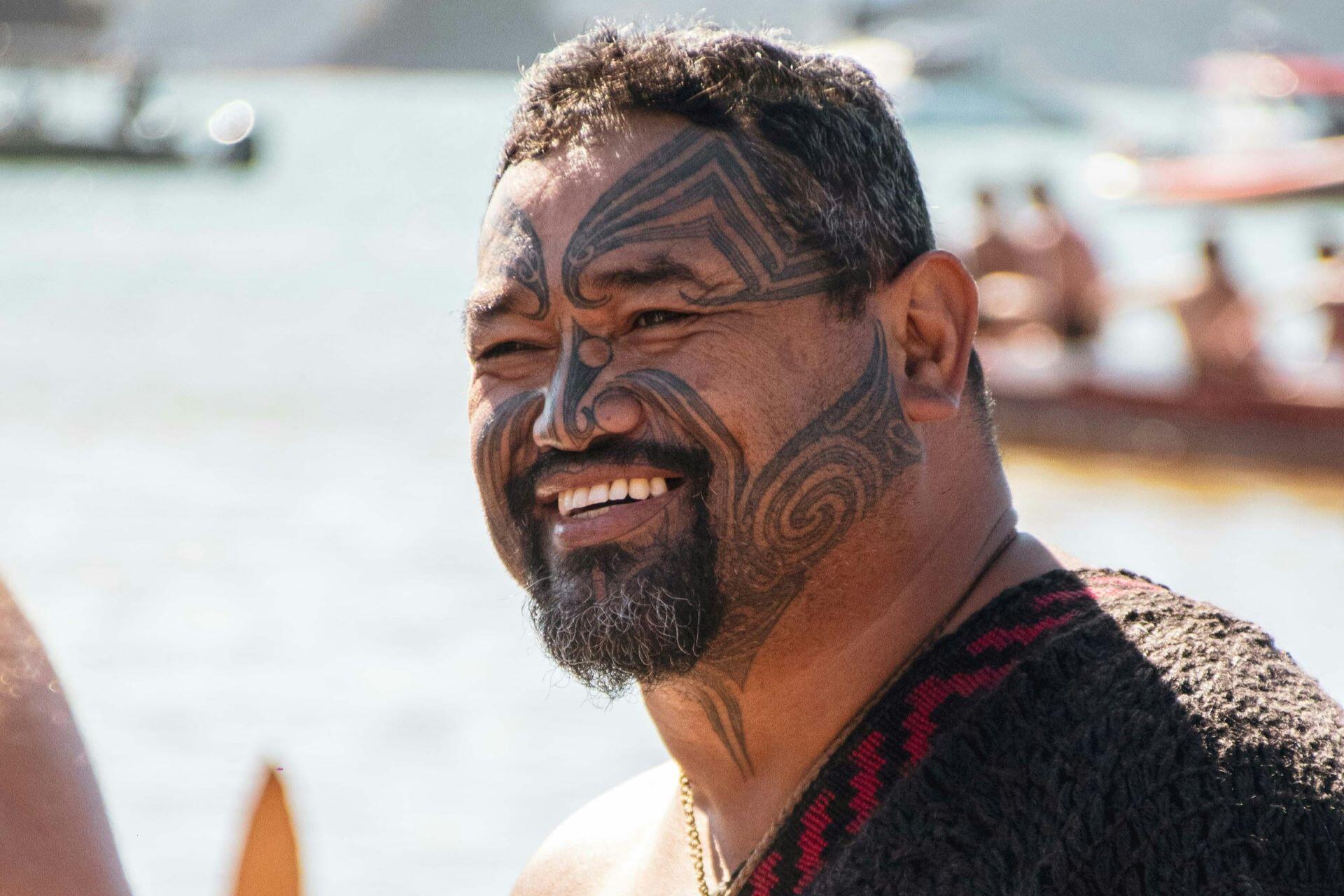

Māori tattoo designs, known as tā moko in the Māori language (te reo Māori), are more than a simple aesthetic choice. They are not just tattoos, but a unique expression of a person's identity, heritage, and life journey. The designs are unique to the wearer and can reflect identity, whakapapa and social status.³ They're an important and fascinating part of Māori culture and art. Let's explore the history of traditional Māori tattoo designs and their use in contemporary Māori culture, too!
Key Takeaways
- Tā moko is a living Māori practice connected with identity, whakapapa, community and tikanga rather than simply a decorative tattoo style.¹⁰
- Moko is developed in relation to the wearer, so treat individual patterns not as entries in a universal symbol dictionary.³
- Tā moko developed specialised practices in Aotearoa, including using uhi to cut or groove the skin.¹
- Moko kauae continues to hold particular cultural importance for Māori women and became increasingly visible again during the Māori cultural renaissance.²
- Māori tā moko and Sāmoan tatau have their own histories, practitioners, techniques and cultural frameworks and should not be grouped together as generic “tribal tattoos”.⁷
- People interested in Māori-inspired tattooing should avoid copying another person's moko and follow the guidance of knowledgeable Māori practitioners.⁴


What Is a Māori Tattoo?
These are not just body decorations; they are a unique visual language that can tell stories of identity, genealogy, social status and a person's life journey. Tā moko belongs within Māori cultural practice rather than functioning as a generic tattoo style. Its significance comes from the relationship between the wearer, the practitioner and the cultural context in which the moko is created.¹
Tā moko is a living Māori cultural practice connected with identity, community and tikanga rather than simply a tattoo style.¹⁰ Moko can express whakapapa, relationships, significant events and aspects of a person's individual story.³ Authentic moko is developed with the wearer and practitioner, so another person's moko should not be treated as a catalogue design to copy.⁴
Tā Moko: The Traditional Māori Practice
Tā moko dates back to early Polynesian body marking and tattooing traditions. When the Māori ancestors arrived in New Zealand from Eastern Polynesia, they brought tattooing knowledge with them. In Aotearoa, the practice developed distinctive Māori techniques, including using narrow uhi to cut grooves into the skin.⁸
The development of tā moko was not only technical but cultural and visual. In Aotearoa, it became a distinctly Māori form of expression connected with identity and storytelling. This is why tā moko should be understood in its Māori context rather than grouped with other Pacific tattoo traditions.³
Is “Māori Tattoo” the Same as Tā Moko?
“Māori tattoo” is a useful broad English search term, but it does not capture everything implied by tā moko. Tā moko refers to a Māori cultural practice with its own tikanga, relationships and responsibilities rather than simply a visual style of tattooing. That distinction is why the practice should be approached with respect, sensitivity and an understanding of its cultural context.¹⁰
The Cultural Meaning of Tā Moko
Every tā moko is highly personalised, carrying meanings specific to the individual and the context in which it is created. Moko can communicate identity, membership and important events in a person's life rather than functioning as generic decoration. Understanding Māori tattoo meanings therefore requires looking beyond isolated shapes and considering the wider story being expressed.³
Identity, Whakapapa and Belonging
- Whakapapa (genealogy): Tā moko designs can reflect a person's family lineage and tribal connections.
- Mana (prestige): Moko has historically been connected with mana and status, although high rank did not automatically mean that a person received moko.¹
- Identity: Tā moko can communicate Māori or tribal identity and connections with whānau, hapū and iwi.¹⁰
- Storytelling: Moko can mark important events and membership while communicating aspects of identity.³
Since tā moko is a form of storytelling and identity, it is not simply a decorative choice. Its significance may sit in the relationships between whakapapa, whānau, hapū, iwi, personal experiences and the individual wearer. No single moko should therefore be assumed to tell exactly the same story as another.³
Why Māori Tattoo Meanings Are Not Universal
- Context matters: A motif's significance can depend on its placement, surrounding forms, and the wider composition of the moko.⁸
- Personal meaning: Moko is created for the individual rather than selected from a fixed catalogue of symbols.³
- Regional connections: Contemporary research has identified relationships between moko, whakairo, rohe and iwi, showing that cultural context can also shape interpretation.⁹
- Avoid decoding strangers: Someone viewing a moko cannot reliably determine the wearer's whakapapa, experiences or intended meaning from individual shapes alone.
There is no reliable "one symbol = one meaning" dictionary for tā moko. A curve, spiral, or pattern can take on significance through its placement, composition, and relationship with the wider moko, rather than carrying one fixed definition on its own.⁸ Contemporary practitioner-led research has also explored relationships between moko patterns, whakairo, rohe and iwi, reinforcing the importance of cultural and regional context.⁹
Patterns and Visual Elements Readers May Encounter
The aesthetics of Māori tattooing, or tā moko, are visually distinctive but rich in variation. Readers may encounter bold lines, curving forms, repetition and intricate compositions developed around the individual wearer. These visual features work together as part of a larger design rather than functioning as a collection of independent symbols.

The significance of moko is therefore more complex than assigning one fixed meaning to every shape. Te Papa describes moko motifs as elements within a wider visual language involving aesthetics, identity and role. Looking at composition and context is more useful than trying to decode each curve separately.⁸
A Brief History of Māori Tattoos
Tā moko is rooted in Māori history in Aotearoa and in earlier Polynesian tattoo traditions brought by Māori ancestors. Over generations, Māori society developed distinctive tools, techniques, and visual practices. The tradition later faced major disruption through colonisation but continued and was revitalised rather than simply disappearing.¹ Tattoos even feature in Māori myth and legend.
Tā Moko Before European Colonisation
Before European colonisation, tā moko was an established, highly skilled Māori practice. Specialist tohunga tā moko developed knowledge of design, patterns, tools, pigments and the processes involved in applying moko. Traditional techniques therefore reflected both technical expertise and the cultural responsibilities associated with the practice.¹
- Uhi (chisels): Traditional uhi were used to cut or groove the skin, while other comb-like instruments could apply pigment.¹
- Pigments: Tā moko pigment was commonly made using charcoal combined with plant-derived oil or liquid.¹
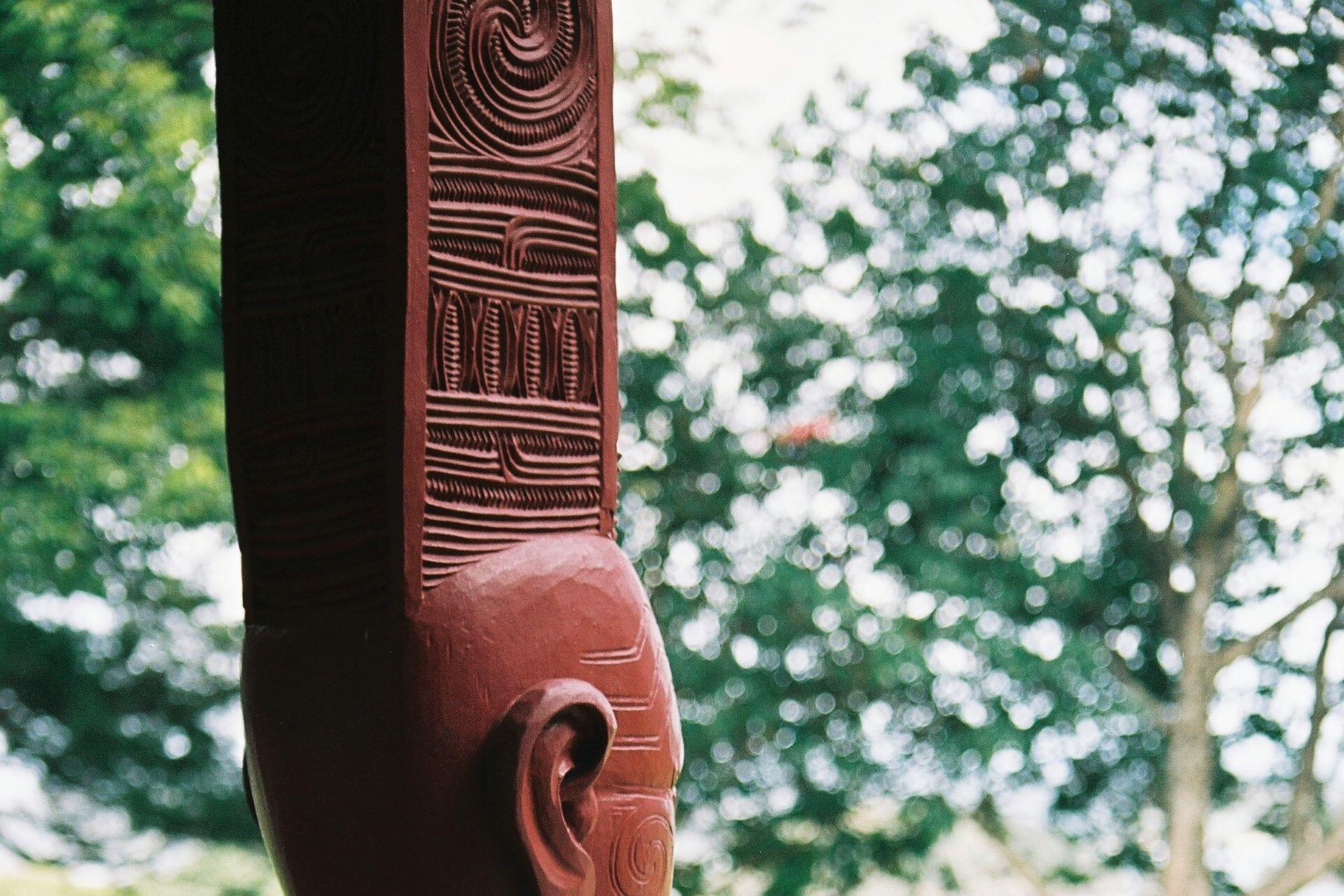
The process was highly skilled and ritualised, and tohunga tā moko were respected specialists. Their work required knowledge extending beyond the physical use of uhi and pigment. The tools were therefore only one part of a wider practice shaped by expertise and cultural knowledge.¹
Colonisation and the Decline of Traditional Moko
European colonisation placed increasing pressure on tā moko and many other Māori cultural practices. Christian missionaries and many Pākehā viewed moko negatively, while broader pressures toward assimilation reduced its visibility during the 19th and early 20th centuries. This decline should not be understood as the tradition disappearing completely, as moko continued despite those pressures.⁸
The Modern Revival of Tā Moko
More recently, tā moko has become increasingly visible as Māori have reasserted cultural identity and inherited artistic practices. From the 1980s, the wider Māori renaissance encouraged renewed use of moko to express Māori and tribal identity. Contemporary practice therefore represents both cultural continuity and active revitalisation rather than the invention of a new tattoo trend.¹
repatriated Toi Moko to explore connections between moko patterns, whakairo, rohe and iwi.⁹
Māori Tattoo Placement and Types
Placement forms part of the overall composition of moko and can contribute to how a work is understood. However, body areas should not be treated as a simple code in which one location automatically produces one fixed meaning. The relationship between placement, design, wearer, and cultural context matters more than a generic placement chart.⁸
Moko Kanohi: Facial Tā Moko
- Facial moko: Moko kanohi refers to moko worn on the face and remains a living Māori cultural practice.⁹
- Identity and whakapapa: Contemporary practitioners connect moko kanohi with identity, ancestry and relationships rather than treating it as a decorative facial tattoo.⁹
- Personal composition: The design belongs to the wearer and the cultural context in which it is created, so another person's moko should not be copied as a template.¹⁰
- Practitioner guidance: Understanding or receiving moko kanohi requires engagement with experienced Māori practitioners rather than relying on generic online design guides.
Moko kanohi refers to facial moko and carries significant cultural meaning in contemporary Māori life. Te Uhi ā Mataora describes moko kanohi as a living expression of identity and whakapapa rather than an historical practice confined to museums.⁹ For that reason, another person's facial moko should not be treated as a fashion reference, costume or design template to reproduce.¹⁰
Moko Kauae
Moko kauae is worn on the chin and has particular cultural significance for Māori women. The practice continued after male full-face moko became less common and became more visible again during the late-20th-century Māori cultural renaissance. Its contemporary resurgence is associated with the reassertion of Māori female identity rather than simply a revival of a historical tattoo style.²
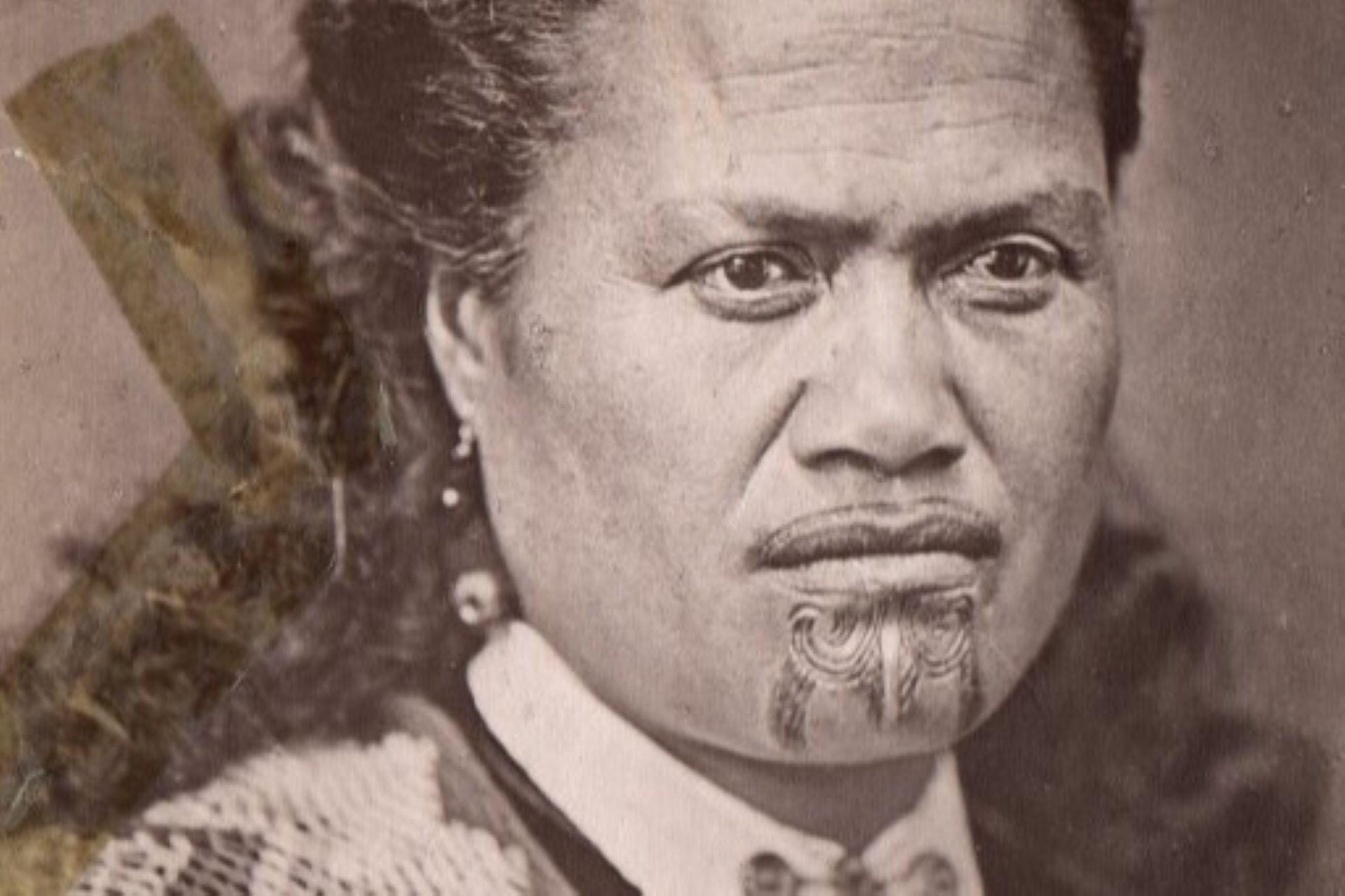
expert tā moko practitioners to apply moko kanohi during the three-day kaupapa.⁹
Body Placements
| Term or type | Placement | What readers should understand |
|---|---|---|
| Moko kanohi | Face | Facial moko has particularly visible cultural significance, while its composition and meaning belong to the wearer and their context.⁹ |
| Moko kauae | Chin | Moko kauae is a culturally significant form of moko associated with Māori women and has remained part of Māori cultural life into the modern period.² |
| Facial moko | Different areas of the face | Placement forms part of a wider composition and should not be treated as a universal code in which every facial area always means the same thing.⁸ |
| Body moko | Arms, shoulders, torso, thighs, hips, legs and other areas | Placement and composition can depend on the individual, practitioner, story and cultural context.³ |
Tā Moko vs Polynesian Tattoos: Key Differences
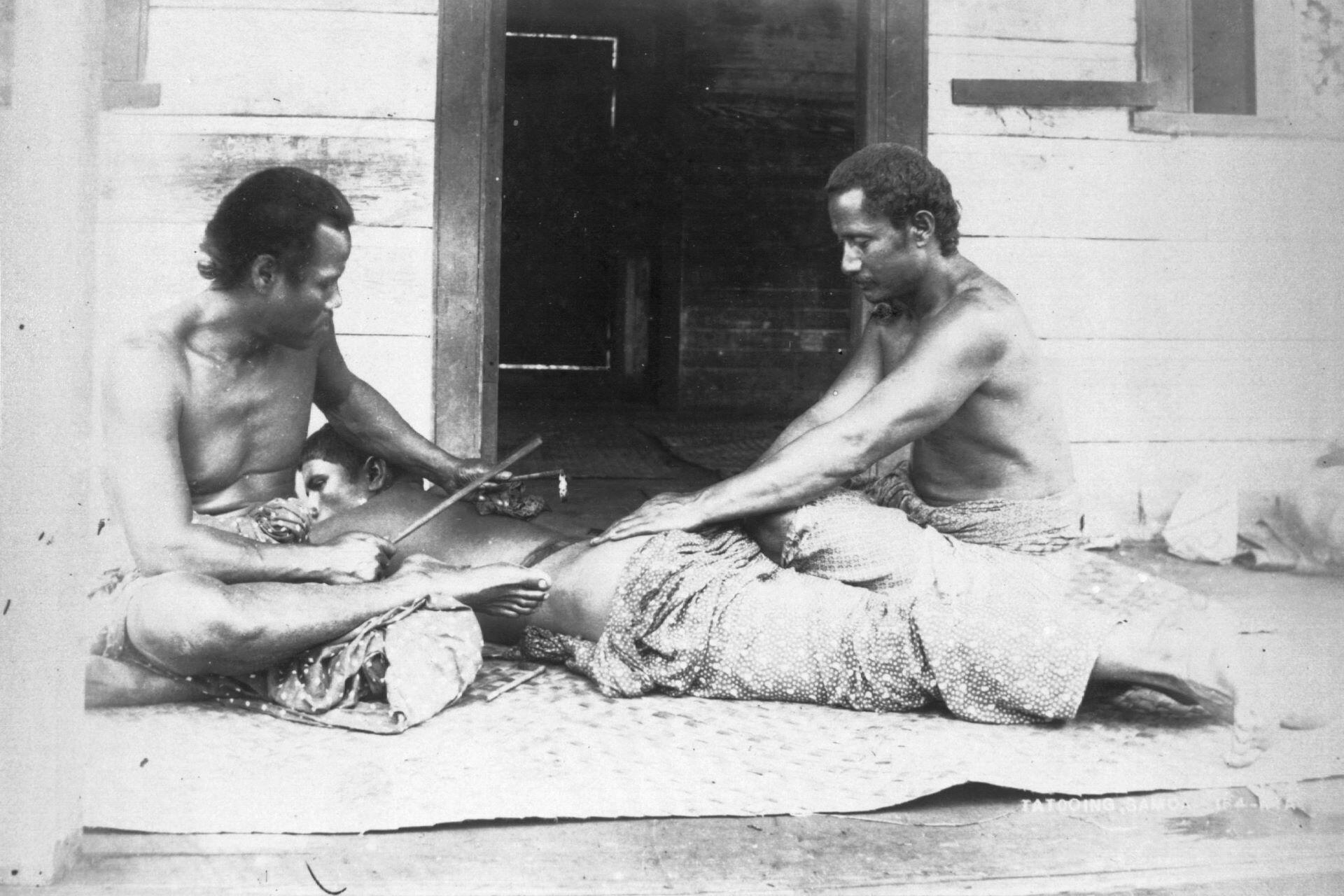
Māori tā moko sits within the wider history of Pacific tattooing, but related traditions should not be treated as interchangeable.⁸ Sāmoan tatau, for example, has its own practitioners, tools, terminology and cultural frameworks. Recognising these distinct cultural traditions gives a more accurate picture than grouping everything under one generic “Polynesian tattoo” label.⁷
Māori Tattooing and Sāmoan Tatau
Maori Tattoos (Tā Moko)
- Origin: Tā moko developed in Aotearoa among Māori from tattoo traditions brought from Eastern Polynesia.⁸
- Technique: Traditional facial moko developed deeply grooved forms cut into the skin with uhi.⁸
- Context: Tā moko is connected with Māori identity, communities and cultural practice.¹⁰
Sāmoan Tatau
- Tradition: Sāmoan tatau is a separate Pacific tattoo tradition with its own practitioners, tools and cultural structures.⁷
- Pe'a: This dense form traditionally covers the male body from the waist to the knee.
- Malu: The corresponding form for women covers the upper thigh to behind the knee and is less densely tattooed.⁷
| Point of comparison | Māori tā moko | Sāmoan tatau | Generic “tribal-style” tattoo |
|---|---|---|---|
| Cultural origin | Māori, Aotearoa New Zealand.⁸ | Sāmoan.⁷ | A broad commercial label rather than one specific Indigenous cultural tradition. |
| Cultural framework | Connected with Māori identity, whakapapa, tikanga and community.¹⁰ | Connected with Sāmoan identity, community and cultural practice.⁷ | Context varies and may combine or imitate visual elements from unrelated traditions. |
| Practitioners | Kaitā and practitioners of tā moko.¹⁰ | Traditionally practised by specialist tufuga tatatau.⁷ | Usually practised by general tattoo artists. |
| Traditional approach | Includes distinctive uhi techniques, including cutting or grooving the skin.¹ | Traditionally applied with specialist hand tools and tattooing combs.⁷ | No single traditional method. |
| Meaning | Personal and contextual rather than reducible to one fixed symbol dictionary.⁸ | Meaning exists within Sāmoan cultural and community contexts.⁷ | The label itself does not carry one authentic Indigenous cultural meaning. |
Why “Tribal Tattoo” Is Too Broad
- Commercial label: "Tribal tattoo" is a broad commercial term rather than the name of a single Indigenous tattoo tradition.
- Loss of cultural context: Using it as an umbrella term can obscure important differences between Māori tā moko, Sāmoan tatau and the practices of other Pacific and Indigenous cultures.
- Use specific terminology: Where the cultural origin is known, using the appropriate name gives readers more useful information and avoids reducing distinct traditions to a visual style.
Can Non-Māori Get a Māori Tattoo?
Greater international awareness of tā moko has naturally increased interest in Māori tattoo design. That interest does not mean every moko or Māori visual form is available to copy, because tā moko remains rooted within Māori communities and cultural practice. Te Uhi ā Mataora acknowledges the art's international reach while emphasising integrity, tikanga, and responsibility in its practice.¹⁰
Start With Cultural Respect, Not a Design Request
The best starting point is to learn about tā moko from Māori practitioners and communities, rather than arriving with an existing person's moko to copy. If you're inspired by Māori tattooing, understanding the cultural significance of what you are considering matters as much as the visual result. Māori practitioners themselves emphasise respect for culture, ancestry and the person receiving the work.⁴
Understanding Kirituhi
Some Māori practitioners use the term kirituhi for Māori-inspired tattooing that can be created for people of different nationalities. Sunset Tattoo uses the term while also stressing that any approach to tā moko or Māori-inspired tattooing should begin with respect for Māori history, culture and genealogy. Because terminology and practice are not completely universal, the best approach is to let the Māori artist or practitioner guide both the language and the design.⁴
References
- Higgins, Rawinia. “Tā Moko – Māori Tattooing.” Te Ara: The Encyclopedia of New Zealand, 5 Sept. 2013. https://teara.govt.nz/en/ta-moko-maori-tattooing. Accessed 29 Sept. 2026.
- Higgins, Rawinia, and Paul Meredith. “Women of Rank.” Te Ara: The Encyclopedia of New Zealand, 11 June 2013, updated 1 June 2017. https://teara.govt.nz/en/te-mana-o-te-wahine-maori-women/page-3. Accessed 29 Sept. 2026.
- Paama-Pengelly, Julie. “Tā Moko.” Julesartistmoko. https://www.julesartistmoko.com/taamoko. Accessed 29 Sept. 2026.
- Sunset Tattoo. “Ta Moko.” Sunset Tattoo. https://www.sunsettattoo.co.nz/tamoko. Accessed 29 Sept. 2026.
- Taonui, Rāwiri. “Māori Traditional Law.” Te Ara: The Encyclopedia of New Zealand, 2 June 2017. https://teara.govt.nz/en/te-ture-maori-and-legislation/page-1. Accessed 29 Sept. 2026.
- Te Aka Māori Dictionary. “Koru.” https://maoridictionary.co.nz/word/3074. Accessed 29 Sept. 2026.
- Museum of New Zealand Te Papa Tongarewa. “Sāmoan Tatau (Tattooing).” Collections Online. https://collections.tepapa.govt.nz/topic/1560. Accessed 29 Sept. 2026.
- Museum of New Zealand Te Papa Tongarewa. “Tāmoko | Māori Tattoos: History, Practice, and Meanings.” Te Papa. https://www.tepapa.govt.nz/digital-museum/explore-digital-museum/maori/tamoko-maori-tattoos-history-practice-and-meanings. Accessed 29 Sept. 2026.
- Museum of New Zealand Te Papa Tongarewa. “Te Mātātuhi ki Te Papa: A Celebration of the Living Art of Moko Kanohi.” Te Papa, 2025. https://www.tepapa.govt.nz/about/press-and-media/press-releases/2025-media-releases/te-matatuhi-ki-te-papa-a-celebration-of-the-living-art-of-moko-kanohi. Accessed 29 Sept. 2026.
- Toi Māori Aotearoa. “Tā Moko.” Māori Arts New Zealand. https://maoriart.org.nz/committees/ta-moko/. Accessed 29 Sept. 2026.
Summarise with AI:
Did you like this article? Leave a rating!


 Loading...