
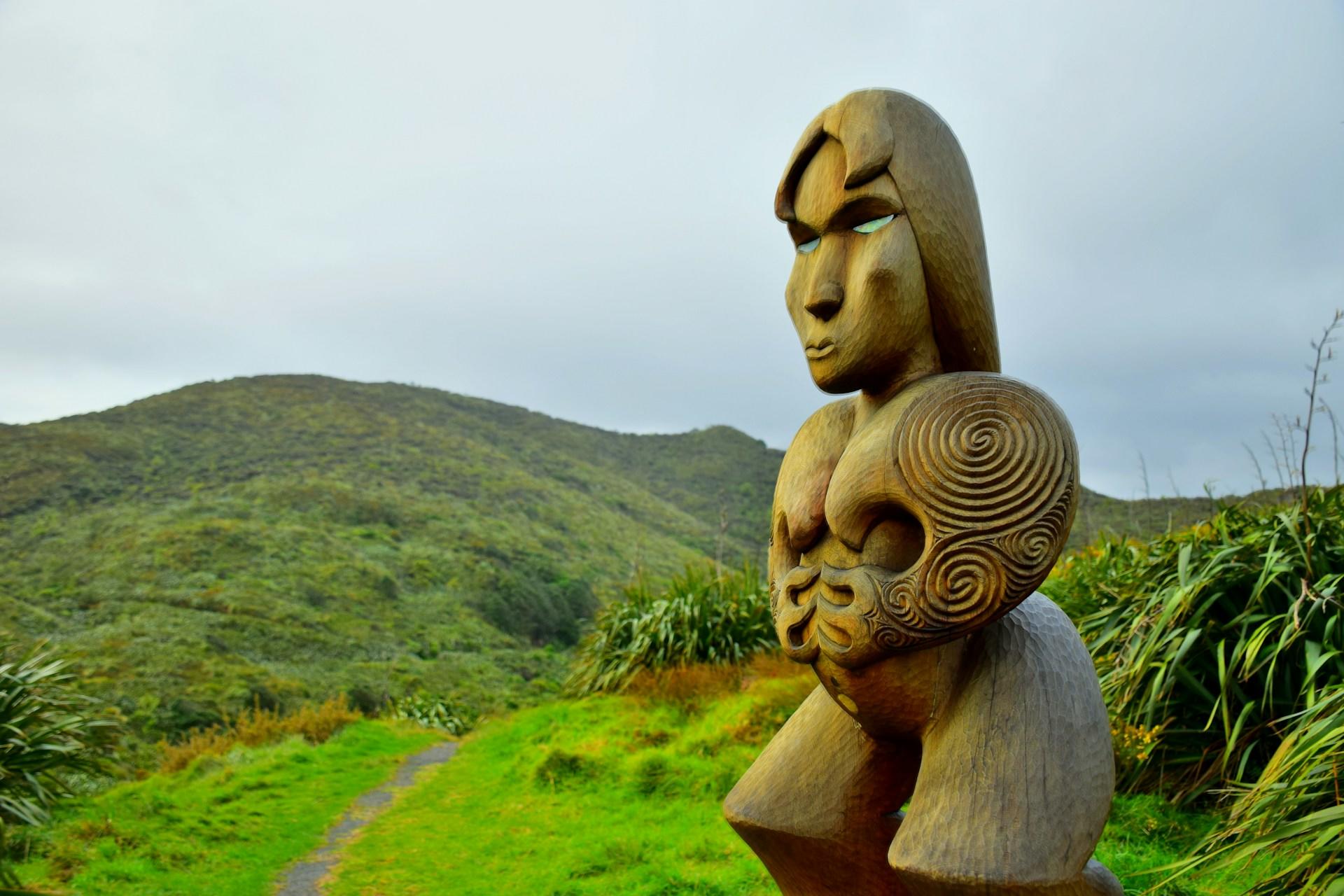

Every culture has its symbols and meanings. Some of the most recognisable Māori symbols and meanings include the koru for growth and renewal, manaia for guardianship, hei matau for strength and safe travel, and pikorua for connection and enduring relationships. Keeping in mind that meaning can depend on iwi and hapū traditions, the artist, the wider composition, and the whakapapa or story behind a particular work, let's explore some common and meaningful Māori symbols.
Key Takeaways
- Māori symbols do not have universal definitions: their meanings can vary according to the artist, iwi, hapū, context, and the wider design.
- Koru, manaia, hei matau and pikorua are among the most familiar Māori symbols, commonly associated with growth, guardianship, strength and connection.
- There is no single universal Māori symbol for family, although pikorua and interlocking koru are often used in designs expressing whānau relationships.
- Hei tiki, unaunahi and niho taniwha also carry important cultural associations, but their meanings should not be reduced to simple decorative labels.
- Context matters especially with tā moko and taonga, where identity, whakapapa, the maker and the person connected with a design may all contribute to its significance.


At a Glance: Common Māori Symbols and Their Meanings
There are many Māori symbols. You'll see them across carving, weaving, jewellery, tā moko and contemporary art, with familiar forms including the koru, manaia, hei matau and pikorua, which feature in Māori legends. Common meanings include growth, connection, guardianship, strength, and safe travel, but these associations are not fixed definitions that apply to every design.²
Māori symbols and patterns do not always have one universal definition. Their meaning can depend on iwi or hapū traditions, the artist, the wider design and the whakapapa or story connected with a particular work, so common associations should not be treated as fixed translations.²
| Māori symbol or pattern | Often associated with | Common contexts |
|---|---|---|
| Koru | New beginnings, growth, harmony and renewal | Carving, painting, jewellery and contemporary design |
| Manaia | Guardianship, guidance and spiritual strength | Whakairo, jewellery and decorative art |
| Hei matau | Strength, abundance and safe travel over water | Pendants, carving and contemporary jewellery |
| Pikorua | Connection, enduring relationships and unity | Jewellery and contemporary carving |
| Hei tiki | Ancestry, identity and whakapapa in some contexts | Taonga, pounamu pendants and carving |
| Unaunahi | Fish scales and, in some contexts, abundance or prosperity | Whakairo and repeating decorative patterns |
| Niho taniwha | Lineage, strength and protection in some contexts | Tukutuku, tāniko and visual design |
The Meaning of Popular Māori Symbols
You'll see a lot of Māori symbols draw inspiration from people, animals, plants and the natural world. Others are repeating patterns, or stylised figures. The meaning can change according to who makes it, its context, and where it appears.² The meanings and definitions that follow should be used as a guide for those unfamiliar with the symbols, not absolute definitions.
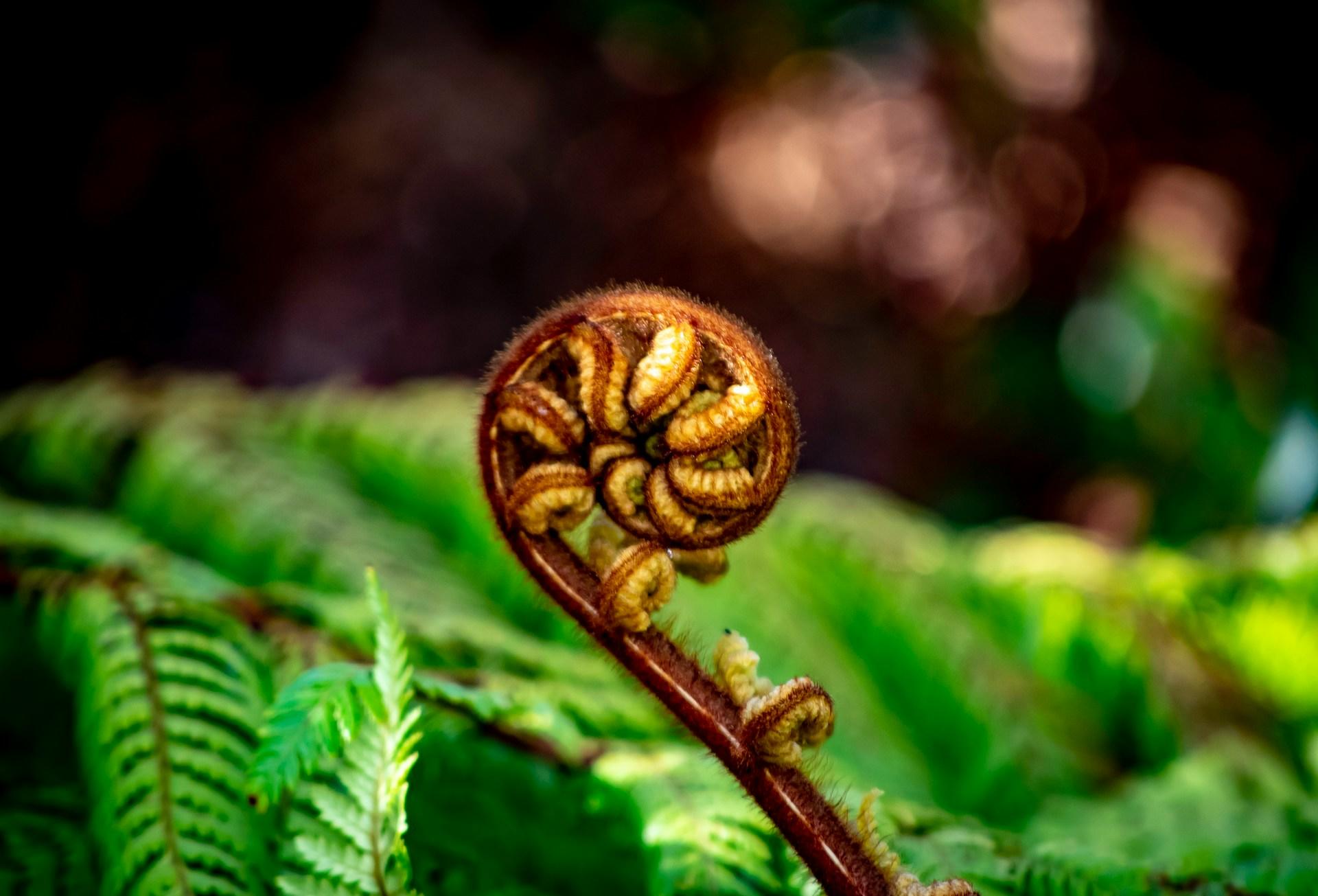
Koru: New Life, Growth and Renewal
A spiral based on an unfurling fern frond.
New beginnings, growth, renewal and harmony.²
Carving, painting, jewellery and contemporary design.
Its exact meaning can depend on the artist and wider design.
The koru is a distinctive spiral form. It's based on an unfurling fern frond. Since it looks like it's moving and developing, you can see why it's often associated with beginnings, growth, and renewal. You'll often find them in Māori carving and visual art, as well as in jewellery, architecture, and contemporary design. However, the story behind an individual koru can give it a more specific meaning.²
Manaia: A Guardian Figure and Spiritual Balance
A stylised figure often combining bird-like, human and fish-like features.²
Guardianship, guidance and spiritual strength.²
Whakairo, jewellery and other decorative art.
Manaia forms and interpretations can vary between traditions and individual designs.
Often understood as a guardian figure, the Manaia is part human, bird, and fish. The different elements mean it's instantly recognisable in whakairo and other forms of Māori art. Guardianship, guidance, and spiritual strength are common associations, but appearances can vary according to tradition, artist and context.²
combined features: a bird-like head, a human body, and a fish-like tail.²
Manaia is commonly depicted as a stylised figure combining bird-like, human and fish-like features. It is often associated with spiritual guardianship, guidance, and strength, although its form and interpretation can vary across designs and traditions.²
Hei Matau: Strength, Prosperity and Safe Travel
A curved fish-hook form.
Strength, abundance and safe travel over water.²
Pendants, carving and contemporary jewellery.
Historic Māori hook forms served different functions, so modern hei matau should not be treated as a single, unchanging ancient symbol.⁶
The hei matau's use is a key indicator of how important fishing and the sea are in Māori life, which helps explain its modern associations with nourishment, abundance, strength and safe passage over water.² You'll also hear about the fish hook in stories of Māui, including the account in which he uses a magical hook made from an ancestor's jawbone to catch a great fish. Just remember that different forms have different uses so meanings can't be automatically applied to every example.⁶
Hei matau is widely associated today with strength, abundance and safe travel over water. However, research into historic Māori hook forms shows that objects now grouped as hei matau may not all have had the same original function or meaning.⁶
Pikorua: Enduring Connection, Friendship and Whānau
One or more intertwined twists with no obvious beginning or end.
Connection, enduring relationships and paths that remain linked.²
Jewellery and contemporary carving.
It is often chosen to represent friendship, partnership or whānau, but it is not a universal Māori “family symbol”.
The intertwined strands lend themselves to association of connection. Paths separate before joining again, which is likely why it's associated with friendship, partnership, whānau and relationships that endure despite distance or change.² As always, use these meanings as starting points if you're near to the symbol rather than the hard and fast rule for what it all means.
Hei Tiki: Ancestry, Identity and Taonga
A stylised human-form pendant, traditionally often carved from pounamu.
Ancestry, identity, whakapapa and inherited taonga in particular contexts.⁴
Pendants, collections and taonga passed between generations.
Te Papa notes that the original historical meaning of hei tiki is not known with certainty.⁴
These human-form pendants are often carved from pounamu and valued as taonga. The design of the pieces is as important as their story, with importance earned through ownership, inheritance, and their connections with people across generations. They're often discussed in terms of ancestry, identity and whakapapa. Te Papa records several interpretations and notes that their precise significance remains uncertain.⁴
Unaunahi: Abundance and Prosperity
A repeating pattern resembling fish scales.¹
Fish, the sea and, in some artworks, abundance or prosperity.³
Whakairo and repeating decorative pattern work.
Its meaning depends on the artwork and context rather than on a single fixed translation.
This repeating pattern resembles fish scales. You'll see it in traditional carvings and often in larger compositions. Naturally, they're associated with fish and therefore abundance and prosperity. You'll also see them in contemporary works, where they contribute to stories about resources, waterways, or the natural environment.
Niho Taniwha: Strength, Protection and Resilience
You'll recognise niho taniwha by repeating triangular or saw-edged forms. You'll see them in traditions like tukutuku and tāniko. The pattern's often associated with taniwha, chiefly lineage, and collective identity, while particular designs may also link it to qualities such as strength or protection.⁷
A repeating triangular or saw-edged pattern.⁷
Lineage, collective identity and, in some contexts, strength or protection.⁷
Tukutuku, tāniko and contemporary visual design.
Not every triangular Māori pattern is niho taniwha; the surrounding design and cultural context matter.
What Is the Māori Symbol for Family?
While family is a central concept in Māori culture, there isn't a single universal symbol for it, as Māori culture isn't a monolith. Whānau can encompass extended relatives and several generations, while whakapapa connects people through genealogy and shared ancestry.⁹ Today, pikorua and interlocking koru are among the designs commonly chosen to express family connections, but a Māori artist may instead create something specifically connected to a particular whānau and its story.²
generations within one extended family network.⁹
- Pikorua: Often chosen to represent enduring relationships, connection and paths that remain linked over time.²
- Interlocking koru: Can be used in individual designs to represent parents, children or generations. However, this is not a universal fixed meaning.²
- Custom whakapapa designs: Māori artists may create designs that reflect a particular whānau story rather than relying on a standard “family symbol”.⁹
- Whānau: There is no single universal Māori symbol that exclusively means family, and the concept itself can extend across generations and wider kinship networks.⁹
Māori Symbols in Carving, Jewellery and Tā Moko
Te Uhi ā Mataora preserves, enhances and develops tā moko as a living art form and upholds the traditions of the past.⁸
Toi Māori Aotearoa, Te Uhi ā Mataora – Tā Moko Arts
Motifs can take on different meanings through context. For example, it can vary depending on whether it appears in whakairo, jewellery, a treasured taonga or tā moko. Māori carving traditions can vary between regions and iwi, reinforcing why these designs should be understood in their cultural context.¹ You should also remember that tā moko is a living cultural practice connected with identity and whakapapa rather than simply a decorative tattoo style.⁵
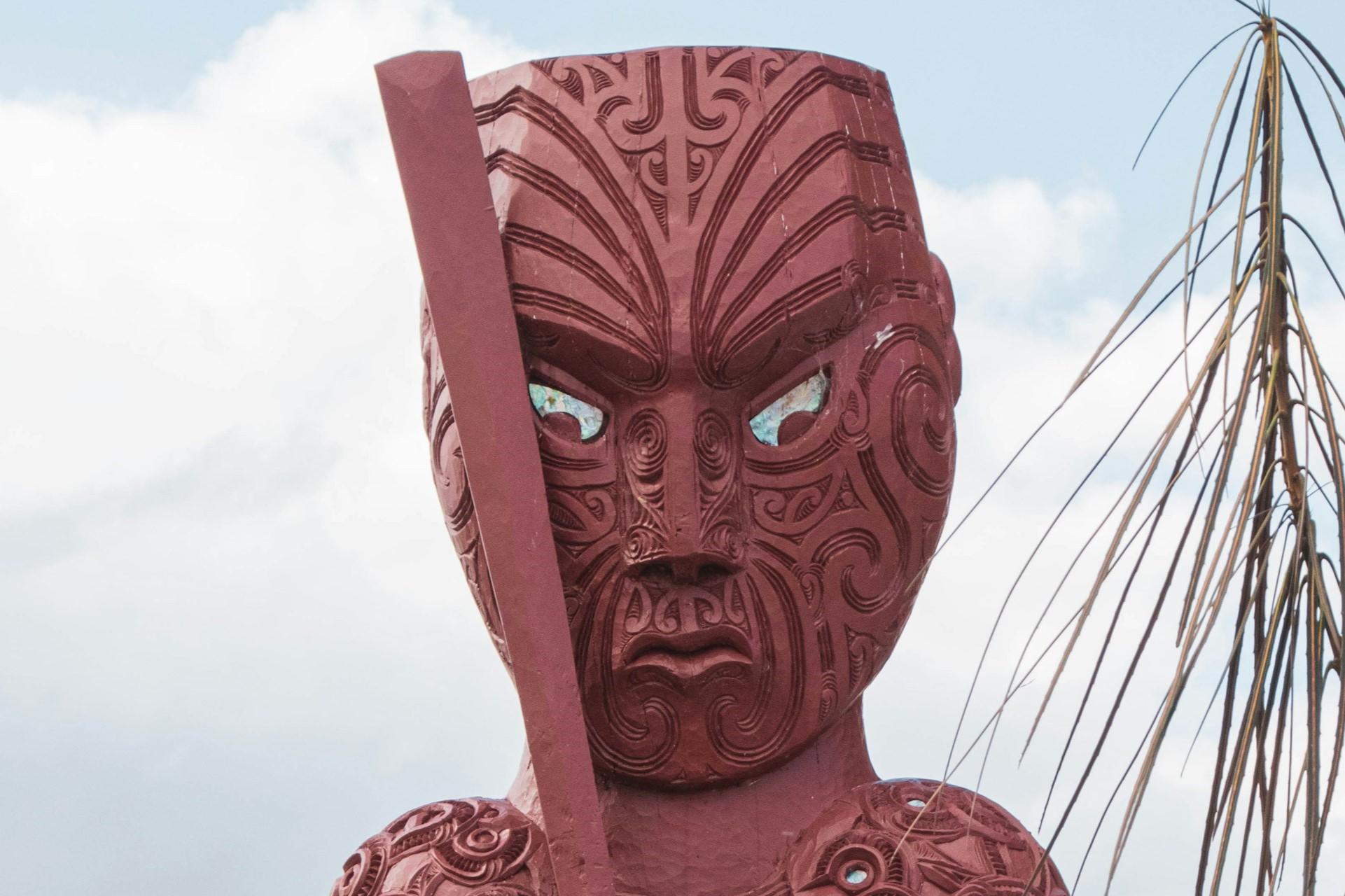
Carving and Visual Art
Māori symbols and patterns appear in whakairo, kōwhaiwhai and tukutuku, where their meaning can depend on the wider composition, location and cultural context.¹
Jewellery and Taonga
Hei tiki can be worn as pendants and treasured as taonga, with individual pieces carrying significance beyond their appearance. Their history, material and connections with particular people can all contribute to their importance.⁴
Tā Moko and Kirituhi
Tā moko is a culturally specific Māori art form connected with identity, whakapapa and personal history. Māori-inspired tattooing outside that context may be described as kirituhi by some practitioners, although terminology and practice can vary.⁵
Learn More About Māori Culture and Symbols
You can start comparing potential tutors by searching for what you'd like to learn about on the Superprof website. With most offering the first session for free, you can always try a few before choosing the right one for you. For concepts as sensitive as culture and symbols, it pays to have an expert.
References
- Graham, Brett. “Whakairo – Māori Carving.” Te Ara – The Encyclopedia of New Zealand, 8 June 2017, https://teara.govt.nz/en/whakairo-maori-carving. Accessed 26 Aug. 2026.
- Intellectual Property Office of New Zealand. “Concepts to Understand.” IPONZ, https://www.iponz.govt.nz/get-ip/maori-ip/concepts-to-understand/. Accessed 26 Aug. 2026.
- Masterton District Council. “Whitipoua Bridge.” Masterton District Council, https://www.mstn.govt.nz/recreation/public-art-trail/whitipoua-bridge. Accessed 26 Aug. 2026.
- Museum of New Zealand Te Papa Tongarewa. “Hei Tiki (Pendant in Human Form).” Collections Online, https://collections.tepapa.govt.nz/object/56145. Accessed 26 Aug. 2026.
- Museum of New Zealand Te Papa Tongarewa. “Tāmoko | Māori Tattoos: History, Practice, and Meanings.” Te Papa, https://www.tepapa.govt.nz/digital-museum/explore-digital-museum/maori/tamoko-maori-tattoos-history-practice-and-meanings. Accessed 26 Aug. 2026.
- Paulin, Chris D. “Porotaka Hei Matau – a Traditional Māori Tool?” Tuhinga, no. 20, 2009, pp. 15–21, https://www.tepapa.govt.nz/assets/76067/1687921682-tuhinga-20-2009-pt2-p15-21-paulin_0.pdf. Accessed 26 Aug. 2026.
- Te Aka Māori Dictionary. “Niho Taniwha.” Te Aka Māori Dictionary, https://maoridictionary.co.nz/search?keywords=tukutuku. Accessed 26 Aug. 2026.
- Toi Māori Aotearoa. “Tā Moko.” Māori Arts New Zealand, https://maoriart.org.nz/committees/ta-moko/. Accessed 26 Aug. 2026.
- Walker, Tai. “Whānau – Māori and Family.” Te Ara – The Encyclopedia of New Zealand, 5 Feb. 2014, updated 1 June 2017, https://teara.govt.nz/en/whanau-maori-and-family. Accessed 26 Aug. 2026.
Summarise with AI:
Did you like this article? Leave a rating!

 Loading...
Interesting info, thank you.