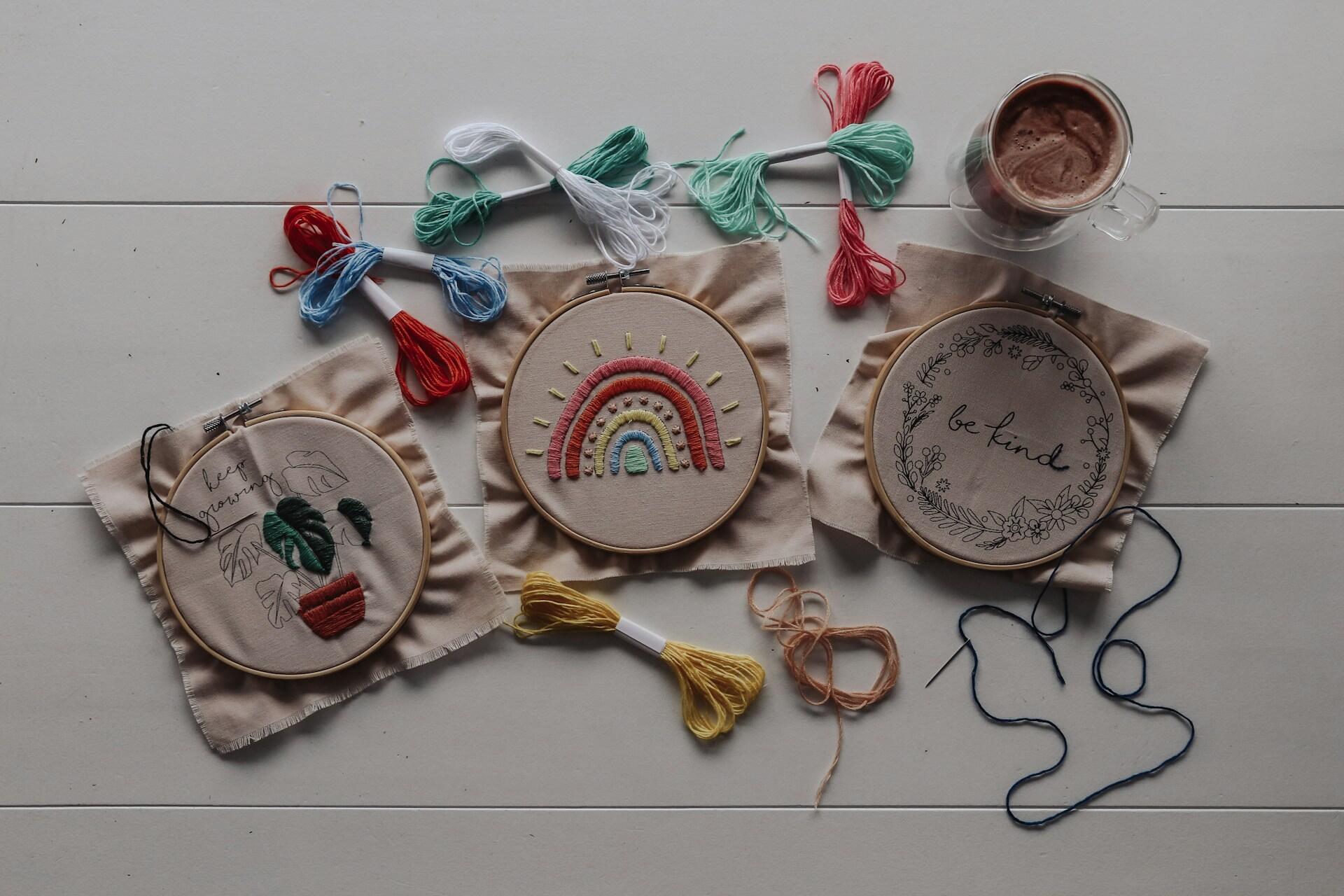

Embroidery is a textile art. It's accessible, enjoyable, and easy to get started with. Want to learn more? Here's our guide.
Key Takeaways
- Start with a small embroidery project
A simple flower, initial, border, sampler or patch is easier to finish than a large, detailed design. - Embroidery is decorative needlework
Sewing often joins or repairs fabric, while embroidery adds colour, texture, pattern and surface detail. - Good preparation makes stitching easier
Choose a stable fabric, lightly transfer the design, secure it in a hoop, and check the direction before you begin. - Your tools can stay simple
Fabric, stranded cotton, embroidery needles, scissors and a hoop are enough for most beginner projects. - There are many ways to keep improving
Online tutorials, stitch libraries, local New Zealand guilds and Superprof tutors can all help you build confidence.


What Is Embroidery?
Embroidery is the act of decorating fabric or another surface with needlework, thread and stitched design.⁵ Unlike sewing, which is for joining or repairing fabric, embroidery is used to create designs. You can start with small motifs, simple lines, or details, and then move on to more advanced styles.¹
Embroidery uses needle and thread to decorate fabric, while ordinary sewing usually joins, repairs or constructs fabric. The two skills overlap, but embroidery is more focused on colour, texture, pattern and surface design. This is why beginners can start with a simple shape or motif before trying more technical needlework.
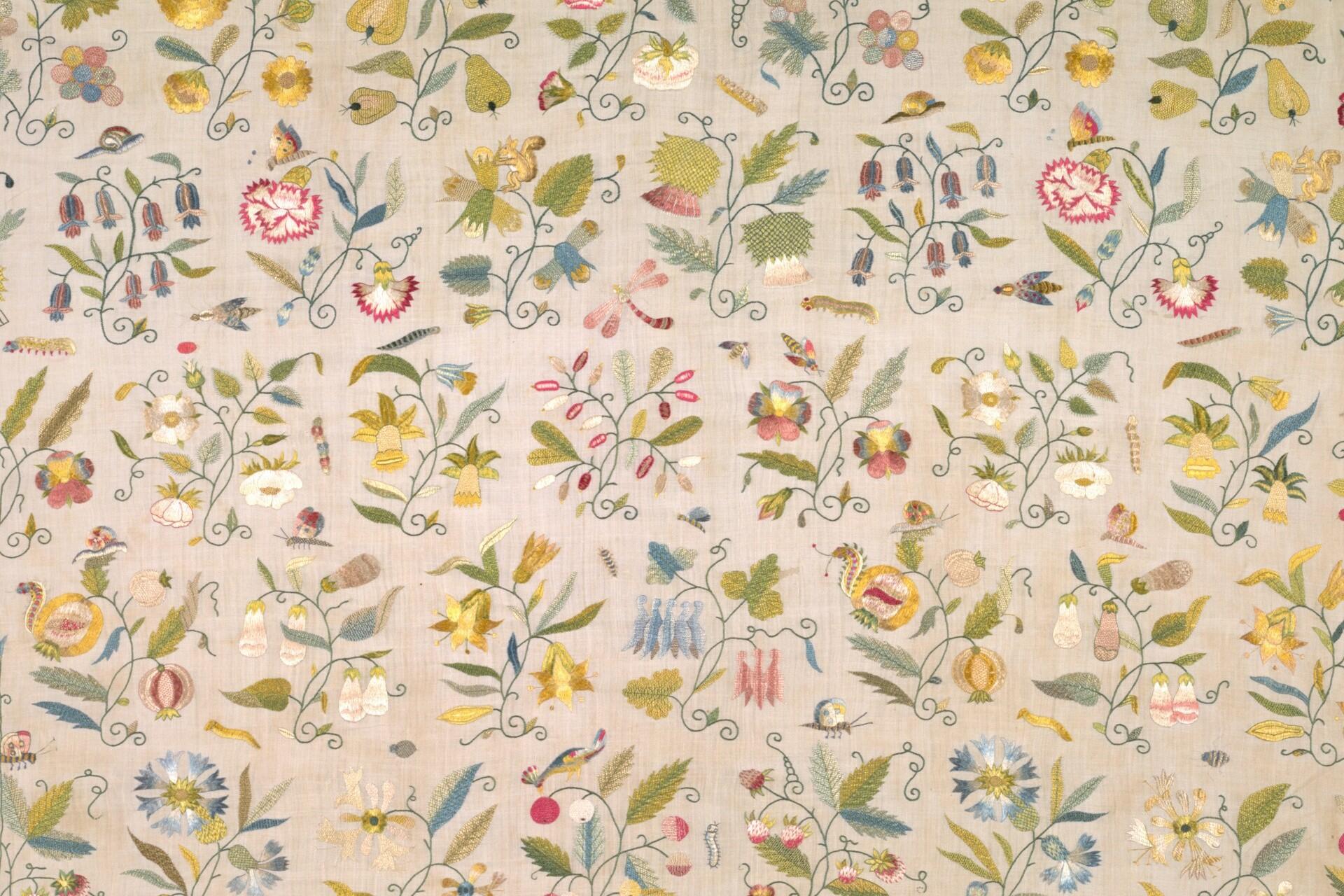
Embroidery is part of the long tradition of textile making, collecting and preservation, including New Zealand’s wider history of sewing, knitting and textile crafts.⁸ You can see examples in museums and craft communities. Te Papa’s textile collections are both practical and artistic examples.⁶
items.
How to Embroider: The Beginner Process
Treat embroidery as a sequence of small steps when you learn to embroider. Choose a design, prepare your fabric, thread your needle, and start stitching. Once you're happy with the basics, move on to experimenting with colour, texture, and more detail.
Choose a Design, Transfer It and Prepare Your Fabric
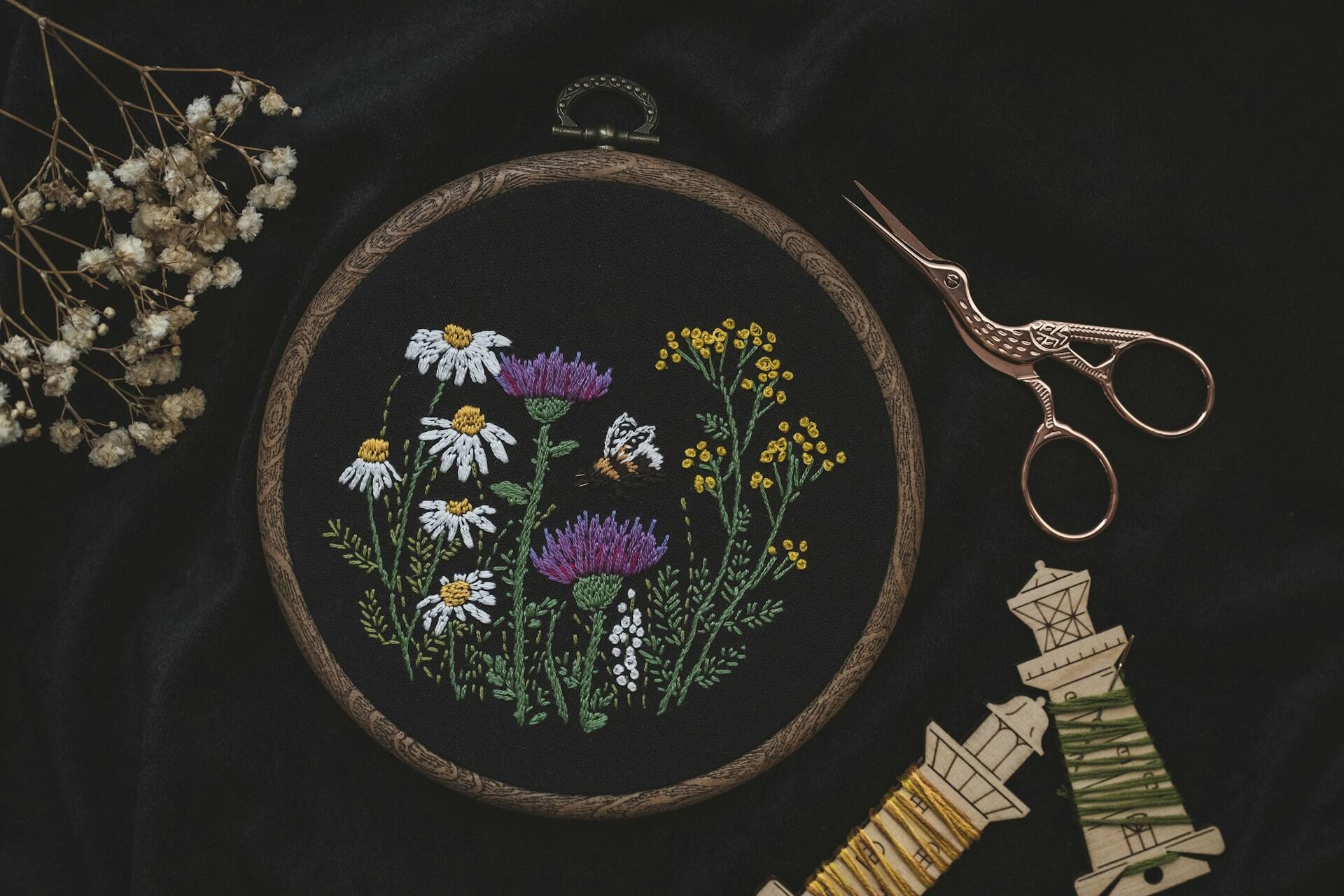
Choose a simple flower, initial, border, shape or motif before attempting a detailed scene.
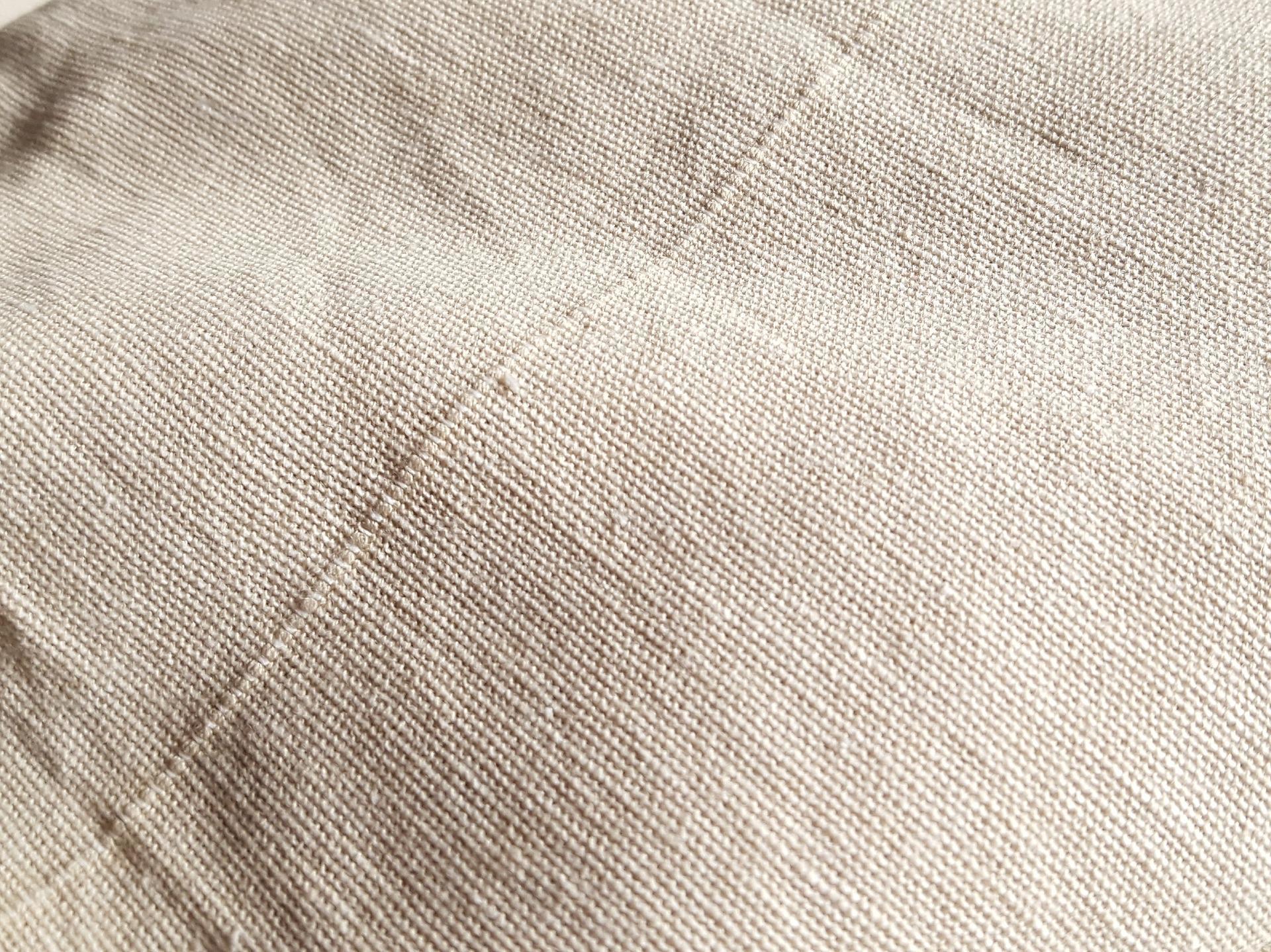
Cotton and linen are good beginner fabrics because they hold their shape better than stretchy garments.
Use a water-erasable pen, transfer paper or printed pattern so the guide can be removed later.
Place the fabric in a hoop or frame to keep the surface smooth while you work.
Make sure the pattern is centred and facing the right way before threading the needle.
Thread the Needle and Start with Simple Lines
Six-strand embroidery floss can be divided, so use fewer strands for fine details and more strands for bolder lines.³
Long thread tangles easily, so start with a shorter length until your hand movement becomes smoother.
Outlines, stems, borders and lettering help beginners practise control before filling larger areas, and stitch guides can help you check the order and direction of each movement.²
Hold the hoop gently and let the needle move through the fabric without forcing it.
Let the needle hang for a moment so the thread can untwist before knots form.
What You Need to Start Embroidery.
Embroidery is incredibly accessible. You don't need any specialist equipment to get started. Choose a few basic embroidery tools to help you learn, and then you can add more materials as you improve.
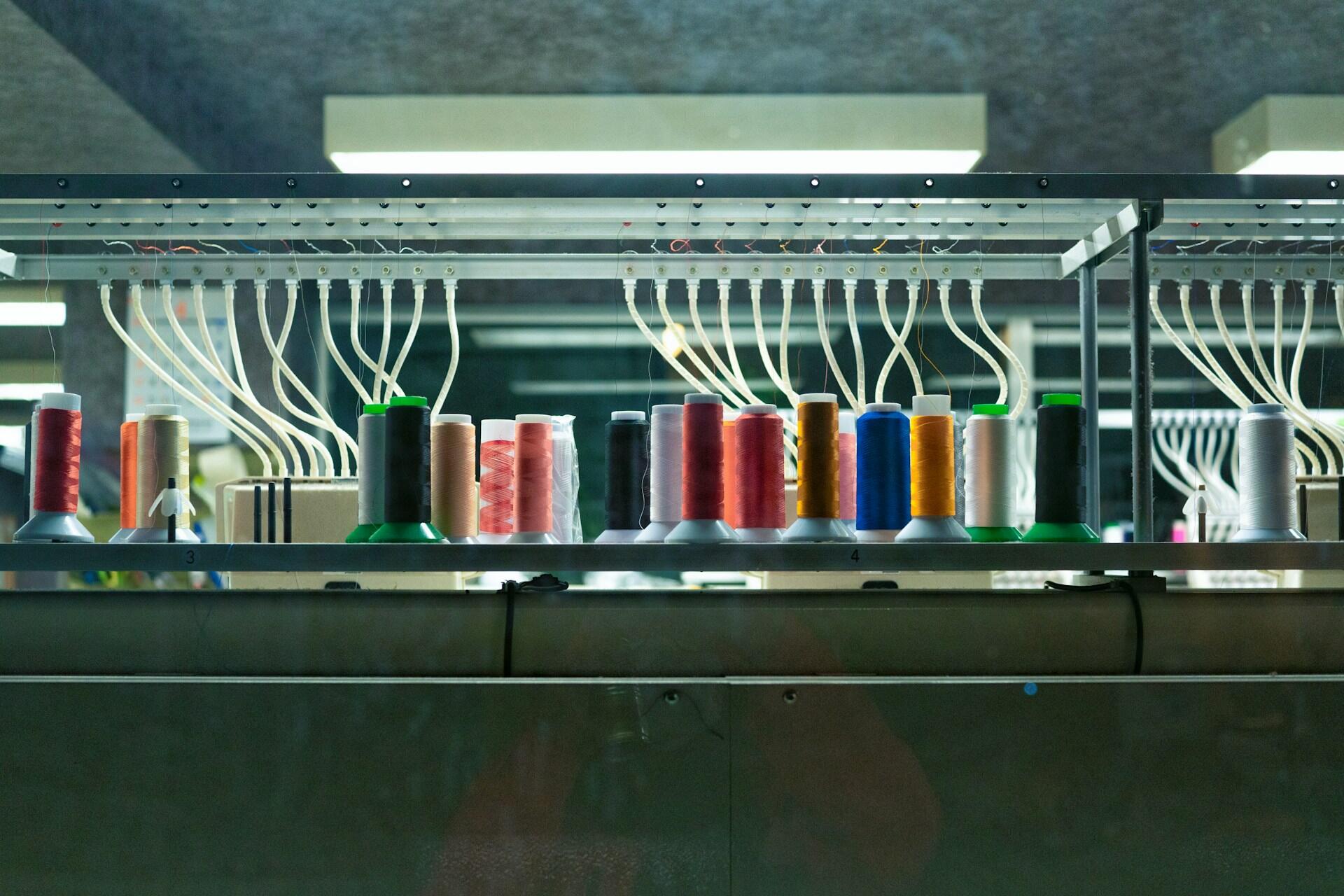
Fabric, Thread, Needles and Hoops
Use Aida for counted designs, cotton for surface embroidery and stronger fabrics for bags or clothing.
The needle eye should fit the thread without shredding it, yet the needle should still pass cleanly through the fabric.
A hoop keeps the fabric taut, making it easier to control tension, spacing and stitch direction.
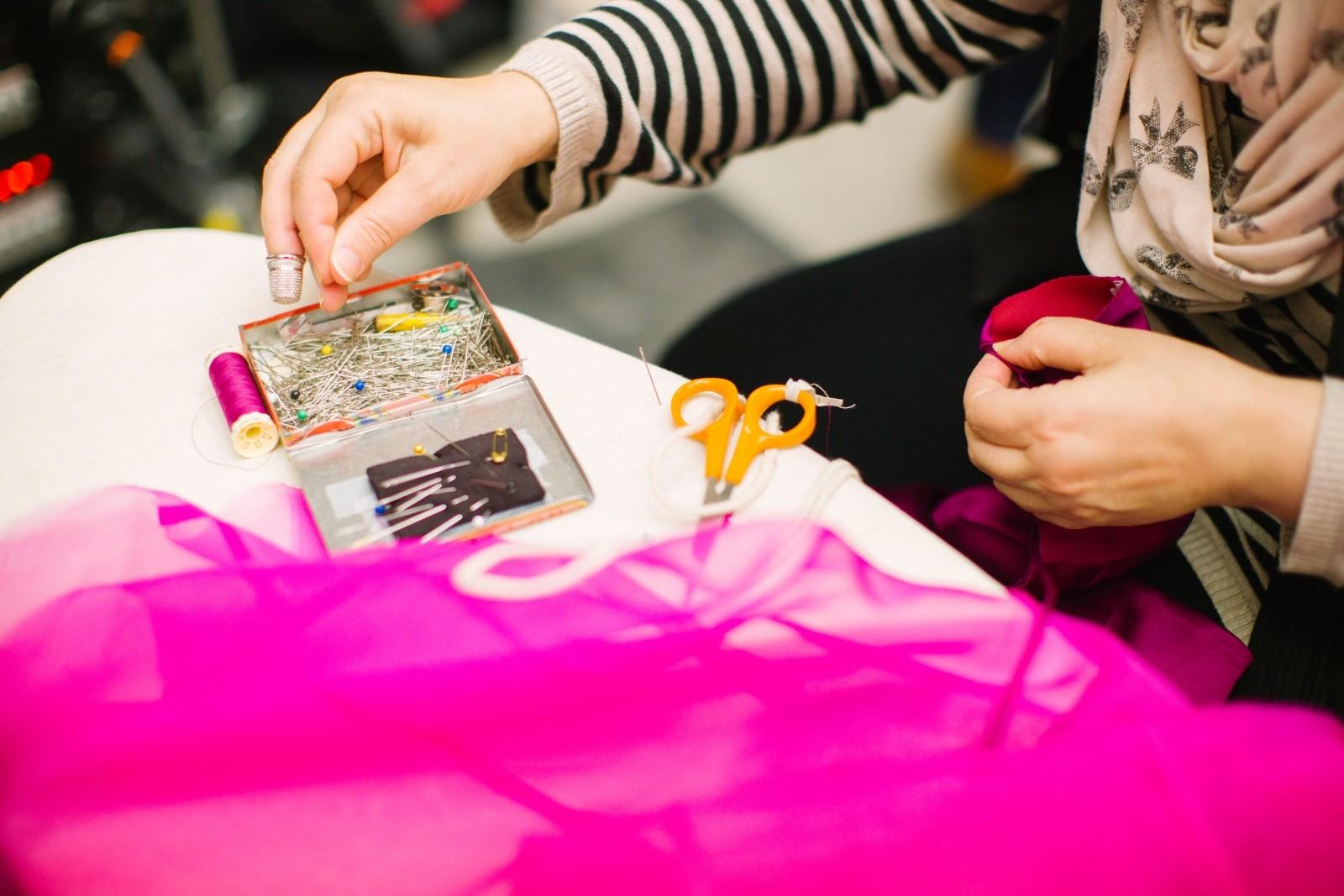
Small embroidery scissors help trim thread close to the fabric without pulling finished work.
Keep thread labelled or grouped by colour so larger projects are easier to return to later.
Different Types of Embroidery to Explore
So far, we've spoken about embroidery generally, but there are many different embroidery styles, from surface decoration to counted, raised and decorative techniques.¹⁰ These are worth exploring once you get better at it, but if you're curious, here's a quick introduction to them. By knowing them, you can choose projects that match your patience, style and confidence.⁴
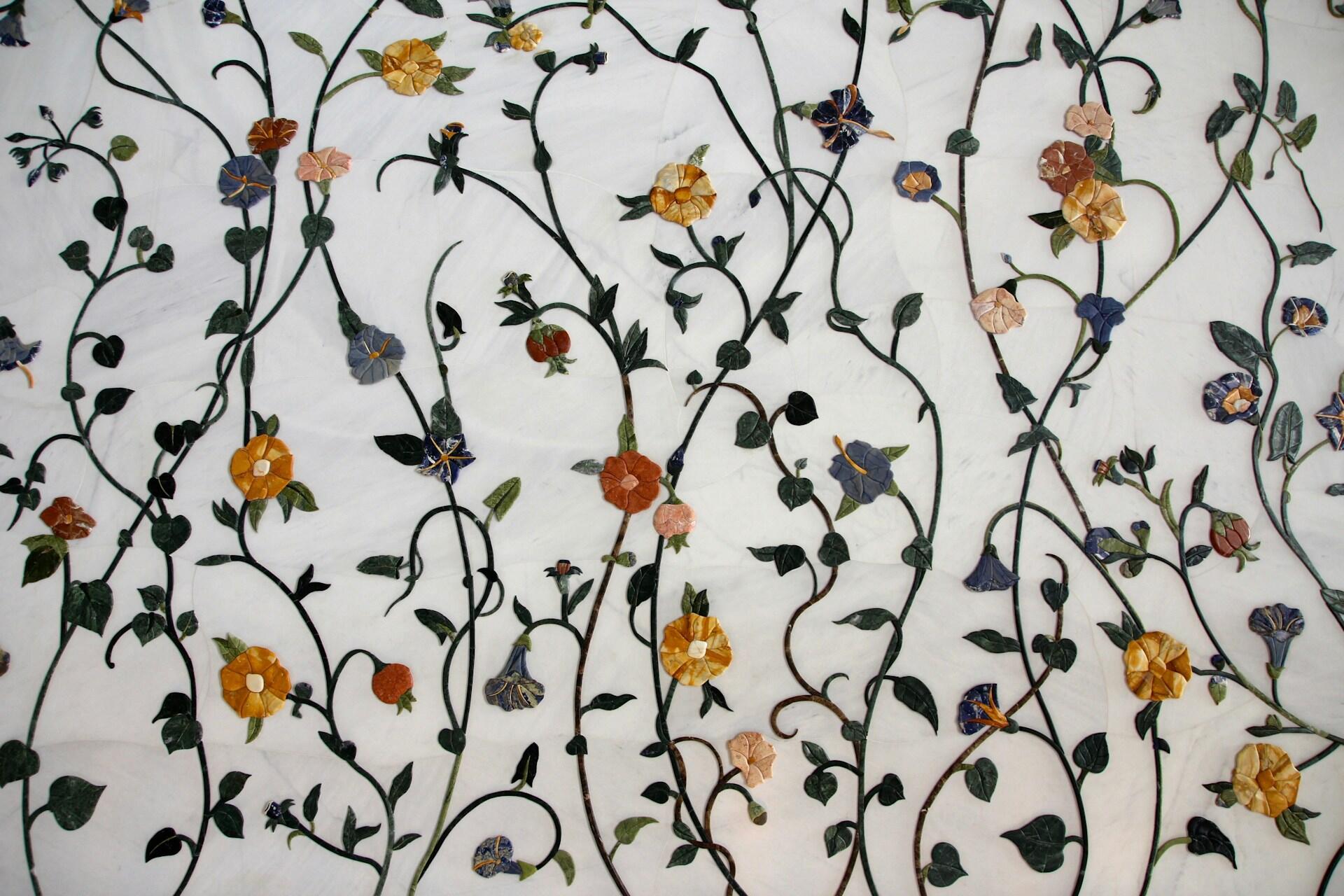
Surface Embroidery, Counted Work and Decorative Styles
Surface embroidery lets you follow drawn shapes, lettering and motifs without counting fabric threads.
Counted-thread embroidery suits learners who enjoy grids, patterns and neat geometric placement.
Cross-stitch is useful when you want a clear pattern and repeated, easy-to-read symbols.
Stumpwork and heavily textured embroidery are exciting, but they are easier once you understand fabric tension.
A tote bag, sampler, hoop design, or decorative patch may each require a different embroidery style.
Easy First Embroidery Projects for Beginners
If you feel like getting started with embroidery, choosing the right project is key. Don't overdo it; look at small pieces to practise. Don't try to manage too many colours, stitches or fabric challenges at once. A good beginner project should focus on a technique rather than a grand design.
Beginners often make faster progress when they choose a small project rather than trying to master every stitch in isolation. A simple hoop design, patch, tote bag or sampler gives each technique a purpose. The goal is not perfection at first, but learning how fabric, thread, colour and hand movement work together.
| Project Type | Good For | Best Fabric | Beginner Challenge | Why Try It |
|---|---|---|---|---|
| Sampler | Practising the basics | Cotton or linen | Keeping spacing even | Low-pressure way to test thread, fabric and design |
| Initial or name hoop | Lettering practice | Cotton | Smooth curves | A simple personalised project |
| Floral motif | Decorative design | Cotton or linen | Filling small shapes | Good for colour and texture |
| Embroidered tote bag | Useful finished item | Canvas or cotton | Stitching on thicker fabric | Turns practice into something practical |
| Patch or badge | Small portable project | Felt or cotton | Neat edges | Easy to finish and attach to clothing |
| Upcycled clothing detail | Personalising clothes | Denim or cotton | Fabric movement | Makes embroidery feel modern and wearable |
How to Do Embroidery and Keep Improving
If you master the basics, regular practice and feedback will help. There are online guides, stitch libraries, and videos. Watch experienced stitchers, too, and don't be afraid to ask questions; you'll find they're all very nice. In New Zealand, you'll find local guilds, community groups and Superprof tutors who can all help. With the right embroidery resources, you'll progress quickly.
If you want to learn more with a tutor on Superprof, just search for "embroidery" on the site. You can browse tutors' profiles and find your ideal tutor. With most offering the first session for free, you can always try a few out before choosing the perfect option for you.
embroiderers’ guilds across New Zealand, giving learners local routes into workshops, community projects and stitch guidance.
Online Tutorials, NZ Guilds and Superprof Tutors
Video tutorials are useful because they show needle angle, thread tension and fabric handling in real time.
A trusted stitch library, such as the RSN Stitch Bank, helps when you forget the step order or want to try a new detail.⁷
New Zealand guilds and community workshops can help learners find advice, demonstrations and encouragement.
A tutor, guild member or experienced stitcher can spot tension problems before they become habits.
Use online tutorials for casual practice, guilds for community learning and Superprof tutors for focused one-to-one support.
References
- Britannica. “Embroidery.” Encyclopaedia Britannica, https://www.britannica.com/art/embroidery. Accessed 17 Jun. 2026.
- DMC. “Step by Step Embroidery Stitch Guide.” DMC, https://www.dmc.com/IE/en-GB/sbs-embroidery-stitch-diagrams. Accessed 17 Jun. 2026.
- DMC. “Six-Strand Embroidery Floss.” DMC, https://www.dmc.com/US/en/products/mouline-special. Accessed 17 Jun. 2026.
- Embroiderers’ Guild of America. “Embroidery Beginners: A Guide to Five Types of Embroidery.” Embroiderers’ Guild of America, 25 Nov. 2019, https://egausa.org/beginners-guide-to-five-types-of-embroidery/. Accessed 17 Jun. 2026.
- Museum of New Zealand Te Papa Tongarewa. “Embroidery.” Collections Online, https://collections.tepapa.govt.nz/category/311281. Accessed 17 Jun. 2026.
- Museum of New Zealand Te Papa Tongarewa. “The Textiles and Dress Collection.” Collections Online, https://collections.tepapa.govt.nz/topic/1651. Accessed 17 Jun. 2026.
- Royal School of Needlework. “RSN Stitch Bank.” RSN Stitch Bank, https://rsnstitchbank.org/. Accessed 17 Jun. 2026.
- Te Ara: The Encyclopedia of New Zealand. “Other Textile Crafts.” Sewing, Knitting and Textile Crafts, 8 May 2013, https://teara.govt.nz/en/sewing-knitting-and-textile-crafts/page-4. Accessed 17 Jun. 2026.
- The Association of New Zealand Embroiderers’ Guilds Inc. “About Us.” ANZEG, https://www.embroiderynz.co.nz/about-us. Accessed 17 Jun. 2026.
- Victoria and Albert Museum. “Embroidery Styles: An Illustrated Guide.” V&A, 17 Apr. 2024, https://www.vam.ac.uk/articles/embroidery-styles-an-illustrated-guide. Accessed 17 Jun. 2026.
Summarise with AI:
Did you like this article? Leave a rating!

 Loading...