
Forensic science is a core part of modern crime investigation, using scientific methods to analyse evidence and support criminal cases. Its main goal is to turn physical evidence into information that can be used in court. This can include DNA analysis, examining materials from a crime scene, or reconstructing events over time using specialised techniques.
Key Takeaways
- Forensic science uses scientific methods and analysis to support crime investigation and legal cases
- Forensic biology focuses on biological evidence and identification using DNA and laboratory techniques
- Students typically study a BSc or BSc (Hons) course with core modules in biology, chemistry, and forensic science
- Practical experience, placements, and laboratory work are often required to enter the field
- Careers are available in police, laboratories, and research roles, with salaries starting at around $70,000 per year




What Is Forensic Science?
Forensic science turns evidence into legal information. This is practical and structured, with procedures to ensure that results are reliable and admissible in legal proceedings.¹ This affects how evidence is collected, processed, and analysed using standard forensic methods and laboratory techniques. This means that small details matter, something those studying microbiology will appreciate, since even minor contamination or misinterpretation can affect the outcome of a case.² In New Zealand, forensic evidence is used in police investigations. Specialists work alongside law enforcement, providing clear, evidence-based support for decisions.⁹
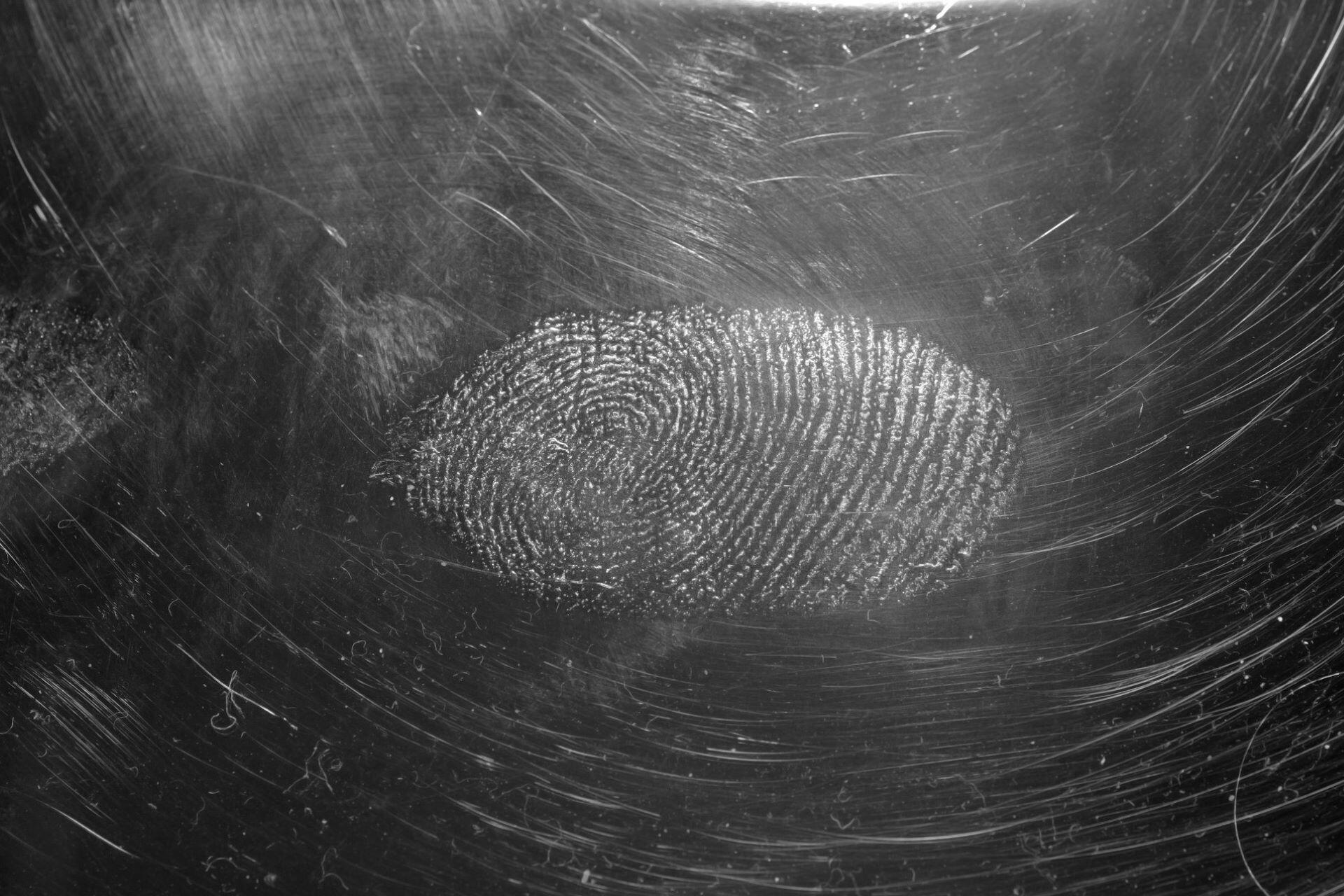
Forensic science is the application of scientific methods to investigate crimes and legal cases. It combines disciplines such as biology, chemistry, and physics to analyse evidence like DNA, fingerprints, and substances found at a crime scene. The aim is to provide objective, scientific findings that can support police investigations and court decisions.
How Forensic Science Works in Real Investigations
Forensic science's structured process begins at the crime scene. Evidence is carefully collected, documented, and preserved. This ensures that it isn't contaminated before it's sent to a lab for detailed analysis.⁹ Specialists examine materials such as DNA, fibres, and chemical substances using advanced laboratory analysis and forensic techniques. The results are interpreted and compiled, and investigators can use them in court if needed.¹ Forensic teams in New Zealand support police investigations with clear, evidence-based findings that help build a reliable picture of events.³
forensic cases annually.
What Is Forensic Biology?
Forensic biology analyses biological material in investigations. This can include substances like blood, saliva, hair, and other genetic material that can be used to identify individuals or link them to a specific place or event.² This is a specialist area in forensic science. Biological evidence is used to identify who was present, establish connections between people, and support timelines in criminal cases.¹ The work of a forensic biologist, which is a specialist type of biologist, is usually carried out in labs, where controlled testing ensures results are accurate and suitable for use in legal proceedings.⁹
Key Areas of Forensic Biology
Forensic biology, while a specialised area of forensic science, also has its own specialist areas. If you choose to study forensic biology, you can further specialise. Several fields work together to build a clearer picture of events, from identifying individuals to estimating timelines and causes of death.¹
DNA Analysis
- Identifies individuals using genetic material such as blood, saliva, or hair
- Links suspects, victims, and crime scenes through DNA matching
- Used to confirm or exclude individuals in criminal investigations
- Helps identify unknown human remains in missing person cases
- Applied in areas such as paternity testing and disaster victim identification
Forensic Anthropology
- Analyses human bones to estimate age, sex, and ancestry
- Helps identify remains in cases involving decomposition or damage
- Examines skeletal injuries to support the cause of death analysis
- Assists in locating and recovering buried or concealed remains
- Works closely with law enforcement in homicide and missing person cases
Forensic Entomology
- Studies insects found on or near a body to estimate the time of death
- Uses insect life cycles to understand stages of decomposition
- Helps determine how long a body has been at a scene
- Can indicate whether a body has been moved after death
- Supports investigations in both indoor and outdoor environments
Forensic Toxicology
- Detects drugs, alcohol, and poisons in biological samples
- Determines whether substances contributed to death or behaviour
- Used in overdose, poisoning, and suspicious death cases
- Supports investigations involving impaired driving or substance misuse
- Combines chemistry and biology to analyse blood, urine, and tissue samples
Why Study Forensic Biology and What Skills Do You Need?
There is a clear path from studying a forensic science course to working in real-world investigations, particularly for students completing a BSc or BSc (Hons) degree. Since forensic biology is methodical and detail-focused, you must have the skills to work in labs where accuracy and consistency matter at every stage.³ Beyond the academic knowledge gained when you study, you also need a combination of technical ability, practical thinking, and applied scientific knowledge.
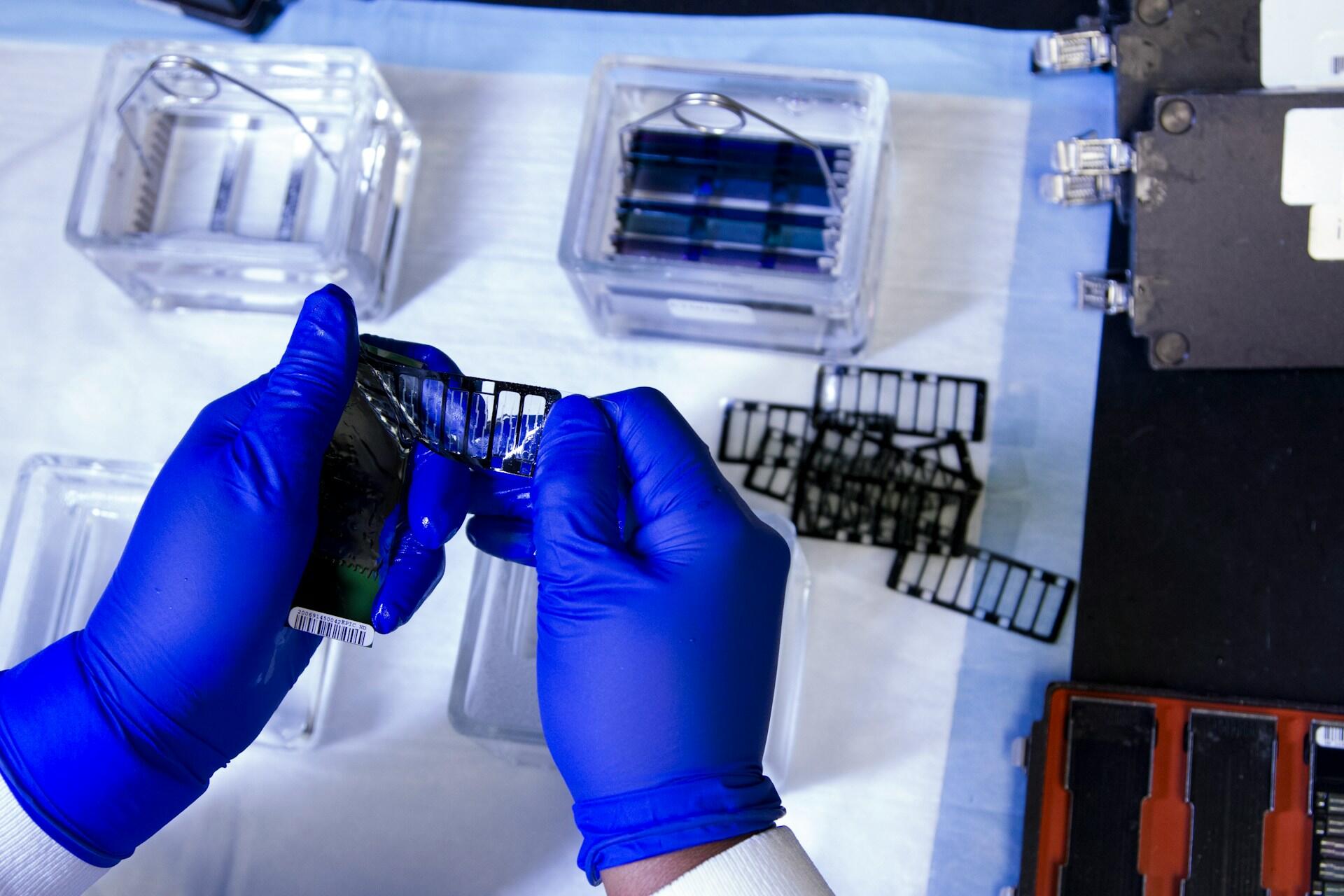
Working in forensics requires strong analytical thinking, attention to detail, and the ability to interpret scientific data accurately. You will also need patience, clear communication skills, and the ability to follow strict procedures in laboratory and investigative settings. These skills help ensure that evidence is handled correctly and conclusions are reliable.
Forensic Science Salary NZ and Career Opportunities
Just like bioengineering, forensic science in New Zealand has a structured career path. You can find roles in government agencies, laboratories, and research environments, depending on your experience and area of specialisation. Salaries will depend on a variety of factors, such as experience, level of responsibility, and area of specialisation, with entry-level roles typically starting lower and increasing over time.³
per year.
You can move into more specialised or senior positions as you gain experience. Career progression can also mean moving into research, teaching, or advisory roles within the wider scientific and legal sectors.⁵ Either way, you have options.
Where to Study and Jobs You Can Get with a Forensic Biology Degree
Several universities in New Zealand offer pathways into forensic science. Bachelor of Science (BSc) and BSc (Hons) programmes like those at the University of Auckland and the University of Otago provide courses with core modules in biology, chemistry, and forensic science with practical laboratory training, which means you can develop the skills needed for forensic work.⁴ Postgraduate options, such as specialist forensic science diplomas or advanced research programmes, can further develop these skills for advanced roles.⁶ Some programmes also offer postgraduate pathways in forensic analytical science, allowing students to specialise further after their undergraduate degree.⁷ At undergraduate level, students often study forensic-related subjects alongside core sciences such as biology and chemistry to build a strong foundation.⁸ You may even get to study some wildlife biology in a more general biology degree before choosing forensic biology.
To work in forensic biology in New Zealand, you typically need a Bachelor of Science with a major in biology, genetics, or forensic science, followed by postgraduate study for specialist roles. Gaining laboratory experience through university placements or internships is often essential, as employers look for practical skills in evidence handling and DNA analysis. Entry into organisations like ESR or police forensics is competitive, so strong academic results and relevant experience make a clear difference. Choosing the right subjects and gaining relevant experience early can improve your chances of entering forensic roles.¹¹
Once you qualify, you can move into various roles in forensic science, policing, and wider scientific fields, including positions directly within police forensic teams.¹⁰ The most common paths are listed below.
| Job Title | Typical Role | Where You Might Work |
|---|---|---|
| Forensic Scientist | Analyse biological evidence such as DNA and fluids | ESR, private labs |
| Crime Scene Investigator | Collect and preserve evidence at crime scenes | New Zealand Police |
| Forensic Technician | Support lab work and evidence processing | Government or private laboratories |
| Toxicologist | Analyse substances like drugs or poisons | ESR, hospitals |
| Biomedical Scientist | Work with biological samples in medical or research settings | Hospitals, research institutes |
| Forensic Analyst | Interpret scientific data for investigations | Government agencies |
| Police Officer (Forensics) | Combine policing with forensic investigation | New Zealand Police |
| Laboratory Technician | Assist with testing and maintaining lab equipment | Universities, labs |
| Research Scientist | Conduct scientific studies in forensic or biological fields | Universities, research centres |
| Lecturer / Teacher | Teach forensic science or biology | Schools, universities |
References
- PHF Science. “Becoming a Forensic Scientist.” PHF Science, https://www.phfscience.nz/news-publications/becoming-a-forensic-scientist/. Accessed 20 Apr. 2026.
- PHF Science. “DNA Profiling.” PHF Science, https://www.phfscience.nz/expertise/forensic-science/dna-profiling/. Accessed 20 Apr. 2026.
- Tahatū Career Navigator. “Forensic Specialist.” Tahatū Career Navigator, https://tahatu.govt.nz/work/explore-career-ideas/occupation/T00275-forensic-specialist. Accessed 20 Apr. 2026.
- University of Auckland. “Forensic Science.” University of Auckland, https://www.auckland.ac.nz/en/study/study-options/find-a-study-option/forensic-science.html. Accessed 20 Apr. 2026.
- University of Auckland. “Forensic Scientist.” University of Auckland, https://www.auckland.ac.nz/en/science/study-with-us/career-planning/career-pathways/forensic-scientist.html. Accessed 20 Apr. 2026.
- University of Auckland. “PGDipForensic - Postgraduate Diploma in Forensic Science.” University of Auckland, https://study.auckland.ac.nz/ords/r/uoa/catalogue/program?p5_code=PGDipForensic. Accessed 20 Apr. 2026.
- University of Otago. “Postgraduate Study in Forensic Analytical Science.” University of Otago, https://www.otago.ac.nz/apply/postgraduate/forensic-analytical-science. Accessed 20 Apr. 2026.
- University of Otago. “Study Forensic Analytical Science at Otago.” University of Otago, https://www.otago.ac.nz/courses/subjects/forensic-analytical-science. Accessed 20 Apr. 2026.
- New Zealand Police. “Forensics.” New Zealand Police, https://www.police.govt.nz/about-us/structure/teams-units/forensics. Accessed 20 Apr. 2026.
- New Zealand Police. “What Jobs Are Available in Forensics?” New Zealand Police, https://www.police.govt.nz/faq/what-jobs-are-available-in-police-forensics. Accessed 20 Apr. 2026.
- New Zealand Police. “What Should I Study to Work in Forensics?” New Zealand Police, https://www.police.govt.nz/faq/what-should-i-study-work-forensics. Accessed 20 Apr. 2026.
Summarise with AI:
Did you like this article? Leave a rating!

 Loading...