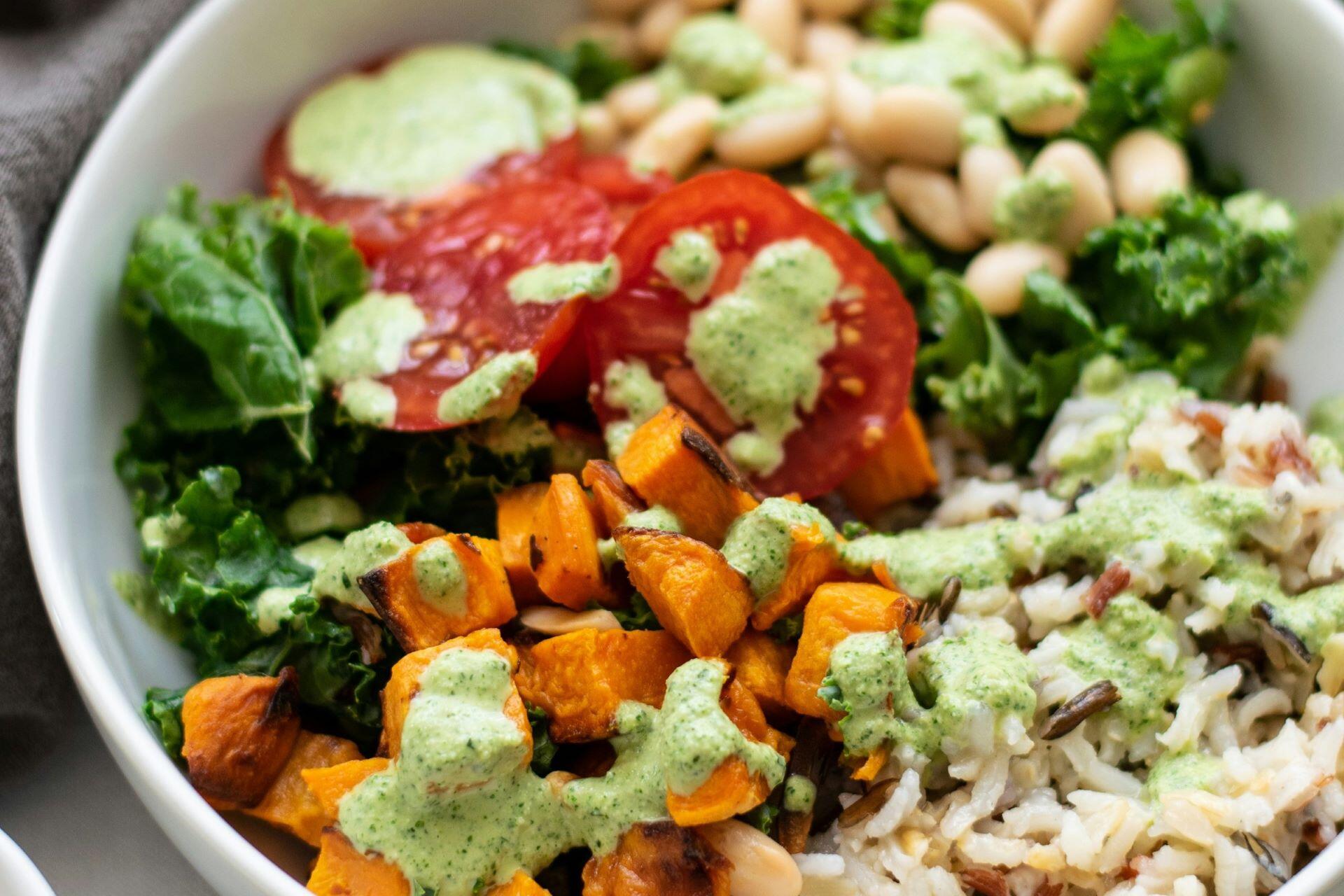

Trying to eat more healthily? Looking to cut some calories from your meals? Here's what you need to know.
Key Takeaways
- Low-calorie meals can still include vegetables, fruit, protein and high-fibre carbohydrates rather than relying on severe restriction.⁸
- Practical portion guides can make balanced serving sizes easier to visualise without weighing every ingredient.⁷
- Breakfasts, lunches and dinners can all be made lighter using familiar foods such as oats, chickpeas, fish, vegetables and wholegrains.
- Small changes to cooking oils, sauces, cooking methods and ingredient proportions can reduce the energy content of familiar recipes.¹⁰
- Preparing flexible ingredients ahead of time can make balanced meals easier to assemble throughout a busy week.⁵


What Makes a Low-Calorie Meal Healthy?
Calories are only part of the story when it comes to your meals and weight loss. Sustainable eating patterns are also important and recommended over restriction.⁹ With just a few principles, you can judge meals better.
Useful meals need to fit your nutrition and energy needs. Think about what's in a meal over just the number of calories. Consider this your starting point for sustained weight loss; there's more to it than that.
Once you have a better idea of what your portions should look like, you can start building a meal. Balanced plates break down into manageable components, not lots of calculations. Pay close attention to the following three areas.
Build around vegetables and fruit
- Add volume: Make vegetables a generous part of the meal.
- Use what is practical: Fresh, frozen and suitable canned vegetables can all work.
- Mix it up: Rotate colours and types rather than relying on the same vegetable every day.
- Remember fruit: Fruit works naturally at breakfast or as an easy snack.⁸
Add protein and high-fibre carbohydrates
- Choose a protein: Try eggs, fish, chicken, tofu, beans, lentils or chickpeas.
- Keep wholegrains in: Oats, brown rice and wholegrain bread or wraps can all fit.
- Use starchy vegetables: Potato and kūmara can form part of a balanced meal.
- Think balance: Lower-calorie eating does not mean cutting carbohydrates completely.⁸
Watch the energy-dense extras
- Measure oils: A small amount can go a long way.
- Use cheese for flavour: It does not need to dominate the meal.
- Dress lightly: Add sauces and dressings deliberately, not automatically.
- Mind healthy fats too: Nuts and avocado are nutritious, but portions still matter.
cupped hands as a practical guide to a portion of non-starchy vegetables at a meal.⁷
Healthy Recipes: 9 Easy Low-Calorie Meal Ideas
Practical meals make it much easier to maintain a healthy eating pattern. Look for familiar ingredients and simple combinations that you can adapt to different routines, appetites, and budgets. Don't forget to plan for every meal, too, so you have flexible options throughout the day.
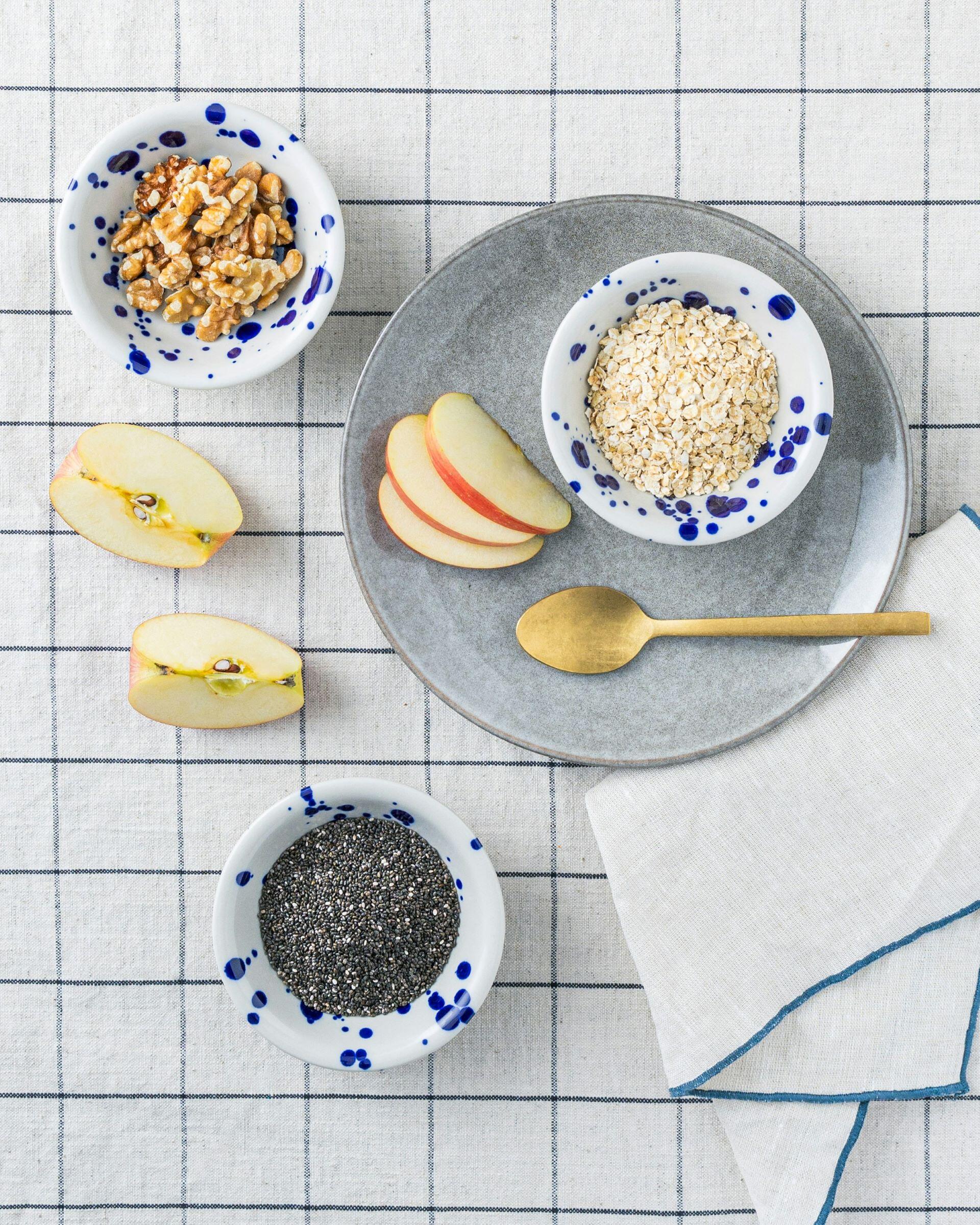
Rolled oats, grated apple, yoghurt and fresh fruit make a simple breakfast that combines wholegrains, fruit and dairy in one bowl.
The Heart Foundation's Bircher muesli recipe uses the same basic combination and can be prepared ahead for an easier morning.³
Low-Calorie Breakfast Ideas
- Bircher muesli: Combine rolled oats, grated apple, yoghurt and fresh fruit for an easy make-ahead breakfast.³
- Vegetable omelette: Add spinach, mushrooms, tomato or capsicum to eggs and serve with wholegrain toast.
- Yoghurt, berries and oats: Use plain yoghurt, berries, oats, and cinnamon for a quick breakfast that requires very little prep.
- Wholegrain toast and eggs: Keep it simple with eggs, one or two slices of wholegrain toast and some tomato or spinach on the side.
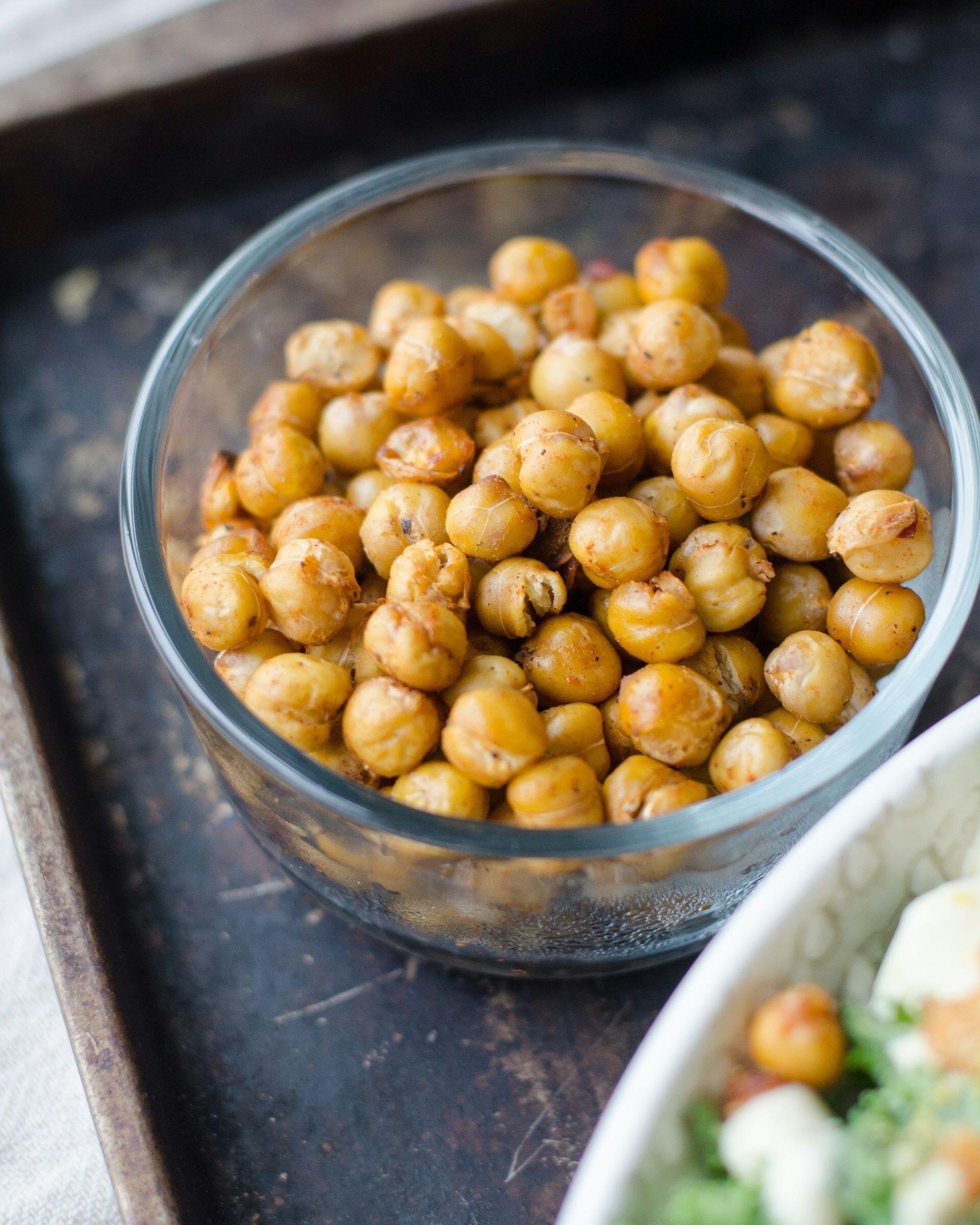
A wholemeal wrap filled with chickpeas and plenty of salad vegetables is an easy way to combine legumes, wholegrains and vegetables at lunchtime. The Heart Foundation's chickpea salad wrap pairs chickpeas with vegetables in a wholemeal wrap, making it a useful base for a quick lunch.⁴
Low-Calorie Lunch Ideas
- Chickpea salad wrap: Fill a wholemeal wrap with chickpeas, leafy greens, capsicum and other crunchy vegetables.⁴
- Chicken vegetable bowl: Pair shredded chicken with cabbage, carrot and cucumber plus a modest serving of brown rice.
- Lentil soup: Combine lentils, tomatoes, carrots, celery and seasonal vegetables for an easy batch-cooked lunch.
- Leftover grain bowl: Use cooked wholegrains with vegetables, beans or chicken and a simple yoghurt- or citrus-based dressing.
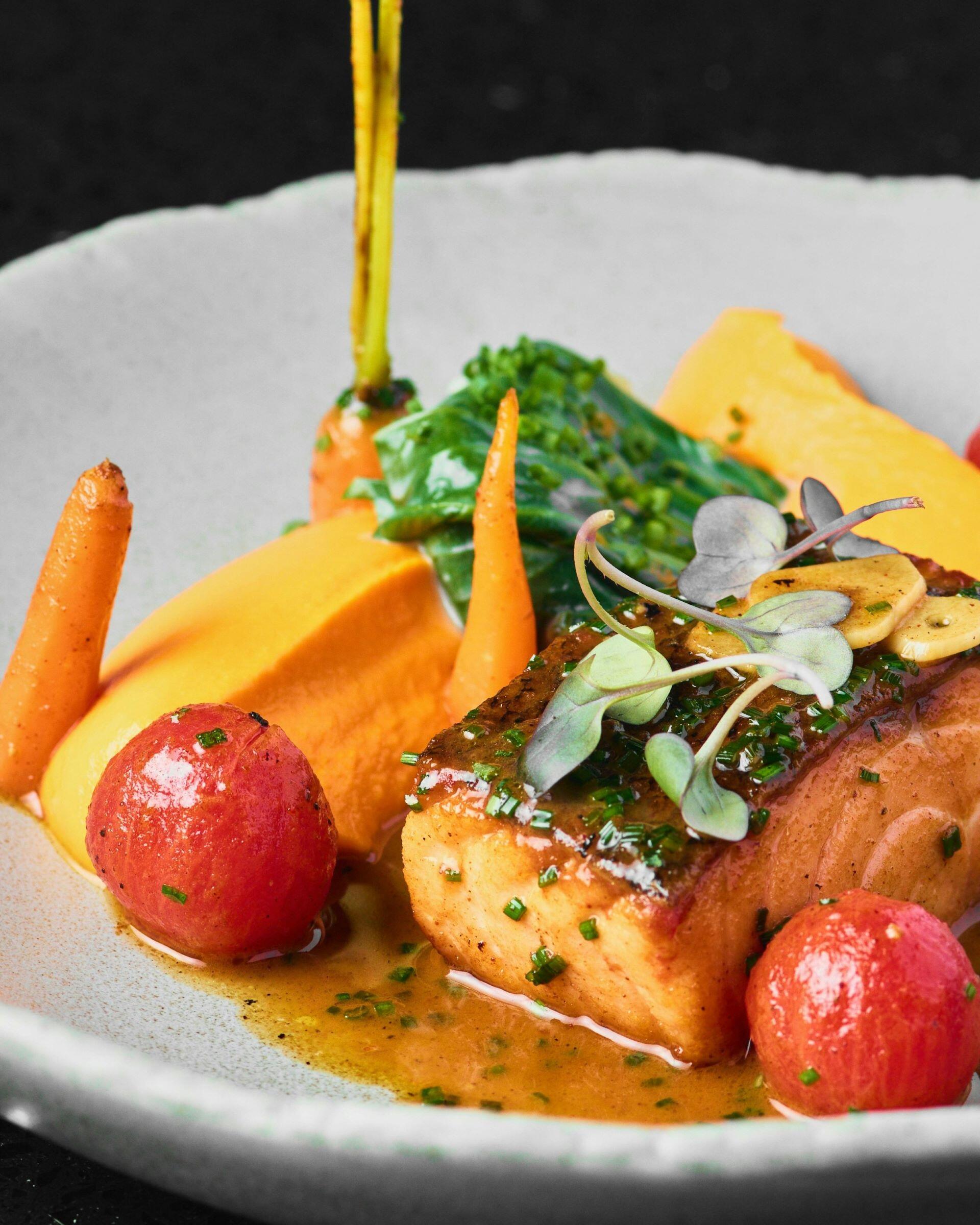
Baked salmon can form the protein base of a simple dinner, while vegetables provide much of the volume on the plate.
The Heart Foundation's salmon parcel recipe combines salmon with vegetables.
It suggests sides such as brown rice, potato, or wholegrain bread, if wanted.²
Healthy Low-Calorie Dinner Ideas
- Baked salmon and vegetables: Serve salmon with plenty of vegetables and add brown rice, potato or another suitable side if wanted.²
- Lentil vegetable curry: Combine lentils with cauliflower, pumpkin, broccoli or other vegetables and serve with a modest portion of rice.
- Chicken stir-fry: Use plenty of vegetables alongside lean chicken and a smaller serving of rice or noodles.
- Tofu stir-fry: Swap chicken for tofu and use garlic, ginger, chilli or reduced-salt soy for flavour.
How to Make Healthy Recipes Lower in Calories
You don't need to completely overhaul a meal to make it healthier or lower in calories. You can change portion sizes, cooking methods, or flavours. It's easier than you think to make meals lighter while keeping them satisfying.
Add more vegetables
- Bulk mince dishes with mushrooms, lentils or grated vegetables.
- Increase the vegetable content of curries and stir-fries.
- Make vegetables the largest component of soups and bowls.
- Add salad or cooked vegetables instead of simply shrinking the whole meal.⁸
Measure oils, sauces and dressings
- Measure cooking oil before it goes into the pan.
- Start with a small amount of dressing and add more only if needed.
- Use creamy sauces more sparingly.
- Build flavour with herbs, garlic, chilli, spices and citrus.¹⁰
Make simple ingredient swaps
- Choose wholegrain bread, wraps or rice where suitable.
- Use beans, lentils or chickpeas to replace or supplement some meat.
- Bake, grill or steam foods instead of relying heavily on frying.
- Try plain yoghurt when you need a lighter, creamy base.¹
How to Meal Prep Low-Calorie Meals for the Week
Meal prep helps ensure you have a great meal choice when you're too busy to cook as healthily as you'd like but still want to eat food that's good for losing weight.. That doesn't mean you have to cook every meal of the week. Even versatile prepared ingredients, well-portioned leftovers, and smart planning can help.
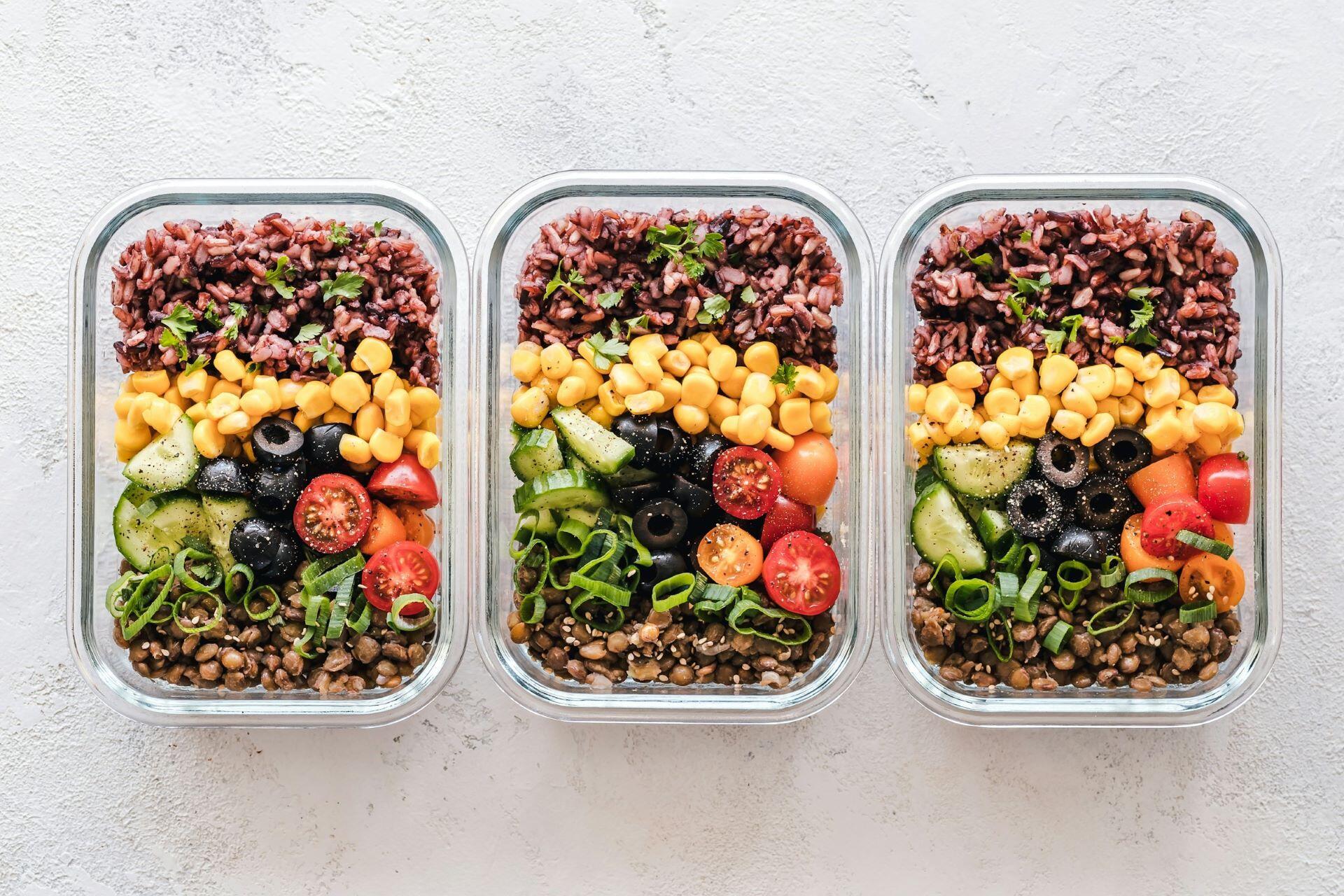
Prepare flexible components
- Protein: Cook chicken, tofu, eggs, beans or lentils ahead.
- Wholegrains: Prepare rice, quinoa or another grain in batches.
- Vegetables: Roast, steam or chop several varieties at once.
- One versatile extra: Make a soup, curry or simple dressing you can reuse across several meals.⁵
Portion and store smartly
- Divide leftovers early: Portion cooked meals before refrigerating or freezing them.
- Store some ingredients separately: This makes it easier to build different bowls, wraps or salads.
- Keep quick staples: Frozen vegetables, canned legumes, canned fish and eggs can make busy-day meals easier.⁶
- Avoid repetition: Use the same prepared ingredients in different combinations through the week.
References
- Heart Foundation New Zealand. “Are You Eating for a Healthy Heart?” Heart Foundation. https://www.heartfoundation.org.nz/wellbeing/healthy-eating/eating-for-a-healthy-heart. Accessed 29 Sept. 2026.
- Heart Foundation New Zealand. “Baked Salmon Parcels – Four Ways.” Heart Foundation. https://www.heartfoundation.org.nz/wellbeing/healthy-recipes/baked-salmon-parcels-four-ways. Accessed 29 Sept. 2026.
- Heart Foundation New Zealand. “Bircher Muesli.” Heart Foundation. https://www.heartfoundation.org.nz/wellbeing/healthy-recipes/bircher-muesli. Accessed 29 Sept. 2026.
- Heart Foundation New Zealand. “Chickpea Salad Wrap.” Heart Foundation. https://www.heartfoundation.org.nz/wellbeing/healthy-recipes/chickpea-salad-wrap. Accessed 29 Sept. 2026.
- Heart Foundation New Zealand. “Easy One Bowl Meals.” Heart Foundation, 19 July 2022. https://www.heartfoundation.org.nz/about-us/news/blogs/easy-one-bowl-meals. Accessed 29 Sept. 2026.
- Heart Foundation New Zealand. “Heart-Healthy Meals for One.” Heart Foundation. https://www.heartfoundation.org.nz/about-us/news/blogs/heart-healthy-meals-for-one. Accessed 29 Sept. 2026.
- Heart Foundation New Zealand. “Portion Sizes: How Much Should You Eat?” Heart Foundation. https://www.heartfoundation.org.nz/wellbeing/healthy-eating/portion-sizes. Accessed 29 Sept. 2026.
- Health New Zealand | Te Whatu Ora. Eating and Activity Guidelines for New Zealand Adults. Ministry of Health, 2020. https://www.tewhatuora.govt.nz/assets/For-the-health-sector/Health-sector-guidance/Active-Families/eating-activity-guidelines-new-zealand-adults-updated-2020-oct22.pdf. Accessed 29 Sept. 2026.
- Ministry of Health. “Clinical Guidelines for Weight Management in New Zealand Adults.” Ministry of Health NZ, 30 Nov. 2017. https://www.health.govt.nz/publications/clinical-guidelines-for-weight-management-in-new-zealand-adults. Accessed 29 Sept. 2026.
- National Health Service. “Healthy Eating When Trying to Lose Weight.” Better Health. https://www.nhs.uk/better-health/lose-weight/healthy-eating-when-trying-to-lose-weight/. Accessed 29 Sept. 2026.
Summarise with AI:
Did you like this article? Leave a rating!

 Loading...