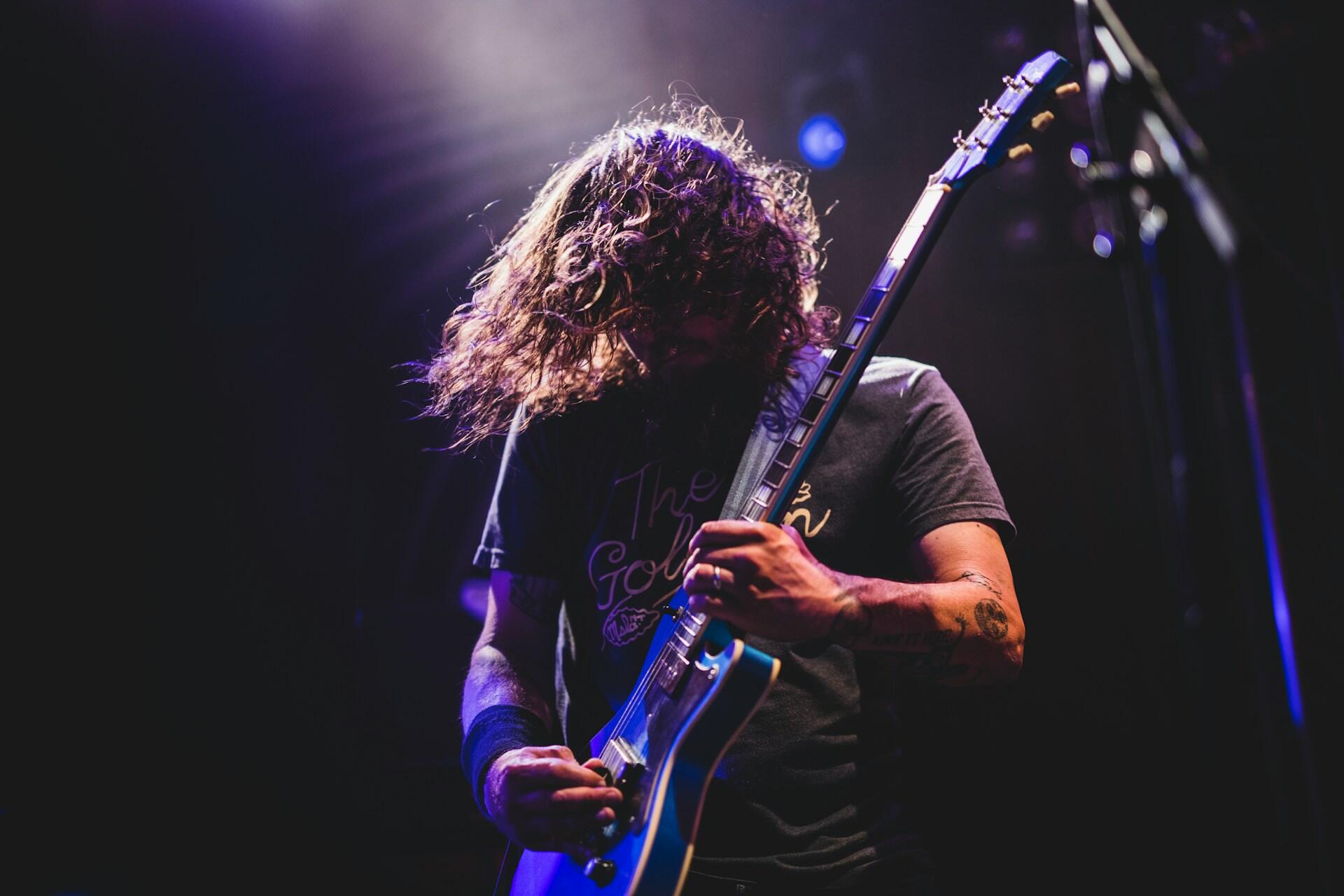

New Zealand has produced influential bands across rock, pop, reggae, dub, funk, electronic music and heavy metal. From the theatrical art rock of Split Enz to the improvised grooves of Fat Freddy’s Drop and the te reo Māori metal of Alien Weaponry, NZ bands have rarely followed one formula. This guide traces the development of Kiwi bands from the 1960s to the present day. It introduces famous New Zealand bands across several genres, highlights contemporary acts worth discovering and explains how listeners can support local music.
Key Takeaways
- Famous bands from New Zealand span art rock, indie, reggae, dub, electronic pop, funk and heavy metal.
- Split Enz helped New Zealand rock reach international audiences, while Flying Nun Records supported influential independent bands from Dunedin and elsewhere.³
- During the 1990s and early 2000s, groups such as Shihad, Supergroove, Salmonella Dub and Fat Freddy’s Drop broadened the country’s musical identity.⁴
- Fat Freddy’s Drop built an international reputation partly through extended, improvisational live performances.⁹
- Alien Weaponry combines groove and thrash metal with lyrics rooted in te reo Māori, history and cultural identity.¹
- DARTZ, Earth Tongue, SKILAA and Corrella were among the contemporary groups recognised by the 2025 Aotearoa Music Awards.²


A Brief History of New Zealand Bands
New Zealand’s band history was influenced by international trends, but local musicians did not simply reproduce music from overseas. Different periods produced distinctive scenes around pubs, student radio, regional venues, independent labels, music television and later the internet. The result is not one uniform national sound, but a collection of interconnected rock, pop, dub, electronic and alternative traditions that go from New Zealand's biggest musical acts to newcomers.
| Band | Era | Main style | Starting track |
|---|---|---|---|
| Split Enz | 1970s–1980s | Art rock and new wave | I Got You |
| Hello Sailor | 1970s–present | Rock, reggae and punk | Gutter Black |
| The Chills | 1980s–2020s | Indie rock and Dunedin Sound | Pink Frost |
| Crowded House | 1980s–present | Pop rock | Don’t Dream It’s Over |
| Shihad | 1980s–present | Alternative and heavy rock | Home Again |
| Supergroove | 1990s–present | Funk rock and hip-hop | Can’t Get Enough |
| Salmonella Dub | 1990s–present | Dub and electronic music | For the Love of It |
| The Feelers | 1990s–present | Rock | Pressure Man |
| Fat Freddy’s Drop | 1990s–present | Dub, soul and reggae | Wandering Eye |
| Evermore | 1990s–present | Alternative pop-rock | It’s Too Late |
| The Naked and Famous | 2000s–present | Indie electronic | Young Blood |
| Six60 | 2000s–present | Pop, reggae and rock | Don’t Forget Your Roots |
| Alien Weaponry | 2010s–present | Groove and thrash metal | Kai Tangata |
| Broods | 2010s–present | Electro-pop | Bridges |
| SACHI | 2010s–present | Electronic dance-pop | No More |
| L.A.B. | 2010s–present | Reggae, soul and rock | In the Air |
The 1960s to 1980s: The Formative Years
Split Enz became one of New Zealand’s most iconic and influential bands. Active during the 1970s and 1980s, the group moved between art rock, new wave and pop music. At the same time, its theatrical costumes and makeup made the visual presentation nearly as memorable as the songs.
Formed in Auckland in 1975, Hello Sailor became a major contributor to New Zealand’s rock scene during the late 1970s and 1980s. The band combined rock and roll with reggae and punk influences, creating a distinctive sound built around guitar riffs, driving rhythms and charismatic vocals. Its best-known songs include “Gutter Black”, “Blue Lady” and “Lyin’ in the Sand”.
Dragon and Pop Mechanix demonstrate that the formative period extended beyond one style or city. Meanwhile, Christchurch acts such as The Expendables and Dunedin groups associated with Flying Nun helped establish a less polished, more independent alternative to mainstream radio rock.
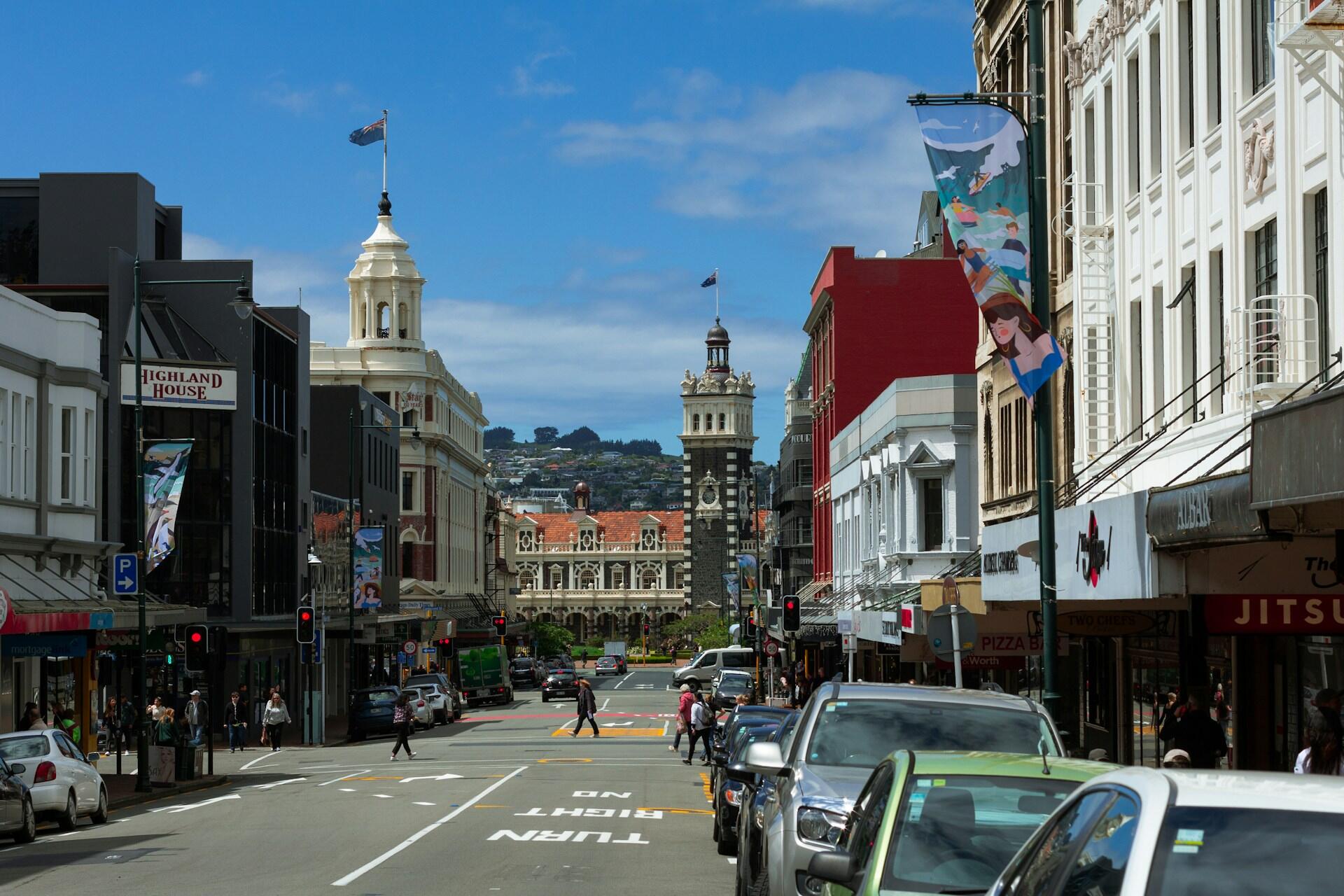
The Dunedin Sound is a broad label rather than one fixed musical formula. It is commonly associated with melodic or jangling guitars, independent production, Flying Nun Records and bands such as The Chills, The Clean, The Bats and The Verlaines.³ These groups shared a city and creative network, but each developed its own musical identity.
The 1990s to Early 2000s: Diversification and Growth
By the 1990s, successful New Zealand bands no longer belonged to one dominant rock tradition. Shihad brought heavier guitar music to a large local audience, Supergroove combined funk, hip-hop and rock, and bands such as The Feelers developed more melodic, radio-friendly material. Electronic production also became increasingly prominent, while Salmonella Dub and Fat Freddy’s Drop helped localise reggae, dub and soul influences.⁴
Shihad formed in Wellington in 1988 and developed a sound built around heavy guitar riffs, energetic rhythms, melodic hooks and socially conscious lyrics. The band performed as Pacifier between 2002 and 2004 before returning to its original name. Its best-known songs include “Home Again”, “Pacifier” and “The General Electric”.
Supergroove was formed in Auckland by a group of high-school friends from Selwyn College. They were initially called the Low Down Dirty Blues Band and played blues and rock, but the name changed as the group embraced a wider range of musical styles. Supergroove mixes funk, rock, hip-hop, pop, and rap. Its songs feature tight, funky rhythms, a brass section and a combination of rapped and sung vocals.
Evermore was formed in Feilding by the Hume brothers, Jon, Peter and Dann. After gaining attention through Rockquest and self-released material, the group found a wider audience through atmospheric pop-rock songs including “It’s Too Late”, “Light Surrounding You” and “Running”.
The 2010s to Present: Global Recognition
Streaming, social media and international festivals created additional routes for New Zealand musicians to reach listeners overseas. The Naked and Famous and Broods reached international electronic-pop audiences, while Six60 and L.A.B. became major names in the domestic live and recorded-music markets. SACHI expanded New Zealand’s presence in electronic dance music, while Alien Weaponry reached global metal audiences with lyrics in English and te reo Māori.
Six60 formed in 2008 while its members were university students living at 660 Castle Street in Dunedin, which inspired the band’s name. A strong following within the local student community helped launch a career built around a blend of rock, reggae, pop and electronic music. Popular songs include “Don’t Forget Your Roots”, “Forever” and “White Lines”.
The Naked and Famous formed in Auckland in 2007. They became known for an indie-electronic sound combining synthesisers, electronic beats, shared vocals and emotionally charged lyrics. Prominent songs include “Punching in a Dream” and “Girls Like You”.
Notable New Zealand Bands Across Genres
Genre labels are useful for discovering new music, but many New Zealand bands resist being placed in only one category. Rock can overlap with funk, pop or electronic production, while reggae groups frequently incorporate soul, jazz and dub. The categories below therefore describe each band’s most recognisable qualities rather than imposing strict musical boundaries.
Rock and Alternative Bands
Crowded House formed in Melbourne but has always had a strong New Zealand identity through founding member Neil Finn, formerly of Split Enz. Tim Finn also joined the band for a period, strengthening its trans-Tasman character. The group blends rock, pop and alternative influences with melodic songwriting and rich vocal harmonies. Essential songs include “Don’t Dream It’s Over”, “Something So Strong” and “Weather with You”, all of which could be classified as some of the best songs from New Zealand or Australia.
A band’s national identity does not always depend entirely on where it was formed. Crowded House began in Melbourne, but Neil Finn’s work with Split Enz and the group’s enduring connections with Aotearoa give it a strong trans-Tasman identity.³ This guide therefore includes groups formed in New Zealand as well as bands widely recognised as part of the country’s musical history.
Formed in Dunedin in 1980, The Chills became one of the defining bands associated with the Dunedin Sound. Led for decades by songwriter Martin Phillipps, the group combined jangling, melodic guitars with influences from punk, post-punk and 1960s pop. “Pink Frost”, “Heavenly Pop Hit” and “I Love My Leather Jacket” provide a strong introduction.
The Feelers are a Christchurch rock band that rose to prominence during the late 1990s and early 2000s. Their combination of classic rock, alternative music and pop helped turn songs such as “Pressure Man”, “Venus” and “Communicate” into familiar New Zealand radio tracks.
Opshop became prominent during the mid-2000s with polished pop-rock and acoustic influences. Songs such as “Maybe”, “One Day” and “No Ordinary Thing” combine reflective verses with large, anthemic choruses.
Reggae, Dub, Soul and Funk Bands
Fat Freddy’s Drop is a seven-piece group from Wellington. The band blends dub, reggae, soul, jazz and funk. It has become one of New Zealand’s most internationally recognised musical groups. The group is famous for energetic live performances featuring deep basslines, hypnotic grooves, soulful vocals and lengthy instrumental sections. Songs can expand into performances that are substantially longer and more improvisational than their studio versions.⁹
L.A.B. combines reggae, rock, soul, funk and blues. Laid-back reggae rhythms and deep basslines sit alongside funk grooves, soulful vocals and prominent rock guitar. “In the Air”, “Controller” and “Why Oh Why” provide a useful introduction.
Salmonella Dub was formed in the early 1990s and became a pioneer in New Zealand’s dub and electronic music scene. The band’s sound includes dub, reggae, electronic music, drum and bass and rock. Its best-known songs include “For the Love of It”, “Push On Thru” and “Love Your Ways”.
Electronic and Pop Bands
Broods is the sibling duo of Georgia and Caleb Nott. Formed in Nelson in 2013, they create atmospheric electro-pop built around polished production, introspective lyrics and Georgia Nott’s distinctive vocals. Their self-titled EP appeared in 2014, followed by the debut album Evergreen. Recommended songs include “Bridges”, “Mother & Father”, “Free” and “Heartlines”.

SACHI is the electronic dance-pop duo of Will Thomas and Nick Chrisp.⁵ Their performances combine electronic production with the energy of a live act, helping the pair move from New Zealand festivals to international stages. The duo’s songs include “No More”, “Shelter” and “Worst Behaviour”.
Metal and Heavy Bands
Alien Weaponry combines groove and thrash metal with lyrics in English and te reo Māori. The group’s music frequently draws on Māori history, identity and cultural knowledge, giving international listeners an entry point into Aotearoa through a modern heavy-music format. Other heavy New Zealand groups worth exploring include Devilskin, Beastwars, Shepherds Reign and Shihad.
Te reo Māori is used across many contemporary genres and is not a musical genre in itself. Alien Weaponry demonstrates how the language can sit naturally within heavy metal while expressing Māori history, identity and cultural knowledge.¹ Its music also shows how the language can reach listeners through modern sounds with an international audience.
The Current Landscape of NZ Bands
New Zealand’s current band scene includes established arena acts, independent touring groups, student bands, regional communities and musicians collaborating online. Record-label support remains valuable, but bands can also build audiences through concerts, streaming, music media and direct interaction with listeners. Public funding and specialist community platforms provide further support for recording, promotion, touring and finding collaborators.
Emerging Bands to Watch
DARTZ is a Wellington rock band with an energetic live identity, while Earth Tongue brings a heavier psychedelic sound to the contemporary scene. SKILAA combines soul, jazz, hip-hop and experimental pop, and Corrella has built an audience through roots and reggae.² These groups demonstrate that current New Zealand music remains as varied as the scenes that produced Split Enz, Shihad, Salmonella Dub and The Naked and Famous.
Platforms and Communities Supporting NZ Bands
NZBands helps musicians find band members, arrange jams, advertise services and buy or sell equipment.⁷ If you're looking for New Zealand's best singers, it's worth considering. UnderTheRadar combines independent music news, interviews, tickets and a nationwide gig guide.¹⁰ NZ On Air supports recording, promotion, videos and selected touring activity.⁸ Findaband is more specifically focused on professional live entertainment for weddings, corporate functions and private events.⁶
Which style of NZ band do you listen to most?
How to Discover and Support NZ Bands
Discovering a local band is only the first step. Streaming and social engagement can improve visibility, while concert tickets, physical releases, merchandise and direct purchases provide other forms of practical support. Listeners can contribute to the New Zealand music scene whether they live in Aotearoa or overseas.
Attending Live Performances
Check regional gig guides, follow local venues and look beyond the headline acts on festival lineups. Arriving in time for the support band can introduce you to a group before it reaches a larger audience. Local bars, theatres, student venues and community events all provide opportunities to hear New Zealand bands live.

Streaming and Purchasing Music
Following bands on Spotify, Apple Music or YouTube can make it easier to keep track of new releases. Saving songs, adding tracks to personal playlists and exploring complete albums can also help new music reach more listeners. Where possible, purchase music through Bandcamp, an official artist store or directly from the merchandise table at a concert.
Engaging with Bands on Social Media
Follow official artist accounts for release announcements, concert dates and behind-the-scenes material. Sharing a new song, joining a mailing list or recommending a band to friends can introduce the group to listeners outside its existing audience.
References
- “Alien Weaponry.” Napalm Records, n.d. Accessed 21 Jul. 2026. https://label.napalmrecords.com/alien-weaponry
- Aotearoa Music Awards. “60 Years of Tūī: Presenting the Finalists for the 2025 Aotearoa Music Awards.” 7 Apr. 2025. Accessed 21 Jul. 2026. https://aotearoamusicawards.co.nz/news/60-years-of-tui-presenting-the-finalists-for-the-2025-aotearoa-music-awards
- Bourke, Chris. “Popular Music: Pop-Music Scene, 1970s and 1980s.” Te Ara: The Encyclopedia of New Zealand, 9 Oct. 2014. Accessed 21 Jul. 2026. https://teara.govt.nz/en/popular-music/page-9
- Bourke, Chris. “Popular Music: The Rise of New Zealand Music, 1990s to 2000s.” Te Ara: The Encyclopedia of New Zealand, 9 Oct. 2014. Accessed 21 Jul. 2026. https://teara.govt.nz/en/popular-music/page-11
- Concord Music Publishing. “Concord Music Publishing ANZ Announces Worldwide Publishing Deal with Electronic Dance-Pop Duo SACHI.” Concord, 21 Sept. 2023. Accessed 21 Jul. 2026. https://concord.com/news/concord-music-publishing-anz-announces-worldwide-publishing-deal-with-electronic-dance-pop-duo-sachi/
- Findaband. “Our Story.” n.d. Accessed 21 Jul. 2026. https://www.findaband.co.nz/our-story
- NZBands. “NZBands: New Zealand’s Number One Musician Community.” n.d. Accessed 21 Jul. 2026. https://nzbands.co.nz/
- NZ On Air. “Te Pūtea Puoro: Music Funding.” n.d. Accessed 21 Jul. 2026. https://www.nzonair.govt.nz/funding/music-funding/
- Tennant, Lewis. “Fat Freddy’s Drop.” AudioCulture, 14 May 2013, updated 18 Jul. 2025. Accessed 21 Jul. 2026. https://www.audioculture.co.nz/profile/fat-freddy-s-drop
- UnderTheRadar. “Gig Guide.” n.d. Accessed 21 Jul. 2026. https://www.undertheradar.co.nz/utr/gig_guide
Summarise with AI:
Did you like this article? Leave a rating!


 Loading...