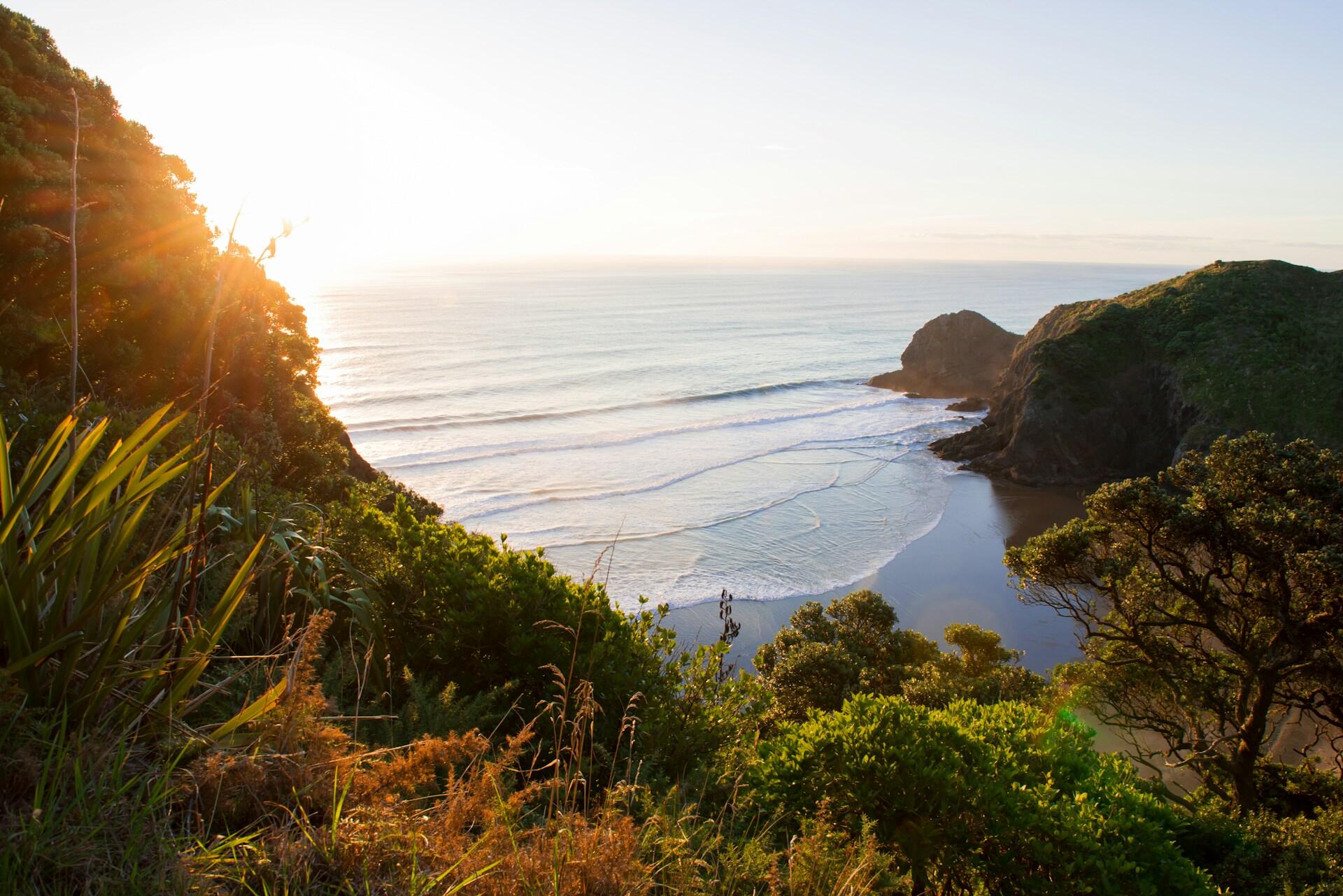

You can bring te reo Māori into your everyday conversations about weather, time, nature, and the world around you by learning the words for the seasons. The Māori seasons are more closely tied to what's happening in the natural environment than to strict calendar dates. Here, we'll learn the names, how they relate to food cycles, planting, and natural signs, and some weather phrases.
Key Takeaways
- Māori seasons follow the natural environment rather than fixed dates, using tohu such as winds, flowering plants, and kai cycles.
- The four main Māori seasons are Raumati, Ngahuru, Hōtoke, and Kōanga, each linked to changes in weather, land, and food gathering.
- The maramataka includes many additional environmental seasons that can vary between iwi based on local whenua and climate.
- Weather words like he rā wera, he rā makariri, and he ua help you describe daily conditions in te reo Māori.
- You can use Māori seasons in simple sentences to talk about planting, harvesting, and the time of year, strengthening everyday fluency.


Understanding the Māori Seasons and How They Work
The Māori seasons follow environmental patterns, traditional food cycles, and tohu, natural signs used to understand changes in the world. Rather than dividing the year into three-month blocks, Māori follows the shifts in the whenua, the behaviour of plants, and the rhythm of kai gathering. The Māori seasons are more connected to people, places, and the natural world, and if you explore the months in Māori, you'll see more of what we mean.
Māori seasons are shaped by what happens in the environment rather than fixed calendar dates. The timing of kai gathering, planting, rivers rising, flowering plants, and winds all inform how each season is understood. This helps learners see why Māori seasons feel more connected to land, time, and community activities.
Why Māori Seasons Reflect the Natural Environment
Environmental cycles: Māori observe changes in the land, rivers, stars, and weather to mark seasonal shifts.
Kai patterns: Planting, harvesting, and digging kūmara link directly to seasonal knowledge.
Cultural importance: Understanding tohu helps connect people to the whenua and the yearly cycle of abundance.

people in Aotearoa now engage with Matariki celebrations each year through schools, workplaces, and community events.
How Seasons Connect to Food, Kai Cycles, and the Whenua
Ngahuru: Traditionally linked to harvesting and bringing kai into storage.
Kōanga: Associated with planting and preparation for new growth.
Hōtoke: A time of cold, scarcity, and planning for the following cycle.
Why Māori Seasonal Terms Differ From English Seasons
Different reference points: English seasons follow fixed dates, while Māori seasons follow environmental change.
Iwi variation: Each iwi may observe different signs and seasonal timings.
Practical knowledge: Māori seasons embed information about land, food, and weather that English names do not capture.
The Four Māori Seasons and Their Meanings
You'll likely start learning vocabulary related to the Māori seasons that align with the modern calendar as well as the days of the week. These season names are used in kura, language classrooms, and early childhood centres across Aotearoa. While traditional maramataka systems recognise more seasonal stages, these are the four names learners often use, providing a clear foundation they can align with the system they likely already use.
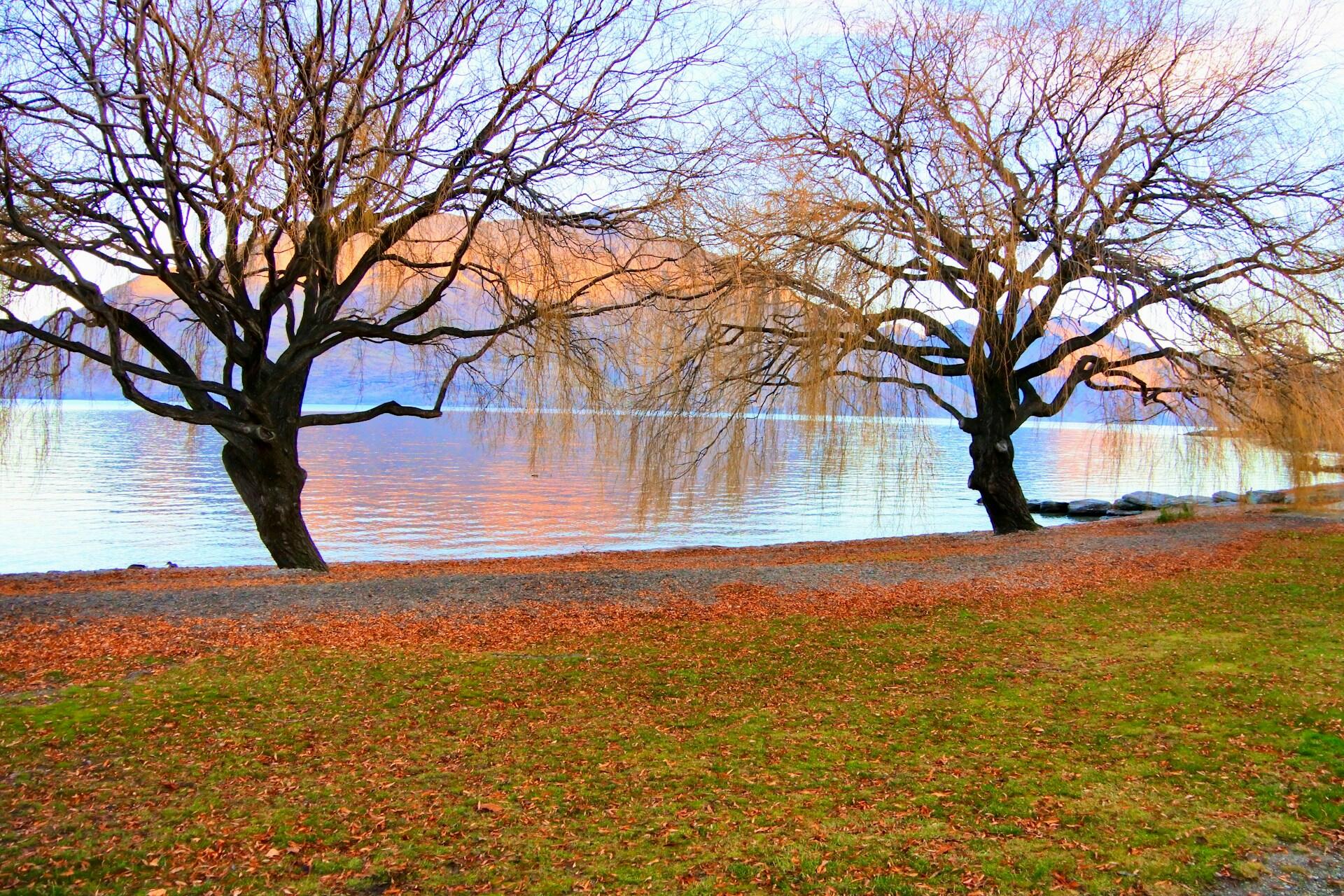
While learners often start with four main seasons, the maramataka includes many smaller seasonal periods based on weather, plants, stars, and animal behaviour. These sub-seasons help iwi read the whenua more precisely. Understanding this makes the four-season model easier and more meaningful for beginners.
Raumati (Summer)
Ngahuru (Autumn)
Hōtoke (Winter)
Kōanga (Spring)
Māori Environmental Seasons in the Maramataka
The maramataka recognises many smaller environmental seasons that follow more closely the changes in the weather, land, and stars. These can be particular seasonal periods and may even differ between iwi depending on local landscapes, river systems, and climate. Learn these names to gain a greater insight into how Māori understand time and the natural world. Beginners will want to focus on the four main seasons. Still, these environmental seasons are a nice option for intermediate learners.
Each iwi developed its own maramataka by observing local tohu, such as river levels, winds, the position of stars, or when certain plants flower. Because every region has its own climate, seasonal calendars differ slightly across Aotearoa. Learning these variations helps learners appreciate the depth of Māori environmental knowledge.

Pipiri – Tightening Cold of Early Winter
Mahuru – Calm Spring Period
Takurua – Winter Star Season
Rūhī – Season of Mature Crops
Why Different Iwi Have Their Own Seasonal Markers
Local climate: Coastal, inland, and alpine iwi experience different weather cycles.
Cultural knowledge: Season names often reflect deeply rooted mana whenua traditions.
Learner value: Recognising variation builds a respectful understanding of Māori knowledge.
Weather Words and Phrases to Use With the Seasons
When you learn about the seasons, you'll want to learn the vocabulary for daily conditions, seasonal changes, and activities in te reo Māori. It's common for students to be taught weather alongside the seasons, so why not learn some vocabulary now? These simple weather terms should help.
| Weather Term (English) | Māori Term | Pronunciation (NZ English Guide) | Meaning / Notes |
|---|---|---|---|
| Hot day | He rā wera | heh rah WEH-rah | Used often in Raumati (summer) |
| Cold day | He rā makariri | heh rah mah-kah-REE-ree | Common in Hōtoke (winter) |
| Rain | He ua | heh OO-ah | Useful for weather reports |
| Snow | He hukarere | heh hoo-kah-REH-reh | Linked to alpine regions |
| Wind | He hau | heh HOE | Can be used across seasons |
| Storm | He āwhā | heh AH-fah | Refers to a strong storm or gale |
| Cloud | He kapua | heh KAH-poo-ah | A general weather description |
| Fine day | He rā paki | heh rah PAH-kee | Often used in spring and summer |
| Beautiful day | He ātaahua te rā | heh ah-tah-OO-hah teh rah | Useful for everyday conversation |
| Southerly wind | He tonga | heh TONG-ah | Cold wind from the south |
| Rain-bearing wind | He marangai | heh mah-rah-NGAI | Traditional weather term |
| Gusty wind | He hau kōtukutuku | heh hoe KOH-too-koo-too-koo | Useful idiomatic expression |
| Hot | He wera | heh WEH-rah | Describing temperature |
| Cold | He mātao | heh MAH-tao | Everyday weather description |
Common Weather Words in Māori
- He rā wera: A hot day is often heard in Raumati.
- He rā makariri: A cold day commonly used in Hōtoke.
- He ua: Rain, useful across all seasons.
Describing Today’s Weather
- Kei te paki: It is fine today.
- Kei te hau: It is windy.
- He kapua: There are clouds.
How Weather Links to Seasonal Activities
- Planting in Kōanga: Warmer days and lighter winds help with new crops.
- Harvesting in Ngahuru: Cooler temperatures signal the time to gather kai.
- Winter preparation in Hōtoke: Cold winds signal a time to conserve and plan.
Using Māori Seasons in Sentences
Knowing the Māori words for seasons is useful, but it's better to learn how to use them in sentences. You'll regularly hear these in kura, early childhood routines, and everyday conversations. Combine seasons with months, verbs, weather expressions, and numbers in te reo to build natural, proper sentences.
early childhood centres in New Zealand.
Saying What Season It Is Today
- Kei te Raumati ināianei: It is summer now.
- Kei te Hōtoke: It is winter.
- Kei te taka te Ngahuru: Autumn is arriving.
Using Seasons With Months and Time Expressions
- I te marama o Mahuru ka tīmata te Kōanga: Spring begins in September.
- Kei te mahana i te Raumati: It is warm in summer.
- He makariri i te Hōtoke: It is cold in winter.
How Seasons Link With Planting and Harvesting Verbs
- Ka tipu ngā rākau i te Kōanga: Trees grow in spring.
- Ka hauhake i te Ngahuru: Harvesting takes place in autumn.
- Ka whakatō i te Kōanga: Planting begins in spring.
Example Sentences for Everyday Use
- He rā paki i te Raumati: It is a fine day in summer.
- He nui te makariri i te Hōtoke: There is a lot of cold in winter.
- Kei te rere ngā manu i te Kōanga: Birds are active in spring.
If you need help learning or studying Māori, we recommend working with a private tutor. There are tutors all over New Zealand offering te reo tutoring, and you can find them on the Superprof website. Just search for "Māori" and start browsing their profiles today. With most offering the first session for free, you can even try a few out before choosing the one that's right for you and how you like to learn. Any time of the year, private tutoring is the best way to learn a new language!
Summarise with AI:
Did you like this article? Leave a rating!

 Loading...