
Certain vocabulary types are recommended for beginners in any language, including te reo Māori. One hugely important vocabulary group is numbers. After all, you won't get far in any language without knowing them. They can be useful for dates, phone numbers, or even just counting items in shops.
Key Takeaways
- How Māori numbers are formed using clear, repeatable patterns
- The Māori words for numbers from 1 to 20 and how they combine
- How tekau, rau, and mā are used to build larger numbers
- How to count confidently from tens and hundreds to millions and billions
- Practical ways to practise Māori numbers in everyday situations
| Number | Māori Number |
|---|---|
| 1 | tahi |
| 2 | rua |
| 3 | toru |
| 4 | whā |
| 5 | rima |
| 6 | ono |
| 7 | whitu |
| 8 | waru |
| 9 | iwa |
| 10 | tekau |
| 11 | tekau mā tahi |
| 12 | tekau mā rua |
| 13 | tekau mā toru |
| 14 | tekau mā whā |
| 15 | tekau mā rima |
| 16 | tekau mā ono |
| 17 | tekau mā whitu |
| 18 | tekau mā waru |
| 19 | tekau mā iwa |
| 20 | rua tekau |


Māori Numbers 1–10
While something as simple as counting to ten may seem like a childish endeavour, you must remember that no matter your actual age, your Maori age is less, especially if you've never spoken the language before. When you start learning basic Maori phrases, it can also be useful to learn the numbers before moving onto vocabulary like the months of the year.

Māori number words, you'll be able to form dozens of numbers.
With that in mind, these are the numbers from one to ten in Maori, plus an approximate guide on pronouncing them.
- 1 – Tahi (tah-hee)
- 2 – Rua (roo-ah)
- 3 – Toru (toh-roo)
- 4 – Whā (faah)
- 5 – Rima (ree-ma)
- 6 – Ono (oh-noh)
- 7 – Whitu (fee-too)
- 8 – Waru (wah-roo)
- 9 – Iwa (ee-wah)
- 10 – Tekau (teh-co)
We recommend regularly practising these numbers until they're second nature and even looking for songs or mnemonic devices to help you remember them.
Māori numbers follow a highly logical, additive structure. Rather than using irregular forms, Māori reuses a small set of number words in consistent patterns. Once you know the numbers from one to ten, along with the words for ten (tekau) and hundred (rau), you can form almost every other number by combining them. This makes counting in Māori much easier to learn than in many other languages, as the same building blocks are repeated again and again.
How to Count Beyond Ten in Māori
After you can count up to ten, you have almost all the vocabulary you'll need to count up to twenty.
The rule for the numbers from eleven to nineteen is pretty simple. Just add "tekau mā" and the following number.
- 11 – Tekau mā tahi
- 12 – Tekau mā rua
- 13 – Tekau mā toru
- 14 – Tekau mā whā
- 15 – Tekau mā rima
- 16 – Tekau mā ono
- 17 – Tekau mā whitu
- 18 – Tekau mā waru
- 19 – Tekau mā iwa
As you can see, this list is precisely the same as the list for the numbers one through nine with "tekau mā" added.
In Māori counting, the word mā is a linking particle used to connect number elements. You’ll see it in numbers like tekau mā tahi (11) or rua tekau mā rima (25). While it’s often helpful for beginners to think of mā as “and,” it doesn’t directly translate that way. Instead, it signals how number parts are joined together in Māori grammar, helping keep number phrases clear and consistent.
Counting in Tens in Māori
Counting in tens in Maori, just like the days of the week, is remarkably straightforward. With the individual numbers from one to nine and the number for ten already in our grasp, learning the tens is a breeze.
Except for ten, which isn't "tahi tekau", twenty, thirty, forty, etc., are simply the original numbers before "tekau". This logical structure makes learning Maori numbers a comfortable and reassuring experience.
Here are each of the tens in Maori, starting with 10:
- 10 – tekau
- 20 – rua tekau
- 30 – toru tekau
- 40 – whā tekau
- 50 – rima tekau
- 60 – ono tekau
- 70 – whitu tekau
- 80 – waru tekau
- 90 – iwa tekau
In English, you could think of this as "ten", "two ten", "three ten", "four ten", etc. All the teens were "ten" + "mā" + "number". Don't worry too much about what "mā" means, as it's a grammatical particle in Maori.
If it helps, consider it "and" for now, though it doesn't technically mean that.
Forming Numbers from 21 to 29 in Māori
Now that you can form each of the tens in Maori and individual numbers, you'll be quite relieved to hear that the remaining numbers from twenty to ninety-nine in Maori are all formed similarly. A number like "twenty-one" is formed by "two" + "ten" + "mā" + "one", which in Maori, would be like this: "rua tekau mā tahi". It's worthwhile also studying telling the time in Maori so you can know what order words go in. Twenty to twenty-nine looks like this:
- 20 – Rua tekau
- 21 – Rua tekau mā tahi
- 22 – Rua tekau mā rua
- 23 – Rua tekau mā toru
- 24 – Rua tekau mā whā
- 25 – Rua tekau mā rima
- 26 – Rua tekau mā ono
- 27 – Rua tekau mā whitu
- 28 – Rua tekau mā waru
- 29 – Rua tekau mā iwa
Numbers from 30 to 39 in Māori
The next ten numbers are just as easy, but here they are for reference:
- 30 – Toru tekau
- 31 – Toru tekau mā tahi
- 32 – Toru tekau mā rua
- 33 – Toru tekau mā toru
- 34 – Toru tekau mā whā
- 35 – Toru tekau mā rima
- 36 – Toru tekau mā ono
- 37 – Toru tekau mā whitu
- 38 – Toru tekau mā waru
- 39 – Toru tekau mā iwa
Numbers from 40 to 49 in Māori
You get the idea.
- 40 – Whā tekau
- 41 – Whā tekau mā tahi
- 42 – Whā tekau mā rua
- 43 – Whā tekau mā toru
- 44 – Whā tekau mā whā
- 45 – Whā tekau mā rima
- 46 – Whā tekau mā ono
- 47 – Whā tekau mā whitu
- 48 – Whā tekau mā waru
- 49 – Whā tekau mā iwa
Numbers from 50 to 99 in Māori
- 50 – Rima tekau
- 51 – Rima tekau mā tahi
- 52 – Rima tekau mā rua
- 53 – Rima tekau mā toru
- 54 – Rima tekau mā whā
- 55 – Rima tekau mā rima
- 56 – Rima tekau mā ono
- 57 – Rima tekau mā whitu
- 58 – Rima tekau mā waru
- 59 – Rima tekau mā iwa
- 60 – Ono tekau
- 61 – Ono tekau mā tahi
- 62 – Ono tekau mā rua
- 63 – Ono tekau mā toru
- 64 – Ono tekau mā whā
- 65 – Ono tekau mā rima
- 66 – Ono tekau mā ono
- 67 – Ono tekau mā whitu
- 68 – Ono tekau mā waru
- 69 – Ono tekau mā iwa
- 70 – Whitu tekau
- 71 – Whitu tekau mā tahi
- 72 – Whitu tekau mā rua
- 73 – Whitu tekau mā toru
- 74 – Whitu tekau mā whā
- 75 – Whitu tekau mā rima
- 76 – Whitu tekau mā ono
- 77 – Whitu tekau mā whitu
- 78 – Whitu tekau mā waru
- 79 – Whitu tekau mā iwa
- 80 – Waru tekau
- 81 – Waru tekau mā tahi
- 82 – Waru tekau mā rua
- 83 – Waru tekau mā toru
- 84 – Waru tekau mā whā
- 85 – Waru tekau mā rima
- 86 – Waru tekau mā ono
- 87 – Waru tekau mā whitu
- 88 – Waru tekau mā waru
- 89 – Waru tekau mā iwa
- 90 – Iwa tekau
- 91 – Iwa tekau mā tahi
- 92 – Iwa tekau mā rua
- 93 – Iwa tekau mā toru
- 94 – Iwa tekau mā whā
- 95 – Iwa tekau mā rima
- 96 – Iwa tekau mā ono
- 97 – Iwa tekau mā whitu
- 98 – Iwa tekau mā waru
- 99 – Iwa tekau mā iwa
Counting Above 100 in Māori
Counting in hundreds is just as easy as in tens and forming any other number in Maori.
It would help if you had the word "kotahi rau" for 100. After that, you form the numbers as you did before.
101 is “kotahi rau tahi” and 199 is “kotahi rau iwa tekau mā iwa”.
The hundreds follow the same pattern as the tens and look like this:
- 100 – Kotahi rau
- 200 – Rua rau
- 300 – Toru rau
- 400 – Whā rau
- 500 – Rima rau
- 600 – Ono rau
- 700 – Whitu rau
- 800 – Waru rau
- 900 – Iwa rau
The Words for Thousands, Millions, and Billions in Māori
The very big numbers in Maori follow the same pattern again. You need to know the word for each of the larger numbers, and then you can form the others using the same rules as before. The words you need for thousand, million, and billion are “mano”, “miriona”, and “piriona”.
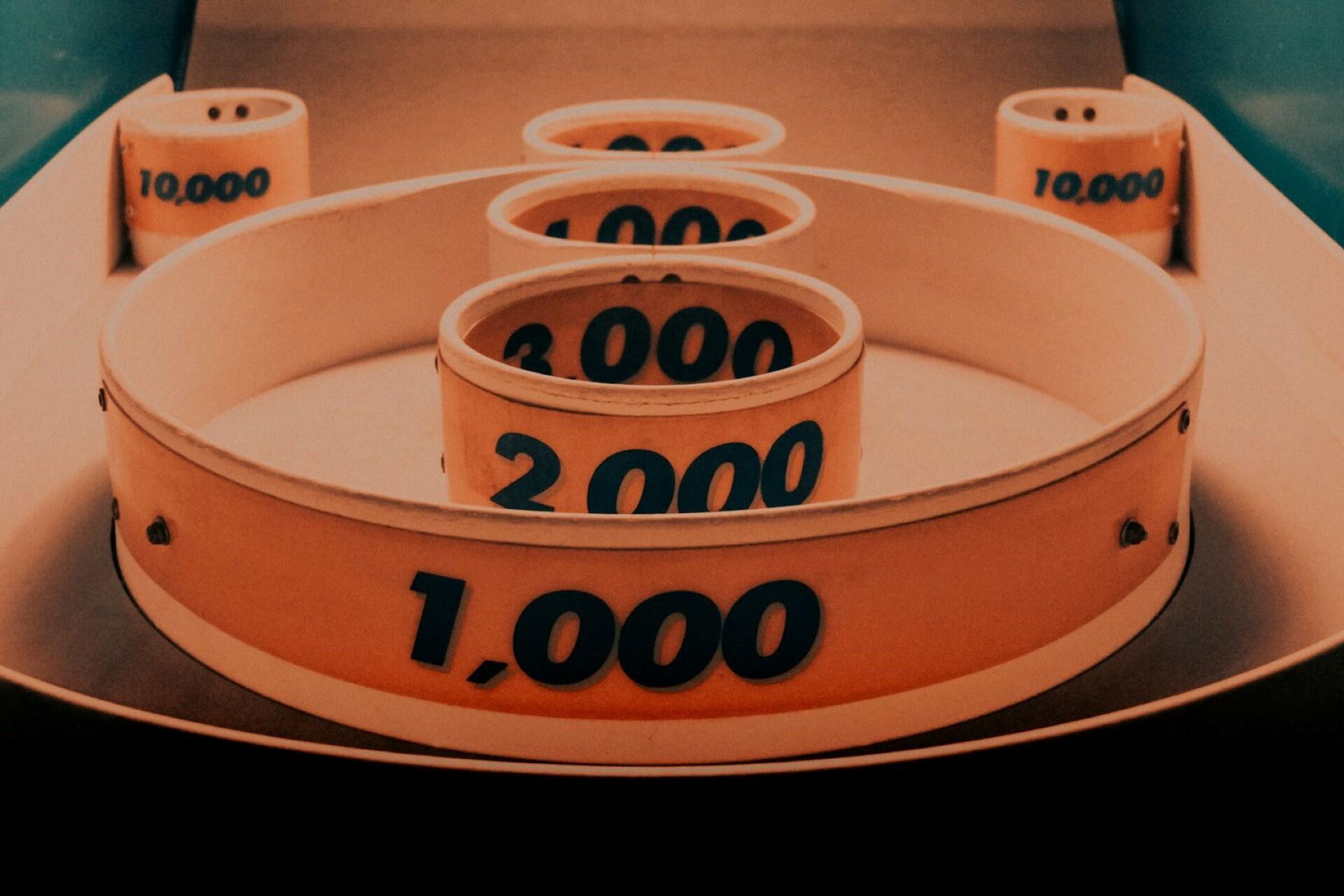
- 1,000 – kotahi mano
- 10,000 – tekau mano
- 100,000 – kotahi rau mano
- 1,000,000 – kotahi miriona
- 10,000,000 – tekau miriona
- 100,000,000 – kotahi rau miriona
- 1,000,000,000 – kotahi piriona
The same rules apply to these large numbers, so you could replace the "kotahi" in most of these with any of the other numbers to form "two million" (rua miriona) or "thirty billion" (toru tekau piriona).
system to be able to count into the billions.
If you'd like to put your Maori number skills to the test, start by saying phone numbers using the individual numbers.
One of the best ways to remember Māori numbers is to practise them in real situations. Try saying phone numbers using individual digits, counting items around your home, or reading prices aloud in Māori. You can also practise saying years, such as birth years or important dates, to reinforce numbers in the hundreds and thousands. Regular, short practice sessions help make Māori numbers feel natural much faster than memorisation alone.
This active practice will engage you in your learning and help reinforce your knowledge. After that, say different years to practise the numbers in the thousands and even add the season in Maori. Once you've mastered the numbers, your journey in Maori is just beginning.
Larger numbers are built by combining smaller ones. Once you know 1–10, you reuse them rather than memorising new forms.
Tekau (ten) and rau (hundred) structure numbers, with smaller values added after them.
The particle mā connects tens, hundreds, and units, helping keep number phrases consistent.
Māori numbers move from the biggest unit to the smallest, such as hundreds → tens → ones.
Thousands (mano), millions (miriona), and billions (piriona) follow exactly the same system.
Get Better at te reo Māori with a Private Tutor
If you want to improve your Maori knowledge, we recommend working with a teacher or a private tutor. To find suitable private tutors on the Superprof website, search for "Maori" and browse tutors' profiles today.
On the Superprof website, you can find face-to-face and online private tutors. If you're in New Zealand, you can look for local native Maori speakers to help you. For those outside of the country or in rural areas, you can still find native speakers and learn online with them.
Typically, face-to-face tutoring is more effective, but for most academic skills and subjects, online tutoring is almost as effective. You can even learn Maori for online applications, like writing emails in the language.
For those on a tight budget, you can share the cost of the tutor's time by choosing group tutoring. Either get together friends or family to learn Maori together or join a tutor's class. While group tutoring doesn't come with all the benefits of one-on-one tutoring, it's usually much cheaper. Many tutors offer the first class for free, so you can always try a few before choosing the one that's right for you and what you want to learn. Just search for "Maori" on the Superprof website today and start learning the language!
Summarise with AI:
Did you like this article? Leave a rating!

 Loading...