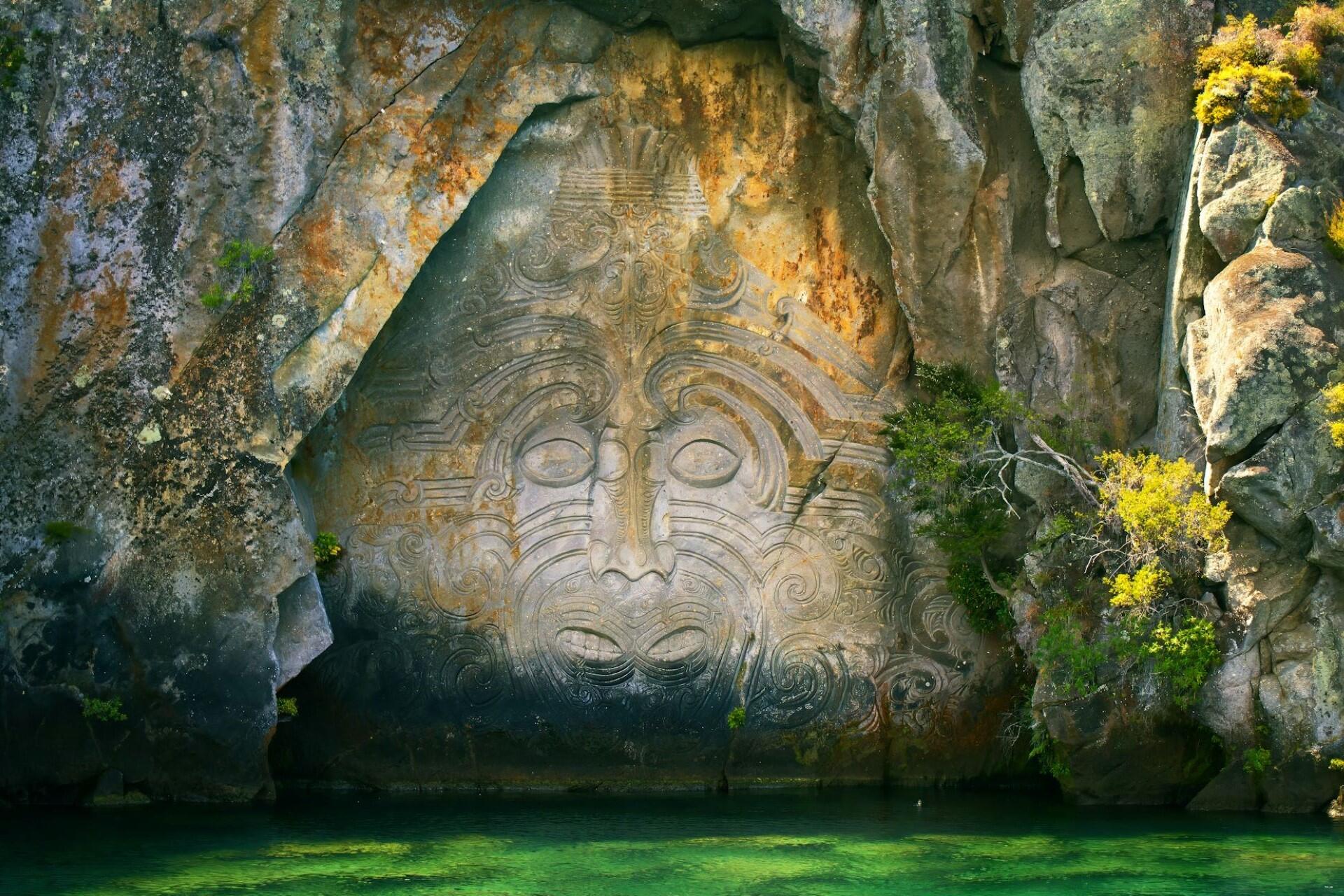

There's no right or wrong way to learn any language. Instead, every language learner should look for the approach that best works for them. However, certain words and phrases are useful to know at the start of your language learning journey, and when it comes to te reo Maori, the Maori language, these are the ones that we believe are useful for getting started.


Getting Started with Māori Greetings and Everyday Phrases
Learning some basic greetings and conversation is a great way to get started with any language.
Your target vocabulary should be ways to start conversations, welcome people, ask how they are, and end conversations. It won't hurt to learn about Maori syntax, too!
While you won't be fluent in Maori by learning these, you'll have taken your first steps and even be able to have the world's most straightforward conversation in your target language.
Kia Ora and Other Māori Greetings
Every conversation in Maori should start with a greeting. While you can begin conversations simply by discussing your desired topic, we wouldn't recommend this in any language as it can be rude.
Instead, learn how to politely greet people in te reo Maori.
The first expression we'll learn to use is "kia ora". This is used in Maori to greet people and wish them well, similar to using "cheers" in English.
The expression “kia ora” literally means “have life” or “be healthy”, which gives it a much stronger meaning than the English expressions like “hello” or “hi”.
If you're greeting multiple people, you can also use "kia ora koutou", equivalent to saying "Hello, everyone".
There is also the alternative "tēnā koe", which can be used as "hello".
Like the previous example, "tēnā koutou" can address multiple people. In Maori, this is for three or more people, as the word "kōrua" is used to express two people.
"Tēnā koe" is typically more formal than "kia ora".
Here are these expressions for your vocabulary lists:
- Kia ora / Kia ora koutou - Hello / Hello everyone
- Tēnā koe / Tēnā koutou - Hello to you / Hello to everyone
Kia ora is more than just a polite greeting; it’s a phrase deeply tied to Māori worldviews about health and vitality. The words literally translate to “be well” or “have life,” which carries a much stronger meaning than English equivalents like “hi” or “hello.” It reflects the cultural value placed on wishing others well in every interaction.
Today, you’ll see kia ora everywhere in Aotearoa, from television presenters and shop assistants greeting customers to official government branding like Air New Zealand campaigns. Its use across various contexts demonstrates how te reo Māori phrases are not only part of formal settings but also deeply ingrained in everyday Kiwi identity.
Welcome
If you're greeting someone at your home, any day of the week, or as they arrive somewhere, it can help to welcome them.
Like many other cultures, Maori culture also values certain places. Later in this article, we'll see some of the vocabulary for those.
To welcome somebody in te reo Maori, you can say, "Nau mai, haere mai". You can also use these expressions independently and say "nau mai" or "haere mai".
Here it is for your vocab list:
- Nau mai, haere mai - Welcome

How Are You?
After you've greeted a person, your next step is to ask them how they are.
You have two options here: "Kei te pēhea koe?" The "koe" part of the expression addresses the person and can be replaced with "koutou" if there are three or more people.
If you're fine and would like to express this, you can respond with "Kei te pai". Hopefully, the person you're talking to will respond with this, too!
- Kei te pēhea koe? / Kei te pai - How are you? / I am good (used, greeting, phrase, kei, koe, pai)
Thank You in Maori
Besides a greeting, thanking a person may be one of the most useful things to learn in any language!
Whether you're a beginner or native-level speaker, more often than not you'll include a "thanks", "cheers" or "thank you!" in a conversation.
In Maori, there are a few different ways in which you can thank someone.
One of the phrases has already been covered, and is also one of the most commonly used, "kia ora".
But if you want to mix it up with another commonly used phrase to express gratitude, you can say or write "ngā mihi".
The expression ngā mihi means acknowledgement, and can be used in many instances.
From professional settings, like delivering a speech or ending an email, in the same way you'd use "kind regards".
To more casual and semi-formal conversations, its versatility allows you to not only develop your linguistic flexibility but also to deepen your knowledge of Maori phrases.
Saying Goodbye
Last but certainly not least, you can say goodbye to someone at the end of a conversation, which is different to ending an email in te reo Maori.
You can say either “haere rā” when somebody leaves.
However, if you're the one leaving, then you should say, "Hei konei ra".
Another good expression is “ka kite ano”, which means “see you later” and is a kind way to indicate that you'd like to see the person again.
- Ka kite ano / Haere rā / Hei konei ra - See you later / Goodbye / Goodbye (when leaving)
With just three or four simple expressions, you can start having your first conversations in Maori. It's also worthwhile learning the pronouns in Maori when you first get started.
of New Zealanders reported speaking te reo Māori fairly well.
By learning greetings and farewells, you'll have the tools you need for simple conversations. Of course, learning a language is more than saying a few words. Remember that in te reo Māori, the vocabulary also has deep cultural values. Be sure to recognise that most phrases are connected to customs, places, and history. Make sure you learn culturally significant terms as they provide insights into Māori identity and community life.
Culturally Significant Māori Vocabulary You Should Know
Beyond a basic conversation, you must also learn some culturally significant vocabulary. Since language and culture are so closely linked, knowing these words can be very useful, even if you don't have the language skills to use them in conversation.

We've divided up our culturally significant vocabulary and expressions into three main groups: places, concepts, and practices. This is just the beginning of your journey into Maori culture. We encourage you to explore further and deepen your understanding as even wishing someone Happy Birthday in Maori is different.
te reo speakers in New Zealand in 2040.
Aotearoa, Moana, Marae – Key Māori Places
Many places are significant in Maori culture, but there are three that every beginner should learn at the start of their language-learning journey.
Aotearoa
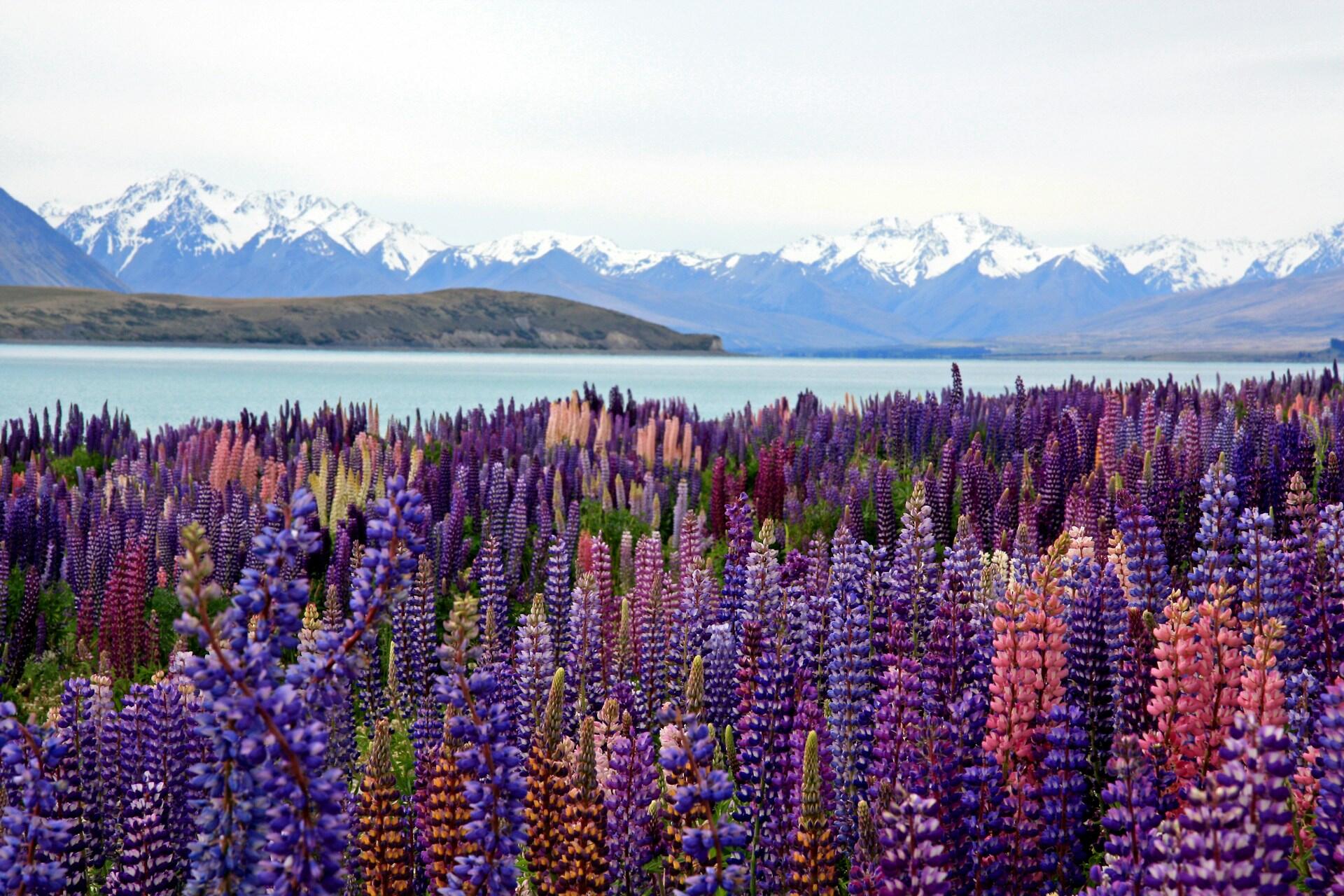
The first is "Aotearoa", which you'll likely have already seen in New Zealand. After all, this is the Maori term used to refer to New Zealand.
Originally, Aotearoa was only used to refer to the North Island but was later adopted to refer to all of New Zealand as there wasn't a term in Maori for both islands as a collective.
The name is a compound word of cloud (ao), white (tea), and long (roa), and literally refers to “The Land of the Long White Cloud”, which is a beautiful way to put it.
Moana
Our next important word is "Moana". This word means "sea", and given that the early Maori settlers to Aotearoa navigated across huge distances, the sea is culturally significant.
Across Polynesian cultures, the sea is also important since it provides food and sustenance for communities and is used to communicate with ancestors and spiritual guardians.

Marae
A marae is central and sacred to Maori culture. These open areas, which can be surrounded by other essential structures, are typically seen as cultural and social hubs.
They hold a deep symbolic significance and are often involved in many Maori protocols and customs.
- Aotearoa - New Zealand
- Moana - Sea
- Marae - Meeting area, often in front of a meeting house
A marae is the beating heart of many Māori communities. It’s where whānau (family) gather for important events such as weddings, funerals, commemorations, and celebrations. Each marae is unique, often connected to an iwi (tribe) or hapū (sub-tribe), and carries generations of history in its carvings and meeting houses.
For learners of te reo Māori, recognising the role of marae is crucial. Visiting or even learning about a marae helps contextualise vocabulary and customs, showing that language and culture are inseparable. Understanding marae protocols, like pōwhiri (welcoming ceremonies), gives depth to the phrases you’re learning and ensures you can use them respectfully.
Te Reo, Kai, and Mana – Core Māori Concepts
We've now seen a few important places and learned to say them in Maori. Now, let's learn a few important concepts.
Te reo Māori
Te reo Maori is simply the Maori language. It's often referred to in Maori as "te reo" or "the language".
As you've seen so far, language and culture are inseparable, and te reo is as important a part of Maori culture as anything else.
Kai
"Kai" in Maori means "food", and like many other cultures, food is essential. Not only does it provide sustenance, but specific dishes and how they're prepared and consumed also play a role in cultural identity and traditions.
Mana
In Maori culture, "Mana" refers to prestige and authority. It also refers to a person's power and spiritual and ancestral connections within a community.
It's a concept that's fairly intertwined with Maori cultures and traditions, and it can only be really understood by learning more about the Maori language and culture.
Consider learning expressions to offer support and encouragement in Maori, too.
Here are the terms for your vocabulary list:
- Te reo Māori - The Māori language
- Kai - Food
- Mana - Prestige, Authority
In the mid-20th century, te reo Māori experienced a steep decline as English gained dominance in schools and public life. By the 1970s, only a small proportion of Māori children could speak their ancestral language. This sparked nationwide concern and eventually led to grassroots efforts, such as kōhanga reo (language nest preschools) and kura kaupapa (immersion schools).
Thanks to these revitalisation movements and continued government support, te reo Māori is once again growing. It was declared an official language of New Zealand in 1987, and today, more than 185,000 people report being able to speak it. Its revival is celebrated each year during Te Wiki o te Reo Māori (Māori Language Week), highlighting the importance of keeping the language alive for future generations.
Haka, Hāngī, and Taonga – Māori Cultural Practices
Finally, we have a few important Maori terms for specific Maori practices. Similar concepts exist in other cultures, but when you say them in te reo, you'll likely specifically refer to the Maori ones.
Haka
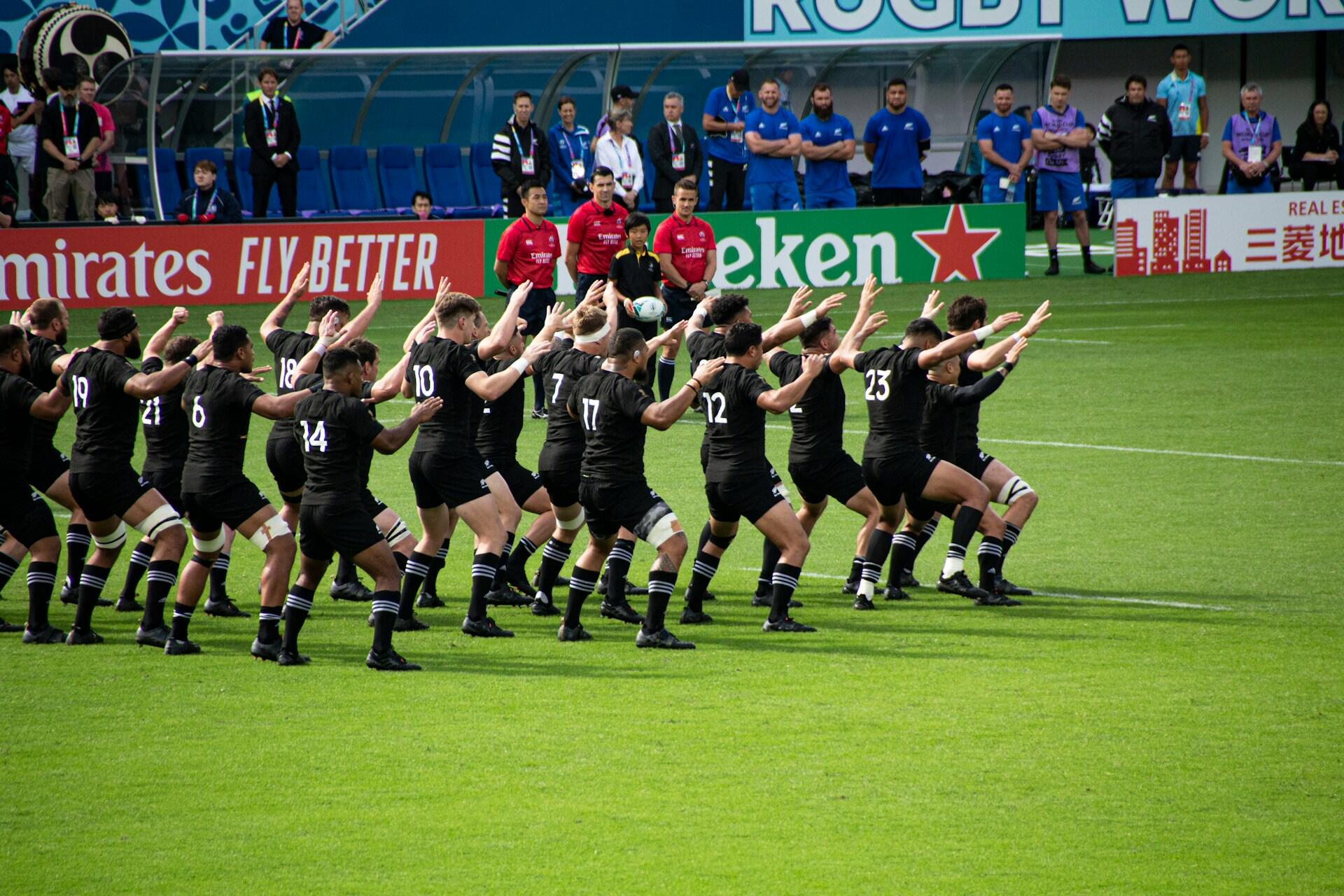
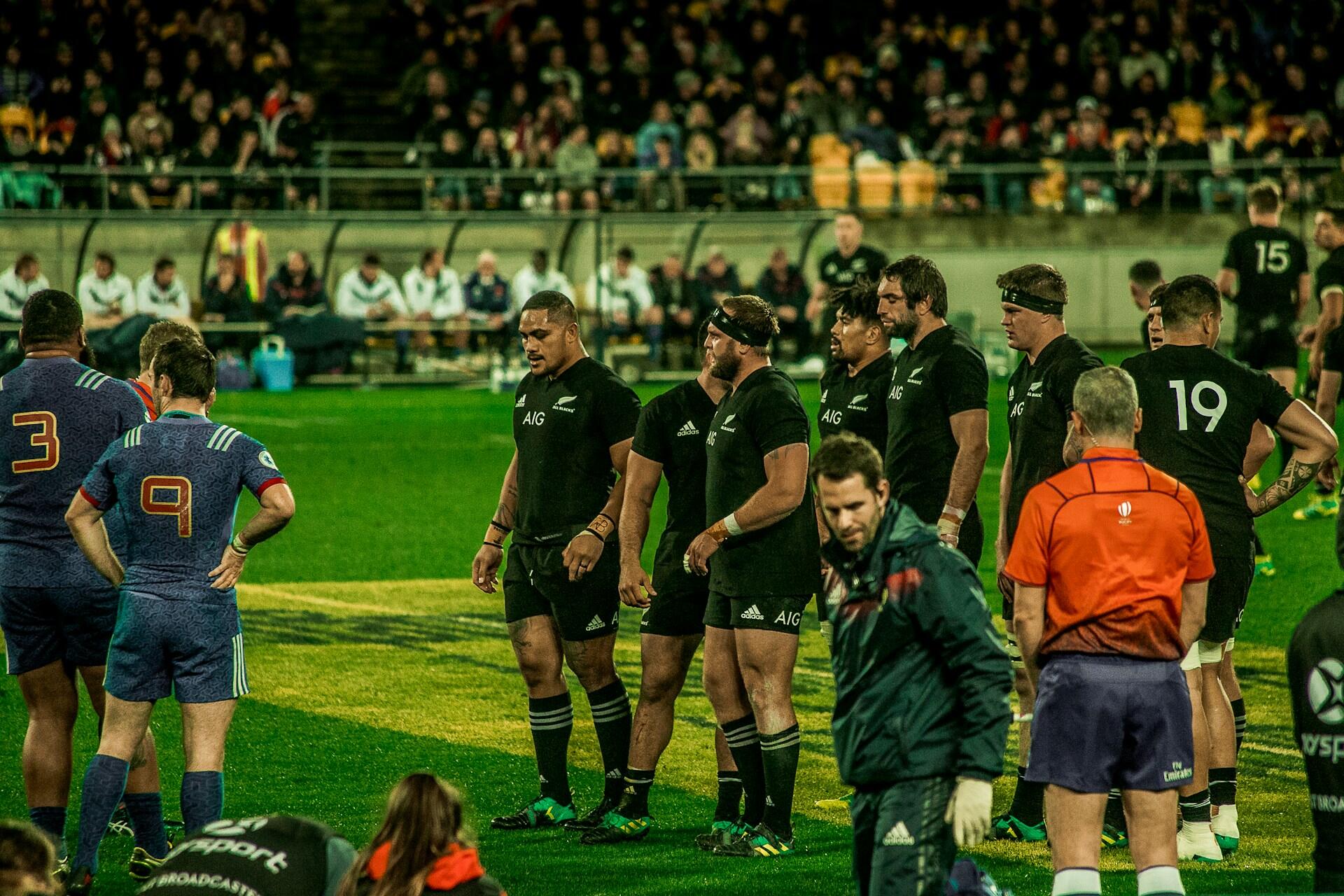
The traditional Maori dance, known as the "haka", has become famous worldwide for its use before rugby matches featuring New Zealand's team.
It comes from the Maori warrior tradition and was initially performed before battle to intimidate their enemies, which it still does in rugby.
Hangi
The “hangi” is a traditional Maori feast cooked in an underground oven.
First, you must dig a pit, heat stones over a fire, and place food wrapped in leaves of cloth on top of the stones before covering them with earth.
Traditionally, the whole community comes together for a hangi and is involved in preparing it.
Taonga
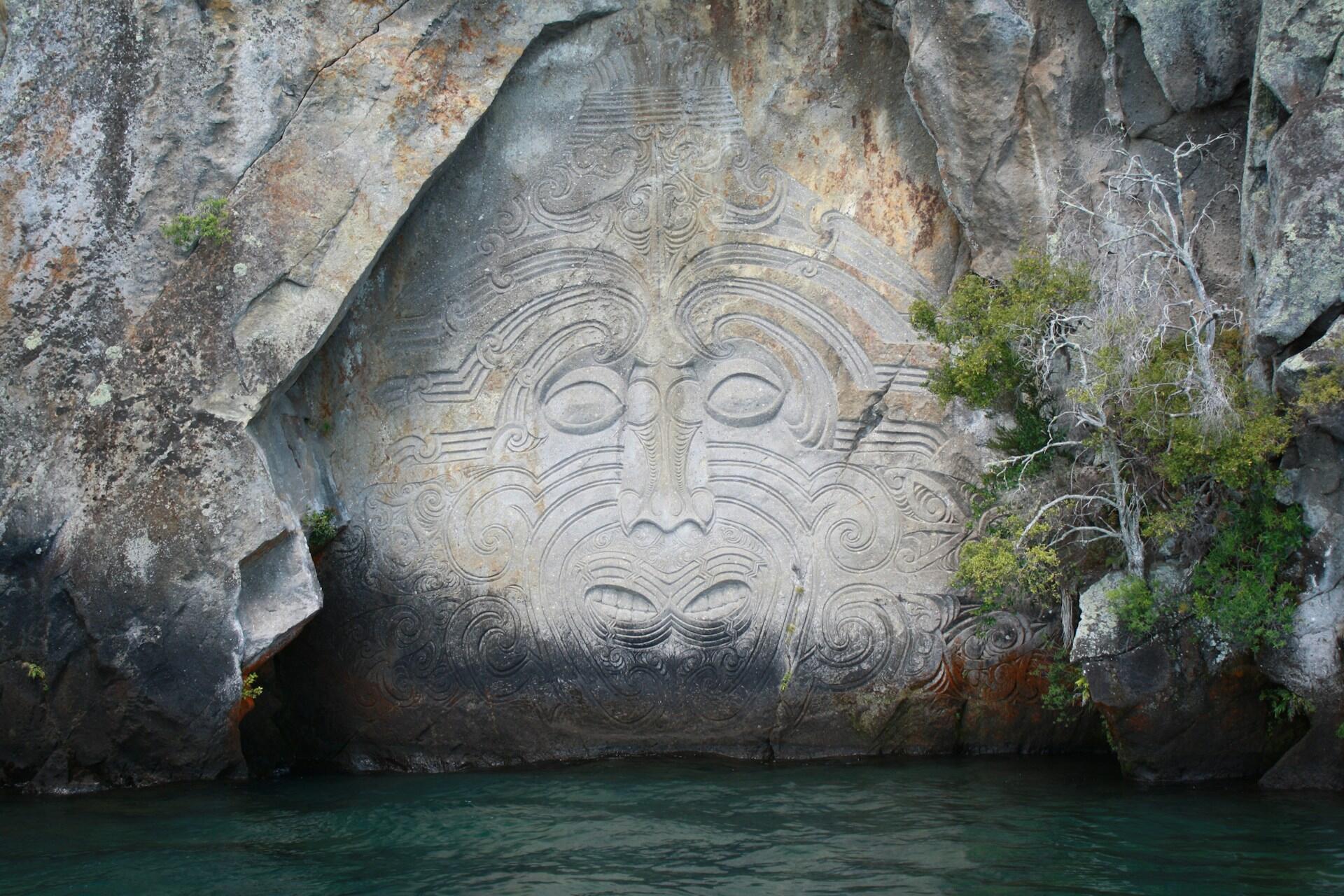
In te reo Maori, "taonga" refers to treasured possessions and cultural items with significant material and spiritual value. These can include heirlooms, artefacts, art, weapons, or jewellery.
This is about more than just the items themselves, though. It's about the practice of being responsible for these items, preserving their cultural heritage, and transmitting this idea of ownership and responsibility to future generations, too.
Here's the vocabulary for the three Maori practices we've seen:
- Haka - Traditional Māori dance
- Hangi - Traditional feast prepared in an earth oven
- Taonga - Treasured possessions or cultural items
Here's a summary of all the expressions that we've learned today.
| Māori Phrase | Meaning / Usage |
|---|---|
| Kia ora / Kia ora koutou | Hello / Hello everyone |
| Tēnā koe / Tēnā koutou | Hello to you / Hello to everyone |
| Kei te pēhea koe? / Kei te pai | How are you? / I am good |
| Nau mai, haere mai | Welcome |
| Ka kite ano / Haere rā | See you later / Goodbye |
| Aotearoa | New Zealand |
| Te reo Māori | The Māori language |
| Kai | Food |
| Mana | Prestige, authority |
| Whānau | Extended family |
| Moana | Sea |
| Marae | Meeting area, often in front of a meeting house |
| Haka | Traditional Māori dance |
| Hangi | Traditional feast prepared in an earth oven |
| Taonga | Treasured possessions or cultural items |
With these 15 phrases, you can start your te reo journey. Use them in your everyday life and start improving your language skills while showing respect for the culture and its ongoing revival. Everything you learn will strengthen your understanding of the language and the culture. If you need more help learning about the Maori language or culture, search for "Maori" on the Superprof website today and start learning with a private tutor!
Summarise with AI:
Did you like this article? Leave a rating!

 Loading...