A complete guide to Māori baby names, their meanings, and how to choose one respectfully
Joseph31 March 20266 minutes to read
BlogLanguagesMaoriMāori Names: Popular Māori Baby Names and Their Meanings
Māori names often have deep meaning. Māori names often have deep meaning and, as a result, are culturally significant and mostly are consistently popular. Whether you're looking to name your baby or are interested in the background of Māori names, here are some of the most popular ones.
Key Takeaways
Māori names often have clear meanings linked to language, nature, and identity
Many popular Māori baby names are widely used across New Zealand today
Traditional and modern Māori names continue to grow in popularity
Names can reflect personal stories, family history, or important values
Choosing a Māori name should be done with understanding and respect
Māori names often have a deep connection to language, making them very meaningful. The names aren't chosen just because they sound good. Māori names have a sense of purpose that often goes beyond trends.
beenhere
The Importance of Meaning in Māori Names
Māori names are closely tied to language, identity, and history. Many names come directly from te reo Māori words and carry meanings related to nature, emotions, or important events. This means Māori names are not just labels but expressions of identity and cultural connection.
Most Popular Māori Baby Names and Their Meanings
Certain Māori names regularly appear in New Zealand's birth records. They have a strong balance between meaning and ease of use. These are the names that most people will recognise and feel confident choosing for their baby.
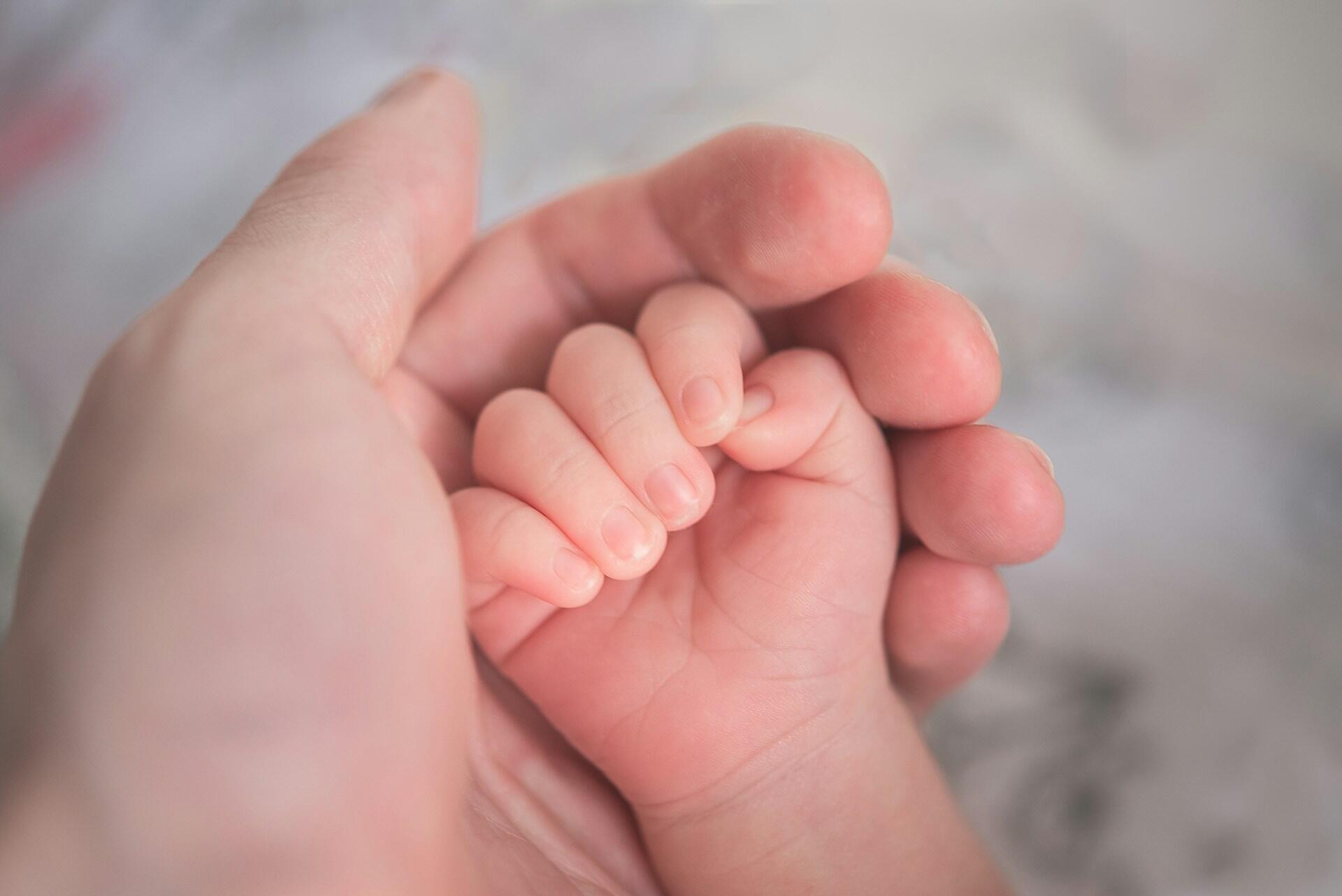
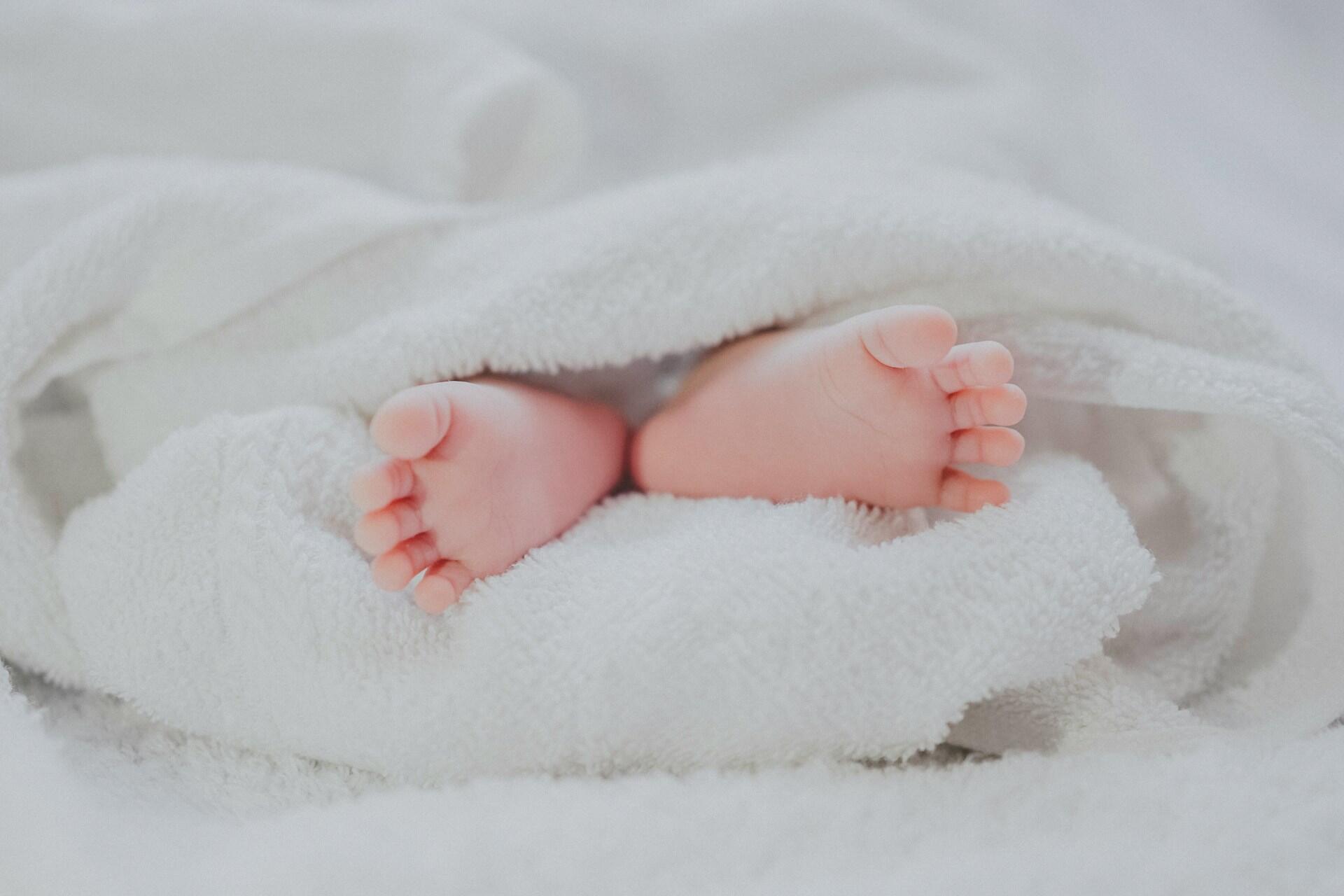
Many popular Māori baby names are widely recognised and used across New Zealand. | Photo by Fé Ngô
Aroha (AH-roh-hah) — Meaning “love,” Aroha is widely used across New Zealand.
Ariki (AH-ree-kee) — Meaning “chief,” Ariki represents leadership and status.
Moana (MOH-ah-nah) — Meaning “ocean,” Moana reflects nature and identity.
Tama (TAH-mah) — Meaning “son,” Tama is simple and traditional.
Marama (MAH-rah-mah) — Meaning “moon,” Marama is connected to light and cycles.
Wiremu (WEE-reh-moo) — Māori form of William, widely used and recognised.
Kiri (KEE-ree) — Meaning “skin,” Kiri is short and popular.
Hemi (HEH-mee) — Māori form of James, commonly used across NZ.
Anahera (AH-nah-heh-rah) — Meaning “angel,” a popular and meaningful name.
Riki (REE-kee) — Meaning “king,” a modern and strong Māori name.
Popular Māori Names for Boys
Having a baby boy? These are the Māori boys' names that are regularly popular. There's a good mix of tradition and modern options here.
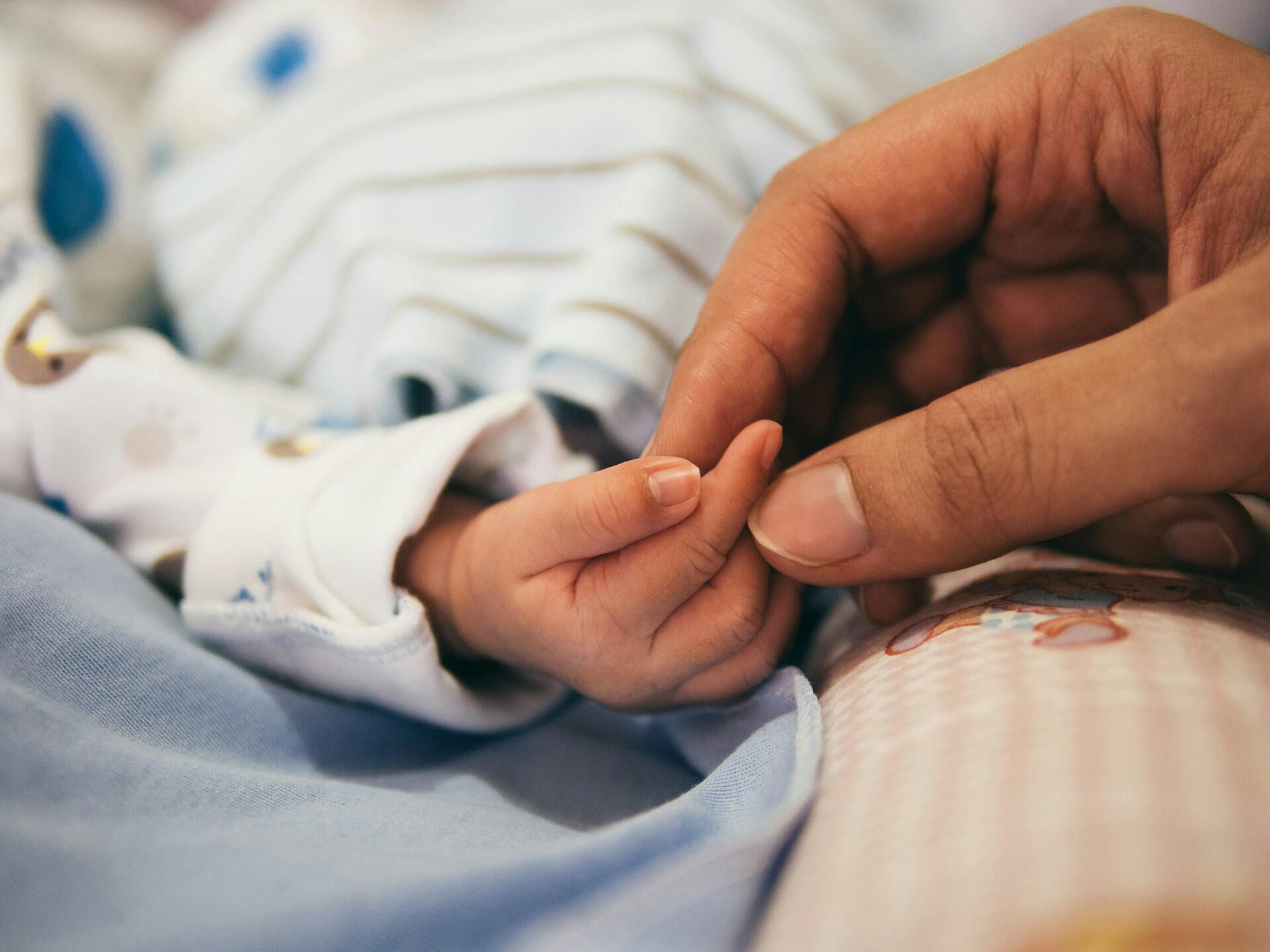
Popular Māori boys names often combine tradition, meaning, and everyday use. | Photo by Aditya Romansa
Ariki (AH-ree-kee) — Meaning “chief” or “noble leader,” Ariki is a strong and widely used Māori name.
Tama (TAH-mah) — Meaning “son” or “boy,” Tama is simple, traditional, and commonly used.
Wiremu (WEE-reh-moo) — The Māori form of William, Wiremu is one of the most popular Māori boys' names.
Hemi (HEH-mee) — The Māori form of James, Hemi is familiar and widely recognised in New Zealand.
Rawiri (RAH-wee-ree) — The Māori form of David, Rawiri is a respected and traditional name.
Hoani (HOH-ah-nee) — The Māori form of John, Hoani has strong biblical and cultural roots.
Mikaere (MEE-kah-eh-reh) — The Māori form of Michael, Mikaere is widely used across NZ.
Pita (PEE-tah) — The Māori form of Peter, Pita is simple and consistently popular.
Riki (REE-kee) — Meaning “king” or “ruler,” Riki is short, strong, and modern in feel.
Tamati (TAH-mah-tee) — The Māori form of Thomas, Tamati is a traditional and reliable name.
Māori girls' names are often simple and flowing. They often sound beautiful and have a beautiful meaning. These combinations make them popular across different communities.
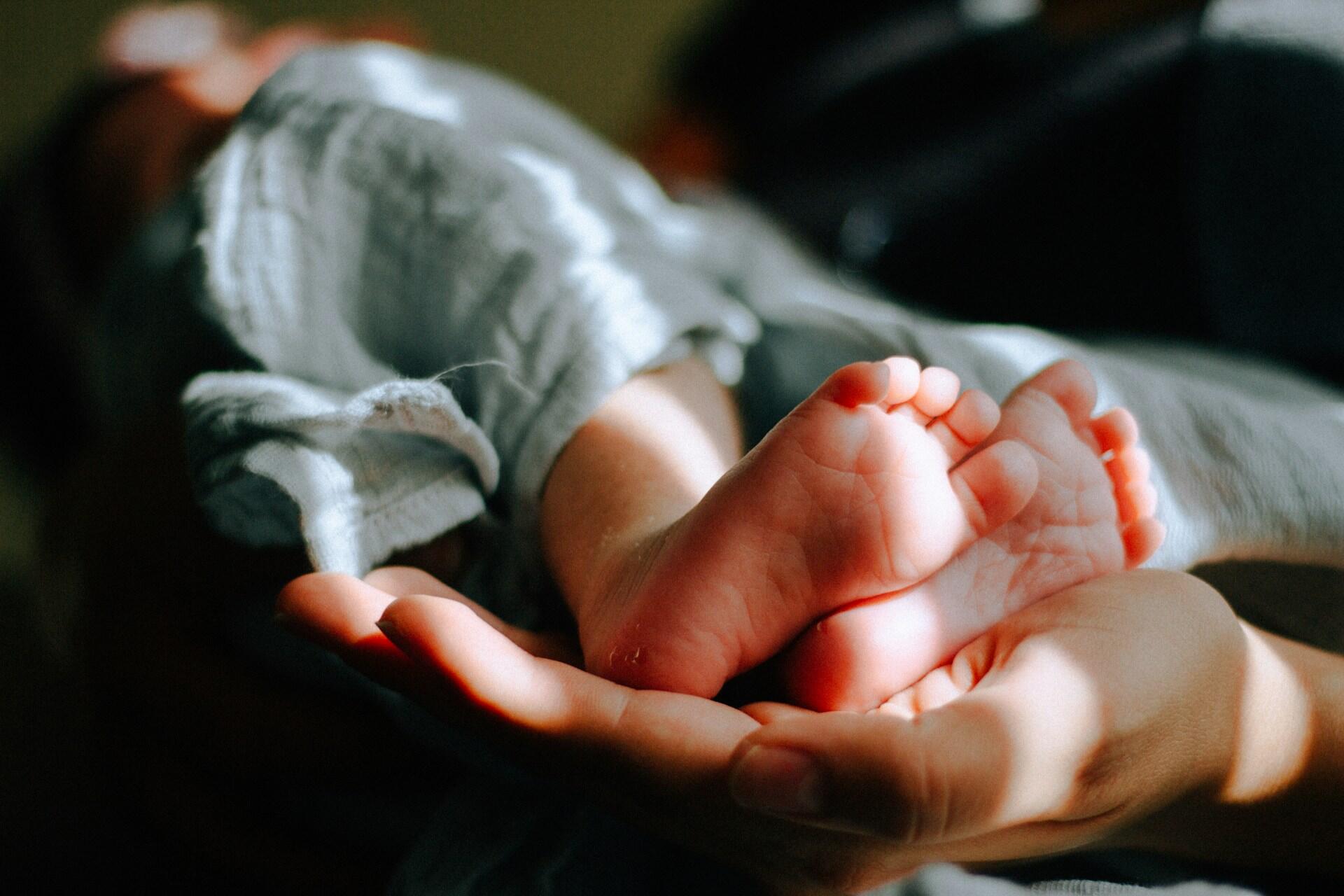
Māori girls names are often chosen for their sound, simplicity, and meaning. | Photo by Jonathan Borba
Aroha (AH-roh-hah) — Meaning “love,” Aroha is one of the most popular Māori girl names.
Moana (MOH-ah-nah) — Meaning “ocean,” Moana reflects a strong connection to nature.
Marama (MAH-rah-mah) — Meaning “moon,” Marama is linked to light and natural cycles.
Kiri (KEE-ree) — Meaning “skin” or “bark,” Kiri is simple and widely used.
Anahera (AH-nah-heh-rah) — Meaning “angel,” Anahera is a meaningful and popular name.
Hana (HAH-nah) — Meaning “work” or “craft,” Hana is short and commonly used.
Mere (MEH-reh) — The Māori form of Mary, Mere is traditional and well established.
Ria (REE-ah) — Meaning “song” or “melody,” Ria is modern and expressive.
Ata (AH-tah) — Meaning “morning” or “dawn,” Ata symbolises new beginnings.
Hine (HEE-neh) — Meaning “girl” or “daughter,” Hine appears in many traditional names.
Māori Names Inspired by Nature and Mythology
Māori names are often inspired by nature and mythology. Coming from well-known stories that often used deities or godlike creatures to explain natural phenomena, te reo Māori words and names are also used to refer to nature.
local_florist
Māori Names and Their Connection to Nature
Many Māori names are inspired by the natural world, including the sky, ocean, forests, and rivers. These names reflect the strong relationship between people and the environment in Māori culture. As a result, Māori baby names often carry meanings linked to natural elements and life cycles.
Rangi (RAH-ngee) — Meaning “sky” or “heavens,” Rangi is central to Māori creation stories.
Tāne (TAH-neh) — Meaning “man” and the god of forests, Tāne is a key figure in Māori mythology.
Awa (AH-wah) — Meaning “river,” Awa reflects movement, life, and connection to land.
Moana (MOH-ah-nah) — Meaning “ocean,” Moana symbolises vastness and identity.
Whetū (FEH-too) — Meaning “star,” Whetū represents guidance and light.
Pounamu (POH-nah-moo) — Meaning “greenstone,” Pounamu is culturally significant and treasured.
Kauri (KOH-ree) — Named after the native tree, Kauri represents strength and endurance.
Hine (HEE-neh) — Meaning “girl” or “daughter,” often used in names of mythological female figures.
Tāwhiri (TAH-fee-ree) — Referring to Tāwhirimātea, the god of weather and winds.
Rā (RAH) — Meaning “sun,” Rā symbolises warmth, energy, and life.
Modern Māori Names and Their Growing Popularity
Nowadays, Māori names are becoming increasingly visible and widely embraced. As a result, old names are increasingly being used, and new contemporary variations are emerging. These names are current and culturally grounded.
There are over
100
popular Māori baby names used across New Zealand.
Manaia (MAH-nye-ah) — A symbolic figure representing protection, often seen in Māori art.
Koa (KOH-ah) — Meaning “warrior,” Koa is short, strong, and increasingly popular.
Nikora (NEE-koh-rah) — Māori form of Nicholas, blending tradition with modern usage.
Ari (AH-ree) — Meaning “noble” or “leader,” Ari is short and modern in style.
Mika (MEE-kah) — A modern short form of Mikaere, widely used today.
Tui (TOO-ee) — Named after the native bird, Tui is simple and nature-inspired.
Ihaia (EE-hai-ah) — Māori form of Isaiah, increasingly used in modern naming.
Kahu (KAH-hoo) — Meaning “cloak” or linked to the hawk, Kahu is symbolic and rising in use.
Rere (REH-reh) — Meaning “to flow” or “to leap,” Rere feels modern and expressive.
Aro (AH-roh) — A shortened modern form linked to Aroha, simple and contemporary.
How to Choose a Māori Baby Name Respectfully
Choosing a name isn't just a question of preference, especially when choosing Māori names. Consider how the name is used, understood, and its original context. Māori names need to be chosen thoughtfully, even by Māori parents, but especially so for Pākehā, who should be cautious and respectful when picking names. If you don't think that'll be possible, you could look to some of the popular non-Māori names in New Zealand.
playlist_add_check
Respect and Cultural Awareness When Choosing Māori Names
When choosing Māori names, it is important to understand their cultural significance. Some names are deeply connected to ancestry, history, or iwi identity and should be used with respect. Learning the meaning and pronunciation of a name helps ensure it is used appropriately.
Different families will choose names in different ways. With Māori names, this decision becomes even more important given their historical and cultural context. Families should take the time to explore names, their meaning, and even their historical use in New Zealand.
Understanding the meaning and cultural context of Māori names helps parents choose respectfully. | Photo by Omar Lopez
We certainly don't have the authority to say whether non-Māori families should use Māori names, so all we can recommend is that Pākehā parents considering Māori names or variants of Māori names discuss their decision with Māori people.
Here are some Maori names for inspiration.
Summarise with AI:
Did you like this article?Leave a rating!
5.00 (1 rating(s))
Loading...
Joseph P
Joseph is a French and Spanish to English translator, copywriter, and all-round language enthusiast.
What Is Matariki Day? The Meaning Behind the Māori New Year Matariki is the Māori New Year. It's marked by the Matariki star cluster (Pleiades) rising over the winter sky of Aotearoa (New Zealand). This cosmic event is a time of renewal, reflection, and celebration, where Māori people gather to honour past, present, and future […]
Māori Days of the Week: Learn Te Reo Days of the Week The Māori language (Te Reo Māori) is part of New Zealand's culture and identity. The language has a tumultuous history of European colonisation, but recent efforts to revitalise it have led to increased language learning in schools, workplaces, and daily communication. Understanding the […]
Top Things to Do in NZ: Must-See Experiences Across the North and South Islands Looking for things to do in New Zealand? We'll never be able to narrow it down, but we've tried to find 30 things for you to do here. From the North Island's volcanic plateaus to the South Island's glacier-carved valleys, there's […]
Māori Creation Story: Origins of the World in Māori Mythology The Māori creation story is central to the culture. While it explains how the world began, it also outlines relationships between people, land, and the spiritual realm. It doesn't separate humanity from nature, but instead places them within a broader family that includes the earth, […]
Māori Traditions and Culture Explained The Maori people are the indigenous population of Aotearoa (New Zealand). They have a rich cultural heritage that has been passed down for centuries and includes powerful storytelling through myths and legends, art forms such as stone carvings and sacred body tattoos, and traditional dances and ceremonies, like the haka. […]
Whānau and the Words for Family in Māori In Māori culture, whānau doesn't just mean "family". It actually represents the foundation of Māori society and the network of relatives connected by blood and by shared responsibility, care, and belonging. whānau stretched beyond parents and children in a single household to include grandparents, cousins, aunts, uncles, […]
15 Māori Phrases and Vocabulary You Should Learn There's no right or wrong way to learn any language. Instead, every language learner should look for the approach that best works for them. However, certain words and phrases are useful to know at the start of your language learning journey, and when it comes to te […]
What is Kapa Haka? Kapa haka is the traditional Māori performing art that blends song, dance, and storytelling. It's been practised for generations in Aotearoa (New Zealand) and is deeply rooted in the traditions of the Māori. Literally meaning “group dance”, kapa haka can include performances ranging from ceremonial rituals to displays of unity and […]
The Guide to Māori Waiata Waiata, or Māori songs, are a key part of the Māori culture. They're a powerful form of storytelling, expression, and connection passed down through generations. They carry the weight of history, spirituality, and identity. Across Aotearoa (New Zealand), they have been performed in various contexts, from pōwhiri (welcomes) to tangihanga […]
30 January 2025 ∙ 8 minutes to read
Summarise with AI:
Frequently asked questions
👶 What are some popular Māori baby names?
Some popular Māori baby names include Aroha (love), Ariki (chief), Moana (ocean), and Tama (boy). These names are widely used and have strong cultural meanings.
📚 Do Māori names have meanings?
Yes, most Māori names come from te reo Māori words and have clear meanings.
🤔 Can non-Māori people use Māori names?
Non-Māori people can use Māori names, but it is important to do so respectfully.





 Loading...