Hari Huritau Meaning and Other Ways to Wish People a Happy Birthday in Māori
How to say Happy Birthday in Māori, understand the meaning of hari huritau, and use Māori celebration phrases for birthdays, holidays, and memorable moments.
Learning how to say Happy Birthday in Māori is a nice way to celebrate someone special and get more te reo into your everyday life. While hari huritau basically is used as “happy birthday”, there's more to it than that. Let's explore how to use birthday greetings in te reo correctly, and the cultural context you should be aware of.
Key Takeaways
Hari huritau is the most common way to say Happy Birthday in Māori and refers to the turning of the year.
Rā whānau is another widely used greeting and works well in casual messages and social posts.
Māori birthday waiata use the same melody as the English Happy Birthday song, making them easy to learn.
Celebration phrases like Meri Kirihimete and Ngā mihi o te tau hou help you mark holidays in te reo.
Expressions such as Kei te aroha au ki a koe and Aroha nui let you share affection in Māori.
Learning kupu for parties, gifts, greetings, and waiata enriches reo in everyday celebrations.
Using Māori celebration phrases respectfully means choosing them with intention and learning proper pronunciation.
Hari huritau is probably how most people would say "Happy Birthday" and it's one of the more common expressions in Māori. However, it carries more meaning than the English expression, and it's worth knowing what that is. It doesn't just focus on the birthday day, as the English expression does, but also on the year and the journey of the person who's growing older. It's worthwhile for learners to make a concerted effort to understand and appreciate the kupu and cultural values behind celebrating life in te reo Māori.
cake
What Hari Huritau Really Means
Hari huritau is more than a direct translation of “happy birthday”. It comes from the idea of turning or completing another year of life, reflecting the Māori view of time as a cycle. When you wish someone hari huritau, you’re acknowledging their growth, their journey, and their place within whānau and community.
Breaking Down the Words Hari and Huritau
Hari: This word is often used to express joy or happiness. It appears in many celebration phrases, which helps learners recognise patterns in Māori greetings. It is easy to pronounce as "hah-ree", making it a valuable and memorable kupu for beginners.
Huri: This word means to turn or change direction. It reflects the idea of movement, which links naturally to the passing of time and the annual cycle of life. Understanding huri helps learners grasp why birthdays are viewed as moments of transition.
Tau: This word means 'year' and is also found in other time-related kupu, such as tau hou for New Year. It anchors the meaning of huritau by identifying the period being completed. Seeing tau in different phrases helps reinforce vocabulary connections.
Huritau: This compound word combines huri and tau to mean the turning of the year. It describes the moment someone becomes a year older and marks a new stage of life. The concept makes Māori birthday greetings feel more symbolic and personal.
Why Birthdays Are Viewed as Turning the Year
Personal new year: A birthday in Māori is treated as an individual new year, where a person acknowledges growth, reflection, and change.
Cyclical time: Māori time is traditionally understood as cyclical rather than linear, which reinforces the idea of life moving through repeating seasons and stages.
Connection to whānau: Each huritau is linked to relationships, family, and community, making the celebration meaningful beyond the individual.
How Māori Communities Mark a Huritau
Waiata: Many gatherings include singing a waiata such as “Hari Huritau ki a Koe”, which helps learners practise pronunciation and rhythm.
Koha and mihi: People often offer a koha, share food, or give a short mihi to acknowledge the person turning a year older. These actions reinforce respect and appreciation.
Greeting choices: Some use hari huritau, others prefer rā whānau, and many use both together. This flexibility makes it easy for learners to choose the phrase that feels natural.
Whānau-centred celebrations: Huritau events are usually warm, inclusive, and centred on whānau and community, giving learners many opportunities to practise new kupu in real settings.
How to Say Happy Birthday in Māori
There are actually several ways to say "Happy Birthday" in Māori, and by knowing the different versions and the syntax, you can add greater meaning to your sentences. You'll see both hari huritau and rā whānau used in cards, messages, and waiata. Make sure you know the differences between these.
playlist_add_check
The Difference Between Hari Huritau and Rā Whānau
Both phrases mean “happy birthday”, but they’re used in slightly different ways. Hari huritau focuses on the turning of the year, while rā whānau refers directly to the birthday day itself. Māori speakers use both, and you’ll often hear them together in songs, messages, and celebrations.
Hari Huritau Ki a Koe
Hari huritau ki a koe: This phrase means "happy birthday to you" and is the most widely used Māori birthday greeting. It is simple, friendly, and suitable for almost any situation, from speaking to friends to writing a message. The phrase uses the word koe to address a single person directly, making it ideal for personalised greetings.
Hari huritau ki a kōrua: This version means “happy birthday to you two”. It is helpful for twins, partners sharing a party, or joint celebrations where two people are turning a year older.
Hari huritau ki a koutou: This form means “happy birthday to all of you” and is used when addressing a group. It helps learners practise different Māori pronouns while keeping the meaning clear.
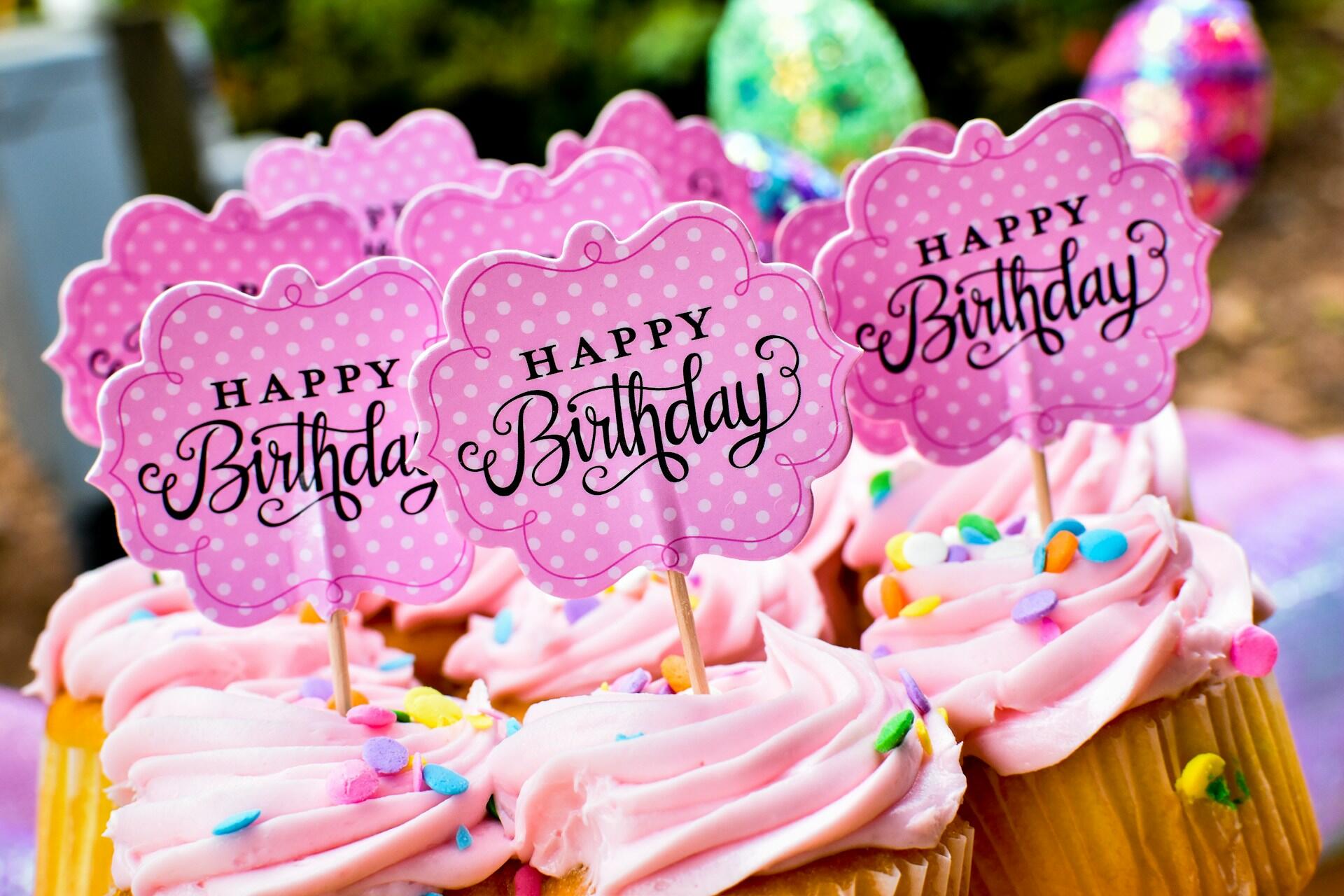
While "Happy Birthday" is the most common way to say it in English, there are a few more things to consider when you express the same sentiment in Maori. | Photo by Fujiphilm
Rā Whānau Variations
Rā whānau: This phrase literally means “birthday” and is commonly used on its own as an informal greeting. Many Māori speakers use rā whānau in social posts, text messages, or quick spoken greetings.
Rā whānau ki a koe: This means “happy birthday to you” and works as a direct alternative to hari huritau ki a koe. It feels a little more modern and casual, which makes it popular among younger speakers.
Rā whānau koa: This means “joyful birthday” and adds an extra sense of happiness or celebration. Learners may see this written on cards or sung as part of a waiata.
Choosing the Right Greeting for Friends, Whānau, and Tamariki
For close friends: Many people choose rā whānau or hari huritau ki a koe, both of which feel warm and friendly. These greetings work well in spoken conversations, cards, and social messages.
For whānau and elders: Hari huritau is often preferred because of its cultural depth and respectful tone. Adding a mihi or acknowledging the person’s achievements during the year can make the message more meaningful.
For children (tamariki): Simple phrases like “Hari huritau” or “Rā whānau ki a koe” are easy for children to understand and repeat. Learners can also pair the greeting with a waiata to help tamariki practise te reo in a fun way.
Over
200,000
people in New Zealand can hold everyday conversations in te reo Māori.
Māori Phrase
English Meaning
Notes
Hari huritau
Happy birthday
Most common Māori birthday greeting
Hari huritau ki a koe
Happy birthday to you
Used for one person (koe)
Hari huritau ki a kōrua
Happy birthday to you two
Used for two people
Hari huritau ki a koutou
Happy birthday to all of you
Used for three or more people
Rā whānau
Birthday/Happy Birthday
Informal and widely used
Rā whānau ki a koe
Happy birthday to you
Modern and friendly tone
Rā whānau koa
Joyful birthday
Used in cards or waiata
Hari huritau (waiata)
Happy Birthday (song lyrics)
Sung to the English tune
Meri Kirihimete
Merry Christmas
Most common Christmas greeting
Ngā mihi o te Kirihimete
Christmas greetings
Slightly more formal tone
Meri Kirihimete me te Tau Hou
Merry Christmas and Happy New Year
Used at end-of-year celebrations
Ngā mihi o te tau hou
New Year greetings
Works in both formal and informal settings
Hari tau hou
Happy New Year
Easy for beginners to use
Te tau hou o Matariki
Māori New Year greeting
Refers to Matariki celebrations
Ngā mihi
Greetings/acknowledgements
Used to congratulate or thank someone
Ka pai
Well done
Used for encouragement or praise
Kia kaha
Be strong
Used for support or motivation
Kei te aroha au ki a koe
I love you
Most direct expression of love
Kei te tino aroha au ki a koe
I really love you
Stronger romantic or emotional tone
Kei te ngākau aroha au ki a koe
I love you from the heart
Poetic and gentle
Aroha nui
Lots of love
Common in messages to friends and whānau
He aroha taku ki a koe
I have love for you
Softer and poetic expression
Ngā mihi aroha
Loving acknowledgements
Used to sign off letters and messages
Just two words in English, but there are more ways to say "Happy Birthday" in English and Maori. | Photo by Annie Spratt
Other Celebration Phrases in Māori
Birthdays aren't the only thing you can celebrate, and if you want to send an email in Māori, it's worthwhile knowing a few celebration phrases for your colleagues. Perhaps you celebrate Christmas or the New Year. It's always nice to give thanks, wish someone well, or mark important events, and it's even nicer to do so in someone's language.
check_circle
Using Māori Celebration Phrases Respectfully
If you’re learning te reo, using celebration phrases is a positive way to include more Māori language in daily life. A small greeting, waiata, or mihi can add warmth and meaning to someone’s special day. The key is to use phrases with genuine intention and learn their correct pronunciation over time.
Merry Christmas in Māori
Meri Kirihimete: This is the most common way to say Merry Christmas in Māori and is widely used in cards, decorations, and festive messages. It is a simple loan phrase, making it easy for beginners to learn and remember.
Ngā mihi o te Kirihimete: This means “Christmas greetings” and adds a slightly more formal tone. It works well when writing to colleagues, teachers, or people you do not know well.
Meri Kirihimete me te Tau Hou: This means “Merry Christmas and Happy New Year” and is perfect for end-of-year celebrations. Using this phrase helps learners connect Christmas and New Year vocabulary.
Wishing Someone a Happy New Year
Ngā mihi o te tau hou: This means “New Year greetings” and is one of the most commonly used expressions. It works well in formal or informal settings and helps learners practise the kupu tau hou.
Hari tau hou: This means “happy New Year” and mirrors the structure of hari huritau by expressing joy for the turning of a new year. It is simple, friendly, and easy to pronounce.
Te tau hou o Matariki: This phrase acknowledges the Māori New Year that begins during the rise of the Matariki star cluster. It is a culturally significant greeting that connects language learning with Māori astronomy and tradition.
There are many reasons to celebrate throughout the year. | Photo by Adi Goldstein
Congratulations and Good Wishes in Māori
Ngā mihi: This phrase means “greetings” or “acknowledgements” and is used to congratulate someone for their achievement. It can be added to birthday or celebration messages to show respect.
Ka pai: This means “well done” and is used in everyday encouragement, making it perfect for celebrating small achievements or milestones. It is one of the easiest phrases for learners to start using confidently.
Kia kaha: This means “be strong” and is often used to offer support or encouragement. Learners can use this in celebrations, speeches, or mihi to motivate and uplift others.
How to Say I Love You in Māori
The warmest expression in the English language is also one that's beautiful in Māori. These phrases are often used within whānau, friendships, and romantic relationships, and each one carries its own nuance. If you feel love is a bit strong, there are plenty of ways to offer encouragement in te reo. Here's how to use some common expressions for love.
Kei te aroha au ki a koe
Kei te aroha au ki a koe: This means “I love you” and is the most direct and widely taught expression. It uses the structure kei te to show a present feeling, and it clearly addresses the person with ki a koe. Learners can use this phrase in romantic contexts or when expressing affection to someone important.
Kei te tino aroha au ki a koe: This means “I really love you” and adds emphasis using tino, which strengthens the level of affection. It is a natural phrase to use when you want to express strong or heartfelt emotion.
Kei te ngākau aroha au ki a koe: This variation connects love with the heart through ngākau. It adds a poetic and gentle tone, making it a thoughtful option for written messages or memorable moments.
Aroha nui and Other Affectionate Phrases
Aroha nui: This means “lots of love” and is commonly used at the end of letters, texts, and messages. It works with friends, whānau, and children, making it one of the most flexible expressions for learners.
He aroha taku ki a koe: This means “I have love for you” and is a softer, more poetic way of expressing affection. It can be used in formal writing, speeches, or mihi.
Ngā mihi aroha: This means “loving acknowledgements” and can be used when signing off a card or email. It shows care and warmth without being overly romantic.
A tough word to define, which is probably why there are so many ways to say "I love you". | Photo by Shaira Dela Peña
When to Use These Expressions
For whānau: Aroha nui or he aroha taku ki a koe are warm, safe, and affectionate options that fit family relationships. They convey care in a natural and culturally appropriate way.
For romantic partners: Kei te aroha au ki a koe is the most straightforward way to express romantic love, especially in spoken conversations. It is direct, sincere, and easy for learners to use confidently.
For friends or tamariki: Aroha nui is perfect for friends, children, or anyone you want to uplift. It feels friendly, supportive, and widely understood across Aotearoa.
There are roughly
38,000
secondary school students learning te reo Māori.
Māori Phrase
English Meaning
Notes
Whakanui
To celebrate
Useful verb for talking about celebrations
Koha
Gift
Often given at birthdays or gatherings
Waiata
Song
Common at huritau celebrations
Mihi
Greeting/speech
Adds respect to special occasions
Tau hou
New Year
Used in seasonal greetings
Hauora
Wellbeing
Used in positive wishes and blessings
Whānau
Family
Appears in many celebration contexts
Pāti
Party
A modern loanword used for gatherings
Ngā mihi nui
Many greetings/thanks
Works for congratulating someone
Kia pai tō rā
Have a good day
Useful general greeting
Kia pai tō wiki
Have a good week
Good for writing cards/messages
Kia pai tō hararei
Have a good holiday
Seasonal or travel-related
Haere rā
Goodbye (to someone leaving)
Useful at events and farewells
Kia ū
Stay steadfast
Encouraging expression
Kia māia
Be brave
Used for achievements and support
If you need help mastering the Māori pronouns, pronunciation, or grammar, why not get help from a Māori tutor on Superprof? You can find tutors all over New Zealand, and with many offering the first session for free, you can always try a few. Just search for "Maori" on the Superprof site today!
Summarise with AI:
Did you like this article?Leave a rating!
5.00 (1 rating(s))
Loading...
Joseph P
Joseph is a French and Spanish to English translator, copywriter, and all-round language enthusiast.
Māori Creation Story: Origins of the World in Māori Mythology The Māori creation story is central to the culture. While it explains how the world began, it also outlines relationships between people, land, and the spiritual realm. It doesn't separate humanity from nature, but instead places them within a broader family that includes the earth, […]
Māori Traditions and Culture Explained The Maori people are the indigenous population of Aotearoa (New Zealand). They have a rich cultural heritage that has been passed down for centuries and includes powerful storytelling through myths and legends, art forms such as stone carvings and sacred body tattoos, and traditional dances and ceremonies, like the haka. […]
Whānau and the Words for Family in Māori In Māori culture, whānau doesn't just mean "family". It actually represents the foundation of Māori society and the network of relatives connected by blood and by shared responsibility, care, and belonging. whānau stretched beyond parents and children in a single household to include grandparents, cousins, aunts, uncles, […]
15 Māori Phrases and Vocabulary You Should Learn There's no right or wrong way to learn any language. Instead, every language learner should look for the approach that best works for them. However, certain words and phrases are useful to know at the start of your language learning journey, and when it comes to te […]
What is Matariki Day? The Meaning Behind the Māori New Year Matariki is the Māori New Year. It's marked by the Matariki star cluster (Pleiades) rising over the winter sky of Aotearoa (New Zealand). This cosmic event is a time of renewal, reflection, and celebration, where Māori people gather to honour past, present, and future […]
What is Kapa Haka? Kapa haka is the traditional Māori performing art that blends song, dance, and storytelling. It's been practised for generations in Aotearoa (New Zealand) and is deeply rooted in the traditions of the Māori. Literally meaning “group dance”, kapa haka can include performances ranging from ceremonial rituals to displays of unity and […]
The Guide to Māori Waiata Waiata, or Māori songs, are a key part of the Māori culture. They're a powerful form of storytelling, expression, and connection passed down through generations. They carry the weight of history, spirituality, and identity. Across Aotearoa (New Zealand), they have been performed in various contexts, from pōwhiri (welcomes) to tangihanga […]
Teaching Children te reo Māori The Māori language or te reo Māori is the language of the Māori people. Like any other language, children can learn it and whether you're a parent or an educator, you might be interested in our quick guide to teaching children the language. Before we get into it, though, we'll […]
How to Learn Maori with a Private Tutor Maori is both the name for the people indigenous to New Zealand and the language spoken by them. The Maori have been in New Zealand for centuries and today make up 15% of the country's population. Not only are the people an essential part of New Zealand […]
10 August 2023 ∙ 7 minutes to read
Summarise with AI:
Frequently asked questions
🎂 How do you say Happy Birthday in Māori?
Most people use "Hari huritau" or "Rā whānau" to wish someone a happy birthday in Māori, and both are common ways to do so.
🎉 What does hari huritau mean?
Hari huritau refers to the turning of the year for a person. It expresses happiness for someone completing another year of life.






 Loading...