
If you're choosing or have to go gluten-free, it can feel pretty restrictive. So many foods include gluten. Luckily, once you know what you're doing, you can make the swap fairly simply and eat some great food. Here, we'll look at what to eat, what to avoid, and some tips for making easy swaps.
Key Takeaways
- Gluten is found in wheat, barley, rye, and many products made from these grains.²
- In New Zealand, food labelled gluten-free must contain no detectable gluten, no oats, and no malted ingredients from gluten-containing cereals.¹⁰
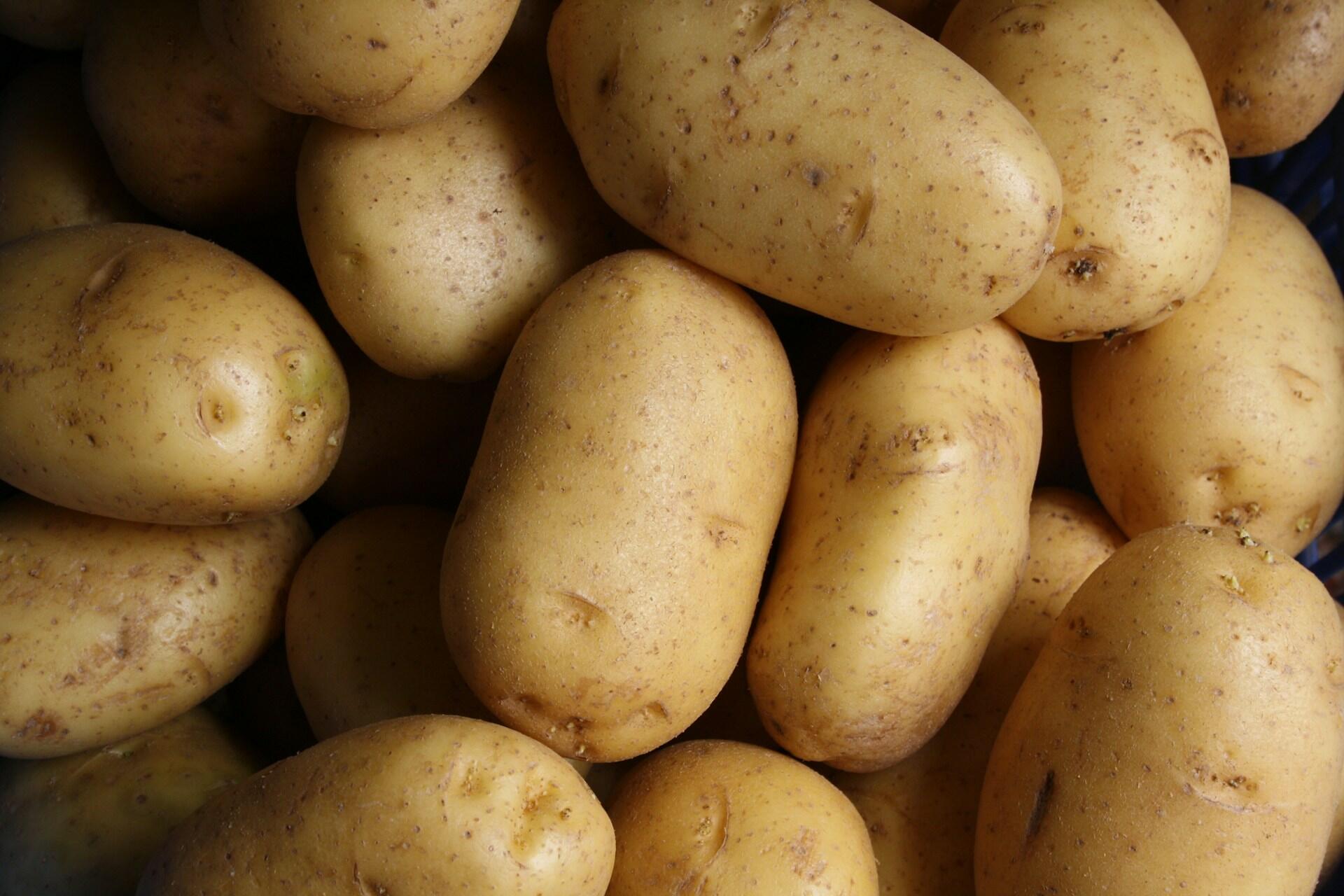
- Naturally gluten-free staples include rice, corn, potato, kumara, quinoa, buckwheat, fruit, vegetables, plain meat, fish, eggs, dairy, beans, lentils, nuts, and seeds.⁴
- Hidden gluten can appear in sauces, stock cubes, ready meals, processed snacks, sausages, sweets, and chocolate, so labels matter.⁵
- If you think you may have coeliac disease, speak to a health professional before removing gluten from your diet.⁹





What Does Gluten Free Mean?
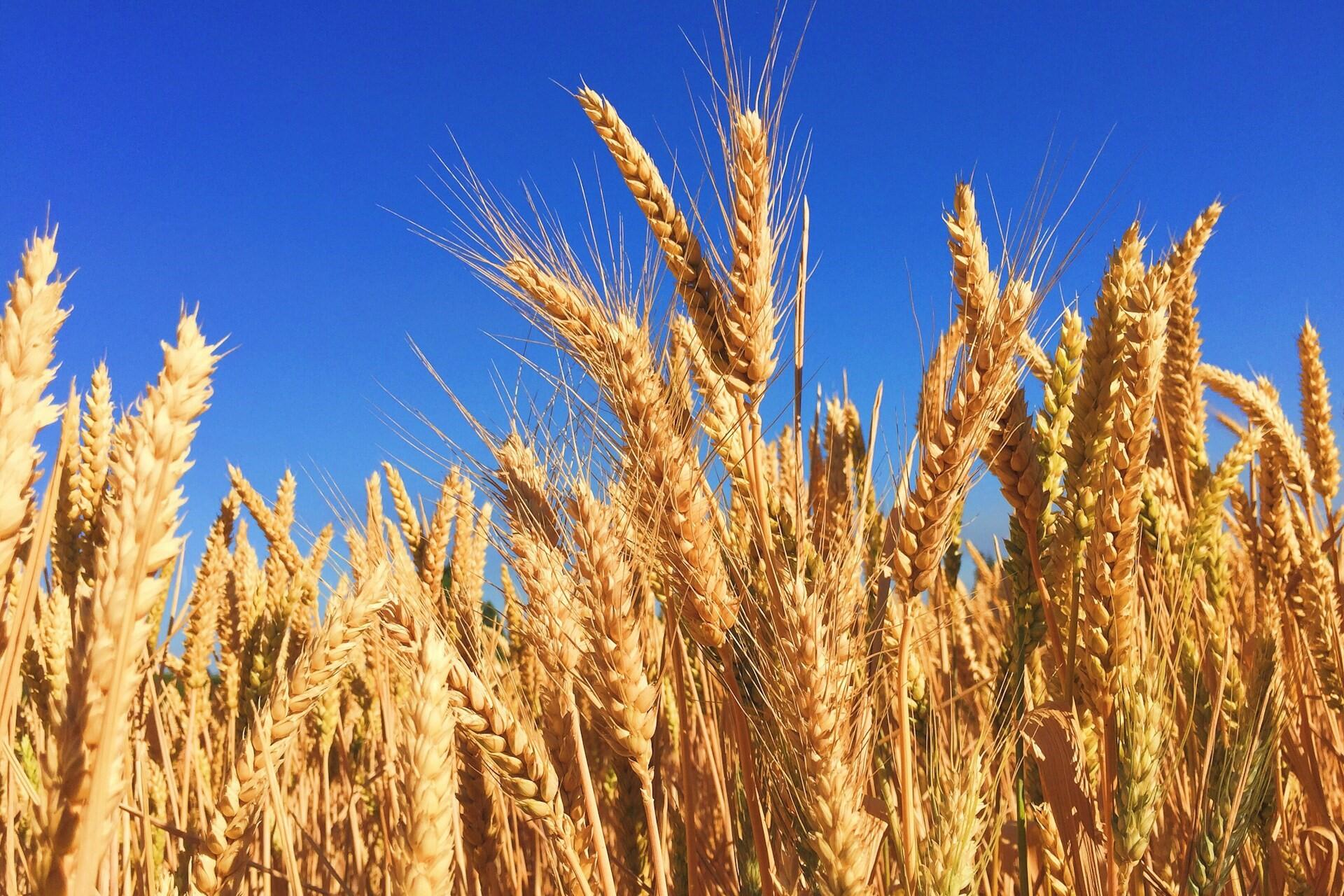
Gluten is a group of proteins. You can find it in grains like wheat, barley, and rye. For those with coeliac disease, it can trigger symptoms and intestinal damage. Gluten-free foods aren't a preference for those with coeliac disease; they're part of their lifelong treatment.⁹
of New Zealanders.⁶
The "gluten-free" label is what shoppers should look for. However, you'll also need to think about alternatives to the obvious flour-based foods and pay attention to packaged products like prepared meals, sauces, and snacks that are made and labelled.⁷ There are products that you wouldn't automatically contain gluten.
In New Zealand, food labelled gluten-free must contain no detectable gluten. It also cannot contain oats, oat products, or malted ingredients made from gluten-containing cereals, which is why checking the label matters even when a product looks safe.¹⁰
Gluten-Free Foods You Can Eat
A gluten-free diet can still be varied, even if it sometimes feels like everything contains gluten. Look for gluten-free staples rather than trying to replace wheat-based products right away. Build meals from the ground up with gluten-free ingredients rather than trying to swap things out.
of people with coeliac disease in New Zealand may be undiagnosed, so anyone with symptoms should speak to a health professional before cutting out gluten.⁶
Naturally Gluten-Free Grains, Starches and Flours
Fresh Fruit, Vegetables, Meat, Fish, Eggs and Dairy
| Food or ingredient | Category | Use in the article | Quick note |
|---|---|---|---|
| Rice | Safe gluten-free foods | Naturally gluten-free grain or starch | Use as a base for bowls, stir-fries, and side dishes. |
| Corn | Safe gluten-free foods | Naturally gluten-free grain or starch | Choose plain corn, polenta, or cornflour and check flavoured products. |
| Potato and kumara | Safe gluten-free foods | Naturally gluten-free starch | Good everyday swaps for bread, pasta, or couscous. |
| Quinoa, buckwheat, millet, and tapioca | Safe gluten-free foods | Naturally gluten-free grains and starches | Useful for salads, baking, and side dishes. |
| Fresh fruit and vegetables | Safe gluten-free foods | Fresh foods to build meals around | Naturally gluten free when plain and unprocessed. |
| Plain meat, fish, eggs, milk, yoghurt, and cheese | Safe gluten-free foods | Protein and dairy options | Check added sauces, marinades, coatings, and flavourings. |
| Beans, lentils, nuts, and seeds | Safe gluten-free foods | Plant-based staples | Naturally gluten free, but check processed or flavoured versions. |
| Wheat, barley, rye, triticale, spelt, bulgur, and semolina | Avoid | Common gluten-containing grains | Avoid unless a product is specifically made and labelled gluten free. |
| Malt and brewer's yeast | Avoid or check carefully | Hidden gluten ingredients | Often linked to gluten-containing cereals, so check the label. |
| Bread, pasta, cakes, pastries, biscuits, and pizza bases | Avoid or choose gluten-free versions | Everyday foods that commonly contain gluten | Choose products clearly labelled gluten free. |
| Beer, breadcrumbs, breaded meat or fish, and processed snacks | Avoid or check carefully | Foods commonly made with gluten ingredients | Check labels and preparation methods before eating. |
| Soy sauce, stock cubes, gravy, marinades, and salad dressings | Check carefully | Hidden gluten risks | Use gluten-free alternatives where needed, such as tamari labelled gluten free. |
| Ready meals, processed soups, flavoured crisps, sausages, meatballs, sweets, and chocolate | Check carefully | Packaged and processed foods | Start with the allergen statement, then read the full ingredients list. |
| Oats | Special caution | Important New Zealand labelling note | Oats cannot be labelled gluten free in New Zealand or Australia. |
Foods That Commonly Contain Gluten
Get into the habit of knowing which foods regularly contain gluten. If they're made from flour, they'll have gluten. Bread, pasta, cakes, pastries, beer, and breaded foods are the main ones to watch, but ingredients like malt and brewer’s yeast can also make a product unsuitable for a gluten-free diet.²
Wheat, Barley, Rye and Malt
Bread, Pasta, Cakes, Beer and Processed Foods
Hidden Gluten: What to Check on Food Labels
With packaged, flavoured, or prepared food, you might find gluten where you don't expect it. Luckily, in New Zealand, wheat, barley, rye, oats, and gluten must be declared when present. For anything you buy, check the packaging first.
Gluten can appear in obvious ingredients such as wheat, barley, rye, and oats, but it can also appear in malt, brewer’s yeast, sauces, stock cubes, processed snacks, and ready meals. Start with the allergen statement, then read the full ingredients list before deciding whether a food is suitable.⁵
This Coeliac New Zealand webinar explains how to read food labels carefully to spot hidden gluten before buying or eating packaged foods.
Sauces, Stock Cubes, Snacks and Ready Meals
- Soy sauce
- Stock cubes
- Gravy mixes
- Marinades
- Salad dressings
- Curry powders
- Ready meals
- Processed soups
- Flavoured crisps
- Sausages
- Meatballs
- Sweets and chocolate⁵
Why Oats Need Extra Care
- Oats cannot be labelled gluten-free in New Zealand
- Oats contain avenin
- Some people with coeliac disease react to avenin
- Oats are often contaminated with wheat, barley, or rye
- Coeliac New Zealand recommends medical guidance before introducing oats¹
Easy Gluten-Free Swaps for Everyday Meals
Certain meals can easily be made gluten-free by swapping out a single risky ingredient. Firstly, start with naturally gluten-free bases like rice, potatoes, kumara, corn, quinoa, lentils, and gluten-free flours, then check sauces, seasonings, and packaged extras before adding them.⁴ Here are a few quick swaps so you can go gluten-free:
- Swap wheat pasta for rice noodles, corn pasta, or gluten-free pasta.
- Swap bread crumbs for crushed gluten-free crackers, polenta, or rice crumbs.
- Swap wheat flour in sauces for cornflour, potato starch, or tapioca starch.
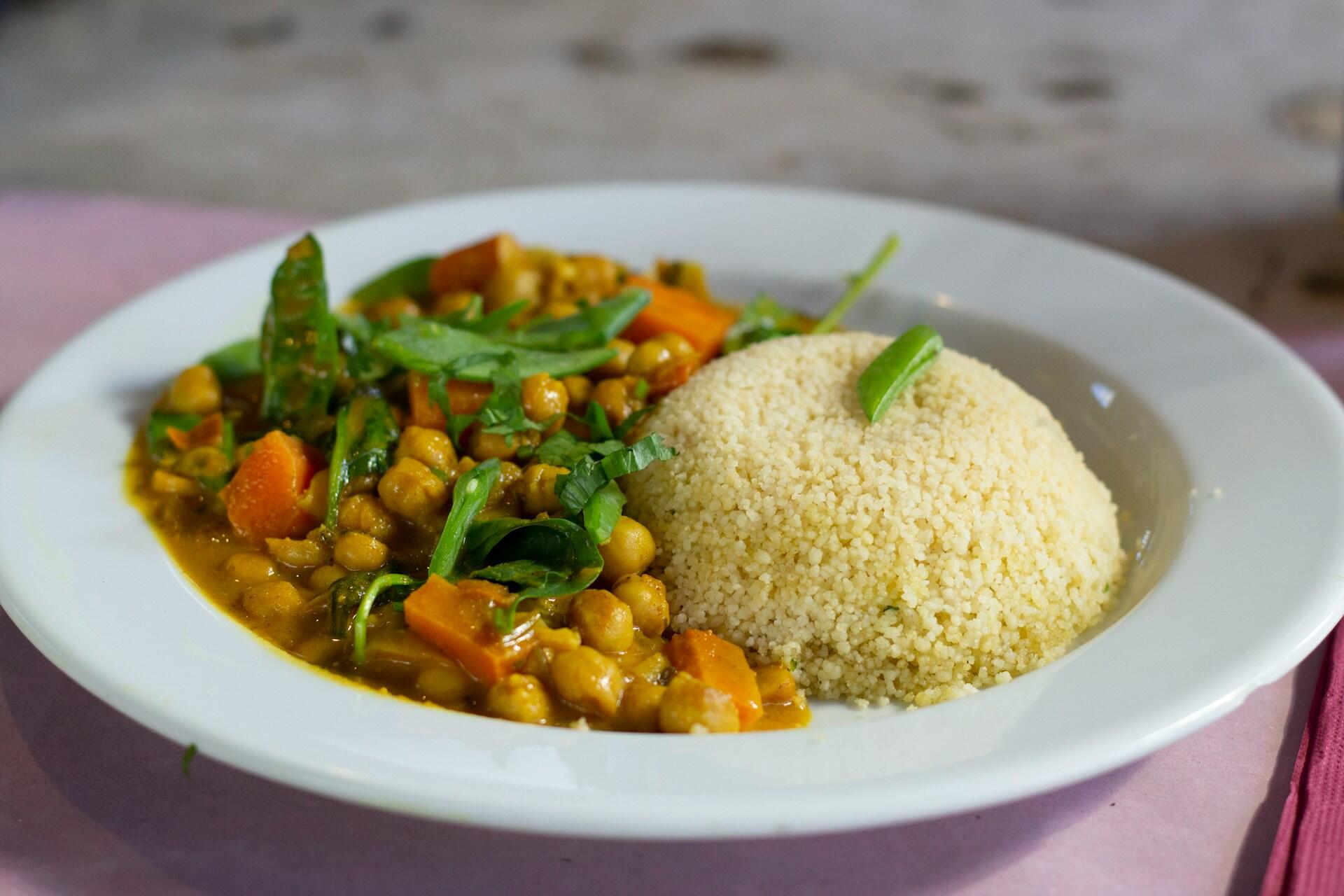
- Swap couscous for quinoa, rice, or millet.
- Swap soy sauce for tamari, labelled gluten-free.
- Swap wheat wraps for corn tortillas or lettuce cups.
- Swap standard baking flour for rice flour, chickpea flour, buckwheat flour, or a gluten-free flour blend.
- Swap beer for drinks clearly labelled gluten-free.
3 Simple Gluten-Free Recipes to Try
The best gluten-free recipes are conceived with gluten-free ingredients as a base. From there, you can use safe sauces, herbs, spices, and fresh produce. Here are some ideas that use everyday gluten-free foods like rice noodles, chickpea flour, kumara, lentils, vegetables, and eggs, making them easy options for lunch, dinner, or meal prep.³
Gluten-Free Rice Noodle Stir-Fry
- Cook the rice noodles according to the packet instructions, then drain and set aside.
- Heat sesame oil in a pan and fry the garlic, ginger, and mixed vegetables until just tender.
- Add the egg or tofu, then stir through the noodles and gluten-free tamari.
- Serve hot with spring onion, sesame seeds, or chilli flakes if suitable.
Gluten-Free Chickpea Flour Pancakes
- Whisk chickpea flour, water, egg, and a pinch of salt into a smooth batter.
- Stir in chopped spinach, herbs, or grated cheese if using.
- Heat olive oil in a frying pan and pour in small rounds of batter.
- Cook each pancake for 2 to 3 minutes per side, then serve warm.
Gluten-Free Kumara and Lentil Salad
- Chop the kumara into cubes, toss with olive oil, and roast until soft and golden.
- Rinse and drain the cooked lentils, then add them to a large bowl.
- Mix in spinach, roasted kumara, pumpkin seeds, feta, lemon juice, and herbs.
- Serve warm or chilled, and store leftovers in the fridge for lunch the next day.
Should You Go Gluten Free?
Going gluten-free is a non-negotiable for those with coeliac disease and is one of the reasons people go gluten-free. However, make sure you get a proper diagnosis. Always speak to a medical professional.⁹
If you think you may have coeliac disease, speak to a health professional before removing gluten from your diet. Cutting out gluten before testing can make diagnosis harder, even if your symptoms improve.⁹
References
- Coeliac New Zealand. “Coeliac NZ Position Statement: Oats and Coeliac Disease.” Coeliac New Zealand, https://coeliac.org.nz/coeliac-nz-position-statement-oats-and-coeliac-disease/. Accessed 23 May 2026.
- Coeliac New Zealand. “Common Sources of Gluten.” Coeliac New Zealand, https://coeliac.org.nz/common-sources-of-gluten/. Accessed 23 May 2026.
- Coeliac New Zealand. “Gluten Free Recipes Archives.” Coeliac New Zealand, https://coeliac.org.nz/product-category/recipes/. Accessed 23 May 2026.
- Coeliac New Zealand. “How to Eat Gluten Free.” Coeliac New Zealand, https://coeliac.org.nz/how-to-eat-gluten-free/. Accessed 23 May 2026.
- Coeliac New Zealand. “How to Read Food Labels.” Coeliac New Zealand, https://coeliac.org.nz/how-to-read-food-labels/. Accessed 23 May 2026.
- Coeliac New Zealand. “New Zealand’s First Coeliac Registry Surpasses 500 Participants.” Coeliac New Zealand, https://coeliac.org.nz/new-zealands-first-coeliac-registry-surpasses-500-participants/. Accessed 23 May 2026.
- Food Standards Australia New Zealand. “Allergen Labelling for Food Businesses.” Food Standards Australia New Zealand, https://www.foodstandards.gov.au/business/labelling/allergen-labelling. Accessed 23 May 2026.
- Health New Zealand. “Gluten-Free Eating for Coeliac Disease.” Health New Zealand, https://www.healthnz.govt.nz/health-topics/conditions-treatments/stomach-and-bowel/coeliac-disease/gluten-free-eating-for-coeliac-disease. Accessed 23 May 2026.
- Healthify. “Coeliac Disease Overview.” Healthify, https://healthify.nz/health-a-z/c/coeliac-disease. Accessed 23 May 2026.
- Ministry for Primary Industries. “Allergen Declarations, Warnings, and Advisory Statements on Food Labels.” New Zealand Government, https://www.mpi.govt.nz/food-business/labelling-composition-food-drinks/allergen-declarations-warnings-and-advisory-statements-on-food-labels. Accessed 23 May 2026.
Résumer avec l'IA :
Did you like this article? Leave a rating!

 Loading...