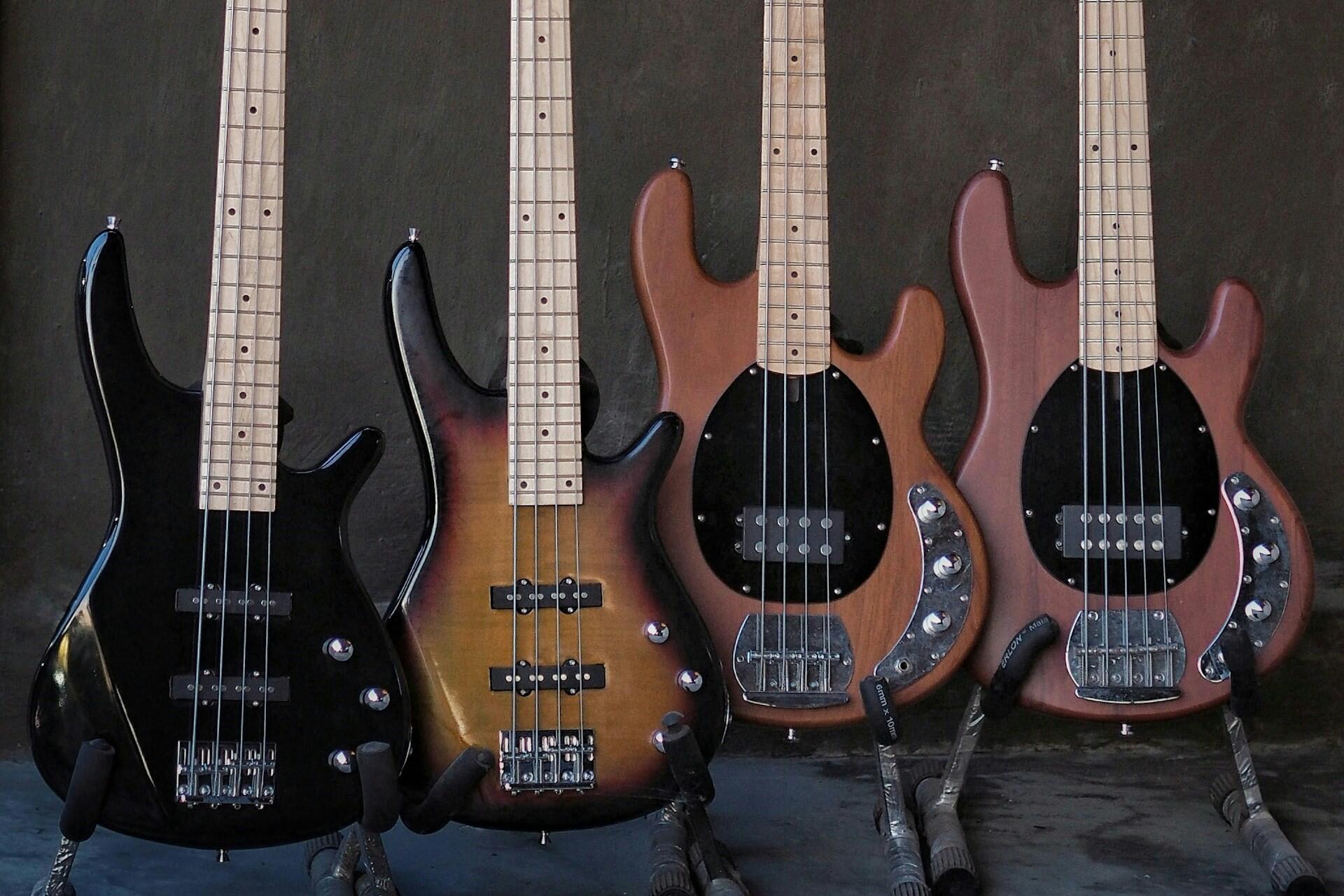

Interested in playing the bass guitar? It's a great way to get into music. Here's our guide for beginners looking to buy their first bass.
Key Takeaways
- A bass guitar provides rhythm and groove by working closely with the drums
- Most beginners should start with a 4-string bass tuned to E, A, D, G
- Comfort and playability are more important than tone when choosing your first instrument
- Standard scale length (34 inches) is best for long-term progression
- You don’t need a big budget to find a good bass guitar in NZ
- Always check build quality, setup, and electronics before buying
- Essential accessories include an amp, tuner, strap, and cable
- Regular practice and simple basslines will help you improve quickly


What Is a Bass Guitar and Why Start Playing?
A bass guitar is a stringed instrument. In most music, it works closely with the drums to create the rhythm and groove. Guitars often play chords and melodies, and the bass often (but not always) focuses on single-note lines that connect the harmony and rhythm.
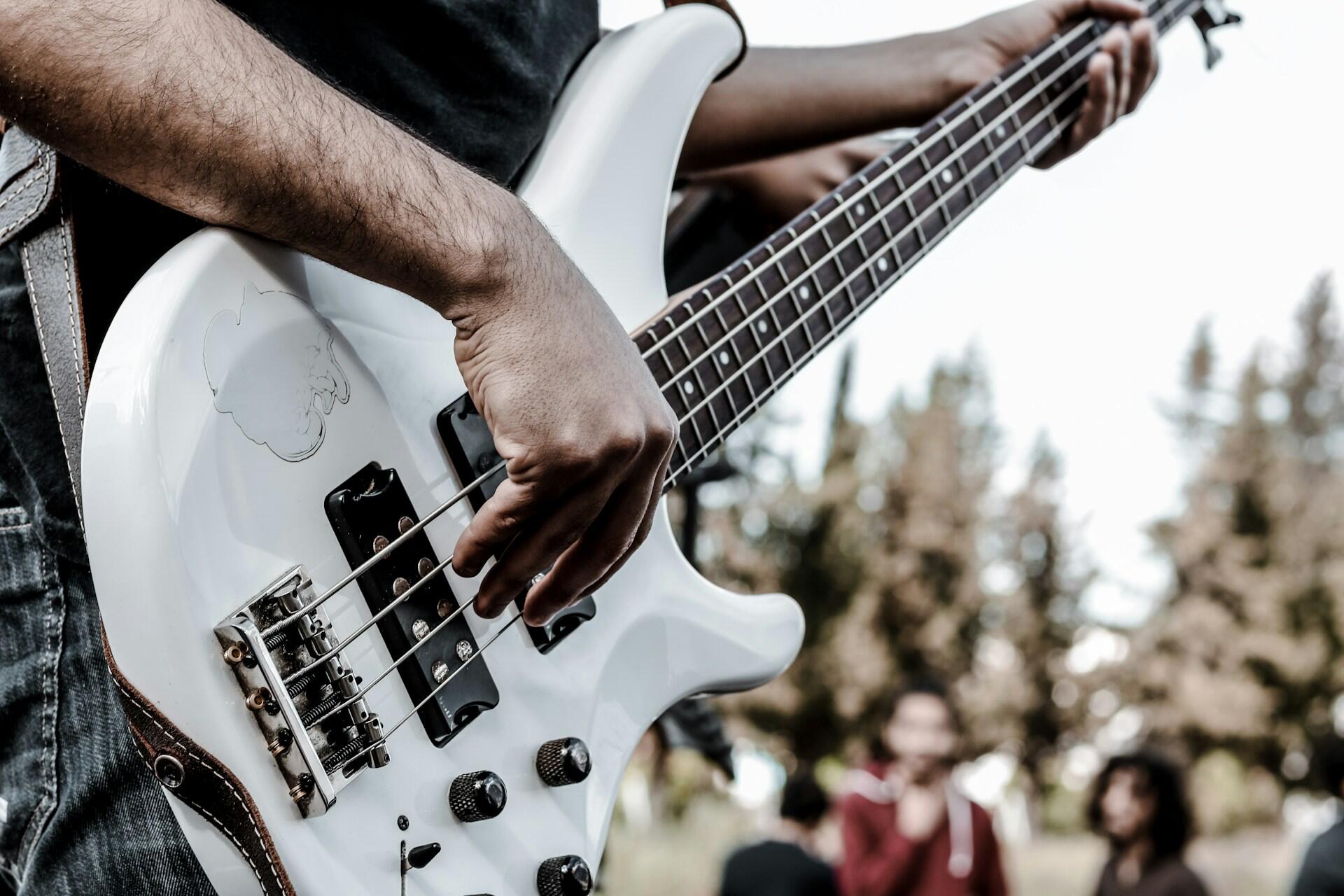
You'll find that most bass guitars have four strings (more on that in a moment). These strings are tuned to E, A, D, and G. These are the same as the lowest four strings on a guitar, but are an octave lower. This makes the bass easier to learn for beginners, especially if you're starting out with music.
One of the biggest advantages of learning the bass is how quickly you can start playing along with songs. Some excellent basslines are simple yet powerful, letting you sound good without mastering any advanced techniques. Whether you listen to rock, pop, funk, or jazz, you'll find the bass plays a key part in most genres.
4, 5, or 6-String Bass Guitar: Which Should Beginners Choose?
When choosing your first bass guitar, there are actually 4, 5, and 6-string bass guitars available. You might be considering your options, especially if you listen to certain genres of music, but you should still think it through. Here's how each compares.
| Strings | Tuning | Difficulty Level | Range | Recommended For |
|---|---|---|---|---|
| 4 | E A D G | Easy | Standard | Beginners |
| 5 | B E A D G | Medium | Extended low range | Rock, metal |
| 6 | B E A D G C | Hard | Extended full range | Advanced players |
A 4-string bass guitar is the standard. It's the best place to start. You can always move on to other types of bass guitar later as you get the hang of it. With 4 strings, the neck is narrower, and the string spacing is better suited to beginners.
strings to start playing. 5- and 6-string options are available, but 4 is the most common.
A 5-string bass adds an extra low B string, giving you even more low notes. These are popular options in rock, metal, and even some modern pop. However, with a wider neck, it can be tough for beginners who are still building finger strength and coordination.
A 6-string bass has the low B and a high C string. This gives bassists much more range. This is good for advanced players who can use the instrument's full range, but it's not recommended for beginners.
If you're starting out, a 4-string bass guitar is the best choice. It's easier to play, has a thinner neck, and follows the standard tuning (E, A, D, G). This makes learning scales, riffs, and songs much more straightforward. While 5 and 6-string basses offer more range, they can be harder to control and aren't necessary for beginners.
Bass Guitar Body, Wood, and Tone Explained
A bass guitar is made of several elements. The materials these elements are made of can affect tone and playability. Common woods like alder and ash offer a balanced tone and are usually more affordable. However, mahogany offers warmth while maple provides brightness and sustain. Beginners don't need to worry about this, as playability trumps tone when you're learning how to play the instrument.
Bass Guitar Neck, Scale, and Playability
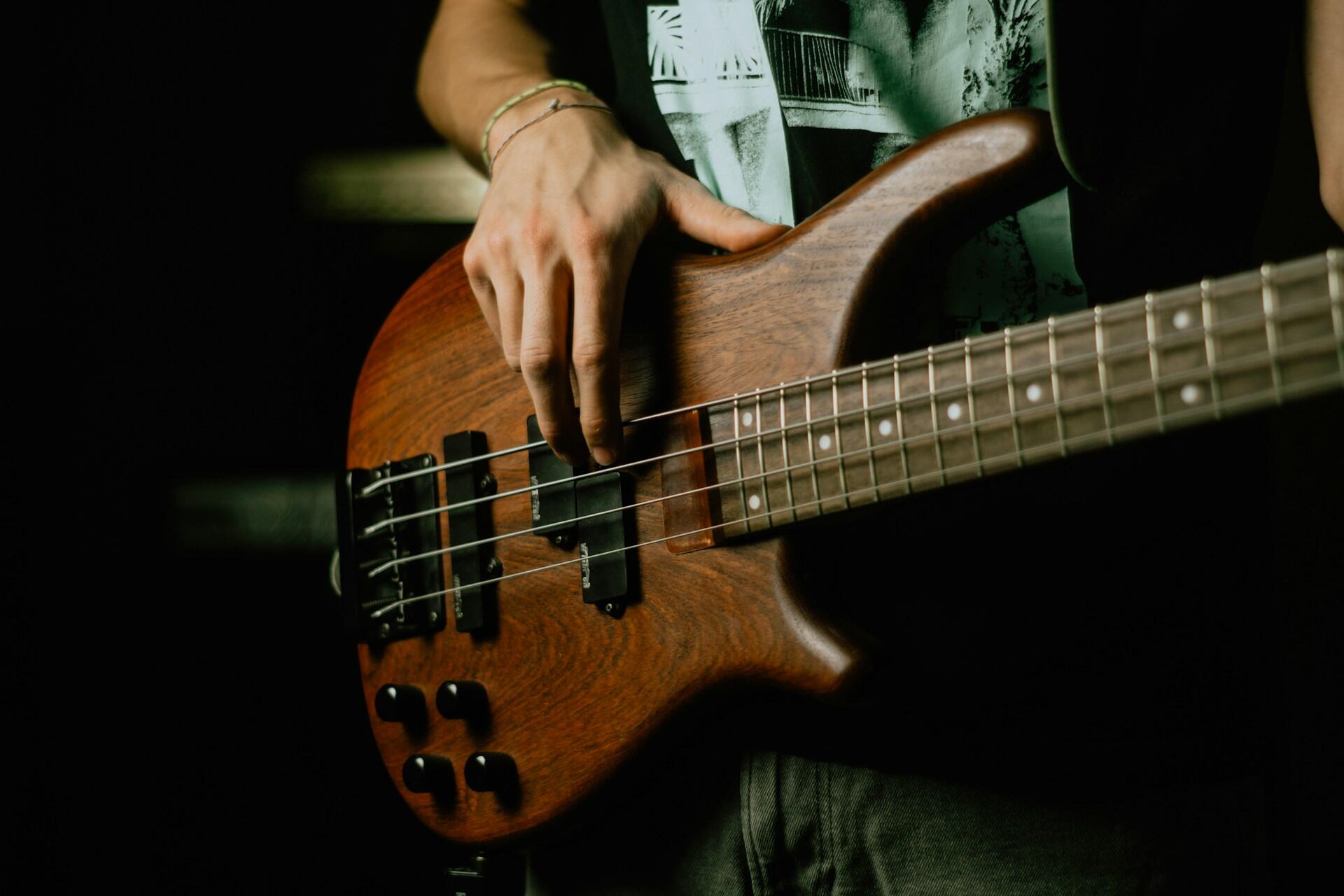
The neck of the bass guitar is one of two areas where the musician interfaces with the instrument (the other being the strings over the body). The scale length, neck width, and string height will all affect playability and how often you can practice. You want a bass that feels comfortable in your hands so you can learn to play more quickly.
Short scale (30 inches)
- Easier to play with smaller hands
- Frets are closer together
- Great for younger players or beginners
Standard scale (34 inches)
- Industry standard for most bass guitars
- Better tone and string tension
- Recommended for long-term progression
Extra-long scale (35 inches and above)
- Tighter low-end response
- Mostly used on 5 and 6-string basses
- Not necessary for beginners
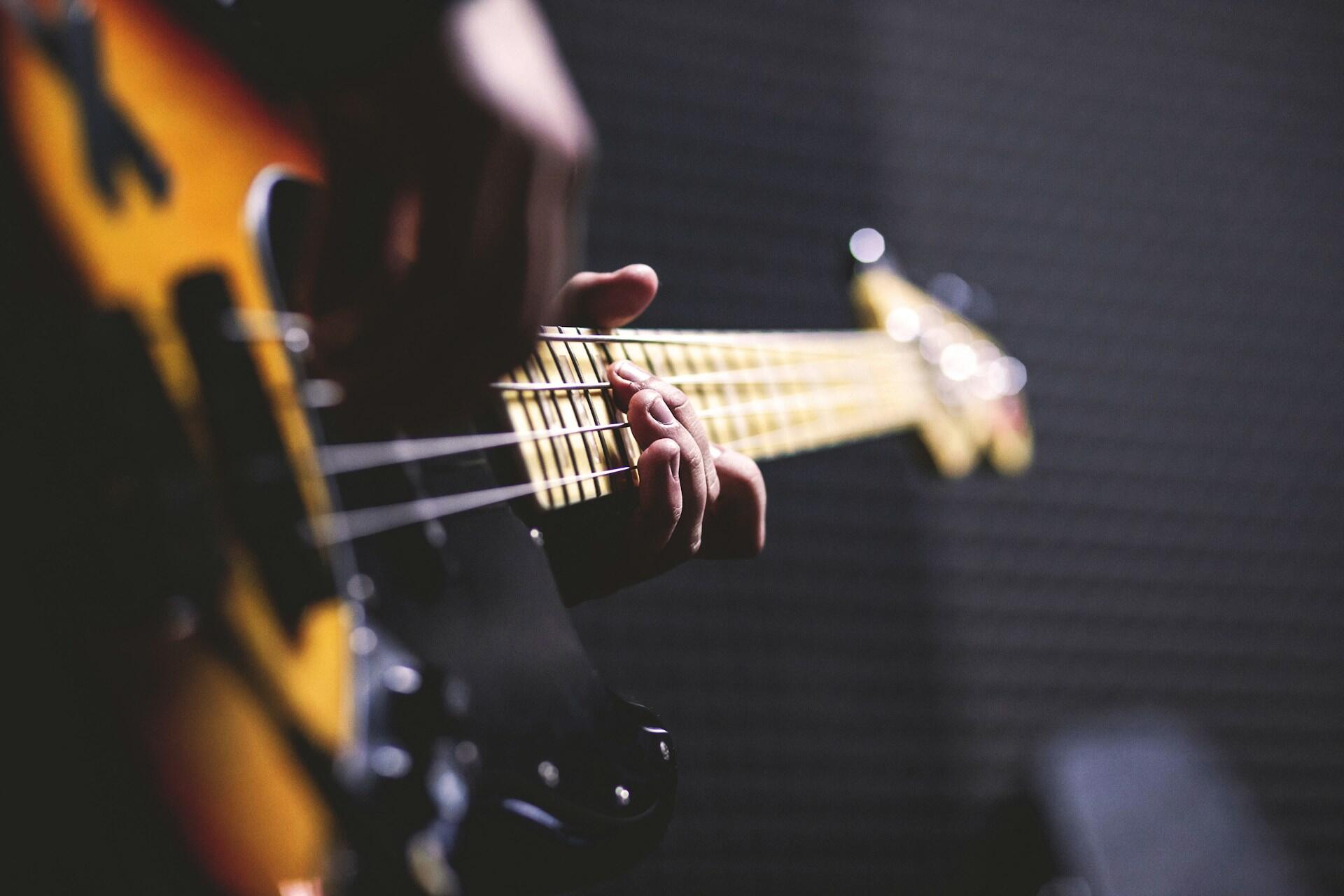
inches.
Neck Width and Comfort
String Height and Action
Choosing the Right Bass Guitar Strings
Active vs Passive Bass: What’s the Difference?
The difference between active and passive bass guitars is how the sound is shaped. Active models offer more tonal shaping and a stronger single. Passive basses offer a more straightforward, traditional sound.
Active bass guitars have a built-in preamp powered by a battery, giving you more control over tone and a stronger output. Passive basses don't require a battery and offer a simpler, more traditional sound. For beginners, passive bass guitars are often easier to manage and more than good enough to get started. However, active basses can be useful if you want more tonal control early on.
Best Cheap Bass Guitar Options in NZ
You won't need a massive budget to get your first bass guitar. There are options between $300 and $700. Entry-level models from Ibanez, Yamaha, Squier, and Cort are widely available. Here are some of the best cheap bass guitar options in the country.
| Model | Brand | Price Range (NZD) | Type (Active/Passive) | Best For |
|---|---|---|---|---|
| Ibanez GSR200 | Ibanez | $300–$400 | Active | Beginners wanting versatility |
| Yamaha TRBX174 | Yamaha | $300–$450 | Passive | Reliable starter bass |
| Squier Affinity Precision | Squier (Fender) | $350–$500 | Passive | Classic bass tones |
| Cort Action Bass | Cort | $300–$400 | Active | Budget-friendly performance |
| Epiphone Toby IV | Epiphone | $350–$450 | Passive | Comfortable neck |
A cheap bass guitar doesn’t have to mean poor quality. Look for a comfortable neck, good build quality, and reliable hardware. Check that the strings sit close to the fretboard without buzzing, the tuning pegs hold pitch, and the electronics work without crackling. In New Zealand, beginner bass guitars from brands like Ibanez, Yamaha, and Squier often offer excellent value for money.
How to Check Bass Guitar Quality Before Buying
If you're new, you won't be sure of what you're looking for. Check that the neck is straight and that the strings sit comfortably without buzzing when hit. Ensure the hardware (mostly metal parts) is solid and that the electronic parts don't crackle when plugged in. Give it a quick playtest if you can already play a bit, or let somebody in the shop show you.
Essential Bass Guitar Accessories for Beginners
You'll need more than just your instrument to start playing bass. If you're buying electric, then you'll need an amplifier and a cable. You'll also need a tuner and strap. Consider buying a gig bag, spare strings, and a stand to protect your instrument at home or when out and about.
Getting Started: How to Learn Bass Guitar Faster
Once you have your bass and the necessary accessories, the quickest way to learn the bass is with level-appropriate activities and by playing songs you enjoy. Focus on timing, simple bass lines, and consistent technique before you attempt to tackle more advanced skills. Lessons or a structured plan can help you improve more quickly and stay motivated, since you won't master the bass guitar overnight.
Summarise with AI:
Did you like this article? Leave a rating!

 Loading...