


Learning French in the classroom is one thing while learning it in the real world is something else.
No matter how prepared you think you are for real conversations, once you start trying to use the French you learned during your French class, you'll see that theory is one thing, and real-world experience is another.
The English expression "raining cats and dogs", for example, is "il pleut des cordes" (it's raining ropes) in French, and this isn't something that you would instinctively know.
To help you out, here are some common and colloquial French phrases and words to help you on your way. We'll cover basic French phrases suitable for a trip to France (or any other French-speaking country) and some expressions that can take you from a beginner's class to a more intermediate level.


French Words and Phrases to Get Around?
If you're visiting France and want to sound polite, it pays to use some common words and expressions for everyday use.
French Greetings
By learning everyday French phrases, you can make a good impression. Start by meeting people and asking them, "Hello, how are you?".
- Bonjour, comment allez-vous? (formal)
- Ça va (informal)
- Allez-vous bien? (If you know they were unwell previously)
Unlike in English, where we say "good morning" or "good afternoon" based on whether before or after 12:00, French speakers divide the day differently when greeting people.
They have a greeting for most of the day, "bonjour", and a greeting for the evening ", Bonsoir".
Like in English, the French equivalent of "good night" is only used when one leaves to go to bed.
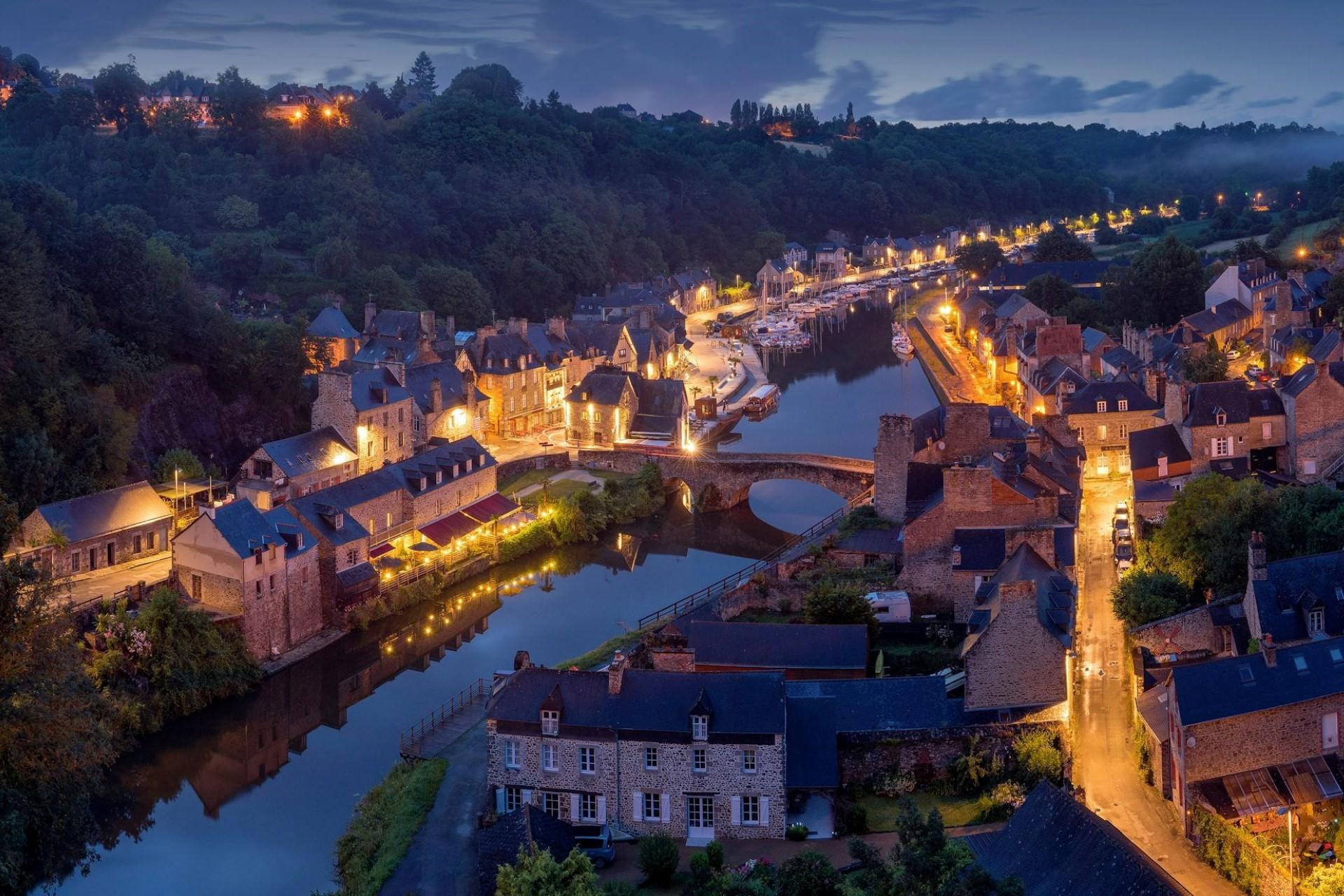
To leave, you can also say "au revoir", which literally means "until we see each other again", but it is used the same way English speakers use "goodbye".
For those going on a trip, the French for “have a good trip” is “bon voyage”, which is sometimes used in English.
Saying Please and Thank You in French
Manners go a long way in any language, and in a French for beginners class, you'll likely learn the phrases for "please" and "thank you".
Before any trip to a French-speaking country, you should know these.
| English word | French translation (formal) | French translation (informal) |
|---|---|---|
| Please | S'il-vous plaît. | S'il te plaît. |
| Thank you | Merci | Merci |
| Thank you very much | Merci beaucoup | Merci beaucoup |
| Excuse-me | Pardonnez-moi Excusez-moi | Pardon |
When meeting French speakers, it's worthwhile addressing them as so:
| Gender | English word | French word |
|---|---|---|
| masculine | Sir, Mr. | monsieur |
| feminine (married) | Mrs., Ma'am | madame |
| feminine (unmarried) | Miss | mademoiselle |
Parlez-vous Français?
It's pretty standard for basic French lessons to include how to say, "Do you speak French?". This isn't particularly useful for absolute beginners, especially when the answer will usually be "no".
When you learn French, it's better to learn phrases that you can use to either get to know people or even express that you don't understand or need to know a specific word.
Here are some incredibly common and helpful French expressions:
- "Excuse-me, do you speak English?" - Pardonnez-moi, parlez-vous anglais?
- "What is your name?" - Quel est votre nom? (formal) / Comment t’appelles-tu? (informal)
- "Where can I find…. (insert dictionary search result here)?" - Où puis-je trouver ….?
- "How much does it cost?"- Combien cela coûte-t-il? / Combien ça coûte? (colloquial)
- "Does this stop at …..? - Est-ce-qu’il s’arrête à….?
- "I am lost. Can you show me where I am?" - Je suis perdu. Est-ce-que vous pourriez me montrer où je suis?
- "Avez-vous une carte anglaise plutôt que française?" - Can I have the English rather than the French menu?
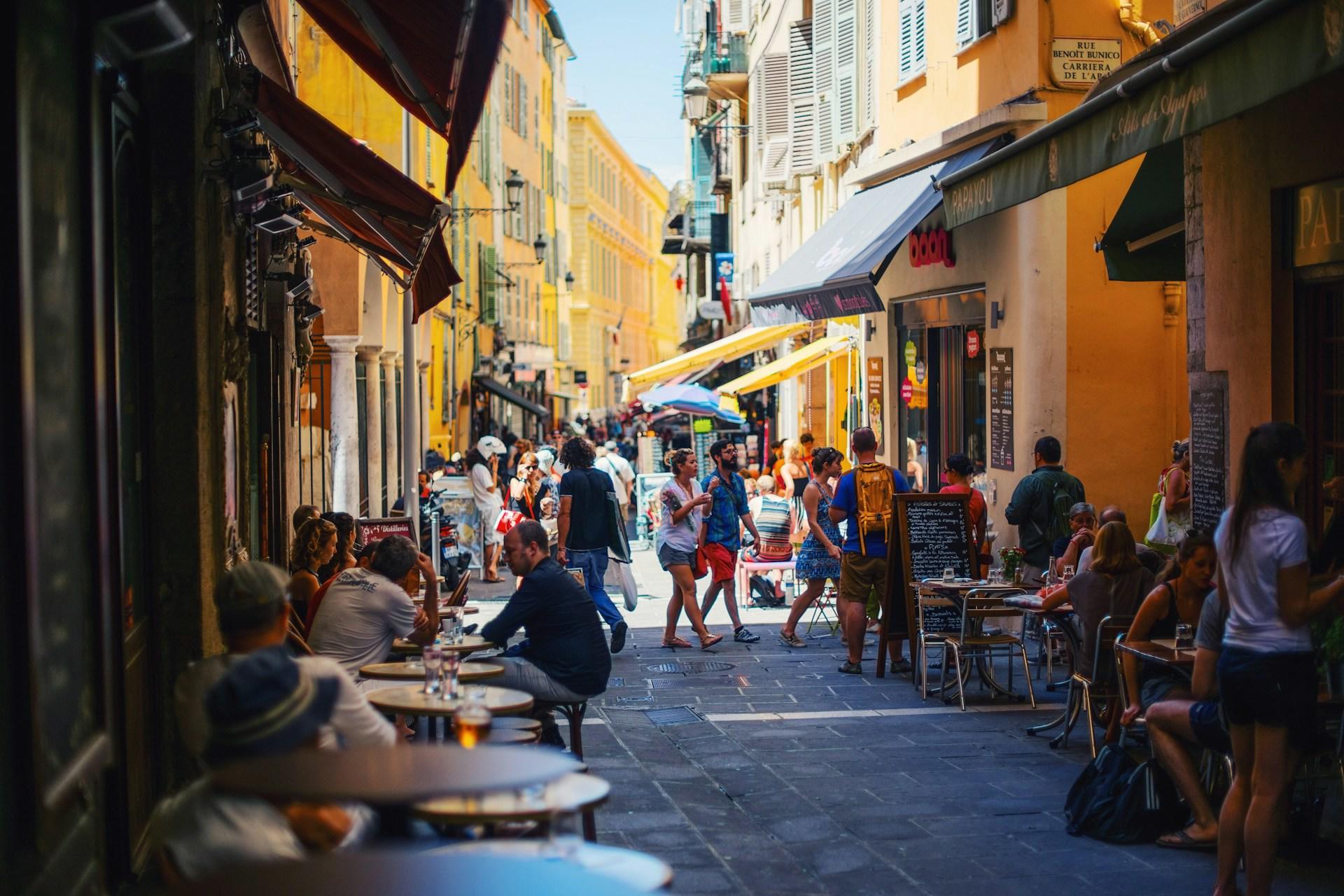
This table of common French question words and their English equivalents will help, too.
| English designation | French designation |
|---|---|
| Who? | Qui? |
| What? | Que? |
| How much? | Combien? |
| Where? | Où? |
| How far? | À quelle distance? |
| Quand? | When? |
French Words for Understanding Directions and Time
It's useful to be able to ask questions, but asking questions in French is pointless if you won't be able to understand the answers.
If you're asking about directions, these are the French words that will be useful for understanding the answer:
| English | French |
|---|---|
| left | gauche |
| right | droite |
| straight ahead | tout droit |
| turn | tournez |
| bus stop | arrêt de bus |
| Underground | métro |
Remember that when you speak French, you'll usually hear the 24-hour clock when giving times. For example, five o'clock in the afternoon would be "dix-sept heures, " or literally "seventeen hours".
Other expressions for time in French include:
- Un quart d’heure = a quarter of an hour
- Une demi-heure = half an hour
Understanding how to say the time is important for making appointments or plans in French. It also helps to understand the days of the week unless you're planning everything for the same day.
Here, we've included the days of the week plus their etymological origins because they're fascinating and have similar routes to the English words.
However, the English days of the week come from Germanic Anglo-Saxon, and French days tend to come from the Latin equivalents.
- Lundi (same as in English: Moon-day, Luna-dies)
- Mardi (the day of Mars)
- Mercredi (the day of Mercury)
- Jeudi (the day of Juno)
- Vendredi (the day of Venus)
- Samedi (Sambati dies, name of the day of the Judaic Sabbath)
- Dimanche (Dominicus, the Christian Sabbath day)
Studying new vocabulary through French games and quizzes can make the learning process more engaging and enjoyable, helping you remember new words more effectively.
Conversational French Words and Phrases
In French language classes, students are usually not taught much about idiomatic expressions or everyday ways of using the language.
This is either because it's been a while since your teacher lived in a French-speaking country, or they'd prefer not to teach their students expressions often used in incredibly specific situations.
That said, idiomatic expressions and phrases in French can help a student sound more native than a student who learned to speak French in the classroom or from a textbook and is a quick way to improve your French.
French Words and Phrases that English Speakers Should Know
Here are some of the best words you'll hear in spoken French or when watching or reading something in French like French literature or French newspapers.
The translations of these words aren't always helpful when you look them up, but you'll hear them used a lot, especially by French speakers from France.
Du Coup
This common expression is often used to start a sentence in French, usually indicating the effect of something. One of the closest English equivalents would be “in short”.
Here's an example of how it is used.
- Mon reveil n’a pas sonné ce matin. Du coup, j’ai été en retard. - My alarm didn’t ring this morning. Thus, I was late.
Quand même
These words can mean "after all" or "still".
For example:
- J’ai quand même pu prendre le bus - I still managed to catch the bus
You can also use “quand même” to express anger or annoyance.
- C’est quand même pas drôle d’avoir à se dépêcher le matin. - It’s awfully annoying to have to rush in the morning.
- Et puis ils ont augmenté le prix du ticket. Non mais quand même! - What’s more, they raised the ticket prices. Honestly!
Et puis
“Et puis" can mean "and so", "also", and "what's more", and this is another useful phrase you can use to join ideas together.
Bref
The French word “bref” means “in short” and you can use it to summarise things.
- Réveil cassé, énervée, plus d’argent pour le déjeuner - bref, la journée a bien commencé! - Alarm broken, annoyed, no money left for lunch - what a start to the day!
Comme d'hab
The expression “comme d'hab” is a shortened form of “comme d'habitude” or “as usual”.
- Ça roule? - How's it going?
- Comme d’hab! - As usual.
This would be like saying “same old, same old” in this instance.
Ça te dit
This expression literally translates as "Does it talk to you?" However, in reality, it is more like saying, "Do you feel like it?" following a suggestion.
For example:
- On va au resto. Ça te dit?
- We’re off to the restaurant. Do you feel like it?
N’importe quoi
This means “whatever” or “anything at all”. When used as an expression in certain instances, you could translate it to “rubbish”, “nonsense”, or another dismissive remark.
- Mais il dit n’importe quoi!
- He’s talking rubbish.
However, if somebody is doing "n'importe quoi," it means that they're not doing a very good job.

French Expressions for Being Annoyed or Frustrated
It isn't fun being frustrated or annoyed. Still, having some of these expressions in French to explain your feelings is useful.
Here are just a few of our favourites. You may hear some of these if you watch French movies:
- Ça me gonfle – I'm tired of this
- Ras-le-bol - Have had it up to here
- Avoir le cafard – Feeling down (lit. to have the cockroach)
- Avoir le moutarde qui lui monte au nez – To start to see red, get increasingly angry (lit. to have mustard rising into your nose)
- Mêle-toi de tes oignons! - Mind your own business (lit. take care of your onions)
- Laisse tomber – Let it go (lit. let it fall)
- Revnons à nos moutons – Let's stay on track, stay focused on a topic of discussion (lit. let's come back to our sheep)
Of course, if you'd like to learn more French expressions, why not hire a private French tutor on the Superprof website.
Summarise with AI:
Did you like this article? Leave a rating!

 Loading...
