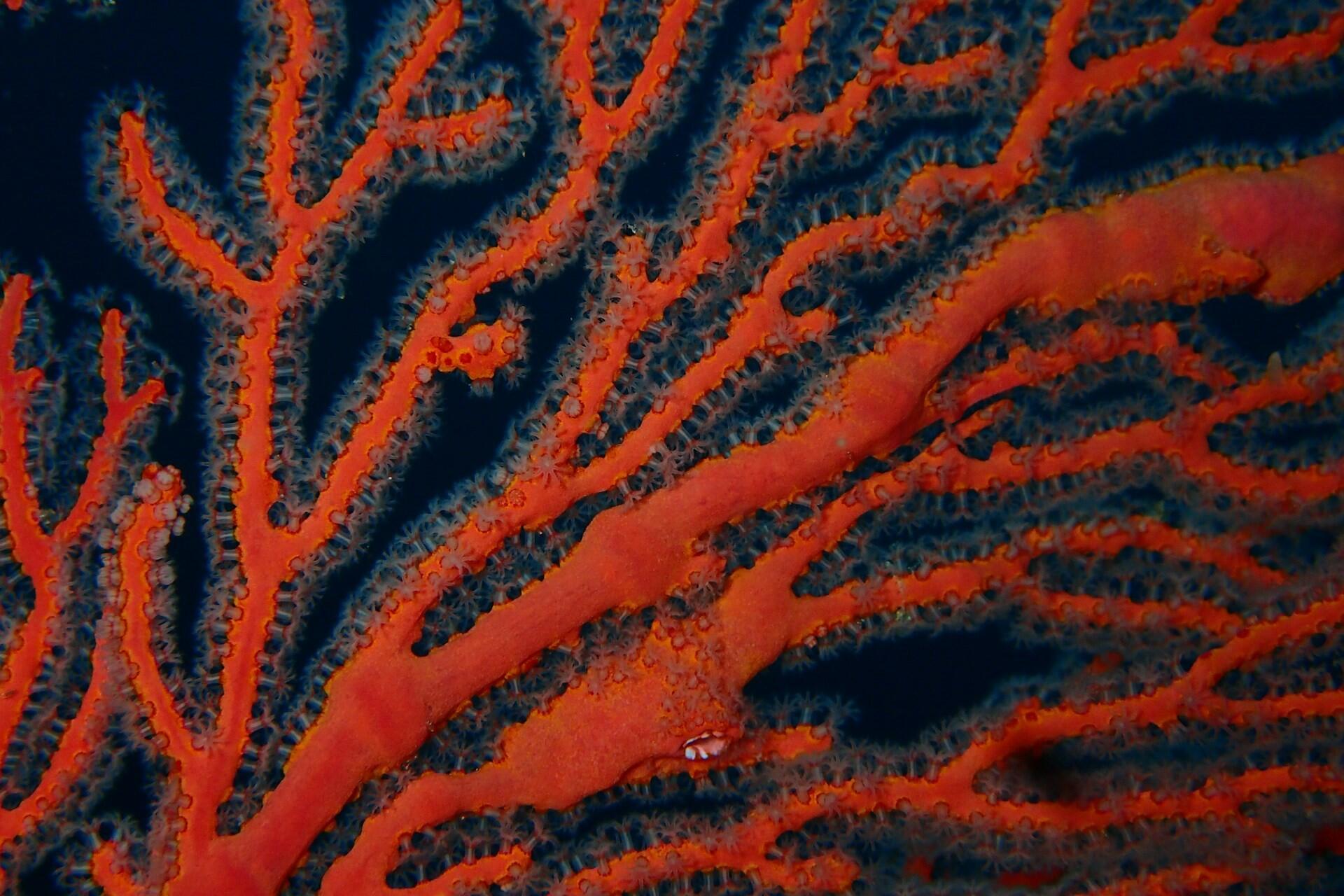

If you’ve ever had to undergo one of those torturous exercises as a kid, where your teachers make you choose which profession you’d like to enter when you’re older, chances are you or a lot of your peers chose marine biology. As children, the vague idea of working in this branch of biology conjures images of aquariums and the cool marine organisms within them.
Key Takeaways
- Marine biology is the study of ocean life, ecosystems, and the biological processes of aquatic organisms.
- A marine biologist can work in research, conservation, environmental management, aquariums, fisheries, and government.
- The field blends biology, ecology, oceanography, data analysis, and fieldwork, often including scuba diving and underwater research.
- Modern marine biology careers require strong technical skills, including GIS, sampling techniques, species identification, and laboratory methods.
- You can study the field through marine biology courses at university or through specialised programmes in ecology, environmental science, or ocean science.
- Many marine biology roles are accessible with a bachelor’s or master's degree, and further certifications can open advanced opportunities.


What Is Marine Biology? Understanding the Science Behind Ocean Life
Marine biology is a discipline that covers much more than the study of sea creatures. It is a field that covers the biological processes of aquatic plants and animals. These biologists work across a wide range, from ecology to oceanography, and work in laboratories, fisheries, and government. If you’re interested in learning more about what exactly marine biologists do, we’ve provided a guide detailing their tasks, jobs in the field, and how to study the science if you’re interested!
To understand marine biology as a discipline, it is crucial to know the timeline of general biology itself. While the science of biology stretches back to antiquity, the field of aquatic biology is much younger. In the 19th century, biology was mainly concerned with the expansive, painstaking task of collecting and classifying all mammals, insects, and reptiles that roamed the earth. This, of course, was where we saw the birth of marine science, where efforts to catalogue sea creatures eventually expanded to include their preservation and capture for study.
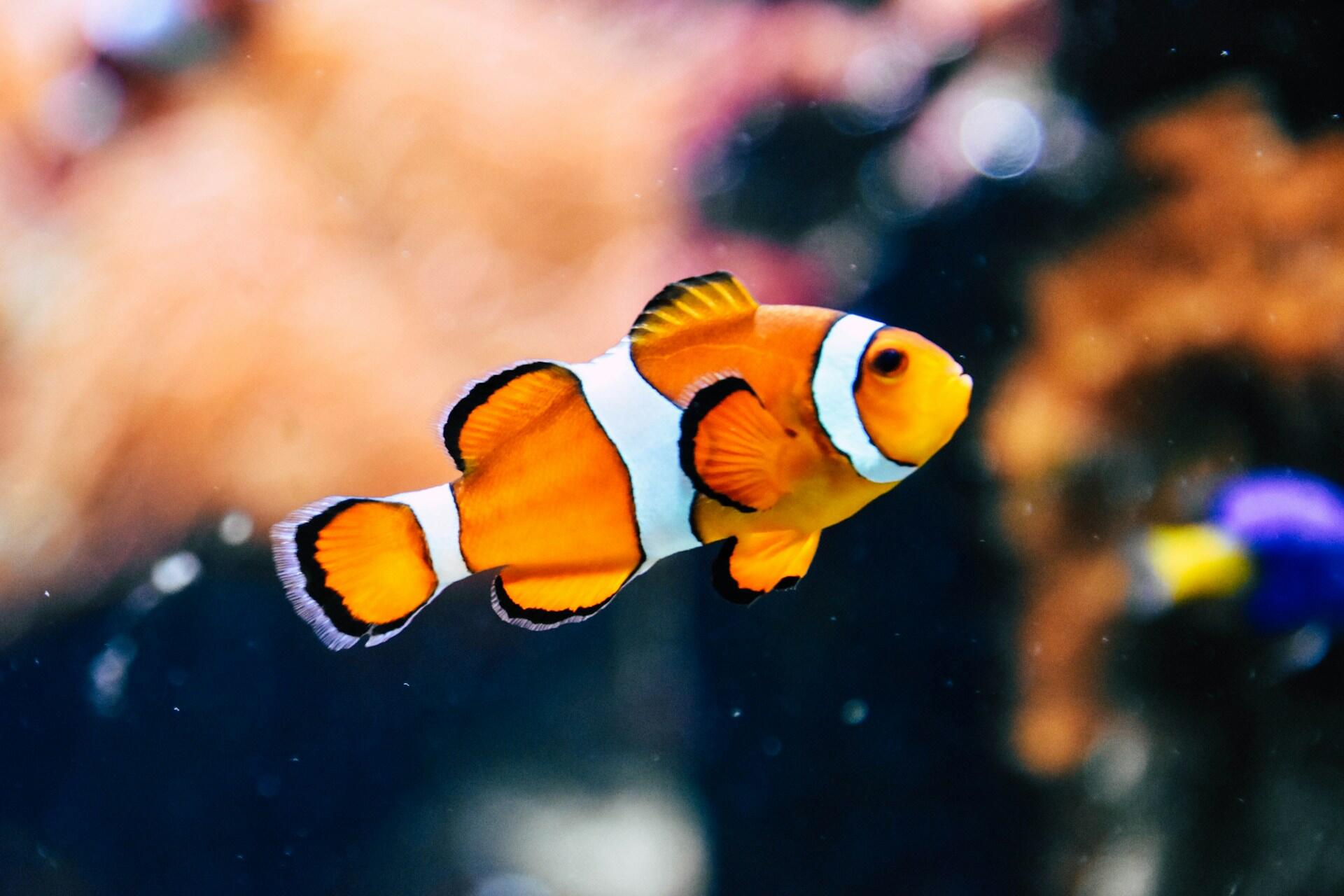
While it’s hard to imagine 19th-century scientists having the capability to capture many of the sea animals we see today in aquariums, it was their exact struggle that led to the incredible advancements in technologies for the collection and examination of animals, plants and water.
With more information came more curiosity about the exact role that marine ecosystems played on the behaviour of ocean animals. These inquiries into the ecological role of aquatic environments in the animals that lived within them led to the development, in the 20th century, of disciplines such as oceanography and ecology. Intensive research was conducted on marine life to understand the relationship between marine life and its environment.
From the end of the 20th century onward, the advancements in camera and computer technology have led to a better understanding and expansion in everything related to marine life. Underwater cameras and submarines made it possible to go and record where no human had ever gone before. Today, marine biology is not just concerned with the oceanic, but in fact, everything that depends on the oceans and rivers of the earth.
Marine biologists contribute essential data used in global conservation agreements, including monitoring endangered species, mapping migration routes, and tracking trends in ocean acidification. Their research informs decisions made by organisations such as the UN Environment Programme and the International Union for Conservation of Nature. This work directly influences marine protected areas, sustainable fisheries policies, and international climate action.
This, of course, includes humans. The most notable example of how marine biology affects our daily lives is global warming. If you’ve been following the news, you have likely seen the infamous photographs of emaciated polar bears wandering the receding Arctic, searching for food. These photographs, as well as the information about the Arctic and about polar life in general, were in part done by a network of marine biologists. These types of missions closely interact with ecology, the study of how organisms interact with their environments. So what exactly do biologists do specifically when it comes to marine biology? Is it any different from general biology? We detail the possible jobs in marine biology below.
Marine Biology Jobs: Careers, Roles, and Opportunities for Marine Biologists
Biology is widely recognised as having three major branches: botany, zoology, and microbiology. All three of these branches are incorporated into the work of a marine biologist, depending on their job title. Here is a guide to some careers in marine biology.
known species recorded by global marine databases.
Researcher: Studying Ocean Life, Ecosystems, and Environmental Change
No surprises here, science and research are inextricably linked. Not only that, but marine biology can offer dynamic, rewarding research jobs. While the work will be limited to aquaculture and a marine ecosystem, the good news is that the plants and animals these contain are nearly limitless.
Undertaking research in oceanic subjects can, for example, mean working with teams of researchers studying the deep sea. This often means collaboration among scientists from multiple fields, including mathematics and physics, because of the technology required to develop submarines capable of carrying out deep-sea missions. Researchers with a marine biology degree can work in the public and private sectors, studying the effects of farm fishing, pollution, toxicology, and even pharmaceuticals.
Modern marine biologists rely on a blend of analytical, technical, and field skills. Beyond traditional biological knowledge, many roles now require GIS mapping, data modelling, scuba certification, underwater surveying, and molecular sampling techniques. Employers increasingly prioritise candidates with experience in environmental impact assessments, fisheries management, and interdisciplinary teamwork across ocean science, ecology, and climate studies.
Aquarium Curator: Managing Marine Exhibits and Caring for Aquatic Species
This field of marine biology combines the knowledge of marine biology with the creative forces of the artist and project manager. Curators of aquariums or exhibits often serve as liaisons between museums and researchers, which requires both a scientific background and an interest in communications and business.
While this sounds like a narrow field, it is actually quite broad. Everything from designing temporary exhibitions to overseeing the maintenance and feeding of live animals on display. Jobs in this field can also involve research, which means that it can be very flexible for people who enjoy interdisciplinary work. This can also mean being in charge of caring for marine plants, connecting aquatic science with botany.
Education and Government: Public Outreach, Policy, and Environmental Management
Careers involved in the education and government sectors aren’t necessarily exclusive to teaching and advocacy positions. If you are interested in being both a scientist and an educator, you can choose everything from being involved in science journalism to being a wildlife tour guide.
Governmental work is not limited solely to advocacy groups. It can also mean becoming deeply entrenched in informing conservation and maintenance policies for both public and private consulting firms in fields like environmental biology.
Oceanography: Exploring Marine Ecosystems, Waters, and Ocean Science
To be an oceanographer means having a deep understanding and interest in the ecosystems of the ocean and seas. Biological oceanography can involve helping the marine environment through conservation biology, leading a research project on the ocean’s biodiversity, and studying the biochemistry of marine mammals. Oceanography is an excellent field for biology graduate students, but you should learn more about what the future holds for you...
Going further, oceanographers don’t necessarily have to work with oceans. They can also be involved with work on fish, plankton and microbial organisms in estuaries and rivers. It can also mean helping monitor ocean acidification or making new discoveries about animals and plants. These kinds of missions can also occur at the molecular level. On average, taking part in these jobs does not require attaining a doctorate. In fact, many marine biologists only need a bachelor's or master's degree.
Marine Conservation Specialist: Protecting Ocean Ecosystems
Marine conservation is a fast-growing area within marine biology. As oceans face increasing pressure from climate change, pollution, and overfishing, marine conservation has never been more critical. Marine conservation specialists work to protect marine ecosystems, restore damaged habitats, and safeguard threatened species. This role is wonderful if you love working outdoors and engaging with communities.
Conservation specialists conduct field surveys, monitor wildlife populations, and collect water-quality and biodiversity data. They can use their findings to see how human activity affects local habitats. It's common for conservation specialists to work with government agencies, iwi groups, NGOs, and international organisations.
This role typically requires a bachelor's degree in marine biology or environmental science, though specialist roles in conservation biology, shark ecology, coral restoration or fisheries management may require postgraduate study. In New Zealand, conservation biologists can work with DOC, regional councils, and marine research organisations.
How to Study Marine Biology: Courses, Skills, and Study Pathways
Whether you want to become a marine biologist, are searching for an undergraduate or master's program, or need some extra help, here are some tips on how to study marine science.
Most marine biology careers require 3–4 years of undergraduate study, followed by 1–2 years for a master's degree. Specialised fields like marine mammal science, deep-sea research, or coral ecology may require additional certifications, such as advanced scuba diving qualifications or ROV (Remotely Operated Vehicle) training. In New Zealand, employers such as NIWA and DOC typically favour graduates with fieldwork experience or internships in marine research stations.
One of the most important actions to take if you are struggling with marine biology is to check that you’re meeting your region’s education requirements. This can often give you insight on what terms and notions are fundamental, especially when you might not have a clear understanding of that from just your syllabus. This is especially important with today's advancements in microbiology and bioinformatics.
If you’d like to pursue a bachelor's or master's degree in marine biology, start by identifying your interests. Because marine biology touches upon all three branches of the discipline, it is essential to understand what your interests are beyond biology. This can include other disciplines such as chemistry, physics, political science, art, and geology.
Both a graduate and an undergraduate degree in marine biology will probably involve some form of laboratory work. It is important to look at which marine biology courses will be part of your curriculum, as well as the textbooks and other reading materials involved.
Undergraduate Degrees for Marine Biologists
Postgraduate Degrees for Marine Biologists
How Marine Biology Helps the World: Conservation, Climate Science, and Global Impact
Being a biologist in the field of marine science can often mean helping marine organisms from humans themselves. In fact, one of the most outstanding examples of the threats that humans have posed to marine life involves reefs.
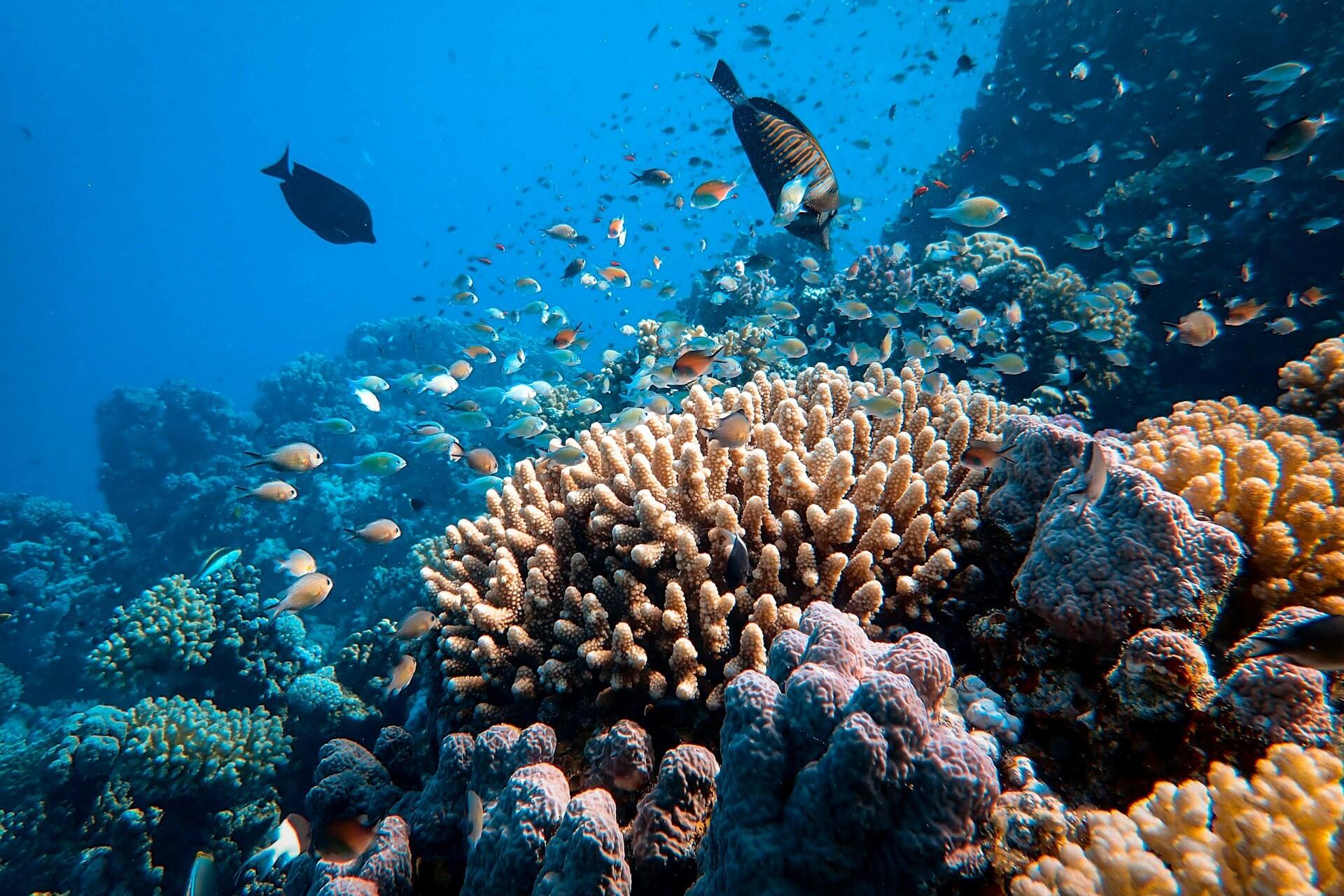
One of the most significant consequences on aquatic life has been a phenomenon called bleaching. Along the Great Barrier Reef off the coast of Australia lies a 1,400-mile-long coral reef often cited for its incredible biodiversity. Environmentalists and advocates for the reef have pointed to pollution and rising ocean temperatures as the causes of the mass coral death in the region.
of global trade moves by sea, making marine biology essential for protecting ecosystems affected by international shipping.
Thanks to advancements in biotechnology and the scientific community’s presence on social media, marine biology has earned its place in the spotlight over the recent years. While these scientists work hard to protect the oceanic environments around us, much remains to be done on our part.
Summarise with AI:
Did you like this article? Leave a rating!

 Loading...