

The language is the core of our Māori culture and mana. Ko te reo te mauri o te mana Māori.
Sir James Henare
Whakataukī distil big ideas about growth into small, memorable lines. They're in te reo Māori (the Māori language), often include ideas about nature and community, and tend to be grounded with verbs, making them actionable lessons you can live your life by. They're short, meaning that they can travel well across marae (communal meeting places), workplaces, classrooms, and homes.
| Maori Proverb | English Gloss | Theme | Suggested Use |
|---|---|---|---|
| Whāia te iti kahurangi, ki te tūohu koe, me he maunga teitei | Seek the treasure you value most dearly; if you must bow your head, let it be to a lofty mountain. | Aspirations / Goals | Clarify your goal (iti kahurangi) and align daily mahi (work) to it. |
| Kia whakatōmuri te haere whakamua | I walk backwards into the future with my eyes fixed on my past. | Reflection / Learning | End projects with retrospectives; capture lessons in your kete mātauranga. |
| He manu hou ahau, he pī ka rere | I am a fledgling, a young bird learning to fly. | Beginnings / Growth | Normalise being new; celebrate small (iti) wins to build confidence. |
| Ka whāngaia, ka tipu, ka puāwai | That which is nurtured will grow, then blossom. | Nurturing / Development | Treat skills like a tree: feed with time, mentoring, and shared learning. |
| Whāia te mātauranga hei oranga mō koutou | Seek learning for your well-being. | Learning / Well-being | Tie growth to health: schedule classes, protect study time. |
| Whaowhia te kete mātauranga | Fill the basket of knowledge. | Knowledge / Education | Create a shared knowledge kete (folder) for team learning. |
| Ko te pae tawhiti, whāia kia tata; ko te pae tata, whakamaua kia tina | Bring the distant horizon close; hold fast to what’s been achieved. | Ambition / Planning | Split goals into near and far horizons; lock in near gains first. |
| Mā te huruhuru ka rere te manu | With feathers, the bird will fly. | Resources / Preparation | List resources (time, coaching, tools) needed to succeed. |
| Ko te manu e kai ana i te miro, nōna te ngahere; ko te manu e kai ana i te mātauranga, nōna te ao | The bird that feeds on the miro berry owns the forest; the bird that feeds on knowledge owns the world. | Knowledge / Opportunity | Anchor learning culture with regular 'knowledge snacks' in your team. |
| Ko ia kāhore nei i rapu, tē kitea | The one who does not seek will not find. | Curiosity / Persistence | Encourage proactive problem-solving: search, ask, and try before seeking help. |


10 Whakataukī for Growth
Whakataukī about growth tends to align with the Māori worldview, which suggests that individual goals are achieved through collective support. There are many ideas of mentors, resources, and small actionable advice. These can become everyday tools for personal development and professional growth.
In te ao Māori, growth is never only personal. Whānau, mentors, and the natural world nourish true achievement.
Whāia te iti kahurangi, ki te tūohu koe, me he maunga teitei
Seek the treasure you value most dearly; if you must bow your head, let it be to a lofty mountain.
How to use it: Clarify the goal that truly matters to you (your iti kahurangi) and align daily mahi (work) to it. In a team, open a meeting with this whakataukī and invite each tangata (person) to name one step toward a long-term objective.
Kia whakatōmuri te haere whakamua
I walk backwards into the future with my eyes fixed on my past.
How to use it: Build learning rituals: end projects with a 10-minute retrospective, capture lessons in your kete mātauranga (knowledge basket), and let yesterday’s insight guide today’s actions.
He manu hou ahau, he pī ka rere
I am a fledgling, a young bird learning to fly.
How to use it: Normalise being new at something. Pair this proverb with beginner goals, short audio pronunciation practice in te reo Māori, and regular check-ins. Celebrate small (iti) wins so confidence can grow.
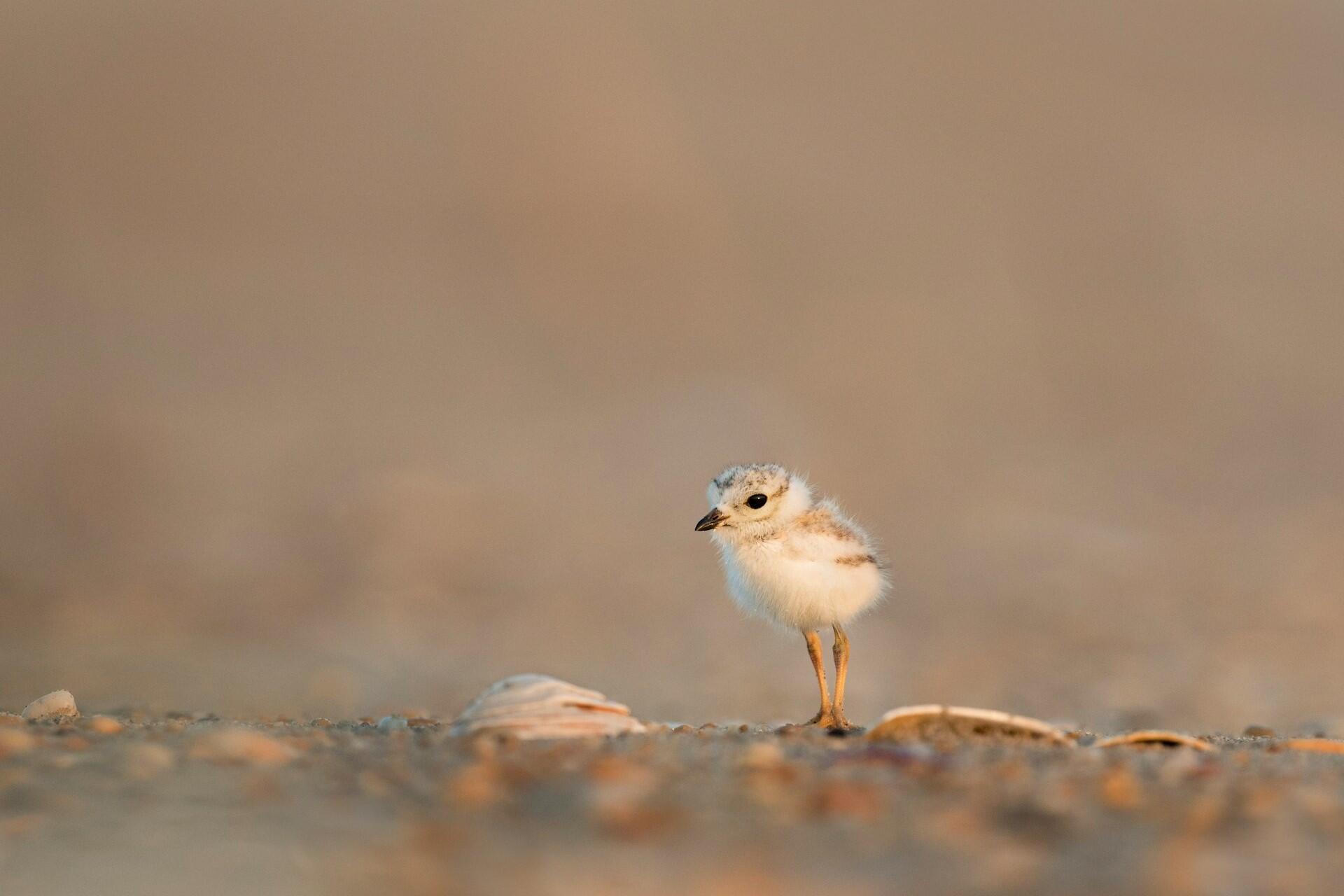
Ka whāngaia, ka tipu, ka puāwai
That which is nurtured will grow, then blossom.
How to use it: Treat skills like a tree: feed them with time, resources like taonga (precious resources), mentoring, and kai (food) in shared learning lunches. Post this proverb on your team's Kanban to label work that requires ongoing attention and management. This is one of many great sayings about working together in te reo Māori.
Whāia te mātauranga hei oranga mō koutou
Seek learning for your well-being.
How to use it: Tie growth to health: schedule language or leadership classes, and protect deep-work blocks for study. Share an English gloss and a short reo pronunciation tip so everyone can say it well.
Whaowhia te kete mātauranga
Fill the basket of knowledge.
How to use it: Create a shared “kete” (docs page) where people drop links, notes, and mōhio (know-how). Each week, have one person add a summary of what they learned and how the team can use it.
Ko te pae tawhiti, whāia kia tata; ko te pae tata, whakamaua kia tina
Bring the distant horizon close; hold fast to what’s been achieved.
How to use it: Split nui (big) ambitions into near and far horizons. Lock in the “near” gains before chasing the next “far” one. Great for quarterly planning on whenua-grounded projects (land, community, environment).

Mā te huruhuru ka rere te manu
With feathers, the bird will fly.
How to use it: Growth requires "feathers"-tools, time, coaching, and budget. List the taonga/resources that will let your manu (team) rere (fly), then assign owners to secure each one. This isn't something that can be achieved on its own so make sure you're also aware of teachings about family as well!
Ko te manu e kai ana i te miro, nōna te ngahere; ko te manu e kai ana i te mātauranga, nōna te ao
The bird that feeds on the miro berry owns the forest; the bird that feeds on knowledge owns the world.
How to use it: Anchor your learning culture. Swap one food/kai break each week for a “knowledge snack”, a 5-minute share on a new skill, tool, or native concept in reo.
Ko ia kāhore nei i rapu, tē kitea
The one who does not seek will not find.
How to use it: Add a "seek" step to problem-solving: before asking for help, show what you searched, who you asked, and what you tried. This fosters proactive habits and keeps growth on track.
up from 6.1 % in 2018.
A 5-step way to live your iti kahurangi
Iti kahurangi doesn't mean a small thing; it means your most cherished pursuit. This is the goal of value that's uniquely important to you. In this case, kahurangi means "precious" or "noble". Seek what truly matters to you and bend only to lofty stands; significant challenges, high principles, or mentors who lift your horizon. Define your iti kahurangi, align your mahi and learning to it, and use it as a filter for what you say yes to.
1. Name the treasure (clarify your goal)
Write a single word or phrase for the outcome you truly want (iti kahurangi). Keep it small (iti) and specific first, then grow it to something nui (great).
Try this: In your project doc, start with “We seek…” and finish the line in both English and te reo Māori (reo) to anchor meaning and pronunciation.
2. Walk backwards into the future (learn from the past)
Do a fast retrospective: what worked, what didn’t (kore)? What did your tangata / people learn?
Try this: Three bullets—know (mōhio), make, use:
- What do we know now?
- What will we make next?
- How will we use that learning this week?
3. Gather the feathers (resource the journey)
“Mā te huruhuru ka rere te manu”—a bird (manu) flies when it has feathers. List the taonga/resources you need (time, tools, budget, mentors, kai for shared learning sessions).
Try this: Create an ngā rauemi (resources) checklist with owners and dates; if an item is missing, note who can help.
4. Fill the basket of knowledge (skill up often)
Schedule micro-lessons (10–15 mins) to grow capability: a quick audio clip for pronunciation, a native-speaker tip, or a new workflow. Skills are closely related to strength and there plenty of sayings on that topic, too!
Try this: Stand-up ritual—each person adds one link or note to the team kete (knowledge basket) and one way to use it in real life/work.

5. Hold fast to gains, set the next horizon
“Ko te pae tawhiti, whāia kia tata; ko te pae tata, whakamaua kia tina.” Lock in what you’ve achieved (near horizon) before chasing the next (far horizon).
Try this: End of week: one new win, one small step to repeat, one “next land/whenua” target. Close with “Kia …” (e.g., Kia kaha to stay the course) as a team sign-off.
are able to hold a conversation in te reo Māori.
Quick Tips for Pronunciation and Macrons
Macrons can change the word and the meaning. Here's a quick practical guide to how they work. Macrons (tohu tohutō) lengthen vowels: ā, ē, ī, ō, ū. Length can change meaning.
- papa = earth/floor; pāpā = dad
- matauranga (incorrect) vs mātauranga = knowledge
- whakatauki (incorrect) vs whakataukī = proverb
Clear pronunciation is a sign of respect. Saying each kupu (word) properly shows you value te reo Māori and the people who speak it.
Say every vowel: Māori language is syllable-timed and vowels are open and steady. Keep the sound smooth; don’t rush. Stress generally falls early: Most proverbs are easy to rhythm—read them aloud and keep the line flowing. Consonant checkpoints (quick wins):
- ng as in singer (never “finger”).
- r is a light tap (like the Spanish 'r').
- wh is commonly an “f”-like sound in many speakers.

Read “Whāia te iti kahurangi” together. Mark the macrons, clap the rhythm, then each person says one way they’ll seek their goal today. Finish with “Kia” + your chosen value (e.g., Kia māia: be brave).
Use Whakataukī Carefully
Bringing whakataukī into mahi can motivate, provided it's done accurately. It must be done with accuracy and cultural sensitivity. Avoid using these sayings as decoration; they need to be used meaningfully. New to the language? Get started with this.
Before You Use a Proverb
Introducing a Whakataukī in a Meeting
Summarise with AI:
Did you like this article? Leave a rating!

 Loading...