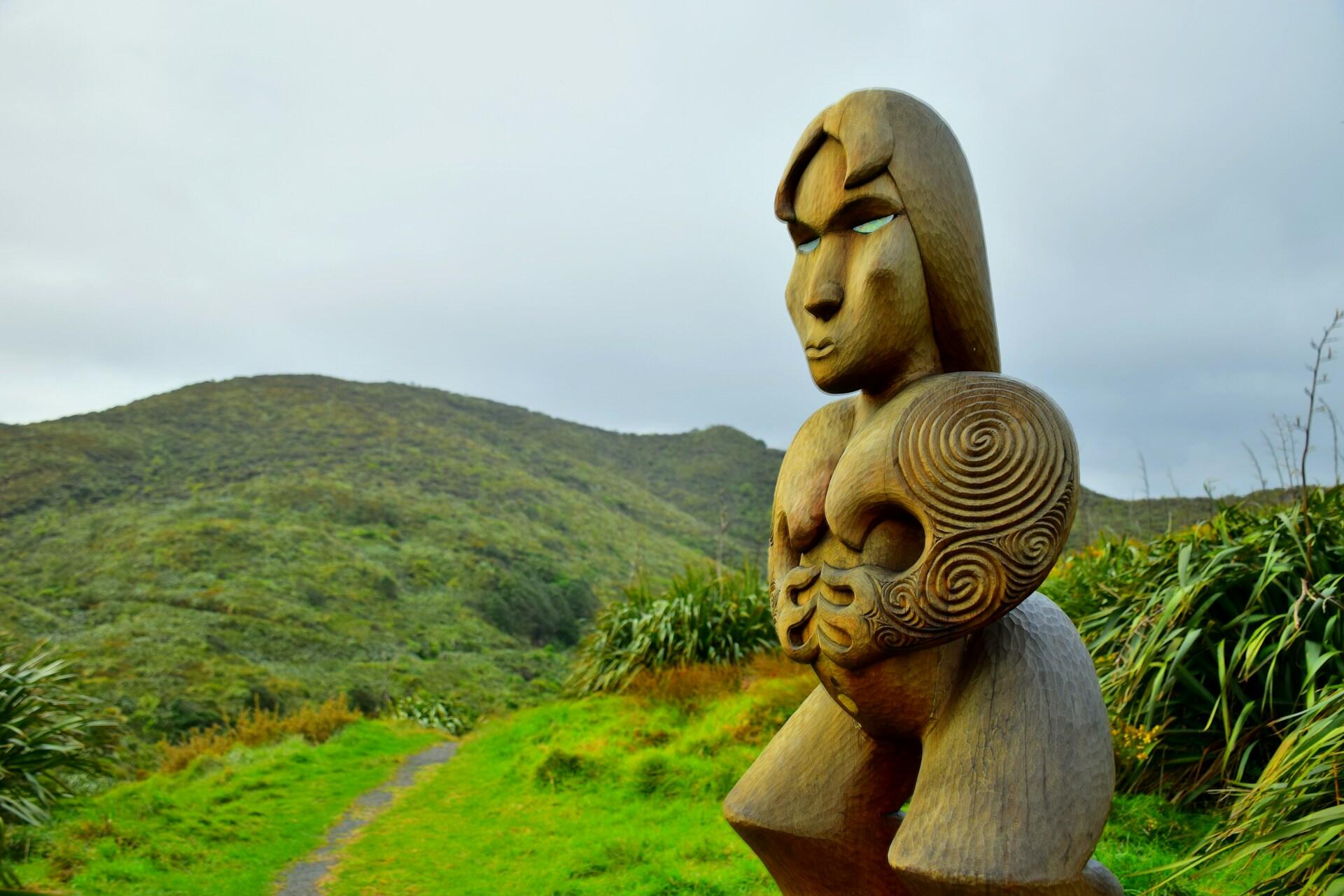

He aha te mea nui o te ao? He tangata, he tangata, he tangata.
Māori proverb
Māori history is a key part of Aotearoa's identity, culture, and development. Like the above quote, "What is the most important thing in the world? It is people, it is people, it is people.” Māori history isn't just a record of the past. It's an ongoing process concerning people, and it shapes the country's social, political, and cultural life today.
To understand New Zealand's evolution, we must go back to the first Polynesian explorers who travelled incredible distances to the islands. The Māori people have left a clear mark on the land, and their history is inextricably bound to New Zealand's.
Here, we'll look at the origins of the Māori people, how they settled Aotearoa, how European contact changed that, and the cultural legacy that continues to enrich society in New Zealand.
c. 1280–1350
Polynesian Arrival
First settlers from Polynesia arrive in Aotearoa, beginning Māori history.
c. 1500
Classical Period Begins
Growth in tribal organisation, warfare, and the construction of fortified pā.
1642
First European Contact
Dutch explorer Abel Tasman sights the South Island coast.
1769
Cook’s Arrival
Captain James Cook arrives and charts the islands, marking sustained contact.
1815
Māori Language Written
Missionary Thomas Kendall publishes the first written record of te reo Māori.
1840
Treaty of Waitangi Signed
Landmark agreement between Māori chiefs and the British Crown.
1845–1872
New Zealand Wars
Conflicts erupt over land and sovereignty, leading to major Māori land loss.
1975
Waitangi Tribunal Founded
Established to address historical grievances and breaches of the Treaty.
1990s–Present
Cultural Renaissance
Revival of te reo, traditional practices, and major land settlements.


Where Did Māori Come From?
The Māori people are part of a larger Polynesian migration. This incredible human journey involved ocean-going navigators reaching some of the planet's most remote islands and settling them! The Māori were skilled marine explorers who used the stars, ocean currents, and traditional navigation methods to reach these new lands.
Evidence suggests that Māori is related to Polynesian groups from the Cook Islands, Society Islands, and Samoa. This can be seen in linguistic, cultural, and archaeological evidence, such as their social structures, customs, and languages.
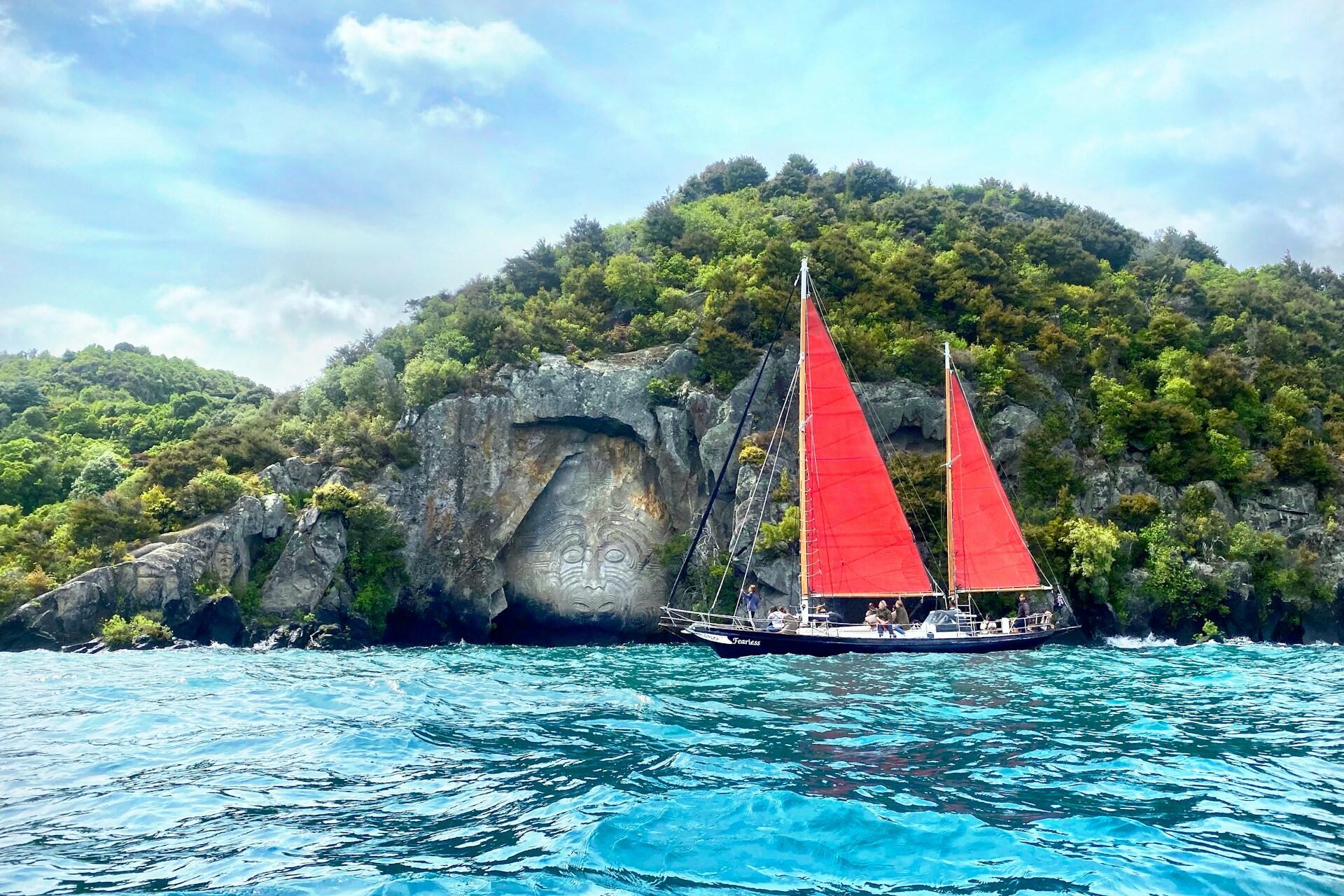
In Māori tradition, they travelled from a place known as Hawaiki, though its exact location is debated. In Māori oral traditions, this is as much the spiritual homeland of the Māori as it is a physical place of origin.
When Did Māori Arrive in NZ?
Evidence suggests that the first Māori settlers arrived in New Zealand between 1280 and 1350 CE. They were among the last humans to settle any major landmass on earth, and their arrival marked the beginning of a distinct culture that would evolve and adapt to the cooler, more temperate environment of Aotearoa.
Sites like Wairau Bar in the South Island provide some of the earliest evidence of human settlement in New Zealand. Archaeologists have found tools, ornaments, and burial remains.
Using these remains, researchers have been able to piece together what early Māori would have been like. Since New Zealand is cooler than other parts of Polynesia, traditional tropical crops weren't viable, so the earliest Māori settlers arrived on hunting, fishing, and gathering.
Initially, the Māori were spread across the land, and different tribal groups had ample land and resources, which meant less conflict. However, as the population grew and competition for resources increased, there was a greater need for societal structures and more law and order.
A significant chapter in human migratory history, the arrival of the Māori in New Zealand, came with a new relationship between people and land, which would profoundly influence the environment, including forest clearance and the extinction of native species like the moa.
This period of history is known as the Archaic Period. It laid the foundations for the later classical period of Māori history and shaped everything from food practices to social organisation.
Early Māori Settlement and Society
Early Māori communities established themselves across both the North and South Islands of New Zealand. This early period centred around hunting, fishing, and gathering, with limited agriculture due to the climate of their new lands.
Archaeologists have discovered stone tools, ovens (umu), and shell middens that offer insights into the daily lives of the earliest Māori tribes.
Typically, the Māori at this time hunted seals and birds, including the now-extinct moa. They used marine resources extensively and built seasonal camps and small villages near rivers and coastal areas, which provided more food.
The Māori had no written language then and relied mainly on oral tradition. Whakapapa (genealogy), waiata (songs), and mātauranga Māori (traditional knowledge) preserved history, social structures, and spiritual beliefs, with these narratives forming a cohesive cultural identity over the generations.
Early Māori lived in whānau (family units), which were grouped into larger hapū (sub-tribes) and iwi (tribes). Leadership was generally based on whakapapa and a person's prowess in warfare, diplomacy, and knowledge. Social cohesion within small groups was generally maintained through ancestry and customs.
Whānau: Extended family, the foundation of daily life and support
Hapū: Sub-tribes made up of several related whānau
Iwi: Tribes, large kinship groups that form the wider Māori political identity
Rangatira: Chiefs who led based on genealogy, wisdom, and leadership
Tohunga: Experts or priests in various fields (spiritual, medicinal, navigational)
Marae: Communal or sacred places that serve as the heart of social and ceremonial life
Early settlements tended to lack fortifications of large-scale weaponry since the abundant resources and lower population density meant that this time was mostly peaceful. However, as settlements and populations grew, inter-tribal competition and warfare emerged.
The Classical Period: Growth, Conflict, and Change
By the beginning of the 16th century, Māori society entered its Classical Period. During this time, there was significant growth, increasing complexity, and rising inter-tribal conflict.
The competition for land and resources intensified as there were more people and fewer resources.
This came with more defined social and political structures, forming the backbone of Māori's cultural identity, which we can still see today.
Hilltop fortifications known as pā sprung up across both islands, with villages strategically placed with defensive earthworks, wooden palisades, and pits for storing food. The arrival of pā indicated to researchers that this period was less peaceful than earlier periods.
Warfare became a key part of Māori society, with disputes over land, status, or even revenge (utu) escalating into battles between hapū and iwi.
Weapons like long-handled clubs and sharpened greenstone (pounamu) tools became increasingly sophisticated.
War canoes (waka taua) were made to carry warriors along coastal and inland waterways, with some big enough to hold dozens of warriors.
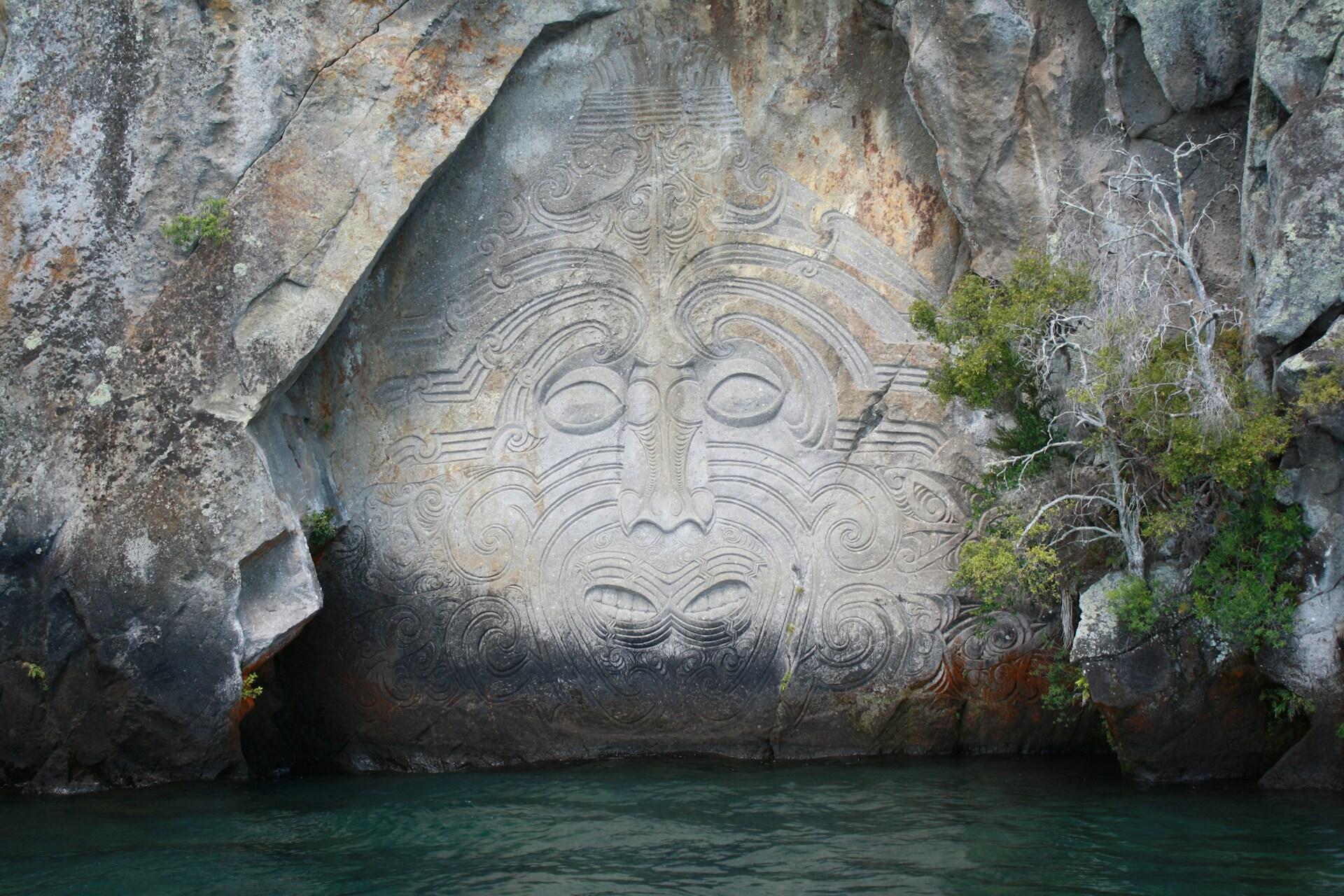
The Classical Period wasn't just about war, though. There were many cultural advancements, particularly in terms of Māori art. Wood carving, tattooing (ta moko), and weaving were refined and codified, while Māori spirituality and cosmology became more deeply embedded in everyday life.
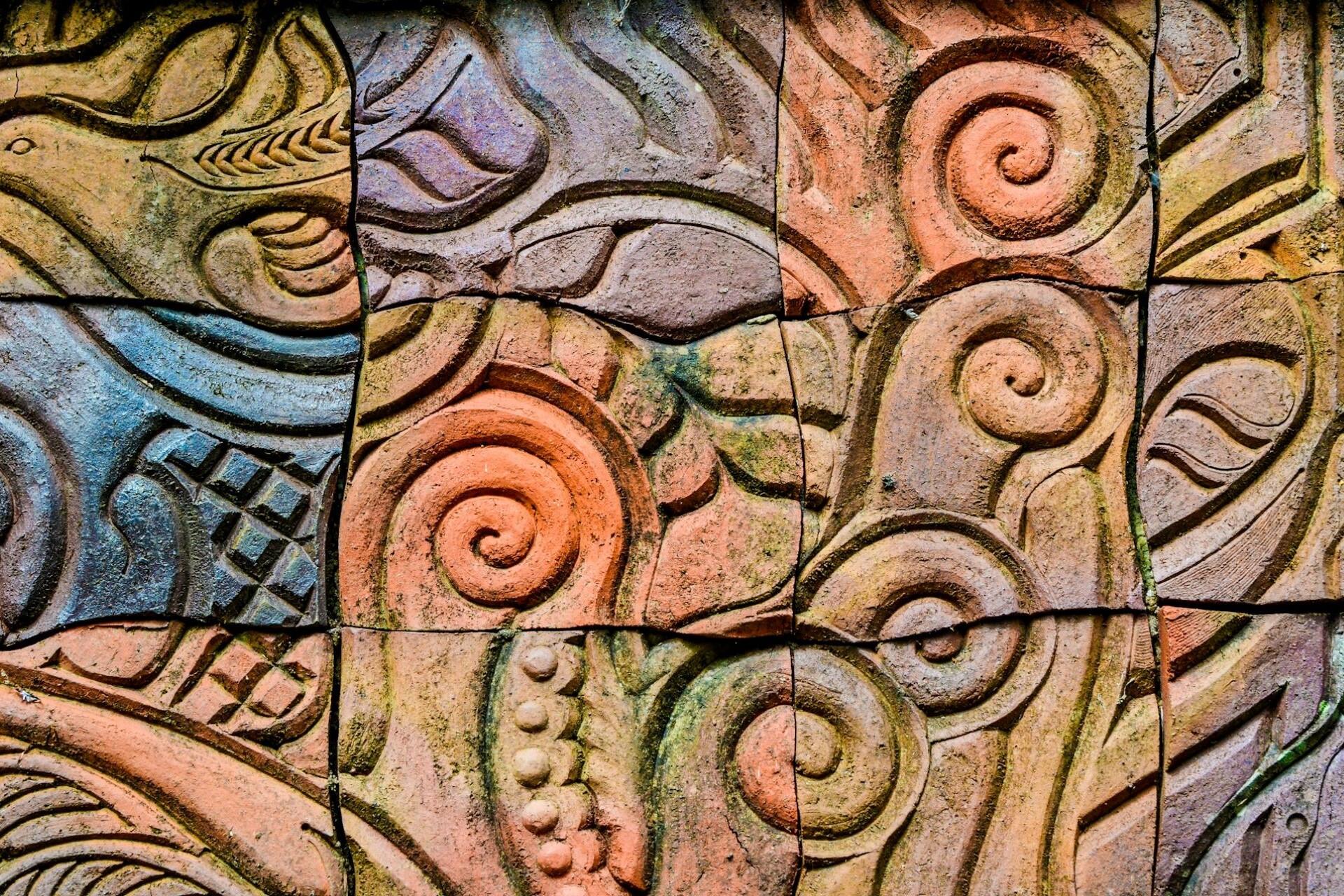
Remember that we're talking about all Māori in a general sense here, but there were also different cultures across the different iwi. Tribes would adapt practices based on local geography, resources, and political alliances, giving rise to famous people and legends, much like what happens today.
It was common for social roles to be clearly defined, with rangatira (chiefs), tohunga (experts or priests), and tribe members all playing their parts in maintaining balance within their communities.
Historians tend to classify the end of the Classical Period with the increasing arrival of European explorers and settlers in the late 18th and 19th centuries.
First Encounters with Europeans
The first European contact with the Māori took place in 1642 when the Dutch explorer Abel Tasman sighted the western coast of New Zealand's South Island. However, more sustained interactions began with the arrival of James Cook in 1769, which would profoundly shape New Zealand's history.
Early meetings between Europeans and Māori were mixed. Some were curious and cautious about trade, while others ended in conflict. The European settlers brought new technologies, materials, animals, and diseases with them, meaning that some iwi engaged in cultural exchange, whereas others were wary and hostile, especially given the threat that these Pākehā brought to the land. If you're interested in gaining a better understanding of Māori history, consider attending traditional events.
The introduction of muskets radically altered inter-tribal warfare in the early 19th century, leading to the Musket Wars, a series of conflicts that drastically reshaped tribal boundaries and populations.
New crops like the potato also changed agriculture, allowing larger food surpluses and bigger military campaigns. European ships also provided opportunities for travel, employment, and global interaction. There were even Māori working as crew on European vessels and trade intermediaries.
Christian missionaries also impacted Māori tribes, and by the 1830s, many Māori were literate in their own language, which now had a written form.
Tensions escalated with competing interests, misunderstandings, and pressure from the British Crown.
The Treaty of Waitangi and Its Aftermath
One of the most pivotal moments in New Zealand's history was the signing of the Treaty of Waitangi on 6 February 1840.
This was signed to establish a legal framework for the relations between the British Crown and Māori iwi and is seen by many as the foundation of the modern New Zealand state.
However, the text, which was drafted in both English and te reo Māori, included several key discrepancies between the two versions.
Signed: 6 February 1840
Between: Māori chiefs and the British Crown
Languages: English and te reo Māori
Key Issues: Differences in translation like “sovereignty” vs “governance”
Consequences: Land loss, New Zealand Wars, later legal and political battles
Legacy: Foundation of modern New Zealand, commemorated on Waitangi Day
In the English text, the Māori ceded "sovereignty" to the British Crown, while the Māori version more closely translates to "governance" rather than a surrender of authority or independence.
The Māori were guaranteed "full, exclusive, and undisturbed possession" of their lands, forests, fisheries, and taonga (treasures). However, the treaty was inconsistently applied. European settlers, with the pressure of land acquisition, ultimately resulted in widespread land loss for the Māori. This resulted in the New Zealand Wars (1845-1872), which were also known as the Land Wars.
Colonial governments largely ignored the treaty, and Māori lands were confiscated. At the same time, Māori communities were politically and economically marginalised.
Here's a quick explanation of the treaty and why it's so controversial.
In the mid-20th century, Māori activism surged and called attention to the treaty breaches. In 1975, the Waitangi Tribunal was established, offering a permanent commission of inquiry to investigate breaches.
The Treaty of Waitangi is considered to be a living document that is central to New Zealand's legal and political framework. Waitangi Day is celebrated on 6 February.
Summarise with AI:
Did you like this article? Leave a rating!

 Loading...