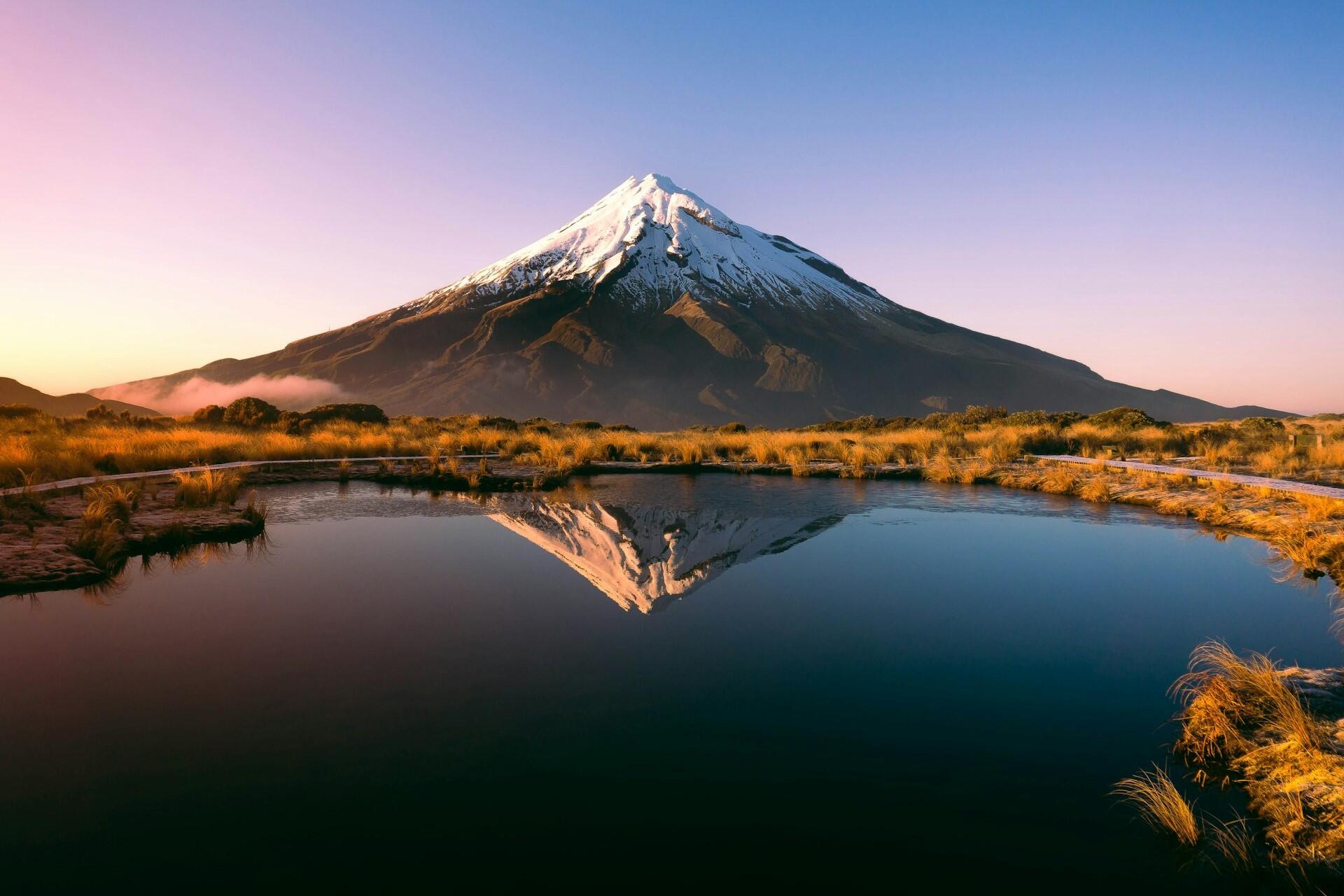

Taniwha are an essential part of Māori tradition. These powerful beings are connected to water, land, and specific locations. They're in Māori stories where they act as guardians, warnings, and forces that shape the relationship between people and the environment. They're not abstract creatures; taniwha are deeply rooted in place and whakapapa, linking communities to rivers, coastlines, and ancestral lands. They're so much more than mythical monsters. They reflect balance, responsibility, and the consequences of human behaviour. Their stories often focus on danger, protection, and respect for the natural world. These traditions are key to Māori perspectives today, which is why taniwha are an essential part of the cultural framework rather than just folklore.
Key Takeaways
- Taniwha are powerful beings in Māori tradition, often associated with specific places such as rivers, lakes, coastlines, and caves.
- They are understood through whakapapa and relationship, not as fixed creatures with a single form or moral role.
- Taniwha stories explain environmental danger, responsibility, and respect for the natural world.
- Some taniwha act as guardians of place, while others represent risk or imbalance.
- Taniwha traditions remain relevant today, influencing cultural consultation, land use, and environmental thinking across Aotearoa.


What Is a Taniwha?
In Māori belief, a taniwha is a being that exists within the natural and spiritual world. It's not a single type of creature with fixed characteristics. Taniwha are understood through their relationships to people, environments, and whakapapa. Taniwha is also used figuratively to describe formidable or influential things, such as a leader or a force. This broader usage shows that taniwha have influenced the Māori worldview to the extent that power is recognised and named rather than merely moralised. A taniwha isn't harmful or benevolent; it has to be understood, respected, and responded to appropriately.
The Meaning of Taniwha in Māori Belief
In Māori tradition, the meaning of taniwha goes beyond the idea of a single creature or “monster.” Taniwha are powerful beings associated with particular places, waterways, or communities. They may take many forms and can be protective, dangerous, or both, depending on their relationship with people and place.
The term taniwha can also be used metaphorically to describe something powerful or influential. Rather than representing evil, taniwha are understood through whakapapa and connection. Their behaviour reflects balance, responsibility, and the consequences of disrespecting natural or spiritual boundaries.
More Than Monsters: Power, Presence, and Relationship
Taniwha aren't just monsters, and seeing them this way oversimplifies them. They're manifestations of the different types of power in the world, especially in contexts where awareness and caution are paramount. This is why their presence often signals that a location is significant or requires respect.
They don't exist in opposition to humans. Taniwha are part of a shared system of relationships, which has been a key part of Māori culture since the creation stories. They respond to how people interact with their surroundings and each other. Taniwha stories are used in Māori tradition to convey that power isn't neutral and that actions have consequences.
Where Taniwha Live and Why Place Matters
Taniwha are usually associated with specific locations, much like how various atua have had associations with certain geographical features since the separation of Ranginui and Papatuanuku. This means that they don't tend to roam freely around the world. Their identity is often shaped by the land or water they inhabit, and these places are frequently environments where natural forces are intense, unpredictable, or dangerous. Linking taniwha to locations ties Māori storytelling to real places within the world. Place is vital in Māori culture, as knowledge is local, and taniwha stories help people understand their regions more deeply. Taniwha is a form of environmental knowledge rooted in observation and experience rather than abstraction.
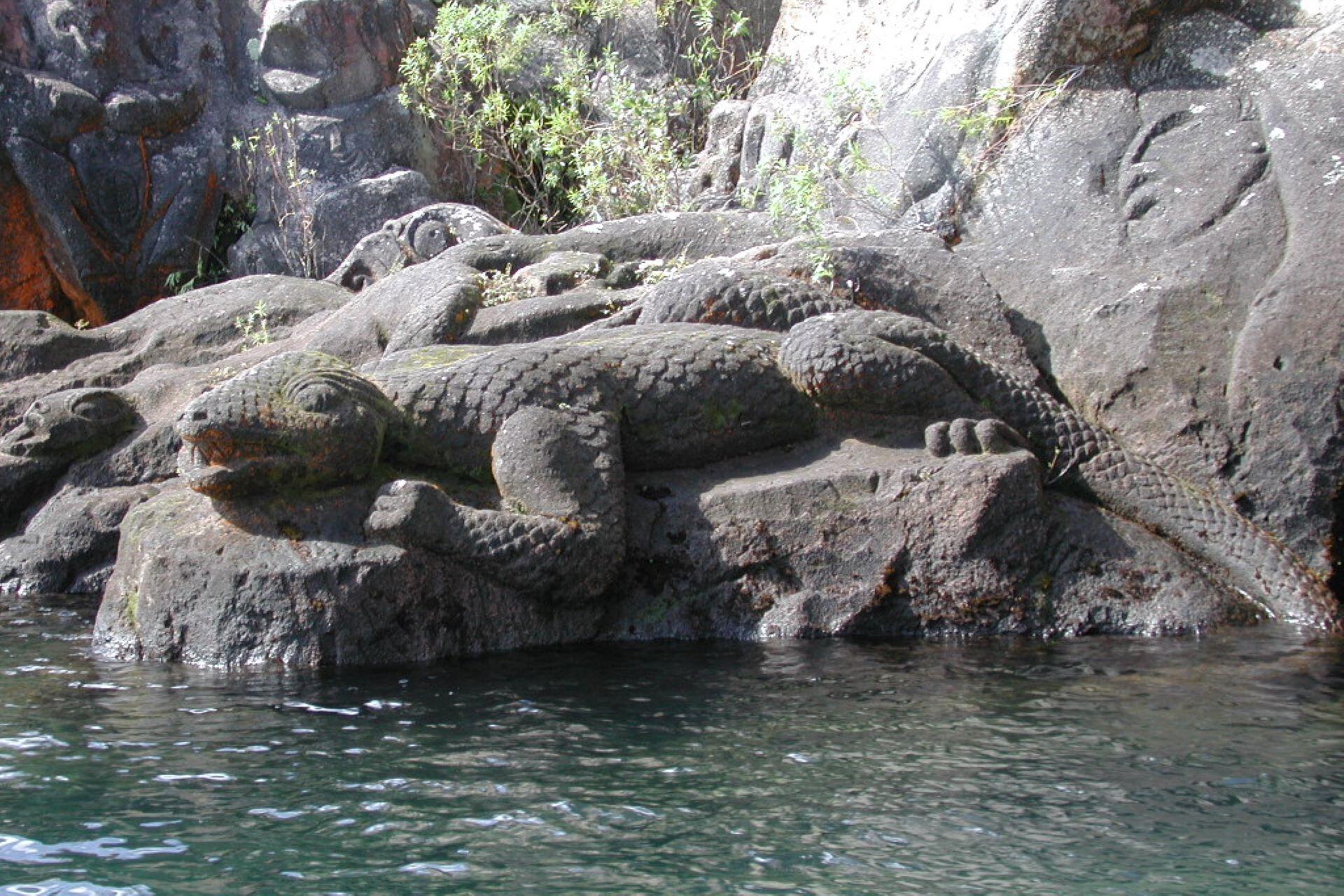
kilometres of coastline, rivers, and waterways, many of which are traditionally associated with taniwha as guardians or warnings tied to specific places.
Rivers, Seas, Lakes, and Caves
Water environments often feature taniwha traditions, since they're both sources of sustenance and potential sources of harm. Rivers can flood, seas can turn violent, and deep pools can hide dangers. Taniwha associated with these kinds of environments tend to reflect the unpredictable nature of water and the respect it demands.

Caves and deep waterways also feature often in taniwha stories. As these places are difficult to navigate or see, the stories frequently reinforce the idea that not all forces are immediately visible or recognisable. Māori tradition uses taniwha to acknowledge the uncertainty that is part of our world and in very uncertain places, you may even find patupaiarehe.
Taniwha as Guardians of Place
Some taniwha are understood to watch over certain places, such as rivers, coastlines, or land. Their goal isn't to control access to these places, but to signal the place's own authority. Taniwha reflect the idea that humans are participants in these spaces, not their owners. Guardianship links people to place through responsibility rather than dominance, and knowing where taniwha reside encourages people to be careful and respectful of these places.
Taniwha, Conflict, and the Natural World
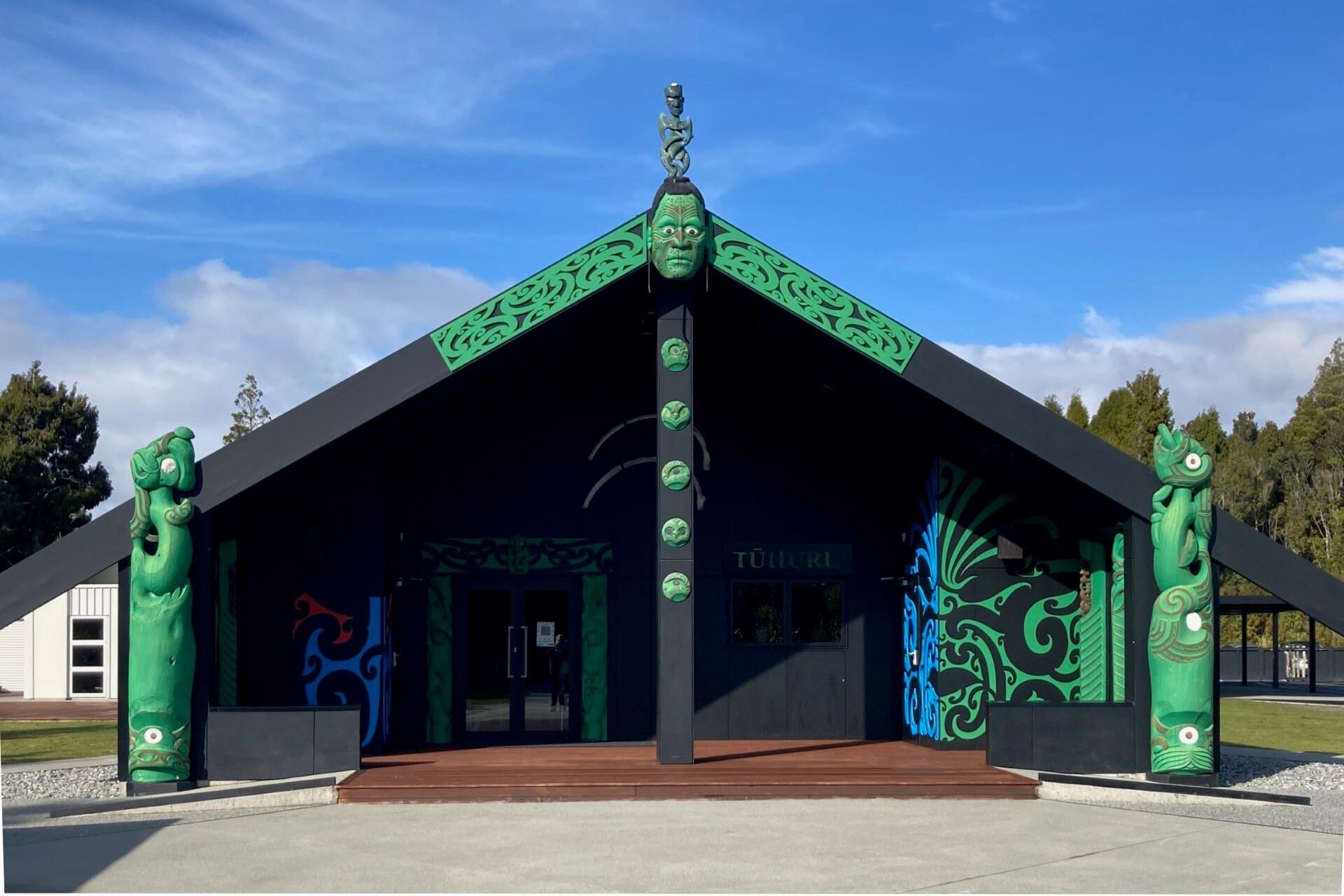
Taniwha are supernatural beings in Māori tradition that are often associated with water and particular places.
Te Ara: The Encyclopedia of New Zealand
Taniwha traditions accept that the natural world is unpredictable. Storms, floods, dangerous currents, and unstable landscapes are caused by powerful forces rather than random events. Framing these forces through taniwha allows Māori tradition to interpret environmental danger within a system of meaning and responsibility. Just remember that taniwha are not villains in these stories. Conflicts aren't battles between good and evil. Instead, they're the result of imbalance, disrespect, or misunderstanding. Taniwha narratives show that humans have to live alongside the powerful natural forces rather than attempt ot dominate them.
| Taniwha Name | Associated Location | Cultural Role / Meaning |
|---|---|---|
| Ngake | Wellington Harbour (Te Whanganui-a-Tara) | Shaped Wellington Harbour by breaking through to the sea |
| Whātaitai | Wellington Harbour / Hataitai | Companion taniwha to Ngake; stranded and became the Hataitai landform |
| Tuhirangi | Cook Strait | Guardian taniwha of Kupe, guiding waka across dangerous waters |
| Tūtae-poroporo | Whanganui River | River taniwha associated with danger and human survival |
| Hine-kōrako | Te Reinga Waterfall, Wairoa | Protective taniwha linked to whakapapa and marriage stories |
| Kotuwainuku | Waiapu River, East Cape | Guardian taniwha protecting river valleys and hapū |
| Moko tuoro | Various locations across Aotearoa | Eel-like taniwha representing hidden danger in waterways |
Taniwha in the Modern World
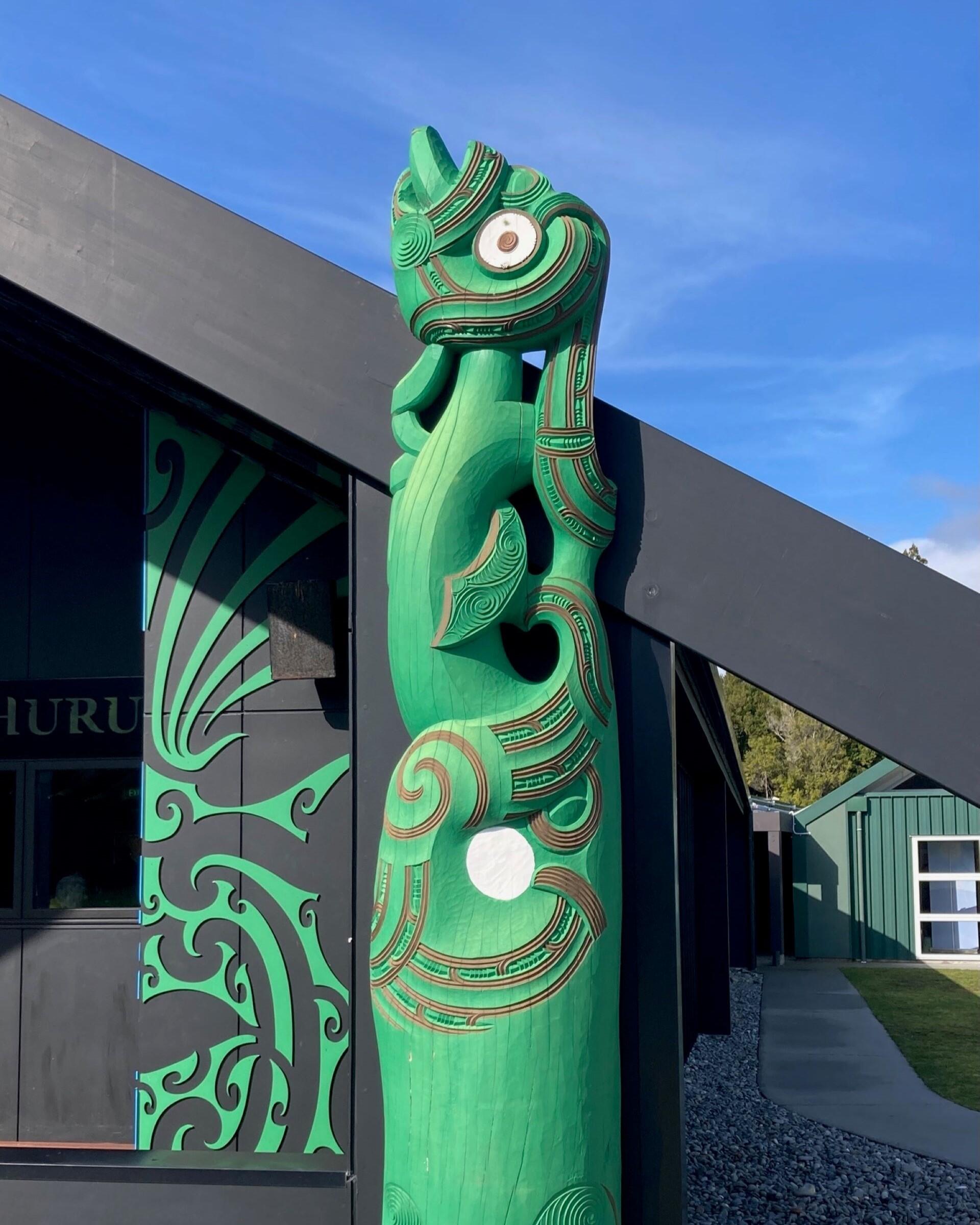
Taniwha aren't just ancient stories, by the way. They influence contemporary Māori life. They can be looked to in discussions about land use, infrastructure, and environmental protection. Taniwha traditions are sometimes raised during consultation processes to highlight spiritual, cultural, or ancestral relationships with particular places. Like manaia connecting the physical and spiritual worlds, these conversations are about recognising the long-standing connections to land and water.
Taniwha are a cultural framework and can be used to express concern, caution, and responsibility when development affects specific environments. Their continued use shows how they're part of living knowledge systems.
iwi across Aotearoa New Zealand, many of which maintain taniwha traditions that still influence cultural consultation, land use, and environmental decision-making today.
Different Iwi Traditions
Taniwha appear across Māori tradition, but the stories can change. After all, each iwi maintains its own accounts. These living, breathing stories are shaped by local landscapes, waterways, and historical experiences. A taniwha for one place may have no relevance elsewhere. This doesn't mean that the traditions are any less important, though. Instead, it shows how oral tradition allows stories to be hyperlocalised, adding greater meaning to the people they affect.
Taniwha stories vary across iwi because they are preserved through oral tradition rather than a single written source. Each iwi maintains its own accounts, shaped by local landscapes, waterways, and historical experiences. These differences are not contradictions but expressions of living knowledge.
Oral storytelling allows taniwha traditions to adapt over time while retaining their cultural meaning. This flexibility ensures that stories remain relevant to the people who tell them and to the environments they describe, reinforcing the close relationship between story, place, and identity.
Why Taniwha Still Matter
Taniwha are important because they reinforce many core Māori values about responsibility, respect, and care for the environment. Taniwha remind people that the land and water aren't resources to be used freely, but relationships to be maintained. Māori knowledge encourages an awareness of place, acknowledgement of risk, and accountability for actions. These principles are central to ideas such as sustainability, identity, and environmental stewardship. Taniwha endure because they're still incredibly useful, offering guidance even today.
Taniwha are closely connected to the principle of kaitiakitanga, the responsibility to protect and care for the natural world. As guardians of rivers, lakes, coastlines, and other significant places, taniwha reinforce the idea that humans are not separate from nature, but part of it.
Through taniwha traditions, Māori knowledge emphasises respect for place, awareness of danger, and accountability for actions. These stories continue to guide attitudes toward land use, environmental protection, and community responsibility in Aotearoa New Zealand today.
Summarise with AI:
Did you like this article? Leave a rating!

 Loading...