
Kia kaha. Stay strong.
Māori affirmation
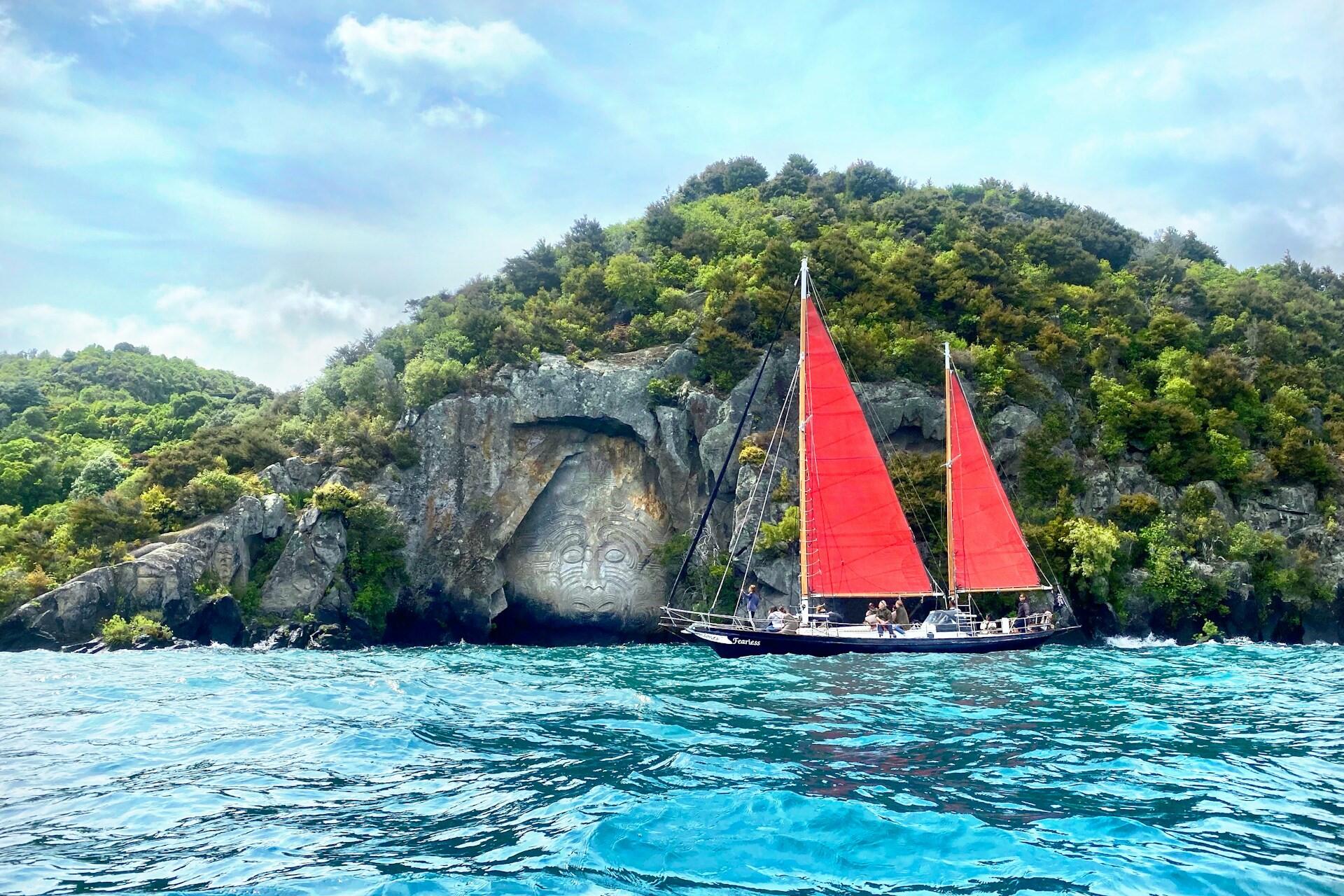
In te ao Māori (the Māori world), strength is important. It's kaha (strength), māia (courage) and manawanui (steadfastness), and it's relational. Your strength isn't your own; your strength comes from others. The main imagery is often that of a waka (canoe) on rough water, a rākau (tree) that bends but does not break, or a pou (post) you can lean on. Courage means knowing when to rest, when to ask for help, and keep faith with your whānau (extended family), hapū (sub-tribe), and iwi (tribe). Each whakataukī (traditional proverb) in te reo Māori (the Māori language) offers insight into this concept and demonstrates how language, when used daily, can foster courage in real life. Let's explore them together and move forward with strength.
| Maori Proverb | English Gloss | Theme | Suggested Use |
|---|---|---|---|
| Kia kaha, kia māia, kia manawanui | Be strong, be brave, be steadfast. | Strength / Courage / Steadfastness | Use as a breathing anchor before challenges; write at the top of your plan. |
| He moana pukepuke e ekengia e te waka | A choppy sea can be navigated by the canoe. | Resilience / Collective Strength | Switch to 'storm mode': shorter check-ins, one risk board, logged decisions. |
| Tūwhitia te hopo, mairangatia te angitū | Cast out fear, elevate success. | Courage / Growth | Write fears, cross them out, then take one small action toward your goal. |
| Whāia te iti kahurangi, ki te tūohu koe, me he maunga teitei | Seek the treasure you value most dearly; if you bow, let it be to a lofty mountain. | Goals / High Standards | Prioritise tasks that serve your iti kahurangi (cherished goal). |
| He toka tū moana, he ākinga nā ngā tai | Like a rock standing in the sea, buffeted by the tides. | Endurance / Stability | Define one daily non-negotiable boundary and keep it through challenges. |
| Kia ū, kia manawanui | Be steadfast, be resolute. | Steadfastness / Perseverance | Choose one habit you can keep even on the hardest days; track streaks. |
| Waiho i te toipoto, kaua i te toiroa | Let us keep close together, not far apart. | Closeness / Unity | Replace long emails with 10-minute co-working calls on tricky tasks. |
| Ko te pae tawhiti, whāia kia tata; ko te pae tata, whakamaua kia tina | Bring the far horizon close; hold fast to what’s achieved. | Resilience / Horizons | After setbacks, secure one small win then plan the next step toward the goal. |
| Ahakoa he iti, he pounamu | Although small, it is precious. | Value of Small Wins | Log micro-wins daily in a 'pounamu log' to recognise progress. |
| E kore au e ngaro; he kākano i ruia mai i Rangiātea | I will not be lost; I am a seed sown from Rangiātea. | Identity / Resilience | Anchor in whakapapa: name three people/places you come from; carry a token. |


Ten Whakataukī to Steady You when the Wind Rises
When headwinds pick up, you can use a short line to steady yourself and others. There are lots of different whakataukī and these ones for those challenging moments when we need strength and guidance. Here, we've picked 10 of our favourites, provided an English translation, an explanation, and a practical guide to using them.
Kaha (strength), māia (courage), and manawanui (steadfastness) are often named together. They work as a trio: physical strength, bravery to act, and perseverance over time.
Kia kaha, kia māia, kia manawanui
Be strong, be brave, be steadfast.
A three-part anchor: kaha = physical/inner strength, māia = courage to act, manawanui = long-haul perseverance.
How to use it: Before a hard call or treatment, breathe in on “kia kaha,” out on “kia māia,” then hold still on “kia manawanui.” Write the three words at the top of your plan.
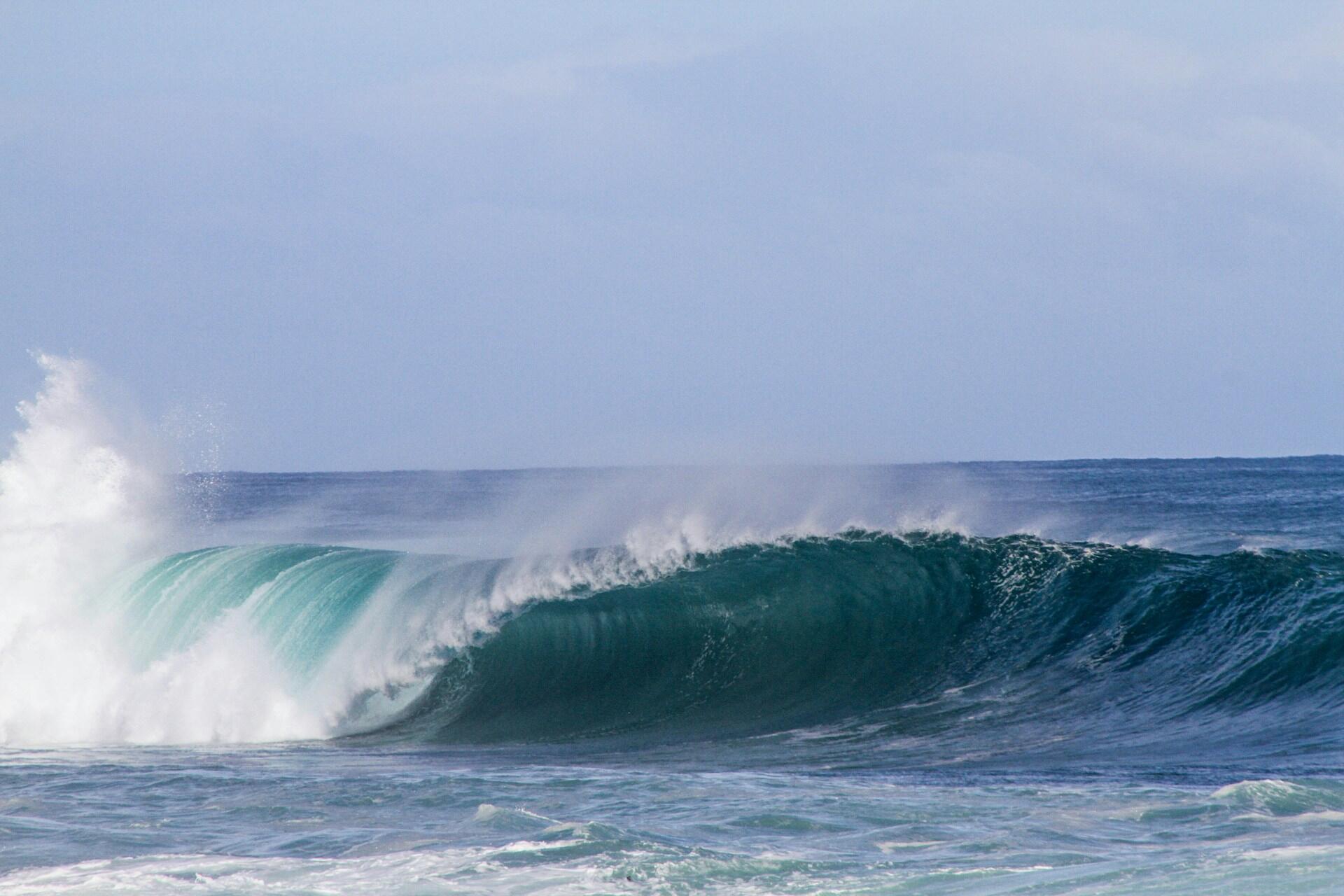
He moana pukepuke e ekengia e te waka
A choppy sea can be navigated by the canoe.
The waka (canoe) here is a powerful metaphor, reminding us that like a manu (bird) learning to rere (fly), the crew can still cross the moana (ocean) together. Resilience is collective.
In te ao Māori, the moana (sea) is a teacher of resilience. Storms remind us that endurance comes from paddling together in one waka (canoe).
How to use it: When plans change suddenly, switch to “storm mode”: shorter check-ins, one visible risk board, decisions logged for the whole crew.
Tūwhitia te hopo, mairangatia te angitū
Cast out fear, elevate success.
Hopo (fear) is named and released; angitū (success) is lifted up. Courage is a choice, often in small steps that lead to personal growth.
How to use it: Write down your hopo (fear), cross it out, then take one mahi (action) ana nei (right here, right now), even a noa (ordinary) step, to move forward.
Whāia te iti kahurangi, ki te tūohu koe, me he maunga teitei
Seek the treasure you value most dearly; if you bow, let it be to a lofty mountain.
Your iti kahurangi (cherished goal) is the compass; submit only to high standards and worthy challenges.
How to use it: List three tasks; circle the one that best serves your iti kahurangi and do it first.
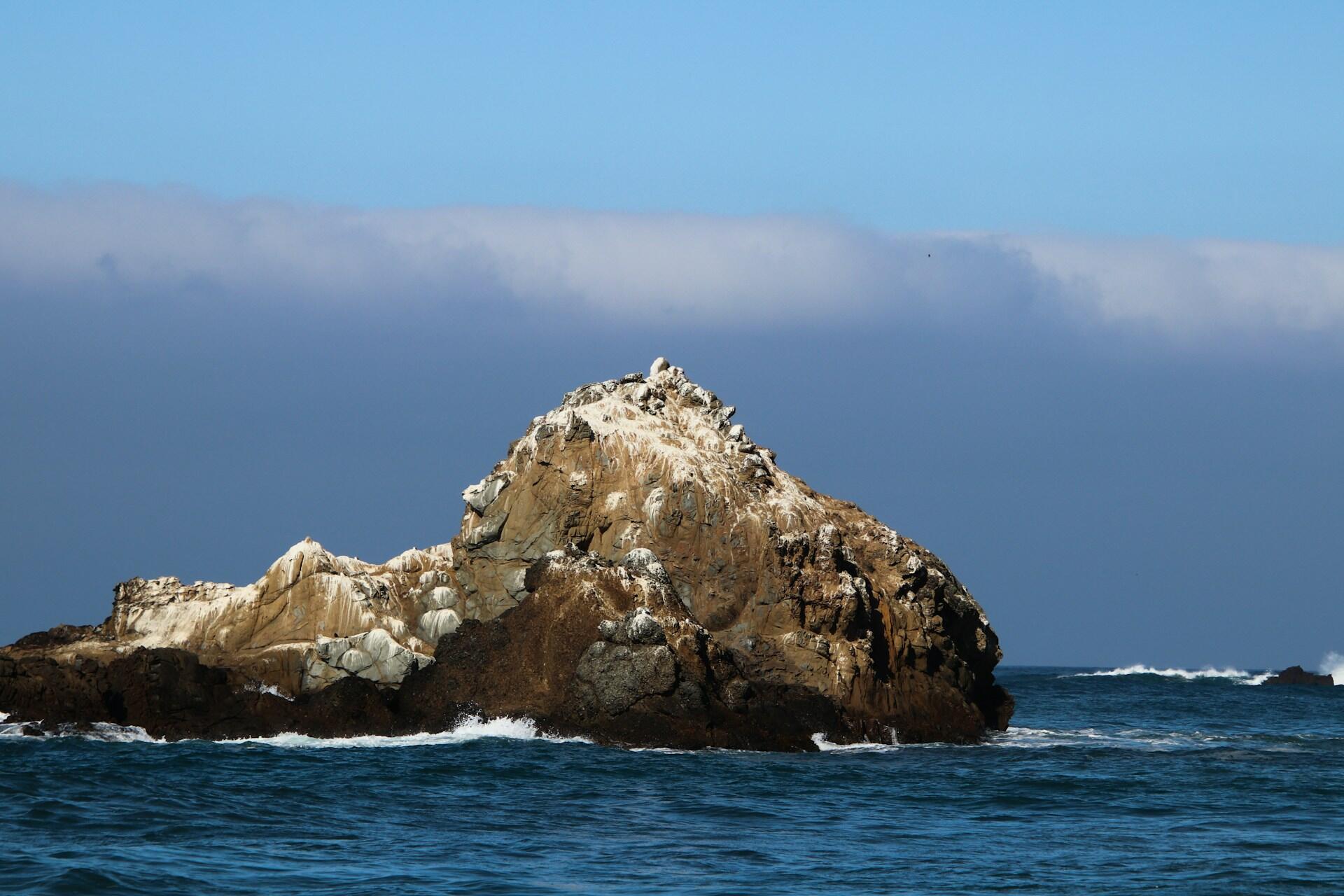
He toka tū moana, he ākinga nā ngā tai
Like a rock standing in the sea, buffeted by the tides.
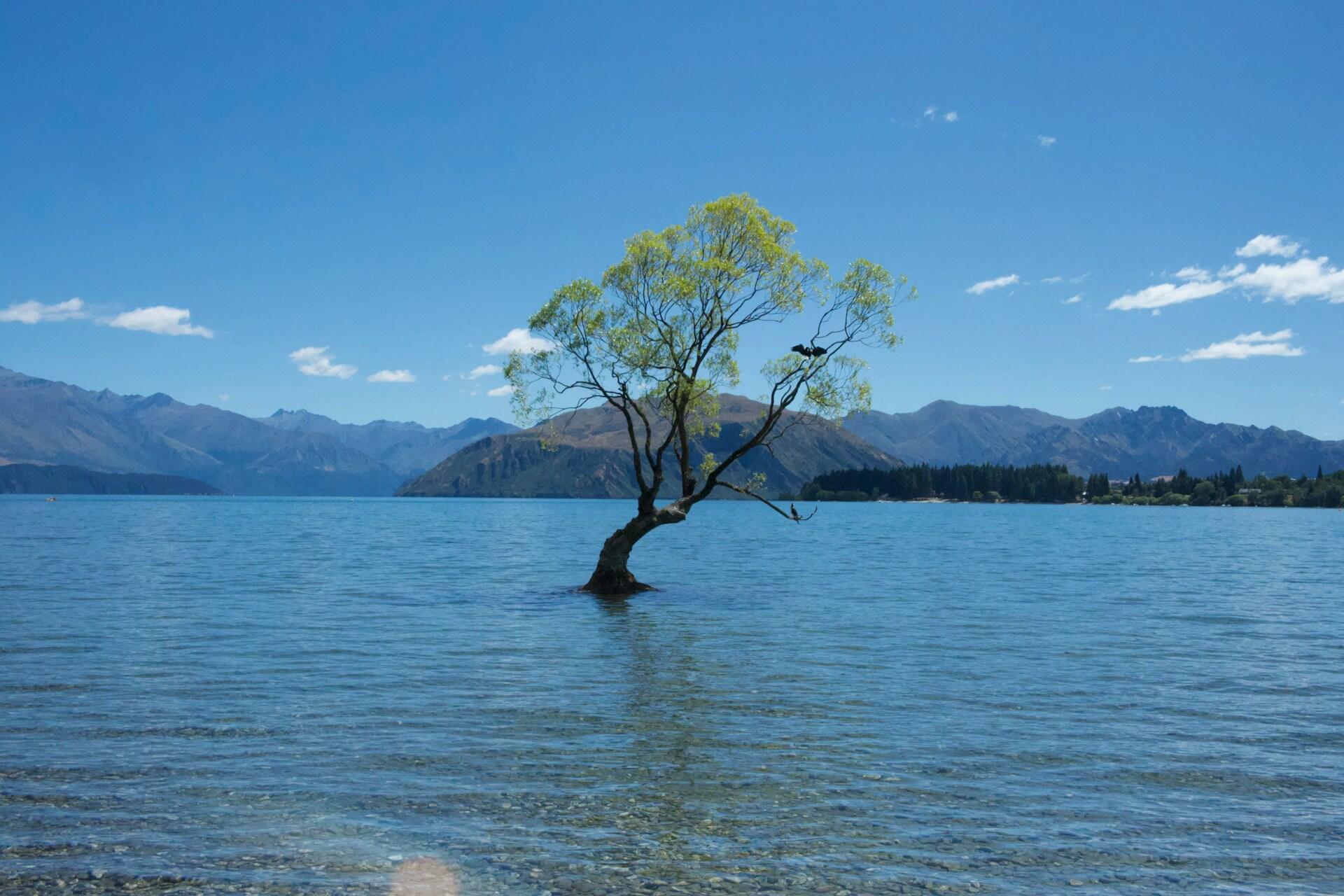
Like a tree standing firm, be a toka (rock) that holds form while the tai (tides) surge; the ākinga will pass, and your ora (life force) remains tonu (enduring).
How to use it: Define a non-negotiable boundary (sleep, walk, call a supporter) and keep it every day of the crunch.
Kia ū, kia manawanui
Be steadfast, be resolute.
Ū means firm/secure; paired with manawanui, it signals steady pressure over time, not a single burst.
How to use it: Choose one habit any tangata (person) can keep on the worst day, a simple reo ritual used by people to build strength step by step, used daily like reading one page of notes or saying a proverb aloud. Track streaks, not intensity.
Waiho i te toipoto, kaua i te toiroa
Let us keep close together, not far apart.
Toipoto (close) beats toiroa (distant) when headwinds rise; taku manawa (my heart) knows that staying together restores ora and courage.
How to use it: Replace long emails with a 10-minute co-working call. Work together on tricky tasks until they're sound.
Ko te pae tawhiti, whāia kia tata; ko te pae tata, whakamaua kia tina
Bring the far horizon close; hold fast to what’s achieved.
Pae tawhiti (distant horizon) becomes near; pae tata (near horizon) is secured: tina (fasten) what you’ve gained.
How to use it: After a setback, lock in one small win today. Set the next step toward the nui (big) goal, and haere (journey) forward like a manu (bird) learning to fly across rough winds. Review both at day's end.
Ahakoa he iti, he pounamu
Although small, it is precious.
Even tiny progress is pounamu (greenstone)-precious; treasure micro-wins when strength is low.
How to use it: Keep a “pounamu log”: one line each night naming the smallest thing you did that mattered.
Even micro-steps are precious. Progress may be tiny, but like pounamu (greenstone), each small act strengthens resilience.
E kore au e ngaro; he kākano i ruia mai i Rangiātea
I will not be lost; I am a seed sown from Rangiātea.
Kākano (seed) speaks of lineage; Rangiātea (ancestral homeland) evokes whakapapa (genealogy) as a source of identity and endurance.
How to use it: In grief or doubt, speak your pepeha (ancestral introduction) or name three tangata (people) or places you come from, reminding yourself of whakapapa strength, remembering the man who may have mate (died) in war or hardship, yet whose word and legacy still guide you. Carry one small token (photo, stone) to remind you you’re planted, not adrift.
90-second reset: Kia kaha, kia māia, kia manawanui in action (count-up)
A 90-second reset can turn the proverb “Kia kaha, kia māia, kia manawanui” into a routine. Here's how to do it solo or as a rōpū (group).
of New Zealanders experienced high or very high psychological distress during 2021
0–15s: Set your stance
Feet planted, shoulders soft. One hand on your manawa (heart), one on your belly. Say the line once, slowly: Kia kaha, kia māia, kia manawanui.
15–35s: “Kia kaha” (be strong)
Inhale through the nose for a count of 4. On the inhale, say quietly (or in your head) kia kaha. Let your body get heavy and stable. Name one thing you will keep doing today (sleep, water, medication, a walk).
35–55s: “Kia māia” (be brave)
Exhale for a count of 6. On the exhale, say kia māia. Picture one small hard thing you’ll face and the first tiny action you’ll take (call, email, first rep, first step).
55–75s: “Kia manawanui” (be steadfast)
Hold gently for a count of 2–3, then breathe normally while you repeat kia manawanui. Choose a micro-commitment you can keep even on a bad day (10-minute stretch, one page of notes, one check-in message).
75–90s: Close and commit
Repeat the full line together (if in a rōpū (group), read in unison). Speak your one action out loud in a single sentence: "Today I will ___." Write it at the top of your plan so it survives the next headwind.
Storm Playbook: He moana pukepuke e ekengia e te waka: How Teams Navigate Rough Water
When under pressure, you can use these wise words as you switch to "storm mode", just as navigators would do. Words can become action, and you'll find how important they are. Here's an example of how you can do it.
1. Call the storm (name it, time-box it)
Say the line aloud and declare “storm mode” for a fixed window (e.g., 72 hours). Write what “safe arrival” looks like and who’s impacted.
2. Appoint a kaiurungi (steersperson) and confirm the crew
One kaiurungi (steersperson) holds priorities; everyone else are kaihoe (paddlers) and collaboration is essential. Publish a one-line goal and a three-bullet plan the crew can repeat.
3. Shorten cycles; one board, one channel
Transition to 10-minute stand-ups, a single visible board, and a single communication channel. Decisions are logged in-thread so the whole waka (canoe) sees the course.
4. Trim the load; protect the hull
Freeze non-critical work. Set strict WIP limits. Ringfence one "care slot" per day (kai breaks, water, check-ins) so manaakitanga (care, food, and hospitality) stays intact under pressure.
5. Clear signals; no surprises
Use only three tags: Now, Next, and Blocked. If blocked for more than 30 minutes, pull a two-person huddle immediately; don’t tough it out alone.
6. Eyes on the horizon; anchor the near win
Name the pae tawhiti (far horizon) you’re rowing toward and the pae tata (near horizon) you’ll secure today. Celebrate the near win to keep momentum.
7. Check the mauri (life force) and adjust course
Midway pulse: rate energy, clarity, and trust 1–5. If any drops below 3, the kaiurungi (steersperson) adjusts scope or adds support before continuing.
8. Land, debrief, return to normal sailing
Close storm mode explicitly. Capture one lesson (ako - to learn/teach) and one safeguard to keep. Thank the crew by name; shared effort is the strength.
New to Māori? Learn these greetings.
Words for Remembrance and Recovery: Using Sayings with Aroha and Care
Choose the right whakataukī with aroha and care. Here, we've chosen some advice, but we always recommend seeking guidance from mana whenua (local tribal authority/people of the land). They'll be able to help. Remember the importance of family and community, and that strength is often derived from a group effort as much as it is a solo effort.
New Zealanders provide regular care for someone ill or disabled.
Good Choices for Sensitive Contexts
- Kia kaha, kia māia, kia manawanui: closing words at the end of briefings or memorial updates (one line, one breath together).
- He moana pukepuke e ekengia e te waka: for community updates where many are affected; emphasise shared navigation.
- E kore au e ngaro; he kākano i ruia mai i Rangiātea: identity and continuity in remembrance programs, orders of service, or plaques.
Protocol First
- If you’re on a marae (meeting place) or using the proverb in public, seek guidance from mana whenua (local tribal authority/people of the land).
- For funerals (tangihanga (funeral rites)) or unveilings, ask a local leader or kaumātua (elder) which line suits the moment and who should deliver it.
- Where formal process applies, follow kawa (protocols) and tikanga (customs); don’t insert sayings without consent.
Tone and Delivery
- One speaker, slow pace, then silence. Avoid embellishment; let the line carry.
- Provide a single English gloss, not a paraphrase stack.
- Acknowledge variation: if wording differs locally, defer to local usage.
Attribution and Accuracy
- If the saying is a whakatauākī (attributed saying), credit the source if known.
- Check spelling and macrons; practise pronunciation privately before you speak.
- Never alter kupu (words) to fit branding or rhyme.
Simple template (order of service/program card)
- Māori line (with macrons)
- One-sentence English gloss
- One action: “We will pause for one minute,” or “We commit to check on three whānau this week.”
Aftercare ideas (turn words into support)
- Pair the proverb with practical steps in the kainga (home), ensuring children, elders, and uri kei muri (those who come after) feel supported.
- Close with a brief karakia (prayer/ritual words) if appropriate and agreed, or with shared silence.
Summarise with AI:
Did you like this article? Leave a rating!

 Loading...