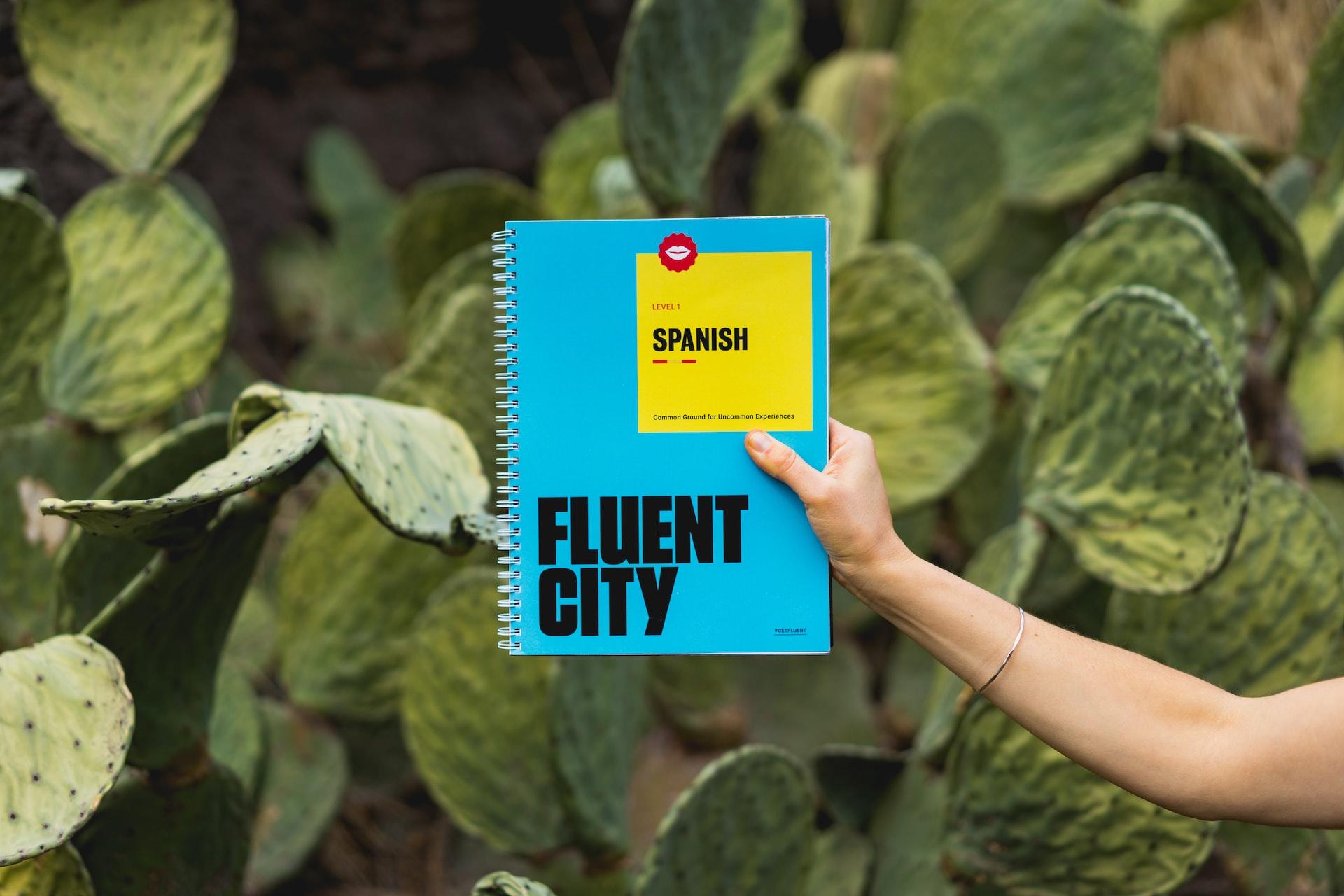

You live a new life for every language you speak. If you only know one language, you live only once.
Czech Proverb
Learning any new language can initially feel overwhelming, but it doesn't have to be. Whether you want to build vocabulary or speak Spanish, here's how and why.


Why Learning Spanish Is Worth It
Spanish is one of the most widely spoken languages in the world. There are around 440 million native speakers across dozens of countries.
From Spain to Latin America and beyond, the Spanish language connects people across various cultures, continents, and careers.
Learning Spanish can open doors. Whether you dream of travelling to a Spanish-speaking country, starting a new career, or connecting with speakers of the language, Spanish is a great language to learn.
Spanish is the second most spoken language in the world by native speakers, which is more than English! That makes it one of the most practical second languages for global communication.
Spanish is also a reasonably easy language to pick up (in the grand scheme of things). There are many resources for English speakers, the pronunciation is phonetic, and many English words share the same roots as Spanish words (via Latin and French).
How to Start Learning Spanish as a Complete Beginner
With the right strategy, learning to speak Spanish can be fun and very doable. The key to building a strong foundation in any language is picking a method that works for you and learning the basics.
Start with the Core Fundamentals:
- The Spanish alphabet and pronunciation
- Essential vocabulary: greetings, numbers, days of the week
- Basic grammar rules: articles, adjectives, subject-verb agreement
- Useful phrases: "¿Cómo estás?" (How are you?), "Quiero aprender español" (I want to learn Spanish)
Learning the difference between "ser" and "estar" (both mean "to be") is a big milestone for beginners. These two verbs are used in very different situations and are a great introduction to how Spanish grammar works.
If you want to practice on the go, you can learn with podcasts, audio lessons, or flashcard apps.
Just remember that speaking starts as soon as you can say something. You don't need to be fluent.
| English Phrase | Spanish Translation | When to Use |
|---|---|---|
| Hello | Hola | Any greeting |
| Thank you | Gracias | To show gratitude |
| Please | Por favor | When making requests |
| Excuse me | Perdón / Disculpe | Getting someone's attention |
| How are you? | ¿Cómo estás? | Casual conversation starter |
| I don’t understand | No entiendo | When you’re confused |
| Where is the bathroom? | ¿Dónde está el baño? | Important for travel situations |
| I would like… | Me gustaría... | When ordering food or making requests |
Online Spanish Courses and Resources You Can Use Today
Thanks to the internet, it's never been easier to learn Spanish. Some resources work regardless of your schedule, budget, or experience.
The types of Spanish resources you could use include:
- Free Spanish courses on platforms like Duolingo, Memrise, or Coursera
- Grammar-focused lessons with explanations and examples
- Vocabulary-building apps with flashcards and daily word lists
- Video courses and YouTube channels for visual learners
- Interactive audio-based lessons and podcasts
| Tool / Method | What It Offers | Why It Helps Beginners |
|---|---|---|
| Duolingo | Gamified lessons, vocabulary practice | Great for building daily habits |
| CoffeeBreak Spanish | Audio podcasts | Easy listening for real-life phrases |
| Memrise | Repetition-based vocabulary builder | Helps retain new words faster |
| SpanishDict | Grammar + conjugation tool | Clear examples and grammar help |
| YouTube (Butterfly Spanish, SpanishPod101) | Free video lessons | Visual learning and pronunciation |
Most online resources allow you to learn at your own pace, covering topics like verbs, phrases, or grammar as you improve and when you have the time. If you want more structure and feedback, Spanish classes online can be a great option to keep you consistent.
Those on a tight schedule can study in short bursts, whether during your lunch break, cooking dinner, or even taking the bus.
Mastering Spanish Grammar and Vocabulary: What You Need to Know
Grammar and vocabulary are the foundation of learning any language.
By building both of these, you can move towards fluency.
In Spanish, we recommend starting with these grammatical concepts:
- Noun gender (el libro vs. la mesa)
- Articles and adjective agreement (un coche rojo, una casa blanca)
- Verb conjugations (especially with ser, estar, and tener)
- Question words (cómo, qué, dónde, cuándo)
- Negative sentences (No entiendo = I don’t understand)

Building Fluency: From Beginner to Advanced Level
Once you've built a foundation, you can start expanding on it. This step will take some time, but you'll make steady progress if you're consistent.
A beginner or a young child learning Spanish should focus on memorising words, repeating basic phrases, and looking at simple grammar.
As you reach the intermediate stage, you can start progressing in the following ways.
- Practice speaking with native speakers (language exchanges, tutors)
- Use Spanish daily: label items in your home, write journal entries, or think in Spanish
- Watch Spanish movies and series with subtitles
- Listen to intermediate-level podcasts
- Study verb tenses like preterite, imperfect, and subjunctive
You can start using idioms, working on your pronunciation, and speaking naturally in conversation at the advanced level.
A private tutor from a Spanish-speaking country like Spain, Mexico, Colombia, etc. could be incredibly effective.
Tips to Learn Spanish Faster and Stay Motivated
Like any skill, learning a language like Spanish requires consistent effort. The brain works like a muscle and if it doesn't get regular exercise in your new language, it won't get stronger.
This is easier said than done, but if you want to make good progress in your new language, consider the following tips:
- Set clear goals: Do you want to travel to Spain, pass a test, or converse with native speakers? Define your "why."
- Break learning into small chunks: Study 15 minutes a day instead of once a week for an hour.
- Celebrate small wins: Learned 20 new words this week? Nailed the past tense? That’s progress!
- Mix your methods: Use apps, books, podcasts, grammar lessons, and conversation practice.
- Track your progress: Keep a language journal or checklist (we’ll include one later in this guide!).
These tips are useful for learners, but anyone teaching Spanish to kids should also consider them.
Pair your daily Spanish study with something you already do, like listening to audio lessons while you walk or doing vocabulary flashcards with your morning coffee.
Is There a Best Age to Start Learning Spanish?
This is the question that parents and language learners often ask themselves. Generally, the younger, the better.
This is because younger learners have more time to learn a language overall, meaning they'll typically reach a higher level.
However, the best time to start learning Spanish is now. Adult learners have a big advantage over children because they'll have more self-discipline, clearer goals, and more life experience.
Fun and Effective Ways to Teach Kids Spanish
The best way for kids to learn a language (which also works for adults) is through play, storytelling, and natural repetition. Learning is far more effective when it's fun.
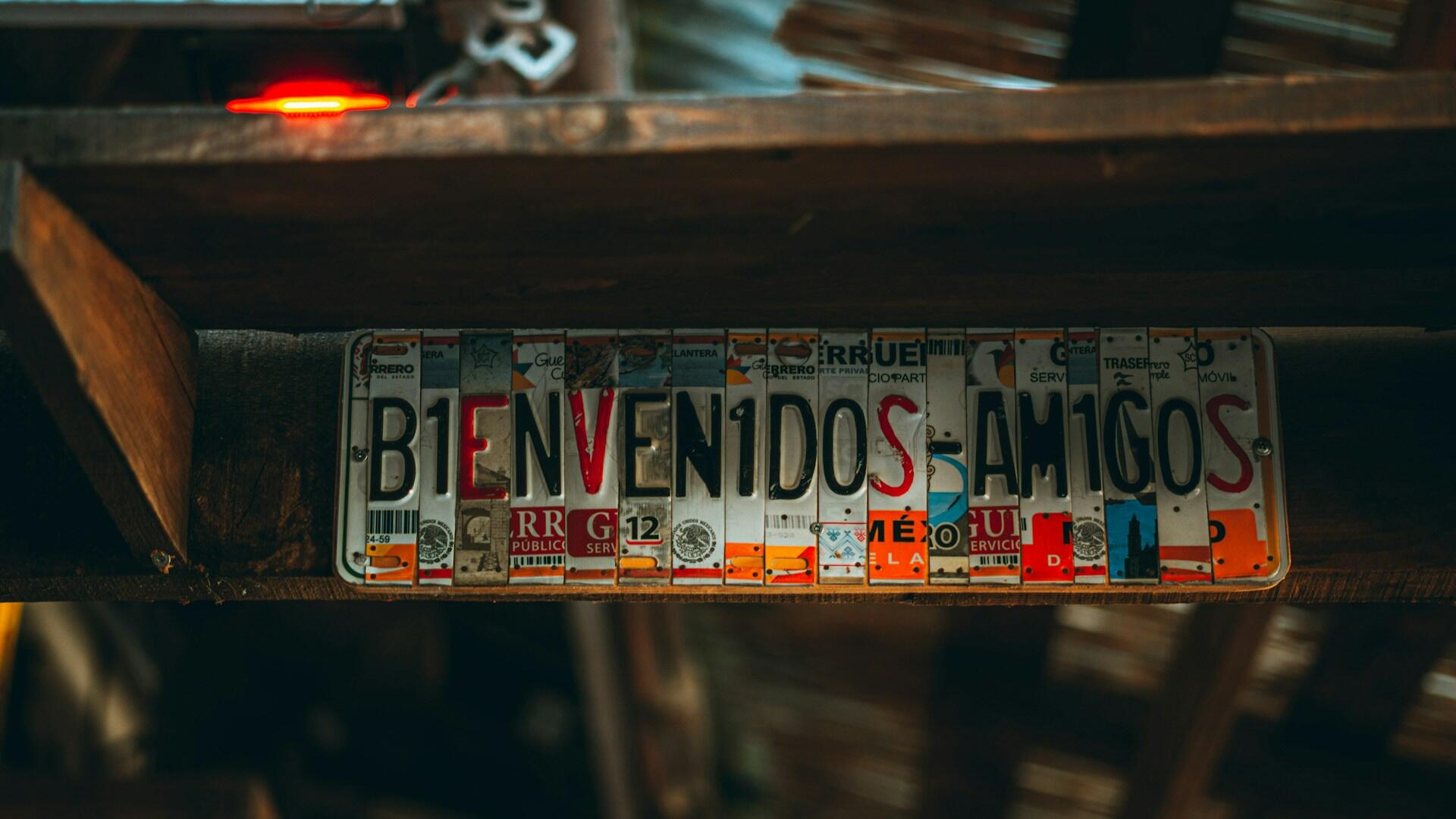
Whether you're a parent, teacher, or tutor, here are some of the best ways to teach younger learners how to speak Spanish:
- Songs and rhymes: Music helps reinforce rhythm and pronunciation
- Picture books and bilingual stories: Combine reading and vocabulary
- Games and crafts: Label items in Spanish, play “Simon Says” (¡Simón dice!)
- Interactive apps and audio resources: Tap into their love for screens with tools made for their level
- Spanish cartoons and videos: Shows like Pocoyó or Dora la Exploradora are packed with simple, useful phrases
Kids don't need to "study" grammar like adults do. Let them hear the correct patterns repeatedly, and their brains will naturally absorb it!
How Long Does It Really Take to Learn Spanish Fluently?
Since everyone is different, there are too many factors to accurately answer this question for the individual.
Some learners may reach conversational fluency in around six months. Others might take much longer.
The time it takes to learn Spanish depends on how much time you dedicate to learning the language, the methods you use, and the type of learner you are.
Several factors affect the time it takes to learn a language:
- How often you study (daily practice makes a big difference)
- The quality of your resources (courses, apps, tutors)
- Whether you practice speaking regularly with native speakers
- Your motivation, goals, and consistency
- Your experience with other languages, like French or Italian
Am I Too Old to Learn a New Language Like Spanish?
The short answer? Absolutely not!
Nobody's too old to start learning Spanish provided you match your objectives to your age.

Adults have several advantages to learning a language:
- You understand how grammar works thanks to your knowledge of English
- You’re more consistent with routines and lessons
- You can use learning resources more strategically
- You likely already read and study in a focused way
Research shows that adults can outperform kids when understanding and applying grammar rules—especially if they're motivated and consistent!
Dreaming in Spanish: A Sign of True Fluency?
Have you ever dreamed in a foreign language?
Have you tried dreaming in Spanish?
This is a great sign for any learner because it means that you've immersed yourself enough in the language to allow it to become part of your subconscious.
So, how can you reach this stage?
- Full immersion: speaking, reading, and listening to Spanish all day
- Watching movies or series in Spanish before bed
- Surrounding yourself with native speakers
- Keeping a journal in Spanish or writing your to-do list en español
- Using Spanish in your dreams… even if it’s just basic phrases at first
Your Beginner’s Spanish Learning Checklist
If you want to start learning Spanish now, there are many ways to do so.

We'd recommend:
- Choose your learning method: app, course, tutor, or combo
- Learn the alphabet and master basic pronunciation
- Study essential grammar: articles, adjectives, and verbs like ser and estar
- Build a core vocabulary list of 100–200 useful words
- Practice common phrases for greetings, ordering food, and asking questions
- Watch at least one video lesson or Spanish movie per week
- Listen to audio lessons or podcasts during downtime
- Try speaking with a native speaker (online or in person)
- Set a weekly goal: new words, lessons, or time spent studying
- Celebrate progress. Every step counts!
Of course, if you need more help, just look for a Spanish tutor on the Superprof site.
Summarise with AI:
Did you like this article? Leave a rating!

 Loading...