

Embarking on a journey to learn a new language can be both exciting and rewarding. Spanish, being one of the most widely spoken languages in the world, opens doors to rich cultural experiences and meaningful connections. To enhance your conversational skills, it's crucial to familiarise yourself with common Spanish phrases. In this article, we'll explore the most common Spanish phrases that will elevate your interactions and make you feel more confident in any Spanish-speaking setting.
| Spanish Phrase | English Meaning | When to Use It |
|---|---|---|
| Hola | Hello | Greeting someone in any situation |
| Buenos días | Good morning | Greeting someone in the morning |
| Buenas tardes | Good afternoon | Greeting someone in the afternoon |
| Buenas noches | Good evening / Good night | Greeting someone in the evening or at night |
| ¿Cómo estás? | How are you? | Asking how someone is feeling |
| ¿Qué tal? | How’s it going? | Casual greeting with friends or acquaintances |
| Mucho gusto | Nice to meet you | When meeting someone for the first time |
| Por favor | Please | Making polite requests |
| Gracias | Thank you | Expressing gratitude |
| De nada | You’re welcome | Responding to thanks |
| Perdón | Excuse me / Sorry | Getting attention or apologising lightly |
| Disculpe | Excuse me | More formal way to get attention |
| Lo siento | I’m sorry | Apologising sincerely |
| ¿Dónde está…? | Where is…? | Asking for directions |
| ¿Cómo llego a…? | How do I get to…? | Asking how to reach a place |
| ¿Hay un… cerca? | Is there a… nearby? | Looking for places like shops or restaurants |
| La carta | por favor | The menu please |
| Quisiera pedir… | I would like to order… | Ordering food or drinks |
| La cuenta | por favor | The bill please |
| ¡Buen provecho! | Enjoy your meal! | Said before or during a meal |


Basic Spanish Greetings and Pleasantries
Greetings and pleasantries in Spanish play a crucial role in establishing a positive and friendly tone in conversations. Here's a breakdown of the Spanish common phrases.
- ¡Hola! (Hello!)
- This is the universal greeting in Spanish, appropriate for any time of the day. Use it when meeting someone for the first time, entering a room, or starting a conversation.
- ¿Cómo estás? (How are you?)
- This phrase is a friendly way to inquire about someone's well-being. It shows genuine interest in the other person's state of mind and creates a welcoming atmosphere for further interaction.

- Buenas días/tardes/noches (Good morning/afternoon/evening)
- These are time-specific greetings that show consideration for the time of day. Use "Buenos días" in the morning, "Buenas tardes" in the afternoon, and "Buenas noches" in the evening or night.
- Mucho gusto (Nice to meet you)
- Employed when meeting someone for the first time, "Mucho gusto" expresses a sense of pleasure and courtesy. It's a polite way to convey that you are pleased to make their acquaintance.
- ¿Qué tal? (How's it going?)
- A casual and friendly way to ask about someone's overall well-being or how things are in their life. This phrase encourages a more extended response, making it suitable for friends and acquaintances.
people around the world who speak Spanish, including native speakers and those who learned it as a second or foreign language.
Using these greetings appropriately not only demonstrates your proficiency in basic Spanish expressions but also helps build a positive rapport with native speakers. Keep in mind the cultural nuances and the importance of personal space when interacting with individuals from Spanish-speaking regions. As you become more comfortable with these greetings, you'll find yourself seamlessly navigating various social situations and initiating conversations with ease.
Basic Spanish refers to the essential words and phrases used in everyday communication. These include greetings, polite expressions, questions, and simple responses that allow beginners to hold basic conversations. Learning basic Spanish phrases first helps build confidence and creates a strong foundation for more advanced language skills.
Basic Spanish Words and Phrases for Everyday Conversations
Everyday conversations are enriched when you incorporate commonly used phrases that demonstrate politeness and consideration for others. Here's a closer look at some of the most common phrases in spanish:
- Por favor (Please)
- "Por favor" is an essential phrase used when making requests or asking for something politely. Whether you're ordering at a restaurant, seeking assistance, or making a simple favor, including "por favor" in your sentence adds a courteous touch to your communication.
- Gracias (Thank you)
- Expressing gratitude is a universal aspect of good manners, and "gracias" is the go-to expression for saying thank you in Spanish. Use it whenever someone helps you, provides a service, or offers their kindness. It's a simple yet powerful way to acknowledge and appreciate others.
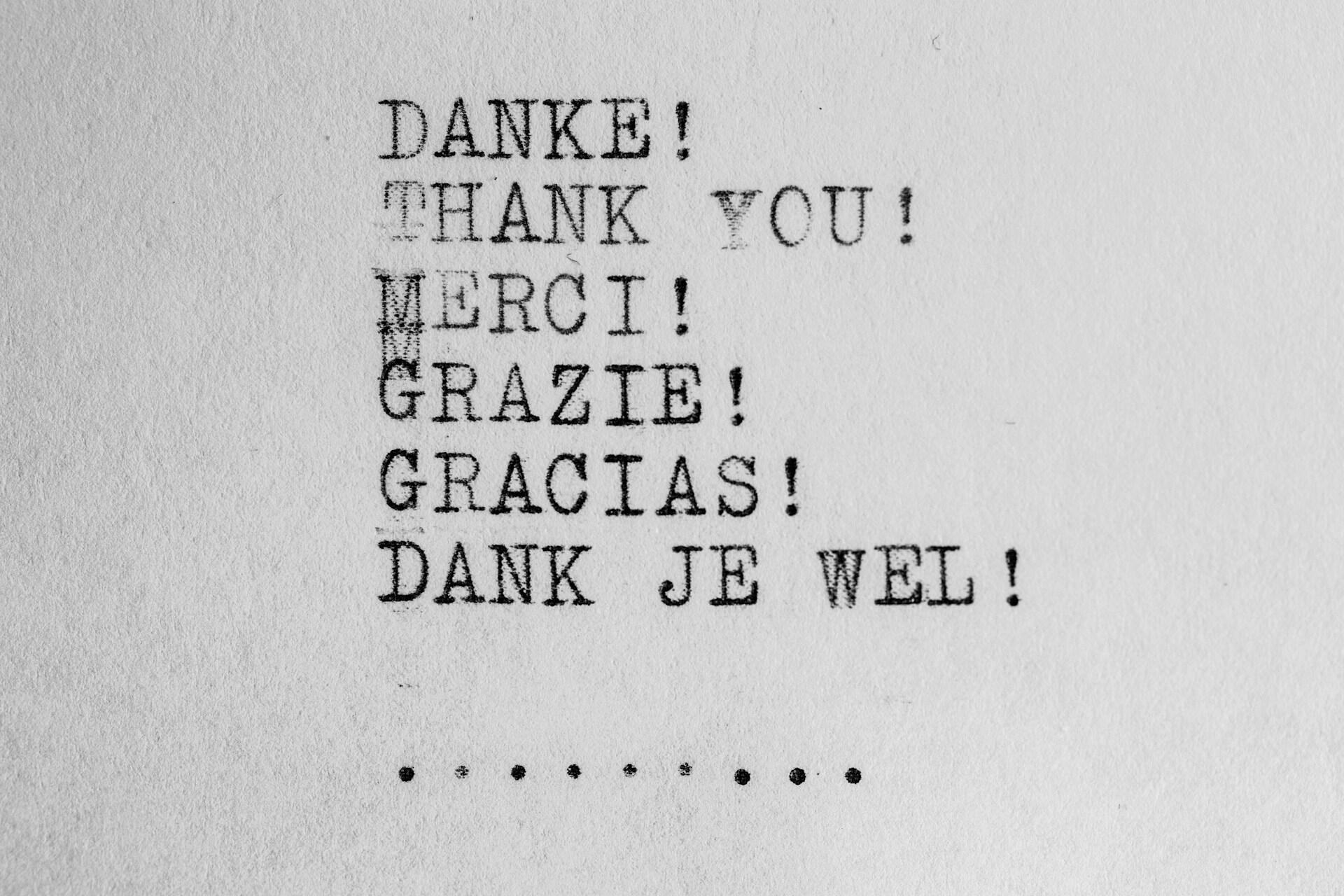
- De nada (You're welcome)
- This phrase is the customary response to someone thanking you. It translates to "you're welcome" and conveys openness and a willingness to help. Using "de nada" shows humility and ensures a positive exchange in everyday interactions.
- Perdón/Disculpe (Excuse me)
- When navigating crowded spaces or trying to get someone's attention, "perdón" or "disculpe" are polite ways to say "excuse me" in Spanish. Whether you need to pass through a crowd, approach someone, or gain someone's attention, using these phrases reflects consideration for others.
- Lo siento (I'm sorry)
- "Lo siento" is the expression to use when offering an apology. Whether you've made a mistake, unintentionally inconvenienced someone, or want to express regret, this phrase communicates sincerity and a willingness to make amends.
people studying Spanish as a foreign language around the world.
By incorporating these everyday phrases into your conversations, you not only showcase your language skills but also help create a positive and respectful atmosphere. Politeness is a universal language, and these expressions will help you navigate a variety of situations with courtesy and ease. Remember to adapt your tone and expressions to the context, as cultural nuances can influence interpretations of politeness across different Spanish-speaking regions.
Politeness plays an important role in Spanish-speaking cultures. Using words like por favor, gracias, and perdón is expected in everyday interactions and helps conversations feel warmer and more respectful. These basic Spanish words are often used more frequently than in English and can strongly influence how friendly and considerate you appear.
Basic Spanish Phrases for Asking for Directions
Asking for directions is a fundamental skill when navigating new places, and these phrases in Spanish will prove invaluable in helping you find your way. Here's a closer look at the key phrases:
- ¿Dónde está...? (Where is...?)
- This phrase is your go-to when you're looking for a specific location. Insert the place or landmark you are searching for after "¿Dónde está?" For example, if you're looking for a museum, you would say, "¿Dónde está el museo?" Using this question allows locals to guide you to your destination.
- ¿Cómo llego a...? (How do I get to...?)
- When you have a destination in mind but need guidance on how to reach it, this phrase comes in handy. After asking "¿Cómo llego a...?" you can specify your desired location. For instance, if you're asking for directions to the train station, you would say, "¿Cómo llego a la estación de tren?" This prompts locals to provide you with directions or guide you to the nearest transportation.
- ¿Hay un/a... cerca de aquí? (Is there a... near here?)
- If you're looking for a general category of place, like a restaurant, pharmacy, or hotel, this phrase is useful. For example, "¿Hay una farmacia cerca de aquí?" means "Is there a pharmacy near here?" Locals will likely provide you with directions or point you in the right direction.
Learn the right way to say "I'm sorry" in Spanish.
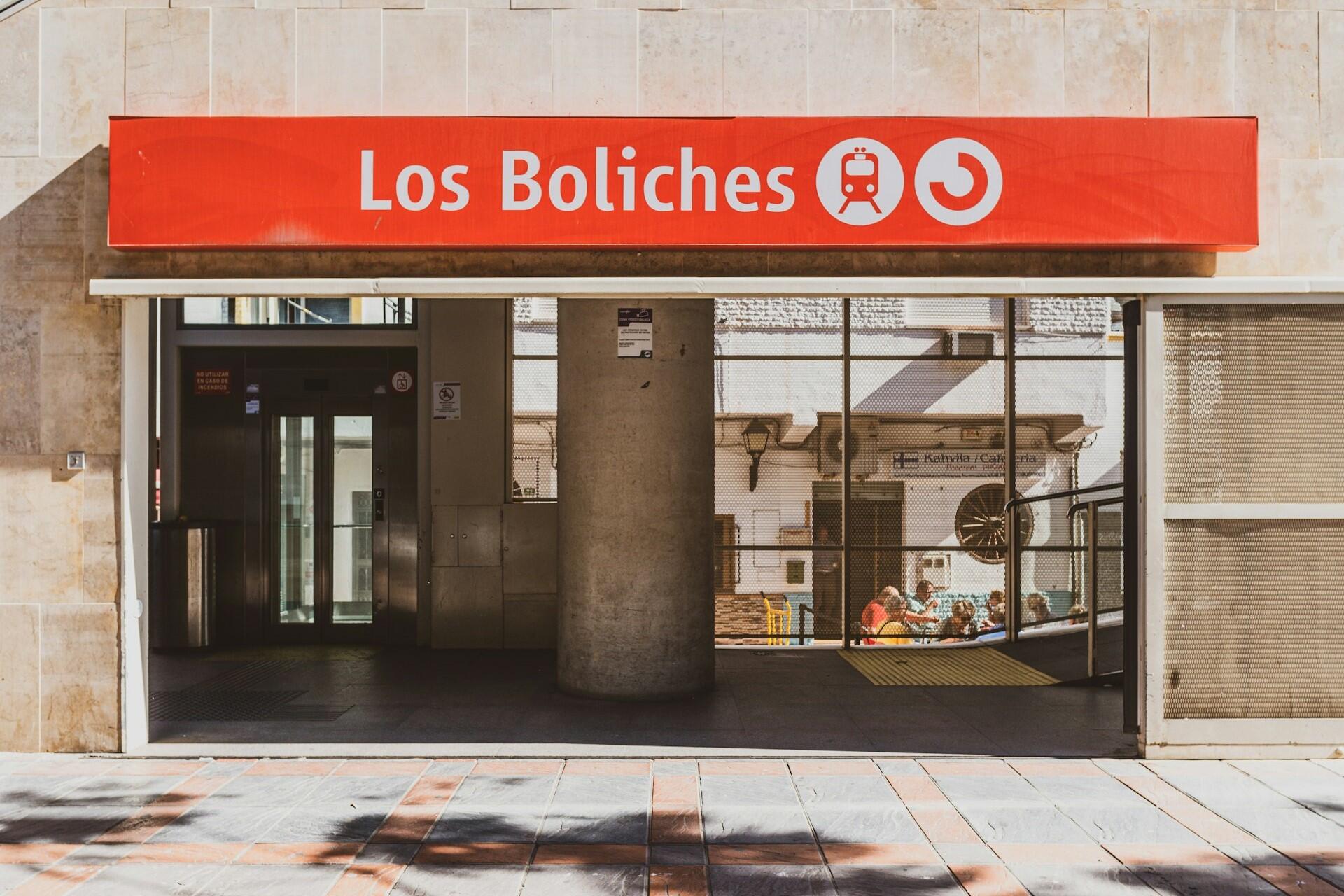
By using these phrases, you're not only demonstrating your language proficiency but also making it easier for locals to assist you. It's important to pay attention to the responses you receive, which may include specific directions, distances, or landmarks.
Additionally, non-verbal cues, such as pointing or gesturing, may accompany verbal instructions. Being open to different forms of communication will help you navigate unfamiliar locations more smoothly. Practice these phrases, and you'll find that asking for directions in Spanish becomes second nature, ensuring a more enjoyable and stress-free travel experience.
Basic Spanish Phrases for Ordering Food at Restaurants
Dining out is not just about savouring delicious cuisine but also about immersing yourself in the cultural experience of a new place. These phrases will enhance your dining experience in Spanish-speaking environments:
- La carta, por favor (The menu, please)
- When seated at a restaurant, using this phrase politely requests the menu. It allows you to explore the culinary offerings and make an informed decision about your meal. Simply say "La carta, por favor" to initiate the process.
- Quisiera pedir... (I would like to order...)
- Once you've perused the menu and decided on your dish, use this phrase to express your order. For example, "Quisiera pedir el pollo a la parrilla" translates to "I would like to order the grilled chicken." This phrase ensures that your preferences are communicated clearly to the waiter.
- ¿Qué recomienda? (What do you recommend?)
- Seeking recommendations from the waiter is a great way to discover local favorites or specialties. Using "¿Qué recomienda?" shows your interest in trying something unique or highly regarded. It's a conversation starter that may lead to a personalized dining experience.
- La cuenta, por favor (The check, please)
- When you're ready to conclude your meal, signaling for the check is essential. "La cuenta, por favor" politely requests the bill, allowing you to settle the payment. This phrase ensures a smooth and efficient conclusion to your dining experience.
By incorporating these phrases into your interactions at restaurants, you not only facilitate effective communication but also engage in the cultural aspect of dining. Don't hesitate to experiment with local dishes, ask for recommendations, and enjoy the flavours unique to the region.
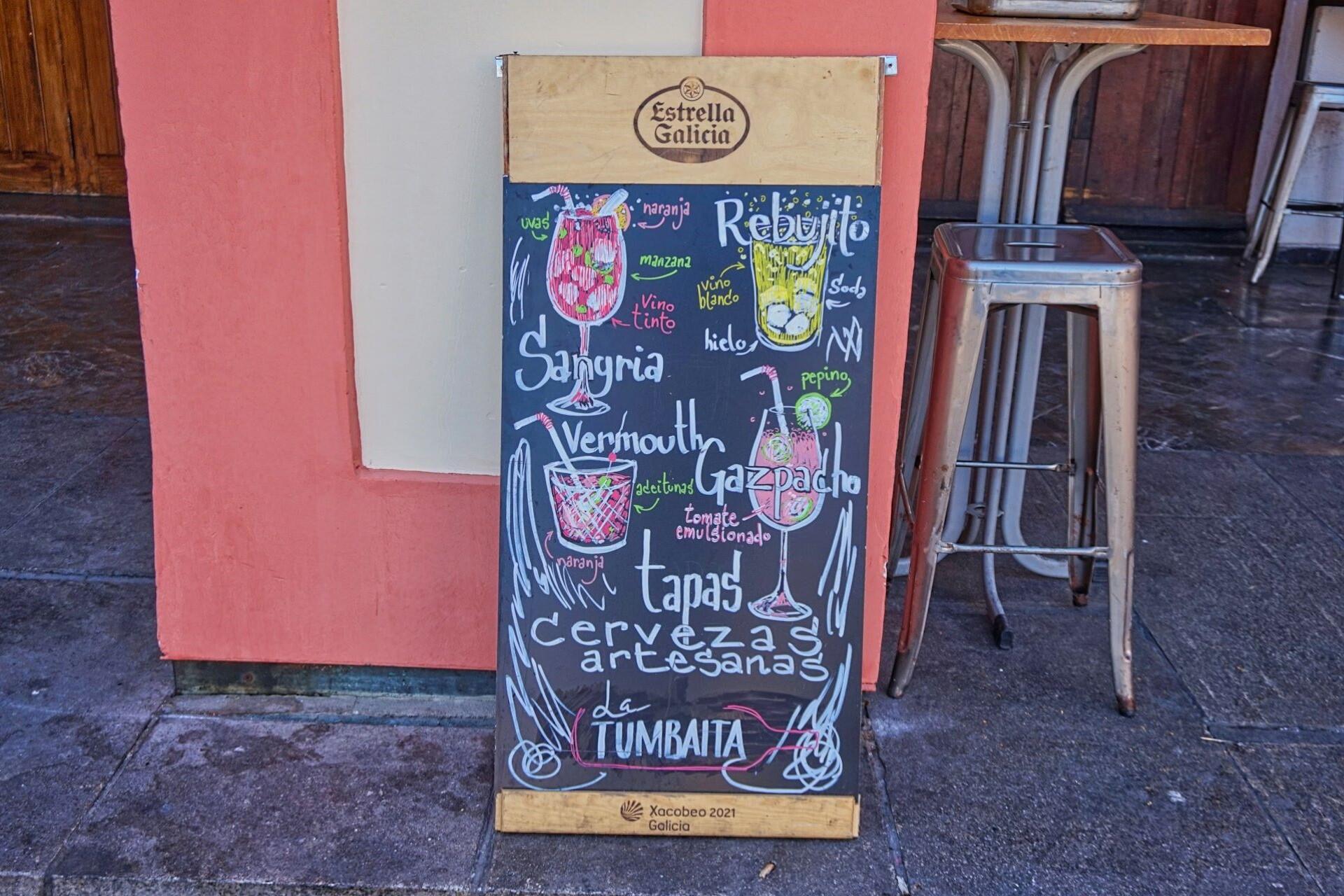
Expressing gratitude after the meal, such as saying "Gracias" to the waiter, adds a courteous touch to your dining experience. Whether you're exploring street food stalls or fine-dining establishments, these phrases will enhance your culinary adventure and help you connect with the local culture through its gastronomy. ¡Buen provecho! (Enjoy your meal!)
While basic Spanish phrases are understood across Spanish-speaking countries, some vocabulary and expressions vary by region. For example, the words used in Spain may differ slightly from those used in Mexico or Argentina. However, common phrases for greetings, dining, directions, and emotions remain widely understood, making them safe and useful for beginners everywhere.
Basic Spanish Words for Expressing Feelings and Emotions
Expressing emotions is a key aspect of human connection, and incorporating these phrases into your Spanish conversations allows you to convey your feelings authentically. Here's a closer look at the emotional phrases:
- Me gusta (I like it)
- This simple phrase is a great way to express your appreciation for something. Whether it's a meal, a piece of art, or a place, saying "Me gusta" communicates a positive sentiment. For example, "Me gusta este lugar" translates to "I like this place."
- No me gusta (I don't like it)
- On the flip side, if there's something that doesn't appeal to you, using "No me gusta" helps express your dislike. For instance, "No me gusta el café amargo" means "I don't like bitter coffee."
- Estoy feliz/triste/enojado/a (I am happy/sad/angry)
- These phrases allow you to share your emotional state with others. "Estoy feliz" conveys happiness, "Estoy triste" expresses sadness, and "Estoy enojado/a" communicates anger. Sharing your emotions fosters a deeper connection and understanding in conversations.
- Me encanta (I love it)
- When you want to express a stronger level of appreciation or enthusiasm, "Me encanta" is the phrase to use. For example, "Me encanta este libro" means "I love this book." This phrase adds an extra layer of emotion, showcasing your profound affection for something.
Basic Spanish Phrases for Starting and Ending Conversations
If you want to end a conversation in Spanish, you can always stop talking. However, it's much more polite to end the conversation formally. Similarly, you can start talking to people, but it's much better to begin each conversation properly.
- ¿Puedo hacerte una pregunta? (Can I ask you a question?)
- This phrase is useful for politely beginning a conversation. It shows consideration and is appropriate in both casual and everyday situations. For example, you might use it before asking for help or information.
- ¿Hablas inglés? (Do you speak English?)
- A very practical phrase for beginners, this helps bridge the gap in communication when your Spanish vocabulary is limited. Asking politely often leads to a more relaxed and helpful response from the person you are speaking to.
- Encantado/a de hablar contigo (Nice talking to you)
- This phrase is commonly used when wrapping up a conversation. Encantado is used by men, while encantada is used by women. It leaves a positive impression and shows appreciation for the interaction.
- Hasta luego / Nos vemos (See you later)
- Both phrases are friendly and widely used ways to end conversations. Hasta luego works in most situations, while nos vemos is slightly more casual and often used with friends or acquaintances.
- Que tengas un buen día (Have a nice day)
- Ending a conversation with this phrase adds warmth and politeness. It is commonly used in shops, cafés, and everyday encounters and helps conversations end on a friendly note.
Adding emotional depth to your expressions not only enhances the authenticity of your communication but also allows you to connect more personally with those you interact with. Remember to adapt your tone and expressions to the context, as cultural nuances can influence how emotions are conveyed and received across different Spanish-speaking regions. Whether you're expressing joy, disappointment, or love, these phrases contribute to a more nuanced and meaningful exchange of emotions in your conversations.
Mastering common Spanish phrases is a key step in becoming a proficient communicator in the language. Whether you're travelling, making new friends, or exploring the rich tapestry of Spanish-speaking cultures, these phrases will serve as your linguistic passport. Practice regularly, immerse yourself in conversations, and watch your Spanish proficiency blossom, opening doors to meaningful connections and cultural experiences. Read this if you want to learn the days of the week in Spanish. ¡Buena suerte! (Good luck!)
Summarise with AI:
Did you like this article? Leave a rating!

 Loading...