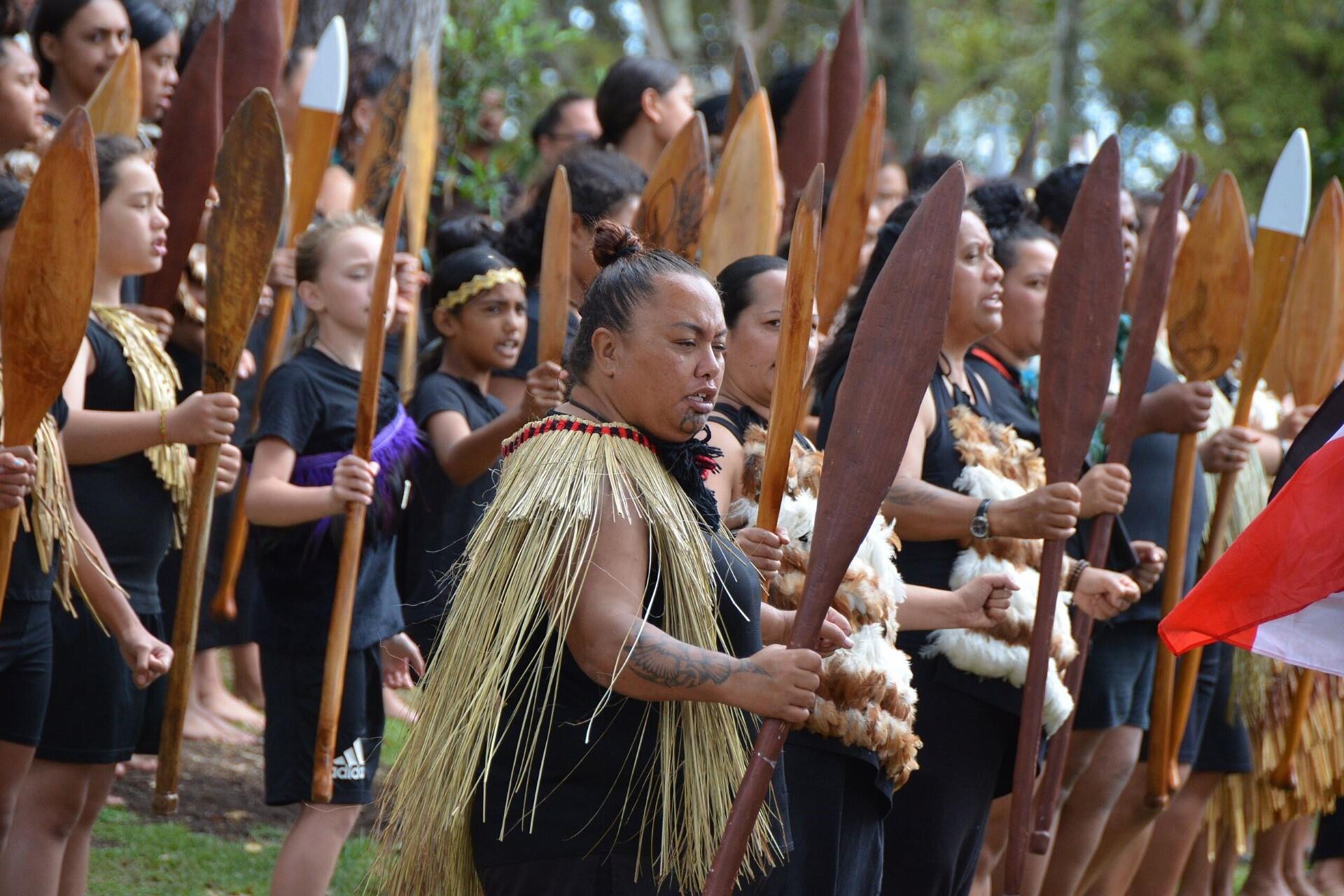

In New Zealand, the pōwhiri is a traditional Māori welcoming ceremony. It is deeply rooted in the culture and values of the Indigenous people of New Zealand and performed on a marae (Maori meeting grounds).
The pōwhiri brings manuhiri (visitors) and tangata whenua (hosts) to establish relationships, show respect, and share a cultural identity. Let's examine this custom, why it's so significant, and the key elements that make it up.


What is a Pōwhiri?
As mentioned, the pōwhiri is the formal Maori welcome ceremony conducted on a marae.
It's more than just a greeting, though. It's an incredibly spiritual and cultural experience. It brings the different groups together, allowing everybody to connect and build relationships while ensuring the safety and protection of the Whenua (land) and its people.
The tradition's process is designed to remove any tapu (sacred restrictions) from the guests entering the wharenui (meeting house) and establish a peaceful relationship between the group.
It upholds the values of mana (respect, honour) and whanaungatanga (relationships and belonging), two core concepts central to Maori culture.
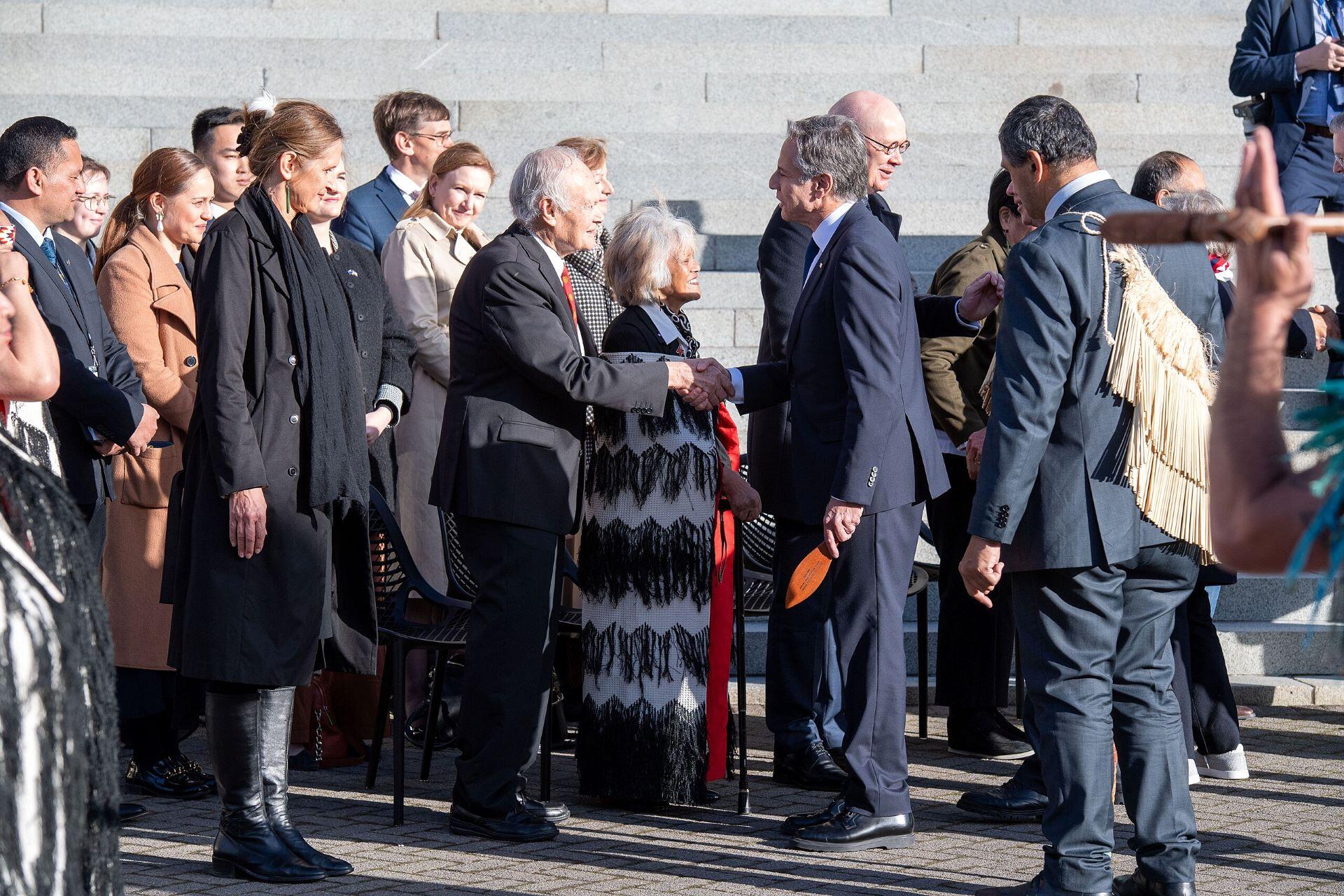
The Pōwhiri Process – Step-by-Step Guide
So, what exactly happens in a pōwhiri?
There are several formal steps, each with deep cultural meaning and symbolic significance.
One key concept is that the whole process ensures a respectful and spiritually balanced interaction between manuhiri (visitors) and tangata whenua (hosts).
1. Karanga (The Call)
The pōwhiri starts with the kaikaranga (a female caller from the host side) calling out to the visitors. This call signifies the arrival of the visitors to the land and ancestral connections.
The manuhiri respond with their own call, from their female representative, establishing the spiritual connection between the two groups.
2. Wero (The Challenge)
For more formal settings or with distinguished guests, there may be a wero. This is when a tāne (male warrior) from the tangata whenua performs a ceremonial challenge. He lays down a token (such as a leaf) to test the visitors' intentions. If the token is picked up, it signifies peaceful intent from the visitors.
Speaking of challenges, did you know that the haka world record was recently returned to New Zealand after decades of being held by a village in France?
3. Whai Kōrero (Formal Speeches)
Elders from both parties deliver formal speeches. The kaikōrero (speakers) from the hosts speak first, typically sharing the history and significance of their land and people.
The manuhiri then respond with speeches, which usually acknowledge the hospitality and express the purpose of their visit.
After the speeches, a waiata (song) is performed, reinforcing the speaker's words and adding emotional depth to them.
4. Hongi (The Traditional Greeting)
After the speeches, it's time for the honti. This is a traditional greeting where participants press their noses and foreheads together.
This gesture symbolises sharing hau (the breath of life) and the unity of both groups in attendance.
5. Kai (Sharing of Food)
At the end of the pōwhiri, there's the sharing of (food). This removes any remaining tapu, solidifying the relationship between the two groups in unity and hospitality.
If you're finding the pōwhiri fascinating, you may also be interested in Te Matatini, a nationwide Māori performing arts festival.
Each stage of the pōwhiri is designed to acknowledge both the physical and spiritual connections between people, making it a powerful expression of Māori culture.
Key Roles and Terminology
Several key players are involved in every pōwhiri, and each role contributes to the ceremonial process and its cultural significance.
It's a good idea to have a better understanding of who's involved and what they contribute, especially for those who don't speak te reo Maori.
Tangata Whenua (Hosts)
No pōwhiri can take place without the hosts. The tangata whenua represent the people of the marae and the whenua (land). They lead proceedings, welcoming and guiding the manuhiri through the pōwhiri.
Manuhiri (Visitors)
The whole purpose of the pōwhiri is to welcome visitors. The manuhiri mightn't lead the proceedings, but they are expected to follow proper protocols and respect the customs of the tangata whenua.
Kaikaranga (Female Callers)
The host and visitors groups have kaikaranga, the female callers who exchange calls during the karanga stage. This spiritual dialogue, acknowledging the ancestors, sets the tone for the ceremony.
Kaikōrero (Male Speakers)
The kaikōrero are the male speakers who deliver formal speeches during the whaikōrero stage of proceedings. Through their words and storytelling, they represent the group's history, identity, and intentions.
Wahine and Tāne (Women and Men)
- Wahine (women) often lead during the karanga and may support the group by singing waiata after speeches.
- Tāne (men) typically perform the wero and deliver whaikōrero speeches, depending on the traditions of the marae.
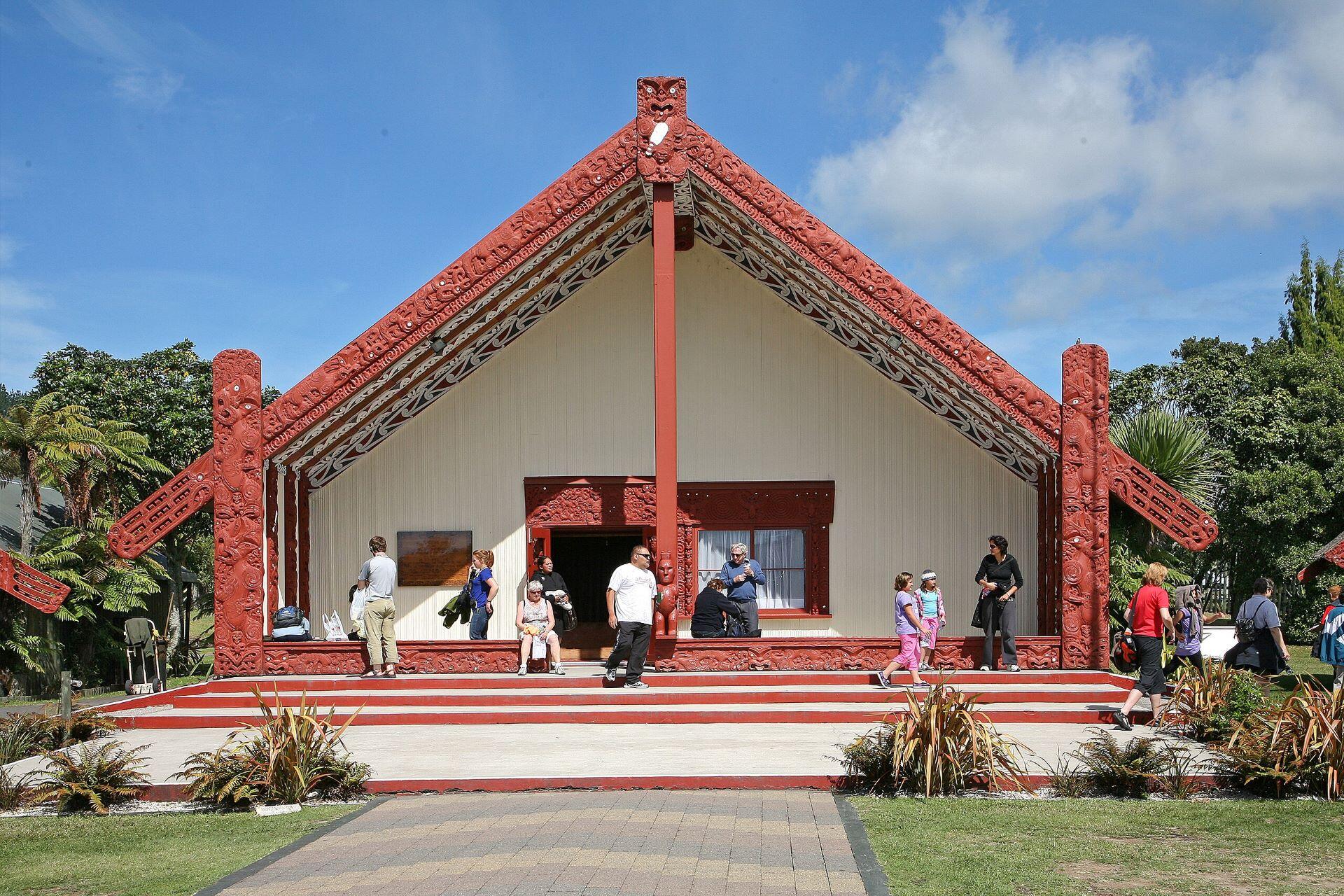
Wharenui (Meeting House)
The wharenui is the meeting house where the pōwhiri takes place. It's usually covered in carvings that represent the tribal history and genealogy of the hosts.
Koha (Gift Offering)
It's common for the manuhiri to present a gift as a gesture of respect and support for the marae.
Each participant plays a vital role in ensuring the pōwhiri is conducted with respect and cultural integrity.
Cultural Values and Significance
The pōwhiri is more than a welcoming ceremony; it embodies core Māori values and spiritual principles like respect, connection, and unity.
These values maintain cultural integrity and balance during interactions between manuhiri (visitors) and tangata whenua (hosts).
Here are some of the core values on display during a pōwhiri.
Mana (Honour and Respect)
Mana is at the heart of every pōwhiri. It is the spiritual authority and respect that each group holds, and the ceremony itself acknowledges both groups' mana.
During the ceremony, both sides are honoured by properly observing the protocols.
Tapu and Noa (Sacred and Ordinary)
Central to the pōwhiri is transitioning from tapu (sacredness) to noa (ordinary).
- Tapu: The visitors begin in a sacred state, symbolising their unfamiliarity with the space.
- Noa: The ceremonial steps, such as the whaikōrero (speeches) and kai (food sharing), gradually remove tapu and restore normalcy, allowing the groups to connect without spiritual restriction.
Whanaungatanga (Relationships and Connection)
During the pōwhiri, whanaungatanga is strengthened. This is the concept of building relationships and kinship.
Every stage of the ceremony, from the karanga (call) to the hongi (greeting), fosters deeper connections between the two groups attending.
Koha (Gift Giving)
As mentioned earlier, gifts are customary as they honour the hosts and support the marae. This represents reciprocity, respect, and the acknowledgement of the hospitality being offered to the guests.
Wairua (Spiritual Connection)
As you may have gathered by now, the pōwhiri is a profoundly spiritual ceremony that recognises the presence of ancestors and the spiritual dimension of the whanau (land) where it occurs.
The karanga and waiata (songs) often call upon ancestral connections to create a sense of shared history and belonging.
The pōwhiri upholds core Māori values by honouring relationships, balancing the sacred and ordinary, and fostering mutual respect.
Modern Context and Where to Experience a Pōwhiri
After kapa haka, the pōwhiri is probably the best known Māori tradition, but it has also been practised in more modern contexts.
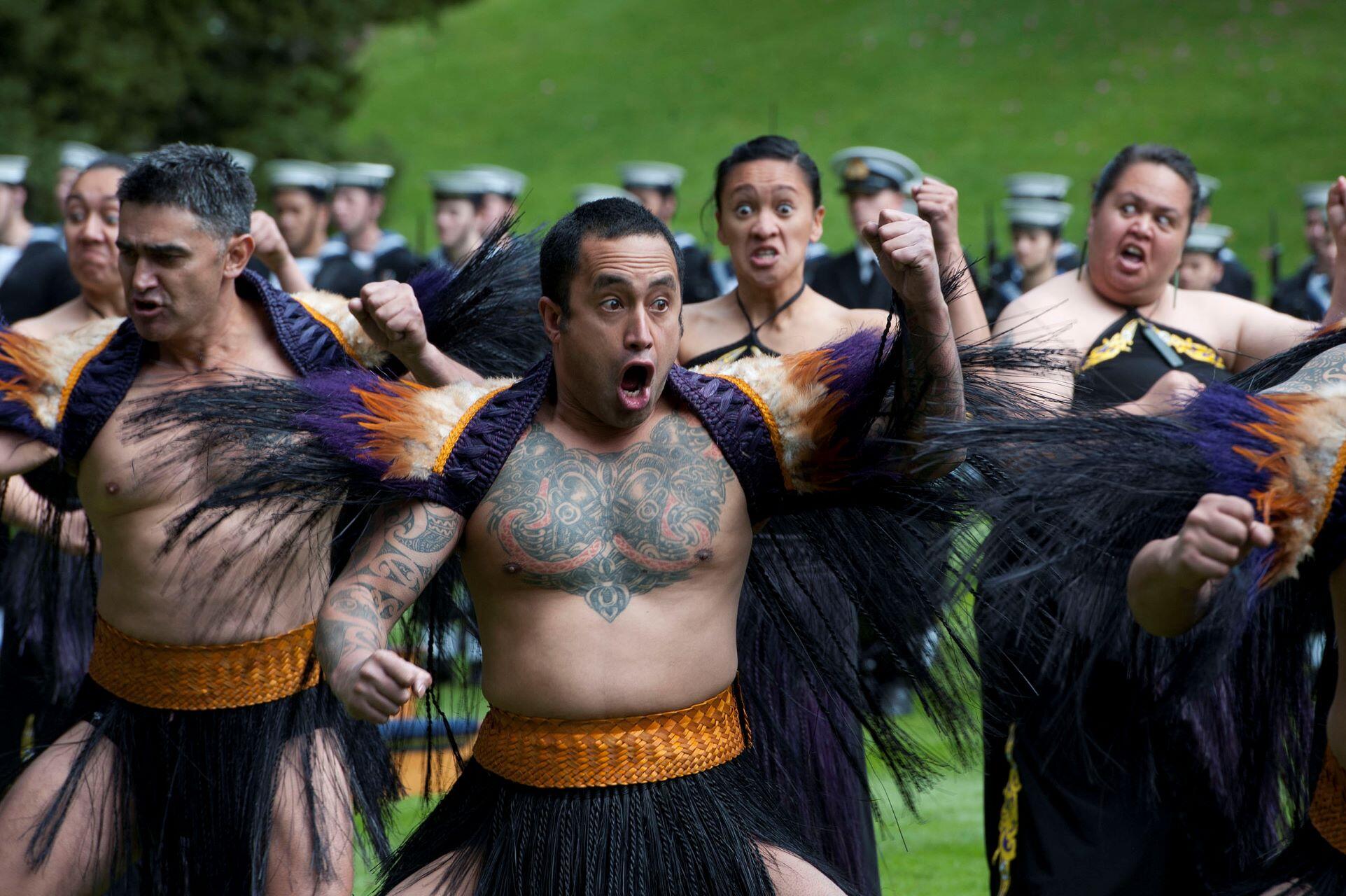
Here are some of the examples where you may experience a pōwhiri.
Educational Institutions and Cultural Events
Schools, universities, and cultural organisations in New Zealand incorporate the pōwhiri into events like student orientations and cultural exchange programmes. This shows newcomers Māori values and how important community and respect are within these spaces.
For example:
- New students at Auckland University participate in a pōwhiri as part of their welcome process.
- Public events, such as Matariki celebrations, often begin with a pōwhiri to mark the opening of the gathering.
Tourism and Guided Experiences
Visitors to New Zealand can also experience a pōwhiri on guided cultural tours, particularly in areas with strong Māori heritage:
- Te Puia in Rotorua, where visitors can witness a pōwhiri and learn about Māori arts and crafts.
- Waitangi Treaty Grounds, where the pōwhiri is part of historical and cultural education experiences.
Government and Official Ceremonies
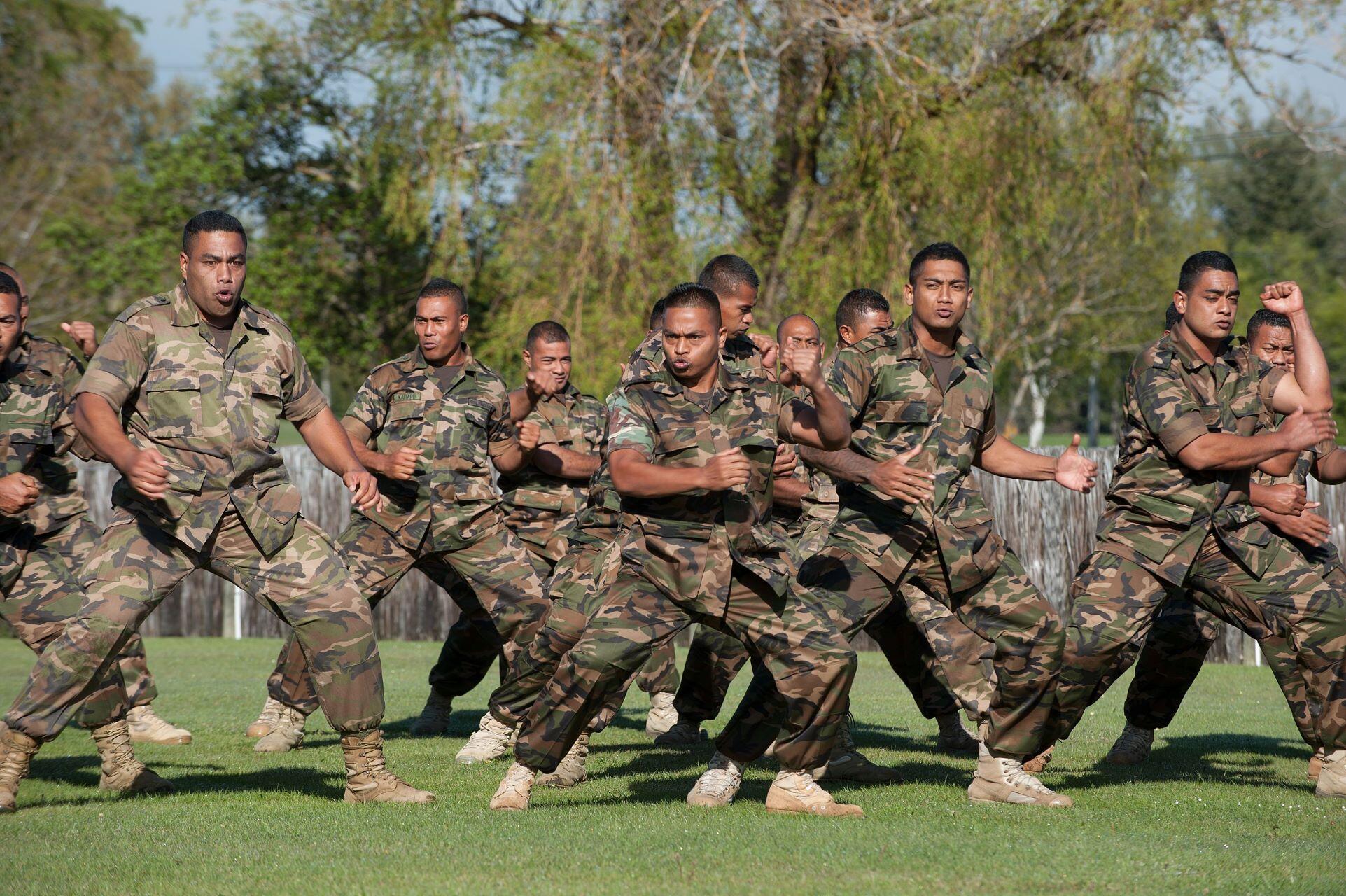
The pōwhiri is also present in government functions, diplomatic receptions, and major national events to demonstrate the continued importance of Māori customs in New Zealand’s national identity.
Appropriate Conduct and How to Behave
Remember that a pōwhiri is a culturally significant practice, and you should:
- Dress respectfully (formal attire is often expected).
- Follow seating arrangements, where wahine (women) and tāne (men) may have specific roles.
- Listen attentively during whaikōrero (speeches) and support with a waiata when appropriate.
In the same way that the All Blacks perform a haka before each match, it's important that both Māori and non-Māori understand the cultural significance of these practices.
Experiencing a pōwhiri in modern settings offers a profound way to connect with Māori culture, history, and values.
The pōwhiri is deeply symbolic, representing the values of respect, connection, and unity.
Each step holds profound significance, from the opening call to the sharing of food.
A good understanding of the process means that participants can enjoy Maori culture while contributing to and preserving it.
Summarise with AI:
Enjoyed this article? Leave a rating!

 Loading...