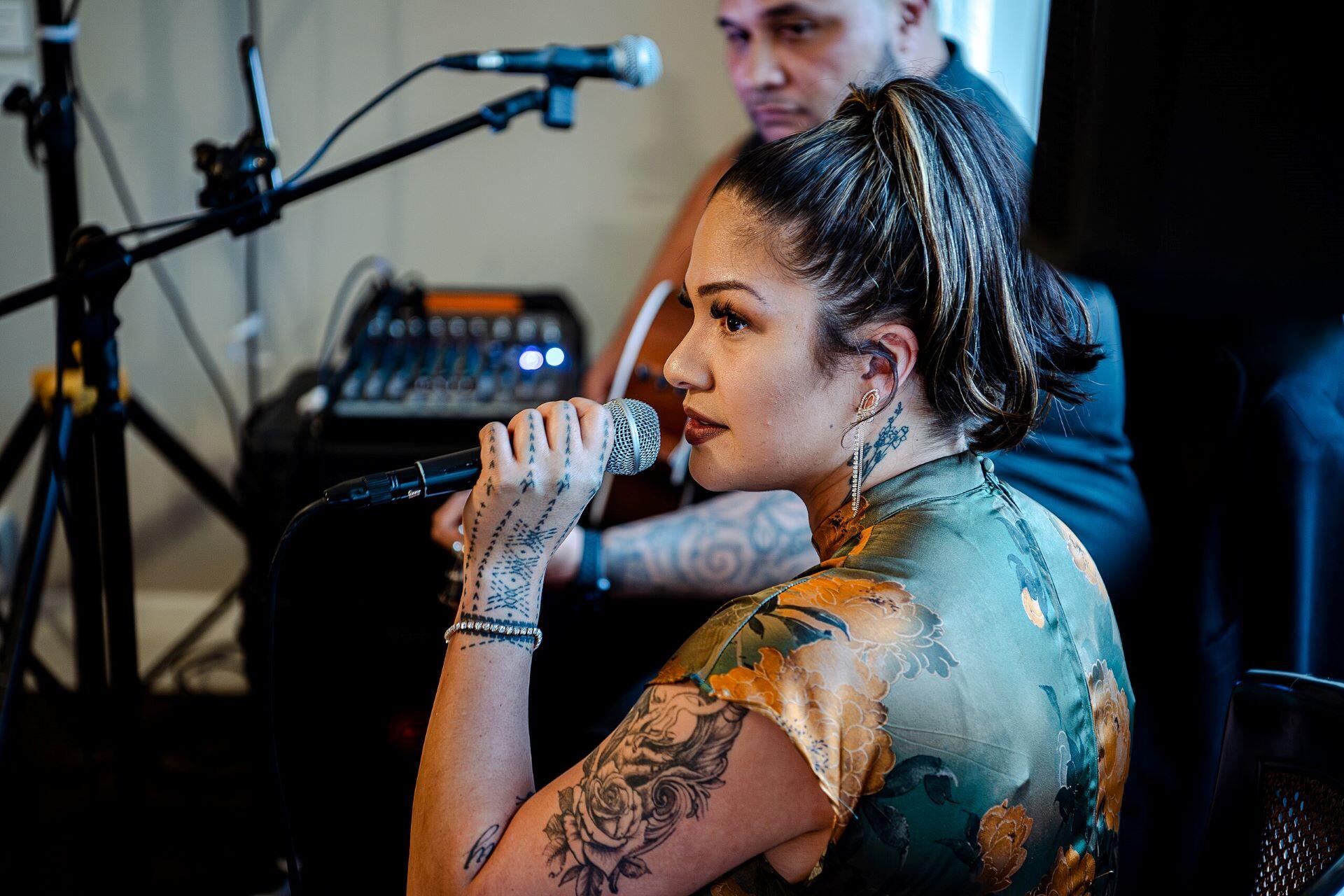

Waiata are a key part of Māori. They're powerful expressions of identity, emotion, and storytelling. They can be sung in traditional ceremonies, community gatherings, and contemporary settings.
Waiata are songs often performed in te reo Māori (the Māori language). They include themes of love, unity, and spiritual connection and continue to inspire and unite communities across Aotearoa (New Zealand) and beyond.
Here, we'll look at some of the most popular waiata, beginning with the iconic Te Aroha.


The Role of Waiata in Māori Culture
Waiata are far more than just songs; they're a cornerstone of Māori culture, a link to history, identity, and community.
Rooted in oral traditions, waiata are used to preserve whakapapa (genealogy), express emotions, and reinforce core Māori values and beliefs.
They can be used in traditional rituals and modern celebrations and continue to play an integral role in connecting Māori people to their heritage.
Preserving History and Storytelling
As a form of oral history, waiata are passed down through generations, ensuring that the stories of the past last into the present.
They often recount common themes like:
- Genealogies (Whakapapa): Connecting individuals and tribes to their ancestors.
- Historical Events: Documenting tribal victories, migrations, and significant milestones.
- Mythology: Sharing stories of atua (gods) and the creation of the world.
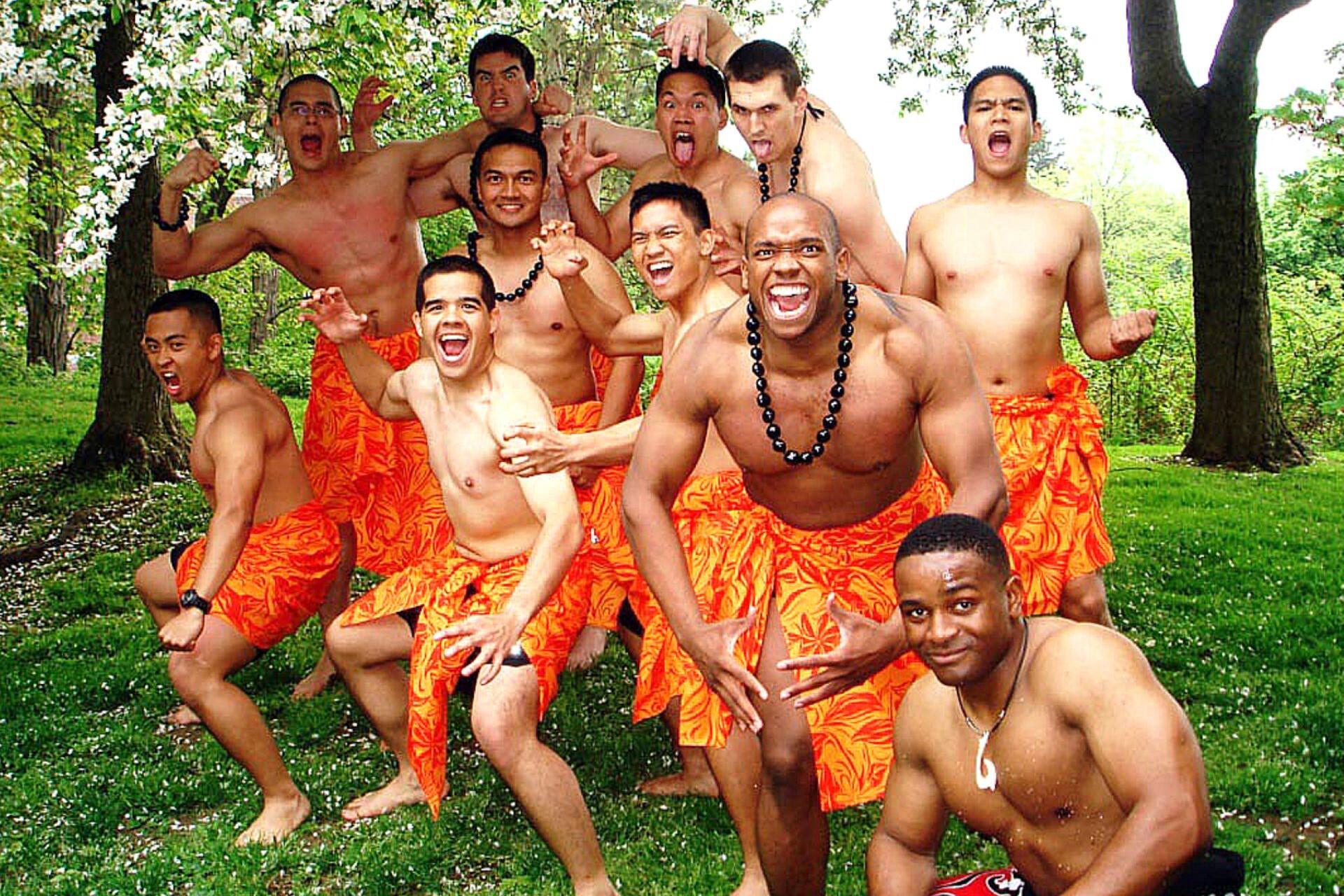
Expressions of Emotion and Identity
Communities also use waiata to express certain emotions, covering everything from joy and love to grief and longing.
Due to their emotional range, they can often be performed at events such as:
- Celebrations: Weddings, birthdays, and festivals.
- Mourning: Tangihanga (funerals), where waiata helps convey grief and honour the deceased.
- Gatherings: Hui and pōwhiri, to welcome guests and create a sense of unity.
Waiata are an emotional bridge, connecting performers and listeners to the heart of Māori identity.
Cultural Education and Connection
Waiata are important for teaching and learning, especially when it comes to the Māori language. This is why you'll often see them performed in locations like:
- Schools: To teach children the Māori language and values in an engaging way.
- Marae: Where waiata reinforces cultural practices and etiquette.
- Community Events: Strengthening bonds through shared performances.
It's common, especially those like Tūtira Mai Ngā Iwi and Te Aroha, to teach waiata to children and learners of te reo.
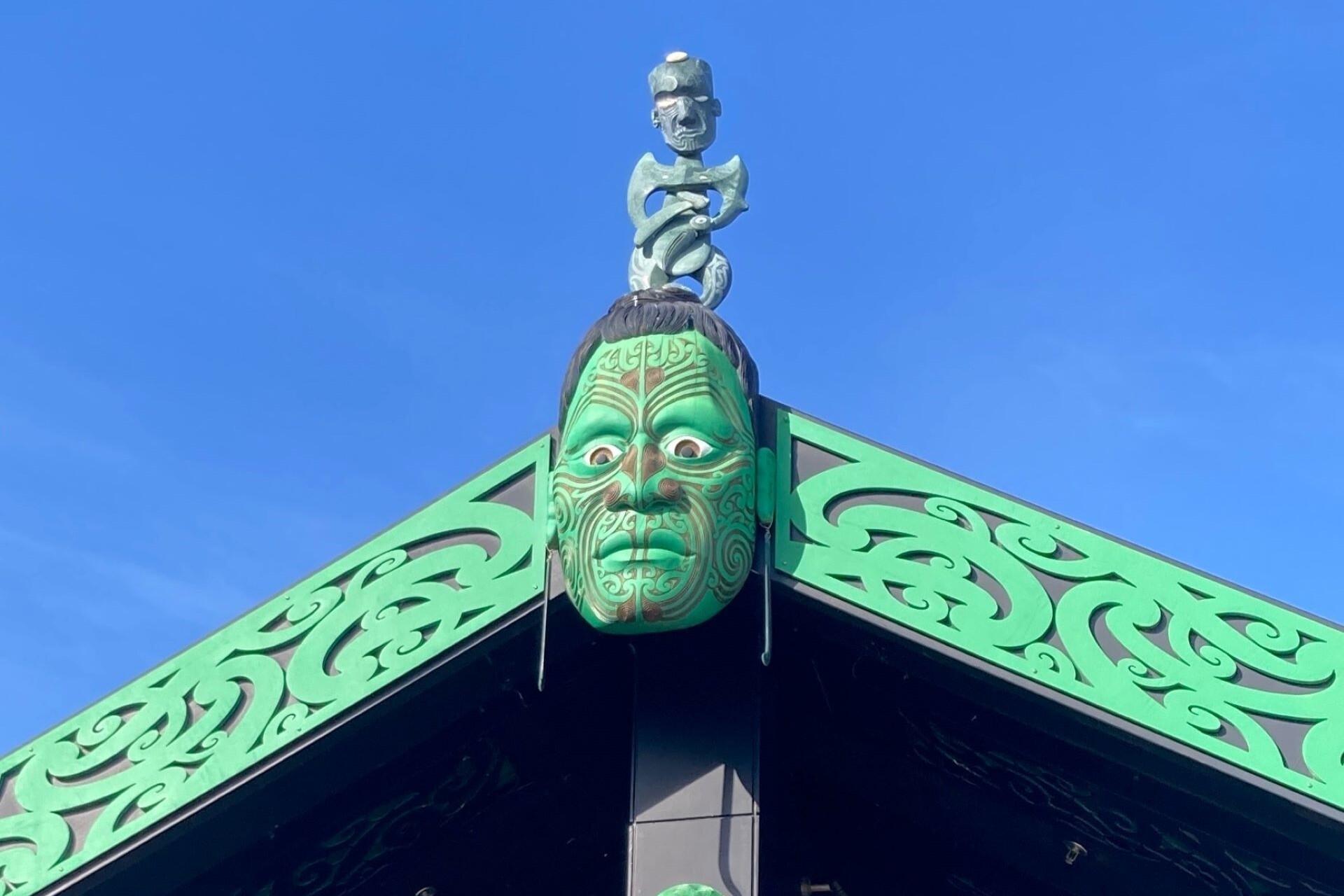
A Living Tradition
Waiata have adapted and thrived despite the challenges of colonisation. As a central part of the Māori identity, they can also evolve and change just as the identity does. Just like traditional Māori musical instruments, they're an important part of the culture.
Waiata embody the spirit of Māori culture, bridging the past, present, and future through music and storytelling.
Te Aroha
Te Aroha is probably one of the most recognised waiata. Its simple yet profound lyrics include a message of love, peace, and unity. It's a popular choice at gatherings, schools, and cultural events.
It was composed by Ngāpo Wehi and is sung to bring people together. Its key themes are aroha (love), whakapono (faith), and rangimārie (peace); core Māori values.
It's often chosen to introduce children to te reo Māori.
Te aroha (Love)
Te whakapono (Faith)
Me te rangimārie (And peace)
Tātou, tātou e (For us all)
Te Aroha continues to unite people with its heartfelt message of love and peace, making it an enduring symbol of Māori culture.
E Toru Ngā Mea
This waiata, translated to “The Three Things” is about faith (whakapono), hope (tūmanako), and love (aroha).
It's often sung at formal gatherings, church services, and schools. The lyrics emphasise the power of love, tying together faith and hope as a source of strength and unity.
E toru ngā mea (There are three things)
Ngā mea nunui (The most important things)
E kī ana (That are said to be)
Te Paipera (In the Bible)
Whakapono (Faith)
Tūmanako (Hope)
Ko te mea nui (And the greatest of these)
Ko te aroha (Is love)
E Toru Ngā Mea highlights the universal virtues that unite humanity, blending Māori traditions with timeless spiritual values.
Tūtira Mai Ngā Iwi
This waiata promotes unity and collective strength. It encourages people to come together in harmony and is widely taught in schools.
It was composed by Canon Wi Te Tau Huata in the 1950s. It has since become an anthem for cooperation and community.
The title literally means “Stand Together, People”. It is sung with an uplifting melody and is a call to action for people to collaborate and share a sense of belonging.
Tūtira mai ngā iwi (Stand together, people)
Tatou tatou e (All of us, all of us together)
Whai a te marama-tanga (Seek after knowledge and understanding)
Me te aroha (And love)
Tūtira Mai Ngā Iwi continues to inspire unity and togetherness, making it a beloved waiata across all generations.
Pokarekare Ana
An iconic and internationally recognised waiata, some refer to it as the Māori love song. With a timeless melody and heartfelt lyrics, this waiata is popular in Aotearoa and around the world.
It originated in the early 20th century when soldiers composed it as a love song during World War I. However, its exact origins are still debated.
This waiata tells the story of two lovers separated by water. Many artists, including Sir Howard Morrison and Dame Kiri Te Kanawa, have performed this.
Pokarekare ana (Rippling waters)
Ngā wai o Waiapu (The waters of Waiapu)
Whiti atu koe hine (Will you cross over, girl)
Marino ana e (They are calm and still)
Pokarekare Ana is a timeless expression of love and devotion, bridging cultural and linguistic boundaries.
Aue Te Aroha
Aue Te Aroha is another waiata that expresses love and longing. This waita is often performed at gatherings like hui (meetings) and whānau (family) occasions.
The title literally translates to “Oh, the Love”. Its emotional depth resonates with listeners and is a popular choice for both traditional and contemporary performances.
Aue te aroha (Oh, the love)
E rere atu nei (That flows forth)
Mōku e takoto nei (For me, lying here)
I te aroha e (In this love)
Aue Te Aroha is a powerful waiata that evokes deep emotions, showcasing the beauty of Māori musical traditions.
Haere Mai e Ngā Iwi
Haere Mai e Ngā Iwi is a waiata for inviting and welcoming people to come together in unity and celebration.
The title literally means "Welcome, All People". This waiata is meant to create a warm and inviting atmosphere for guests. Understandably, it's a popular choice for pōwhiri (welcoming ceremonies) on a marae, symbolising hospitality and respect for visitors.
It's a joyful waiata and embodies the values of manaakitanga (hospitality) and whanaungatanga (kinship).
Haere mai e ngā iwi (Come, all people)
Ki te huihuinga (To the gathering)
Tātou tātou e (We are all together)
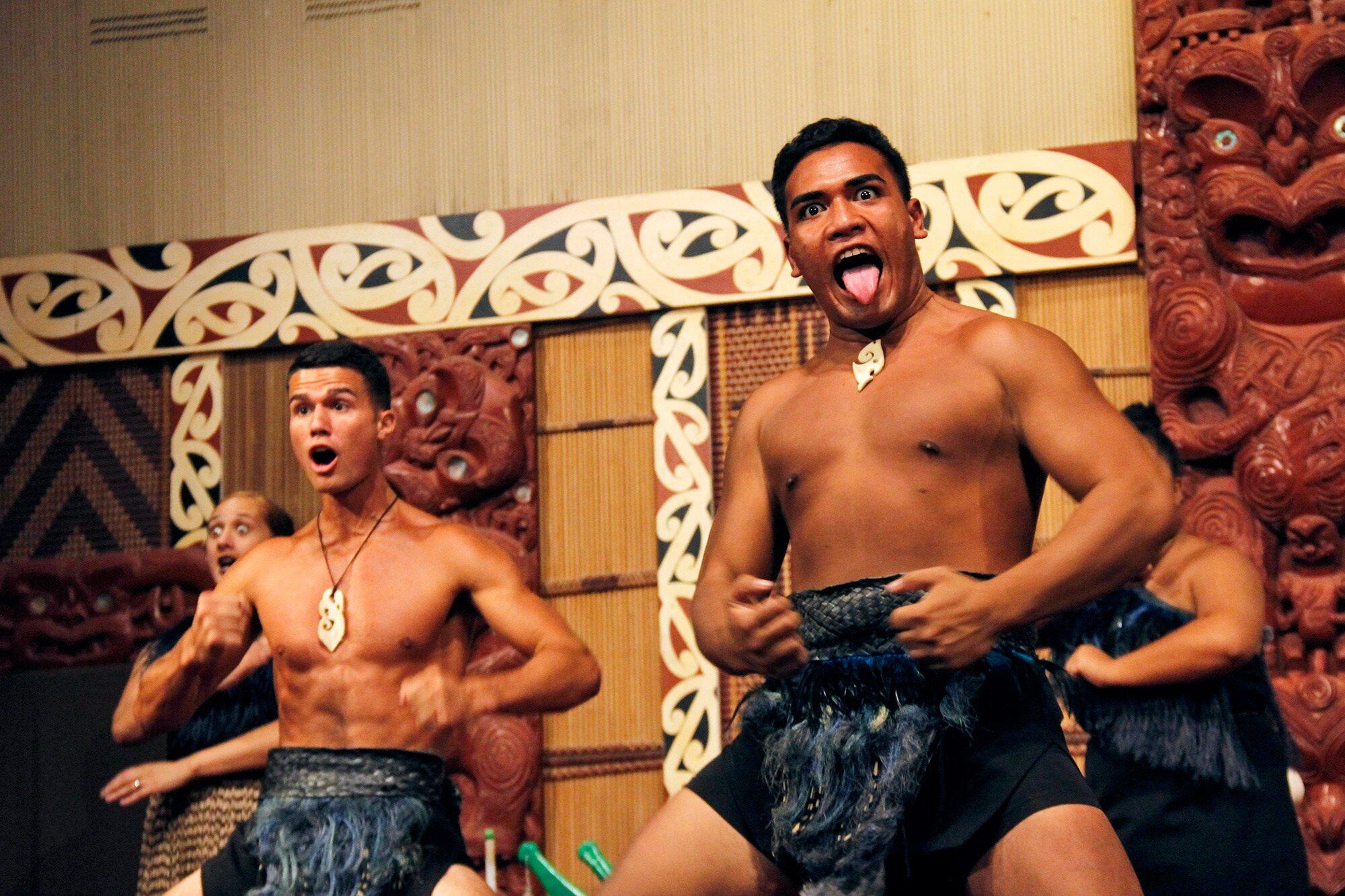
Haere Mai e Ngā Iwi is a heartfelt invitation for unity and celebration, embodying the spirit of Māori hospitality.
Ko Te Whaea
This waiata pays tribute to the role of mothers and familial bonds in Māori culture. Its heartful lyrics celebrate mothers' nurturing and guiding presence.
The title means "The Mother", and the waiata is centred around love, gratitude, and reverence.
It's often sung during family gatherings, tributes, and special occasions where mothers and their strength and sacrifices are honoured.
In Māori culture, the mother is seen as a cornerstone of the whānau (family), embodying the values of aroha (love), manaakitanga (care), and whakapapa (ancestry). This waiata beautifully captures these sentiments, making it a timeless piece of Māori music.
Ko te whaea (The mother)
Ko te pou (Is the pillar)
O te whānau (Of the family)
Ko ia te whakaaro nui (She is the great thought)
Mō tōna aroha (For her love)
Ko Te Whaea honors the selflessness and strength of mothers, a tribute to the heart of Māori family values.
However, if you're looking for something more modern, there are great examples of contemporary Māori music.
Hine e Hine
This soothing waiata explores the themes of care, peace, and reassurance. It's often performed as a lullaby and has a special place in Māori culture.
It was composed by Princess Te Rangi Pai (Fanny Rose Howie) in the early 20th century and originally written as a lullaby.
Hine e Hine has been performed by notable artists, including Dame Kiri Te Kanawa.
E Hine (Oh, girl)
E Hine (Oh, girl)
E hoki ki tō maunga (Return to your mountain)
Kia purea ai e ngā hau o Tāwhirimātea (To be cleansed by the winds of Tāwhirimātea)
Hine e Hine is a gentle reminder of the love and protection that transcends generations, offering peace and comfort through its enduring melody.
Summarise with AI:
Did you like this article? Leave a rating!

 Loading...