


Learning Japanese is one way to open the door to Japan's rich and fascinating culture. Japanese is essential to enjoying authentic Japanese food, exploring a new language, or travelling to Japan.
The grammar and writing can be challenging, especially for English speakers, but learning basic Japanese words and phrases will give you the building blocks to start your language journey.
Japanese sentences have a different structure from English and often rely on polite expressions like gozaimasu and kudasai. They also use particles to convey the meaning and function of words, but don't worry about that yet. Let's just dive straight in.


The Origins of Japanese Words: How the Language Evolved
For linguistics nerds, the origins of Japanese words and the language make fascinating reading and can help you better understand why words and structures are the way they are.
Modern Japanese words and phrases may seem unique when you consider them from the perspective of languages like English or Chinese. However, you'll start to recognise patterns as you learn new vocabulary, which will aid in retention.
Early Japanese: The Influence of Chinese
Not much is known about the Japanese language before the 8th century, as there were no writing systems to record it.
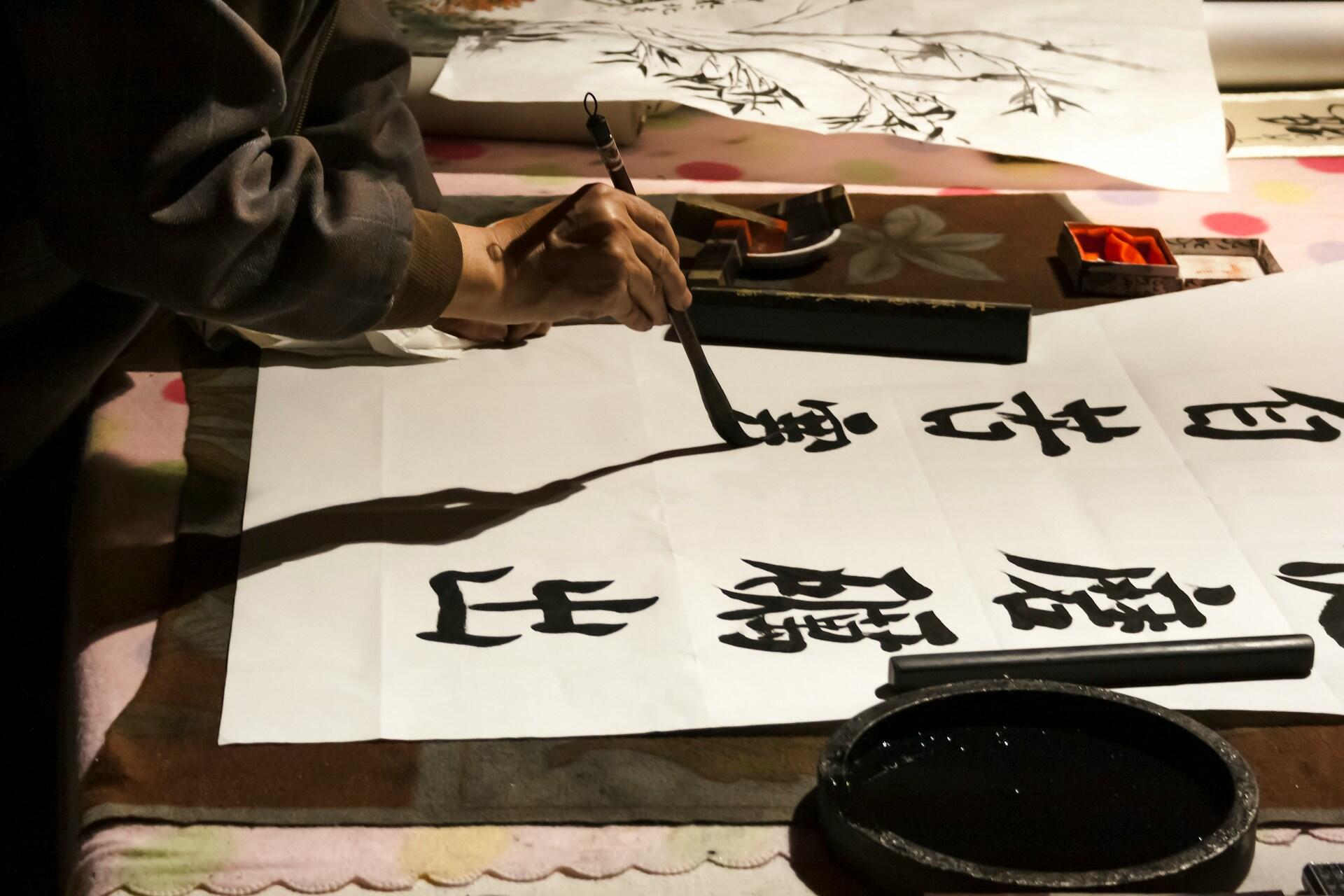
In fact, the first influence and type of writing system for Japanese came from China. Kanji (漢字) now form a core part of modern Japanese writing.
In addition to the kanji, there are also Chinese words called kango (漢語). These words were borrowed into Japanese vocabulary, and around 60% of modern Japanese words have Chinese origins.
Examples include:
- 学校 (gakkou) – "School"
- 電話 (denwa) – "Telephone"
- 病院 (byouin) – "Hospital"
While most of the vocabulary is from Chinese, Japanese is not in the same language family as Chinese. Japanese grammar and sentence structure are much more closely related to Korean than Chinese.
Foreign Influences and Loanwords in Japanese
As you've seen, Japanese is a language that loves loanwords. From the 16th century, Japan's contact with Europeans like Portuguese, Dutch, and English traders and missionaries led to the addition of even more loanwords to the Japanese language.
Here are some common everyday examples:
| English Word | Japanese Loanword | Pronunciation |
|---|---|---|
| Bread | パン (pan) | Pan |
| Coffee | コーヒー (kōhī) | Koh-hee |
| Tobacco | タバコ (tabako) | Ta-ba-ko |
| Restaurant | レストラン (resutoran) | Re-su-to-ran |
| Beer | ビール (bīru) | Bee-ru |
If you think that the way these are written looks different to kanji, well spotted! These words are written using another of Japanese's writing systems, katakana.
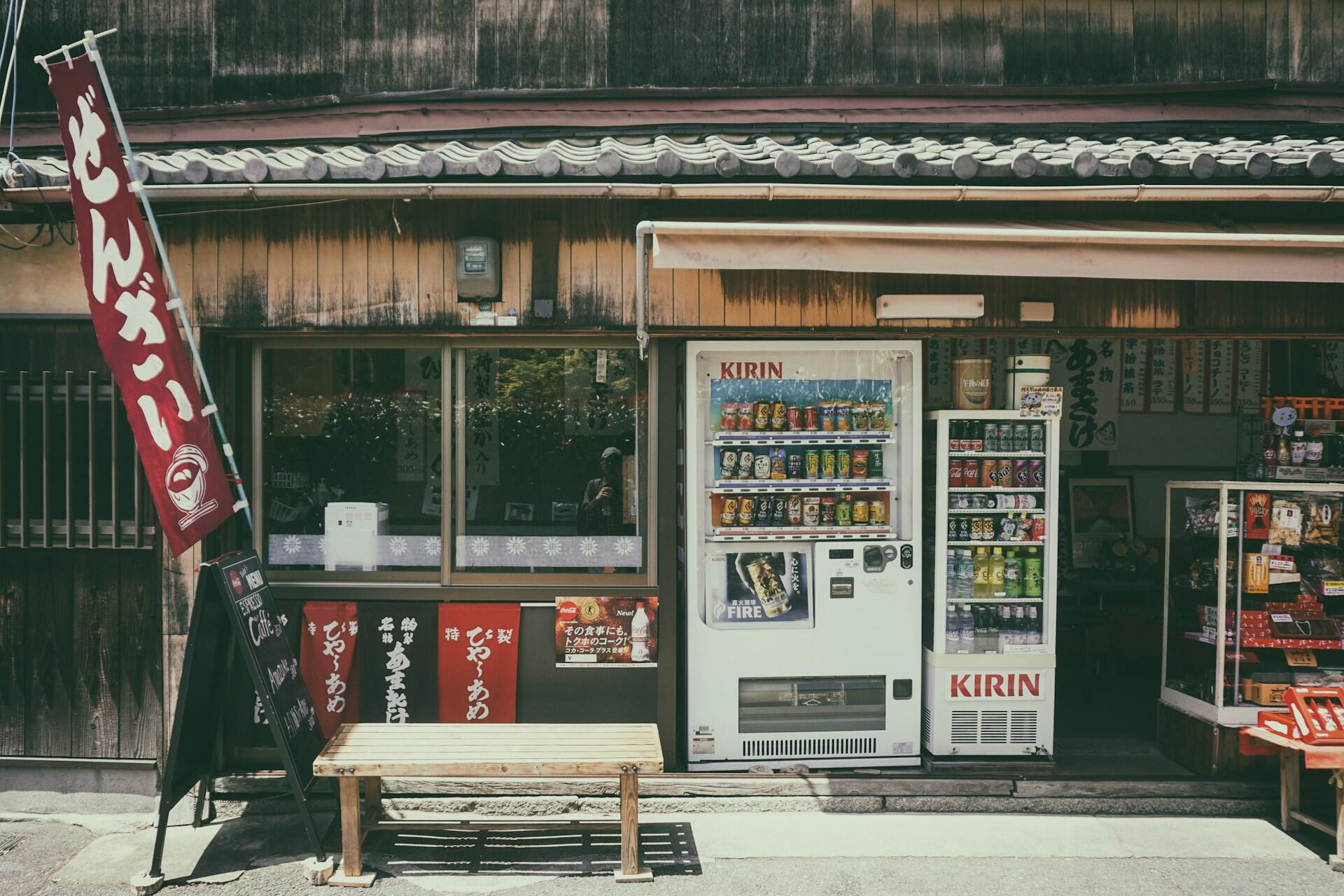
Katakana (カタカナ) is the script used for foreign words in Japanese, but not those typically from Japanese or those that predate katakana.
Typically, katakana is used on modern Japanese loanwords, particularly those from English and other Western languages.
Those with Western names written using the Latin alphabet will use katakana. However, Japanese names typically use kanji with the characters carefully chosen to provide added meaning.
Examples include:
- コンビニ (konbini) – From "convenience store," referring to Japan’s 24-hour convenience stores.
- サラリーマン (sararīman) – From "salaryman," meaning an office worker.
- マンション (manshon) – From "mansion," but actually means an apartment in Japan.
Japanese-Made Words: Wasei-Eigo and Wasei-Kango
There are also Japanese-style words that are inspired by Chinese and English. These words, known as wasei-eigo (和製英語) and wasei-kango (和製漢語), combine Japanese and foreign elements to form new meanings.
Wasei-Eigo: "Japanese English" Words
These are English-based words that don’t exist in native English but are widely used in Japan:
- アイス (aisu) – Short for "ice cream."
- フライドポテト (furaido poteto) – "Fried potato," meaning French fries.
- メール (mēru) – From "mail," but actually means email in Japanese.
Wasei-Kango: Japanese-Chinese Words
These are words inspired by Chinese but were created in Japan. Many of these terms refer to modern concepts that didn’t exist in ancient China:
- 革命 (kakumei) – "Revolution"
- 経済 (keizai) – "Economy"
- 民主主義 (minshushugi) – "Democracy"
The Evolution of Modern Japanese
Today, Japanese vocabulary continues to evolve, especially with technology, pop culture, and social media. Many new words come from:
- The Internet – ネット (netto, "Internet"), メッセージ (messeji, "message").
- Anime and Manga – オタク (otaku, "geek/enthusiast"), コスプレ (kosupure, "cosplay").
- English Abbreviations – スマホ (sumaho, "smartphone"), リモート (rimōto, "remote work").
Japanese continues to evolve as people increasingly go online and are subject to media.
Knowing where Japanese words come from, learners can recognise patterns and memorise vocabulary more effectively.
Understanding Japanese Sentence Structure: The Way Words Are Used
The one challenge most people learning Japanese will encounter is sentence structure.
Japanese is not simply a word-for-word translation from English, so even if you know the words, the order in which you use them will be different.
In English, our sentences follow a subject-verb-object (SVO) word order, while Japanese sentence structure uses a subject-object-verb (SOV) pattern.
For example, in English, you would say:
- I eat sushi. (Subject – Verb – Object)
In Japanese, the sentence would be:
- 私は寿司を食べます。 (Watashi wa sushi o tabemasu.)
(Subject – Object – Verb)
Here, you can see that the verb comes at the end of the sentence. It's confusing at first, but once you know the basic rules, you can start constructing sentences more naturally.

Basic Japanese Sentence Structure: Subject-Object-Verb
To form a simple Japanese sentence, follow this order:
- Subject (S) – The person or thing performing the action.
- Object (O) – The thing being acted upon.
- Verb (V) – The action, which always comes at the end.
| English Sentence | Japanese Sentence | Pronunciation |
|---|---|---|
| I drink coffee. | 私はコーヒーを飲みます。 | Watashi wa kōhī o nomimasu. |
| She reads a book. | 彼女は本を読みます。 | Kanojo wa hon o yomimasu. |
| We go to the restaurant. | 私たちはレストランに行きます。 | Watashitachi wa resutoran ni ikimasu. |
The subject is often omitted in Japanese if it's already understood from context. Instead of saying 私は(Watashi wa) in every sentence, you can just say 寿司を食べます(Sushi o tabemasu – "Eat sushi") if it's clear who is speaking.
Understanding Japanese Particles
If you've already started learning Japanese and have studied particles, you'll know that we won't fully explain them here. Here, we'll give you a brief introduction to what they are and how they work.
In Japanese, the word order doesn't technically indicate sentence structure in the same way it does in English. Instead, it uses particles (small words) that show how the different parts of sentences relate.
Here are some of the most common Japanese particles:
| Particle | Usage | Example Sentence |
|---|---|---|
| は (wa) | Marks the subject | 私は学生です。 (Watashi wa gakusei desu.) – "I am a student." |
| を (o) | Marks the object | 本を読みます。 (Hon o yomimasu.) – "Read a book." |
| に (ni) | Indicates direction/time | レストランに行きます。 (Resutoran ni ikimasu.) – "Go to a restaurant." |
| で (de) | Indicates place/method | バスで学校へ行きます。 (Basu de gakkou e ikimasu.) – "Go to school by bus." |
| の (no) | Shows possession | 彼の名前は田中です。 (Kare no namae wa Tanaka desu.) – "His name is Tanaka." |
| が (ga) | Marks a specific subject | 犬が好きです。 (Inu ga suki desu.) – "I like dogs." |
Particles may initially seem confusing, but using them correctly will help you speak natural Japanese!
Japanese Verb Conjugation: How It Works
Japanese verbs don't conjugate in the same way they do in English or many other European languages (“I go” vs. “She goes”, for example).
Japanese verbs use tense and politeness level.
| Tense | Japanese | Pronunciation | English Meaning |
|---|---|---|---|
| Present/Future | 食べます | Tabemasu | (I) eat / will eat |
| Past | 食べました | Tabemashita | (I) ate |
| Negative | 食べません | Tabemasen | (I) don’t eat |
| Casual Form | 食べる | Taberu | Eat (informal) |
The polite form (ます – masu) is used in formal situations, while the casual form is used with friends and family.
Essential Japanese Words You Need to Know for Everyday Use, Travel, and Politeness
Now that you know where the words come from and some basic grammar, here are some expressions to get you started.
Let's start with some common Japanese greetings and polite expressions.
- Hello / Good afternoon – こんにちは (Konnichiwa)
- Good morning – おはようございます (Ohayou gozaimasu) (Casual: おはよう – Ohayou)
- Good evening – こんばんは (Konbanwa)
- Good night – おやすみなさい (Oyasuminasai) (Casual: おやすみ – Oyasumi)
- Goodbye – さようなら (Sayounara) (More natural: またね – Mata ne, “See you later”)
- Thank you – ありがとう (Arigatou) (Polite: ありがとうございます – Arigatou gozaimasu)
- You're welcome – どういたしまして (Dou itashimashite)
- Excuse me / Sorry – すみません (Sumimasen)
- No problem – 問題ないよ (Mondai nai yo)
If you're in a formal situation, adding gozaimasu (ございます) makes expressions more polite!
You'll also learn these terms for everyday conversations, whether shopping, dining, or meeting new people. You should also start learning numbers in Japanese at this stage.
- Yes – はい (Hai)
- No – いいえ (Iie)
- Please – お願いします (Onegai shimasu) (Casual: ください – Kudasai)
- I don’t understand – 分かりません (Wakarimasen)
- Can you speak English? – 英語を話せますか? (Eigo o hanasemasu ka?)
- Where is…? – …はどこですか? (… wa doko desu ka?)
- How much is this? – これはいくらですか? (Kore wa ikura desu ka?)
- I want this – これが欲しいです (Kore ga hoshii desu)
- Help! – 助けて!(Tasukete!)
- What does this mean? – これはどういう意味ですか? (Kore wa dou iu imi desu ka?)
The phrase "すみません (sumimasen)" can mean both "Excuse me" and "Sorry", depending on the context!
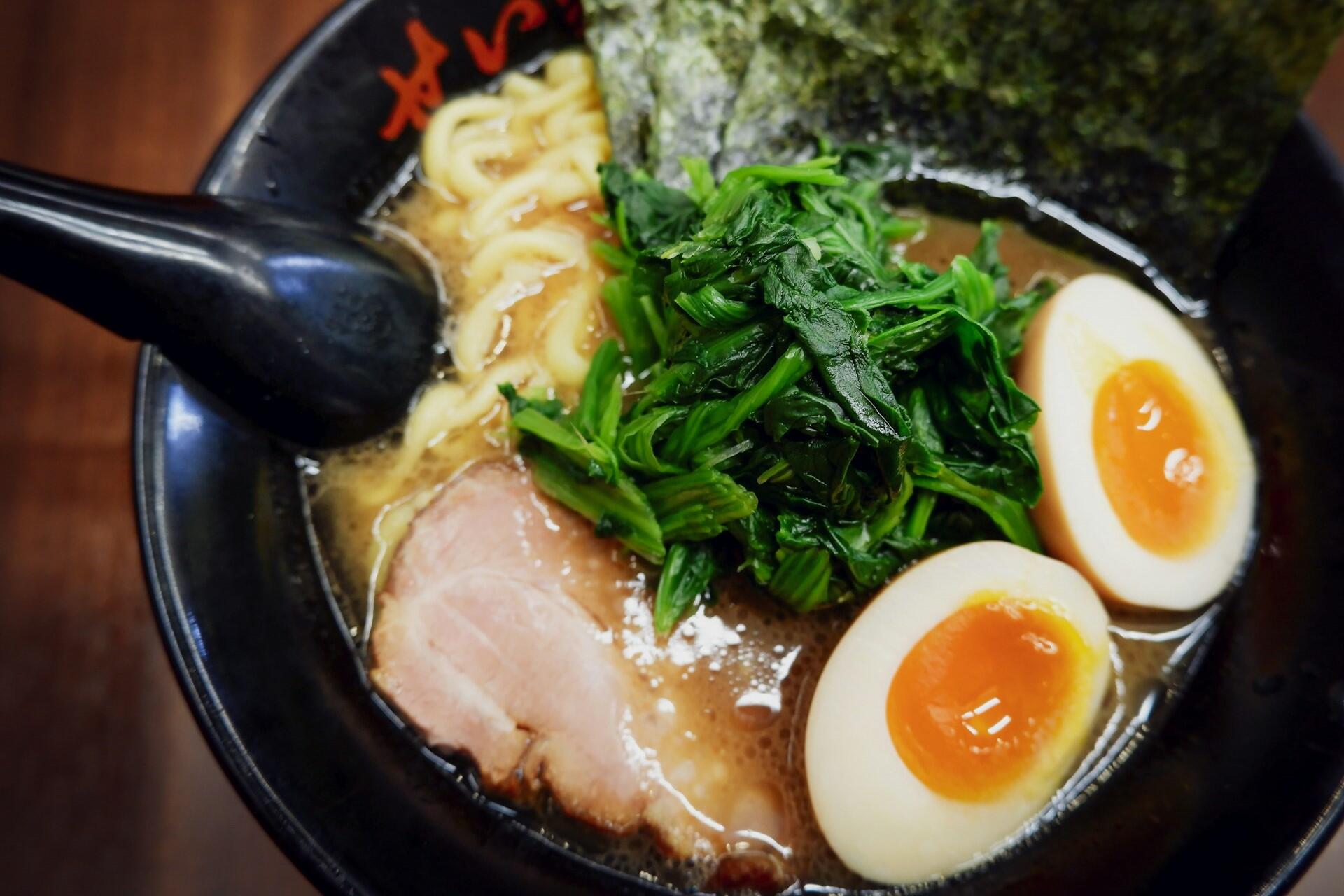
These expressions are helpful if you're eating with Japanese-speaking friends, acquaintances, or colleagues.
- Restaurant – レストラン (Resutoran)
- Menu – メニュー (Menyuu)
- I’d like to order – 注文したいです (Chuumon shitai desu)
- What do you recommend? – おすすめは何ですか? (Osusume wa nan desu ka?)
- This, please. – これをください (Kore o kudasai)
- Water, please. – 水をお願いします (Mizu o onegai shimasu)
- Can I have the bill? – お会計お願いします (Okaikei onegai shimasu)
- Delicious! – 美味しいです! (Oishii desu!)
Many casual restaurants in Japan use vending machines to order meals. You pick your dish, pay at the machine, and hand the ticket to the staff!
If you need more help learning Japanese, remember that you can find Japanese tutors on the Superprof website.
Just search for "Japanese" and start browsing their profiles today. Many offer the first session for free so you can even try a few before choosing the right one for you, your budget, and your level.
If you can't find any local tutors, don't worry! Learning a language with an online tutor is often just as effective as learning face-to-face.
Summarise with AI:
Did you like this article? Leave a rating!

 Loading...
