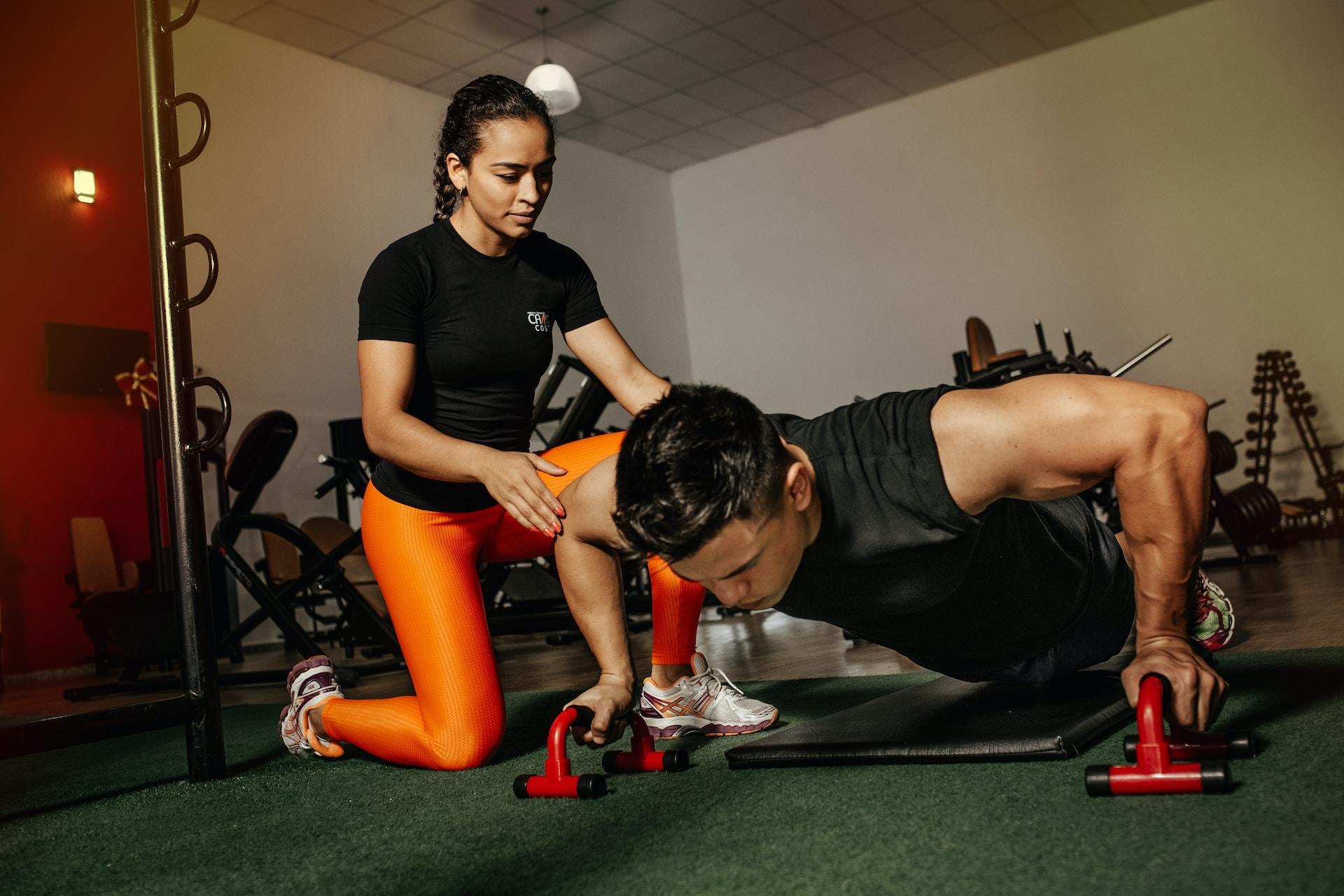

Most people have an idea of what personal trainers do, but very few people know exactly what it takes to become a personal trainer and the qualifications they need to have.
Most people imagine a personal trainer as a fitness professional who's likely ripped and complete with the typical physique of a bodybuilder. However, personal trainers come in all shapes and sizes depending on what they specialise in, who they train, and their qualifications.
It's also far from the truth that personal trainers don't have brains, since most need to put a lot of work into their personal training business, study for various personal training qualifications, and also work out the best ways to train each of their clients.
It helps for personal trainers to be in excellent shape, but you can still become a personal trainer without being in peak physical fitness. After all, the job is to train others and not necessarily themselves, but more often than not, you'll find that personal trainers are in excellent condition.
In this article, we'll be looking at the qualifications you need to become a personal trainer in New Zealand and how you can become one.
Want to give private lessons?
Join the Superprof community and share your knowledge with interested and motivated students.
New Zealand Certificate in Exercise (Level 3 or Level 4)
In New Zealand, you don't technically need any qualifications to become a personal trainer, but it certainly helps to have the right qualifications as they come with the necessary knowledge to properly train your clients.
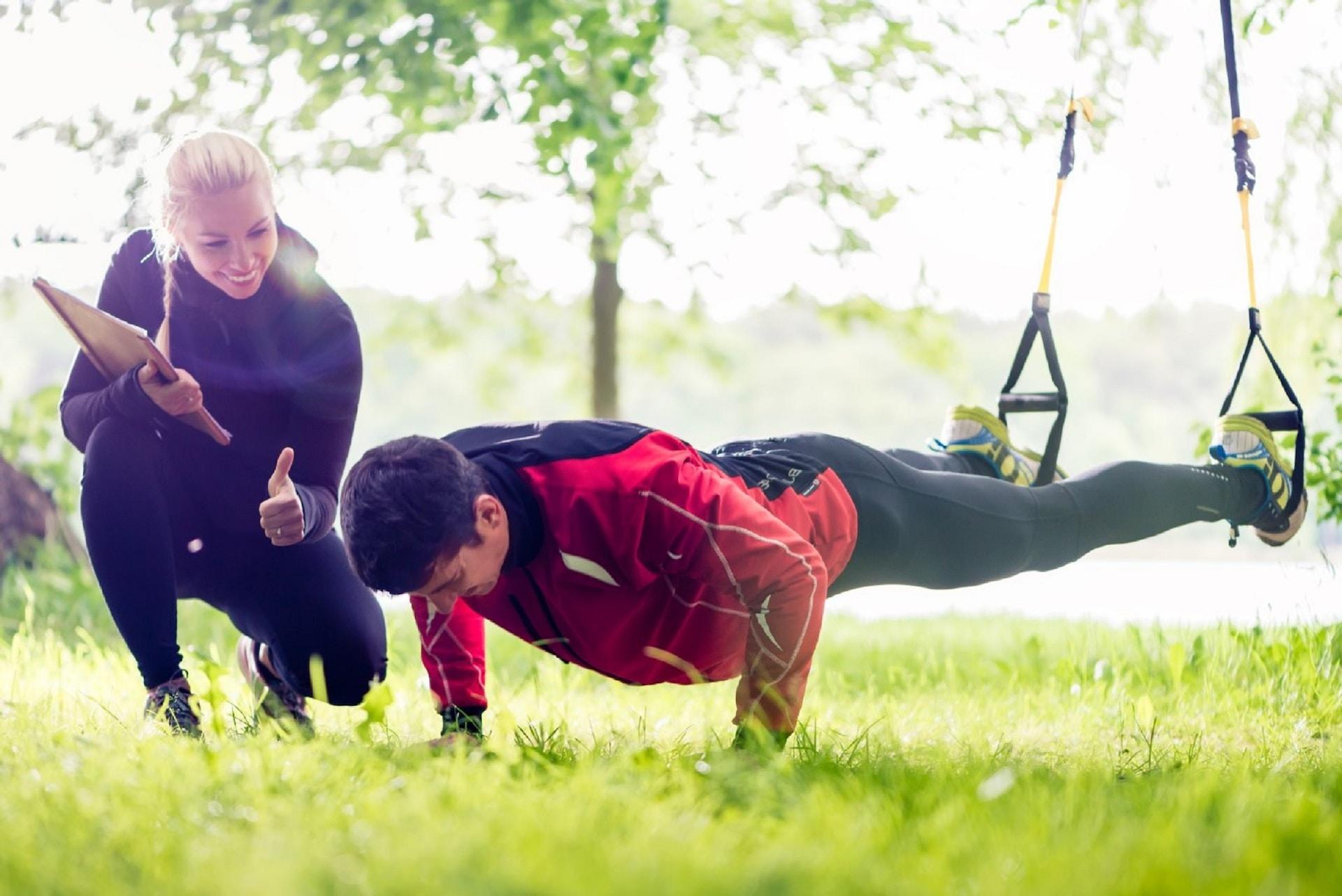
Qualifications are also a great way to prove to potential clients that you know what you're teaching them.
The main qualification in New Zealand is the New Zealand Certificate in Exercise at Level 3 or Level 4. This is a qualification that's administered and awarded by the New Zealand Qualifications Authority in accordance with the New Zealand Qualifications and Credentials Framework.
What this means is that it's a recognised qualification in New Zealand and to some extent around the world as the levels equate to educational systems around the world. For example, PhDs are Level 10 qualifications and certificates start at Level 1.
The Level 3 and Level 4 qualifications are just below Diplomas, which start at Level 5. For context, Bachelor's Degrees are Level 7, Bachelor's Honours Degrees are Level 8, and a Master's Degree is Level 9.
Again, while this qualification isn't technically a requirement, you'll find that most gyms, leisure centres, etc. prefer employees with these qualifications. If you choose to work for yourself, then it's up to you whether you pursue this qualification.
Generally, the Level 4 qualification takes around 18 or 19 weeks of full-time study, though there are also part-time options that take around 3 years of study with multiple educational establishments around the country offering the Level 3 and Level 4 New Zealand Certificate in Exercise.
The requirements for these courses are normally an NCEA Level 2 in a related subject like biology, health education, and physical education, but these will differ depending on where you choose to study.
Find out more in our beginner's guide to becoming a personal trainer.
First Aid Qualifications
You can always mitigate the risk of injury, but you can never eliminate it. As a personal trainer, it's a good idea to consider getting a first-aid or CPR qualification as this is something that everyone should consider getting, especially when working in sports, fitness, or exercise.
It's also wise to get an AED certification and learn how to use an automated external defibrillator (AED). Part of your role will be to teach your clients how to exercise safely, but you never know what can happen and it won't hurt to be as prepared as possible. These qualifications will also show potential clients that you're a consummate professional.
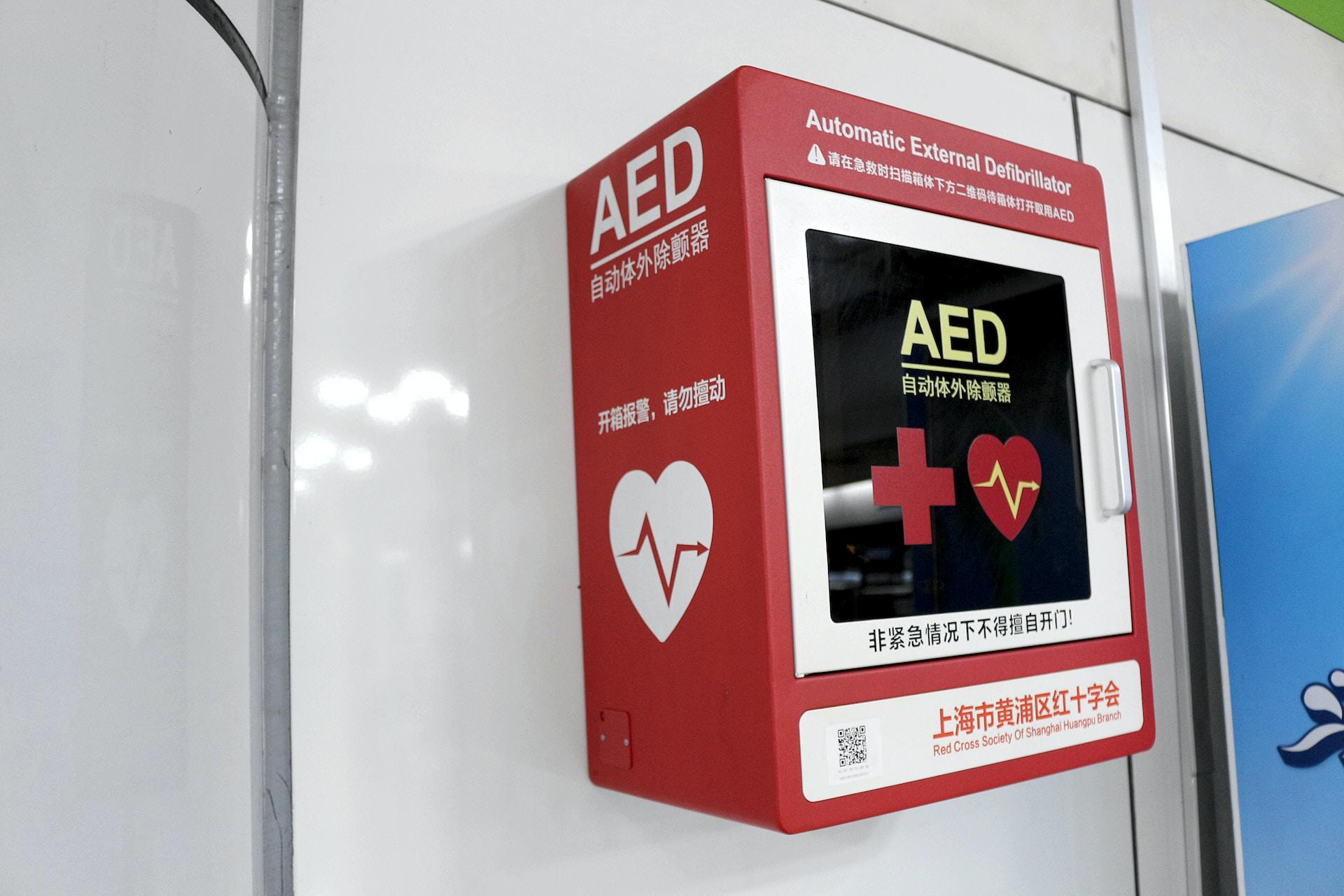
This isn't just for your clients, though. Knowing you're capable of acting if something goes wrong is great for your peace of mind.
It doesn't hurt to get insurance, too!
Want to give private lessons?
Join the Superprof community and share your knowledge with interested and motivated students.
Fitness and Nutrition Qualifications
Fitness isn't just made up of either exercise or diet, it requires both. While some personal trainers might want to completely focus on the exercise side of things, others may want to include nutrition and dietary advice as part of the service they offer since this can help them and their clients get the best results.
A good diet can make you fitter, help you to lose weight, reduce the risk of cardiovascular disease, and improve sporting performance so it's not something that a good personal trainer would want to ignore.
Beyond not ignoring nutrition, personal trainers and coaches can even study nutrition and gain qualifications in it. In New Zealand, there are multiple fitness and nutrition qualifications including degree programs in Sport and Exercise Nutrition or Sport Science, Nutrition, and Health Promotion, Certificates in Applied Sports Nutrition, and online courses in Nutrition Foundations.
A lot of clients will likely be interested in exercising and eating right and a qualification in nutrition will help you to create a diet or nutritional plan that works for them and their fitness goals. With personal training, a lot of clients will be looking to lose weight or gain muscle and diet and nutrition will play an important role.

Don't forget about yourself, though! Find out how personal trainers train to become personal trainers.
Other Useful Qualifications for Personal Trainers
For certain personal trainers, it's a good idea to study complementary skills like stress management, sports science, yoga, and any other skills that will help improve the service you offer to your customers.
Personal Training and Stress Relief
The benefits of exercise on managing stress are well documented, but you can also study stress management and other skills that will help with the mental aspect of training.
- Sports massage is a great way to help customers relax and reduce muscle soreness after a hard workout.
- Yoga offers physical, mental, and spiritual benefits to customers.
- Certificates in stress management and therapy can also be useful to personal trainers and their customers.
Personal Training and Rehabilitation
While losing weight or gaining muscle are some of the two most common reasons for getting a personal trainer, some clients may be looking for rehabilitation following an injury or disease.
Qualifications in exercise physiology, kinesiology, physiotherapy, or biomechanics can all be helpful to those looking to get people back to fitness. This is also something that personal trainers could specialise in, but more on that in just a moment.
For those serious about this area of personal training or physiotherapy, a sports medicine degree is a good idea, but this will take much longer than the previous certificates that we mentioned.
Specialisation
In addition to the essential qualities that a personal trainer needs, it also helps to find a niche or specialisation. After all, the trainers with a specialisation will find clients more easily.
In any business, you need a USP (unique selling proposition) or simply a reason clients should choose you and not another personal trainer.
There are two main reasons to specialise: to find clients more easily or to ensure that you've chosen an area of personal training that you're passionate about. Ideally, you'll want your specialisation to satisfy both of these criteria.
It's a smart idea to specialise according to supply and demand. You'll want a specialisation that there's demand for but not one that every other personal trainer in the area has.
Look for trends in your local area and do some research before specialisation.
Demographic Specialisations
Your personal training service could specialise according to the population and demographics of your local area. Common areas for specialisation include youth fitness, senior fitness, special needs fitness, etc.
Sports Specialisations
You can also specialise in a particular sport and offer personal training to clients that play or compete in a certain kind of sport as their fitness and nutritional needs will differ from sport to sport.

Marketing and Business Qualifications for Personal Trainers
If you're going to become a personal trainer and work for yourself, then you'll run every aspect of your business, including the finances and marketing.
In these cases, it's a really good idea to take some business courses as you'll be responsible for doing your taxes, advertising your business, and all the customer service.
The difference between a successful and unsuccessful personal training service can often come down to marketing and a well-marketed personal trainer will likely do better than a great personal trainer who doesn't do any marketing.
Learn common marketing strategies, lead generation, social media marketing, and any other business and marketing skills that will increase the success of your personal training business.
Go further by learning about marketing your personal training skills, too.
Want to give private lessons?
Join the Superprof community and share your knowledge with interested and motivated students.
Summarise with AI:
Did you like this article? Leave a rating!

 Loading...