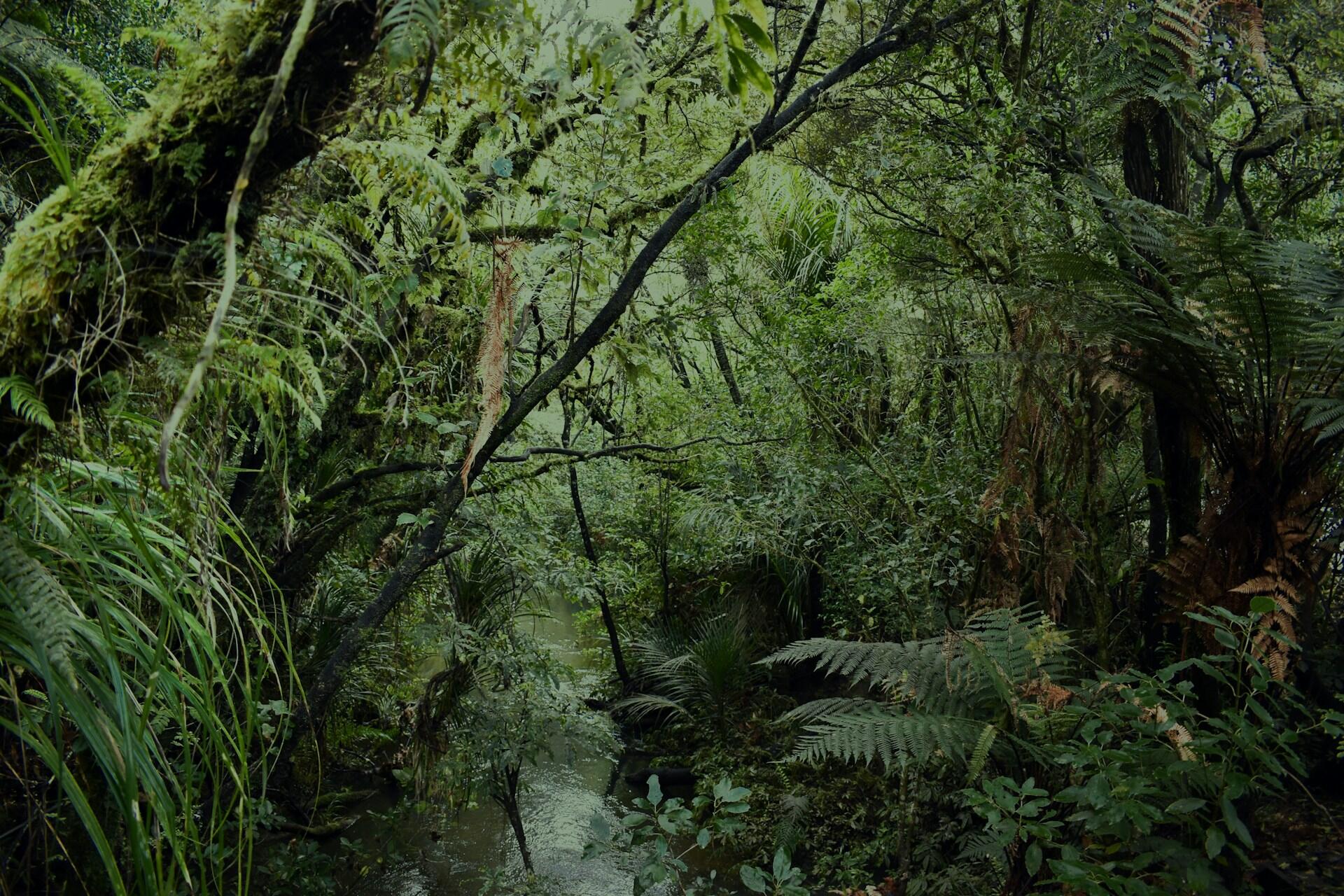

Patupaiarehe are a part of Māori tradition. These are beings who exist within the human world without being fully part of it. They inhabit the margins of everyday life like remote forests, mist-covered mountains, and places that feel slightly beyond ordinary human reach. They're not creatures of pure fantasy; they're a reflection of why certain landscapes require caution, respect, or special behaviour.
Key Takeaways
- Patupaiarehe are supernatural beings in Māori tradition who exist alongside humans without being part of human society, inhabiting forests, mountains, and misty landscapes.
- They are not monsters or symbols of evil, but people-like beings whose presence explains why certain places require caution, respect, and careful behaviour.
- Patupaiarehe and tūrehu are described as organised communities with leaders, groups, and territories, reinforcing the idea that different forms of life coexist within the same world.
- Their stories are deeply place-based, linking specific mountains, forests, and regions to cultural memory and environmental knowledge.
- Variations in patupaiarehe traditions across iwi reflect living oral knowledge shaped by local landscapes and experiences, not contradictions.
- Today, patupaiarehe remain culturally crucial as expressions of kaitiakitanga, reminding people that land and water are relationships to be respected rather than resources to be controlled.


Who Are the Patupaiarehe and Tūrehu?
Patupaiarehe and tūrehu live parallel to human communities. They're not opposed to humans, nor are they considered ancestors, atua like Ranginui and Papatuanuku, or people. They're treated as societies with their own leaders, relationships, and territories. They're part of the wider world, but not abstract or symbolic figures.
They're social beings rather than isolated creatures, which is why they have leaders and groups, with Māori tradition acknowledging their presence as structured and intentional. They reinforce the idea that life can exist in different rooms. Like much of Māori tradition, they're defined by relationship rather than dominance.
Patupaiarehe and tūrehu are supernatural beings in Māori tradition, often described as people-like rather than monstrous. They are not considered human, but they are understood to exist within the same world, connected through whakapapa and place.
The terms patupaiarehe and tūrehu are sometimes used interchangeably, though usage can vary between iwi. These beings are associated with forests, mountains, and misty places. They are often described as avoiding daylight, fire, and cooked food. Rather than being figures of fear, they represent a parallel existence within the natural and spiritual world.
Appearance, Behaviour, and the Supernatural World
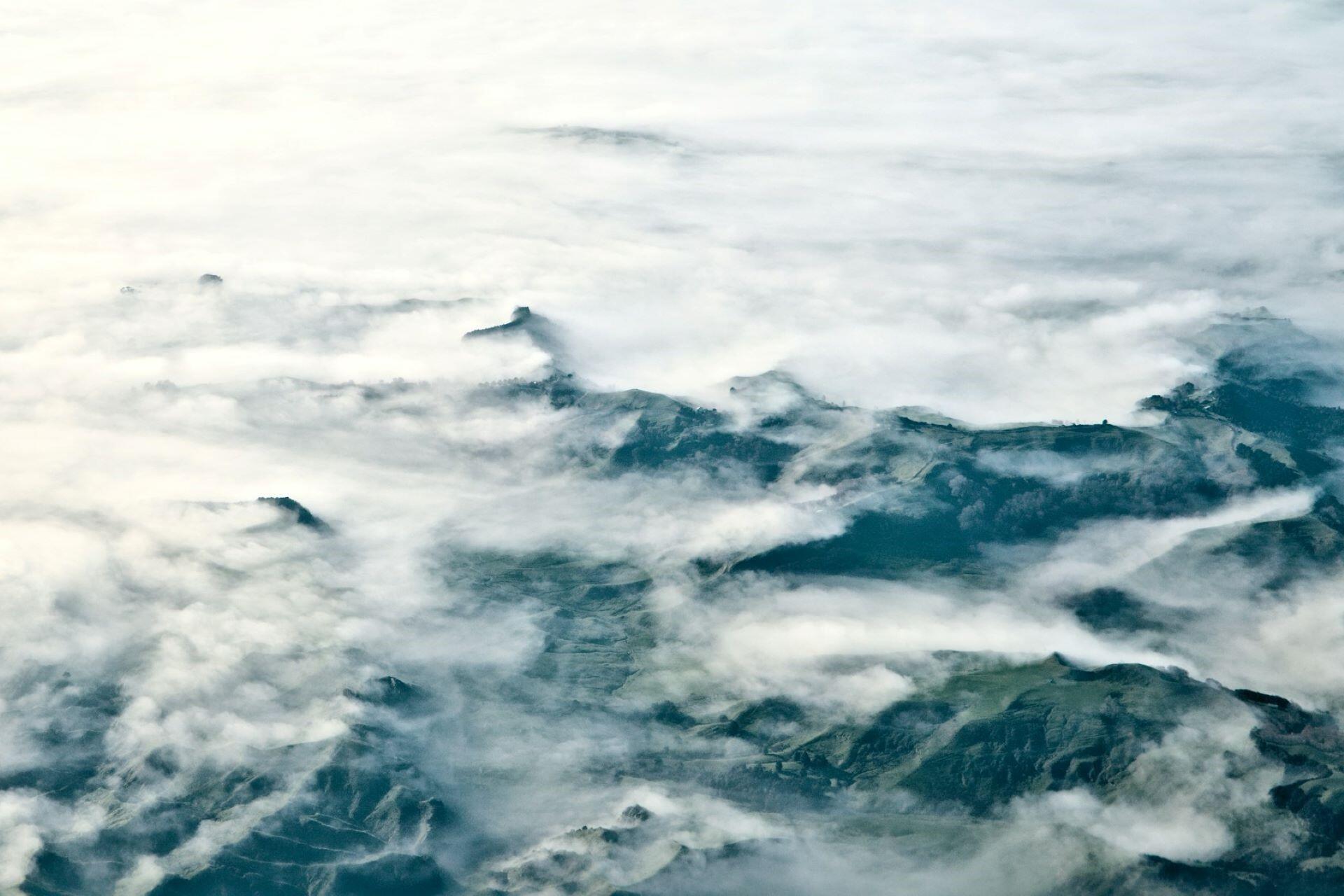
Since patupaiarehe are often in places with limited visibility, like mist, low light, and nighttime, descriptions are often more subtle. Descriptions suggest that they're not really meant to be clearly seen or understood. Their behaviour also differs from that of humans. They tend to avoid fire and daylight, operating on the fringes of quotidian human activities, unlike taniwha, who have greater associations with geographical features.
This isn't to say that they're overtly dangerous beings. Stories of patupaiarehe tend to highlight attentiveness. People are reminded that the world is full of forces that operate beyond our perception. When moving through unfamiliar spaces, you should do so carefully.
individual sin stories about their settlement and appearance.
Where Patupaiarehe Live: Forests, Mountains, and Mist
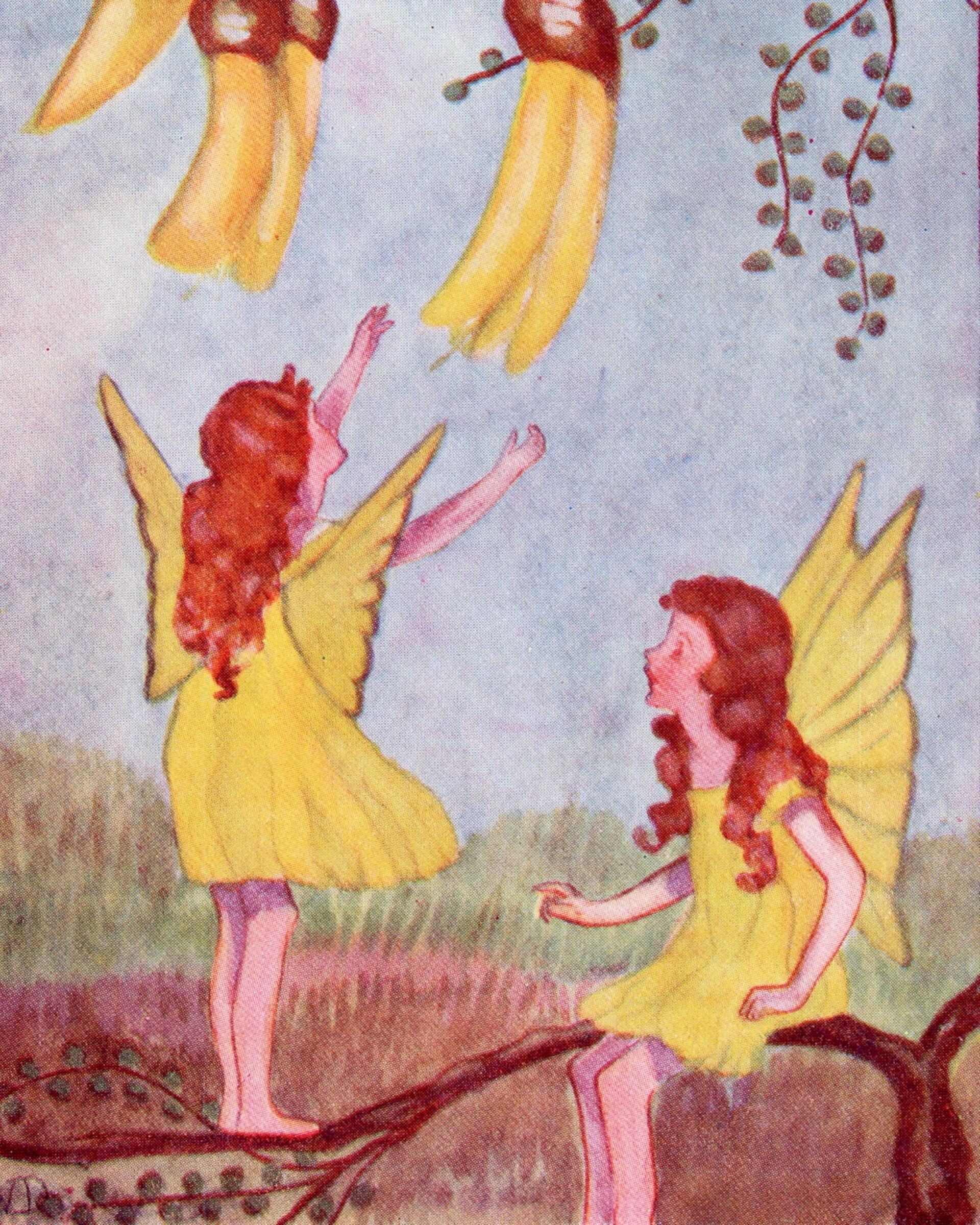
Patupaiarehe are often associated with physically challenging or visually obscured landscapes. Places like forested mountains, ridgelines, and mist-prone areas just beyond the everyday reach of settled life. They're often found in environments where careful movement and close attention are essential.
Māori tradition often embeds local knowledge within storytelling. Mountains and forests are integral to stories, but they're not just landmarks. These places are sites with authority and presence.
Behaviour is guided by knowing where patupaiarehe are said to love, encouraging respect for these areas with spiritual or environmental significance, which, for the Māori, are often the same thing, as exemplified with manaia.
of Aotearoa New Zealand was once covered in native forest, and its mountainous terrain is traditionally associated with patupaiarehe traditions.
Patupaiarehe Stories and Iwi Traditions
A common theme of patupaiarehe stories is humans in unfamiliar territory. This can be either physical or cultural; patupaiarehe are usually encountered during journeys, exploration, or periods of transition. The message is often one of awareness in new environments, and the stories don't simply focus on confrontation; instead, they highlight learning, consequences, and restraint.
As with much of Māori tradition, and starting with the creation story, these stories are remembered and kept alive across different iwi. In some traditions, patupaiarehe share knowledge or skills. In contrast, others serve as warnings about timing, behaviour, or respect for specific places. The stories focus on understanding through our relationship with specific lands rather than broader universal rules.
Passing traditions down orally means the focus can shift to each community's needs. The patupaiarehe narratives can retain their core meanings while adapting to the requirements of the time or the people. They can continue to guide people even today.
Patupaiarehe stories differ across iwi because they are preserved through oral tradition rather than a single written source. Each iwi maintains its own versions, shaped by local landscapes, histories, and cultural priorities.
These variations are not contradictions. They reflect living knowledge that adapts over time while maintaining core meanings. Oral storytelling keeps patupaiarehe traditions relevant, reinforcing strong connections among story, place, and identity across generations.
Why Patupaiarehe Still Matter Today
So why are stories of patupaiarehe still so important? Aside from the fact that they're embedded in and shape Māori relationships with land and place, they're stories of respect, attentiveness, and understanding. Not all environments are open to unrestricted use. In modern contexts, these align closely with contemporary concerns about sustainability, conservation, and responsible development.
Patupaiarehe traditions can serve as a reference when discussing land use or infrastructure. They can express cultural connections to specific places, and rather than serving as literal explanations, they offer a valuable framework for articulating long-standing relationships with landscapes that hold spiritual or ancestral significance.
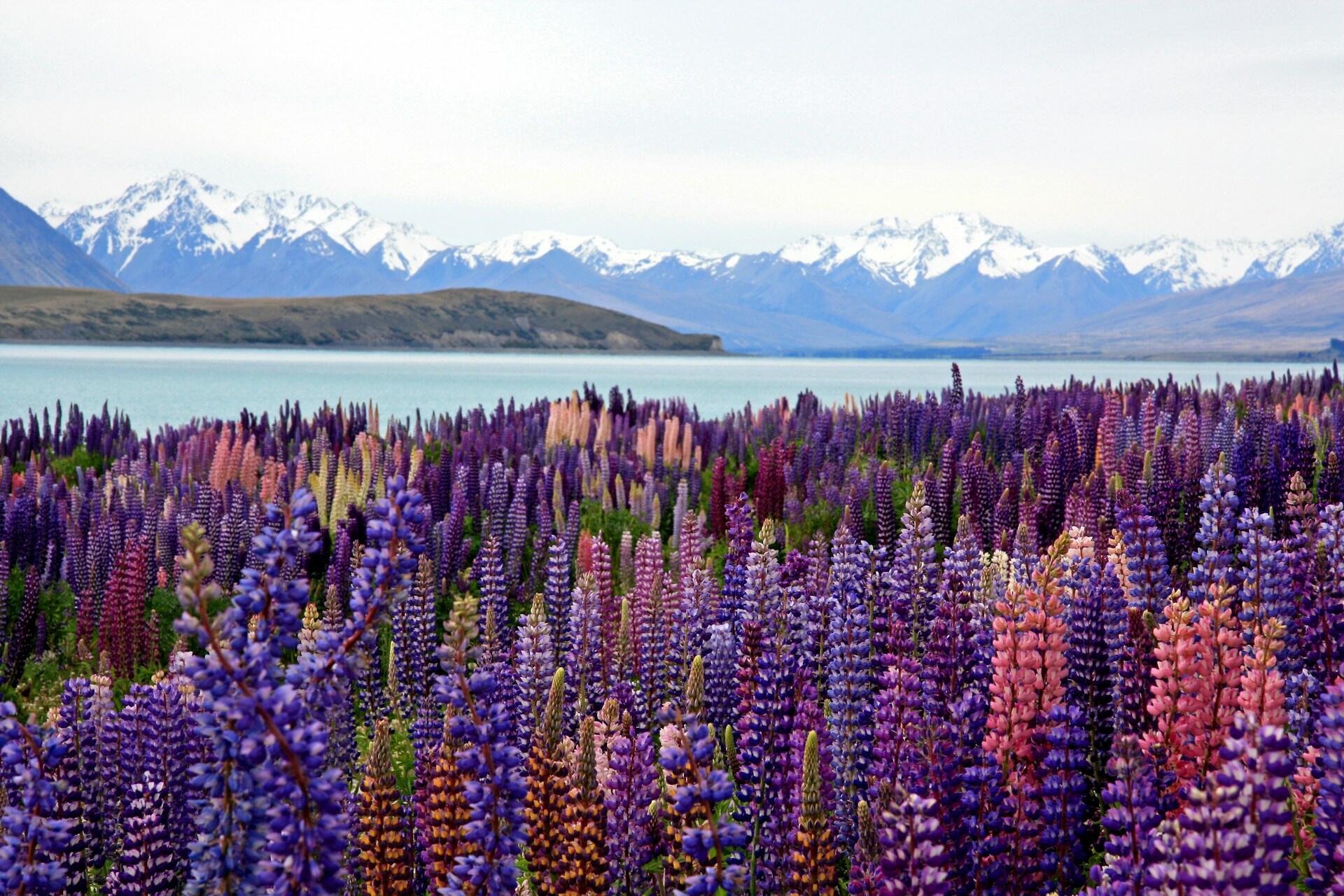
Stories of patupaiarehe endure because they offer guidance, not rules. People are reminded of how complex our world is, the limits of our knowledge, and the need to care for our environment. Māori communities can maintain a living connection to the land with the knowledge passed down through generations.
Patupaiarehe traditions are closely linked to kaitiakitanga, the Māori principle of guardianship and care for the natural world. By situating supernatural beings within forests, mountains, and waterways, these stories reinforce the idea that land is not owned, but respected and protected.
Patupaiarehe act as reminders that certain places hold authority and require careful behaviour. Through these traditions, Māori knowledge emphasises responsibility, awareness of boundaries, and respect for environments that sustain life.
| Location | Region | Environment | Associated Tradition |
|---|---|---|---|
| Moehau (Cape Colville) | Hauraki / Coromandel | Mountain, forest | Dwelling place of patupaiarehe in upland areas |
| Motutere (Castle Hill) | Coromandel | Rocky uplands | Associated with patupaiarehe presence |
| Maumaupaki | Waikato | Inland hills | Remembered as patupaiarehe territory |
| Whakairi | Waikato | Forested land | Identified as a patupaiarehe dwelling site |
| Kaitarakihi | Waikato | Mountain / forest | Linked to supernatural inhabitants |
| Te Koronga | Waikato | Inland landscape | Location tied to patupaiarehe oral tradition |
| Horehore | Waikato | Elevated terrain | Part of patupaiarehe territory |
| Whakaperu | Waikato | Mountain | Associated with patupaiarehe settlement |
| Te Aroha-a-uta | Waikato | Inland mountain | Linked to patupaiarehe habitation |
| Te Aroha-a-tai | Waikato | Coastal area | Coastal counterpart in the same tradition |
| Pirongia | Waikato | Mountain, forest | Strongly associated with patupaiarehe activity |
| Mount Ngongotahā | Rotorua | Mountain | Site of patupaiarehe encounters with Īhenga |
| Mauao (Mount Maunganui) | Tauranga | Mountain / coast | Central to a patupaiarehe origin story |
| Urewera Ranges | Te Urewera | Dense forest, mountains | Region associated with patupaiarehe traditions |
Summarise with AI:
Did you like this article? Leave a rating!

 Loading...