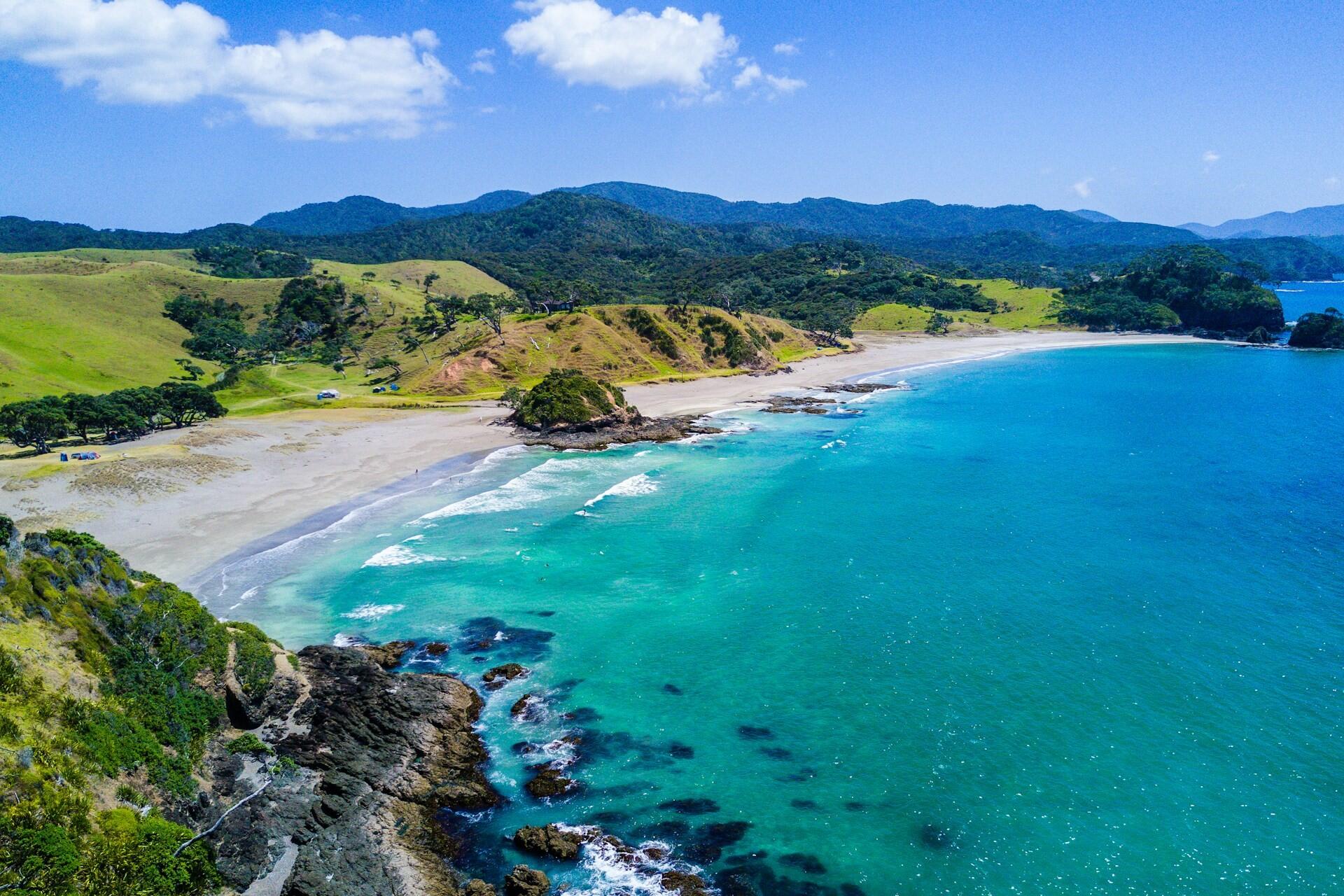

New Zealand's story has been shaped by historical figures, including politicians, chiefs, soldiers, reformers, and cultural leaders. From the Treaty of Waitangi to World War and beyond, specific individuals played central roles in establishing the country's institutions of government and shaping its political history. Here are the people whose names will be remembered and whose impact will continue to be felt.


William Hobson
William Hobson was New Zealand's first governor and later its Governor-in-Chief. He was born in England in 792 and served in the British Navy, gaining experience in colonial administration before being sent to New Zealand in 1839.

In 1840, William Hobson oversaw the signing of the Treaty of Waitangi between the British Crown and more than 500 Māori rangatira (chiefs).
The Treaty created the foundations for New Zealand's future within the British Empire.
However, it has caused significant political debate and conflict.
Hobson declared New Zealand a British colony and established Auckland as its capital.
His time in office was brief, as he died just two years after the Treaty in 1842.
His legacy is contested by historians, politicians, and the public.
Signed in February 1840, the Treaty of Waitangi was intended to formalise relations between the British Crown and Māori chiefs, establishing New Zealand as a colony while guaranteeing Māori protection of their lands and taonga. Yet differences between the English and Māori texts meant that the meaning of the Treaty was never straightforward.
There were disputes over land sales, sovereignty, and governance, which led to wars, broken promises, and long-standing grievances. For many Māori, the Treaty became a symbol of both hope and betrayal, a document that promised partnership but often delivered conflict. In modern times, the Treaty has been recognised as New Zealand's founding document. Since the late 20th century, the Waitangi Tribunal has been central in addressing historic breaches. It's one of the most significant milestones in New Zealand's history, shaping debates about government, parliament, and the rights of all its people.
King Tāwhiao
King Tāwhiao was the second Māori king. The Māori King Movement, also known as Kīngitanga, was established in 1858 as a response to British colonisation, land pressure, and the erosion of Māori authority.
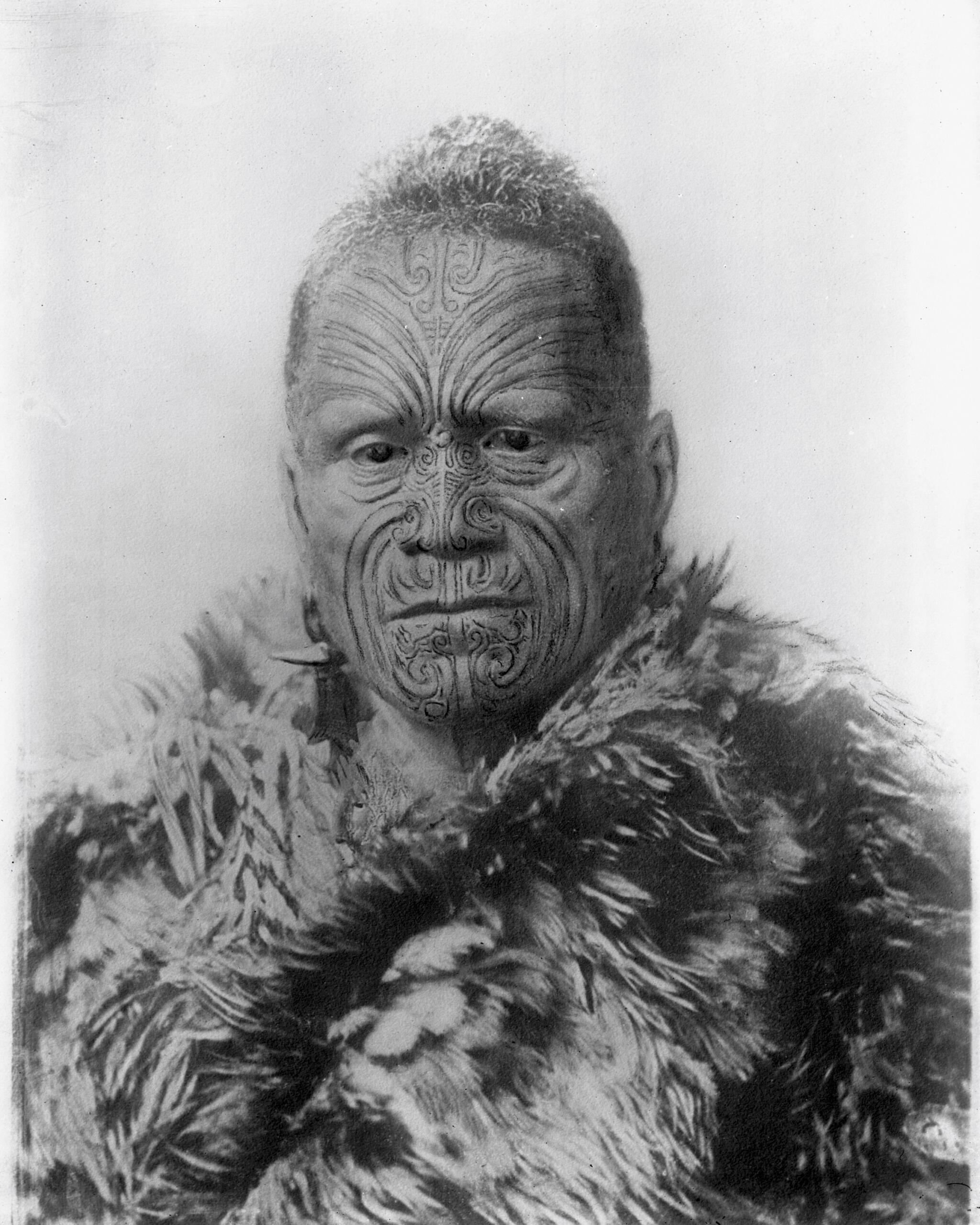
In 1860, when Tāwhiao succeeded his father, Pōtatau Te Wherowhero, New Zealand was on the verge of open conflict.
Tāwhiao led his people in the New Zealand Wars in resistance against the advance of government troops.
Despite the loss of a lot of land and the retreat into the King Country, Tāwhiao remained a symbol of Māori unity and resilience.
From there, he shifted his focus from war to diplomacy, travelling to England in 1884 to petition Queen Victoria directly for justice over confiscated lands.
He was unsuccessful, but his journey highlighted his determination to find recognition at the highest level of the British Empire.
Ka whawhai tonu mātou, āke, āke, āke! / We shall fight on, forever, and ever, and ever.
Māori defenders at Ōrākau
Hōne Heke
Hōne Heke was one of the earliest Māori leaders to challenge the authority of the British government. A rangatira of Ngāpuhi, Heke had initially been a supporter of the Treaty of Waitangi and was one of its first signatories. However, when the promises of the Treaty were not upheld and the balance of power increasingly favoured the British Crown, his position shifted.
The impact of the Treaty of Waitangi is still being felt today.
Heke is remembered for repeatedly cutting down the flagstaff at Kororāreka (Russell) between 1844 and 1845. The flagstaff flying the Union Jack symbolised British control, and cutting it down was a powerful declaration. These actions would spark the Northern War, which was one of the first major clashes between colonial forces and the Māori.
The Northern War (1845–1846), also known as the Flagstaff War, began when Hōne Heke repeatedly cut down the British flagstaff at Kororāreka. The conflict was rooted in dissatisfaction with the Treaty of Waitangi and resentment toward British authority. There was heavy fighting in the Bay of Islands. Māori warriors used fortified pā and innovative tactics, holding their own against better-armed government troops. The war ended without a decisive victory, it set the stage for further wars and conflicts that would shape New Zealand’s early history.
During the war, Heke was a central figure who inspired his people while frustrating colonial troops. The conflict ended without a clear victory, but it cemented Heke's reputation as one of New Zealand's most famous people.
Māori chiefs signed the Treaty Waitangi.
Te Kooti
Te Kooti Arikirangi Te Turuki was a complex and controversial figure in New Zealand's 19th-century history. He was both a religious leader and a member of the resistance. Born on the East Coast, he was accused of aiding enemy forces during the East Coast War and exiled without trial to the Chatham Islands in 1866.
In 1868, he escaped, seized a ship, and returned to the mainland with his followers. The Poverty Bay conflict followed, with government forces and loyalist Māori clashing with Te Kooti's men. His raids earned him a reputation as both a feared rebel and a symbol of Māori resistance to British rule.
He also founded the Ringatū faith that blends Christian and Māori traditions. This spiritual movement endured long after his death and continues to the present day. Historians consider Te Kooti one of the most significant figures in New Zealand's history.
John Ballance
John Ballance was a journalist, politician, and reformer. He rose to become one of New Zealand's most influential political figures in the late nineteenth century.
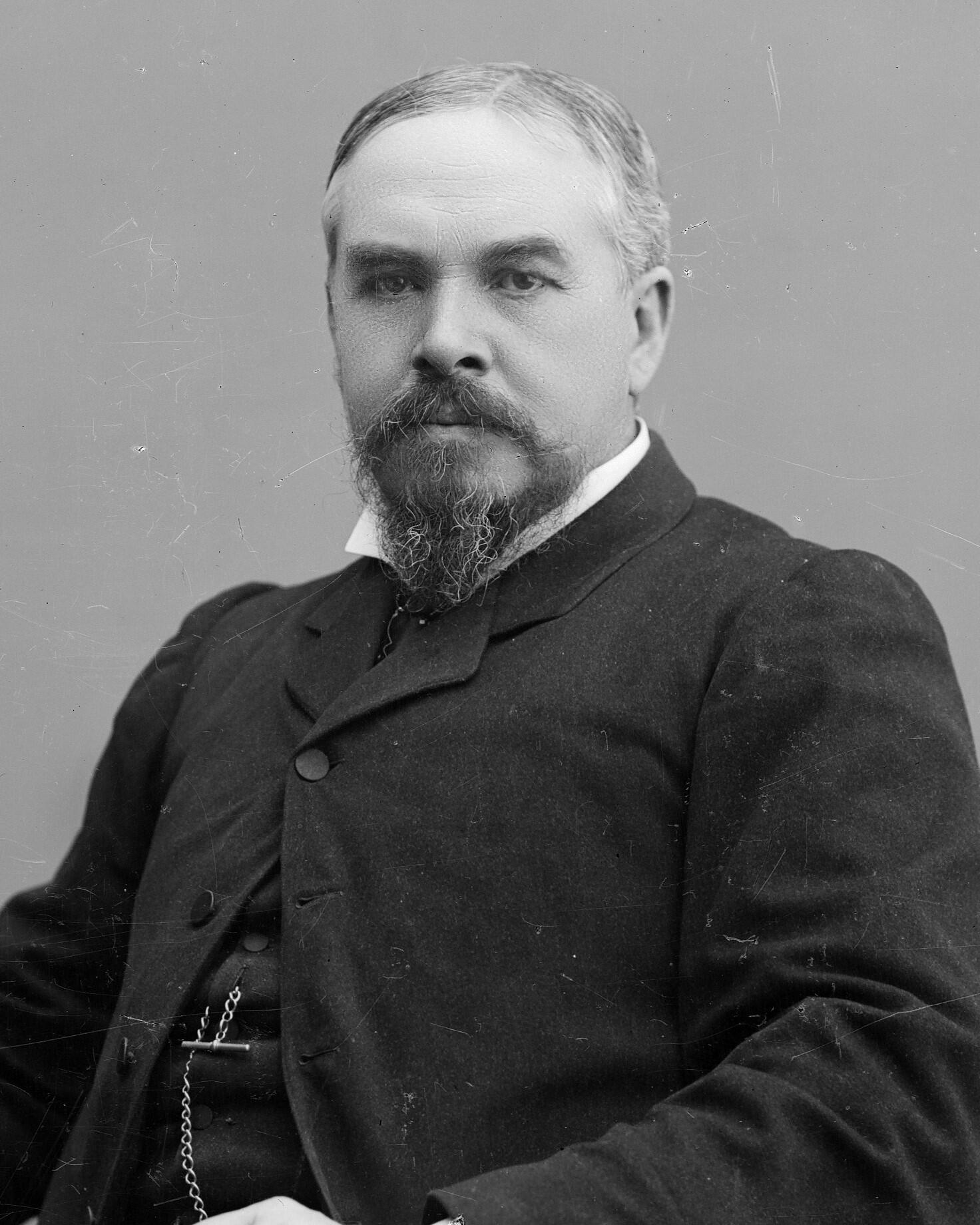
He was born in Ireland before emigrating to New Zealand, where he worked as a newspaper editor and later entered parliament in 1875.
During his early career, he used his writing to challenge government policy and advocate for progressive change. As Minister of Native Affairs in the 1880s, he sought a more conciliatory approach, though his policies were often constrained by settler expansion and the dominance of the British Empire.
In 1891, he became New Zealand's Premier, heading the country's first Liberal Government.
He introduced essential reforms, including land and taxation policies that limited the power of large landowners. He also led improvements in education and social policy. His time as Premier was cut short by his death in 1893, but he laid the groundwork for his successor, Richard Seddon and the Liberal Party's long dominance within New Zealand politics.
Richard Seddon
Richard John Seddon, who was also known as “King Dick”, was one of New Zealand's most powerful and enduring political leaders. Although it may appear that all of New Zealand's historical figures were male, the country's famous daughters actually deserve their own article, as there are simply too many to mention.
more than any other in New Zealand's history.
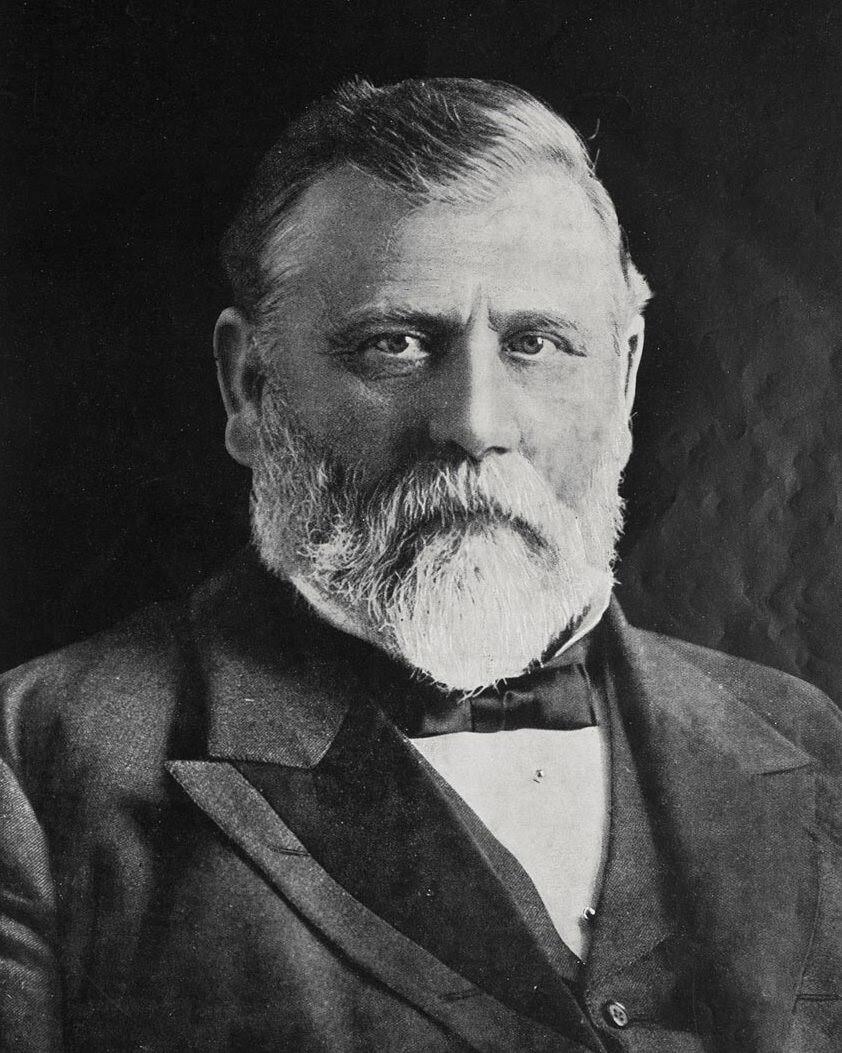
As for Richard John Seddon, he was born in England before emigrating to the West Coast during the gold rush. He had a reputation for being a tough, plain-speaking advocate for miners and working-class people. He became Premier after the death of John Ballance.
Seddon served for thirteen years, making him New Zealand's longest-serving prime minister. Seddon's Liberal Government introduced significant social and economic reforms, including old-age pensions, workers' rights, and measures to improve education. His government also expanded the state's role in the economy, making him a champion of the commoner.
However, his legacy isn't without controversy. He also promoted policies of racial exclusion, opposed Asian immigration, and prioritised settler expansion of Indigenous rights.
There were significant changes in the late nineteenth and early twentieth centuries in New Zealand's social and political history. There were leaders like John Ballance and Richard Seddon pursued reforms in taxation, education, and workers’ rights, while Māori leaders such as Āpirana Ngata invested in land development, culture, and education to strengthen their people. New Zealand's historical figures were not only warriors and political leaders, but also reformers who shaped everyday life for generations.
Thomas Mackenzie
Sir Thomas Mackenzie was a Scottish-born New Zealander. He emigrated from Scotland as a child and developed a passion for the natural world. He participated in surveys and expeditions throughout the South Island. His early work as an explorer and naturalist made him a respected figure within New Zealand.
He entered parliament in 1887, building a reputation as a thoughtful and capable political leader. In March 1912, he served briefly as Prime Minister of New Zealand. His time in office was brief, as his government fell in July following a vote of no confidence. He went on to become New Zealand's High Commissioner in London. His work strengthened ties between New Zealand and Britain, making sure that the voices of New Zealanders were heard in imperial decision-making.
Āpirana Ngata
One of New Zealand's most significant historical figures, Sir Āpirana Ngata is remembered for his contributions to both politics and Māori cultural revival. He was born on the East Coast and educated at Te Aute College, later attending the University of Canterbury, where he became the first Māori to graduate from a New Zealand university.
He entered parliament in 1905 as the MP for Eastern Māori. Ngata quickly established himself as a reformer and Māori advocate. He was the Minister of Native Affairs in the 1920s and 1930s, championing land reforms, agricultural training schemes, and education initiatives to strengthen Māori communities.
Summarise with AI:
Did you like this article? Leave a rating!

 Loading...