Nursing is a career where you can truly make a difference in people’s lives.
Alexandra Cooper, Bachelor of Health Science (Nursing) student, AUT University
In New Zealand, you may find nursing courses using terms like flexible, distance, or blended learning. Online study is a great way to become a nurse while managing work and family, studying when you find the time. However, the term "online" isn't technically correct for these courses, and here we'll explore what options you actually have.
What Does “Studying Nursing Online” Mean in New Zealand?
Generally, studying nursing online in New Zealand involves blended learning. These combine online theory and academic content with hands-on training and clinical placements that must be completed in person. The blended approach gives students flexibility in accessing theory modules from home. They'll still meet the requirements for clinical competence and the Nursing Council of New Zealand.
Massey University’s Bachelor of Nursing: a three-year degree delivered through blended learning (online lectures + compulsory on-campus clinical labs + supervised placements totalling at least 1,000 hours).
NorthTec (Tai Tokerau Wānanga) Bachelor of Nursing: combines classroom, online learning, and clinical placements in Northland, preparing students for RN registration.
Ara Institute of Canterbury – Bachelor of Nursing: an accredited degree that includes in-person and online academic learning (check local delivery details with the provider).
Wintec – Bachelor of Nursing: blended or flexible delivery with online theory and in-person study plus placements.
Otago Polytechnic – Bachelor of Nursing: academic content and clinical skills training integrated, with parts of the theory accessible online.
Can You Study Nursing Fully Online in NZ?
While a lot of the theory can be delivered online, since nursing courses require in-person clinical skills training and supervised clinical placements, no course can ever be fully delivered online. This means that it doesn't matter whether you're becoming a nurse practitioner or registered nurse, no pathway can be entirely online. All nursing pathways will be advertised as flexible, distance, or blended, but beware any course that claims to be entirely online.
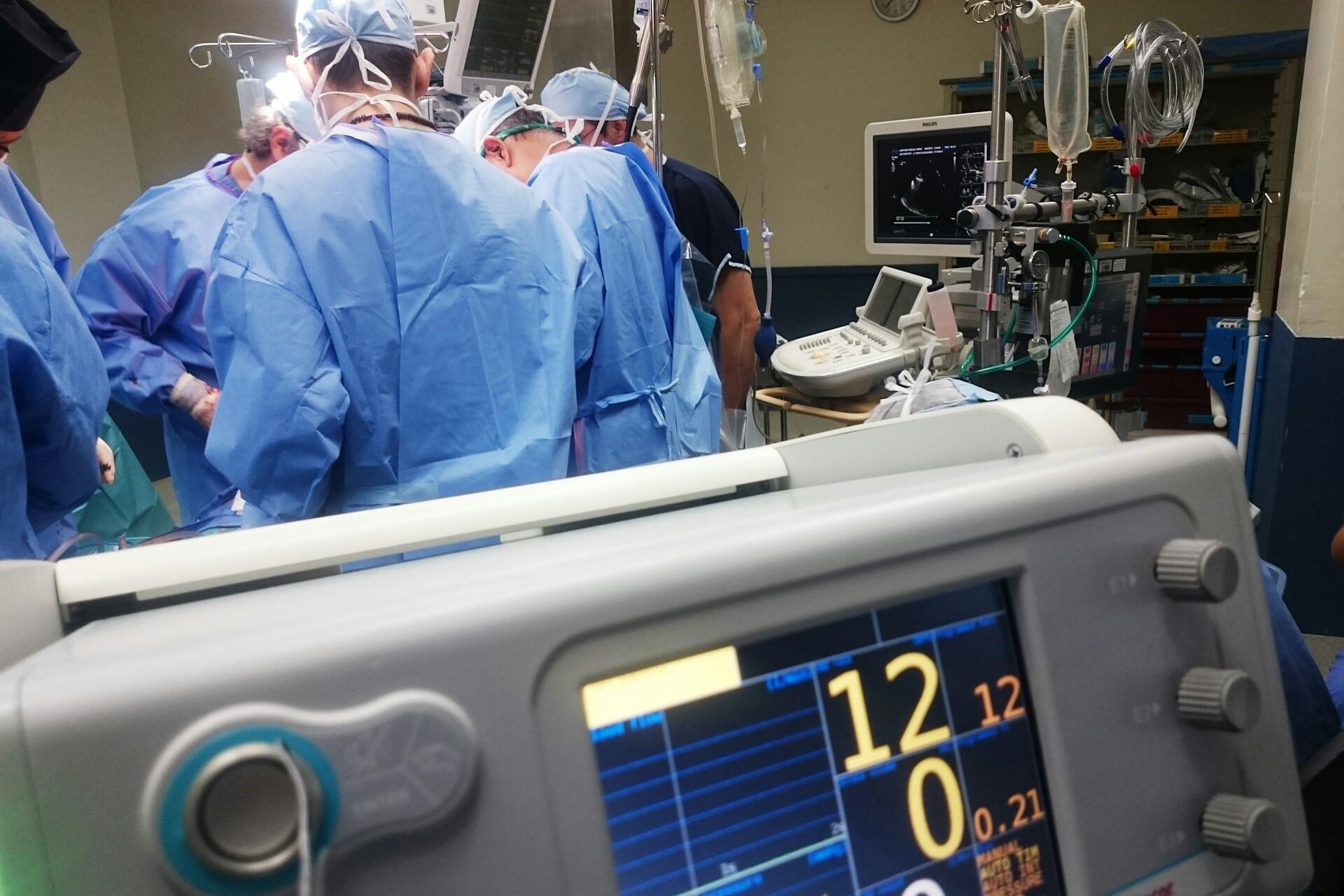
Since practical experience is required, no nursing course can be fully online. | Photo by Nick Morrison
beenhere
Can nursing be studied fully online in NZ?
Pre-registration nursing programmes in New Zealand cannot be completed entirely online. All approved courses require in-person clinical labs and supervised clinical placements to meet registration standards.
No fully online RN or EN qualifications: All approved nursing programmes require face-to-face clinical labs and placements.
Online theory is permitted: Lectures, readings, and assessments may be delivered online as part of a blended learning approach.
Clinical skills must be in person: Patient assessment, medication administration, and emergency response are taught and assessed on campus.
Placements are mandatory: Students must complete extensive supervised clinical hours in real healthcare settings.
Applies nationwide: The same rules apply to universities and polytechnics across New Zealand.
Registration-linked courses only: Only programmes approved for registration meet these requirements.
Post-registration study differs: Fully online nursing study is more common for postgraduate or professional development courses that do not lead to initial registration.
Online and Blended Nursing Courses in New Zealand
Blended nursing courses in New Zealand have online components with in-person training. The programmes are designed to give students flexibility, requiring attendance only for the hands-on work. These offer an outstanding balance between online and face-to-face learning, and how much of each you get will depend on the course.
Blended or hybrid courses combine presencial and online aspects. | Photo by Natanael Melchor
beenhere
What “blended learning” means for nursing students
Blended nursing courses combine online theory with scheduled on-campus intensives and local clinical placements. This allows flexibility while still meeting professional and safety requirements.
Bachelor of Nursing (blended delivery): Programmes where lectures, tutorials, and assessments are partly online, with compulsory on-campus clinical labs and placements.
Bachelor of Nursing (regional delivery): Degrees offered through polytechnics and institutes where students study online but complete placements in their local region.
Graduate-entry Bachelor of Nursing: Accelerated RN programmes that use blended learning to support students retraining from another discipline.
Diploma in Enrolled Nursing (flexible delivery): Courses that deliver theory online with block courses and local clinical placements.
Part-time Bachelor of Nursing options: Programmes structured to spread study over a longer timeframe while still meeting placement requirements.
Work-integrated nursing programmes: Courses that align online learning with ongoing healthcare employment and supervised practice.
There are
18
schools delivering approved Bachelor of Nursing programmes across New Zealand.
Studying a Bachelor of Nursing Online or Part-Time
A Bachelor of Nursing online or part-time can be done with blended delivery, but remember that you'll still have a significant in-person commitment. Programmes will support students who need flexibility, but you're still training to become a nurse, which is serious stuff. Academic theory can be completed online, but students must attend some campus-based sessions and supervised clinical placements. Part-time study can also help those who require even more flexibility, but these usually double the time it takes to qualify as a nurse.
Blended Bachelor of Nursing programmes: Degrees that deliver lectures and assessments online, combined with compulsory on-campus clinical labs and placements.
Regional Bachelor of Nursing delivery: Courses designed for students in regional areas, where theory is studied online, and placements are completed locally.
Graduate-entry Bachelor of Nursing: Accelerated RN programmes using blended learning for students who already hold a bachelor’s degree.
Part-time Bachelor of Nursing study: Options that allow students to complete the degree over a longer timeframe while maintaining work or family commitments.
Bachelor of Nursing with block courses: Programmes requiring short, intensive on-campus sessions instead of weekly attendance.
Bachelor of Nursing with local placements: Degrees structured to reduce relocation by supporting placements in nearby hospitals and community services.
Online Nursing Courses for Registered Nurses
For those who are already registered nurses, there are online study options that are far more flexible than the pre-registration pathways, which are popular because you can use them to increase your salary as a nurse. You'll see that many postgraduate and professional development nursing courses are fully online or include minimal on-campus requirements. This is because these courses are not only for those who've already completed in-person clinical training, but also for those already working in nursing.
Postgraduate Certificate in Nursing: Short, focused programmes mainly delivered online, allowing RNs to specialise in areas such as mental health, primary care, or acute nursing.
Postgraduate Diploma in Nursing: More in-depth online study supporting clinical leadership, education, or speciality practice.
Master of Nursing programmes: Advanced degrees with online coursework that support progression into senior clinical or management roles.
Nurse practitioner pathway study: Postgraduate programmes that combine online academic learning with workplace-based clinical experience.
Continuing professional development (CPD) courses: Fully online short courses that help nurses maintain competence and meet professional requirements.
Specialist nursing education: Online study focused on areas such as aged care, community health, or chronic disease management.
Clinical Placements and On-Campus Requirements
Since clinical placements and on-campus training are a compulsory part of nursing education in New Zealand, courses that advertise online or blended will always include in-person requirements. Practical components are obligatory because nurses have to develop hands-on skills, clinical judgement, and professional behaviour required for safe nursing practice. Online learning is helpful for those with busy schedules, but it can't fully replace real-world clinical experience.
With so many hours of placement required, you can see how online nursing programmes can't be fully online. | Photo by Irwan
The typical placement during a Bachelor of Nursing requires over
1,000
hours in New Zealand.
Mandatory clinical placement hours: Bachelor of Nursing programmes typically include around 1,000 or more hours of supervised clinical practice.
Hospital-based placements: Experience in acute care settings such as medical, surgical, and emergency departments.
Community and primary care placements: Training in general practice, community health services, and outpatient care.
Aged care placements: Focus on long-term care, chronic illness management, and older adult health.
On-campus clinical labs: Skills training in simulated environments before entering real clinical settings.
Block courses or intensives: Short periods of concentrated on-campus study for practical assessments.
Progressive responsibility: Placements become more advanced as students move through their programme.
Entry Requirements for Online Nursing Courses
Online or blended nursing courses in New Zealand depend on the level and qualification. Academic, health, and suitability standards are the same for the on-campus nursing programmes. The requirements are the same because the graduates will become nurses whether they studied in person or online.
beenhere
Checking if an online nursing course is legitimate
Only nursing programmes approved by the Nursing Council of New Zealand lead to registration. If a course is not listed as approved, it will not qualify graduates for enrolled or registered nurse status.
Academic prerequisites: Completion of secondary school qualifications for undergraduate entry, or a relevant prior qualification for postgraduate study.
Science background: Prior study in biology, health sciences, or related subjects is often recommended or required.
English language proficiency: Proof of English competency for applicants whose first language is not English.
Health and fitness clearance: Medical checks confirming the ability to meet the physical and mental demands of nursing work.
Police vetting: Criminal history checks required for access to healthcare environments.
Selection processes: Interviews, personal statements, or references may be used to assess suitability.
Additional requirements for international students: Qualification equivalency checks and compliance with visa and study regulations.
Is Studying Nursing Online Worth It?
Studying nursing online or through blended learning is an excellent option for many students, especially if they need flexibility around work or family. Online delivery means students can manage their time more effectively while still receiving in-person training. The blended option is fantastic for students who'd otherwise be unable to study nursing.
Online study works for certain students. | Photo by Dylan Ferreira
When studying nursing online is a good fit
You need flexibility: Online theory supports students balancing employment or family responsibilities.
You live outside major cities: Regional delivery models reduce the need for relocation.
You are comfortable with independent learning: Online study requires self-motivation and organisation.
You can commit to placements: Clinical hours are still mandatory and must fit your schedule.
You want recognised outcomes: Approved blended programmes lead to the same registration as on-campus study.
When it may not be the best option
You want fully online study: No pre-registration nursing courses in NZ are entirely online.
You struggle with self-directed learning: Online theory requires strong study habits.
You have limited availability for placements: Clinical schedules can be demanding and inflexible.
You can always go on to a Master of Nursing Science (MNSc) when you're done.
Summarise with AI:
Did you like this article?Leave a rating!
5.00 (1 rating(s))
Loading...
Joseph P
Joseph is a French and Spanish to English translator, copywriter, and all-round language enthusiast.
💻 Can you study nursing fully online in New Zealand?
No. Nursing courses that lead to registration in New Zealand require in-person clinical labs and supervised clinical placements, even if theory components are delivered online.
🖥 Is studying nursing online more flexible than on-campus study?
Yes. Blended nursing courses allow students to complete much of their theory online. However, they still require scheduled campus intensives and clinical placements.








 Loading...