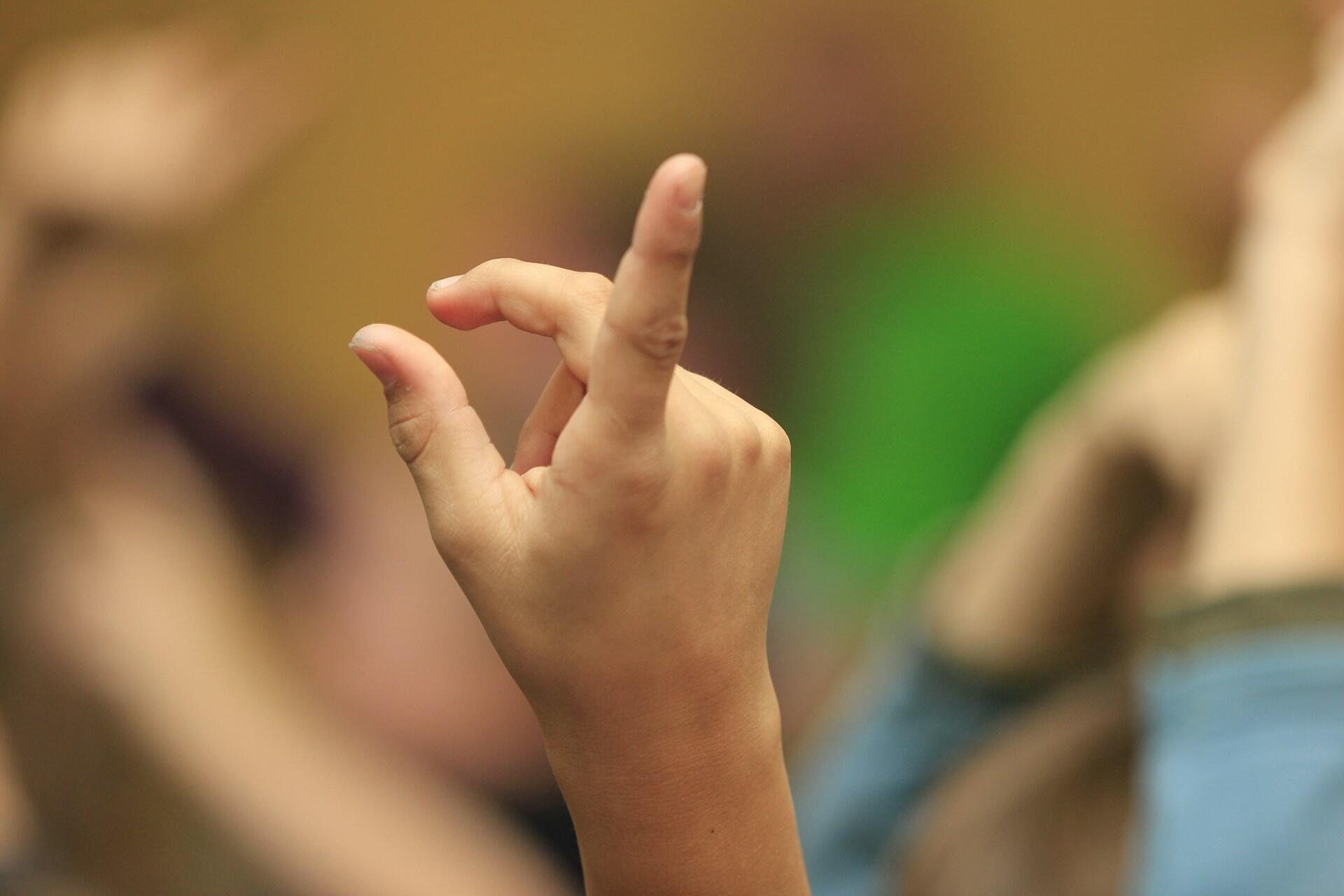

Deaf culture is passed on from generation to generation through NZSL.
New Zealand Sign Language Board / Te Orange Reo Rota
Learning New Zealand Sign Language (NZSL) is more than just picking up a new way to communicate; it's a way to connect with New Zealand's Deaf community and to use one of the country's three official languages. NZSL carries the culture, history, and identity of Deaf New Zealanders. Here's precisely what it is, how it became an official language, and how you can start learning it.







What Is NZSL?
New Zealand Sign Language is the visual-gestural language (sign language) used by the Deaf community in Aotearoa/New Zealand. It has been officially recognised as one of the country's three official languages since 2006. NZSL is a natural language with its own grammar, vocabulary, and expressions.
official languages. English, te reo Māori, and NZSL.
Unlike other languages, such as English, NZSL is communicated through the use of hands, body, facial expressions, and space. This makes it a rich form of communication that reflects the experiences and identity of Deaf people in New Zealand and those who use the language.

Some wrongly assume that sign languages are simplified versions of spoken languages; NZSL is actually as sophisticated as any other spoken tongue. Sign language can be used to express abstract ideas, tell stories, and engage in everyday conversation just like any other language. This language is not just crucial for Deaf New Zealanders, but also for the children of Deaf parents, interpreters, teachers, and anyone else who uses it to connect with the Deaf community.
NZSL is often misunderstood as a set of hand signals, but it is a genuine language with its own grammar, structure, and cultural depth. Like English or Māori, it evolves and reflects the identity of the people who use it.
A Brief History of NZSL
The story of New Zealand Sign Language ultimately parallels that of the Deaf community in New Zealand in the same way Irish Sign Language is a product of the Irish Deaf community. For many years, especially during the 1800s, signing was discouraged in schools in favour of oral methods. In 1880, the Sumner School for the Deaf opened near Christchurch, but its teachings were based on these oralist methods.
Between the 1940s and 1970s, Deaf pupils signed in secret, especially in dormitories and playgrounds, where they kept the language alive, despite the strict bans against its use. While these bans weren't enshrined in New Zealand laws, and they weren't banned by the state, under the oralist policies, signing was prohibited in deaf schools. Generations of Deaf children were punished or discouraged from signing and were supposed to lipread.
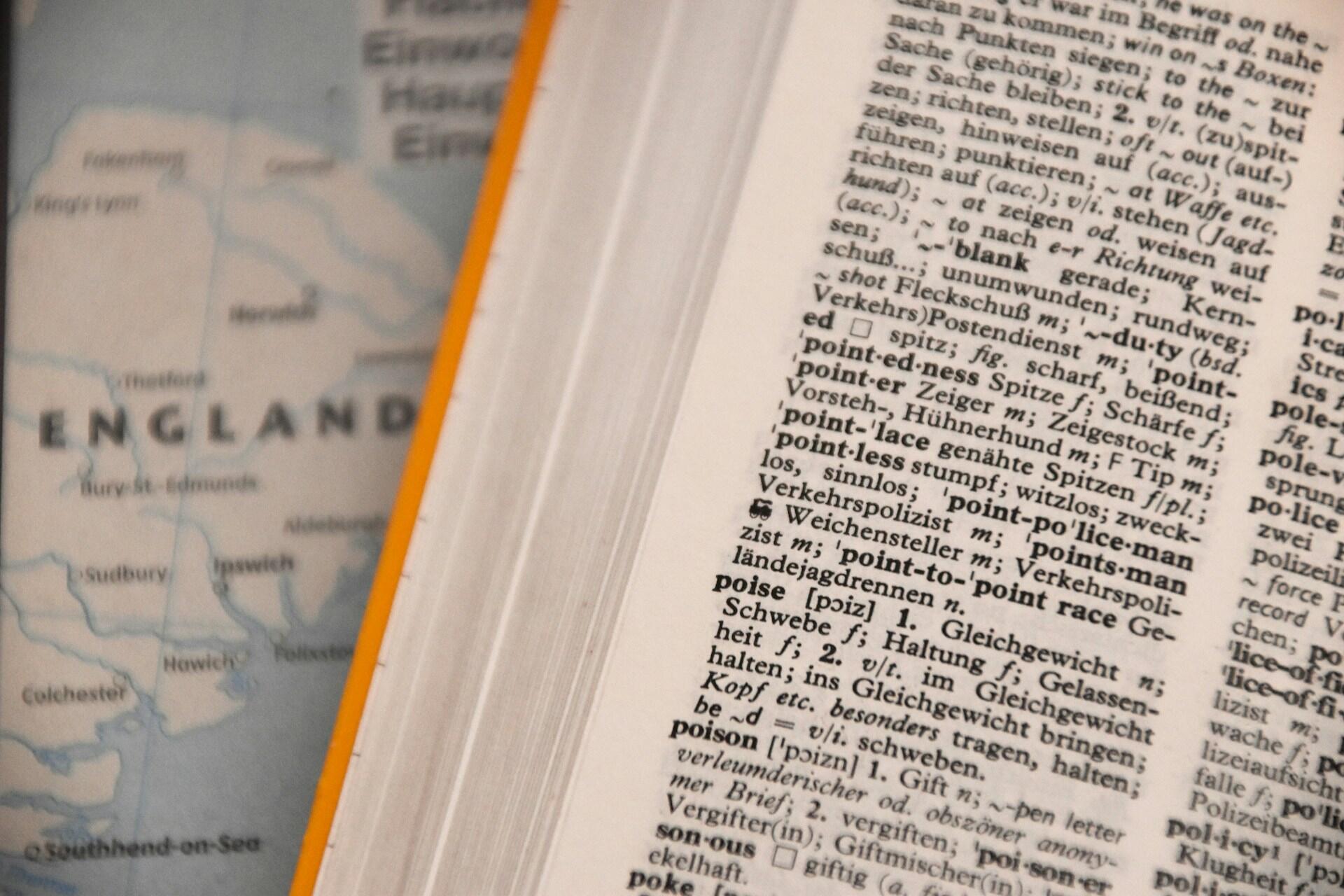
By the 1980s, linguists and Deaf advocates began to study and document NZSL as a language in its own right. The Deaf community continually campaigned for recognition. In 1998, the first NZSL dictionary was published, featuring over 4,000 entries, which provided a standard reference for learners and users of the language. This momentum culminated in the recognition of the language as one of the country's three official languages on 10 April 2006.
different signs when it was published in 1998.
NZSL is now taught in schools and universities. Its official status also means it's used in Parliaments, courts, and other official capacities in New Zealand. Every April, New Zealand Sign Language Week is celebrated in the country.
NZSL’s Development
Late 1800s
Early Deaf Education
New Zealand's first Deaf schools opened, influenced by British teaching methods that discouraged signing in favour of lipreading and spoken English.
1940s–1970s
Secret Signing Among Students
Despite bans on signing in classrooms, Deaf children continued to use hand communication in playgrounds and dormitories, keeping NZSL alive.
1980s
Community Advocacy
Deaf activists began lobbying for recognition, and researchers documented NZSL as a distinct language with its own grammar and vocabulary.
1998
First NZSL Dictionary Published
The inaugural NZSL dictionary captured more than 4,000 signs, providing a foundation for learning, teaching, and formal recognition.
2006
NZSL Act Passed
On 10 April, New Zealand Sign Language was made an official language of New Zealand, ensuring access to interpreters in government, justice, and public services.
2011
Online Dictionary Launched
The NZSL Online Dictionary made thousands of signs accessible through video clips, searchable by handshape, location, or meaning.
Today
Living Language of Aotearoa
NZSL continues to grow, shaped by Māori concepts, Deaf culture, and the next generation of signers in schools, universities, and the broader community.
The NZ Sign Language Alphabet
If you've decided to learn the NZSL, we'd recommend starting with the NZ Sign Language alphabet. The alphabet is used for spelling names, borrowed words, and concepts without established signs. NZSL uses a two-handed manual alphabet, which was inherited from British Sign Language (BSL) and shared with Australian Sign Language (Auslan). You'll notice that it differs from American Sign Language (ASL), which uses one hand to sign the alphabet.
NZSL shares the two-handed fingerspelling alphabet with BSL and Auslan, but has a unique vocabulary influenced by New Zealand culture, Māori concepts, and the local Deaf community's history.
Each letter of the English alphabet is represented by a specific handshape or movement. Some are static signs (like A and B), whereas others involve a motion as part of the sign (like J and Z), just like in Auslan. Fingerspelling isn't used for every word in a sentence. Still, it can help spell out names, technical terms, or new vocabulary that's yet to have a sign.
Absolute beginners should start with the alphabet because it helps them recognise handshapes, improve their dexterity, and begin to understand how NZSL uses space and movement. Start by practising your own name, the names of family members, or short words before you start using the full NZSL vocabulary.
people across the country use NZSL, including Deaf individuals, hearing children of Deaf adults (CODAs), interpreters, and others who learn it for educational, communication, or community purposes.
How to Learn NZSL
The most effective way to learn New Zealand Sign Language is through practice, community involvement, and access to the right resources. After all, NZSL may have originated from British Sign Language, it has since carved its own path, evolving as community members in New Zealand use it. NZSL is a visual and natural language, so the best way to progress is by using it rather than just memorisation.
The NZSL Online Dictionary features over 4,500 entries, accompanied by visual demonstrations. You can search signs by handshape, movement, or meaning, which is excellent for both beginners and advanced learners. We also recommend finding (or making) your own posters and flashcards to help you when you're starting out.
You can find formal courses in NZSL at universities and training providers like AUT and Victoria University of Wellington. There are also community education programmes for NZSL across the country, especially in places like Auckland, Wellington, and Christchurch. Deaf tutors often teach these courses, so you can learn the vocabulary as well as the cultural context of signing and sign language.
There are Deaf social groups and NZSL Week every April. You can reinforce your learning by signing every day, even if it's just using basic greetings, spelling names, or signing common phrases.
Start small with the alphabet and basic greetings, then expand your vocabulary through community classes or online resources. Regular practice with Deaf signers builds confidence and ensures your learning reflects how NZSL is naturally used in everyday life.
Learning Tips and Best Practices
If you want to learn NZSL, you'll have to do more than memorise handshapes. Embrace your new way of communicating. Here are some of the most effective ways to develop your new sign language skills.

Summarise with AI:
Enjoyed this article? Leave a rating!

 Loading...