

The NCEA is a very important stage of education in New Zealand because it's an opportunity for students to test their knowledge through various standards, demonstrate their abilities and meet the prerequisites to enter university.
To validate each NCEA level, they need to earn credits by taking internal and external assessment tests during the year. Depending on the course, they may be required to work on a text, solve problems or express their thoughts on different academic topics in written form.
For standards which they are really good at, students will not only gain credits but also a Merit or Excellence endorsement which will be proof of their educational success. That is why it is important to choose the right NCEA subjects at level 1 and later on.
One particular NCEA course that has lately become very popular among New Zealand students is Maori. As its title indicates that course is dedicated to the Maori language which can be either students' first or second language.
Is learning Maori really useful? The answer is definitely yes. It is a great way for students to develop their mental skills, improve their memory and discover a new way of thinking.
For Maori-speaking students, it can be a great opportunity to benefit from skills they already have and get excellent results on their assessment tests. But that's not all.
Despite being native speakers, they may still need to work on their writing skills and find the best method for themselves to deliver clear and convincing texts.
Learn how to pass NCEA level 1 Maori in our article.
For English-speaking students, the Maori course is a great way to get an introduction to Maori culture and history. Many students find that enrolling in te reo Maori courses greatly enhances their language skills. They can have fun learning Maori and completing the NCEA level 1 standards to gain enough credits.
To take a language course, you don't need any particular equipment at home and can improve your level with the help of books and online resources without incurring heavy costs.



What skills students need to complete Maori standards
Te reo Maori is a school subject whose main goal is to teach students the Maori language and culture. Logically, the exams and standards set by NZQA aim to assess the student's level of speaking and understanding in te reo and their ability to use it in daily life and professional situations.
The year 11 Maori school course in New Zealand mainly corresponds to Maori level 6 determined by the Ministry of Education. At this level, students need to be able to use the language in everyday life and express their opinions on familiar topics.
When they reach NCEA level 1, students are supposed to have learnt the main grammar rules. It is not only necessary to know grammar for NZQA exams and standards but also to make correct sentences in general when using the language inside or outside school.
Another vital element when learning a language is the knowledge of vocabulary. Of course, the vocabulary of a language includes a huge number of words, so no one will require students to learn all of them.
Still, for the successful achievement of the NCEA standards, you should have a good command of the basic words and expressions. You can pick up new words while working on texts or listening to Maori speakers.
Don't hesitate to revise your vocabulary as often as you can during the year to expand it sufficiently before the end-of-year exam.
Learn why NCEA level 1 Maori is important in more detail in our article.
Finally, learning te reo is also discovering the culture that is associated with the language. NZQA standards and exams often include references to cultural issues and New Zealand students should have an idea about them to validate the subject and obtain the credits.
For that, NCEA level students can spend some time reading history books and magazines. That will help them get more interested in the subject and they can use the knowledge they'll pick up in the exam.
Like in other subjects, making an additional effort is always appreciated by the teacher, so you will be more likely to get Excellence endorsements.
How to prepare for your NCEA Maori standards
As the NZQA assessment exams get closer, students often start worrying about their credits and results. The only way to ensure your achievement of good grades is to revise te reo and it's better to start to work as early as possible.
Of course, te reo is a rather vast subject and there are a lot of words and grammar rules you may not need to validate year 11. So, it is very important that you thoroughly plan your revision and only work on topics that are relevant to the school standards.
One option you have for that is to go through your course notes and spot the sections you don't master well to develop the right qualifications. Another option is to have a look at the past NCEA level 1 papers to get an idea of what can be held in store for you.

Work with the past NCEA papers in an efficient way
As you can imagine, NCEA exams change from one year to another, so students are very unlikely to be given the same tasks as their predecessors. Still, past papers are very useful to get familiar with the kinds of exercises that can be assigned.
The number of past papers you can put your hand on is usually limited, so it's better to use them cleverly. For example, if you download the assignments from a previous exam and simply read the key, you may well pick up some new information but you will not get any training.
By contrast, if you do all the tasks from the exam yourself and then compare your answers with the right ones, you will surely gain much more.
As a result, it is better to start solving past NCEA papers only when you have revised your main course and have all the basic knowledge for the exam.
The past papers are an opportunity to put your qualifications into practice and get ready for the very particular tasks that will be included in the real exam at the end of the year.
Work on past papers with a personal tutor
A student in New Zealand may need to revise quite a lot to complete each standard with Merit or Excellence endorsements. To organise their revision in a cleverer way, they can familiarise themselves with the NCEA requirements and then use past NCEA level 1 papers to improve their qualifications.
If some assignment seems especially difficult to them, they can get in touch with private tutors. A private tutor can assess the student's level of knowledge, analyse their mistakes and help them deal with challenging tasks.
When it comes to te reo assignment, a private teacher can be particularly helpful because language is not an exact science. Their professional point of view can bring the student a lot of insights and help them deepen their understanding of the tasks.
To deal with NCEA tasks with success, students may need to work on a variety of topics and skills, such as grammar, vocabulary, understanding of texts, analysis of information as well as writing and speaking.
The school course may not draw enough attention to some of those because of limited time and crowded classrooms. A tutor, by contrast, can focus on the student's personal difficulties and provide them with tailored help.
Find out more about the NCEA Maori syllabus in our article.
Students are allowed to ask their private tutors all kinds of questions about te reo and suggest exam tasks they would like to spend more time on.
The tutor will explain the exam requirements in an accessible way and help the student develop the right qualifications to meet them. A motivating course will make their training on past papers more effective and they will be much better prepared at the end of the year.
The qualifications acquired during year 11 will equally come of use at the following NCEA levels and when the student finally enters university in New Zealand.
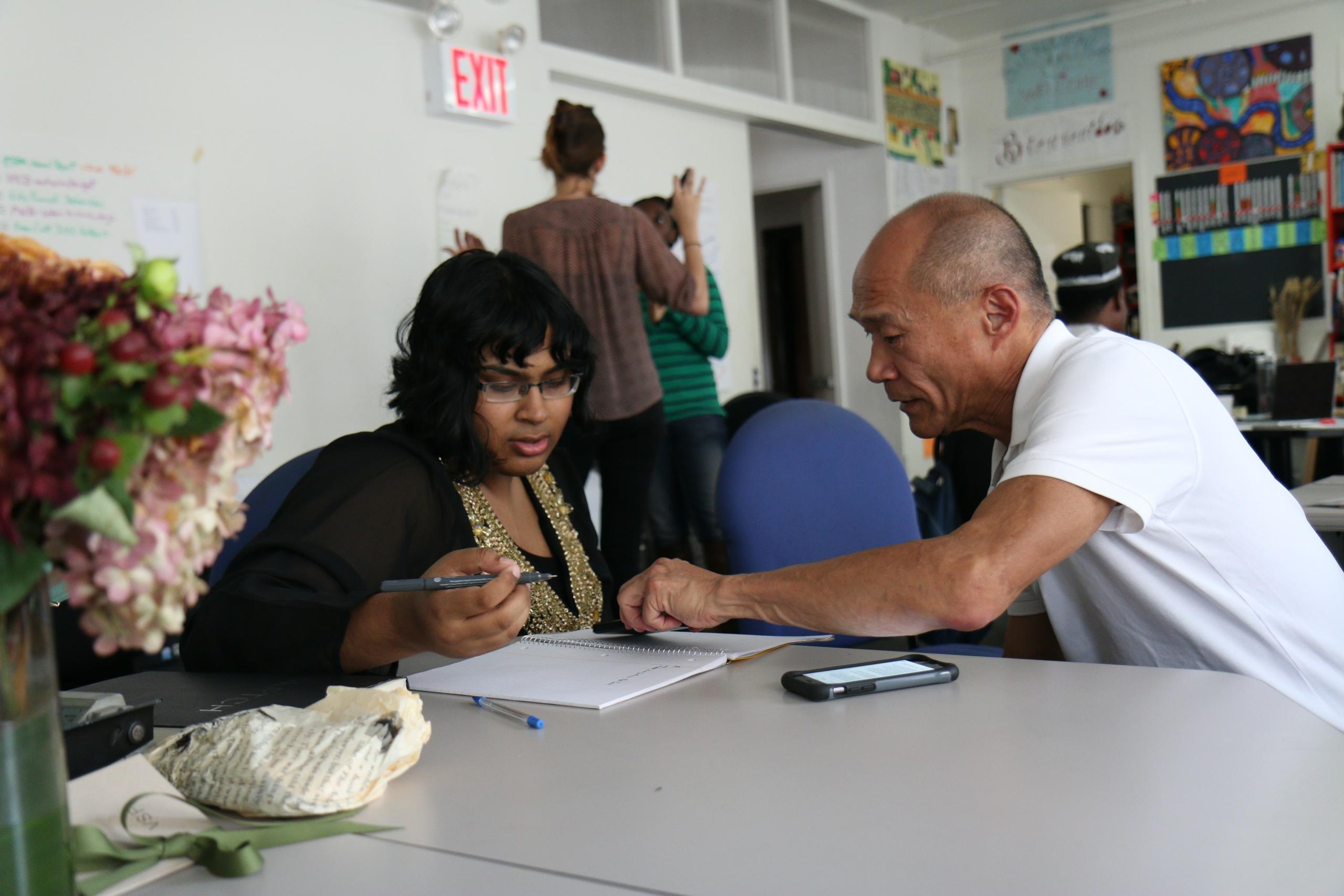
Find the perfect Maori tutor on Superprof
A good Maori tutor can completely change the student's learning experience but how to find the right teacher for you in New Zealand? The tool you need for that is Superprof.
On Superprof, you can search for tutors by subject, location, price and other criteria, get information about their courses, contact them directly via chat and browse through other users' reviews to make yourself a better idea of each teacher's services.
There is more information on NCEA Maori standards in our article.
What's especially good about the Superprof platform is that most of our tutors offer their first lesson for free. Thanks to that you can get to know them closer before making any decision and even try out lessons with several professionals.
Once you are sure that you've found the right person, you can start working on NCEA level 1 assignments to ensure your future academic success.
Summarise with AI:
Did you like this article? Leave a rating!

 Loading...