
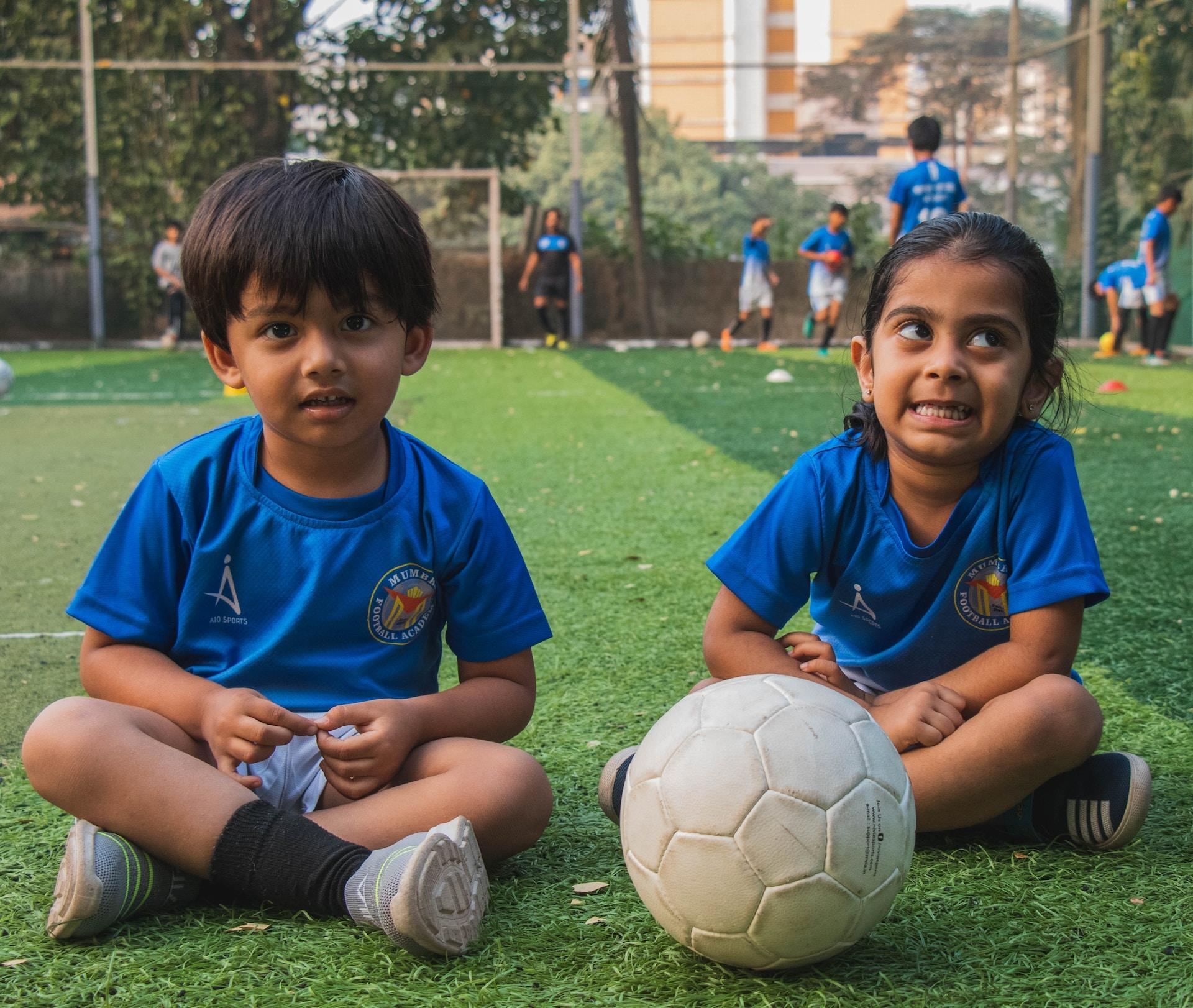

From the second they draw breath, children start learning. They're not conscious of their intel-gathering activities; instinct drives most of their early discoveries. But it's 'done once, forever remembered' for infants. That's what makes children's early cognitive growth so phenomenal.
By the time a new human has three years of life behind them, most can walk and talk. They have their preferences and are vocal about being denied them. Some even strike for independence, insisting on choosing their outfits and dressing themselves.
Signing kids up for soccer lessons as young as three years old turbocharges their cognitive development. The formative years, from infancy to eight, are when a child's brain development is exponential. It's when they make their greatest intuition leaps and build reasoning skills.
Kids learn other skills when they learn how to play soccer, too. They learn how to be a team player and develop empathy. They master gross motor skills like kicking, running and jumping. They develop body-eye coordination and hand-eye coordination.
And they cultivate self-esteem. Being a part of a team is the best way to avoid uncertainty and anxiety in other areas of their lives, like when school starts. Your child won't stress over being liked and accepted, they already have acceptance. Anyway, losses on the soccer pitch already taught them how to be resilient and rise to challenges.
All of these are great reasons to find a soccer teacher and sign your kids up for soccer lessons. But which lessons should you sign them up for? Superprof delivers this guide to help you find the best soccer lessons for kids around Australia.


Football or Soccer Lessons for Kids?
Before we get started, we have to clear up some confusion about this sport's name. In most parts of the world, soccer is called football, especially at the professional level; Association Football, to be exact. The United States (US) is an exception. There, football is a contact sport played with an oval-shaped ball and the players wear lots of protective padding.
The rest of the world calls soccer football. It makes sense because players use their feet to move the ball; only the goalkeeper uses their hands. If a soccer player's hand touches the ball, they may incur a penalty. Heading the ball is allowed; that means striking the ball with your head.
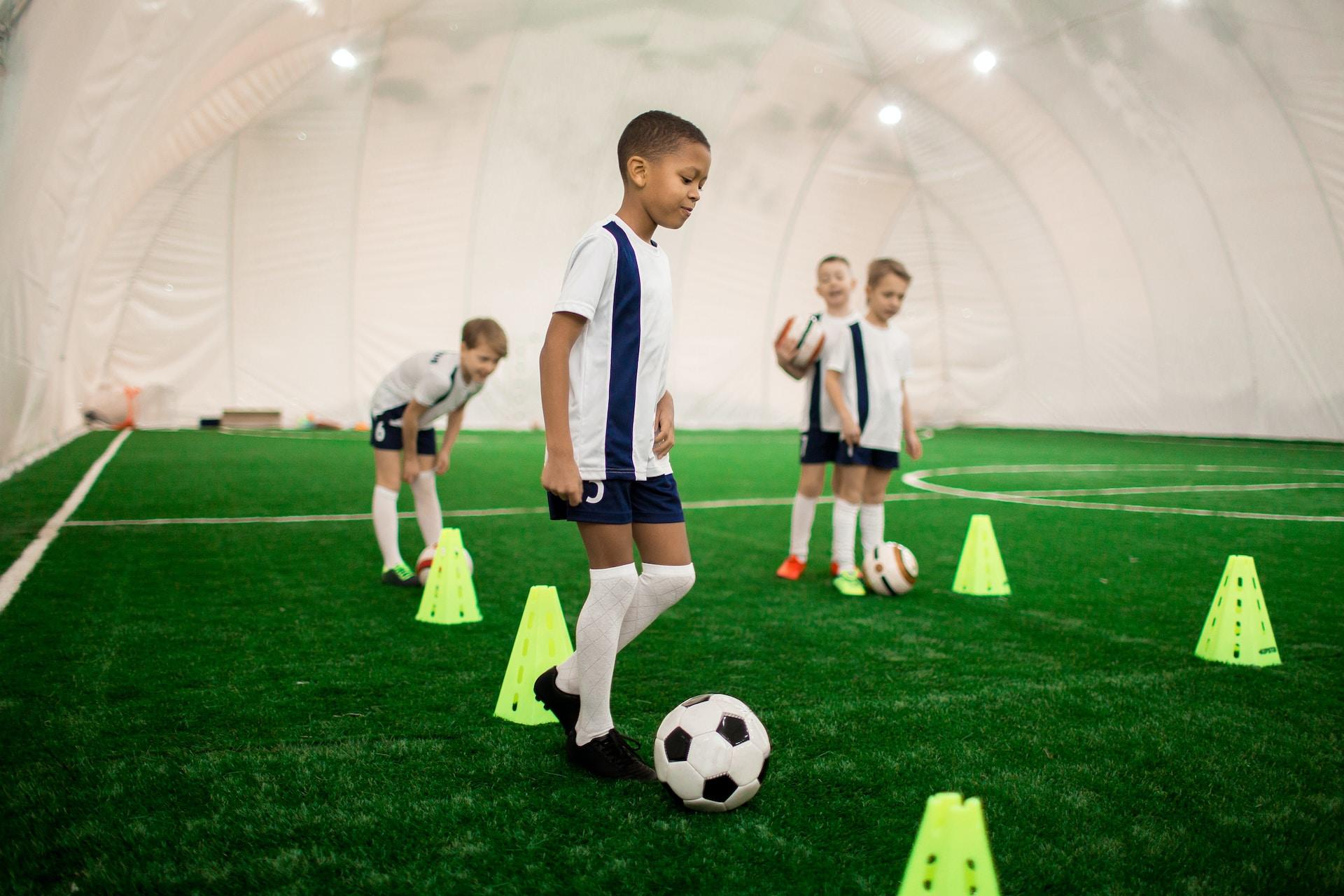
In Australia, 'football' is synonymous with one sport: Aussie Rules, Australian Football - our national sport that is unique to us. We use 'soccer' to identify Association Football from all the other types of football we play. Calling kids' football 'soccer' makes things even easier, considering how much more confusing things get.
In Australia, we're not yet fully onboard with the Association Football craze that's gripped Europe for more than a century. So we import most of our coaches, who may slip up and call the game they coach football - or worse, footy. And things get even hairier when your child matures and advances as a player. Most soccer associations in Australia are called football associations.
Things would be a lot less confusing if we could just settle on one name and go forth from there. Of course, we wouldn't have to do these mental gymnastics if we were talking about soccer lessons for adults. Grownups can figure these things out; for kids, it's just so much splitting of hairs when all they want to do is have fun and kick a ball around.
Going forward, this article describes soccer lessons, that use an Association Football-type round ball and targeted at kids. You needn't fear being misled when you contact these outlets to schedule soccer lessons for your kids. But it shouldn't matter much; your child will cultivate most of the same skills regardless of which style of football they learn.
Franchise Soccer Lessons for Kids
Australians got their first taste of soccer in the 1870s but, as noted above, soccer is not our nation's most popular version of football. Thus, you're more likely to find that local initiatives coach other sports. That's why you might consider commercial lessons from a franchise outlet.
These brands operate across Australia and their fees vary from state to state. You may also have to pay extra for uniforms and other sports-related necessities. To keep things simple, we present these companies' highlights and what they have to offer but leave off pricing and conditions.
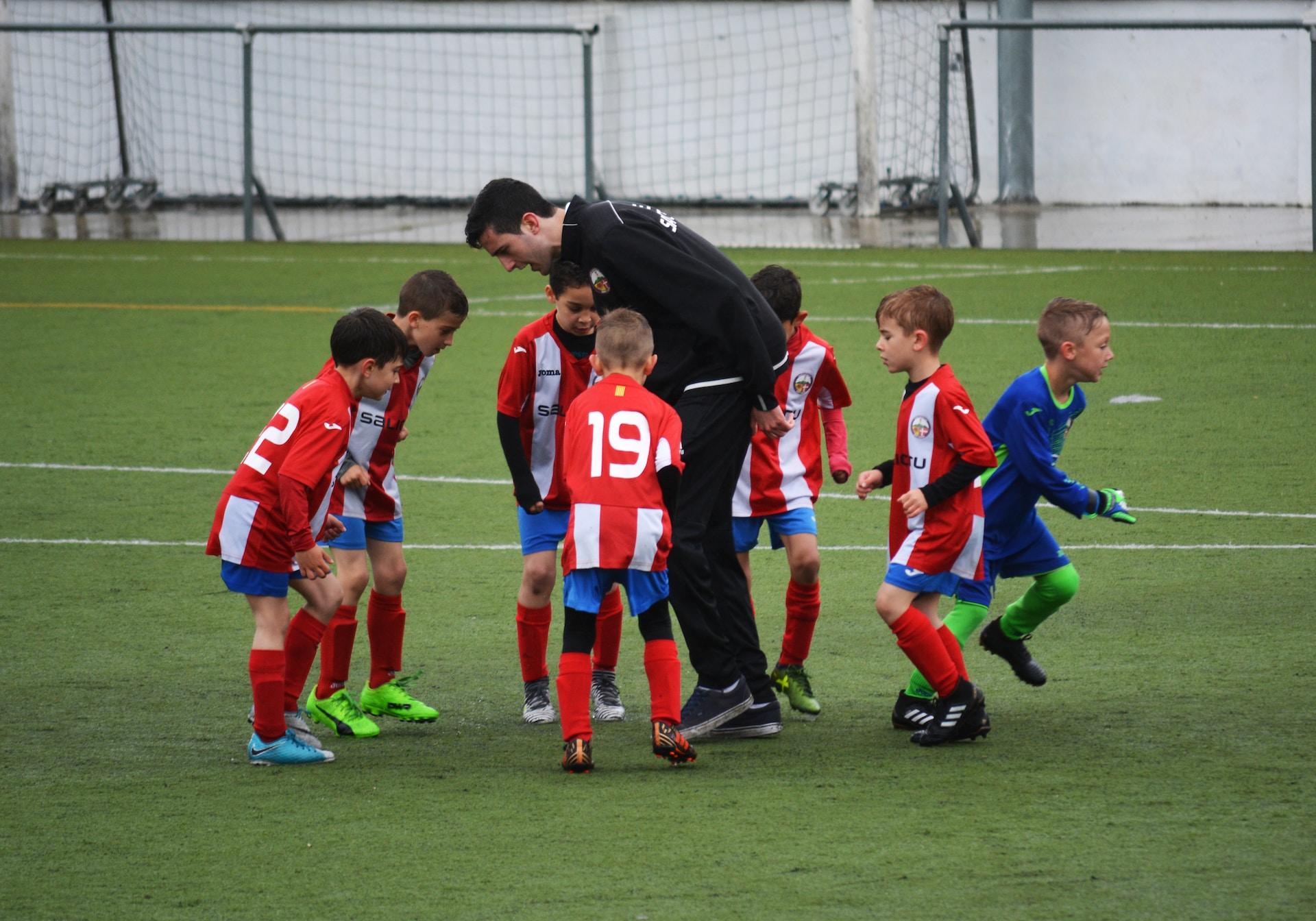
Soccajoeys
Established in 2007, Soccajoeys offers soccer lessons to kids as young as three in all Australian states except for the Northern Territory and Tasmania. They divide their program into four stages, starting with Minis (2.5 to 3 years old). At this level, the focus is on learning social skills and teamwork. Your child will also build physical skills and strength.
Soccajoeys' Preschool program is their most popular. It welcomes players aged 3-5 to their indoor skills classes. During each one-hour lesson, the coaches focus on developing players' cognitive skills while reinforcing social and physical skills.
The Junior stage is for kids between six and eight years old. At this level, soccer training begins in earnest. The coaches continue to reinforce the skills learned at lower levels while introducing aspects of the game, including strategy and technique.
Their Junior program is so successful that they've built onto it. The Premier stage sees soccer players aged 9-11 further develop their soccer skills while advancing all the other skill sets. At this stage, Soccajoeys introduces a touch of competition.
Grasshopper Soccer
This soccer franchise has welcomed players since 1990. They teach soccer skills in a non-competitive environment, focusing on the cognitive and physical benefits of soccer. You can find a Grasshopper franchise anywhere across Australia, including Tasmania.
They designed their Mite-E program with toddlers in mind. Children as young as two will learn balance and coordination, and develop gross motor skills. Each lesson lasts 35 minutes, wherein kids play with a toddler-sized ball to prevent injury. The Pint-Sized level is for four- to five-year-olds; this is when they get a feel for the game.
The Micro stage comprises three levels: Intro to Micro, Micro and Micro+. The Intro lessons are an hour long and meant for kids between five and six. Micro is their most popular program; these lessons are suitable for six- to eight-year-olds. Lessons last for one hour and 15 minutes. Micro+ sees players 8-12 take to the field for friendly scrimmages and to learn ball skills.
Little Kickers
Little Kickers is a United Kingdom (UK) import. Established in 2002 in the UK, this kids' soccer franchise now operates in 27 countries. In Australia, you can find Little Kicker soccer clubs in Melbourne, Sydney, Brisbane, Adelaide and Perth. All of their equipment - balls, goals and more are scaled for age and size.
Kickers breaks its lessons down much like the other two franchises do. The Little Kicks group ranges from 18 months to 2.5 years, followed by the Junior Kickers (2.5 to 3.5 years old). Mighty Kickers may be as young as 3.5 years old up to the child's fifth birthday. They then become Mega Kickers.
Little Kickers goes beyond cultivating cognitive and physical skills. These coaches also dabble in academics, playing with colours and numbers as they coach the kids to develop ball skills and soccer technique.
Private Soccer Lessons for Kids
All the noise and activity that mark kids' soccer lessons might be too much for a neurodiverse player, and a wheelchair player may be completely left out. In all of our ramblings, we were unable to find a soccer club offering lessons to all-abilities players. That doesn't mean you'll find no such lessons, though. You might ask around your network - and maybe share what you find with us?
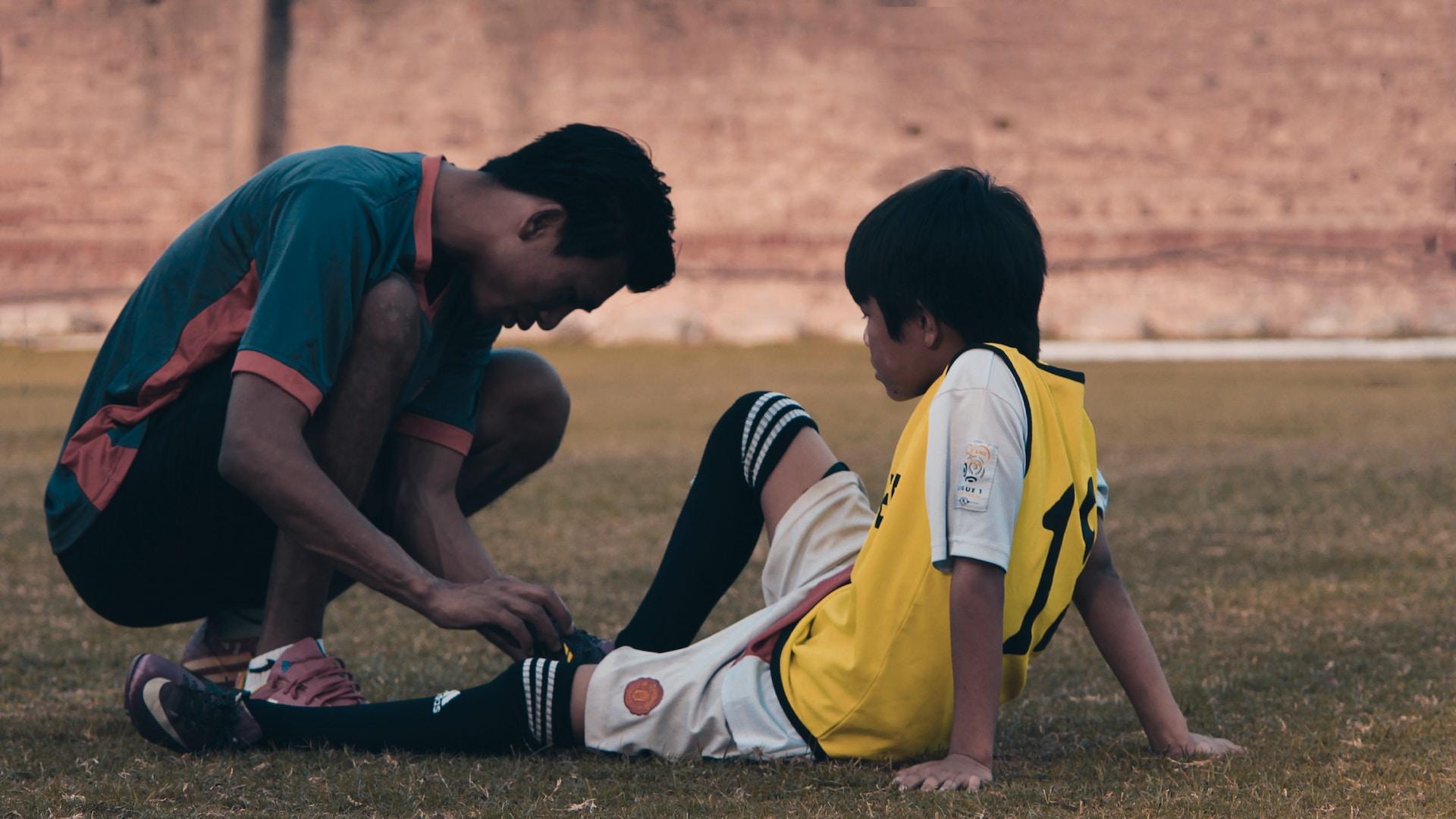
Soccer is a team sport but you might have your reasons for preferring private soccer lessons for your child. All around Australia, private soccer coaches specialise in soccer skills-building, one player at a time. You just need to know where to find them.
Look no further than Superprof! On the Superprof platform, you only need to select your location to find all the Superprof soccer coaches in your area. For instance, if you're in Sydney, you might learn how to play soccer with Francesco or Aled. Both have impressive histories with the sport; Aled is an English Academy soccer coach.
In Perth, Matei teaches players aged 4-16 at the Matei Football Academy. In case you were wondering... Yes, Matei Centrhi, the professional football player from Slovenia, recently relocated to Perth and became a Superprof. Or you could learn technique and strategy from Shaz, who is also a former professional football player.
Across Australia, Superprof soccer coaches pick up where franchise and community clubs leave off. Your child can learn how to play soccer with lessons structured around their needs and abilities at a price you can afford.
Even if you've enrolled your child in a soccer club, they would benefit from a Superprof coach. Your little soccer player will thrive not just because of the one-to-one guidance but also from the mentoring your Superprof soccer coach provides.
Find an amazing soccer training program with a qualified coach here on Superprof!
Summarise with AI:
Did you like this article? Leave a rating!

 Loading...
