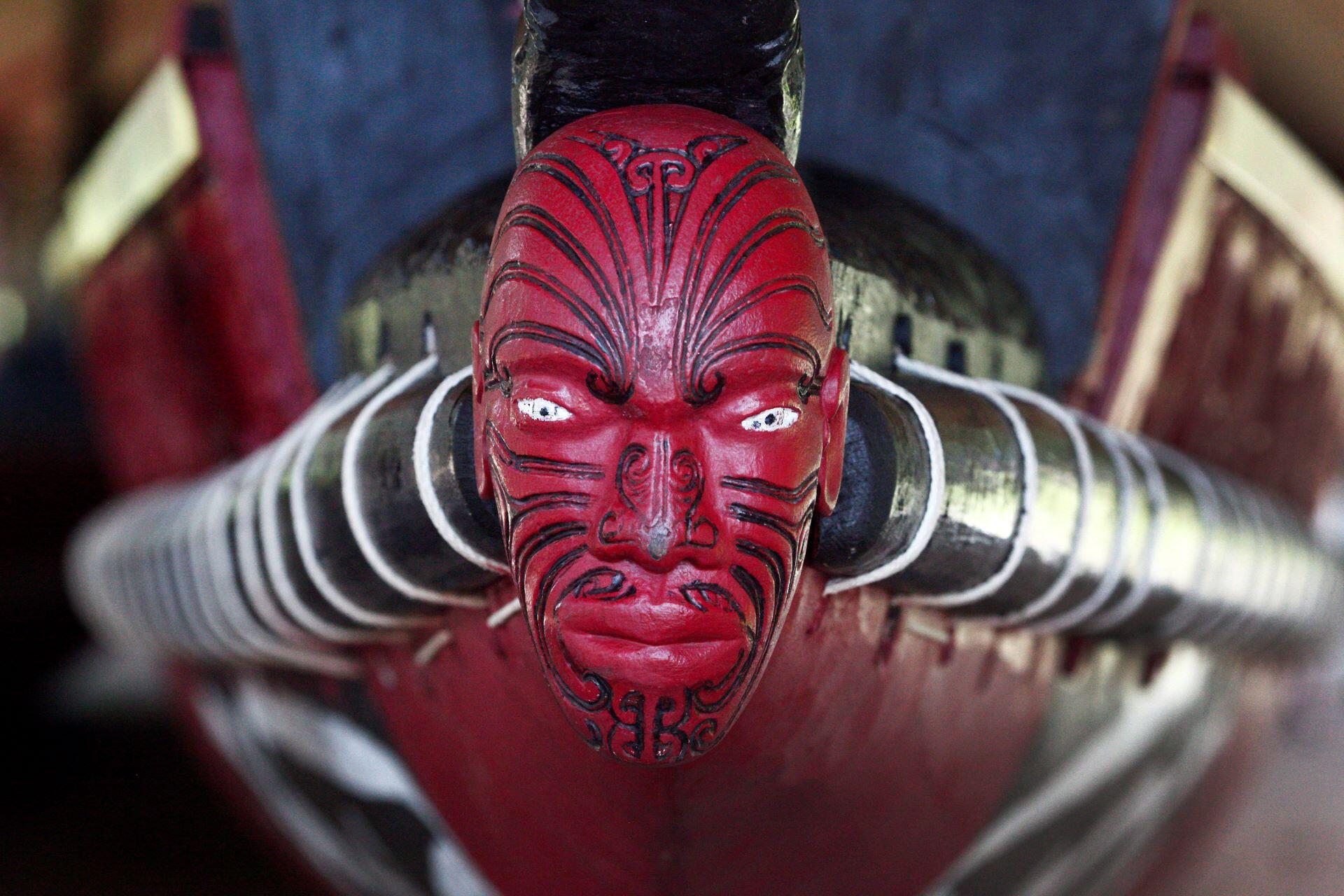

There are Māori waiata specifically for kids and they're a really fun and interactive way to teach children about Māori cultural values, the natural world, and te reo Māori (the Māori language).
These songs are popular in homes, schools, and Māori communities. They inspire young learners while deepening their connection to Māori heritage. With their playful lyrics, simple melodies, and actions, waiata are a fun choice for making learning accessible and enjoyable.
Here, we'll look at some popular Māori for kids, complete with lyrics, links, and videos.


E Rere Taku Poi
This playful and interactive waiata introduces children to the traditional Māori poi, a ball on a string used in dance performances.
This is a great song for young learners as the lyrics and rhythmic melody are easy to follow and can be performed with a poi.
E rere taku poi (Swing, my poi)
Ki runga, ki raro (Up and down)
E rere, ki ngā taha e (Swing to the sides)
E rere taku poi e (Swing, my poi!)
E Rere Taku Poi is a fun and engaging waiata that combines music, movement, and cultural learning.
Mōtoka (The Car Song)
This is a lively waiata about motoka (cars) with a lot of movement-related vocabulary. It has an upbeat rhythm and simple structure and it's great for teaching children about vehicles.
The song is about travelling in a car with basic te reo Māori words describing the car's journey.
Mōtoka, mōtoka (Car, car)
Rere ana (Going along)
Kia tere, kia tere (Go fast, go fast)
Rere ana e (Moving along)
Mōtoka is a fun and energetic waiata that connects language learning with everyday life.
Ngā Whetū (The Stars)
Ngā Whetū is a waiata that introduces children to the stars (whetū). This is a calming song that's great for bedtime routines or creating a peaceful atmosphere.

Ngā whetū i te pō (The stars in the night)
Kōnei ngā whetū (Here are the stars)
E tiaho mai nei (Shining brightly here)
Hei arataki mō mātou (Guiding us forward)
Ngā Whetū is a beautiful waiata that nurtures a connection to nature while providing a moment of calm.
Anei Ra Ngā Tamariki
Anei Ra Ngā Tamariki is a lively and energetic waiata. It celebrates the joy and playfulness of children (ngā tamariki). Thanks to the upbeat rhythm and engaging lyrics, this is a popular waiata for school and community performances.
Anei rā ngā tamariki (Here are the children)
E oma, e katakata (Running and laughing)
Kia kaha, kia toa (Be strong, be brave)
Kia tū hei rangatira (Stand tall as a leader)
Anei Ra Ngā Tamariki is an uplifting waiata that inspires confidence and celebrates the joy of being a child.
Tohorā Nui (Big Whale)
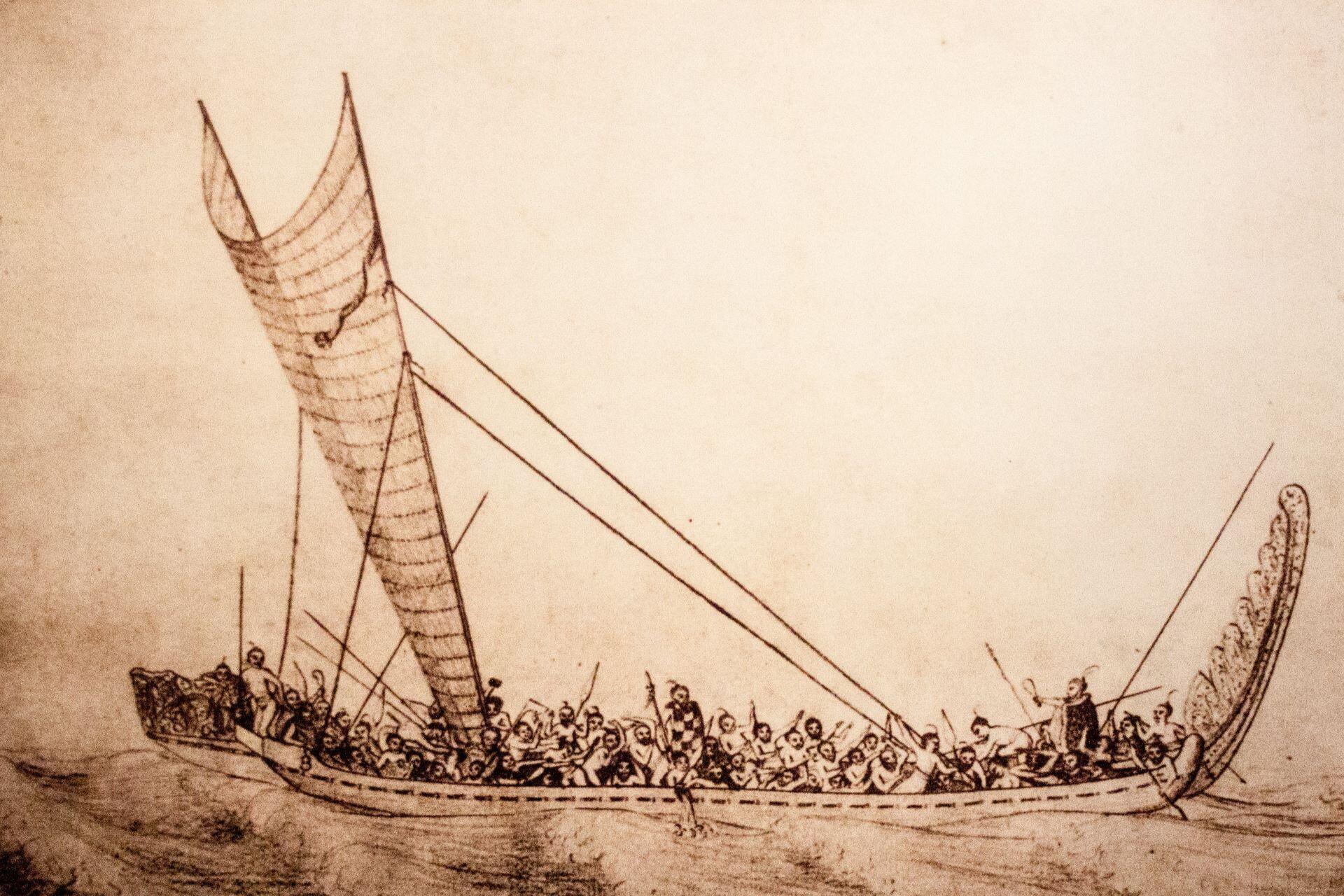
Tohorā Nui is a nice waiata about the majestic tohorā (whale). This is a significant creature in Māori culture, and this song is great for kids who love animals.
The song is about the strength and beauty of the whale, and encourages children to appreciate it and respect nature. There's also some good te reo ocrean vocabulary in this one.
Tohorā nui (Big whale)
I te moana (In the ocean)
E kau ana (Swimming along)
Kia kaha, kia tū (Be strong, stand tall)
Tohorā Nui is a fun and educational waiata that connects children to the wonders of the ocean and Māori culture.
The Role of Waita in Teaching Kids about Māori Culture
Just like traditional musical instruments, waiata are a key part of Māori musical culture. They're a bridge between generations through which you can pass down traditions, values, and language.
For children, waiata are a fun and playful way to learn about all of this while also learning te reo Māori and more about Māori heritage.
These songs are more than just simple entertainment; they're vehicles for education, meaningful connections, and Māori identity.
Preserving Te Reo Māori
Waiata can help preserve the Māori language by teaching the next generation of te reo speakers important words, phrases, and themes central to Māori culture. As you've seen, these waiata cover both traditional and modern experiences and vocabulary.
Repetition is also a great way to learn languages, and kids will be more confident in te reo Māori if they learn it in a fun way.
Cultural Storytelling and Values
The lyrics of waiata are an important way to pass down cultural knowledge and values. Children can connect with the stories and values key to Māori identity like aroha (love), whakapapa (genealogy), and respect for the environment. For example:
- E Rere Taku Poi teaches about the traditional poi dance, a symbol of Māori artistry and skill.
- Tohorā Nui highlights the whale’s cultural significance as a guardian of the sea and a symbol of strength.
Interactive and Inclusive Learning
The fact that waiata are interactive makes them much more effective learning methods. Many of the waiata for children include actions like swinging a poi or imitating a car's movements.
This can bring the lyrics to life and, in very young children, develop their motor and language skills.
Through waiata, children don’t just learn the language—they experience the heart of Māori culture.
Why Kids Love Waiata
Waiata are popular with children as they're both entertaining and educational. Complete with playful melodies, repetitive structures, and interactive parts, kids can engage with waiata in ways that a lot of other learning approaches can't offer.
Simple and Fun Lyrics
Waiata are often short and repetitive songs which young learners find easy to remember and even easier to enjoy.
The songs tend to feature relatable themes and concepts so that children can master the words, which is great for learning te reo.
Interactive Movements
Waiata often incorporate actions. This makes them more memorable and effective learning tools for different types of learners.
- In E Rere Taku Poi, children swing a poi in time with the rhythm, developing coordination and rhythm.
- Anei Ra Ngā Tamariki encourages running, laughing, and pretending to lead like a rangatira (leader), fostering self-expression and physical activity.
Waiata captivate children by blending music, movement, and meaningful stories, creating a learning experience they truly enjoy.
Tips for Using Waiata at Home or in School
If you've decided to incorporate waiata into your home or are a teacher looking to use them in school, they're an excellent tool for learning te reo.
Here are our top tips for using them.
1. Start with Familiar Waiata
Start with the most familiar waiata like E Rere Taku Poi or Mōtoka. Any waiata with repetitive lyrics are easier for children to remember. You can play a recording or watch a YouTube video together.
That said, for older kids, contemporary Māori music may be more appealing.
2. Incorporate Actions and Props
Movements or props can make waiata more engaging for young learners.
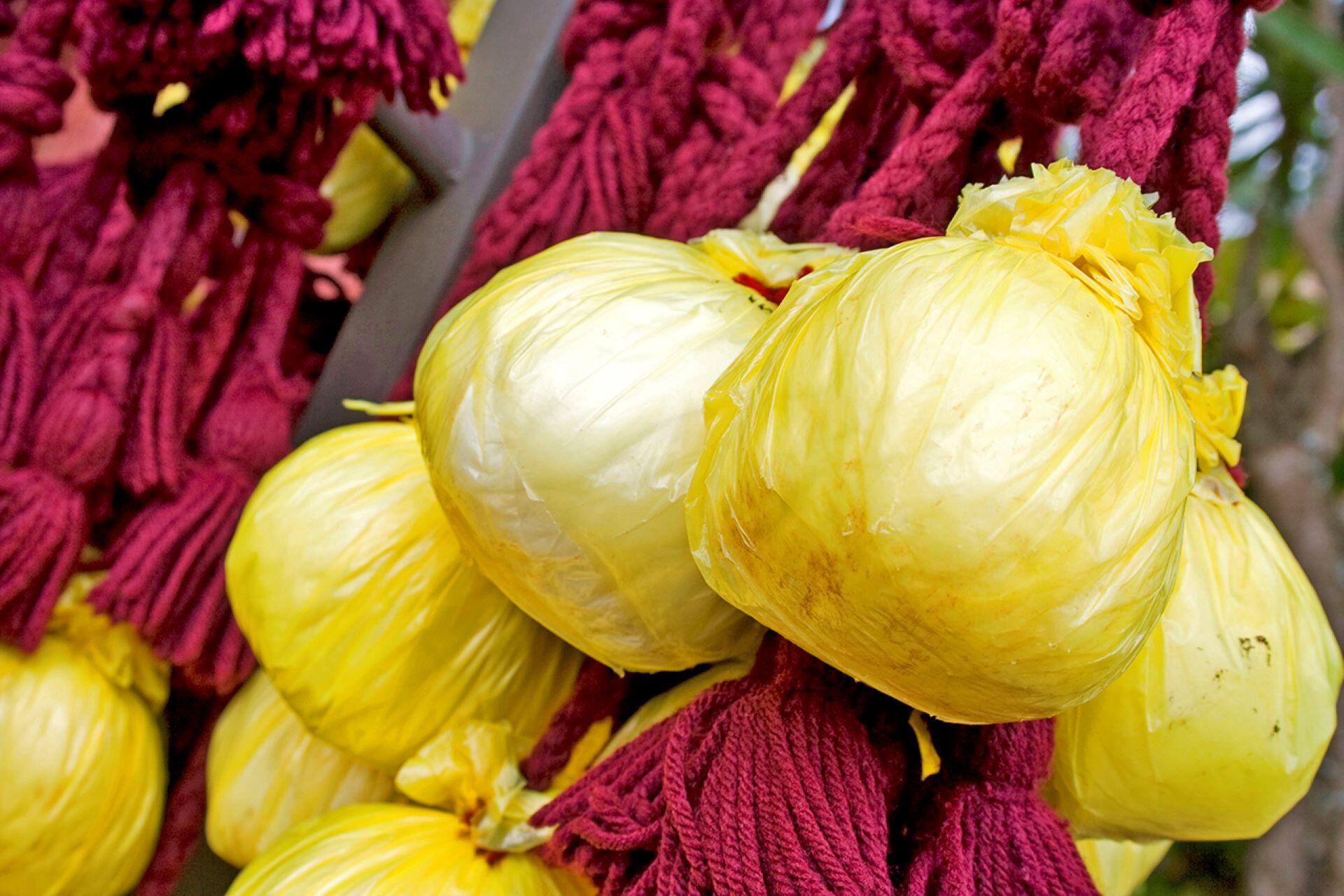
- For E Rere Taku Poi, make or purchase poi for kids to swing while singing.
- During Anei Ra Ngā Tamariki, encourage children to run, laugh, and strike a leader’s pose to act out the lyrics.
- Use a simple steering wheel (real or imaginary) while singing Mōtoka, helping children connect the lyrics with physical activity.
3. Make Waiata Part of Your Routine
Children learn better with structure and are far more likely to benefit from singing waiata if you make them part of your daily life.
- Sing Ngā Whetū during bedtime as a calming lullaby.
- Use Anei Ra Ngā Tamariki for energetic breaks or physical activities.
- Play Tohorā Nui during lessons about marine life or nature.
4. Encourage Participation and Creativity
Waiata are to be enjoyed. Encourage children to add their own actions, sounds, or even verses. The more engaged they are with singing waiata, the more they'll learn from them.
- Ask them to pretend to be other ocean animals alongside the tohorā in Tohorā Nui.
- Let them create hand gestures for Ngā Whetū that mimic the stars shining.
With a little creativity, waiata can become a joyful part of any child’s routine, fostering a love for Māori culture and language.
Learn More about Māori Language and Culture with a Private Tutor
Whether for you or your little ones, a private tutor can help with te reo Māori or waiata. Search for what you want to learn on the Superprof website and browse tutors' profiles.
With many offering the first session for free, you can even try a few potential tutors before choosing the one that's right for you or your children.
Even if you can't find any suitable local tutors, there are tutors all over the world offering online tutoring, which can be just as effective as face-to-face tutoring, especially for learning languages.
Summarise with AI:
Enjoyed this article? Leave a rating!

 Loading...