

For anyone interested in learning Japanese or even just thinking about it, there are plenty of great reasons and it's never been easier to learn Japanese.
In this article, we'll look at why you should learn Japanese, where you can learn Japanese in and around Auckland, and everything you need to know about finding and choosing a Japanese tutor.


Reasons to Learn Japanese
Everybody's different and will have their reasons for learning Japanese. If you already have a good reason and are convinced that you want to learn Japanese, that's great, but for those still on the fence, here's why you should.
Benefits of Learning a Foreign Language
Learning any foreign language comes with plenty of benefits. Everybody should learn at least one foreign language just for the personal, professional, and health benefits.
Your cognitive skills and your memory improve by learning a foreign language. You'll actually become better at certain tasks just because you took the time to learn a language.
Naturally, your communication skills will improve, but not just in the language you learn. By learning a foreign language like Japanese, you'll learn more about communicating and these skills will transfer over into any other languages you speak.
Those who learn a foreign language also become better at problem-solving and empathising with others and even reduce their risk of cognitive decline in later life. Learning Japanese can actually delay or reduce the risk of Alzheimer's!
Discover New and Delicious Foods
Have you tried Japanese food? It's amazing! We're not saying that you'll get free Japanese food in your lessons, but any language is a gateway to the culture and the people who speak it.
By learning Japanese, you'll learn about aspects of Japanese culture, including the food, and will end up with more opportunities to discover and try different Japanese dishes.
Experience Japanese Art and Culture Differently
Food isn't the only part of culture that learning Japanese will help you discover. By learning to speak the language, you'll get to experience Japanese culture and the cultural exports of the country natively.
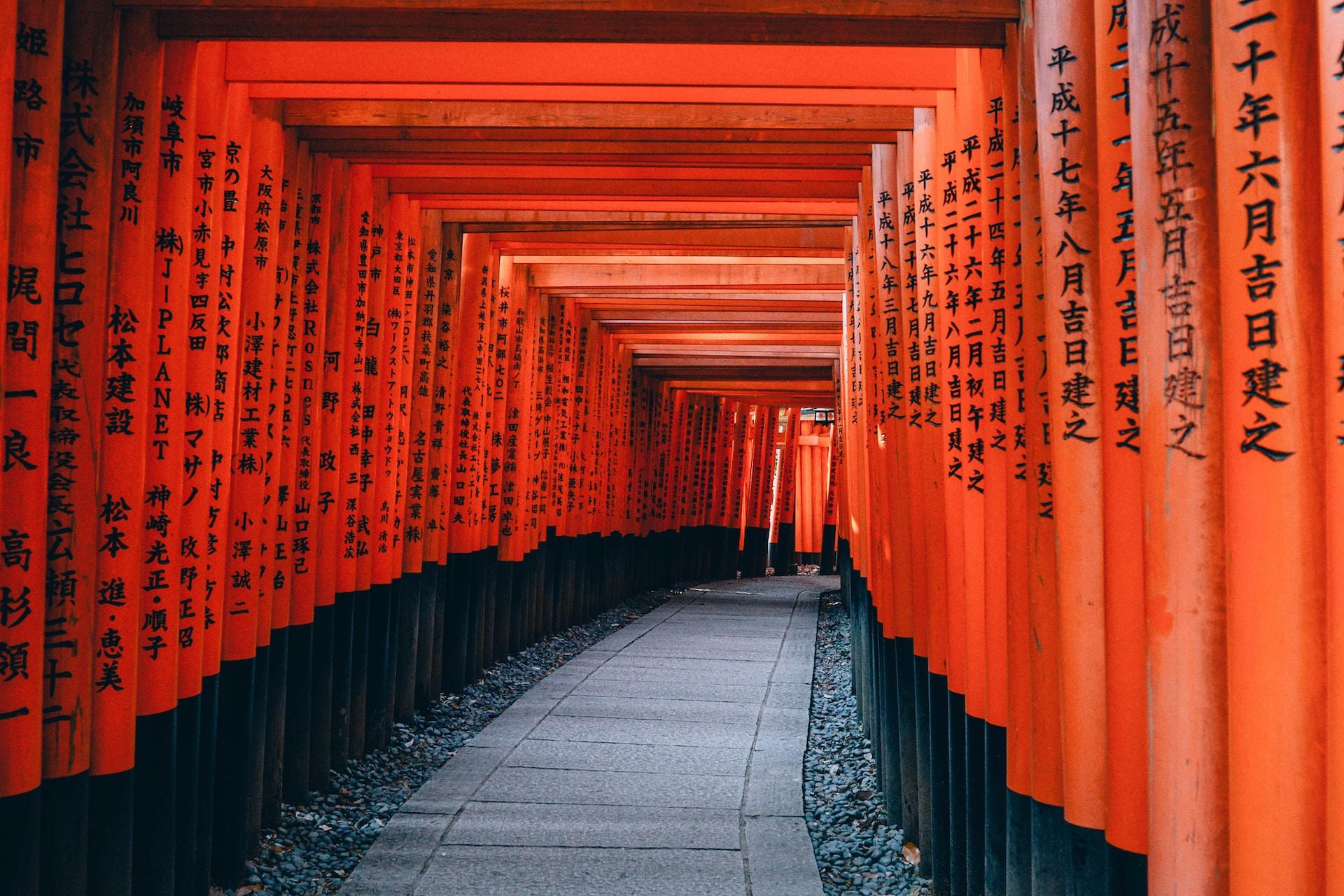
An understanding of the language will help you to contextualise art and media, but it also means that if you enjoy anime and manga, for example, you can watch and read these in Japanese rather than needing translations, subtitles, or dubs.
This isn't to say that the translations are bad, it's just that it's almost impossible to fully capture every aspect of meaning in a translation and it's common for cultural references and ideas to be adapted or changed to make these translations suitable for and more accessible to international audiences.
By speaking the language and understanding the culture, you can enjoy these things in the same way their native audiences do.
Find a Job
Foreign languages make you more employable. For certain jobs, you may need Japanese, but employers will see applicants with foreign language skills as driven problem-solvers with excellent communication skills.
Even if the job doesn't necessarily require you to speak Japanese, foreign language skills always look great on your CV.
Travel to Japan
Last but not least, learning Japanese allows you to travel to Japan. While not a requirement, the level of spoken English is surprisingly low given the high levels of international tourism to the country.
Only a small percentage of Japanese people are studying English let alone speak it to a good level. You'll have a much better time in Japan if you can speak to locals, meet people, and get the most out of your experience there.
We could go on and on about all the different reasons to learn Japanese, but these should be enough to convince you.
Find out more about private Japanese tutoring in Wellington.
Places to Learn Japanese in Auckland
If you live in or near Auckland, you're in luck because you actually have quite a few options for learning Japanese.

We won't list every possible option, but these are your main choices.
Language Schools
A language school is a pretty obvious choice for anyone wanting to learn any language and in Auckland, there are a few choices and some are particularly useful if you're studying for the JLPT (Japanese-Language Proficiency Test).
Euroasia Language Academy Auckland, for example, offers language courses in Chinese, Spanish, French, German, Korean, and many other languages, including Japanese, of course.
For students who learn well in typical classroom environments, especially those who tend to do well in school, language schools are a good option.
Online Platforms and Apps
You can also learn languages with online platforms and apps. For Japanese, there are apps, sites, and plenty of resources like Duolingo, Busuu, Memrise, Italki, LingoDeer, Obenkyo, etc.
While we wouldn't go so far as to say that these apps can make you fluent in a foreign language, every student is different and some will have more success with these resources than others.
DuoLingo is one of the most popular language learning apps and while we don't think that you could use only DuoLingo to learn Japanese, it can be useful for getting to grips with the basics of Japanese and in conjunction with lessons or tutoring, too.
Find out more about private Japanese tutoring in Christchurch.
Language Exchange Partners
For students who've reached a certain level or learn best through practice and speaking the language regularly, language exchanges are a great option.
In a language exchange, you chat with a Japanese speaker who wants to learn English (or any other language that you speak) and you help each other to learn.
For example, it's quite common that for 30 minutes, you'll speak in English and help your language exchange partner with pronunciation, grammar, and vocabulary. After that, you can chat in Japanese and they'll return the favour.
It doesn't matter which language goes first, but the exchange part of a language exchange is that you're helping each other to learn.
These can be quite affordable because it's a quid pro quo so neither student has to pay for it. If you find a language exchange partner through a platform, though, there may be platform fees to consider.
Japanese Cultural Centres
Japanese cultural centres exist to promote Japan, the Japanese culture, and since it's inseparable from the culture, the language. The New Zealand-Japan Society of Auckland, for example, exists to promote Japanese culture within New Zealand.
They offer Japanese language classes to small groups between 4 and 10 adult students. Again, if you prefer learning in a classroom environment, these are a good option and you can find them at the Ellen Melville Centre in Auckland.
Is It Worth Getting a Japanese Tutor in Auckland?
The one option we haven't mentioned yet is private Japanese tutoring. With languages, private tutoring can be one of the most effective ways to learn, especially with one-on-one tutoring.

With just one student or a small group of students, private Japanese tutors can tailor their lessons to the student(s). You can learn exactly how and what you need to know.
Students learning Japanese for work can learn business Japanese whereas those looking to travel can be taught the basics of getting around, ordering food, asking for directions, etc.
Private tutors are generally more expensive than group lessons, but you can find tutors for all levels and budgets and while you certainly get what you pay for, you might be surprised at just how affordable private Japanese tutors can be.
How Much Should a Japanese Tutor in Auckland Cost?
With so many factors to consider when hiring a private Japanese tutor, it's impossible to say exactly how much you'll pay as it depends on what you're looking for, your level, the types of Japanese tutoring you get, and whether you learn face-to-face or online.
The average rate for Japanese tutors on the Superprof website is $33, but you can just as easily find tutors charging more as you can find tutors charging less. Online Japanese tutoring is usually cheaper since they don't have to travel to their students' homes, but there are a lot of factors that can affect the price of tutoring.
Absolute beginners will tend to pay less since they don't necessarily need a tutor with as much experience as students with a high level of Japanese.
How Do I Find a Good Japanese Tutor in Auckland?
Start by asking yourself what you want to learn Japanese for, how quickly you want to learn it, and what your budget is for lessons.
From there, you can start looking for private Japanese tutors on our website and other tutoring sites. It's a good idea to shortlist potential tutors first before you start contacting them and then almost “interviewing” them.
You can also see what the tutors' other students had to say about them and while this isn't the only thing you need to consider, it can help when first starting your search.
A lot of the private Japanese tutors on Superprof offer the first lesson for free so you can try a few different ones out to see if their teaching style is right for you before choosing which one will help you master the Japanese language.
Summarise with AI:
Did you like this article? Leave a rating!

 Loading...