
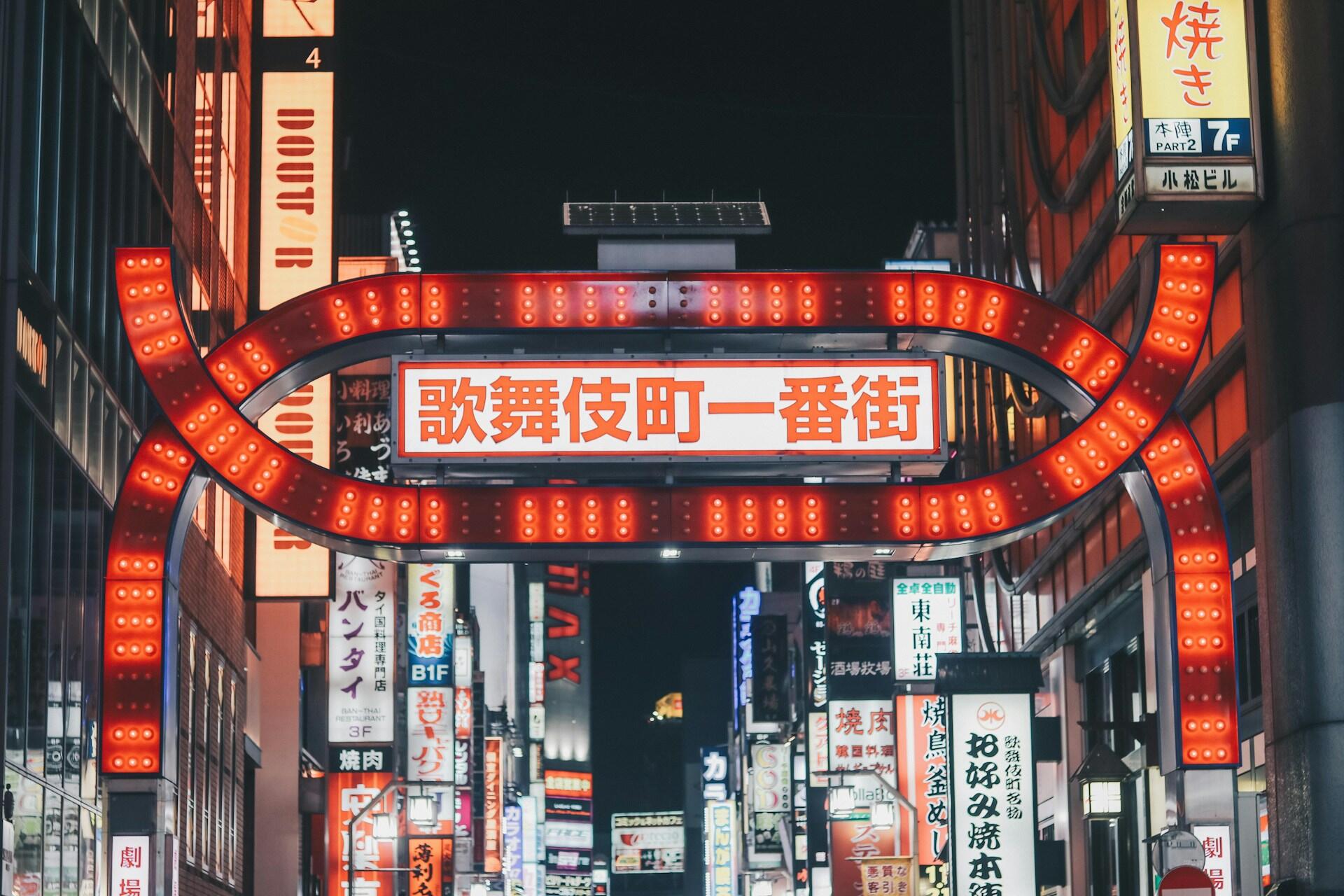

If you're learning Japanese, you'll notice its unique writing system. Unlike English, which uses just one writing system (the Latin alphabet), Japanese uses three distinct writing systems: hiragana, katakana, and kanji.
This may seem like a lot, but you can learn how these characters and writing systems work together, have different purposes, and be represented using the Latin script.
Let's explore the differences, the use of these scripts, and how to best learn them.


Why Does Japanese Have Three Writing Systems?
The first thing you'll find interesting about learning the Japanese language and its alphabet is that it doesn't have an alphabet. Instead, it uses three writing systems: hiragana, katakana, and kanji.
While most languages use one alphabet (or, more accurately, writing system), Japanese combines multiple scripts, each with a unique function and purpose.
So why does Japanese writing use three systems instead of one? It's all down to history, practicality, and language structure!
The History Behind Japanese's Three Writing Systems
Before the 5th century, the Japanese language had no writing system and was just a spoken language.
Chinese characters (kanji) were introduced from China and became the foundation of Japanese writing.
From there, two phonetic alphabets (hiragana and katakana) were developed to match Japanese pronunciation and grammar.
This resulted in Japan using a three-script system, with each writing system having a specific role:
- Kanji (漢字) – Represents meaning-based words, mainly nouns, verbs, and adjectives.
- Hiragana (ひらがな) – Used for native Japanese words, grammar elements, and sentence structure.
- Katakana (カタカナ) – Used for loanwords, foreign names, and emphasis in writing.
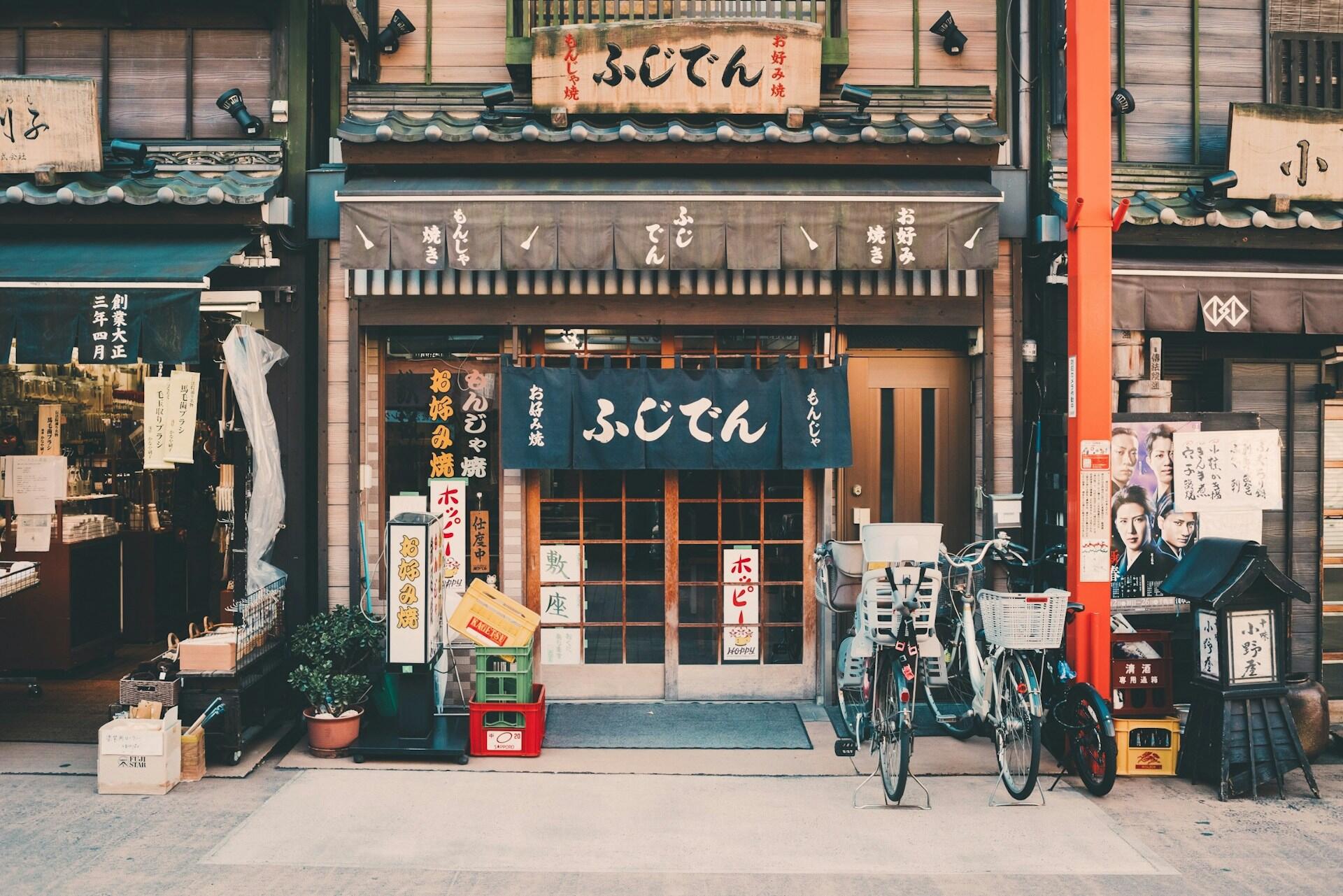
How the Three Writing Systems Work Together
Though English uses the same alphabet for all its words in every sentence, Japanese can mix all three scripts simultaneously.
Take this example:
私はコーヒーを飲みます。
(Watashi wa koohii o nomimasu.) → "I drink coffee."
- Kanji (私, 飲) – Used for meaning-based words (I, drink)
- Hiragana (は, を, みます) – Used for grammatical elements
- Katakana (コーヒー) – Used for the foreign word “coffee”
There are a few advantages to this. For one, Japanese is more efficient and readable. With just hiragana, it would be difficult to parse words. Kanji clarifies sentence structures, while hiragana and katakana aid in pronunciation and word classification.
Hiragana: The Foundation of the Japanese Alphabet
Let's start with the first writing system that you'll likely learn, hiragana.
This is the first writing system that any learner should master because it is a purely phonetic system. Each character in hiragana represents a sound rather than an idea.
It's used for:
- Native Japanese words that don’t have kanji
- Grammar elements like particles and verb endings
- Furigana (small hiragana above kanji to show pronunciation)
- Writing for beginners before kanji is learned
The Hiragana Chart
| A | I | U | E | O |
|---|---|---|---|---|
| あ (a) | い (i) | う (u) | え (e) | お (o) |
| か (ka) | き (ki) | く (ku) | け (ke) | こ (ko) |
| さ (sa) | し (shi) | す (su) | せ (se) | そ (so) |
| た (ta) | ち (chi) | つ (tsu) | て (te) | と (to) |
| な (na) | に (ni) | ぬ (nu) | ね (ne) | の (no) |
| は (ha) | ひ (hi) | ふ (fu) | へ (he) | ほ (ho) |
| ま (ma) | み (mi) | む (mu) | め (me) | も (mo) |
| や (ya) | ゆ (yu) | よ (yo) | ||
| ら (ra) | り (ri) | る (ru) | れ (re) | ろ (ro) |
| わ (wa) | を (wo) | ん (n) |
Hiragana is used in all Japanese sentences, so memorising these characters early is important!
How Hiragana is Used in Writing
Hiragana can be found in almost every Japanese sentence because it's used for grammar and pronunciation.
For example:
私は学生です。
(Watashi wa gakusei desu.) → "I am a student."
- Kanji (私, 学生) → Represents meaning-based words ("I," "student")
- Hiragana (は, です) → Used for grammar and pronunciation
If we removed kanji, the sentence would look like this:
わたしはがくせいです。 (watashi wa gakusei desu)
Hiragana Modifications: Dakuten, Handakuten, and Small Kana
Hiragana has modifications that change the sounds of certain characters:
Dakuten (゛) – Adds a mark to change sounds:
- か (ka) → が (ga)
- た (ta) → だ (da)
Handakuten (゜) – Used only with "h" sounds:
- は (ha) → ぱ (pa)
Small Kana (っ, ゃ, ゅ, ょ) – Used to modify pronunciation:
- きや (kiya) → きゃ (kya)
- いつぱい (itsupai) → いっぱい (ippai, "full")
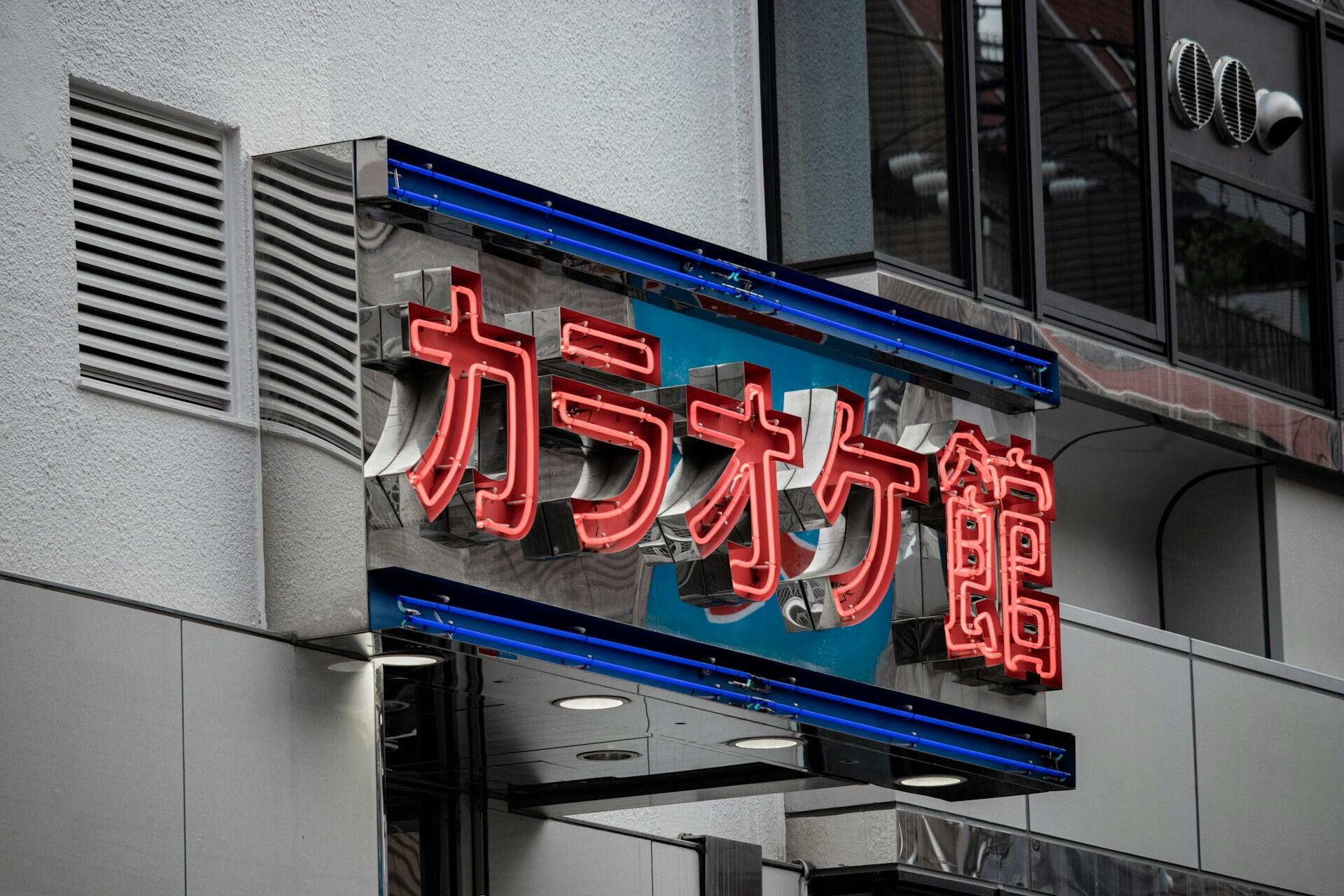
Katakana: The Script for Foreign Words and Loanwords
Hiragana is used for native Japanese words, but katakana is specifically for words borrowed from other languages.
When you see katakana, you'll know that these words aren't native to Japanese and are likely loanwords from other languages.
Uses include:
- Foreign names (e.g., ジョン – John, マリア – Maria). Japanese names are almost always written using kanji.
- Loanwords from English and other languages (e.g., コンピュータ – Computer)
- Sound effects in manga and anime (e.g., ドーン – "Boom!")
- Scientific and technical terms
- Emphasis (similar to italics in English)
Katakana represents the same sounds as hiragana, so there are also 46 katakana characters. You can recognise katakana script as the letters are more angular and sharp.
The Katakana Chart
| A | I | U | E | O |
|---|---|---|---|---|
| ア (a) | イ (i) | ウ (u) | エ (e) | オ (o) |
| カ (ka) | キ (ki) | ク (ku) | ケ (ke) | コ (ko) |
| サ (sa) | シ (shi) | ス (su) | セ (se) | ソ (so) |
| タ (ta) | チ (chi) | ツ (tsu) | テ (te) | ト (to) |
| ナ (na) | ニ (ni) | ヌ (nu) | ネ (ne) | ノ (no) |
| ハ (ha) | ヒ (hi) | フ (fu) | ヘ (he) | ホ (ho) |
| マ (ma) | ミ (mi) | ム (mu) | メ (me) | モ (mo) |
| ヤ (ya) | ユ (yu) | ヨ (yo) | ||
| ラ (ra) | リ (ri) | ル (ru) | レ (re) | ロ (ro) |
| ワ (wa) | ヲ (wo) | ン (n) |
Katakana is often used in advertising and branding to make words stand out visually!
How Katakana is Used in Writing
Because Japan has borrowed thousands of English, Portuguese, and French words, katakana is essential for reading modern Japanese.
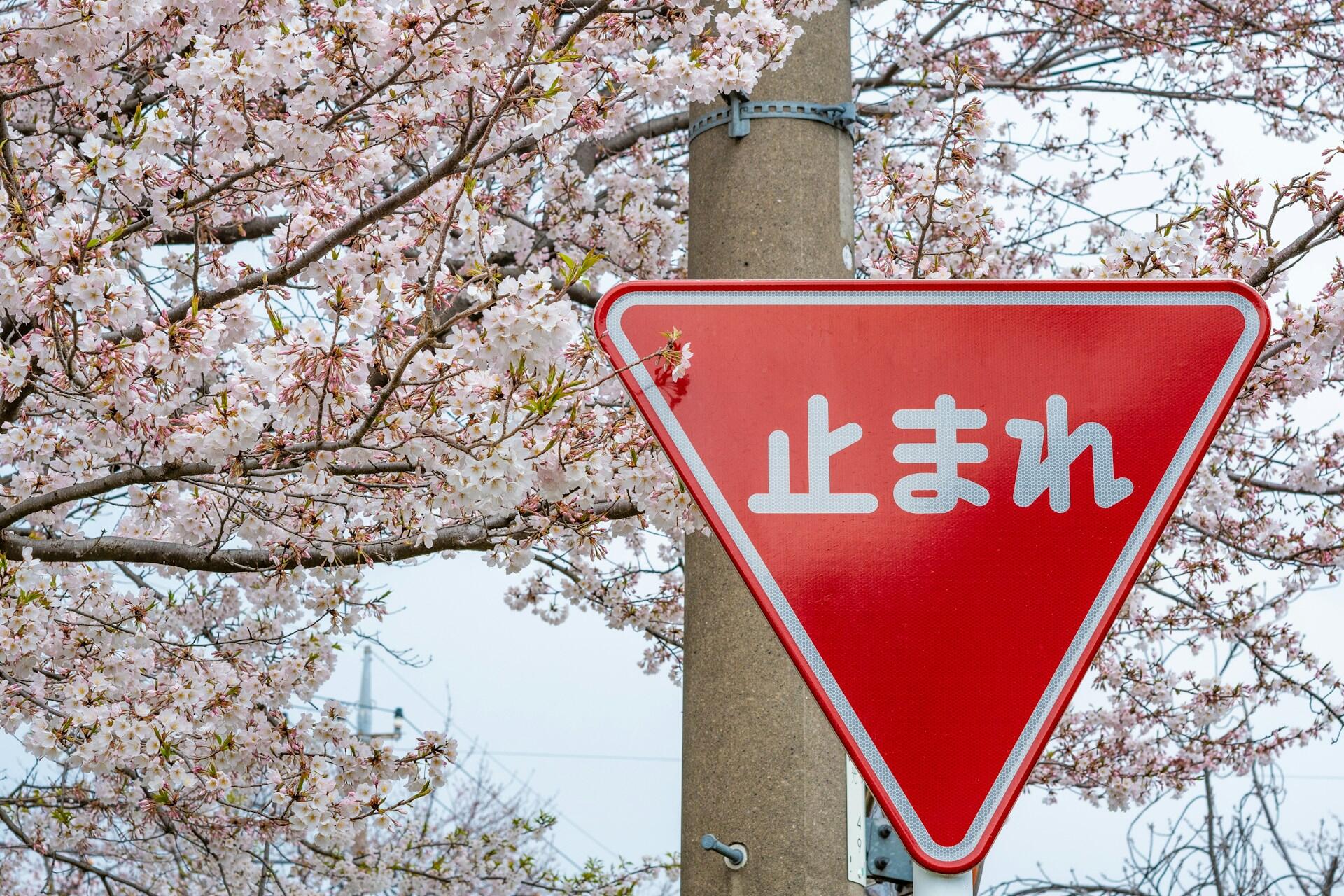
Here are some common katakana loanwords:
- コーヒー (koohii) – Coffee (from Portuguese "café")
- テレビ (terebi) – TV (from English "television")
- パン (pan) – Bread (from Portuguese "pão")
- タクシー (takushii) – Taxi (from English "taxi")
- アルバイト (arubaito) – Part-time job (from German "Arbeit")
Since these words don’t exist in native Japanese, they are always written in katakana.
How Katakana Differs from Hiragana
| Feature | Hiragana (ひらがな) | Katakana (カタカナ) |
|---|---|---|
| Used For | Native Japanese words | Loanwords from other languages |
| Writing Style | Curved, soft strokes | Sharp, angular strokes |
| Example | さくら (sakura – cherry blossom) | コーヒー (koohii – coffee) |
| Frequency | Used in every sentence | Used for foreign words and names |
Kanji: The Chinese Characters in Japanese Writing
Finally, we have the first Japanese writing system, but the last one that you'll probably get close to mastering.
Unlike hiragana and katakana, which represent sounds, kanji characters are borrowed from Chinese and represent full meanings.
It's likely the most challenging part of learning the Japanese writing systems, but it's also the most rewarding.
Kanji is used for:
- Nouns (e.g., 山 – "mountain", 車 – "car")
- Verbs (e.g., 食べる – "to eat", 書く – "to write")
- Adjectives (e.g., 新しい – "new", 大きい – "big")
- Numbers (e.g., 一 – "one", 百 – "hundred")
- Names (most Japanese names are written in kanji)
While there are over 50,000 kanji, only about 2,000-2,500 are commonly used in everyday Japanese. It's recommended that you learn the kanji for the most basic words and phrases in Japanese to get you started.
The Structure of Kanji
Each kanji character has multiple readings, depending on context:
On’yomi (音読み) – Sino-Japanese reading
- Derived from Chinese pronunciation
- Used in compound words
- Example: 学 (がく – gaku, "study" in 学校 gakkou – "school")
Kun’yomi (訓読み) – Native Japanese reading
- The original Japanese pronunciation
- Used when kanji appears alone or with hiragana
- Example: 学 (まなぶ – manabu, "to study")
How Kanji is Used in Writing
Kanji makes Japanese writing shorter and clearer. Compare these two sentences:
Hiragana Only:
わたしはにほんごをべんきょうしています。
(Watashi wa nihongo o benkyou shiteimasu.)
With Kanji:
私は日本語を勉強しています。
(Watashi wa Nihongo o benkyou shiteimasu.) → "I am studying Japanese."
Kanji reduces the length of sentences and makes reading faster and more efficient!
Romaji: The Role of the Latin Alphabet in Learning Japanese
Romaji is when Japanese words are written using the Latin alphabet. Many other languages have similar systems whereby there are rules or conventions for writing non-Latin scripts using the Latin alphabet.
This isn't an official writing system of the Japanese language. It's more of a useful practice for those who don't speak Japanese natively.
For example, romaji is mainly used for:
- Helping beginners learn Japanese pronunciation
- Typing Japanese on keyboards
- Writing addresses, names, and signs for foreigners
- Email and website URLs in Japan
In native Japanese writing, romaji is not commonly used. You should be aware that there are different romaji systems and what each one looks like.
Hepburn is the most widely used romaji system, but there are also kunrei-shiki and nihon-shiki romaji systems.

Which Japanese Alphabet Should You Learn First?
If you're about to learn Japanese, you may be wondering which of the three writing systems you should start with first.
Generally, it's recommended that beginners start with hiragana, as it's used in basic grammar, native words, etc. You'll see it in almost every Japanese sentence, so you can start practising immediately.
From there, you can move onto katakana, which is used for loanwords, foreign names, and technical terms. You can then start reading English-based loanwords in Japanese.
Finally, you can learn basic kanji once you've mastered to two other writing systems. These might include characters for numbers, days of the week, or basic nouns.
Naturally, there is some overlap here. You might start introducing katakana and kanji before fully mastering hiragana as you learn basic expressions.
How to Learn and Practice the Japanese Alphabet
Every learner is different, but there are a few ways to master the Japanese writing systems.
We recommend the following:
- Start with hiragana and katakana.
- Download and use hiragana and katakana charts.
- Write the characters daily.
- Move on to the simplest kanji characters.
- Learn about “radicals” (the smaller parts of kanji characters.
- Read simple Japanese texts like children's books.
- Watch Japanese news and read beginner-friendly manga with furigana.
- Use apps and online resources to practice daily.
- Work with a private Japanese tutor.
- Write in Japanese every day.
Summarise with AI:
Did you like this article? Leave a rating!

 Loading...
