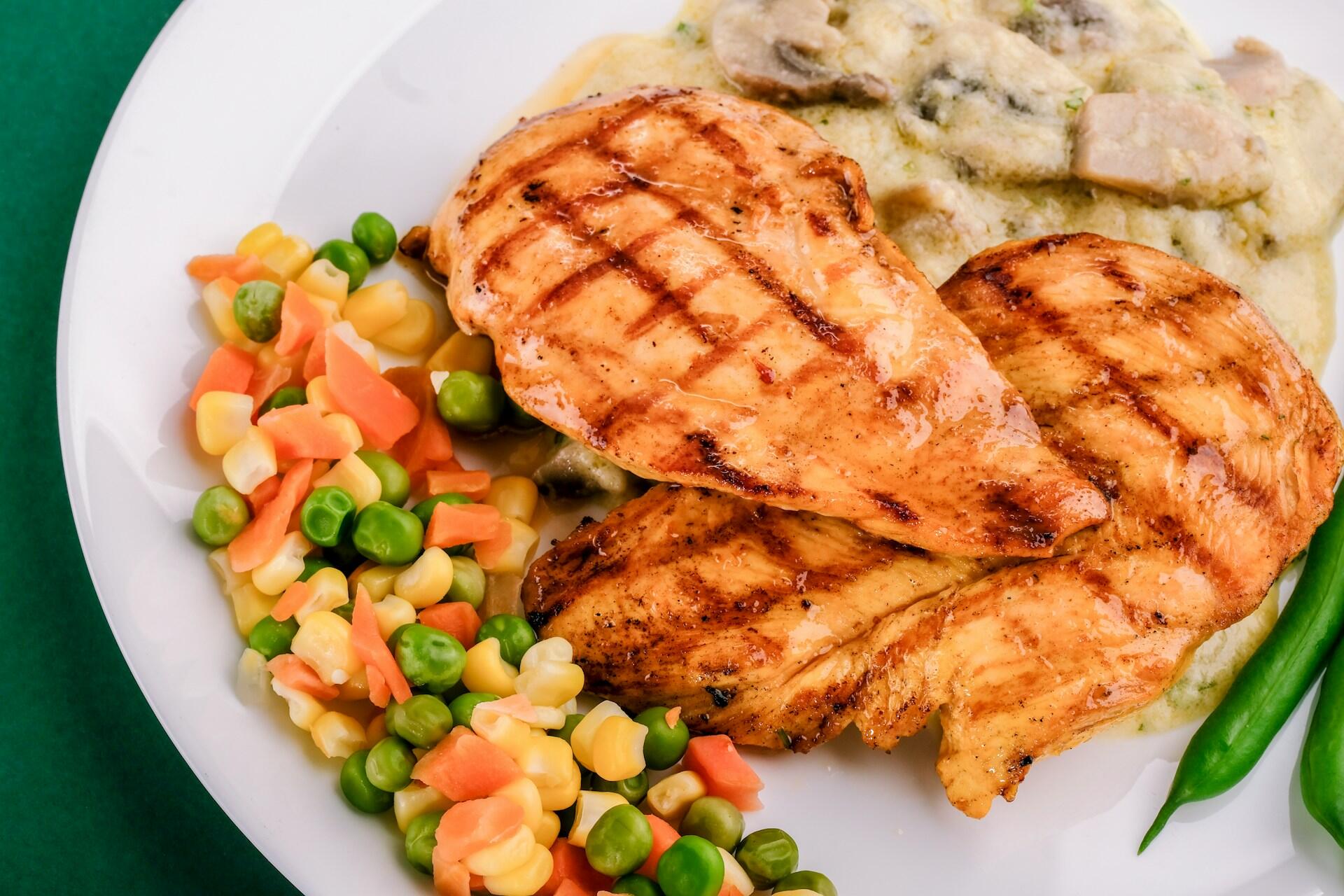

Protein is often at the centre of discussions about healthy eating. But what exactly does it do, and why do you need it? Here, we explore this macronutrient and how to sustainably integrate it into your diet.
| Food | Typical serving | Protein per serving (g) | Notes |
|---|---|---|---|
| Chicken breast (cooked, skinless) | 100 g | 30–31 | Lean and versatile with low saturated fat |
| Lean beef | 100 g cooked | 26 | High-quality protein and rich in iron |
| Lean lamb | 100 g cooked | 25 | Traditional NZ option; choose lean cuts |
| Salmon | 100 g cooked | 22 | Provides protein and omega-3 fatty acids |
| Tuna | 100 g canned (drained) | 23–25 | Convenient high-protein seafood |
| Eggs | 2 large | 12–13 | Affordable complete protein |
| Milk | 1 cup (250 ml) | 8 | Protein plus calcium |
| Greek yoghurt (plain) | 1 cup | 15–17 | Higher-protein dairy option |
| Cottage cheese | 1/2 cup | 12–14 | Low-fat high-protein snack |
| Lentils (cooked) | 1/2 cup | 9 | Plant-based and high in fibre |
| Chickpeas (cooked) | 1/2 cup | 7–8 | Versatile legume protein source |
| Kidney beans (cooked) | 1/2 cup | 7–8 | Good plant protein source |
| Tofu (firm) | 100 g | 12 | Complete plant protein |
| Tempeh | 100 g | 18–19 | Fermented soy with high protein content |
| Edamame (cooked) | 1/2 cup | 8–9 | Whole soybeans and complete protein |
| Pumpkin seeds | 2 tablespoons | 7–8 | Protein-dense and calorie-rich |
| Chia seeds | 2 tablespoons | 4 | Adds protein, fibre, and omega-3 |
| Peanut butter | 2 tablespoons | 7–8 | Energy-dense; watch portion size |
| Oats (dry) | 1/2 cup | 6–7 | Wholegrain that boosts daily protein intake |
| Quinoa (cooked) | 1 cup | 8 | Complete plant protein grain |


What Are High-Protein Foods and Why Do We Need Them?
Protein is one of the main food groups, and high-protein foods play a central role in maintaining our overall health. Protein is one of three macronutrients, and it's essential for building and repairing tissues, supporting muscle function, producing hormones and enzymes, and keeping the body functioning correctly. It can come from animal or plant sources, but regular intake is essential, since the body can't store it like fat or carbs.
High-protein foods are those that provide a significant amount of protein relative to their calorie content. These foods help support muscle repair, hormone production, and overall body maintenance. Both animal-based and plant-based foods can be excellent protein sources when eaten as part of a balanced diet.
Protein is required to build and repair muscle, bone, skin, hair, blood, and connective tissue. It is also involved in immune function and the production of enzymes and hormones.
Meals that include a good protein source tend to be more filling, which can help regulate appetite and support healthy weight management when overall calorie intake is balanced.
Meat, fish, eggs, and dairy are well-known protein sources, but legumes, tofu, seeds, oats, and other plant-based foods can also provide excellent protein when eaten in suitable portions.
Nutrient-rich protein foods also supply important vitamins, minerals, and healthy fats. Choosing whole foods over highly processed options helps support heart health and overall nutrition.
Because the body continuously uses protein, spreading protein intake across meals rather than consuming it all at once helps support muscle maintenance and metabolic health.
How Much Protein Do You Need Each Day in New Zealand?
Remember that all diet advice here is generalised, and for specific advice, always talk to your doctor. However, to give you a general idea, the Australia and New Zealand Nutrient Reference Values are designed to meet the needs of most healthy adults. These guidelines are intended to support normal body function, muscle maintenance, and overall health.
per kilogram of body weight per day.
Most healthy adults require around 0.75 to 0.84 grams of protein per kilogram of body weight per day, depending on sex and age. For example, a 70 kg adult would need roughly 50-60g of protein daily.
People who are physically active, including those who exercise regularly or perform manual work, may benefit from slightly higher protein intake to support muscle repair and recovery.
Older adults often need more protein per kilogram of body weight to help preserve muscle mass and strength as part of healthy ageing.
Eating far more protein than your body needs does not automatically improve health or muscle growth. Balanced intake spread across meals is more effective than very high protein intake in a single sitting.
Most people in New Zealand can meet their daily protein intake through regular meals that include foods like eggs, yoghurt, legumes, fish, lean meat, seeds, or wholegrains without relying on supplements.
High Protein Foods NZ: Best Animal-Based Sources
Animal-based foods often provide concentrated, easily absorbed sources of protein. Many of these foods also contain all nine essential amino acids. These animal-based protein foods are widely available in New Zealand.
Chicken breast, turkey, lean beef, and lean lamb provide high amounts of protein per serving with fewer calories than fattier cuts. Choosing trimmed or lean options helps reduce saturated fat intake while maintaining protein quality.
Fish such as salmon, tuna, hoki, and sardines are excellent sources of protein and provide essential fatty acids that support heart health. Including fish in meals a few times per week adds nutritional variety.
Eggs are a versatile, affordable source of complete protein and contain essential nutrients such as vitamin B12 and choline. They can be eaten at any meal and work well in both snacks and main dishes.
Milk, yoghurt, Greek yoghurt, and cottage cheese provide protein along with calcium and other nutrients that support bone health. Choosing lower-fat or unsweetened options can help manage calorie and sugar intake.
Typical protein-rich servings include 65–100 g of cooked meat or fish, 2 eggs, or 1 cup of milk or yoghurt. Eating appropriate portions helps meet protein needs without excessive calorie intake.
While animal-based protein foods are nutritious, relying on a variety of protein sources rather than a single type helps support long-term health and reduces intake of excess saturated fat and salt.
High Protein Foods NZ: Best Plant-Based Protein Sources
You can also get protein from plant-based foods. These can be a key part of a balanced, nutritious diet and are particularly useful for those with dietary requirements that prevent them from eating meat. Plant-based options are affordable, widely available, and suitable for both vegetarian and vegan diets, and they include some good carbohydrate options for those who need them.
Lentils, chickpeas, kidney beans, and black beans are rich in protein, fibre, and complex carbohydrates. They help support fullness and stable energy levels and work well in soups, curries, salads, and stews.
Tofu, tempeh, and edamame are among the highest plant-based protein sources and contain all nine essential amino acids. These foods are versatile, absorb flavour easily, and can replace meat in many meals.
Pumpkin seeds, chia seeds, almonds, peanuts, and nut butters provide protein along with healthy fats that support heart health. They are ideal for snacks or as meal toppings, but portion size is essential given their high calorie density.
Foods such as oats, quinoa, and buckwheat provide protein, fibre, and key nutrients. While they are not protein-dense on their own, they help boost total protein intake when combined with legumes or dairy alternatives.
Eating a variety of plant-based protein sources across the day ensures a full range of essential amino acids. Simple combinations such as beans with grains or tofu with vegetables and seeds can easily meet nutritional needs.
With thoughtful food choices and adequate energy intake, vegetarian and vegan diets can provide enough protein for muscle maintenance, weight management, and overall health.
Complete vs Incomplete Protein: Does It Really Matter?
Protein is often described as “complete” and “incomplete”. Basically, complete proteins contain all nine essential amino acids in sufficient quantities. In practice, you don't need to worry about this too much if you eat a varied and balanced diet, but you should know that dairy products tend to have complete proteins, while plant foods have incomplete proteins.
Complete proteins contain all nine essential amino acids that the body cannot produce on its own. Animal products such as meat, eggs, and dairy are complete proteins, while most plant foods are incomplete proteins. However, combining plant-based foods such as legumes and grains can provide all essential amino acids.
Foods such as meat, fish, eggs, milk, and yoghurt contain all essential amino acids in one source, which is why they are often highlighted in protein guidelines.
Soy products such as tofu, tempeh, and edamame, as well as foods like quinoa and buckwheat, provide complete protein and are excellent options for plant-based diets.
Most plant foods are incomplete on their own, but combining foods such as legumes and grains across meals provides all essential amino acids. This does not need to happen at the same meal to be effective.
Eating a wide range of protein foods throughout the day ensures adequate amino acid intake without the need for careful tracking or food pairing.
Consuming enough protein overall is more important than focusing on whether every food is technically complete or incomplete.
High-Protein Meals and Snacks You Can Make Easily
You don't need to be an incredible chef to include high-protein foods in your everyday diet. Simply combining familiar foods will provide enough protein and essential nutrients. Focus on whole foods and easy preparation, and it's much easier to integrate more protein into your diet.
Greek yoghurt with seeds and oats, eggs on wholegrain toast, or overnight oats made with milk or yoghurt provide a strong protein base to start the day and help maintain fullness.
Meals built around lentils, chickpeas, tofu, or lean meat paired with vegetables and wholegrains offer steady energy and sustained protein intake. Leftovers from dinner can also make quick, high-protein lunches.
Stir-fries with tofu or chicken, bean-based curries, fish with vegetables, or grain bowls topped with legumes and seeds are easy ways to build protein into evening meals without excess calories.
Yoghurt, boiled eggs, roasted chickpeas, nuts and seeds, or nut butter on wholegrain crackers can help increase daily protein intake between meals.
Adding seeds, legumes, eggs, or dairy to meals is an effective way to increase protein content without relying on highly processed protein bars or powders.
Adding seeds, legumes, eggs, or dairy to meals is an effective way to increase protein content without relying on highly processed protein bars or powders.
High-protein meals do not need to look the same every day. Rotating foods and flavours helps maintain enjoyment and supports long-term healthy eating.
Are High-Protein Diets Healthy for Weight Loss and Muscle?
High-protein diets are often mentioned for weight loss and muscle building. However, diet trends frequently ignore the nuances. Protein is vital for preserving muscle mass and supporting satiety. For long-term health benefits, focus on the overall quality of your diet, not just protein intake, and consider the role fat plays in your diet. Even understanding the role fat plays in our diets can help.
lower risk of heart disease compared with low or no intake.
Adequate protein intake helps maintain and repair muscle tissue, particularly when combined with resistance or strength-based exercise. This is important for active individuals and for older adults aiming to preserve muscle mass.
Protein-rich meals tend to be more filling than meals high in refined carbohydrates or fats, which can help reduce overall calorie intake as part of a structured weight management plan.
Eating more protein does not automatically lead to weight loss. Calorie balance, food quality, and long-term eating habits remain the most important factors.
For most people, moderate increases in protein within recommended ranges are sufficient. Extremely high protein diets offer little additional benefit and may displace other essential nutrients.
Diets that emphasise lean meats, fish, legumes, dairy, nuts, seeds, and wholegrains tend to support better health outcomes than diets relying heavily on processed meats or protein supplements.
Can You Eat Too Much Protein? Health Considerations to Know
Like all nutrients, protein needs to be consumed in the right amounts. Protein-rich foods bring their own benefits, but by regularly eating excessive amounts, you'll end up with nutritional imbalances. Moderation, food quality, and individual needs should be prioritised over simply increasing your protein intake. While many think that protein is only available in meat-based diets, there are plenty of high-protein fruits and vegetables.
While protein is essential, consuming excessive amounts can increase overall calorie intake and displace other vital nutrients. For most healthy people, balanced protein intake is safe, but those with kidney conditions should seek medical advice. Long-term health depends more on food quality than protein quantity alone.
Protein still contains calories, and consuming large amounts without adjusting overall food intake can contribute to weight gain rather than weight loss.
Diets very high in protein may crowd out essential foods such as fruits, vegetables, wholegrains, and healthy fats, reducing fibre and micronutrient intake.
For healthy adults, moderate to higher protein intakes are generally well tolerated. However, people with existing kidney disease or reduced kidney function should seek medical advice before increasing protein intake.
Most people can meet their protein needs through everyday foods. Relying heavily on powders or processed products can increase intake of additives, sugar, or salt.
Diets built around whole, minimally processed protein foods tend to support better long-term health outcomes than diets focused solely on hitting high protein targets.1
Making High-Protein Eating Sustainable in Everyday Life
To maintain a high protein intake, fit it naturally into your everyday routines. Focus on flexibility, enjoyment, and long-term health. Choose foods that are accessible, affordable, and enjoyable. Trying to do too much at once is the easiest way to mess up your new diet.
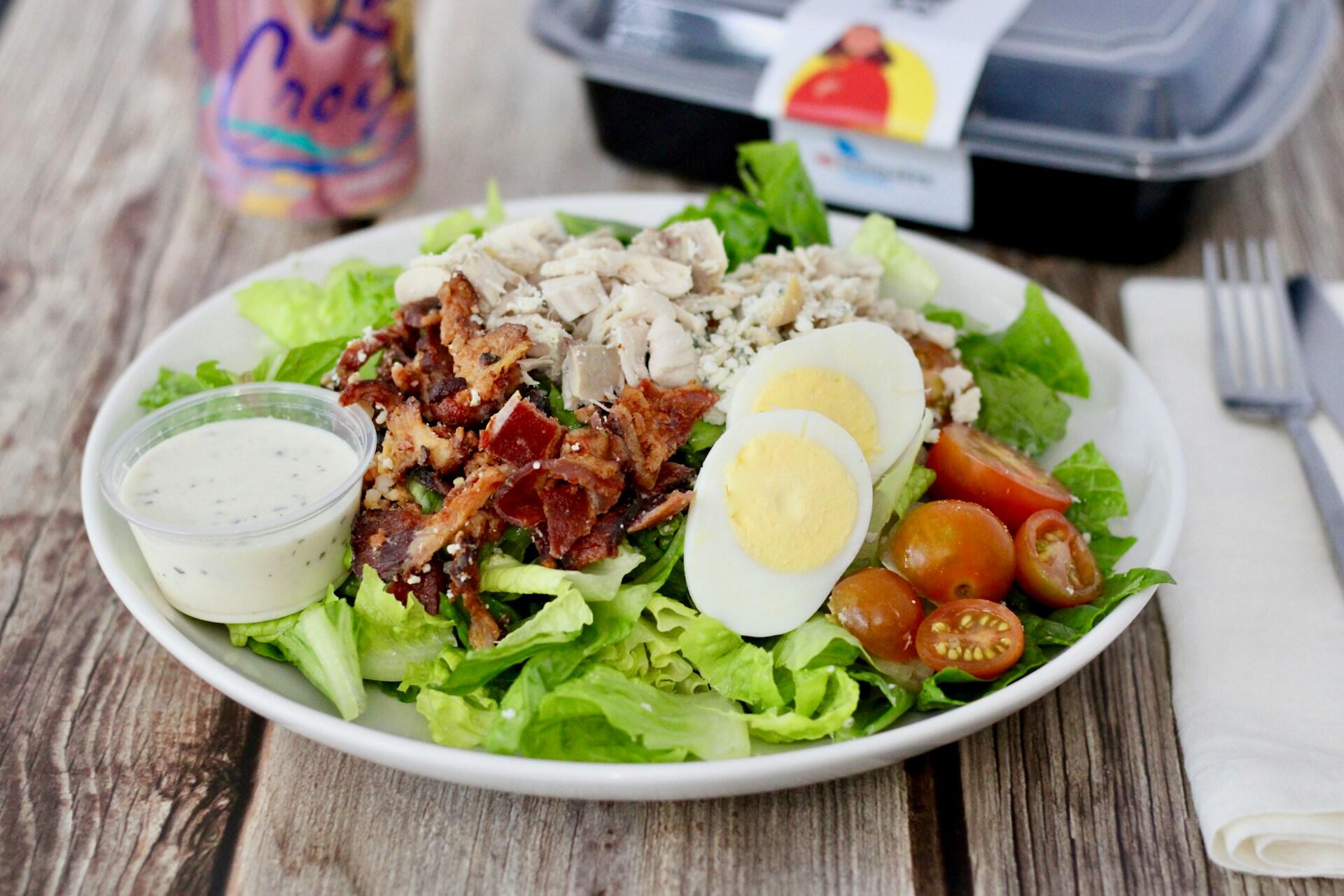
Using foods you already enjoy, such as eggs, yoghurt, legumes, fish, oats, or seeds, makes it easier to maintain healthy habits without feeling restricted.
Spreading protein intake across meals and snacks helps support muscle maintenance and keeps energy levels stable throughout the day.
Combining different protein sources increases dietary variety and supports nutrient intake while reducing reliance on any single food type.
Whole foods provide protein alongside fibre, vitamins, and minerals, supporting overall nutrition more effectively than heavily processed products.
High protein eating should reflect individual preferences, cultural food choices, budget, and health needs. There is no single approach that works for everyone.
Nutrition professionals can provide personalised advice, especially for people managing health conditions or major dietary changes.3
Summarise with AI:
Did you like this article? Leave a rating!

 Loading...